




| Wuthering Waves | |||
|---|---|---|---|
| Release Date | Gameplay & Story | Pre-Register & Pre-Order | Review |
Wuthering Waves is an open world action RPG by Kuro Games that offers tight, execution-based combat, a challenging endgame, and high verticality exploration. Read our review to see what it did well, what it didn't do well, and if it's still worth playing in 2026.
This is an updated review in celebration of its 2nd year anniversary. Read our Wuthering Waves review during its previous anniversary to see how much it has changed since its previous year.
Overview
What is Wuthering Waves?
In Wuthering Waves, you take on the role of a mysterious newcomer simply known as the "Rover." Waking up without any memories or connections and in a world beset by creatures known as Tacet Discords, they must navigate the war-torn landscapes, underground factions, and roaming monsters to find the truth about themselves and the world.
Wuthering Waves features:
⚫︎ Elemental ailments and character attributes
⚫︎ Open world exploration
⚫︎ Action RPG combat with multiple layers of techs
⚫︎ Various traversal gadgets
⚫︎ Overworld material farming
⚫︎ 50/50 character gacha
⚫︎ Guaranteed weapon banner
For more gameplay details, read everything we know about Wuthering Waves's gameplay and story.
| Mobile App Store Pages | |||||
|---|---|---|---|---|---|
 App Store App Store |
 Google Play Google Play |
||||
| PC | |||||
 Epic Games Epic Games |
 Dedicated Client Dedicated Client |
 Steam Steam |
|||
| Consoles | |||||
 PlayStation PlayStation |
 Xbox Xbox |
||||
Wuthering Waves Review: It Which Reached the Stars
An Evolution of a Vision
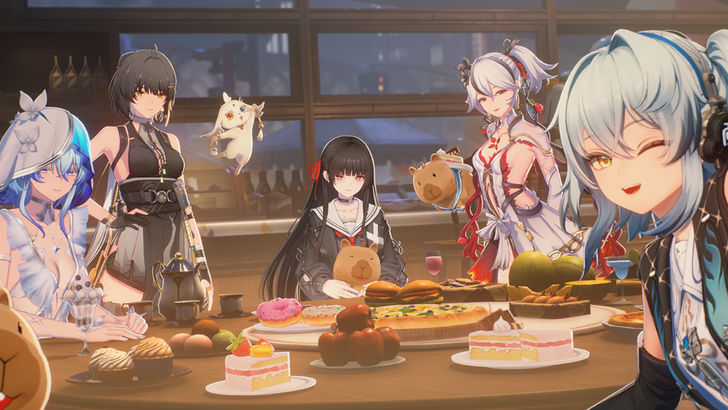
Wuthering Waves is currently celebrating its second anniversary; a momentous occasion with a fortuitous timing, as it’s being held right alongside the climactic conclusion of undoubtedly the most popular story arc of the game thus far. So, it’s safe to say that it’s managed to steer itself clear away from the disaster that was its 1.0 release many, many, many moons ago where bugs outnumbered the number of satisfied players and the “story” was just a collection of action scenes precluded by walls of exposition parading as a narrative.
Two years later, the game is at its best state yet, boasting incredible popularity for a title not developed by miHoYo and, for better or worse, living rent-free in the heads of practically anyone involved in the genre.
The question now, however, is simple: since our previous review of Wuthering Waves spanning versions 1.1 to 2.3, what has changed? Did it improve, stay stagnant, or regress? After all, simply judging it against 1.0 would do it a massive disservice considering it could only really go up from there—or, you know, die. Instead, it is far better to evaluate it against the standard of the previous year—the era where the game truly picked up the pace.
The Greatest Chapter So Far
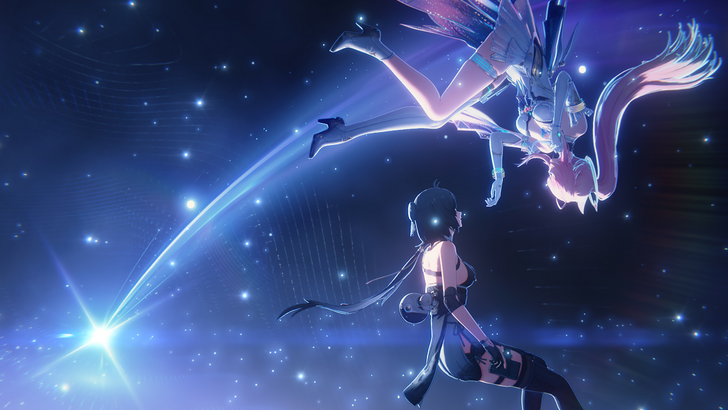
Of course, we need to start a 2nd anniversary review by addressing the giant, glowing, frolicking elephant in the room: the first half of version 3.1: “For You Who Walk in Snow”—commonly talked about as the greatest story chapter Wuthering Waves has ever told (thus far).
It is an immense label to slap onto any main quest—especially with heavyweights like Version 2.4’s “Lightly We Toss the Crown” in the running—for sure. But it truly deserves the title. The countless community clips of players reacting with genuine, tearful, snot-ridden heartbreak prove that this arc truly resonated. But what made it stick, and why did players feel so strongly about it?
This will be a very spoiler-heavy section, so if you’re averse to such things, skip it until the last image of this section.
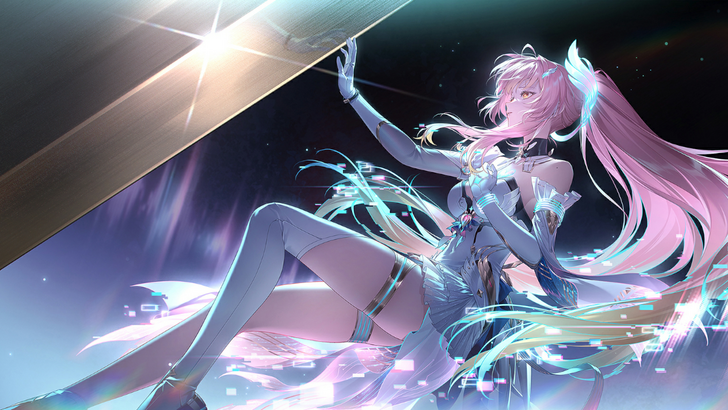
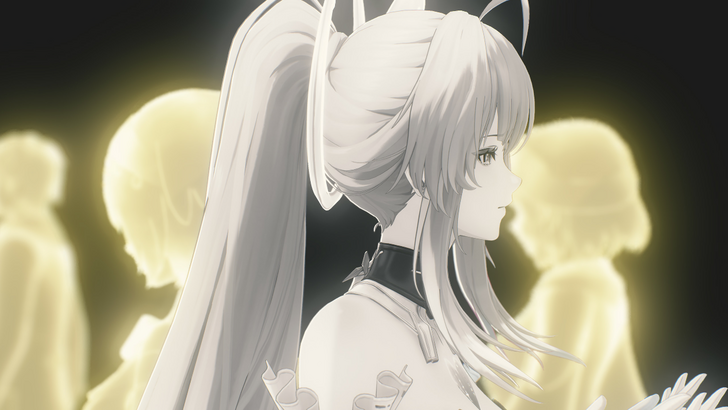
The first half of version 3.1’s main story quest, dubbed “The Star That Voyages Far,” is the story of the Rover meeting the cyberghost of a student named Aemeath. She, who has spent the better part of the last decade not being able to interact with anyone, immediately and understandably forms a connection with you, the only one who can see her form and hear her voice.
Traveling together reveals her past: she was an admired, multi-talented student, idol, and gamer who harbored a simple, starry-eyed dream to become a world-saving hero. It’s a standard story you can encounter in practically any similar game. That is, until you get halfway through the arc.
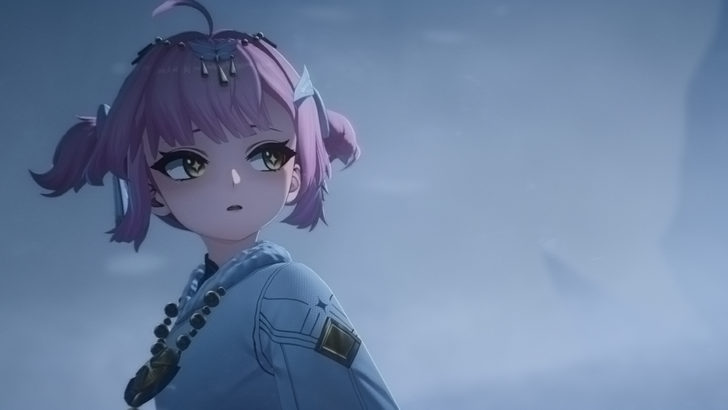
It’s revealed that Aemeath was, effectively, the player character’s adopted daughter. They took her in after she lost her parents, and she was raised in a loving environment despite the Rover’s own goals and, behind it all, bewilderment. And because of what they did, Aemeath grew to not only admire them as a hero, but also to love them as family. But because of their mission, they eventually had to leave Aemeath, promising to meet again when they could.
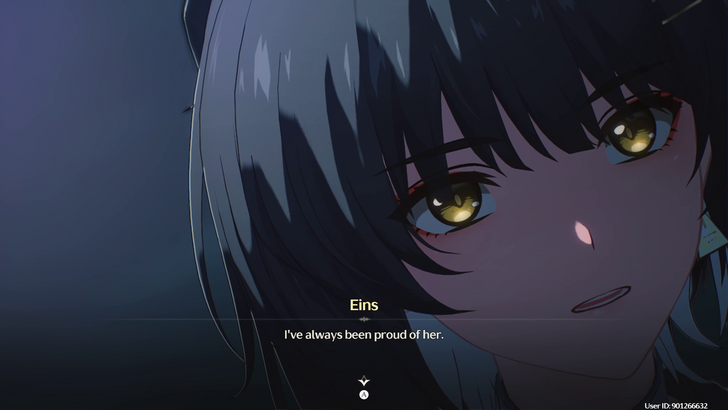
In a way, Aemeath’s death—the result of her saving the world in the distant past—stemmed from that same admiration and love. She became a hero, just like you, for your sake. In the present, she repeats that sacrifice, leaving you with a heartfelt goodbye meant not just to save the world, but to save you most of all. And through it all, all she ever wanted was to make you proud…
… Despite the cruel irony that the protagonist’s only true wish was for Aemeath to simply live a happy life.
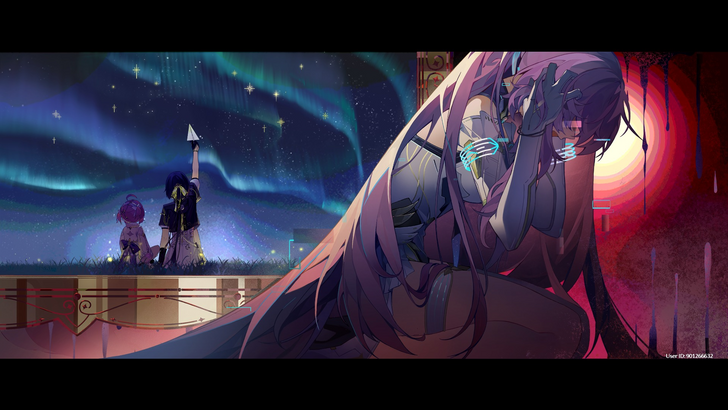
The story was an instant breakout hit, and for apparently very simple reasons. It banked on the people’s shared sentiments regarding familial love, as well as Aemeath’s own qualities as perhaps the first who truly understood the Rover’s burdens with their humanity. As a result, it created such a heartbreaking story that it being pushed so early into the questline could be forgiven (mostly). And of course, Kuro Games' unmatched skill in cinematography in the mobile gaming space as well as the superb work of the voice talents behind each character helped a lot as well.
On top of that, this single update pushed so many of Wuthering Waves’ narrative facets forward simultaneously, mostly regarding the main character. This ranges from the question of their own humanity and origins, the many consequences of their voluntary memory loss and what pushed them to make such a drastic decision, and the scale of the overarching antagonist lurking behind each storyline.
But most importantly, it exemplified a massive creative evolution that the developers have been pushing toward for a very long time.
Breaking Away from the Self-Insert Trap
There have been a total of nine versions released since the last time we covered Wuthering Waves. And in those early days, the protagonist, the Rover, was still mostly a half-empty shell, despite their standout performance in version 2.2. They were largely a passive observer or generic savior who the side characters constantly praised due to acting like what a template hero would do when pushed into similar situations. Essentially, they were a tool to move the plot, not a character experiencing it.
They were You—a vacant vessel designed for the player to project themselves into.
Things began to change as early as version 1.3, however, with the Rover receiving a bit more background and personality during the Shorekeeper’s story, allowing them to finally drive the plot forward on their own merits. Though back then, it was just a budding flower, watered occasionally through subsequent character additions, most notably across Phrolova’s arc in version 2.5 where we saw how their decisions and broken promises have hurt the people around them.
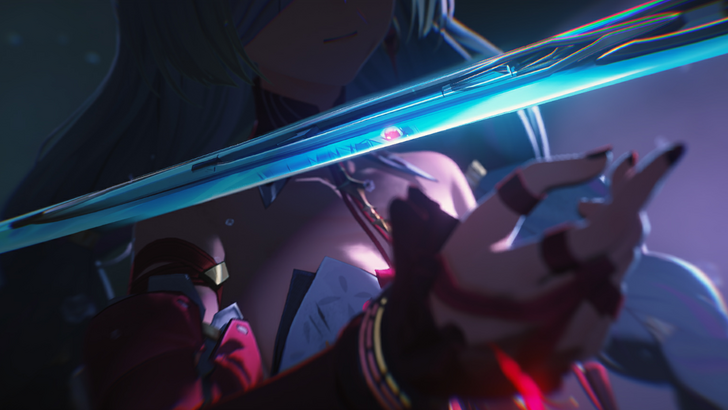
It all came to a head in version 3.1. It was during Aemeath’s arc that the Rover received the one thing required to truly break away from the self-insert trap and become a character in their own right: a well-defined past with perceptible personal weight and personality. At the moment of that revelation, the protagonist stops being You. They become a bewildered parent with a specific mission, who left a specific child behind, and who ultimately chose to erase a specific part of their own memories to achieve it.
This was a near two-year project that burdened the Rover with a highly precise, complex, and human identity. Now the players know that the protagonist is flawed and possesses heartbreaking regrets tied deeply to their past that wasn't just pushed to them by another character.
That was why version 3.1 succeeded. Extremely well. I myself cried for a good ten minutes. Now that the Rover’s scope has been shrunk down to where intimate psychological drama, such as Aemeath’s tragedy, would affect them greatly, players shifted from imagining it happening to themselves to seeing it happen to someone else. And that is far more devastating, as imagination stops being a wall to sympathize with the character.
With Peaks Come Valleys
Of course, it’s not as if every story arc is as good as the first half of 3.1. It can’t be the best chapter if there isn’t a baseline underneath it to contrast against. After all, stinkers like the 2nd half of 2.6 and the first half of 3.0 were also released within the last twelve months. Furthermore, the overarching execution of the storyline has its own structural issues that are well worth babbling about.
One such issue is pacing. Normally, this is viewed on a micro level, like all of the complaints regarding how the narrative was essentially waved off in favor of walls of exposition back in 1.0. But those minor flaws pale in comparison to how the version updates themselves are structurally paced.
Take the entirety of the Lahai-Roi arc, for example, which began in version 3.0. It introduces a new region, a fresh cast of characters, and a new objective; standard fare when entering a new territory. However, the premise is predicated on the Rover entering the region disguised as a student, a refreshingly unique setting and a novel reprieve from the usual trope where they venture into new lands as an esteemed stranger with immense gravitas.
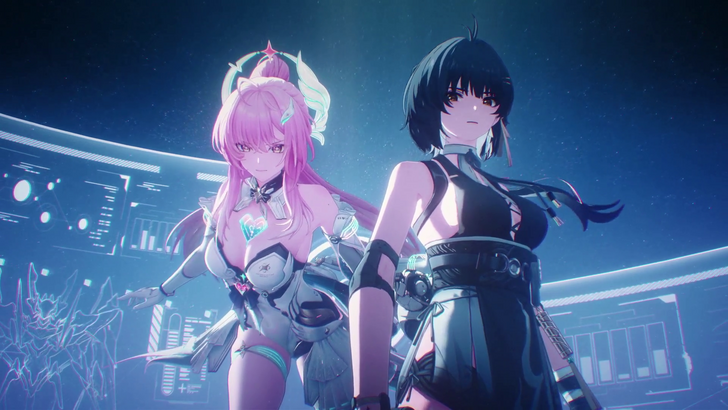
If this was a novel, it would have been designed following a natural escalation of the conflict; the first chapter might have been the Rover trying to adapt to their new school life, meeting new characters and applying for classes while signs of trouble brewed around them. Then, they would get dragged (or get themselves involved) into all kinds of issues before hitting the arc’s first peak with Aemeath’s chapter.
Instead, the region is immediately put into dire straits at the very first chapter where we fought a giant worm for world peace (it was a great fight, though). Right after that, we got thrown into another conflict that almost got the entire region burnt down. And that’s right before the overarching plot’s legendary Aemeath arc.
It has been one high after another—albeit at varying heights—throughout the entire storyline. But with so little breathing room or buildup between major updates, appreciating the plot at a macro level becomes difficult.
Unfortunately, this is a very common issue with live service games with steady story updates. Every new character needs something memorable to latch onto players with so they could sell, after all. Hence, it’s also a very understandable problem to have and one that you should expect to come with practically every gacha game you play save for a number of exceptional exceptions.
At the very least, Wuthering Waves makes the best out of that limiting framework and manages to write stories that range from good to truly outstanding, without any recent ones dipping into true mediocrity—aside from Iuno’s arc. In fact, two of the game's arguably greatest story patches were both released within the last twelve months: version 2.4 and version 3.1.
That steady evolution is exactly what makes anticipating new updates so exciting. Will there come a time when Wuthering Waves surpasses the emotional, heartbreaking high of version 3.1? Considering the studio has already managed to eclipse the benchmarks set by version 1.3 and 2.4, there is little doubt in my mind. And when that next peak arrives, I can’t wait to watch myself—and the rest of the community—fall apart all over again.
Or just spend hours talking about it on social media, really.
From Fantasy Flight to Sci-Fi Bikes
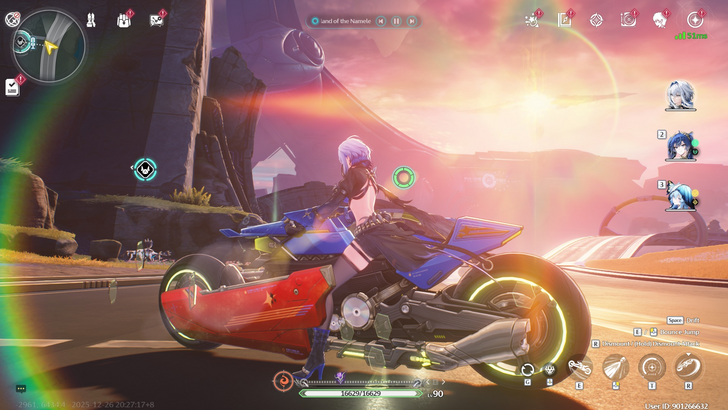
With the narrative out of the way, it’s time to talk about the very cool sci-fi stuff. Following in the footsteps of Huanglong’s Glider and Rinascita’s Flight Module—both very fantasy-centric gadgets—Lahai-Roi introduces the game’s third major traversal tool: the Expedition Motorbike. It is exactly what it sounds like: a motorcycle that can double-jump, glide, freeze water, and blast forward with rocket thrusters. It’s aggressively hardcore, yet perfectly fitting sci-fi.
For players coming in from the Venetian-inspired city states of Rinascita where making music and bloodbaths were the norm, this might seem like a direct downgrade from the region’s signature utility item. After all, being able to fly makes everything easy to access compared to having any area’s accessibility be dictated by its nearby ramps and roads. That is definitely true. However, the developers did implement measures that more than make up for the reduced freedom that flying brings.
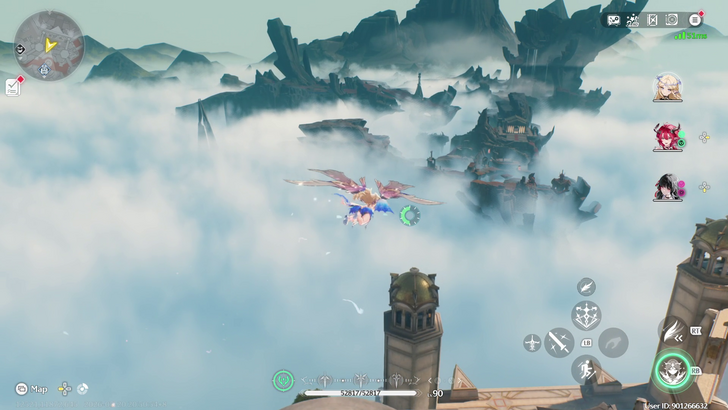
The simplest of all is the addition of Cinematic Mode; something made possible through combining the motorbike’s autopilot, radio, companion, and various other features to create a unique, uhh, cinematic experience. Though at the end of the day it just involves watching the main protagonist drive around the region’s roads while the music, which you can customize and make playlists of, by the way, plays as stunning landscapes whiz past. Backed by Kuro Games’ mastery of presentation and an exceptional soundtrack across its two-year runtime, it transforms into the single best way to spend idle time in the game—the ultimate interactive wallpaper.
And ironically enough, being forced to the ground also does provide a much better experience when exploring the region. Back when the Flight Module reigned supreme, “exploration” simply meant flying around looking at the minimap for important icons and occasionally looking down for any unmarked chests or challenges to farm currency from. But now that you can’t just bypass the terrain, every cliff wall and ravine becomes a puzzle, every ramp becomes an opportunity to style, and every looping road becomes a circuit.
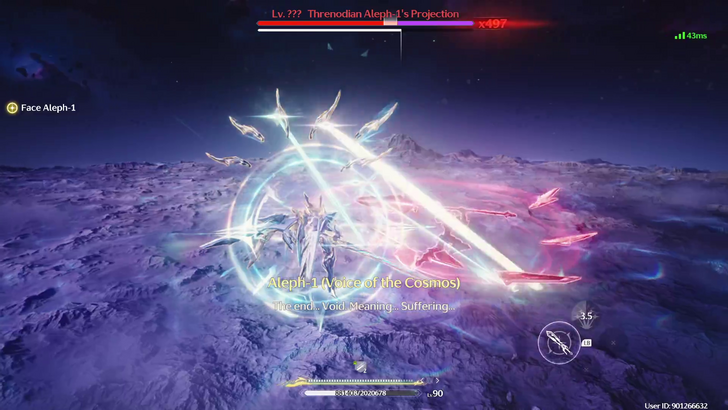
On top of that, sticking to the asphalt (or offroading) forces you to acknowledge the world around you. Now, the unique interactions between enemies of different factions/species become plain to see. You can also get involved in traffic accidents (it’s never your fault, don’t believe in the NPC drivers’ lies), be forced to deal with roadside bandits, or use the fact that you don’t have a license to ram your motorbike into the local fauna.
This marks a massive evolutionary leap in environmental engagement and immersion over the Flight Module, and I don’t know why there are people who prefer the latter over something so blatantly superior in everything but mobility—though I guess I answered myself there. Ultimately, unless the developers give us a customizable mobile home in the next region, I genuinely don’t know how they can top this traversal tool.
—Yes, I am deliberately not talking about the giant mecha battle at the climax because that fight was so cool it needs no justification.
Lightly We Creep the Power
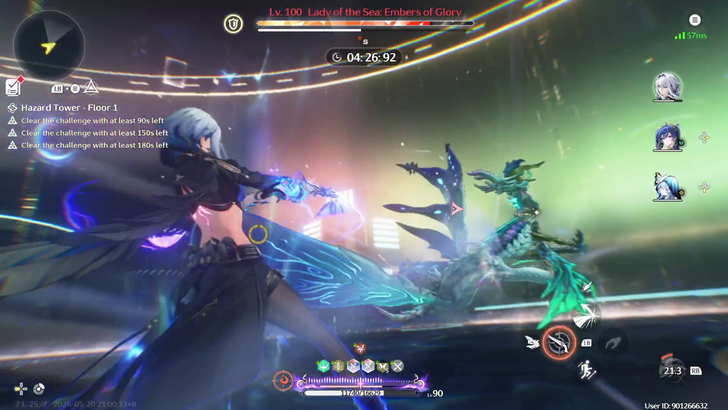
Another thing introduced when the newest region rolled in is the Tune Break mechanic. It's similar to the Negative Statuses from the previous region, where only very specific characters can fully exploit it. However, unlike Negative Statuses, not being able to make full use
of the mechanic doesn’t mean you’re locked out completely. That is, even if you can't maximize it, you can still benefit from some of its effects.
This is an indirect answer to the ever-present question looming over live service games that have passed a certain age: How bad is the powercreep? Not bad, actually.
While it is true that the Huanglong and Black Shores units—the first batch of characters introduced prior to Rinascita—are certainly showing their age, some of them can still hold their own against the much tougher enemies in the newest areas. This is especially true for a select few who don’t rely solely on raw damage to contribute to a fight, such as Shorekeeper and Verina. To this day, they remain top-tier options for healing, though the fact that there’s been little in the way of competition for that specific slot admittedly contributes to their longevity.
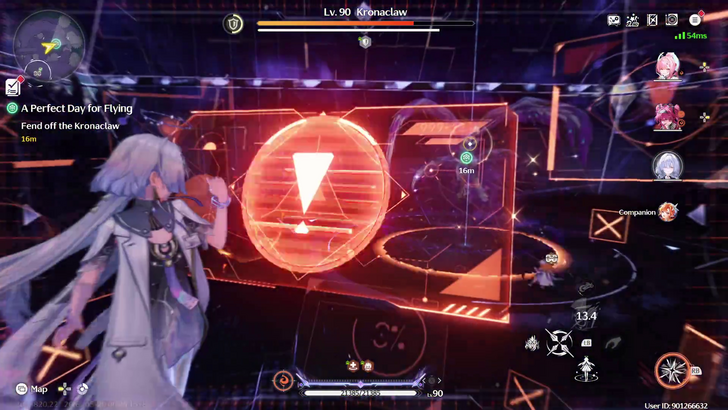
Of course, that doesn’t mean that you can just charge through the game from 1.0 content all the way to the latest patch with just the free characters you get at the start. You will still need to pull for the new characters somewhere down the line. But this is where Wuthering Waves’ more execution-focused gameplay comes to save it.
Outside of specific events and endgame modes, practically none of the fights feature a strict time limit. That means you can absolutely grind through enemies by sheer attrition. This is also why zero-healer lineups exist, even in high-end content. After all, you don’t need a healer if you don’t get hit (said every Danjin main ever).
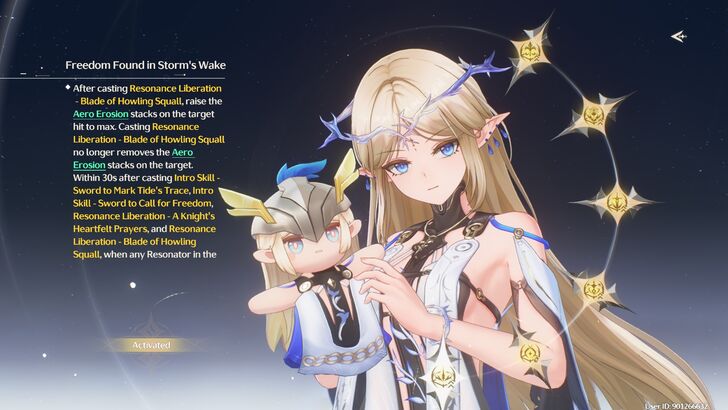
This lack of urgency to constantly update your roster (and its lack of PvP) creates a fascinating ripple effect. Even if you’re a low-spender like me, only purchasing the monthly currency subscriptions and the battle passes, you can freely opt to invest in characters vertically if you desire, provided you're willing to skip a number of banners. In other words, if you like a specific unit so much that you want to dump three to five hundred pulls into maxing them out, you can absolutely do so without the game punishing your account progression for it.
It is essentially allowing you to express your identity through the gacha system itself.
If you’re interested in learning which characters are functionally better at the current state of the meta, though, you can refer to our guide below:
Welcome to the Astrite Fields
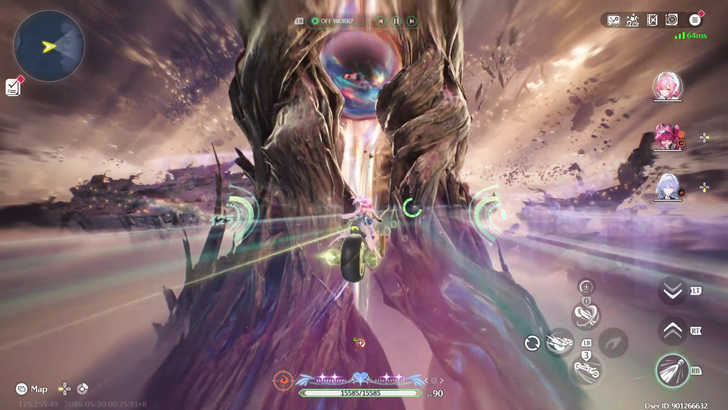
Outside of the Tune Break mechanic, Wuthering Waves’ combat hasn’t changed all that much. It remains the same mechanically challenging action RPG it has been since launch. On the other hand, the game did introduce a wealth of new content over the past twelve months, most of which has been integrated into the daily grind for gacha pull rewards.
A major contributor for your resource farming sessions are the exploration objectives for every area. These act as an exhaustive, but reliable source of astrites for everyone willing to put in the work.
Most of the time, though, at least in many other games, these are just chores. After all, why would you want to spend hours walking around looking for chests, side quests, and points of interests just for a trickle of crystals when practically none of them offer anything new or engaging?
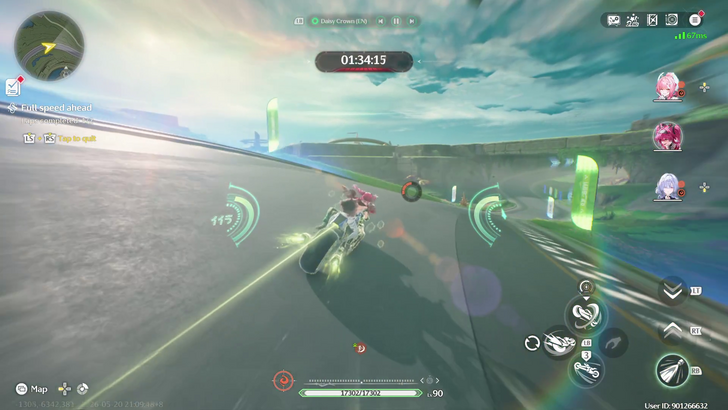
Wuthering Waves is keenly aware of that issue and ensures you don’t feel that same tediousness while exploring the map its developers crafted with such care. To achieve this, they made sure to keep much of the exploration experience distinct from the core combat gameplay. For example, it is only when you’re filling out your exploration missions and side quests that you encounter racing time trials, obstacle courses, a Tetris minigame, and various other unique activities. And very often, they even come with worldbuilding attached.
My favorite one was a short side quest I encountered while I was exploring the hinterlands of the Dimmr Plains. After I finished a shadow puzzle, I was led around by a wisp for part two of the quest. It required me to do a lot of platforming with my motorbike before I found a box at the top of a rock formation.
This box, as it turned out, contained a cardboard cutout of Mornye, one of the characters introduced in Lahai-Roi. Also inside was a heartfelt letter to—okay, it wasn’t a heartfelt letter, but rather a very weird mantra of praise dedicated to the young professor, begging him to bless the writer's thesis with a passing grade so he could graduate on time. It was written in such a way that you could actually tell it was meant to be completely misunderstood, which immediately triggered an image in my mind of a panicked student kowtowing at the cutout’s feet and crying for mercy.
Fortunately, he ended up passing his course and graduating. Grateful for what he believed was divine luck brought on by his fervent prayers, he left the cutout behind so that anyone else struggling with their thesis could find it and offer up their own prayers. Now, was that the start of a local cult of Mornye-worshippers? Probably not, but it was absolutely meant to be taken that way.
How can you get bored exploring the world of Wuthering Waves when those kinds of quirky, eyebrow-raising quests are the norm?
Think of the Kids, Rover!
Now that I’ve gone through the majority of what I wanted to say—because if I covered everything, this would just become too long for its own good—let’s address a crucial question: At this critical milestone in Wuthering Waves’ live-service lifecycle, how accessible is the game for a brand-new player?
This is a structural hurdle common to sprawling open-world games. Upgrade materials and character progression loops are typically cordoned off in regions located deeper and deeper into the game as the years tick by. For example, Hiyuki’s materials include ones that you can only farm from a boss you can unlock at the tail end of version 3.3’s content.
To alleviate this, Wuthering Waves grants players the option to skip parts of the story as soon as they unlock the Resonance Nexus in Jinzhou City. Yes, that means fresh accounts can completely pretend the atrocities of the 1.0 narrative never happened—a protective privilege we white-haired players certainly didn't have back at launch.

Do I recommend it, though? Honestly speaking, despite all of my complaints regarding the first story chapter, and even though you do have the option to, I highly recommend not skipping anything for two reasons. For one, the currency rewards tied to witnessing the story won’t be provided when you skip them. But that’s minor compared to the narrative experience you’ll miss when you do.
Wuthering Waves is a narrative-driven game with a long story, true. And it will take you more than just a weekend in order to consume everything at this point. But in my opinion, that’s where its actual soul is located. The stellar gameplay, visuals, and audio—all of them are greater than the sum of their parts because of the narrative context that supports them underneath. For example, it’s impossible to appreciate Cartethya’s combat loop of stabbing three swords into the ground before she can transform at full power without knowing what those blades’ significance to her is.
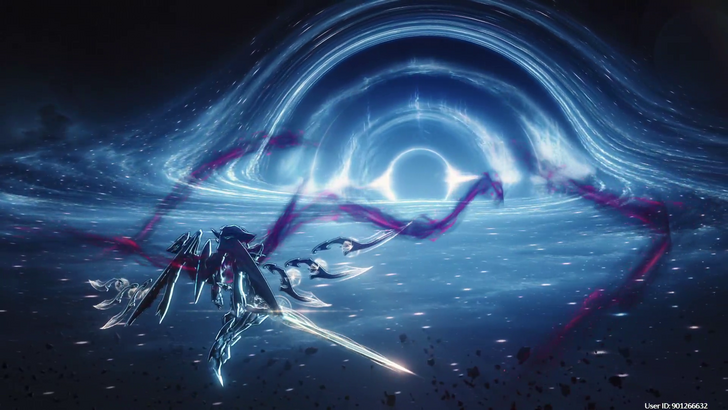
Of course, skipping the story will also come with the caveat that any mention of previous events will immediately only generate question marks in your head. That will be true even if you only skip 1.0, too, because despite Kuro Games’ attempts at making people forget its existence, there are still many references to its events stretching all the way to the latest chapters.
Unfortunately, this means that to get the definitive, premium experience, new players will simply have to log several dozen hours slogging through the main questline. But at the end of the day, even if you are in a rush to catch up to your friends, that time investment is entirely worth it.
If you're a new player looking for tips on how to play the game, feel free to check our our guide below:
It Ain’t a Mobile Game Anymore
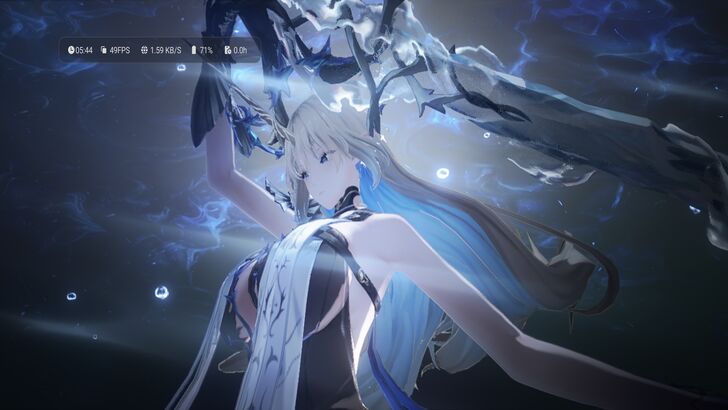
Probably the most important issue facing this game since a long, long time ago and until now is how demanding it is hardware-wise. Like, I’m running a Redmagic 8S Pro as my daily driver, which is quite decent compared to what most people run these days. Yet, it stutters hard and often when trying to render some of the newer, more draw-distance-intensive locations. And don’t even get me started on the high-speed combat sections; keeping a consistent 60 FPS there is a total pipe dream.
We can largely thank Unreal Engine 4 for that. It is simply a much more brutal, resource-heavy engine for mobile architecture compared to something like Unity.
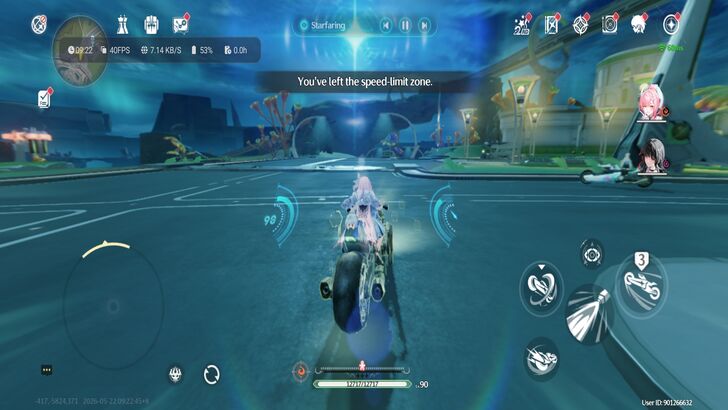
Thankfully, today’s version is much better optimized than versions past. But still, if even the lower rungs of the better-equipped phones struggle with running the game smoothly, can it still be considered a mobile game? At least among my own circles I rarely know anyone who unironically opens it on their phone aside from doing so to buy astrites, battle passes, and the like.
At this point, it’s less a mobile game and more a PC title with a mobile port. That changes a lot, because even if the industry talks about it as a mobile title, the player base may not necessarily or strictly treat it that way. It’s an important distinction that heavily influences how people engage with it in terms of time investment and community discourse. For example, a player might only spend a few minutes daily on a standard mobile game, but will gladly dedicate several hours to a PC or console title. Where do you think they would categorize Wuthering Waves?
The answer to that is quite obvious.
Is Wuthering Waves Worth It in 2026?
Absolutely still one of the best gacha games of the era
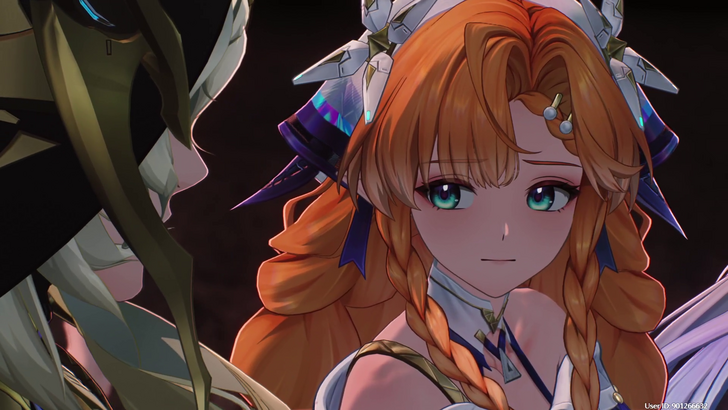
Despite my love (read: addiction) for the genre, it is incredibly rare for me to stick with a specific gacha game for over two years. In fact, I can only name a handful of titles that have managed to occupy permanent real estate on my phone for that long, such as Soccer Spirits, Alchemy Stars, Arknights, Honkai Impact 3rd, and Punishing: Gray Raven.
After all, it’s incredibly hard to keep playing the same game for so long while so many of them are released every year, each one requiring a significant amount of your time daily. Every game has to aggressively fight for your time, offering something genuinely unique to set itself apart from the pack.
Wuthering Waves offers more than something unique, and it certainly is much more than just a good game. It is a stellar example of what the live-service genre can achieve despite its inherent structural limitations. And though it is still prone to stumbling every now and then, it consistently maintains such a high baseline of quality that you can ultimately forgive its minor sins.
So, absolutely give the game a shot. And remember to keep glazing humanity—for that is the exact reason why the reactor drive still beats.
How to Catch Up as a New Player
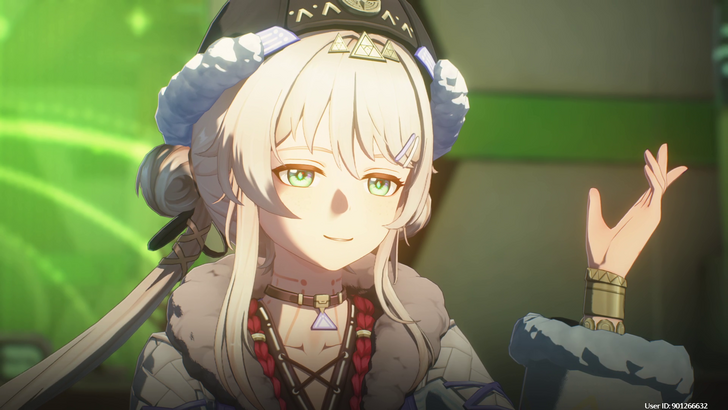
New players can expect either having to spend a few, amazing, dozen-odd hours trying to catch up to the main narrative, or just a leisurely weekend if they decide to skip the first and second regions in favor of catching up. Do note, however, that while the options is there, it is generally not recommended to skip any part of the story.
Wuthering Waves is a narrative-driven game where every bit of lore is also directly referenced by the characters themselves. The chapters aren't isolated either, so in order to get a full understanding of it, reading everything is a must.
Here's a general run-down of how to catch up to the current content for new players:
| New Player Catch-Up Guide |
|---|
| 1. Progress the Main Story |
| 2. Complete the Beginner Events |
| 3. Pull On The Beginner Banners |
| 4. Finish the Exploration Quests |
| 5. Do the Permanent Events First |
| 6. Increase SOL3 Phase and Level Up Characters |
| 7. Challenge the Endgame Modes |
To give you an idea of how long this will take, starting from chapter 1 (Huanglong) will take around 57+ hours to complete, excluding all the side missions and quests. But if you skip both chapter 1 and chapter 2 (Rinascita), you can finish chapter 3 (Lahai-Roi) up to version 3.3 after around 12+ hours.
If you’re interested in catching up with the game’s contents, you can check out our guide using the button below:
Wuthering Waves Related Guides

| Wuthering Waves Categories | |
|---|---|
 News and Game Info News and Game Info |
 Tips and Tricks Tips and Tricks |
 Characters Characters |
 Echoes Echoes |
 Weapons Weapons |
 Gacha (Convene) Gacha (Convene) |
 Quests Quests |
 Events Events |
 Enemies Enemies |
 Bosses Bosses |
 Character Tier List Character Tier List |
 Maps Maps |
 Items Items |
 Character Skins Character Skins |
 Trophies Trophies |
 Profile Cosmetics Profile Cosmetics |
Game8 Reviews

You may also like...
 |
Mongil: Star Dive Review RPG, Action, Gacha |
 |
Arknights: Endfield Review RPG, Anime, Gacha |
 |
Seven Knights Re:Birth Review RPG, Anime, Gacha |
 |
Neverness to Everness Review | Good Mileage Expected RPG, Gacha |
 |
Zenless Zone Zero Review RPG, Action, Anime, Gacha |








I still can't believe you give a 9 for value. It's a 50/50 gacha game. The original review was like a 7 or 8 for value. It doesn't matter if there are a decent amount of pulls, the 4 star e weapons suck so you have to go for 5 stars weapons (even with guaranteed). No gacha game should be over an 8 for a value. Power creep is starting to get bad (Jinshi is terrible now). I know the reviewer loves this game, very apparent from all of the glazing he does, but he needs to revalue that.
Insane review bomb going on here. There should be a verification process to getting user ratings into the weight imo
you do know that trolls review here as "users"? delete these clowns, s**t can't be taken seriously😒!