



| Minecraft | |||
|---|---|---|---|
| Release Date | Gameplay & Story | Pre-Order & DLC | Review |
Minecraft’s mechanics blend simple crafting and survival gameplay with deep exploration. Read our review to see what it did well, what it didn't do well, and if it's worth buying.
Overview
What is Minecraft?
At its core, Minecraft is a sandbox game centered around exploration, survival, resource gathering, crafting, and creative expression. Players can choose between Survival Mode, where they must gather resources, craft equipment, manage health and hunger, and defend themselves from hostile mobs, and Creative Mode, which provides unlimited resources and the freedom to build without conventional survival restrictions. The game also features a procedurally generated world filled with diverse biomes, structures, creatures, and resources to discover.
Minecraft features:
⚫︎ Open-World Sandbox
⚫︎ Creative Freedome
⚫︎ Survival Gameplay
⚫︎ Expansive Infinite Worlds
⚫︎ Endless Discovery
⚫︎ Redstone Engineering
⚫︎ Cross-Platform Multiplayer
For more gameplay details, read everything we know about Minecraft's gameplay and story.
| Digital Storefronts | |||||||
|---|---|---|---|---|---|---|---|
 PS PS |
 Xbox Xbox |
 Switch Switch |
|||||
| $19.99 | $29.99 | ||||||
 App Store App Store |
 Google Play Google Play |
||||||
| $6.99 | |||||||
Minecraft Review: The Culmination of Limitless Possibilities in Modern Gaming
Irreplaceable Sand-Box
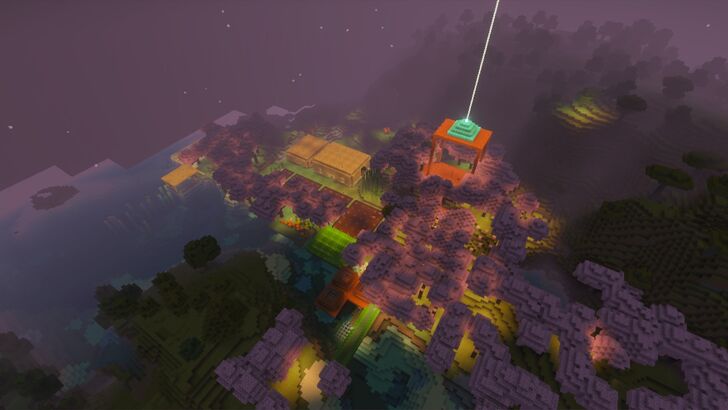
Minecraft is arguably one of the most generation-defining games ever made, managing to surpass the limitations of catering to just one age group. Sure, there are games that copy its iconic boxy sandbox aesthetic, but they ultimately fail for one reason or another. Some, like Roblox and Terraria, manage to capture its vibe to some degree and succeed in their own right. But there is no other game quite like Minecraft.
Because unlike any other open-world, free-roaming game we have available at our fingertips, Minecraft has established something that simply cannot be replicated. And that is, drum roll please, fostering a strong and, dare I say, unyielding community.
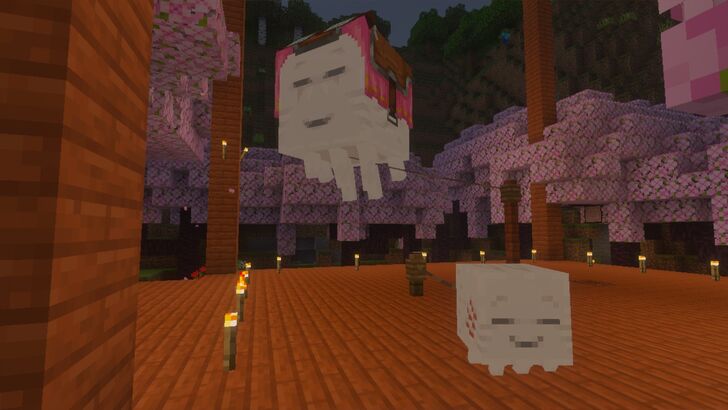
Of course, while its community and player base are a huge part of why Minecraft remains relevant to this day, I think the most important thing Minecraft understood was something much simpler: the feeling of limitless possibility. Minecraft gives players a world where there is no single way to play, no one destination they have to reach, and no ceiling to what they can create.
From Grass and Stone to Endless Possibilities
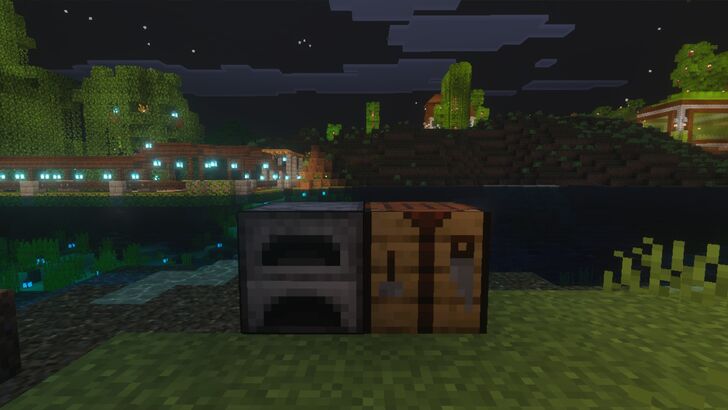
For those who were still an embryo when Minecraft first launched, you might be wondering exactly why or how Minecraft has managed to become such a phenomenon. There was a time before Microsoft handled Minecraft, and even a time before Mojang. The beginnings of Minecraft was handled by one person, Markus Persson, a.k.a. Notch. In 2009, the game was released in Alpha under the name Cave Game. Compared to what we have now, it was really the barest of bones. There were only Grass and Stone blocks, and there was nothing else you could do but place and destroy those blocks.
And people loved it. For one reason or another, maybe there was simply a hunger at the time for sandbox and creative games. Ultimately, people wanted more of it. So Minecraft gave them more.
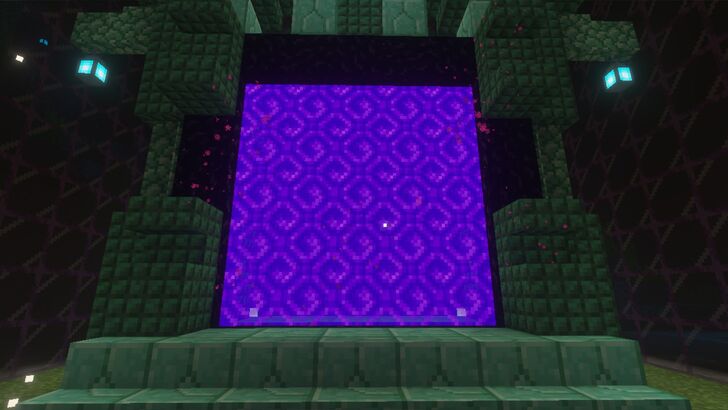
From there, the game just kept expanding. I won't go into the details of every update, but the gist of it is that from only having Grass and Stone to place and destroy, tools were added, crafting was added, new biomes were added, the Nether was added, the End was added, and newer and better mobs, locations, and mechanics just continued to be added.
Minecraft didn't stop at expanding what you could do. It expanded where and with whom you could do it. Pocket Edition was released in 2011, bringing Minecraft to mobile devices and, personally, bringing it to me. By 2016, Minecraft could be played across modern consoles, with crossplay essentially adding even more to those limitless possibilities of where and who you could play and create with.
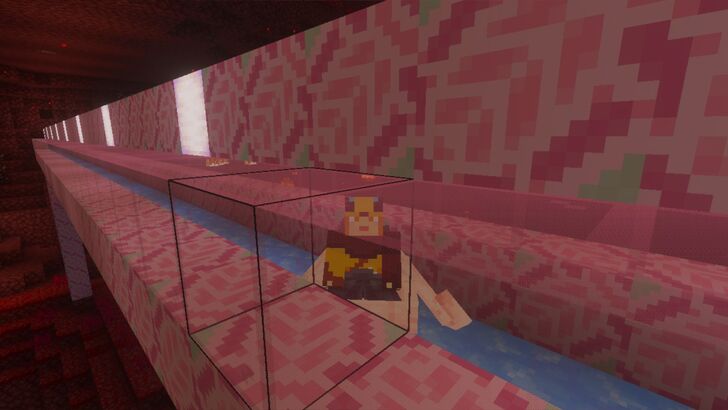
One could argue that the only reason Minecraft became as successful as it is today is because it pioneered the genre. However, pioneers are special for a reason. Someone had to have the first idea. Someone had to create. And at the time, only Minecraft was able to quench the thirst for creative outlet in video games that people were yearning for.
More importantly though, people didn't just stay with Minecraft for the sake of nostalgia. No. If a community could stay solely on nostalgia, there would be far more games out there still thriving. The reason Minecraft is still, to this day, receiving flocks of players, is because people are still finding things they want to do in Minecraft. The game continues to serve those possibilities on a silver platter.
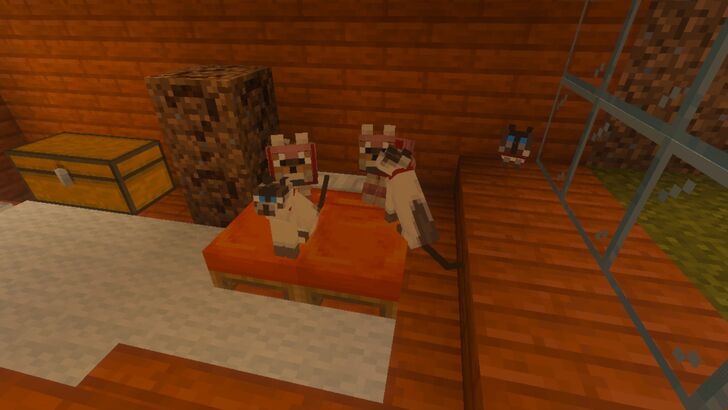
I mean, just look at the latest Cushions update. It's one block that Minecraft added, and the player base has already run amok with it.
That, to me, is what makes Minecraft's continued relevance so impressive. The game doesn't have to constantly tell you what to do with what it gives you. It simply gives you something new, and the players figure out what they can do with it. A new block can become a new build, a new idea can become a new project, and a new update can become another reason to return to a world you've already spent hundreds of hours in. Minecraft's evolution isn't just about how much content has been added over the years, it's about how every addition gives players another tool to exercise that limitless creativity.
Reaching The End Is Only One Way to Play
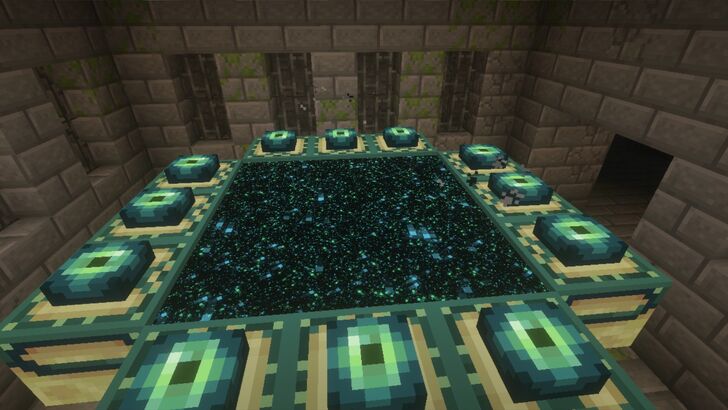
There are many, many, many ways to play Minecraft. But there are a handful of people out there who will argue that there is only one canon way to play the game. I'm not one of them, but I will talk about it first.
See, Minecraft actually has an "End." And some people believe that the true, right way to play is to reach the End. Some even go as far as trying to reach it in the shortest amount of time possible. We call these people, in the gaming sphere in general, speedrunners. Have I tried speedrunning Minecraft before? Yes, once. It took me around 24 hours. Not exactly speedrunning, and not exactly my cup of tea when playing Minecraft.
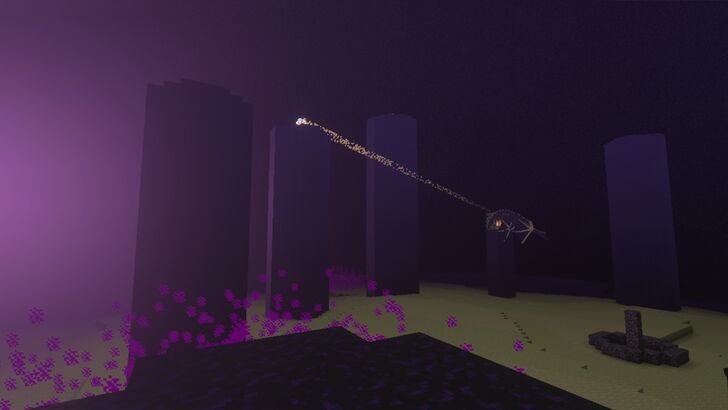
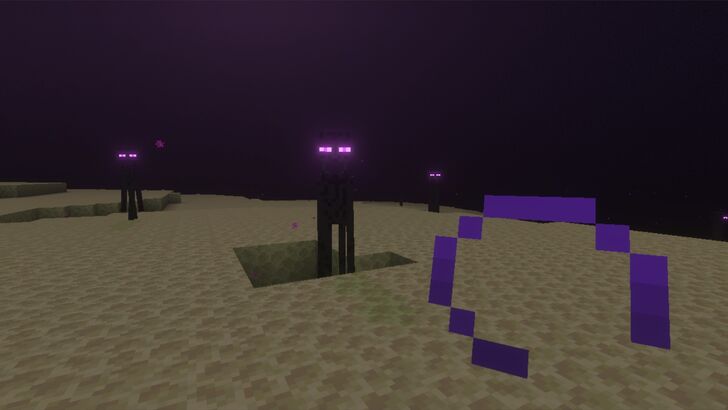
So what is the End? It is a biome that you can only enter through the End Portal, and it is filled with Endermen, End Cities, and, most importantly, the Ender Dragon. The goal is simple: defeat the Ender Dragon. The process is also simple. Destroy the End Crystals atop the obsidian towers so the dragon can't heal, and once it can no longer regenerate its health, attack it when it lands at the center of the platform.
Easy, right?
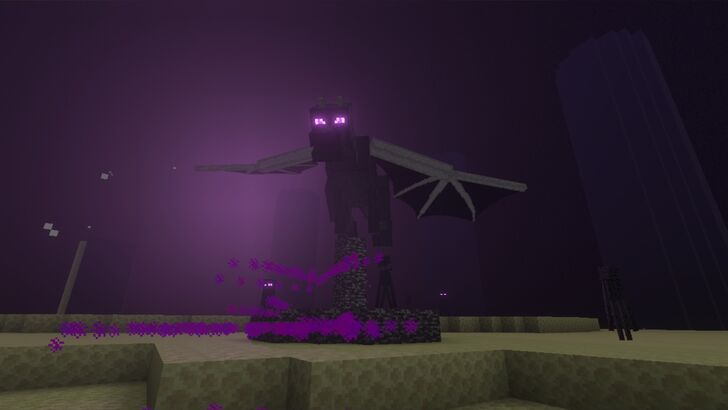
Well, not exactly. Because aside from the fact that the dragon is flying most of the time and you'll need arrows—a lot of arrows, if you haven't enchanted your bow with Infinity—actually attacking the dragon with a sword when it perches is also difficult. You'll likely take damage from the dragon's breath, too. On top of that, there are Endermen who will attack you for no apparent reason. (No, I was not looking at it.)
See, it may seem like such a simple task in such a simple game, but there is strategy to it. There is something captivating and intense about finally reaching the End and realizing that, for once, you can't simply place some blocks and build your way out of a problem. It was thrilling. It was almost scary. (Especially at the time when it was first released, when a huge portion of the player base was made up of children.)
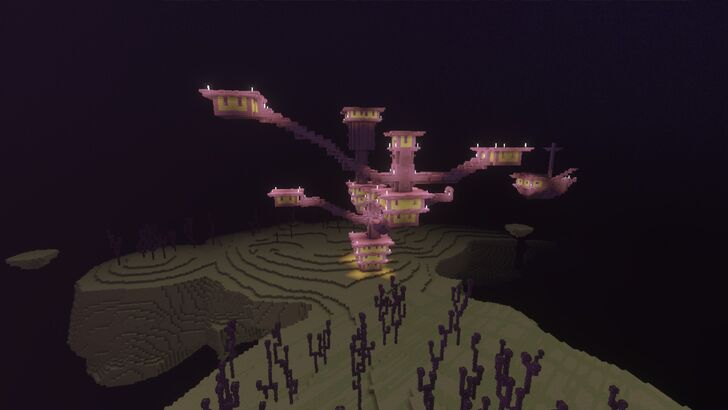
I think that's what made the End so effective at engaging players. Minecraft had already given you the freedom to do practically anything you wanted, but the End gave that freedom a faux destination. All the tools you'd been collecting, the armor you'd been crafting, the food you'd been stockpiling, and the hours you'd spent preparing had a purpose. You had something to work toward, and more importantly, something to overcome.
It was never really about whether you had to beat the Ender Dragon. You didn't. But having an objective sitting at the end of all that freedom gave players another way to experience the game. You could build. You could explore. You could survive. Or you could decide, "You know what? I'm going to kill a giant dragon."
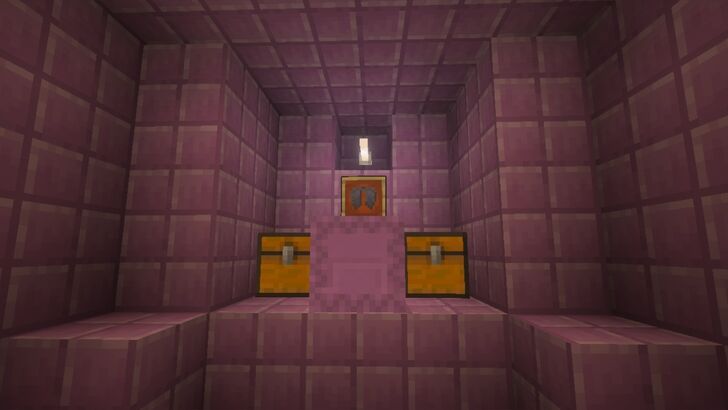
Minecraft's greatest strength has never been that it gives you one perfect way to play. It's that it gives you reasons to keep playing.
Nowadays, beating the game has evolved into what I mentioned earlier, with people pretty much just trying to beat their own time. But once upon a time, the End and the Ender Dragon were a pretty novel thing. For a game that had built its identity around having no real ending, Minecraft suddenly gave players one, and somehow, that only made the world feel bigger.
The Best Way to Play Minecraft Is at Your Own Pace
Now, let's talk about how I personally like to play the game. And that is, by taking my time doing whatever I want to do.
I'm not sure about you, but every year, I get the itch. Every year, for about two weeks, there's nothing else in my library I can play but Minecraft. Starting a new world is nice, especially when I've missed a bunch of updates. But you know what's even better? Going back to my forever world.
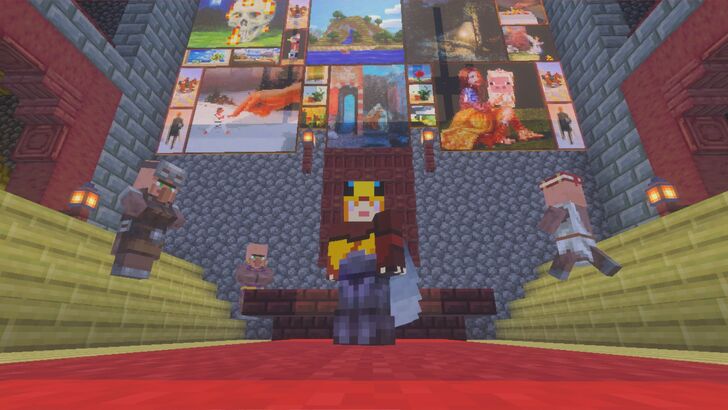
This "two-week phase" isn’t unique to me. It’s something every Minecraft player experiences. It’s essentially a phenomena where players are beckoned to return to Minecraft. There is something incredibly comforting about returning to a world, and seeing the builds I may have forgotten I made, places I've already explored, and projects that I swore I would finish someday.
But I'm getting ahead of myself. How is it actually like to play Minecraft? Well, I can't fake naivete, because like I said… I've been playing since… 2011… So I can't actually, without bias, say that it's a "easy" game. Because for the most part, I already know how to play it. I know what materials I need, what I should prioritize, where I should look, and what I'm supposed to do when I inevitably get lost underground (Advice: Dig Up).
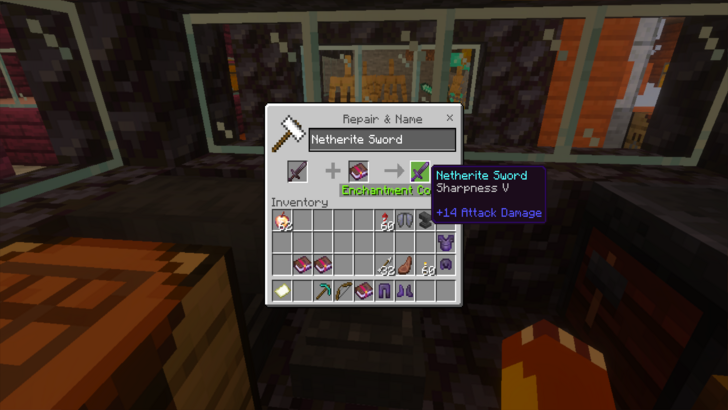
But if, for some reason, you're new to the game and want to start with absolutely zero knowledge of anything, well, it might be a little difficult to understand.
Minecraft doesn't exactly hold your hand. It gives you a world and then essentially says, "Good luck." And while that's part of the charm, it also means that a new player can very easily find themselves staring at a crafting table wondering what they're even supposed to make.
That's because Minecraft's learning curve isn't really about difficulty in the traditional sense. It's about knowledge. Once you know how the game works, much of survival becomes second nature. But before you do, even the simplest things can feel like discoveries. What can I craft? Where should I go? What am I supposed to do with this strange block I just found? Why is that thing making that noise behind me?
There's a sense of discovery in Minecraft that comes from simply not knowing. Maybe you've never met an Evoker before, and maybe this is your first time defeating one. Discovering that it drops a Totem of Undying is one of the many little joys Minecraft allows you to experience. The game doesn't necessarily tell you that this is what you're supposed to be looking for. You find out because you played.
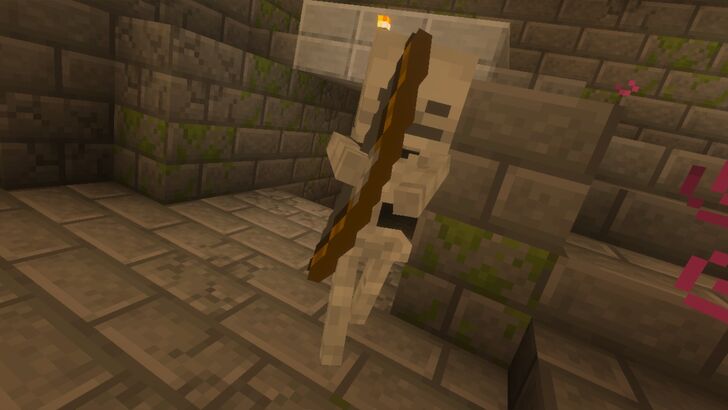
And honestly, I think that's part of why Minecraft has managed to keep players engaged for so long. Learning the game doesn't feel like completing a tutorial. It feels like gradually uncovering how your world works. Eventually, you aren't thinking about the mechanics anymore, you're thinking about what you want to make with them.
Four Modes, Endless Ways to Play
So, let's dive a little deeper. There are four modes you can play Minecraft in: Creative, Survival, Hardcore, and Adventure. Adventure, for the most part, consists of worlds curated by either you or other people to tell a story or craft a game within the game. So, for now, we'll leave it at that and focus on Creative and Survival (Hardcore is just Survival on steroids).
It's no RPG, but its mechanics are pretty extensive. You can enchant your weapons and armor, build a trading hall full of captured villagers (if that's your jam) and trade with them for books and other items, create a farm—not just food farms, although those are a big part of it, but mob and material farms as well—and then find ways to automate those things.
There's pretty much, again, a ton of things to do, things to collect, and a hundred ways to go about doing them. Minecraft's progression isn’t a checklist. There are things that you CAN do, but very few things that you HAVE to do. The game gives you the tools, introduces you to the systems, and then lets you decide how deep you want to go. You can spend hours learning how to optimize a farm, or you can completely ignore it and spend those same hours exploring. Neither is more correct than the other.
Creative Mode Lets Imagination Run Wild
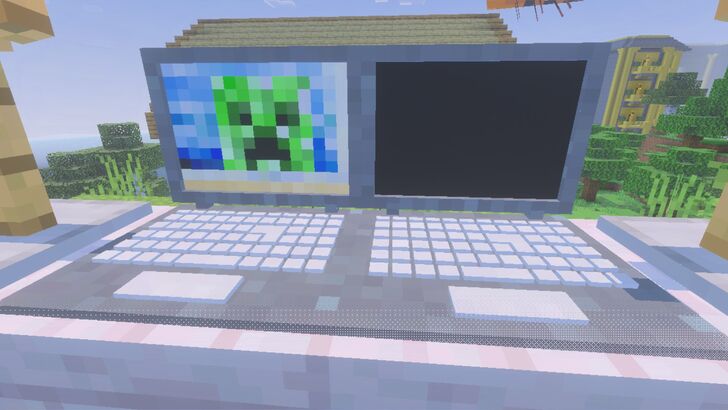
Creative is an avenue for people to, surprise surprise, create. Every block is immediately available. Every cheat, every command, flight, it's all there. Everything the game has and can offer is essentially at your fingertips. That way, players are able to tinker and let their imaginations fly. Create a kingdom. Build a fortress. You can even build a computer. Yes, a computer inside Minecraft.
Thanks to Redstone. Redstone, if we strip it down to its most basic concept, is essentially electricity. It is the component behind Minecraft's mechanical creations, and I'm not a redstoner myself, but the ingenuity of the people who are is genuinely amazing. Players have created working machines, automated systems, calculators, and even computers out of the blocks Minecraft gives them.
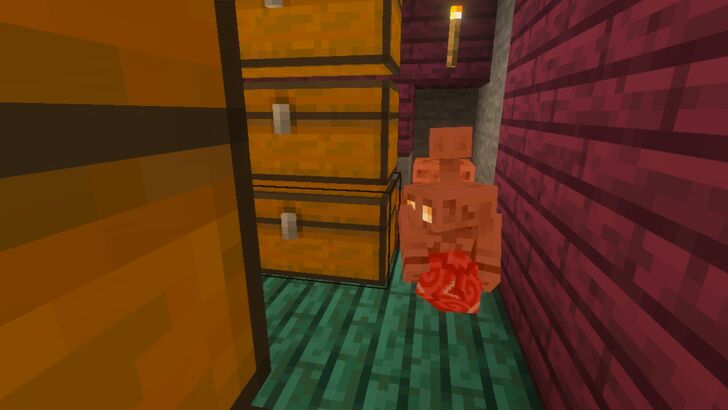
I mean, for a game to be able to give its players the ability to create literally anything, I dare say no other game has been able to replicate it to quite the same degree.
Survival Adds Stakes to the Sandbox
Now, these things are all still achievable in Survival. But there's a caveat. You now also have to survive on top of creating. The survival elements themselves are very basic. You have health and hunger, and that's pretty much it. But these simple mechanics are still effective, because these systems are woven into everything else you're doing.
Take the first night, for example. That first dirt hut isn't just something you built because you could or wanted to. It's shelter. That bed is a way to secure yourself against the night. And the tools you made are what will allow you to venture farther, mine deeper, and eventually take on the mobs that would have killed you when you first spawned.
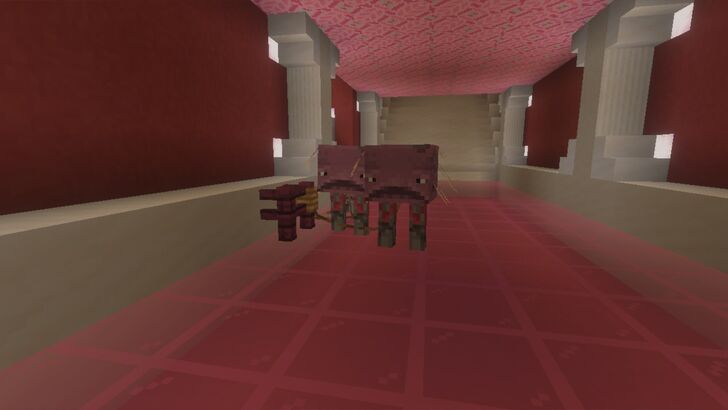
Combat itself might seem simple at first. You swing, you block (if you have a shield), and jump around to dodge. You kill whatever is trying to kill you. But especially on Bedrock, even on Easy, mobs are notorious for ganging up on you. Creepers, quite literally, creep behind you. And Skeletons have apparently dedicated their entire existence to sharpshooting me from behind a tree a few blocks away. It sounds simple, and mechanically, it is, but being caught out in the open at night can quickly turn a routine trip for resources into a scramble for survival.
But ultimately, there is no right way to play these simple but effective mechanics. There is only YOUR way. Minecraft gives you the rules, but it doesn't give you the answer. That’s really the magic of sandbox isn’t it? Everything you decide to do, belongs entirely to you.
The Best Stories Are the Ones You Make Yourself
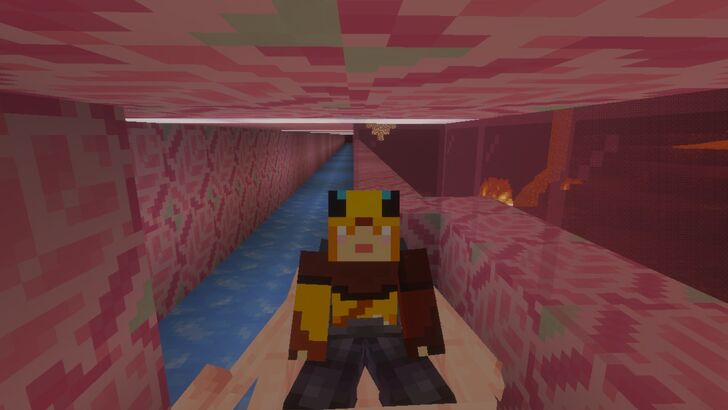
And maybe that's the most important thing to understand about Minecraft's sandbox. That freedom also doesn't stop at what you can build or how you choose to play. It extends to the stories you can create for yourself.
Disregarding any Minecraft spinoffs, there is absolutely no narrative to Minecraft. And it is all the better for it. There are many theories out there about the lore of Minecraft. The Ancient Builder theory, where players speculate that an ancient civilization was responsible for creating structures such as the Ocean Monuments. There's the Ancient City lore, where an ancient civilization was eventually ravaged by the Warden. And these theories are important because they didn’t just pop out of thin air. Players were able to conceive these ideas, because there are pieces of the world that seem to suggest that something happened before we arrived.
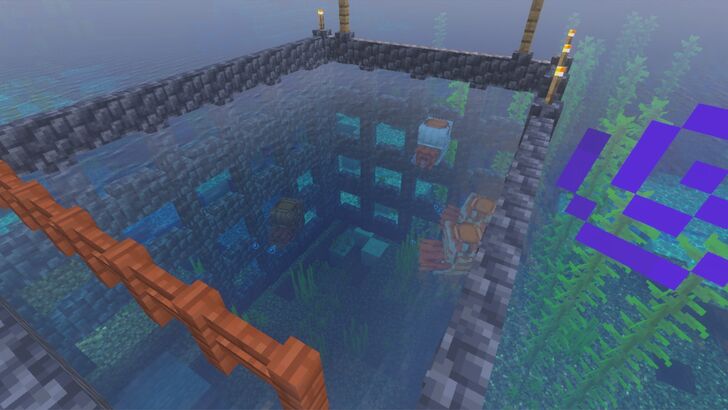
But all of these things are just theories. And that's precisely what makes them so interesting. Minecraft managed to prevent the lack of an overarching narrative from feeling like something is missing. It gives players, again, that limitless possibility to let their imagination take over. You don't need a predetermined protagonist, a prescribed conflict, or a sequence of cutscenes telling you what to feel. You can discover something strange in your world and decide for yourself what it means.
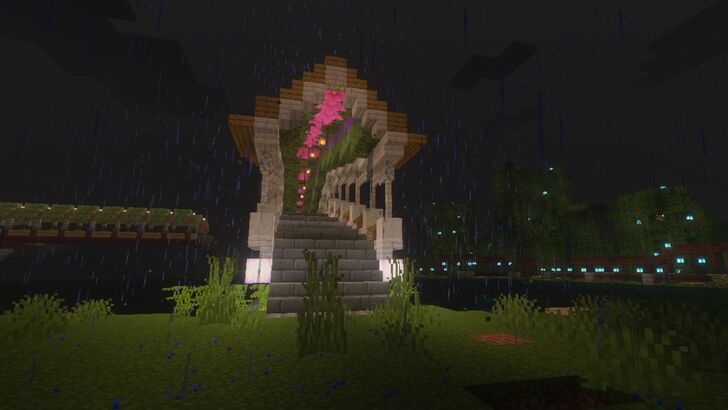
That, in itself, lets Minecraft engage players on an emotional level in a way you wouldn't necessarily expect from a game with no story. The stories you remember aren't the ones Mojang could’ve written. They're the ones that happened to you. The first time you lost everything in a cave. The first time you accidentally triggered a sculk shrieker. Or the world you've returned to year after year, where every build has a memory attached to it. There may not be a story in Minecraft, but that doesn't mean there are no stories to tell. If anything, it means there is room for yours.
Players Write the Story
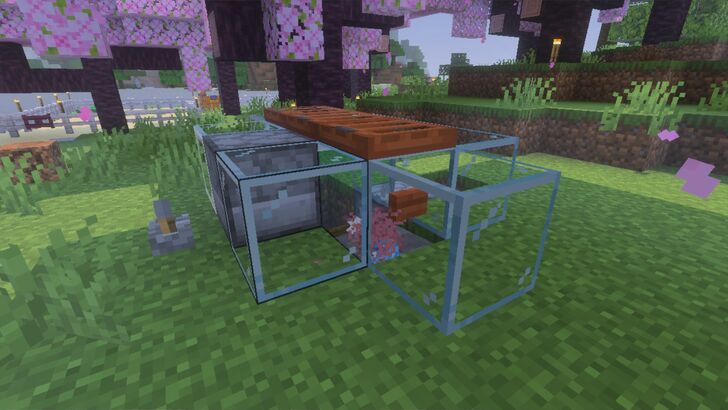
This is also where the community comes into play again. With the lack of Minecraft's narrative, it would be disingenuous of me not to mention a very big part of what keeps some communities running. And that is RP, or role-playing.
RP in Minecraft has transcended what the game initially sowed. There are communities out there, particularly SMPs or Survival Multiplayer servers, where players create entire series of stories that take place within Minecraft. From horror ones, like not turning left at the crossroads (iykyk), to political SMPs where communities exist within communities, all vying for power in a very Game of Thrones-style struggle.
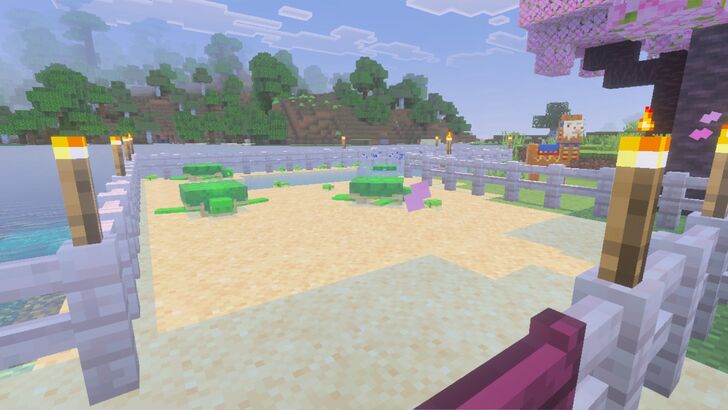
And then there are servers like 2b2t, which have accumulated years of their own history. Wars have been fought, alliances have been formed and broken, bases have been built and destroyed, and entire eras of the server have come and gone. None of this was necessarily written by Mojang. It happened because players were there to make it happen.
Minecraft provides the world, the mechanics, and the sandbox. But the players provide the characters, the conflict, the drama, and ultimately, the history.
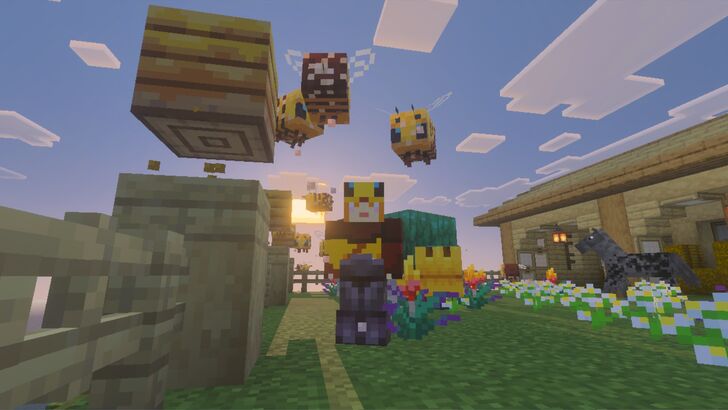
It's one thing for a game to have a community that continues playing because there is always another update to experience. It's another for that community to create something that exists beyond the content the developers have provided. These players aren't simply consuming Minecraft anymore. They're using Minecraft as a medium.
And of course, while I did not let this fact affect the Story score itself, it is a big part of what Minecraft has been able to do for its player base. It gives people enough freedom to create something that can keep them engaged for years on end. Minecraft, for all intents and purposes, has become a tool for people to tell stories.
Is Minecraft Worth It?
As Worthy As Netherite
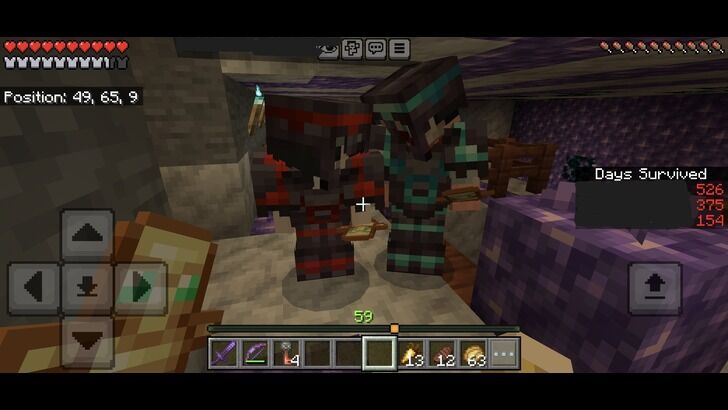
Minecraft is one of the highest-selling video games of all time, and that’s not without merit. For a measly $29.99, you're not just getting a game; you're getting the possibility of limitless creation. I may be biased, but I'm not alone.
Minecraft has managed to evolve over time, and this isn't a game you'll play once, finish, and then leave in your library to gather dust for the rest of time. Minecraft, if you truly immerse yourself in it, becomes, in a way, a lifestyle. Because there is always something else to do. Another build to finish. Another place to explore. Another idea to try. Another update to come back for.
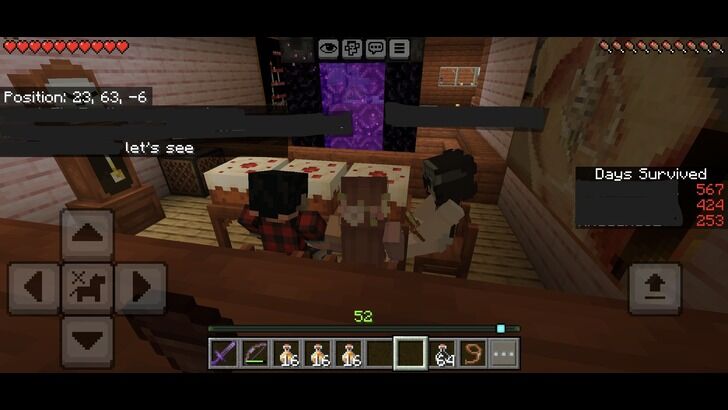
And it's also worth considering that Minecraft is only going to keep evolving from here. We've already seen what the game has become over the years, starting from nothing more than Grass and Stone and growing into the sprawling sandbox it is today. Who knows what another few years will bring? Maybe, finally, we'll get the Sky / Aether biome we've all been begging for (not as a mod, not as an add-on, but as an actual update).
Minecraft is a game that, despite having an End, never really ends. And for $29.99, I can't think of many better investments than a game you'll never truly be finished with.
Minecraft FAQ
How to Enchant Weapons and Armor in Minecraft?
You can enchant weapons and armor in Minecraft using an Enchanting Table or an Anvil. An Enchanting Table lets you spend experience levels and Lapis Lazuli to apply available enchantments to equipment, while an Anvil can be used to apply enchantments from an enchanted book. Enchanted Books can be obtained through trading with Villagers, giving players more control over which enchantments they want.
How to trade with Villagers in Minecraft?
To trade with Villagers, find a Villager with a profession and interact with them to see their available trades. One of the easiest ways to get Emeralds is by trading common crops and other farmable resources to Farmer Villagers. You can then use those Emeralds to purchase useful items, equipment, and other resources from Villagers. Establishing several Villagers with different professions can eventually create a reliable trading system for obtaining specific items.
Game8 Reviews