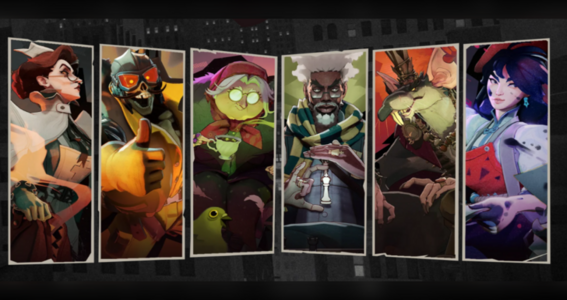



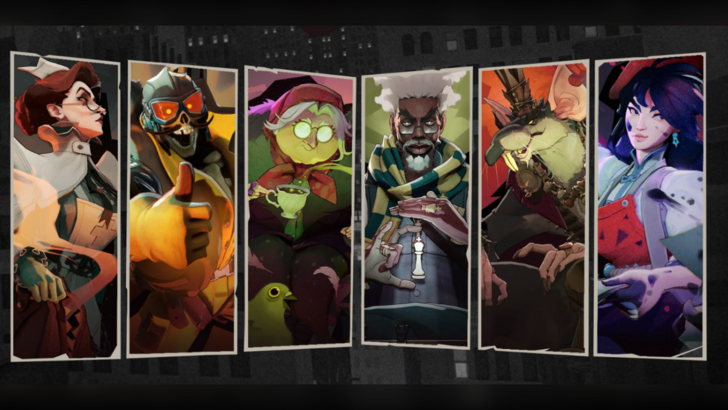
Deadlock's City Never Sleeps update introduces six new heroes alongside sweeping changes to the game. We review the new heroes to see how they hold up against the rest of the cast so far.
Polls Are Closed, Verdict Is Out
For nearly three weeks, Deadlock players fought an election before every match as part of the City Never Sleeps update. More than 110 million votes were cast to decide which new hero would arrive next, and with Nurse Harrow's arrival, the polls are finally closed.
Now that the dust has settled and everyone has seen their abilities and playstyle. City Never Sleeps is Valve’s most creative batch yet, built around gimmicks like freehand painting, controllable chess pieces, and an unreasonable number of rats. With enough personal experience and data, I’ll assess how well each hero has held up in public matches and competitive play so far, and whether they will be staples or niche, forgotten picks.
Rat King Gets Too Much Value From His Ultimate
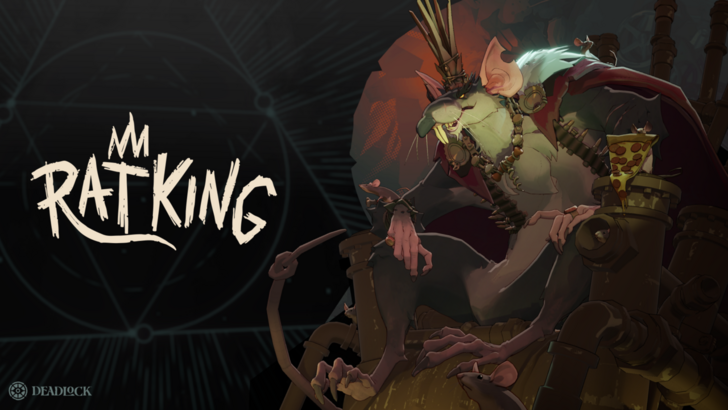
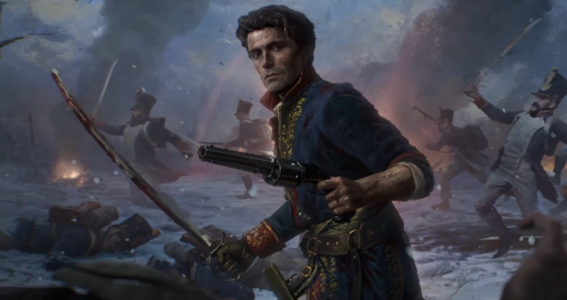
There was never much doubt that Rat King would be released first, given his special relationship with the Deadlock community. A 2025 fan concept fueled mock leaks and "secret seventh hero" conspiracy theories long before Valve confirmed him, and the name had even appeared in Dota 2’s files among unreleased heroes years earlier. With his release, the monarch of New York’s Warrens now wants to establish Ratannia on Long Island, executing any humans who refuse to leave. Still, he’s considerably warm toward his own subjects, with multiple voicelines referencing more than 120 rats, including intimate details about a rat named Gumdrop and its whole polycule, as well as multiple lines featuring the fan-favorite Rabies Ronnie.
Rat King has the unfortunate balance problem of being too good and easy to play, which will always breed bitterness in competitive games. Scrap Grenade’s repeated detonations provide wave clear and long-range harassment, while Royal Pestments supplies a barrier that grows with his maximum health, incentivizing him to become a bulky bruiser. With Rat Swarm to shred bullet resistance, the monarch packs generous damage, durability, and utility into an easy-to-pick-up kit.
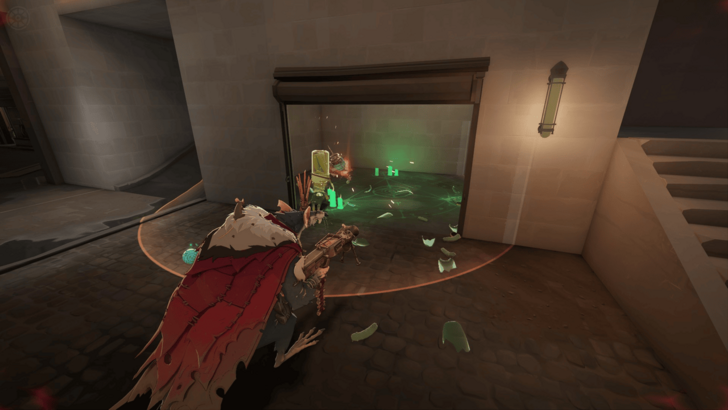
However, the biggest issue is his ultimate: Rule, Ratannia! His banner grants nearby allies movement speed, slow immunity, and damage reduction, while planting it damages and knocks up enemies and unleashes more rats. While Deadlock already has an area-denial ultimate with Graves’ Borrowed Decree, players can shoot the ghouls or heavy-melee the gravestone to break it; Rat King’s banner empowers the whole team, and there's no way to interact with it aside from leaving the area.
Even in uncoordinated pub games, Rat King’s banner is an easy-to-follow instruction: a "we win now" button that should be available during objectives like pushing Guardians or contesting Rifts—an ultimate so good that it got Sinclair, a hero that copies ultimates, nerfed. Dota 2 players have relived their trauma from Wraith Pact, an item with similar effects that dominated the meta before it was completely removed.
His objective control and ease of use have firmly placed him among the most popular heroes, with external trackers showing him in 67-70% of games. The huge sample size also makes his ~55% win rate dangerously noteworthy. Even Deadlock’s grassroots pro scene, Deadlock Night Shift (DLNS), has seen Rat King as a contested early pick and ban. The hero needs his power redistributed from his ultimate to the rest of his kit, because when the nerf hammer inevitably comes down on that ability again, his current overtuned usefulness will go with it.
Baba Makes Spirit Heroes Feel Powerless
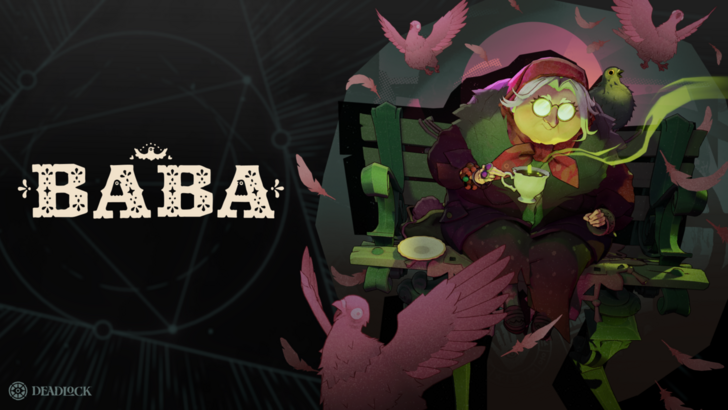
Baba had one of the most dramatic opening weeks of any City Never Sleeps hero. Players narrowly voted the Central Park Pigeon Lady into second place, and Valve later revealed that her contest against Solomon came down to roughly 0.5% of the vote, the closest matchup of the entire event. On top of that, her early impressions were abysmal, as Baba’s win rate hovered around 44% on day one. However, once players began deciphering her kit, her win rate soared to around 56% within the first week. Fitting, since Baba is an unsolved New York mystery tied to a witch coven, yet she's been seen occupying the same Central Park bench for 50 years, feeding pigeons.
The secret to Baba’s strength is Threadsap, an ability that makes Spirit-focused characters feel as though their builds have been temporarily deleted. Baba guides a scraggly thread with her crosshair, then it bursts along its path, stealing Spirit from enemy heroes while she uses it to strengthen her own shots and abilities. As long as this remains the core of her kit, she'll be a strong counterpick against Spirit-heavy compositions, especially if Deadlock adds a proper draft mode—someone like Kassadin in League of Legends or, well, Anti-Mage in Dota 2.
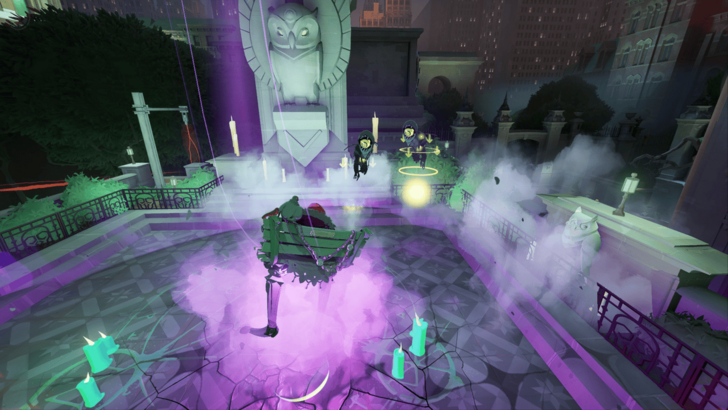
While she excels at sapping Spirit, she’s also one of Deadlock's most flexible and disruptive heroes. Granny Long Legs completes the Baba Yaga reference by turning her park bench into a pair of spindly legs, granting mobility, a knockback kick, and a ground-pounding heavy melee that knocks the opposing team around. Baba’s Brew cycles between a protective barrier, an area silence, and a scalding burn that reduces Spirit resistance. Her ultimate, Feed the Birds, adds even more CC on top of this, challenging a slow, then an eventual hex.
However, the trade-off is that Baba doesn’t feel as intuitive or smooth to play as other heroes, with nearly every ability asking players to manage an extra state, timing, or unusual movement input. After her first round of nerfs, Baba saw a huge drop in player retention, with her pick rate falling to 25% despite a healthy win rate. In Deadlock Night Shift, coordinated teams would rather ban her immediately than risk a game against her, and DNLS #60 locked her out of play for all seven games.
Solomon’s Grand Design Is Undone by Awkward Controls
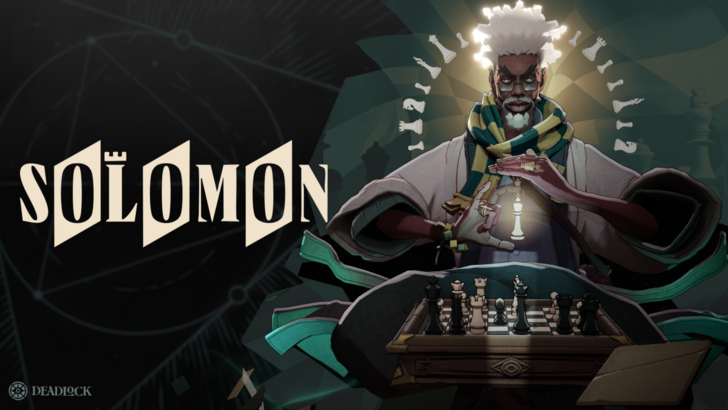
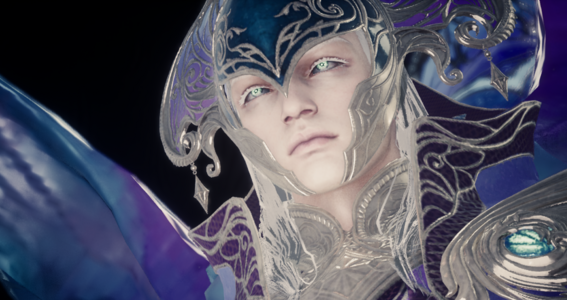
Solomon might be Valve’s most sauced-up Deadlock character yet. Every part of him is committed to the chessmaster fantasy, from abilities named after individual pieces to Alekhine’s Gun, a floating chessboard that doubles as his weapon and ammunition counter. Depending on his magazine size, every reload rearranges its pieces into one of 25 recognizable positions from chess history and culture, including the Immortal Game, Deep Blue versus Kasparov, and even a 2024 GothamChess match. Reaching 32 rounds, Solomon sets up the Double Bongcloud, the deliberately absurd opening played by Magnus Carlsen and Hikaru Nakamura.
Fittingly, Solomon is best understood as a control mage who wants a bird’s-eye view of the battlefield, treating New York’s streets as one enormous chessboard. Setup Bishop draws damaging diagonals across lanes and objectives, Rook Battery rebounds from walls before splitting into additional lines, and his ultimate, Develop Queen, repeatedly marks straight paths with delayed damage and stuns.
Kingside Knight completes the strategist fantasy by granting an ally barrier and stamina before letting Solomon physically reposition them, or by promoting himself into the King for a defensive escape to do the same. Valve even includes the niche Magic Carpet in his default build, letting him gain height and get a much clearer view of the fight.
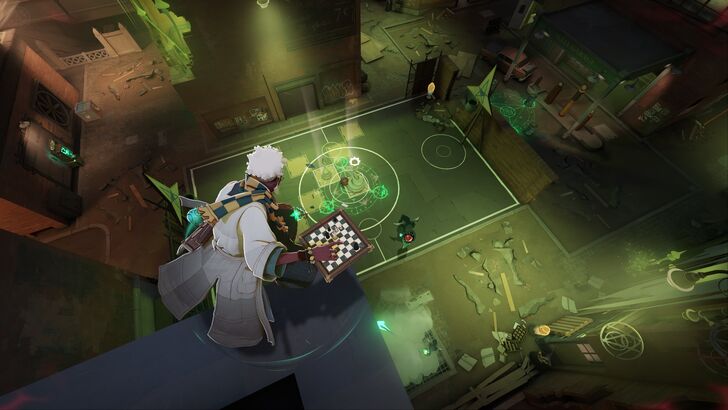
Unfortunately, Solomon falls apart when an opponent stops respecting the board and simply punches the man playing it. He begins with only two stamina and depends heavily on Kingside Knight for protection, making him a prime target for assassins like Calico and Drifter.
Additionally, once Solomon gets all his pieces out, it feels like wrestling with the controls, as all the individual pieces fight for the same contextual right-click. The chessmaster might fit better in isometric MOBAs like League of Legends or Dota 2, although the latter already has Earth Spirit sharing a theme of repositioning objects.
While there’s much to praise about Solomon’s design, his complexity may intimidate more players from trying him and discourage those who do, contributing to his low pick and win rate. Despite that, organized teams are far more interested in him, as he is one of the most contested picks in tournaments so far.
Deadman Danny Does His Best Work You Don’t Care About KDA
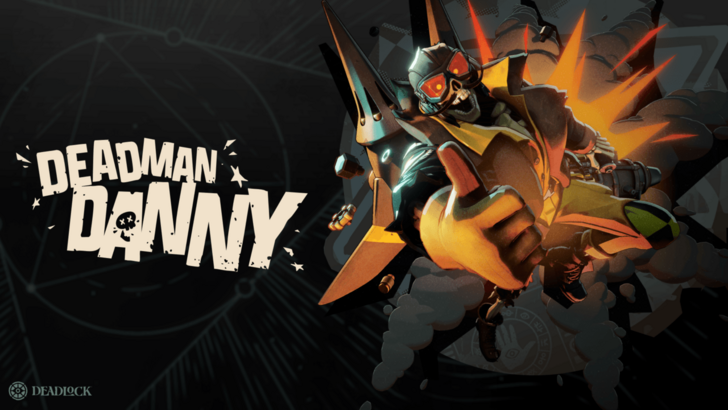
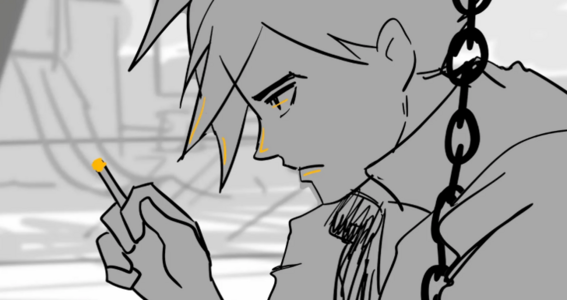
Deadman Danny may be my personal favorite of the City Never Sleeps batch, although playing his launch version felt like volunteering for one of Fairfax Industries’ product tests. The reckless crash-test dummy debuted with an abysmal win rate of roughly 38%, prompting Valve to deliver an emergency patch that addressed his worst points. With better numbers, Danny has become one of the most popular heroes in Deadlock, alongside Rat King, even though that sub-50% win rate suggests players find him fun enough to overlook his weaknesses.
What makes Danny unique is that he is a flying hero who doesn’t use flight safety, unlike Pharah from Overwatch 2 and what feels like half the cast of Marvel Rivals. Chimera Mk1 builds heat until he must dive back into the fight, and missing that landing punishes him with damage, a self-stun, and a disabled jetpack. Almost everything Danny does hurts him in return: rocket-jumping TF2 Soldier style costs health, and his ultimate, Close the Deal, sacrifices a quarter of his maximum health to carry an enemy skyward like Guilty Gear’s Potemkin Buster before slamming them into the ground. On death, Danny explodes and deals damage around him, which suggests Valve expects it to happen often.
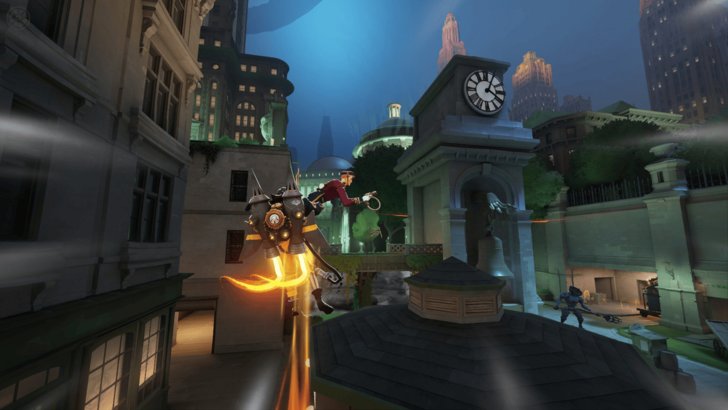
Still, his skill expression and mastery of his high-risk playstyle make Danny a rewarding specialist hero, but it’s hard to imagine him becoming a regular competitive staple. His dives are telegraphed, his weapon is janky, and competent players will punish someone who dives into their backline on low health. A dedicated Danny player may eventually turn him into a dangerous pocket pick, but most teams will prefer heroes that provide the same initiation without also trying to kill themselves in the process. He is my favorite of the batch not because he is the strongest, but because no other newcomer translates their personality into gameplay with quite this much reckless commitment.
Violet’s Conventional Design Hides Deadlock’s Most Creative Kit
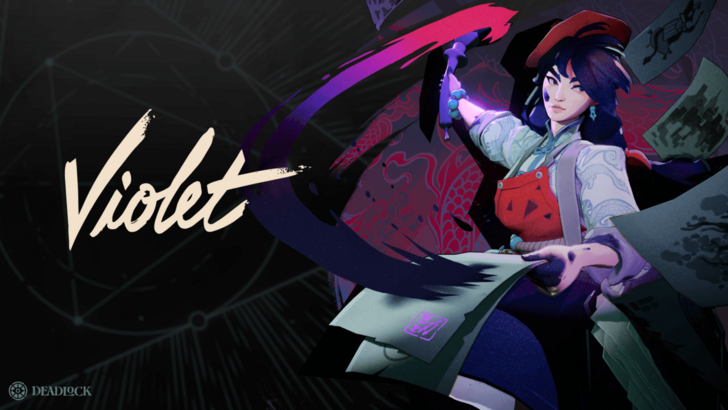
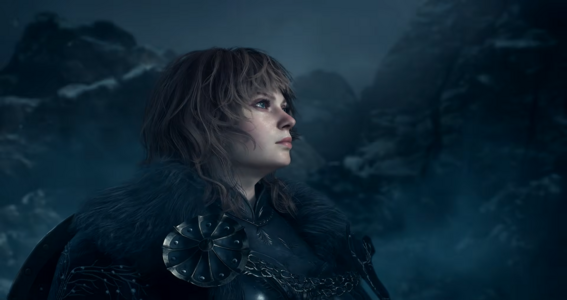
Violet became the batch's most controversial hero not because her design is bad, but because it is unusually conventional. In Deadlock, players have grown accustomed to far more unorthodox characters, like a grandma riding a possessed bench or a sentient ball of goo, and some vocal parts of the community argue her design fits better in Overwatch or League of Legends. Whatever you think of Violet’s appearance, it is hard to deny that her kit is among the batch’s most creative once she picks up her brush.
The highlight of her kit is that Living Ink can turn her next three bullets into steerable projectiles, but its alternate function allows her to draw physical structures directly into the environment. Players already use those brush strokes for mid-fight cover, sealing corridors, building walkways, creating high ground, and blocking Troopers, ziplines, Guardians, and Midbosses from attacking. Her bread-and-butter combo has players use Still Life to stun enemies, then wrap them in Living Ink to root them in place. Players discovered this tech within the first week, and more creative tactics are sure to follow.
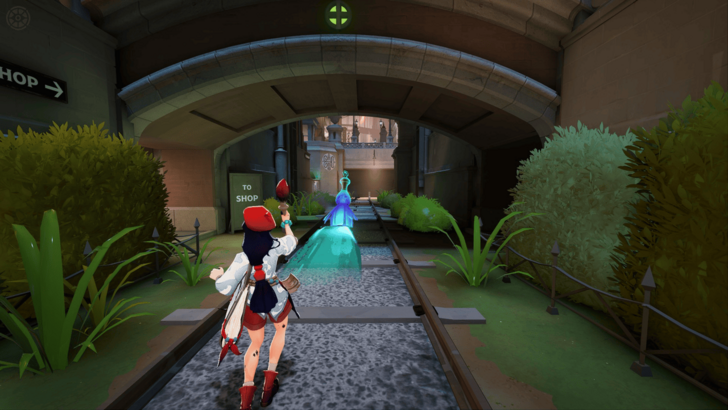
Flow State extends that creativity by letting her paint slide routes for her entire team, while Still Life rewards Violet for completing enemy portraits with permanent stat bonuses. Other artist-themed characters in MOBAs like Hwei in League of Legends exist, but Violet can physically edit and paint over the Cursed Apple, directly rewarding a player’s freehand input. However, Abstract Landscape has become the least beloved part of her kit.
Its enormous ink ring blocks sight, empowers Violet’s team, and punishes anyone who tries to leave, which adds another oversized, set-and-forget teamfight ultimate whose opaque walls turn already-chaotic battles into visual soup. It’s strangely generic and lacks the hands-on expression found throughout the rest of her kit.
Overall, Violet has been the most sensibly balanced release of the update, with a near 50% win rate and a fairly popular pick rate both in pubs and in DLNS, dominating her debut in the tournament. Still once players started wising up to her tricks, there’s enough counterplay to make her fair to fight against. Enemies can break line of sight on her stun and destroy her walls, and higher-ranked lobbies generally end faster, so she has less time to rack up stacks with Still Life.
Nurse Harrow Gives and Takes in Equal Measure
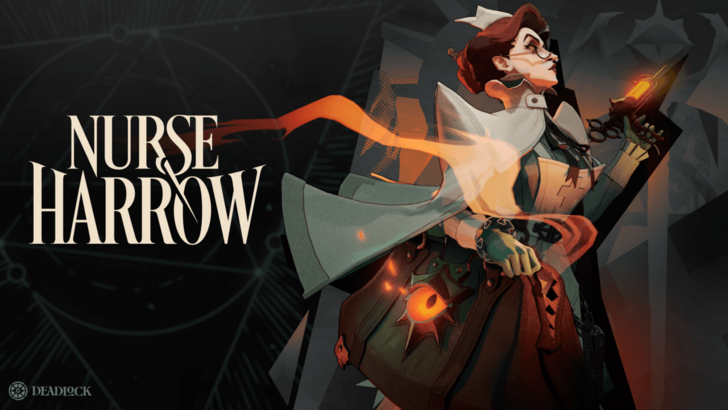
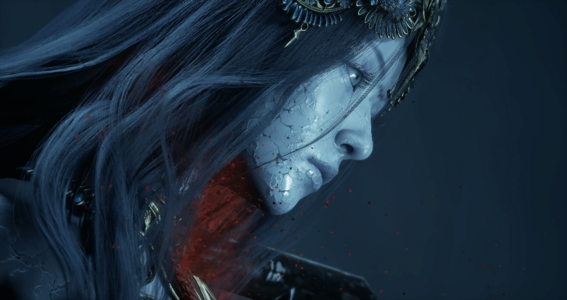
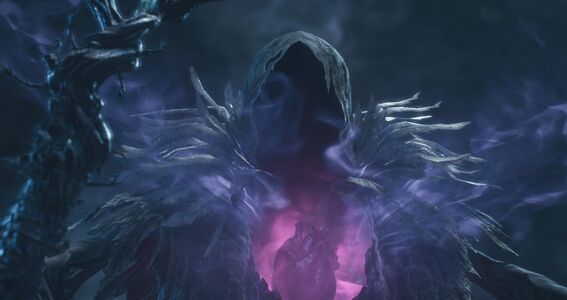
Nurse Harrow may have arrived last, but she had the most fanatical waiting room in the update. Valve revealed that 22,194 players voted exclusively for her, one particularly committed supporter cast exactly 1,000 votes, and Harrow voters had the highest win rate of any hero’s supporters. Before her release, the severe uniform, living medical bag, and "Be Not Afraid" imagery led many players to expect an outright evil asylum nurse. Harrow is more interesting than that, and it's just another example of how Deadlock has wild lore. As a respected pillar of the Marble Hill Possession Ward, she sincerely cares about curing people suffering from supernatural possession; she is simply strict, emotionally detached, and willing to use methods her patients may find horrifying.
Harrow’s kit centers on giving and taking away. Leech Therapy steals health and time from enemy buffs, then returns them as permanent regeneration and fire rate. Wretched Vapors gives an ally faster actions and a reprieve from damage, but the target receives more damage when it ends. However, the centerpiece is Lurking Terrors, which opens her bag and exposes everything she has extracted from her patients, damaging enemies and preventing them from using stamina or movement abilities while they look at Harrow, eventually terrifying them into fleeing. Its reach makes the nurse particularly oppressive around Rifts, Midboss, or just protecting her team from a dive.
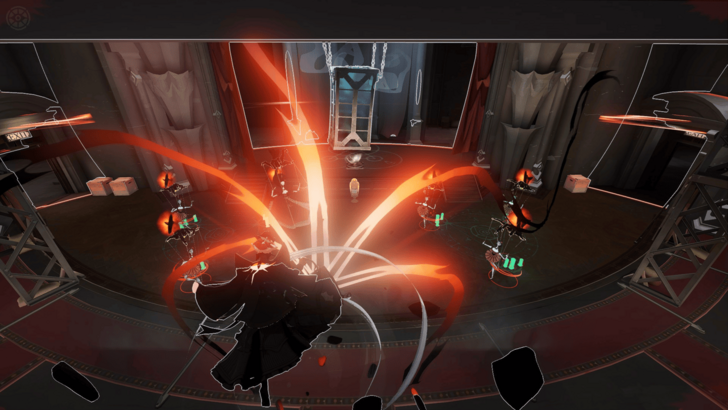
Compared with supports like Kelvin, Ivy, Paige, Dynamo, and Rem, Harrow’s healing is more directly tied to her weapon. Healing Needles replaces her magazine with aimed syringes, rewards headshots on teammates with extra healing, and replenishes its charges by dealing damage, like Moira in Overwatch 2—or, as a deeper cut, like a Medic with a Crusader’s Crossbow from TF2, except it scales differently. As a result, her early builds let her boost her gun's effectiveness alongside other utility purchases, giving her unmatched, consistent single-target healing along with decent damage.
The cost of this specialization is that Harrow may be the most team-dependent hero in the batch. She starts with no health regeneration, carries a small, unimpressive weapon that’s inherently weaker because of its -40% crit bonus scaling, lacks conventional escape options, farms slowly, and loses 25% of her accumulated leech stacks whenever she dies. Despite this, Harrow needs to stay in the middle of the fight, or she won’t deal enough damage to accumulate heals. Her strong, sustained healing and clutch ultimate will see her become a competitive staple, which is already evident in her 100% contest rate during her debut in DLNS.
Valve’s Biggest Ideas Are Starting to Crowd Each Other Out
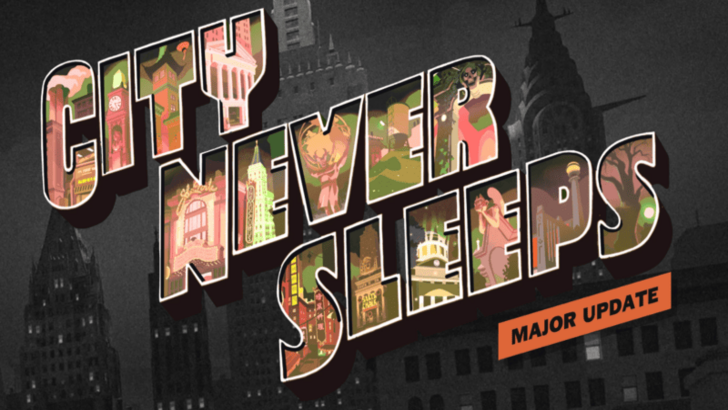
City Never Sleeps ultimately feels less like six new heroes and more like a stress test for how much experimentation Deadlock can support at once. Each addition has a memorable hook, from Violet’s living paint to Solomon’s chess pieces, and even the most gimmicky mechanics make these heroes feel unlike anyone else on the roster.
However, that ambition has begun to outpace restraint. Too many abilities fill the screen with walls, summons, and persistent effects, while all ultimates (except Deadman Danny) reduce teamfights to controlling, or simply abandoning, one enormous area. The result is a batch that is exciting to learn but often exhausting to fight.
Valve shouldn’t sand away what makes these heroes strange; it simply needs to preserve that creativity while restoring visual clarity, meaningful counterplay, and more distinct purposes for their ultimates. Fortunately, it is still a playtest, no matter how polished it may look, and everything is subject to change based on feedback. City Never Sleeps may be loud, messy, and at times overstimulating, but like any other game with a steep learning curve, untangling that complexity is part of the fun. This update further makes Deadlock a game no competitive gamer should sleep on.
Sources:
Tracklock Heroes Tier List and Statistics
Statlocker Hero Winrates
Deadlock Night Shift Stats