

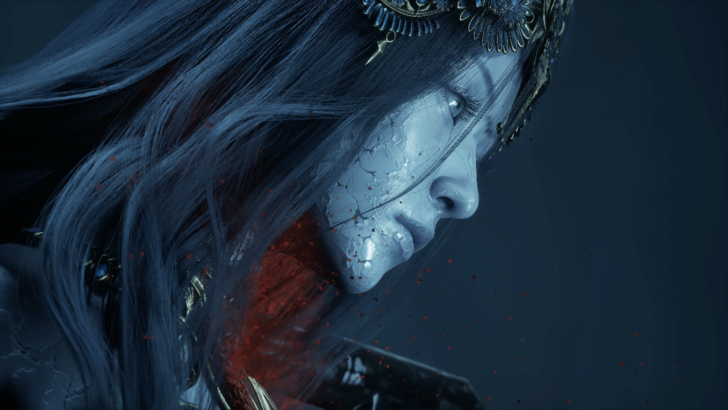
Game8 got the opportunity to play at Phantom Blade Zero's final preview event. Read how the gameplay and combat felt, and whether this upcoming Wuxia-inspired action adventure game is worth all the hype around it.
Phantom Blade Zero Final Preview | This Gameplay Has Me Crazy Excited for the Release
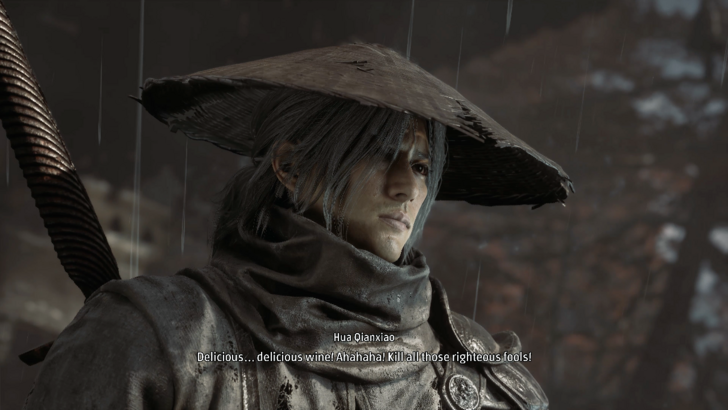
Phantom Blade Zero was met with an equal blend of awe and skepticism when it was first revealed during the 2023 PlayStation Showcase. The combat looked almost absurdly smooth, showcasing hyper-kinetic swordplay, fluid motion-captured martial arts, and cinematic parry exchanges, which many assumed were pre-rendered "bullshots" (a portmanteau of screenshots and BS, to describe screenshots that misrepresent the actual game's quality) or quick-time event (QTE) heavy set pieces.
Fast forward through years of development, dedicated showcases, and hands-on demos, and the game has consistently set out to prove its doubters wrong.
Now, prior to its official launch on October 29, 2026 for PlayStation 5 and PC, I was invited to attend a hands-on preview event at a secret location to experience Phantom Blade Zero firsthand.
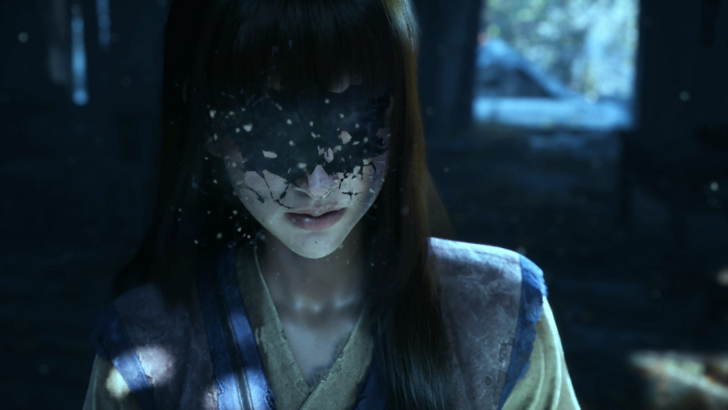
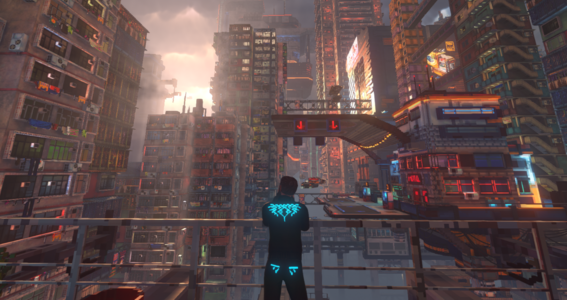
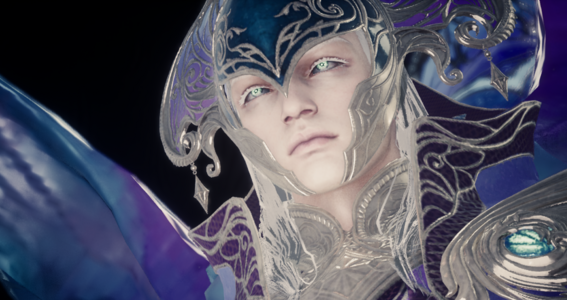
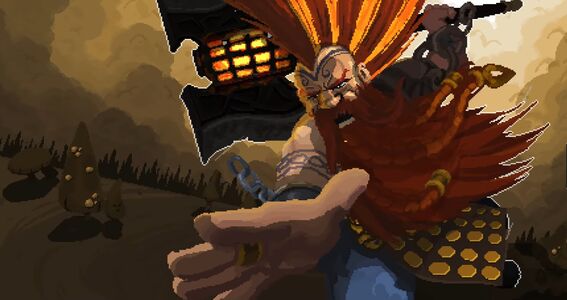
For full transparency, hospitality was provided by the publisher to attend the preview event, but no money was exchanged, and all opinions expressed here are strictly my own. I wasn't allowed to record my gameplay during the event, so all screenshots featured here are sourced from S-GAME's official gameplay B-roll and are not representative of what I experienced.
During this session, I played through roughly four to five hours of continuous campaign gameplay, making it through most of Chapter 1 before being given dedicated time to fast-forward into standalone encounters against two late-game bosses: Bai Chilian, a crazy snake lady, and Flame, the Lion Dance boss that was featured in recent gameplay reveals.
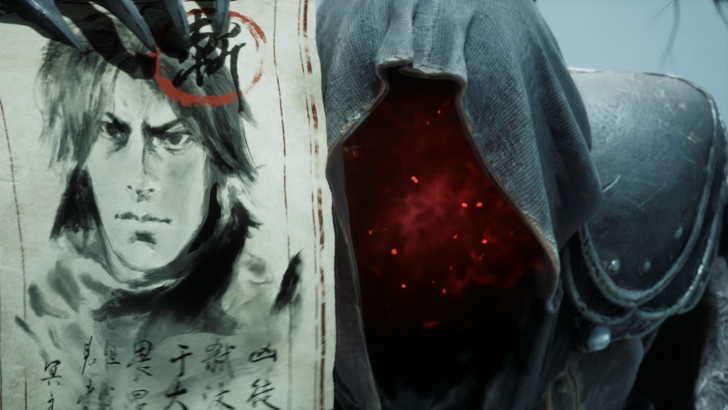
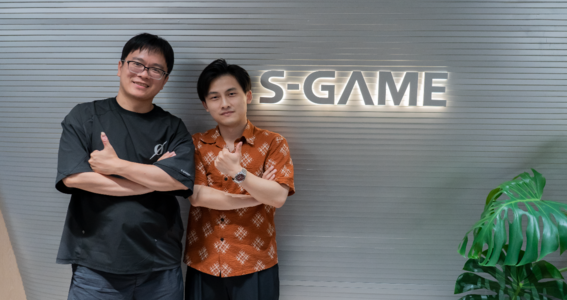
So, what exactly is Phantom Blade Zero? It's actually a reboot of the Phantom Blade series S-GAME has been developing ever since the studio was a one-man operation, hence the 'Zero' moniker.
At its core, it is a dark Wuxia (a genre of Chinese fantasy centered around martial arts) action RPG that director Soulframe Liang describes as a pioneer of the "Kungfupunk" genre, which he explains in our recent interview as a fusion of traditional Wuxia martial arts with three distinct thematic pillars: steampunk machinery, martial arts, and mystic arts (think weapons infused with the power of thunder and moving things with energy).
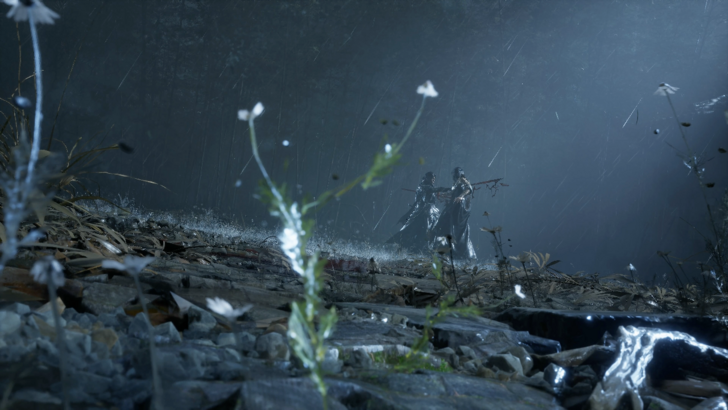
You play as Soul, an elite assassin formerly belonging to a powerful cabal known as The Order. Framed for the murder of the Order's patriarch and hunted by his former allies, Soul is critically wounded in a duel against his childhood blood brother, Zuo Shang, who drives a blade directly through his heart. Saved by a doctor known as the Flesh Sculptor, Soul is fitted with an artificial heart.
However, the surgery only grants him sixty-six days to live. With time rapidly ticking away, Soul travels toward the town of Pangzhen to hunt down Zuo Shang and uncover the conspiracy that ruined his life.
After spending several hours immersed in Soul's quest, I can confidently report that S-GAME has not only met its lofty claims, they have crafted one of the most exhilarating, responsive, and visually staggering action experiences in recent memory.
Mastering the Flow of Battle
Stamina? More Like Sha-chi-na
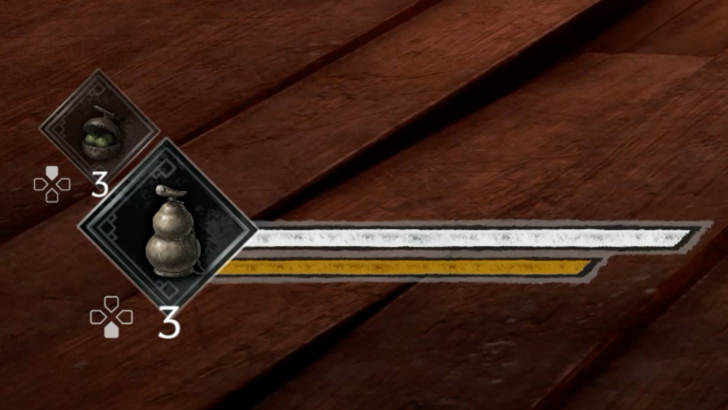
At first glance, Phantom Blade Zero may look like it borrows mechanics from your typical hard-as-nails Soulslikes (as many are quick to peg games with any kind of dodging or stamina bar these days). But in execution, it plays much more like an ultra-high-speed character action game centered on aggressive momentum. The foundation of Phantom Blade Zero's combat revolves around a resource gauge known as Sha-chi, which translates literally to "killing intent."
Unlike traditional stamina systems that penalize players for merely swinging their weapon, standard light attacks consume zero Sha-chi. Instead, Sha-chi is consumed when you execute heavy Sha-chi attacks, hold down your guard, or perform dodges.
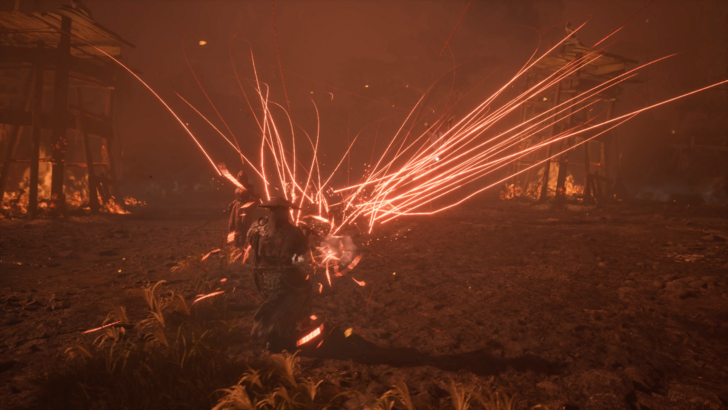
Defensively, the game offers a low barrier to entry alongside a high skill ceiling. If you hold down the block button, Soul will automatically deflect incoming standard attacks in a flashy, cinematic display of swordsmanship. However, relying solely on passive auto-blocking rapidly drains your Sha-chi gauge, leaving you in an exhausted, guard-broken state once it runs dry.
To truly dominate combat, you must actively engage with the game's combat, such as timing parries just before an attack lands, utilizing Ghoststeps (parrying and stepping behind an enemy for a counter attack) against blue-flash attacks, or executing perfectly timed dodges against unblockable red-flash attacks.
And This Is To Go Even Further Beyond Sha-Chi
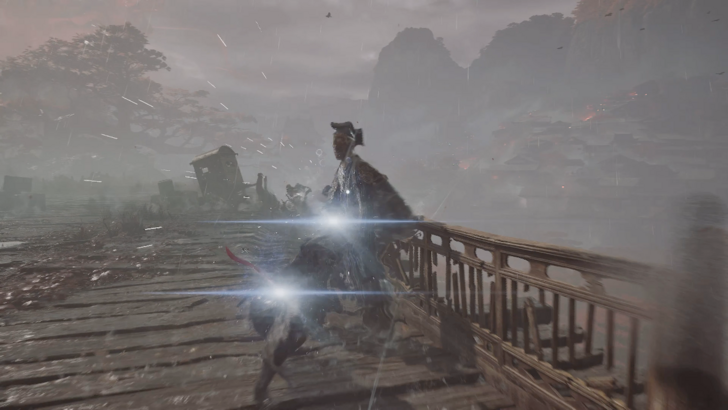
Beyond managing your standard Sha-chi pool, you'll also be managing another resource confusingly known as Sha-chi Essence. No, they're not the same thing. While regular Sha-chi fuels your run-of-the-mill weapon swings and guarding stances, Sha-chi Essence powers devastating special moves called Power Surges.
As you aggressively press the offensive and weave heavier Sha-chi attacks with standard attacks into your combos, your Sha-chi Essence meter will build up that much faster. Once you have accumulated enough essence, you can unleash your equipped weapon's signature Power Surge.
These cinematic special moves serve multiple tactical functions: not only do they deal massive burst damage, but they can also actively interrupt powerful enemy wind-ups and heavy attacks, allowing you to seize back the initiative during intense boss fights.
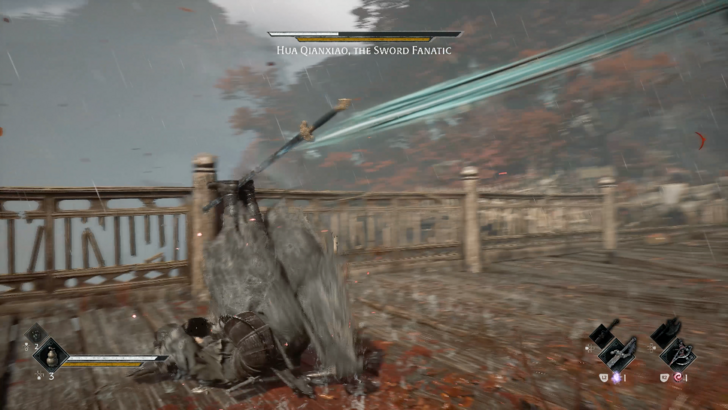
Mastering the rhythm of building Sha-chi Essence and timing your Power Surges correctly adds another rewarding layer of depth to the combat loop, ensuring that offensive pressure is rewarded with cinematic, game-changing finishers.
Enemies also possess their own Sha-chi bars. Standard strikes and Sha-chi combos gradually wear down their defenses until their guard breaks, opening them up to devastating finisher attacks.
Other Ways to Switch Things Up
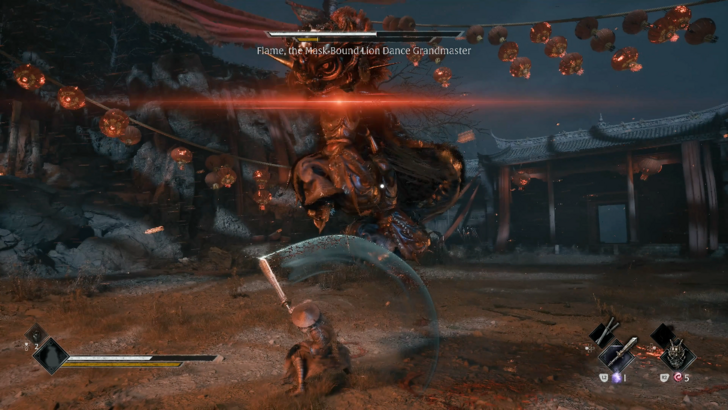
To keep combat moving at a breakneck pace, S-GAME introduced a resource reset mechanic: switching Soul's active weapon will completely restore his Sha-chi gauge to 100%. While this weapon-switch refresh operates on a short cooldown, weaving weapon swaps allows you more options to extend your attacks. Combining all of these points directly into your combos ensures that combat feels like a continuous, uninterrupted dance of destruction.
Soul can also execute stealth assassinations by crouching in tall grass and sneaking up on unaware targets. However, when I tried doing it early on, backstabbing seemed to only deal roughly 25% of a standard enemy's HP pool, making it feel a bit underpowered compared to what one might expect. In the end, I didn't bother with it too much in my playthrough, given the extra hurdle for what I felt was not worth the time. Maybe it gets better later in the game.
By the way, I opted to complete the preview using a keyboard and mouse (a rare breed among action-RPG players, apparently). The control scheme for K&M felt incredibly crisp, intuitive, and natural right out of the gate. Key bindings rely on standard cluster inputs around WASD (primarily utilizing C, E, V, F, Q, and Shift) allowing me to execute complex martial arts sequences without wrestling with awkward finger gymnastics.
Others I've talked to mentioned playing with a controller is equally intuitive, so controller-players can look forward to that as well.
RPG Progression and Build Customization
Plays a Bigger Role Than You Think
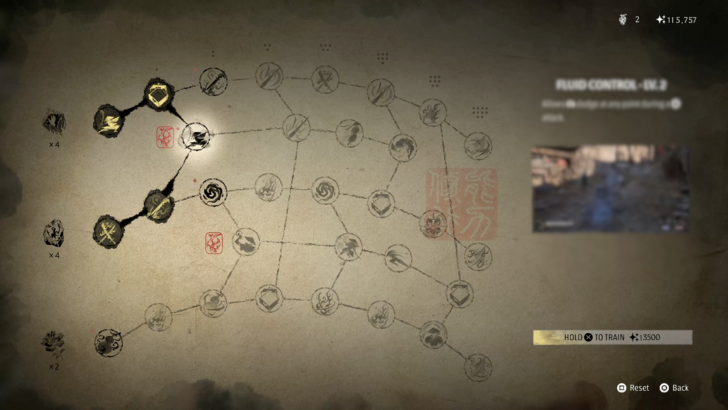
Of course, a robust arsenal is only half the equation; how you build and upgrade your character plays a massive role in surviving this dark world, much to my surprise. While quick looks at the gameplay might make it look like mechanical skill is all that mattered, Phantom Blade Zero features an RPG progression system that allows you to power up your weapons, unlock new forms and techniques, and choose from a variety of distinct skill builds to suit your preferred playstyle.
One of the great things about this system is the complete absence of build anxiety. If you want to experiment with a newly acquired weapon or completely pivot your skill tree investments, you can reset your weapon's level at will, fully recover all invested materials, and immediately reinvest them into your new gear/skills with zero penalty.
While I didn't get far enough in my preview session to deep-dive into how important it is to optimize your build, it was clear that ignoring the RPG mechanics will make your life much harder. Tackling future bosses without the proper stats and upgrades means you'll simply be chipping away at massive health bars at a painfully slow crawl.
Staggering Arsenal Variety and Motion-Captured Choreography
Over Unique 50 Weapons, All With Their Own Playstyles and Animations
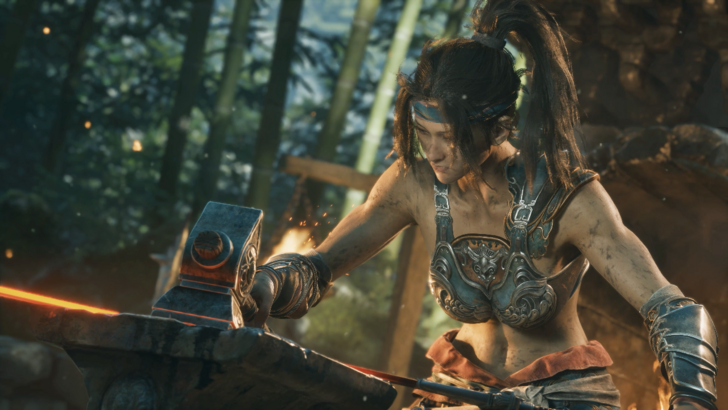
One of the primary elements that prevents Phantom Blade Zero from feeling repetitive is its staggering commitment to arsenal variety. Across the full game, players will acquire over 30 primary weapons alongside over 20 secondary weapons known as Phantom Edges. Each weapon is apparently obtained by defeating a specific boss encounter, implying that the campaign features upwards of 50 unique boss fights.
Primary weapons generally fall into three overarching categories: one-handed weapons, two-handed weapons, and dual-wield setups. Within those categories, you can immediately gauge the speed and ease of movement for each weapon. Furthermore, every weapon features a specific gimmick or playstyle that requires you to build familiarity before achieving true mastery.
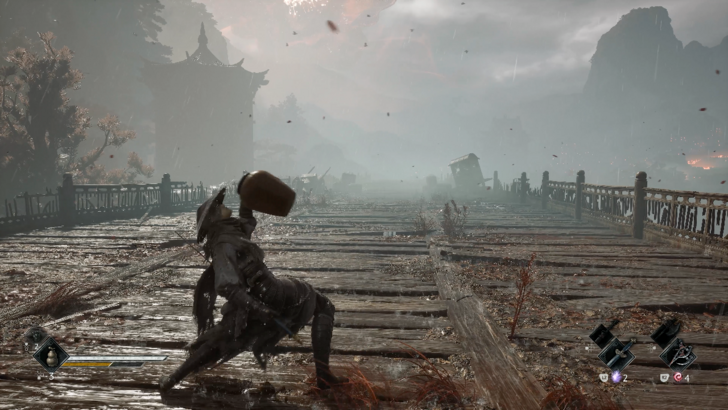
During my playthrough, I was able to test a good number of weapons unlocked during Chapter 1.
There were your basic starter weapons; a single-handed sword and dual-wield swords, known as the Sanguine and Sanguine Twin respectively. But then there are more unique ones that further lean into the "kungfupunk" aesthetic, like a heavy sword focused on inflicting Bleed, an axe that charges up a devastating cleave to shatter shields and environmental obstacles, a 2-handed sword that spreads flowers on where it lands, draining HP from the enemy, and a "Drunken Master" weapon, (previously shown in some gameplay trailers) where the more drunk you get, the more powerful your flying swords can be.
Even if it's not a specific gimmick that makes it unique, it's things like the number of basic attacks in a combo or the utility of its Power Surge, and so on.
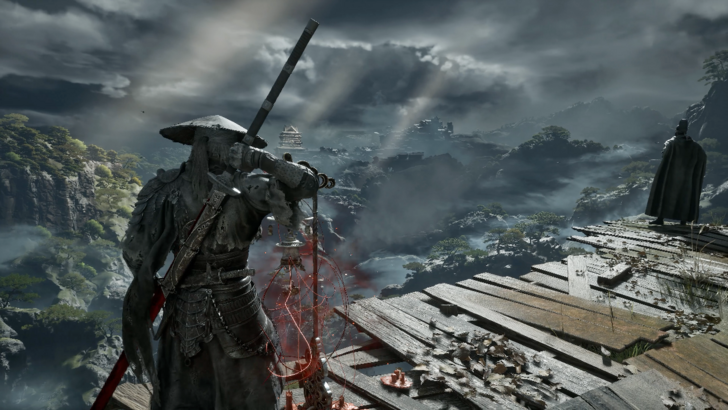
To visualize how the weapon system works, think of it like firearms: there are countless numbers of guns in the world, and all of them share familiar baseline instructions: point, shoot, and reload. Those basic functions are true across all guns.
However, being able to use one type of gun doesn't automatically mean you can master all other kinds of firearms. The way you handle and shoot a Glock is fundamentally different from how you handle an AK-47, which is different from how you'd handle a .50 BMG. Having specific familiarity with each gun is necessary to properly master its usage.
Or I guess you can just think of it as trying to swing different kinds of swords. If you want to be boring about it.
Regardless, the result is that even if you are picking up a weapon for the very first time, the baseline controls remain familiar enough that you instantly know how to attack and dodge. None of the weapons I tested ever felt redundant or like they overlapped with one another. Whether this incredible variety extends across all 30 primary weapons in the full release remains to be seen, but based on what I played through, there's little to worry about.
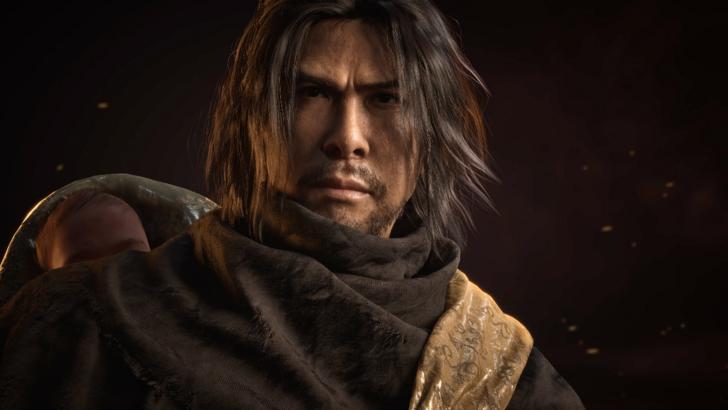
This depth in choreography is directly attributable to S-GAME’s development methodology. The director Soulframe conceives specific weapon concepts and submits them to legendary martial arts film icon Donnie Yen, Phantom Blade Zero's Creative Consultant, Master Yang, the lead combat director, and other professional stunt performers.
Through extensive motion-capture work, the team translates real-world kung fu choreography and physical momentum directly into the game, drawing on real-life limitations and movements to make every weapon feel grounded and genuinely interesting to use.
Difficult Boss Fights Are Where It's At
Both Brains and Brawn Seemingly Welcome
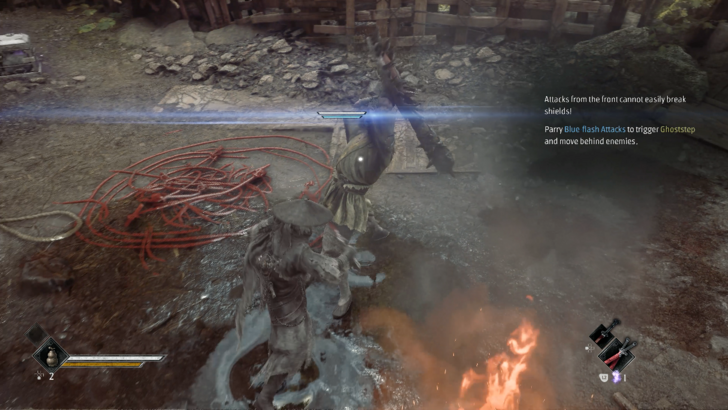
Boss fights in Phantom Blade Zero are as varied as they are ruthless. Each boss features distinct attack patterns, timing variations, phase shifts, and elemental weaknesses. For example, during the fight against Flame, the Lion Dance Grandmaster, the boss relies heavily on wide-sweeping fire attacks. By equipping a weapon with a water element, you can douse the lion puppet, making it less aggressive and slower.
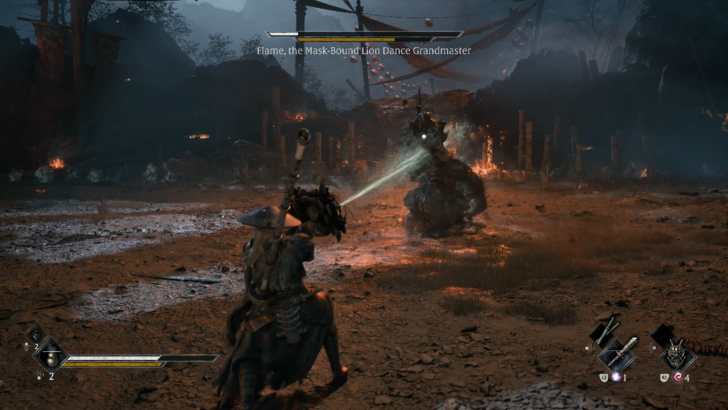
In our interview, Director Soulframe notes that there are three kinds of weaknesses that they use as a guiding principle. A "hard weakness," where it becomes extremely difficult to defeat without the right weapon, a "soft weakness," where specific weapons will making it easier but can still be overcome with skill, and a "narrative-driven weakness," where equipping a specific item or weapon might trigger unique boss dialogues and reactions.
However, in my playthrough, it never felt like finding the best weapon for each encounter was mandatory. Once I got comfortable with a specific weapon's moveset, I defeated most of the bosses I came across with that weapon, though perhaps it took longer and was more difficult than it needed to be. Maybe later on in the game, bruteforcing things becomes much less sustainable.
Actual Difficulty May Vary
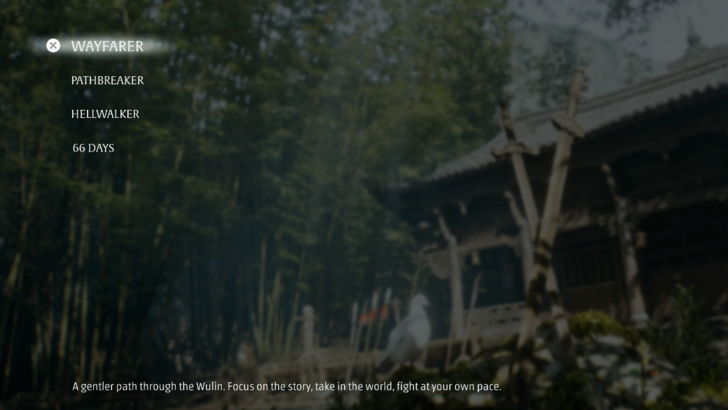
Another area that Phantom Blade Zero diverges from traditional tropes is its approach to difficulty. S-GAME explicitly avoided simply padding boss health bars or inflating damage numbers on higher settings (though there are still some adjustments). Instead, the game offers difficulty tiers designed around altering enemy AI aggressiveness and behavioral complexity.
Wayfarer (Easy): Designed for players who want to experience the story. Enemies are significantly less aggressive, and boss attack patterns are simplified.
Pathbreaker (Normal): The default experience, offering a balanced challenge comparable to titles like Black Myth: Wukong.
Hellwalker (Hard): Increases enemy aggressiveness and enables adaptive AI, where bosses actively read player attack patterns, execute feints, and counter repetitive strategies, as though you were fighting a real person controlling the enemy.
66-Day Mode: Features the same advanced AI as Hellwalker, but introduces a strict permadeath counter starting at 66. Every time Soul dies, the counter decreases by one; if it hits zero, your save file is erased. This only unlocks if you defeat the game once in Normal or Hard mode.
This is how it's meant to be in theory, anyways.
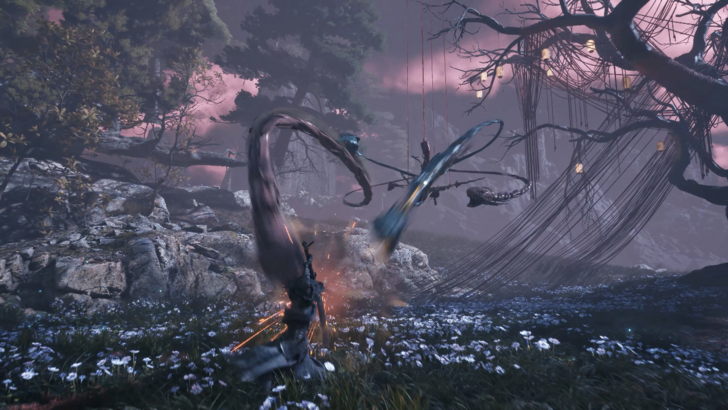
In practice, my hands-on testing revealed some mixed impressions regarding how these difficulty jumps actually feel.
In testing the transition between Normal and Hard for the fights against optional late-game bosses, the difference in difficulty didn't feel immediately apparent. During the lion dance boss fight, for instance, Hard mode actually felt a bit more manageable than Normal.
This could be because I had already grown accustomed to the attack rhythms from my attempts on Normal mode, but certain mechanics didn't translate as harshly as expected. While the theoretical concept of an enemy that learns and adapts to your playstyle is fantastic, I didn't notice a massive, definitive spike in difficulty during my limited window with it.
Feels Like a Slight Oversight
In my attempts to feel the difference between the difficulty levels, however, I found something I felt to be a UX flaw around the difficulty options: a permanent Easy Mode lock-in. Fairly early on in my free-roam gameplay, I switched my settings down to Wayfarer easy mode, intending it to be just a temporary change.
Little did I know, dropping to Wayfarer mode is permanent, and there was no confirmation prompt or warning dialogue box to tell me.
So yeah, once you drop down to Easy, your save file is permanently locked into that difficulty and cannot be raised back to Normal or Hard. Maybe you can save right before you change difficulties and go back and forth that way, but I wish it'd at least warn me.
Seems like a simple fix, so hopefully it'll be there on release, but for people who want to similarly test the difference, be aware.
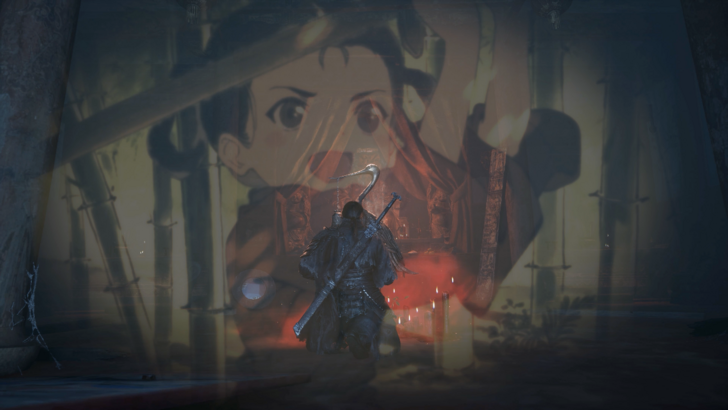
Additionally, while Easy mode successfully tones down enemy aggression, boss HP pools remain largely unchanged from Normal difficulty. Because enemy health remains quite high and the AI less aggressive, battles on Easy mode can occasionally feel a bit spongy, as you spend extended time chipping away at a boss's health bar countering simple attacks. I imagine someone who plays on easy just wants the battles to go by quickly, but I might've felt this way since Normal mode was more my speed.
And we're at this point in society where this may need to be pointed out, but enemy AI in this context doesn't mean it's sending your playstyles for machine learning by the ChatGPTs or Claudes of the world; it's the algorithm used for enemy behavior, so don't misunderstand that point.
Visual Splendor and Technical Performance on PC
Avoids Your Usual UE5 Pitfalls
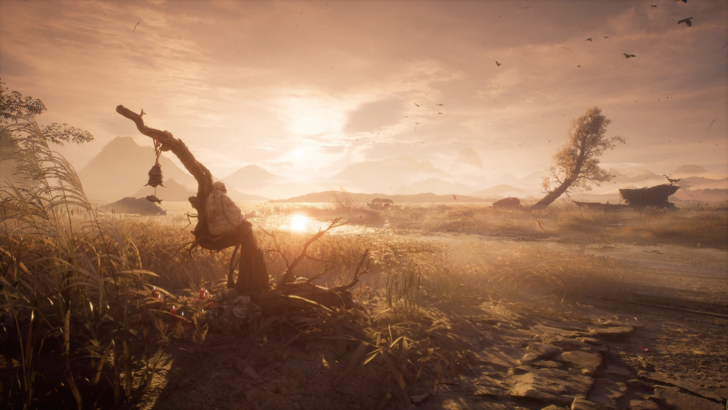
Phantom Blade Zero is visually impressive. It's unfortunately built on Unreal Engine 5 (I won't hide my disdain for the engine), but the game renders an atmospheric, dreary version of ancient China filled with dilapidated villages, bamboo forests, floating lanterns, and rusted steampunk machinery, evoking a striking post-apocalyptic Ancient China aesthetic.
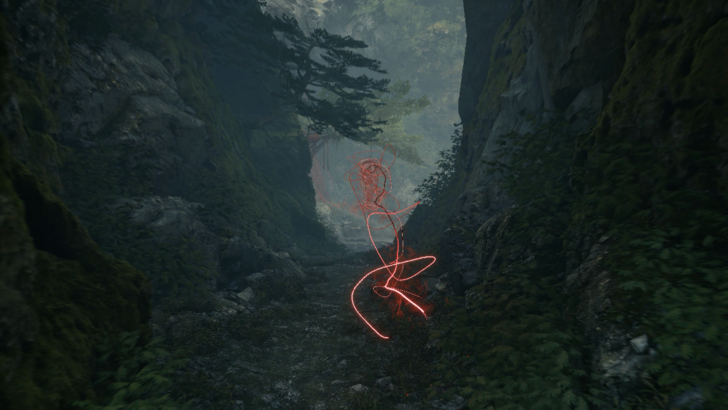
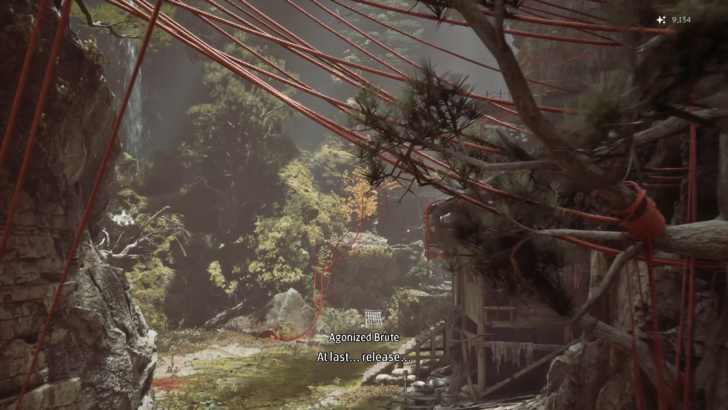
The visual direction then relies on stark color contrast: while the environment is dominated by muted grays and muddy browns, bright crimson "red threads" weave through the world to block routes or guide Soul toward nearby checkpoint bells.
Combat visuals benefit immensely from deliberate animation design choices. S-GAME incorporates impact frame pauses and time slowdowns during sword clashes that give every attack, parry, and dodge a sense of weight and power.
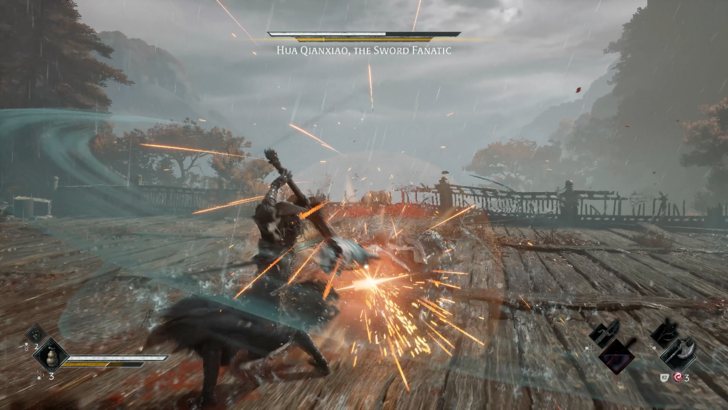
Furthermore, the team seems to have custom-tuned the motion blur parameters to avoid the usual muddy visual smearing common in Unreal Engine titles that rely on the default settings. There's still a good amount of motion blur, but it isn't amateurly applied, ensuring that fast-paced sword fights remain completely readable even during the most chaotic skirmishes.
Variety is apparently the recurring theme of this game, because there are unique animations for almost everything, from how each sword is swung and pulled back to block to how you approach ladders to climb. To include this much variety and have it smoothly combine into each other is insanely commendable.
Overworld Visuals Take a Few More Shortcuts
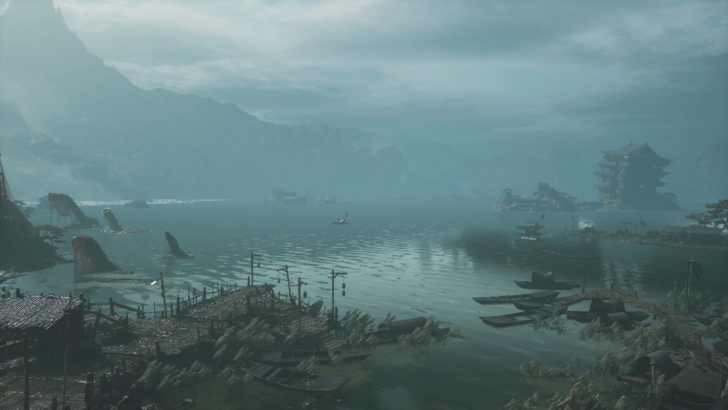
Unfortunately, it's not all sunny in Pangzhen (just a turn of phrase; it's actually quite foggy in Pangzhen). While the movements and facial animations during the cutscenes look good, a lot of it crumbles when you look too closely in the overworld.
Especially of note are how the way character conversations are framed during NPC conversations. The camera stays static, the lighting goes flat and the faces stiffen up. It's also easier defeating a boss in Hellwalker mode than it is to get any of the characters to look at Soul in the eyes.
Fortunately, these minor dialogue presentation quirks are sandwiched between stunning combat sequences and high-budget CG cutscenes that drive the game forward.
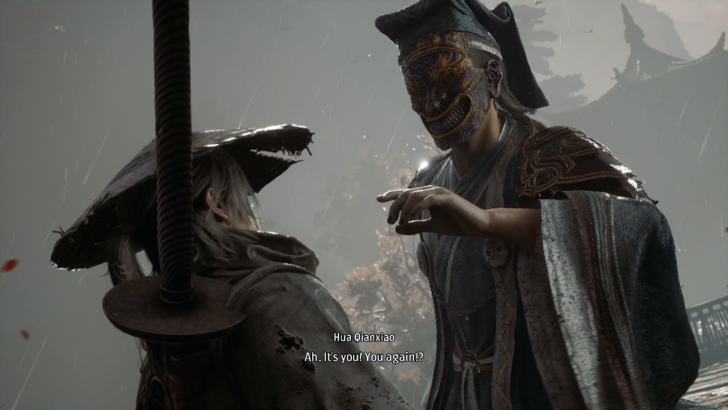
Oh, and Soul looks quite short compared to many of the NPCs. But hey, power to our short kings.
For reference, the game was running on high-end PC hardware, featuring an AMD Ryzen 7 9800X3D processor paired with an NVIDIA GeForce RTX 5080. Operating at 4K resolution on Ultra settings with DLSS set to Quality, 2x Frame Generation enabled, and Ray Tracing disabled, the game delivered a consistently smooth frame rate.
While there was no FPS counter enabled, to my untrained eye, motion fluidity seemed well above 60 FPS, likely between 90 and 120 FPS. The frame generation makes nice screenshots difficult to get without looking like a mess, but the fast-paced action will hide a lot of the artifacts that might arise, making it unnoticeable unless you're looking for it.
Hopefully this translates to a smooth, optimized experience for 1440p or 1080p gaming for those with more modest hardware.
Exploration, Audio Design, and Quality-of-Life Quirks
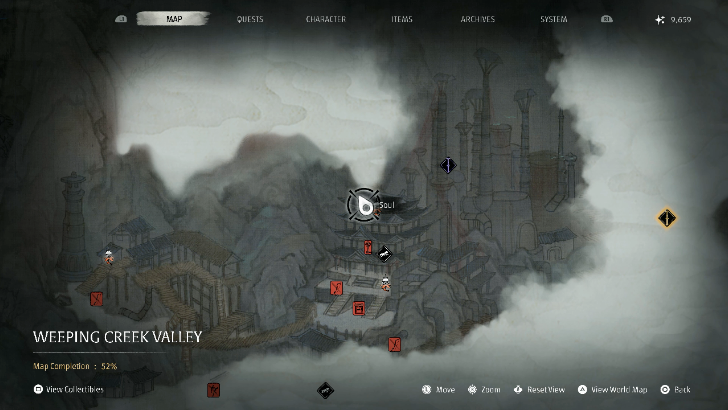
Phantom Blade Zero features a semi-linear, level-based world structure inspired by classic Soulslike map design. Compact, branching paths connect distinct regions, while hand-painted ink maps provide geographic direction without spoiling every hidden alcove. As you explore, you will discover secret side bosses, light environmental puzzles, item chests, and side quests. Some areas will require specific Phantom Edge secondary weapons to access, and they'll tell you which one you'll need.
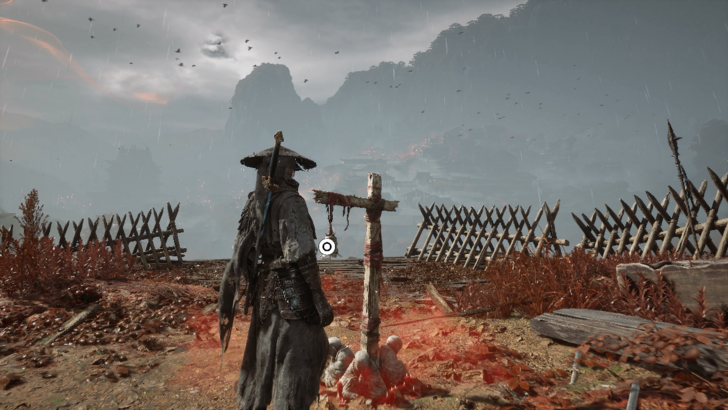
Checkpoints take the form of giant ceremonial Bells scattered across the map. Interacting with a Bell restores Soul's HP, replenishes his healing medicine vials, refills his Phantom Edge uses, and reveals the surrounding area map. Crucially, enemies in Phantom Blade Zero do not respawn when you rest at a Bell. Eliminating mob respawns completely removes the tedious grind of re-clearing areas and remembering enemy locations of surprise attacks just to make another attempt at a boss fight.
However, this design could be a double-edged sword: because enemies stay dead, players lose the opportunity to farm mob encounters to test new weapon builds or grind resources before major encounters. For what it's worth, the section that I played didn't really feel like it needed those opportunities (I tested my weapons by dying to the boss fights, I guess), so it might be designed well enough for it to be unnecessary throughout.
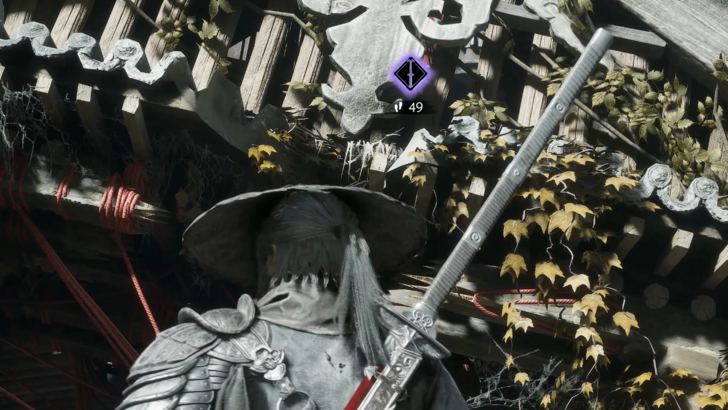
One minor QOL omission that I felt was odd was the total absence of an active mini-map. While a quest marker mode provides general directional indicators toward your next objective, navigating interconnected paths frequently requires opening the main map menu to check your position to make sure you're headed the right way. For directionally-challenged players navigating visually similar environments, adding an optional mini-map toggle would significantly reduce map-checking friction.
The audio presentation is another highlight, featuring a soundtrack that blends traditional Chinese instrumentation with various other genres, such as thunderous electric guitar riffs and heavy metal drums to quiet but unsettling for more creepy areas. There's even a track with screamo vocals.
Boss fights in particular are accompanied by intense, high-energy tracks that elevate adrenaline during tight parry exchanges. There weren't any specific tracks that felt like an earworm, but each certainly left an impression.
Making Sense of a Dark Conspiracy
Be Prepared to Not Understand
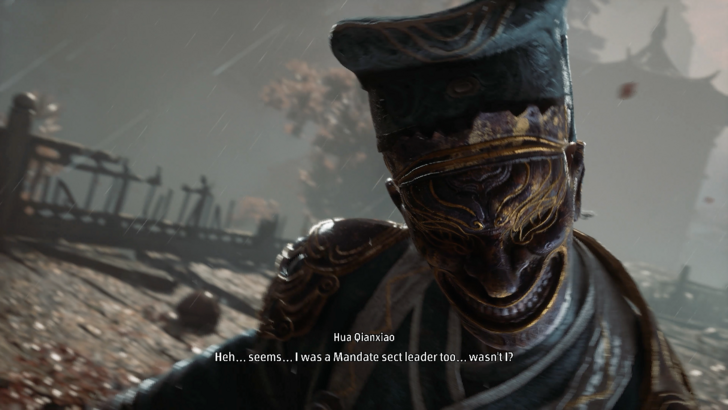
While Phantom Blade Zero shines brightly in pure moment-to-moment combat, its narrative delivery was honestly one of its weaker points for me. The story drops players directly into a dense Chinese fantasy setting, full of unexplained terminology: Sha-chi, the Mandate, Wulin, Soul Displacement, Shadow Edict, Sacred Vessel, and Perfect Yin Vessel just to name some. If you don't know what those mean, don't worry, I don't really either even after playing for 4-5 hours. The only reason I know Sha-chi to mean "killer intent" is because it was explained to me in person afterwards.
For native Chinese speakers or established fans of Wuxia literature, these terms may carry hints and context for what they are; for the average Western player, however, the rapid-fire introduction of this fantasy jargon can lead to narrative fatigue early on.
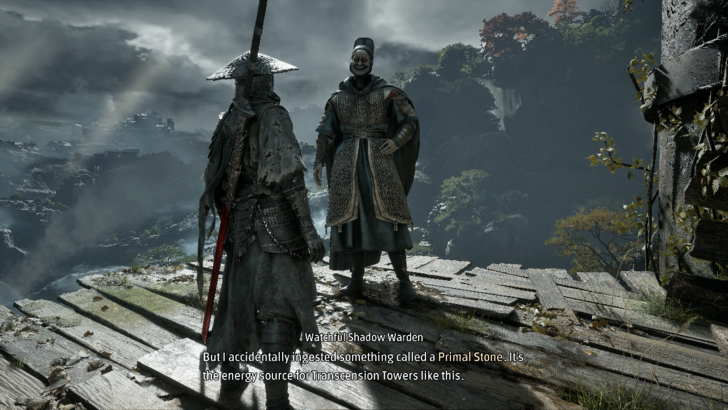
To be clear, this isn't a problem I find exclusively with Phantom Blade Zero; western fantasies are equally guilty of doing this, telling me about a Blip-Blorp that threatens to Zip-Pong the Mon-mon world unless the Mark-bong is retrieved from the Meep-marp group. However, the problem is exacerbated by not knowing if the term is an accepted, but strangely translated term in Wuxia or if it's just something specific to this game.
The devs insist they're all self-contained terms, but I can't help but feel some of the meaning might be lost in translation. Wulin, for example, literally means "martial forest," and has some implications in the Wuxia genre. But I only know that now because it happened to come up in my research.
Easy Enough to Follow Along For the Ride
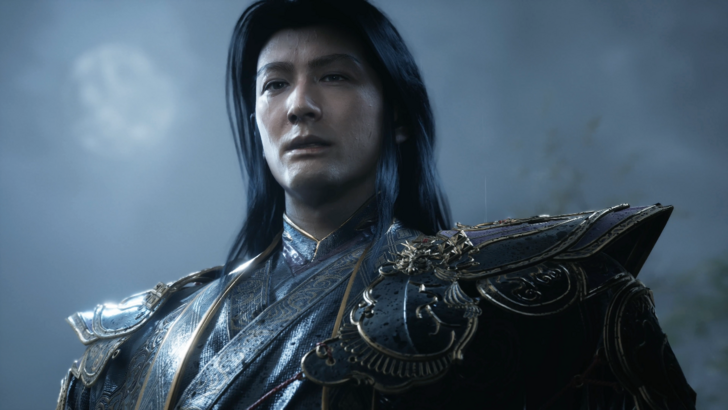
Even so, if you look past the initial wall of unfamiliar terminology, you can grasp the broad strokes of the plot without too much trouble. From what I understood of the story, Soul has been betrayed by his childhood blood brother and former brother-in-arms, Zuo Shang, who seemingly stabbed him in the back for some grander conspiracy. There is some plot revolving around the creation of a "sacred vessel" through human experimentation, overseen by some herald, and the enemies we meet are a result of those experiments. It seems Zuo Shang betrayed Soul to chase these dark ambitions, but it's unclear within the first chapter to what end.
Outside of that, I couldn't get a good grasp on who Soul is as a person, other than that he's the cool good guy. And maybe that's the point. Apparently, Wuxia loves to show vigilantism through defeating the bad guys with kick ass kung fu, and why think too deeply about a winning formula? Betrayal, revenge and honor are emotions most people can empathize with.
For me, I didn't engage too much with the main story, so each story quest was just a, "ok, so I go there now." Fun fact, it is entirely impossible for Soul to fail or die during the introductory sequences. You can literally take your hands off the controller, let Soul absorb attacks, and the game will simply push you forward regardless.
It's likely not something most people will notice if they're playing normally. Besides, once you push past these opening spectacles, the training wheels come off completely, and death properly graces you with its sweet release. Often.
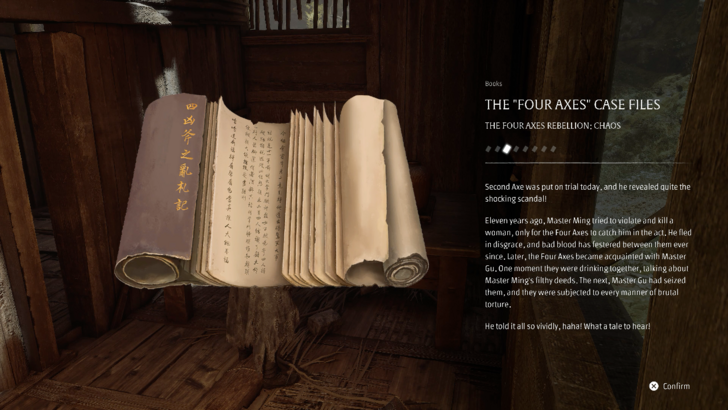
The side stories, on the other hand, were more interesting, as they explored more about loss in this hopeless world. Good men who were made to take the fall for a set-up, or a town scared to deal with the violent issues right outside their doors, or a master disappointed to see how far his students have fallen; these give color to the otherwise drab world and had me wanting to explore the background lore some more.
If the main story eventually shows more of those kinds of stories, I'll have no complaints.
Speaking English in a Chinese World
The English voice dub was a bit rough. I'll admit my own personal bias here: as someone who generally prefers my anime in Japanese and foreign films with the original audio dubs, I also naturally lean toward setting my games to the original language tracks.
But even keeping that in mind, the dub felt a bit stiff, particularly as the voice actors struggled to pronounce Chinese proper nouns, like the town of Pangzhen. Because the voice cast varied in their familiarity with the Chinese language, pronunciations of character names and locations fluctuated wildly within the same conversation; one character would pronounce a name with authentic Chinese inflection, while their conversation partner would deliver it in an Anglicized accent.
I would recommend playing the game with original Chinese audio and English subtitles enabled to avoid these pronunciation discrepancies, but again, I probably would've recommended that regardless.
Worth the Hype?
One of My Most Anticipated Titles of 2026
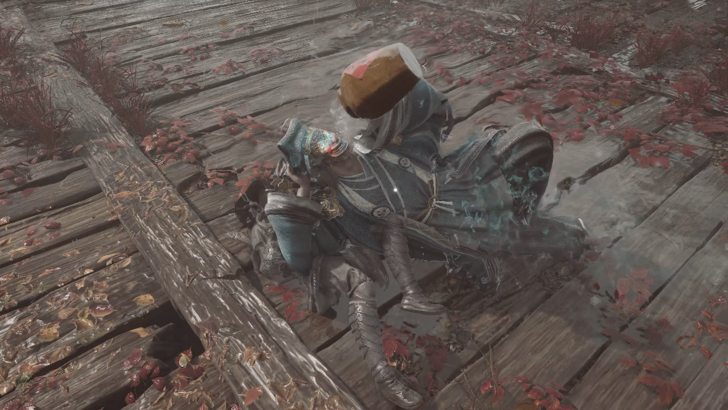
2026 has been absolutely spoiling us with great games. Phantom Blade Zero is looking like it'll continue to spoil us. It's definitely not a soulslike; it's not punishing just to be punishing but rather difficult to make your victories feel good. The combat is smooth, fair, and engaging. You'll still die, but it'll be from not fully being able to read your enemy correctly rather than because you made a singular mistake.
Despite my nitpicking gripes about its Easy Mode lock, missing mini-map, and dense narrative terminology, the game does what it promises to do. It successfully captures the feeling of being a Kung-fu master using thrilling, high-speed choreography of classic Hong Kong martial arts cinema and translates it into an actionable, highly responsive ARPG that rewards timing, aggressiveness, and player creativity.
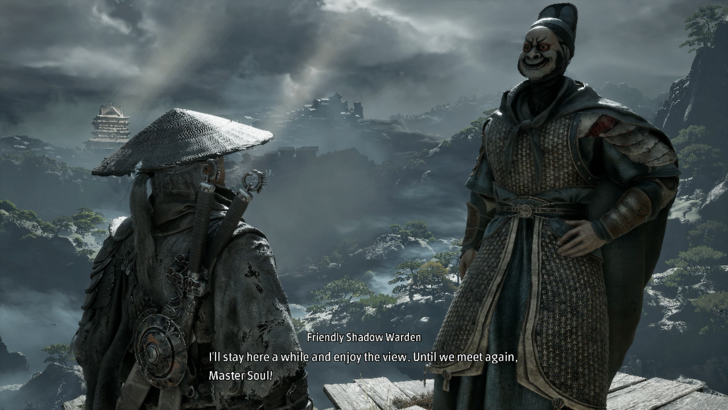
S-GAME has mentioned that they hope to create a new genre of games based on this game; like the arrival of soulslikes, a new genre of kungfupunk games. I wouldn't say that it's unique enough that other games would be able to spinoff from it. But there's no doubt that they're innovating on the action RPG genre and are holding onto a winning formula.
With over 50 total weapons to collect, zero-cost respeccing, adaptive boss AI, and what looks to be a meaty and lengthy campaign, Phantom Blade Zero will likely stand alongside Black Myth: Wukong as a monumental statement of modern Chinese game development. I'm looking forward to its full release on October 29th.