


Aniimo's Homeland is a farming and production system featuring resource management, Aniimo assignments, production chains, and settlement upgrades. Read on to learn more about Homeland and what it has to offer.
Aniimo's Homeland Gave Me a Farm, and Now I Can't Leave
I Expected to Farm, But Not Like This
Aniimo is, first and foremost, a creature-collecting game. There are plenty of Aniimo to find across Idyll, and catching them is only the beginning. From combat and traversal to side content and the different variants worth collecting; my review looks at the many ways these creatures fit into the game.
Eventually, though, the collection gets pretty crowded. Not every Aniimo is going to make it onto the team, and that raises a surprisingly simple question: what happens to all the others?
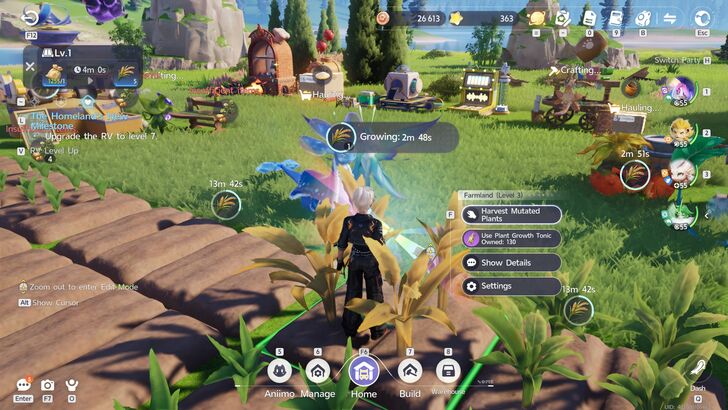
Homeland has an answer. Unlocked through a sidequest involving an inventor trying to market her overengineered RV, the system gives captured Aniimo a place of their own in Idyll, complete with farmland, production facilities, and plenty of room to put those creatures to work. At first, it seems like a fairly straightforward place to grow crops, process materials, and relax for a while. Then the production chains start getting longer, Aniimo begin affecting facility efficiency, Orders start demanding specific goods, and suddenly I'm thinking about which fuzzy friend should work which facility and whether a particular patch of farmland should be set to freezing.
It Starts Out Simple Enough
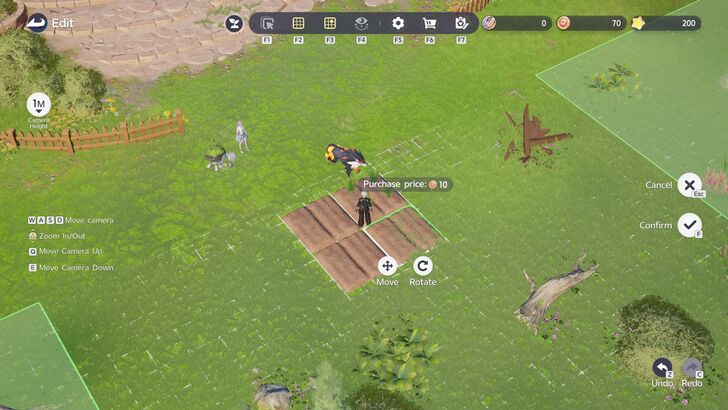
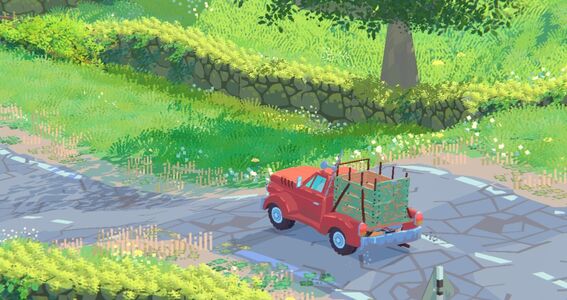
Homeland is essentially a virtual space that belongs entirely to the player. Once unlocked, it provides room for farmland, production facilities, and other structures, with Aniimo assigned to keep everything running. Crops and raw materials can be gathered, processed into goods for Orders, or used to improve the Homeland itself. Aniimo Eggs can also be hatched here, giving the settlement another reason to keep the collection close at hand.
The basic loop is simple enough, but there's a satisfying sense of everything feeding into something else. Wheat can become wheatmeal, soybeans can become tofu and fried tofu, while wood can be turned into sculptures or redirected toward RV upgrades. Once several production lines are running at once, even a simple crop starts feeling like one part of a much larger chain.
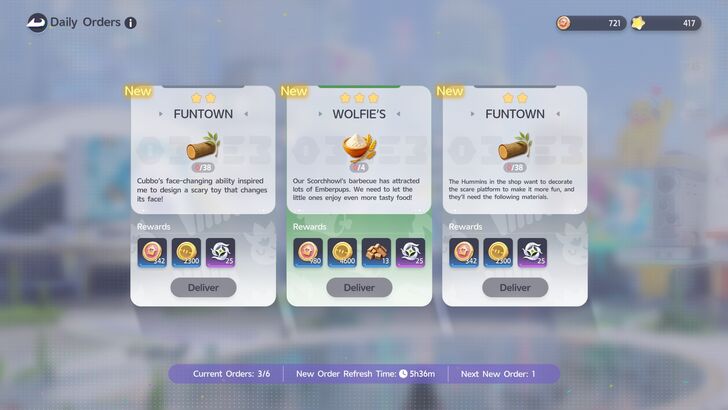
Orders add another reason to keep those production lines moving. They ask for specific materials or processed goods in exchange for Home Coins and Season Badges, and you can refresh the list five times for free before it costs 100 Home Coins per refresh. That means Homeland doesn't require a single permanent setup. Sometimes it's more useful to keep a steady supply of materials on hand; other times, it's worth reworking a few production lines just to cash in on a particularly worthwhile Order.
That's about as complicated as Homeland seems at first. Then the Aniimo themselves start getting involved.
Making Aniimo See the Meaning of Production
This is where Homeland started messing with my understanding of Aniimo's personality system. I initially thought the MBTI-style personalities were mostly a cute way of giving each creature another trait while making their passive bonuses easier to understand. I certainly didn't expect that seemingly arbitrary system to rear its head in side content that'd end up dictating where an Aniimo should work.
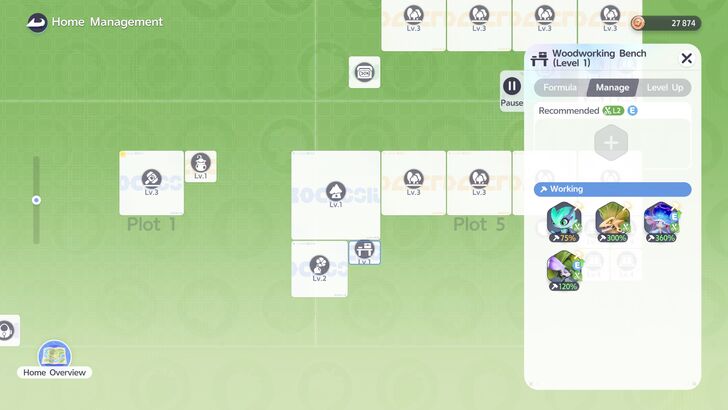
Aniimo assigned to Homeland facilities have an efficiency rating based on their element and personality. Getting both to line up can make a pretty significant difference, too. The highest efficiency I've managed to reach so far is around 300%, which is a rather ridiculous improvement over simply throwing whichever Aniimo happens to be available into an empty slot. It also makes the personality system feel considerably more meaningful than it does during the main adventure.
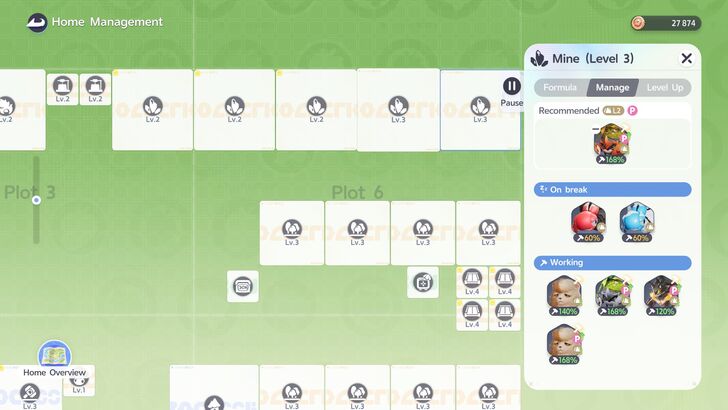
Finding the right Aniimo for a job isn't simply a matter of finding the creature with the highest potential. An Aniimo might be mediocre as a combat partner but exceptionally useful at home because its element and personality happen to match a particular facility. Suddenly, that creature that might otherwise have been released for experience has a perfectly good career along with food and board waiting for it.
It also changes the way I look at new catches. A new Aniimo might have the personality needed for a facility, or it might be the right element for a production line that could use a more efficient worker. Once Homeland enters the equation, even an otherwise unremarkable Aniimo can have a reason to stick around.
The game also doesn't make feeding a large number of workers into the settlement especially punishing. Homeland requires food to keep its Aniimo running, and luckily, food farmed and processed can be looped back into the Homeland to keep it self-sufficient. However, consumption is based on the number of Aniimo assigned rather than their size or efficiency. That means a more efficient Aniimo isn't secretly more expensive to maintain. Once the farms are producing enough food, the interesting decision is simply which Aniimo are best suited to each job rather than whether a particularly large or productive creature is worth the additional upkeep.
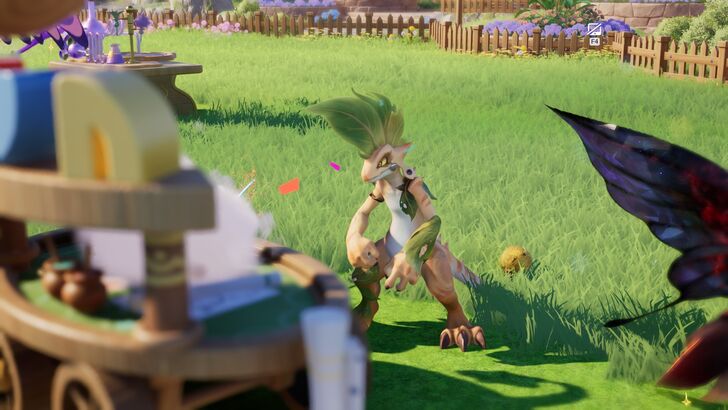
There is something oddly satisfying about watching those numbers climb when everything lines up. A facility that starts out with an ordinary worker can suddenly become dramatically more productive after swapping in an Aniimo with the right traits. It turns what could have been a fairly passive farming system into something that rewards paying attention to the creatures sitting in the collection.
And that was probably the biggest surprise Homeland gave me. The feature gives even the less impressive members of the collection a reason to stick around, provided they have the right skills for the job. Once that clicked, I started looking at new catches a little differently. The question wasn't always whether an Aniimo was good enough for my team. Sometimes it was whether it was good enough for my perfume production line.
The Farm Keeps Getting Bigger
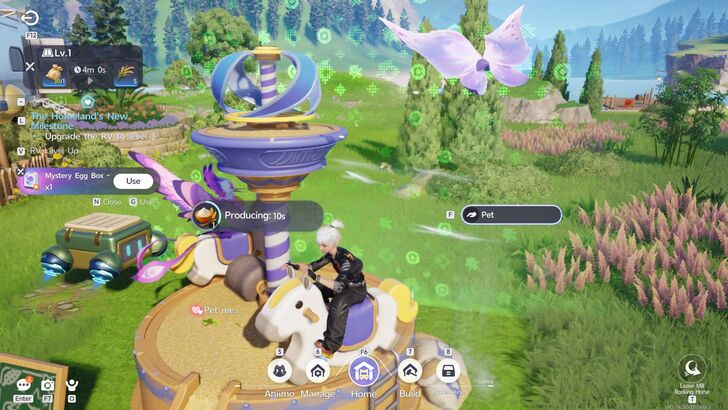
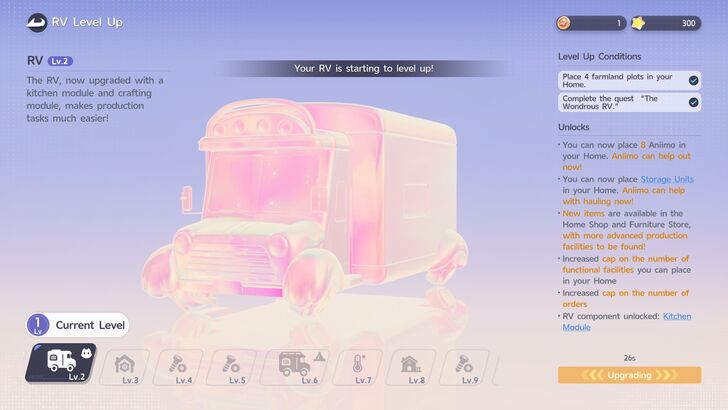
Of course, putting the right Aniimo to work is only half the battle. Homeland starts small, but there's a steady stream of upgrades that gradually turn it into a much larger operation. New plots give more room for crops, facilities, and decorations, while the RV itself becomes the backbone of the settlement's progression. Increasing its level can unlock new facilities, allow more Aniimo to be assigned at once, and raise the level cap of certain facilities, giving the farm even more room to grow.
The RV's individual components add another layer to that progression. These upgrades aren't simply about making the numbers go higher, either. Some introduce new recipes or other functionality for Homeland's facilities, giving the settlement more ways to turn its resources into something useful. The result is a progression system that expands both Homeland's size and what you can actually do with it.
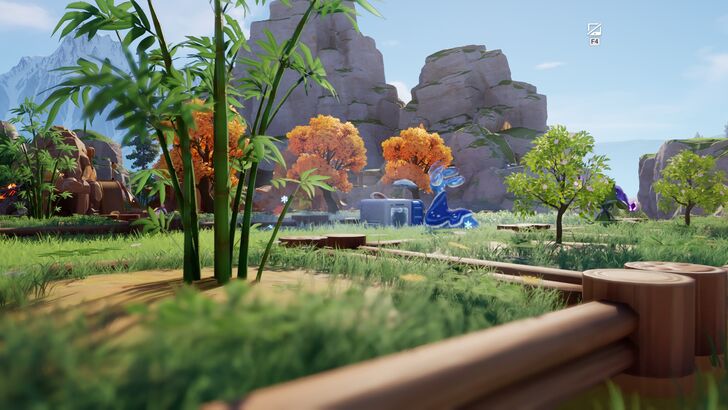
That expansion also makes the production chains increasingly satisfying to manage. Resources rarely exist for just one purpose. Willow, for example, can provide materials for a crafting bench that produces sculptures to sell, while its wood blocks can be sent to a woodworking bench for RV upgrade materials. Once several of these chains are running at the same time, Homeland starts feeling less like a farm and more like a small production network.
Orders make that network a little more unpredictable. There's no reason to stick with the same recipes forever when facilities can swap production, and the materials invested into them are refunded. A particularly lucrative Order can be enough to make me abandon whatever I was producing and rearrange a few facilities around whatever happens to be in demand.
That flexibility is important because Homeland isn't really about building one perfect setup and leaving it alone. The settlement keeps expanding, new recipes give facilities more things to produce, and RV upgrades create another reason to keep certain materials in reserve. The more I unlock, the more the farm feels like something I'm actively managing rather than a place that simply produces resources in the background.
And there are still plenty of ways for Homeland to grow beyond what is currently available. A house eventually becomes available at RV Level 8, while other planned spaces, such as areas for fishing and mining, aren't accessible yet. For now, though, there's already enough here to make expanding the little settlement surprisingly addictive.
Smart Spaces With Temperature Control
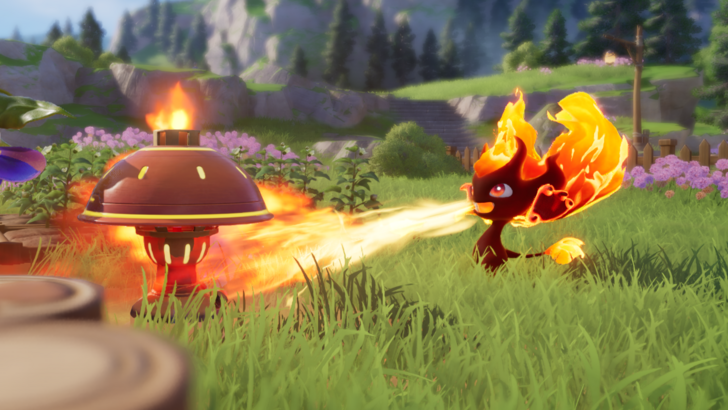
Just when I thought I had Homeland's production chains figured out, the game introduced crops that care about temperature. Eventually, new seeds become available that require specific conditions to grow, which means placing an Aniimo-powered heater or cooler isn't simply another facility to add to the farm. These devices affect a specific area around them, allowing different parts of the farmland to maintain different temperatures.
That turns placement into its own little puzzle. A crop that needs warmth might not want to share a temperature zone with crops that thrive in a chillier climate. The temperature can also be pushed to extremes, with settings ranging from warm to scorching and cold to freezing depending on what the crop requires. Suddenly, expanding Homeland isn't just about finding somewhere to put another facility. I'm looking at the layout and thinking about which section should be dedicated to which crops.
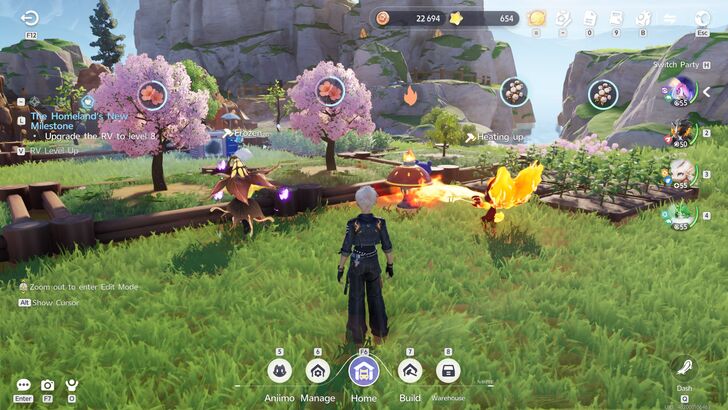
It's particularly satisfying because the system doesn't require the entire farm to stay at one temperature. I can have one area set up for a particular crop, then change its conditions when I need something else. One day, a section might be warm for one set of seeds; the next, I'll crank it up to scorching and use the same space for something completely different. It's a small change to the farming loop, but it makes the layout feel considerably more deliberate.
This is also where the freedom to move between different production setups becomes more useful. Homeland isn't asking for one perfect arrangement that works forever. The farm can be reorganized around whatever crops, recipes, or Orders are currently worth pursuing, and temperature adds another consideration to that process. The more systems Homeland introduces, the more the space starts feeling like something to solve rather than just somewhere to put buildings.
Sending Aniimo On A Journey To Find Themselves

Homeland eventually finds another way to put Aniimo to work through expeditions. Once the RV reaches the appropriate level, Aniimo can be sent away for a set period to bring back materials and even Held Items, with longer trips offering a better chance of returning an Aniimo Egg.
The eggs are where things get particularly interesting. An expedition can bring back at most one Aniimo Egg, with a chance for it to inherit the expedition Aniimo's form or mutation, including rare Prismana Forms and Sparkling mutations. Sending out a desirable Aniimo creates another small chance at getting something worth keeping.
It also gives Homeland another reason to interact with the collection rather than existing completely apart from it. Some Aniimo can work the fields, others can keep production facilities running, and another can spend hours away on an expedition. At this point, I stopped thinking about Homeland as a place where I simply stored my spare creatures. Pretty much every Aniimo could have a job, even if that job was to leave my side for a while and come back with something interesting.
Not Quite Aniimo Crossing, But Still a New Horizon
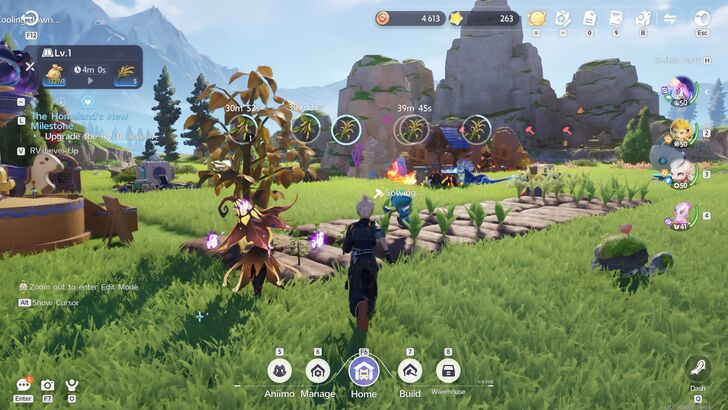
Homeland is the kind of feature that seems almost trivial when it first unlocks. There are some plots, a few facilities, and a bunch of Aniimo that can be put to work. It's easy to imagine checking in, collecting some resources, and heading back out into Idyll to fill out that collection log or learn more about the world.
Instead, I ended up caring about production chains, facility efficiency, Aniimo personalities, Orders, RV upgrades, crop layouts, temperature zones, and which Aniimo I should send away on an expedition. None of these systems are particularly complicated on their own, but they keep feeding into one another until Homeland starts feeling like its own little game tucked inside Aniimo.
That's ultimately what makes it so easy to get absorbed into. The settlement gives Aniimo's creature collection another purpose and more things to optimize. I came into Homeland expecting a place to grow some crops and give my Aniimo somewhere to hang out. Instead, I somehow ended up running a tiny production network with temperature-controlled farmland and a perfume business. I'm not entirely sure when that happened, but I'm having a pretty good time.
Aniimo Wiki
 Aniimo |
 Interactive Map |
 Walkthrough |
 Side Quests |
 Events |
 Homeland |
 Operation: Egg Heist |
 Abilities |
 Bosses |
 Items |
 Cosmetics |
 News |
 Review |
- |