


“If there is one thing I can tell you, it is that the direction and descriptions in the game contain some kind of meaning. For now, I hope you will fully enjoy RE:BOOT and look forward to further updates in the future.”

STEINS;GATE RE:BOOT developers discuss how 17 years shaped the remake, the new Moeka route, and their work with Chiyomaru Shikura on the next title. Read the full interview for more on what changed and what’s next for STEINS;GATE.
STEINS;GATE RE:BOOT Connects the Series’ Past and Future
The Developers Are Already Working on the Next STEINS;GATE Game
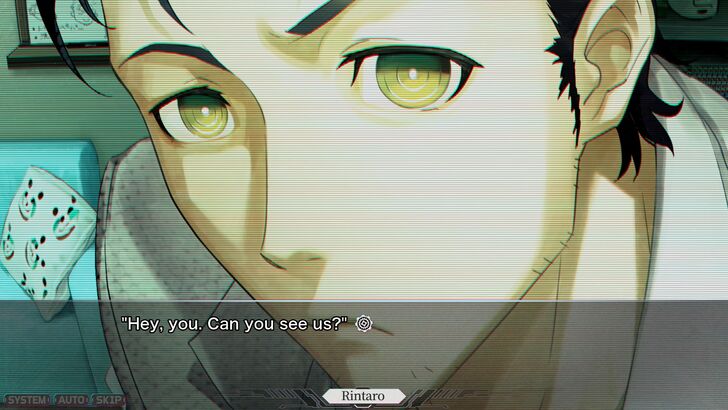
We sat down with STEINS;GATE RE:BOOT producer Tatsuya Matsubara and scenario writer Naotaka Hayashi ahead of the critically acclaimed sci-fi visual novel’s console release on October 29, 2026, during which the developers confirmed that the series’ next title is being developed in collaboration with creator Chiyomaru Shikura.
"We are currently developing a new title in collaboration with the original creator, Chiyomaru Shikura," Hayashi said, translated from Japanese. "We’re pouring our hearts into this new project as we speak."
Matsubara added that the team is having "daily discussions" as they prepare to move forward with the next entry in the series. The developers did not reveal the title, release date, platforms, or story details.
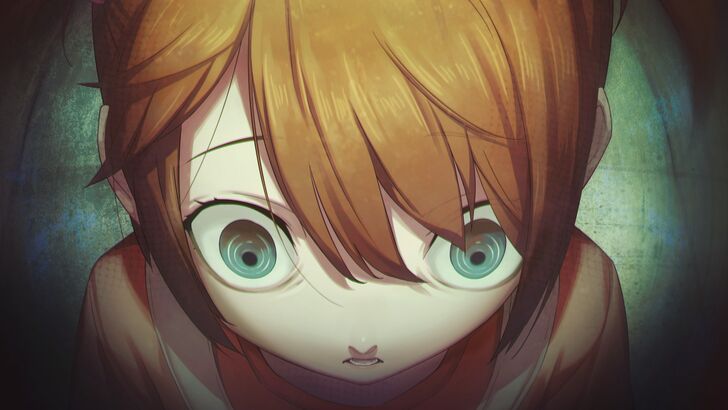
The project itself dates back to 2020, when MAGES. mentioned in a business strategy presentation an unnamed title that is currently referred to by fans as "STEINS;???." The title was described as part of the team’s Science Adventure series. Shikura described its relationship with STEINS;GATE as similar to the connection between CHAOS;CHILD and CHAOS;HEAD. The game was presented as an independent title with STEINS;GATE characters appearing in its story.
Very little was revealed about the project after that announcement. Matsubara said in an interview with CBR that the team was still putting its concepts together for the game, with his role involving the translation of those concepts into the scenario.

We asked for an update on whether the new title is connected to a particular scene near the end of RE:BOOT. Matsubara declined to confirm or deny it.
"It is truly gratifying for a creator to know that their work is analyzed to such depths," Matsubara said. He explained that answering "YES" or "NO" would take away from players’ enjoyment and leave less room for speculation. He did offer one hint, though: "the direction and descriptions in the game contain some kind of meaning."
We will leave the scene itself unexplained here. RE:BOOT introduces new scenes and a new worldline, so discussing the details could spoil the experience for players who have yet to finish the remake.
STEINS;GATE RE:BOOT Revisits a Classic With 17 Years Behind It
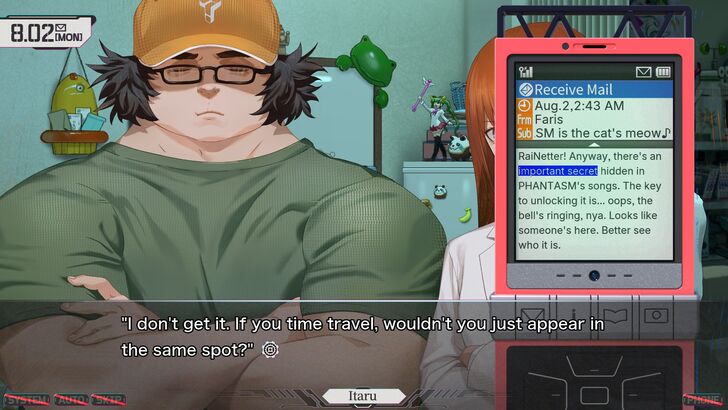
Seventeen years after the original STEINS;GATE, the developers had a much larger body of material to draw from when revisiting the story. Hayashi said the anime, STEINS;GATE ELITE, spin-offs, and collaborations had given the team "a much deeper understanding of the characters," which informed the remake.
That experience shaped some of the more practical changes in RE:BOOT. Modernizing the 2009 visual novel was one of the project’s key concepts, Matsubara said, with the team paying particular attention to pacing for modern players. Hayashi said they examined protagonist Okabe Rintaro’s "chuuni-style"* dialogue closely, since the original’s long tangents could make the early sections difficult to get through. The remake trims some of those exchanges and adds "TIPS" for internet slang that has since become outdated.
*Chuuni: short for chuunibyō, literally “eighth-grader syndrome”, a term describing characters with outlandish mannerisms and delusions of grandeur
Still, the team wanted RE:BOOT to retain the character of the original. Hayashi said the developers kept its internet slang to preserve the atmosphere of 2009. According to Matsubara, they reached a similar decision on the email-based route system after considering whether they could simplify it. He felt that changing it could weaken the connection between Okabe and the player, since the mechanic is closely tied to experiencing the story through his perspective.
A 2010 Drama CD Finds New Life in STEINS;GATE RE:BOOT
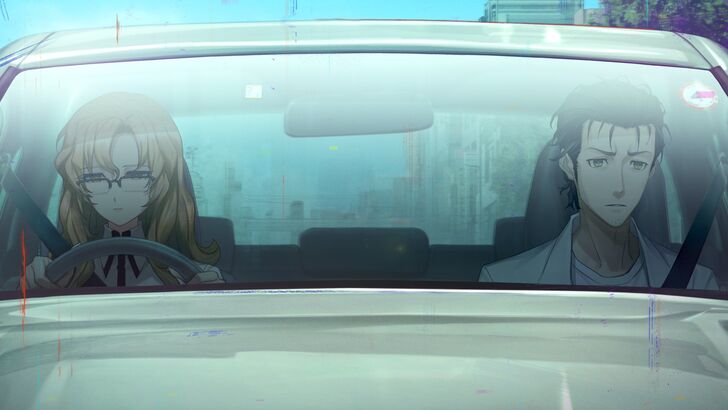
The remake gave the developers more freedom with material that had existed outside the original game. The clearest example is the new Moeka route. Hayashi said the team considered several ideas for an additional ending, including a joke harem ending, before settling on Moeka; fans had been asking for a Moeka ending since the original game was released.
The route draws from STEINS;GATE: Hyde of the Dark Dimension, a 2010 drama CD that Hayashi and Matsubara both worked on. Hayashi described it as a standalone "What if?" story. It was never expanded into another form of media, but he had wanted more people to experience it.
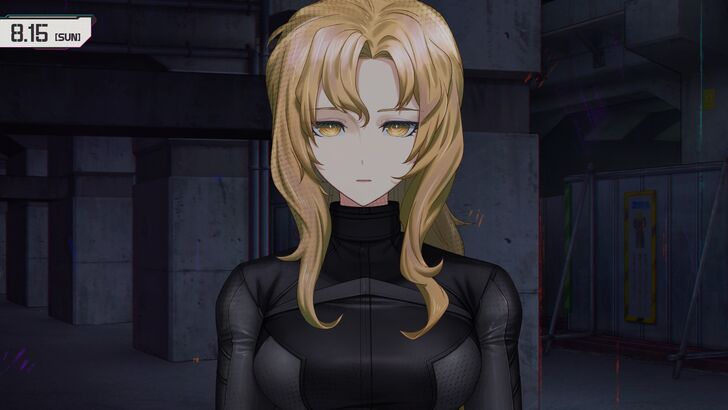
Bringing that story into RE:BOOT required more than adapting the drama CD, though. Hayashi said Hyde of the Dark Dimension had been designed as a self-contained scenario, so the new version had to be rebuilt around the main STEINS;GATE story. The writers needed to establish how the route could continue from the main narrative and how Okabe would ultimately decide to live with Moeka.
"We ended up making the story even harsher than the content of the drama CD," Hayashi remarked.
Matsubara, meanwhile, said he was glad that RE:BOOT could give Hyde of the Dark Dimension a wider audience after the drama CD remained known primarily to longtime fans. For Hayashi, revisiting the story fulfilled a desire he had held since its original release.

Seventeen years can change how a story is remembered. STEINS;GATE has grown far beyond its original release in that time, and RE:BOOT offers a chance to look back at where the series began with everything that came after it in mind and look forward to what’s to come.
For players who have yet to experience STEINS;GATE RE:BOOT, the remake arrives on PS5, Nintendo Switch, Nintendo Switch 2, and Xbox Series X|S on October 29, 2026. The game is already available on PC, and you can check out our review of that version below.
Full Interview With Producer Tatsuya Matsubara and Scenario Writer Naotaka Hayashi
STEINS;GATE RE:BOOT is being played by longtime fans of STEINS;GATE and the Science Adventure series, but there are also likely players discovering the series for the first time through it. Did having both audiences in mind affect any of the decisions made during development?
Tatsuya Matsubara: Modernizing STEINS;GATE is one of the key concepts of this title, so naturally, we developed it with an emphasis on pacing for today’s players. At the same time, for core players, we thought that by rebuilding the presentation and other elements from scratch, we could create a version of STEINS;GATE they have never seen before.
Naotaka Hayashi: Even when the original version was released in 2009, there were already many people who found the characters’ heavy use of internet slang and "chuuni-style" dialogue difficult to get into . But now, in 2026, many of the words used in the game have become outdated, so I felt they would be especially difficult for younger players and people who haven’t played it before. So we based the text on ELITE, which puts more emphasis on pacing, and made further adjustments to make it as easy to read as possible, such as reducing Okabe’s "chuuni-style" dialogue and adding TIPS for outdated internet slang. At the same time, we also tried to preserve as much as possible of the atmosphere of 2009 so that people who experienced STEINS;GATE in the past wouldn’t be disappointed.
As STEINS;GATE was made in 2009, what did you find most difficult about deciding which parts of the original still worked for a modern audience?
Matsubara: The mechanic where the route branches based on email exchanges adds a layer of difficulty to STEINS;GATE, so we did struggle over simplifying it. STEINS;GATE places great importance on the sense of unity between Okabe and the player, and I felt that making the email-based branching easier would weaken the experience of seeing things from Okabe’s perspective. So we decided to leave it as it was in the original.
Hayashi: The thing I struggled with the most was whether to keep the internet slang. There are words used in the game that have become outdated and are completely incomprehensible to young people today, so I was concerned that when those words came up, they might interfere with the player’s immersion in the story. In the end, we decided to keep all of them and provide supplementary explanations through TIPS.
By the time RE:BOOT entered development, the original STEINS;GATE story had already existed as a visual novel (2009), an anime (2011), and a visual novel based on the anime (ELITE, 2018). How did having all of those versions available affect the development of the remake’s story?
Matsubara: One major advantage was that all of the developers were already very familiar with STEINS;GATE from the start. We didn’t need to give detailed instructions, which freed up resources and allowed us to spend more time refining the presentation.
Hayashi: RE:BOOT incorporates the best aspects of all the versions that came before it, so in a sense, it can be considered a definitive version. One of the biggest points is that we were able to update the characters. A great wealth of material has been accumulated through the anime, ELITE, and even other spin-offs and collaborations. Over these 17 years, both the cast and I have developed a much deeper understanding of the characters, and we were able to reflect that insight in the game.
How did you come to the decision to include the scenario with Moeka’s route in RE:BOOT? Was adapting an existing piece of STEINS;GATE lore always part of the plan, or did that direction emerge during development?
Hayashi: We considered some joke ideas, such as a so-called harem ending, but those were ultimately rejected. Early in development, we had already decided that the most appropriate content to branch off from the main story was a Moeka ending, which had also been requested by fans when the original version was released.
What did you want to accomplish with the new route that hadn’t been explored through the original drama CD, STEINS;GATE: Hyde of the Dark Dimension?
Hayashi: The drama CD STEINS;GATE: Hyde of the Dark Dimension was created as a standalone, self-contained "What if?" story. However, the story we added to STEINS;GATE RE:BOOT this time needed to be rebuilt so that it connects to the main narrative of STEINS;GATE and, like the endings involved the other heroines, becomes "a story that continues afterward." This is the result of making those adjustments. Also, after considering how to make Okabe resolve to live together with Moeka, we ended up making the story even harsher than the content of the drama CD.
Both of you were involved with the scenario for STEINS;GATE: Hyde of the Dark Dimension itself. What was it like returning to that story years later and developing it for RE:BOOT?
Matsubara: STEINS;GATE: Hyde of the Dark Dimension was a story known only to hardcore fans. I’m happy that this reboot will allow more people to discover its gritty world.
Hayashi: STEINS;GATE: Hyde of the Dark Dimension was released as a drama CD in 2010, but unlike the other drama CDs, it was the only one that had never been expanded into any other media. Because of that, I had always wanted more people to experience the story, so I’m especially happy that we were able to make that happen this time.
After working through the original visual novel and ELITE again, were there any scenes that you wanted to write differently for RE:BOOT? Is there a scene in the remake you are especially happy you got the chance to revisit?
Hayashi: We have included locations that did not exist in the original version but were added from the anime onward, such as the rooftop of the building where the lab is located, the laundromat where Okabe talks with Kurisu, and the pedestrian bridge near Yanabayashi Shrine. I think adding these locations is a significant step in allowing players to experience the atmosphere of Akihabara as it was in 2009.
The original visual novel was released in 2009. ELITE was released almost a decade ago, in 2018. After working with STEINS;GATE for so long, did you remember any scenes differently when you returned to them for RE:BOOT?
Hayashi: Kurisu’s speech in the original version was much harsher than I remembered, and I was a little surprised by how merciless she was toward Okabe. We have updated her speech to be milder in that regard.
Was there a particular part of STEINS;GATE that you knew you wanted to change for the remake? If so, what was it?
Hayashi: The part we reviewed most closely was Okabe’s "chuuni-style" dialogue. There had been criticism since the original version was released in 2009 that the conversations often went off on tangents, and that the poor pacing in the early part made it difficult to keep reading. So we reduced those conversational tangents, significantly improved the pacing, and adjusted it to make it easier to read.
Matsubara-san mentioned in an interview back in 2025 that you’re developing RE:BOOT in parallel with another title. Obviously, it might be difficult to mention exactly what you’re currently working on, but without getting into spoilers, does that project have anything to do with a certain scene players can find at the end of RE:BOOT?
Matsubara: It is truly gratifying for a creator to know that their work is analyzed to such depths. However, if I were to clearly say "YES" or "NO" here, it would take away from everyone’s enjoyment and the room for speculation (laughing).
If there is one thing I can tell you, it is that the direction and descriptions in the game contain some kind of meaning. For now, I hope you will fully enjoy RE:BOOT and look forward to further updates in the future.
Where do you both personally want to take the series next? Is there a story you’ve wanted to write for a long time that you still haven’t had the chance to tell?
Matsubara: I can’t go into much detail yet, but we are having daily discussions and making preparations to move forward with plans for a new entry in the series.
Hayashi: We are currently developing a new title in collaboration with the original creator, Chiyomaru Shikura. We’re pouring our hearts into this new project as we speak.