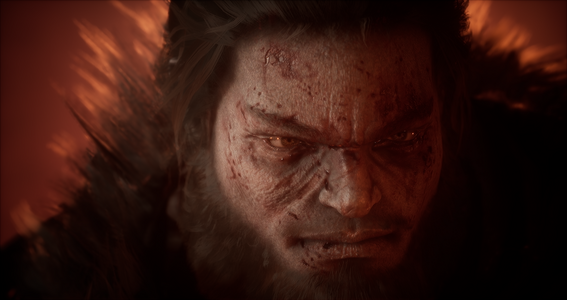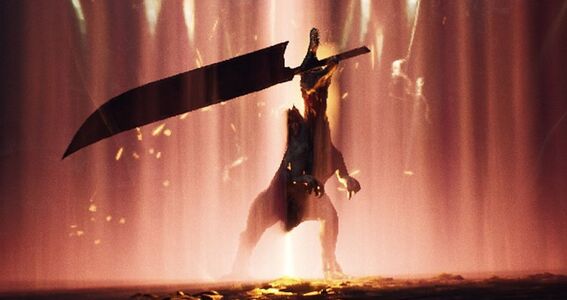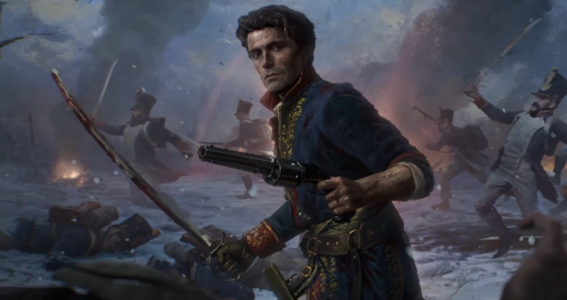




Valor Mortis is a first-person Soulslike set in an alternate-history Europe ravaged by a mysterious plague during the Napoleonic Wars. Read our review to see what it did well, what it didn't, and our overall impressions of the game.
| Digital Storefronts | |||||
|---|---|---|---|---|---|
 Steam |
 PS |
 Xbox |
|||
| $39.99 Standard Edition |
|||||
| Steam |
PS |
Xbox |
|||
| $59.99 Deluxe Edition |
|||||
Valor Mortis Review | The Horrors Are the Highlight of an Uneven Soulslike

Soulslikes are more common than ever, with developers continuing to put their own spin on a genre known for punishing combat and fragmented storytelling. Valor Mortis takes a particularly unusual approach, bringing the familiar Soulslike formula into first person. Its monstrous creatures and grim, plague-ridden atmosphere evoke Bloodborne, while its mix of melee weapons, firearms, and supernatural abilities brings Dishonored to mind. Set against an alternate-history version of Napoleonic Europe, it has the ingredients for a distinctive take on the genre.
Developed by One More Level, Valor Mortis follows a soldier fighting through ruined battlefields overrun by reanimated troops and grotesque abominations. Memory fragments and cryptic encounters hint at the catastrophe that has overtaken Napoleon's forces, leaving plenty of questions about the world and its inhabitants. Yet its defining feature is also its biggest challenge: translating demanding Soulslike combat into a first-person perspective.
The shift makes encounters feel more immediate, but it also changes how players read enemy movements, manage stamina, and find openings to attack. Valor Mortis has some interesting ideas, though its combat, exploration, and technical performance don't always live up to the standard its premise sets. The result is a distinctive but uneven Soulslike that doesn't consistently make the most of its first-person approach.
An Intriguing Narrative That Falls Short
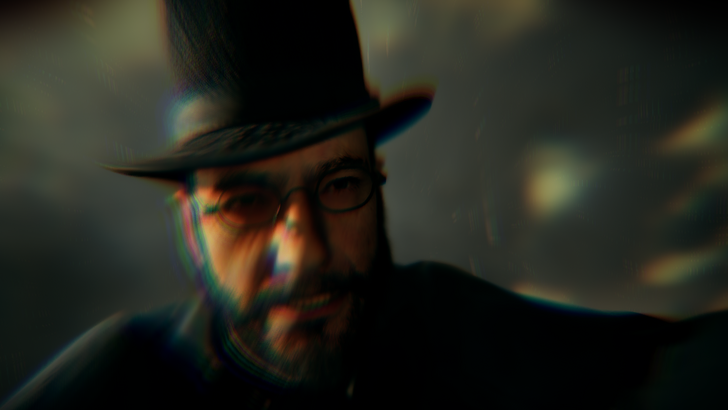
Valor Mortis has a relatively straightforward central narrative, giving William Dowsett a clear objective: end the Crimson Plague ravaging Europe at its source. The story has its share of twists and turns, but it rarely develops its premise into something particularly substantial. Certain details, such as why Napoleon's voice echoes in William's head, remain unexplained for an uncomfortably long stretch of the game, leaving some of its most intriguing questions hanging.
The memory pools scattered throughout the world offer fragmented visions of the past, showing the lives of those who fought and struggled to survive the catastrophe. Seeing these moments alongside the devastation left behind gives the setting a more personal dimension, making the consequences of the plague feel tangible. However, these vignettes often feel disconnected from William's central journey. They offer glimpses into the lives affected by the catastrophe, but the main story could have used them better to give the broader narrative more emotional weight.
Other details emerge through encounters with the few characters willing to offer information. Lucjan, who saves William after his defeat by the mutated General Lothaire, seems responsible for installing the Lanterns scattered throughout the world. He also seems to know more about William's resurrection and the catastrophe than he lets on, yet the story offers little explanation for his knowledge or motivations. His cryptic behavior hints at a larger role, but the ambiguity around him rarely becomes a particularly satisfying mystery.
The in-game journal is a more effective touch, with entries about enemies and locales written from William's perspective rather than presented as detached bestiary descriptions. These personal observations give the protagonist more character and make the grotesque inhabitants feel like more than obstacles to overcome. It's a small detail, but one that adds personality to the world and gives players another reason to pay attention to the creatures they encounter.
Ultimately, Valor Mortis has enough intrigue to keep its story moving, but its narrative ideas don't always receive the development they deserve. The memory pools add a human dimension to the devastation, and the journal gives William a welcome sense of personality, yet the main plot and its supporting characters feel comparatively underdeveloped. The result is a serviceable story with an intriguing setting that doesn't fully realize its potential.
Combat Has Good Ideas, Could Be Better
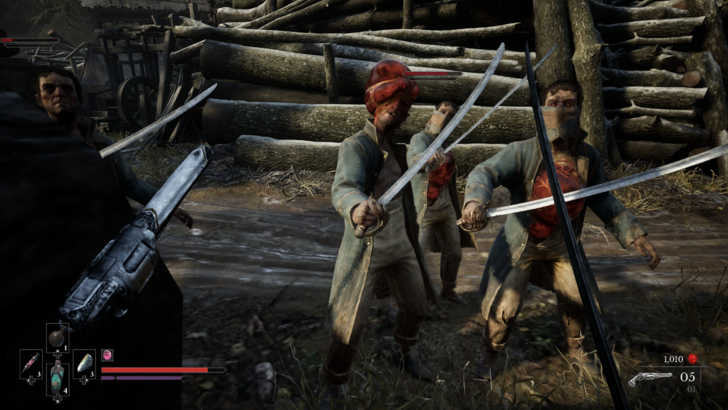
Valor Mortis brings familiar Soulslike mechanics into a first-person perspective, with melee weapons, firearms, blocks, parries, and dodges forming the foundation of combat. Endurance governs stamina, limiting how often William can attack, dodge, and defend before needing a moment to recover. The perspective takes some adjustment, as judging distances and tracking enemy movements can be difficult when everything happens up close. Attacks, healing, and reloading also lock William into animations, so it's important to find the right opening before acting. These mechanics reward patience and careful timing, but the first-person perspective makes it harder to judge when it's safe to commit, especially with multiple enemies.
Beyond crowd encounters, tracking threats outside William's immediate field of view can also be difficult. The Risen Grenadier offers a good example of how the game balances this challenge with opportunities for strategic play. Shooting its explosive bag deals heavy damage and disables its grenade attacks, while setting it ablaze can trigger the same explosion at greater risk, given how hard the enemy hits. Weak points like these reward players for observing their opponents, though landing precise shots with a controller can be difficult without aim assist.
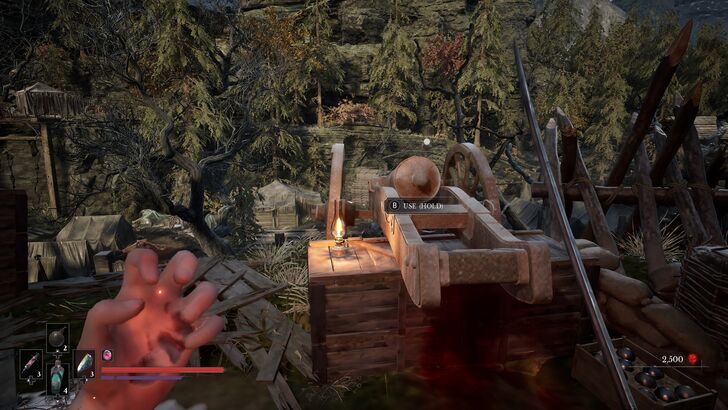
The game also encourages players to watch enemy behavior, but awareness can be unpredictable. Some foes are easy to bypass, while others spot William from a short distance. Sneaking in for executions can also be unreliable when enemies turn around just as he moves in, making stealth a harder-to-judge option.
Transmutations offer some room to experiment with combat, though my playstyle mostly revolved around Flame and conventional melee attacks. Abilities like Stasis can create openings for burst damage, while the grapple is mostly useful for traversal and reaching hidden loot, with little use in regular fights. Neither system fully compensates for the limited variety of regular enemies, as long stretches of exploration involve fighting the same undead soldiers and grotesque creatures. Bosses provide a welcome change of pace with more distinctive encounters, but can't entirely offset the repetition between them.
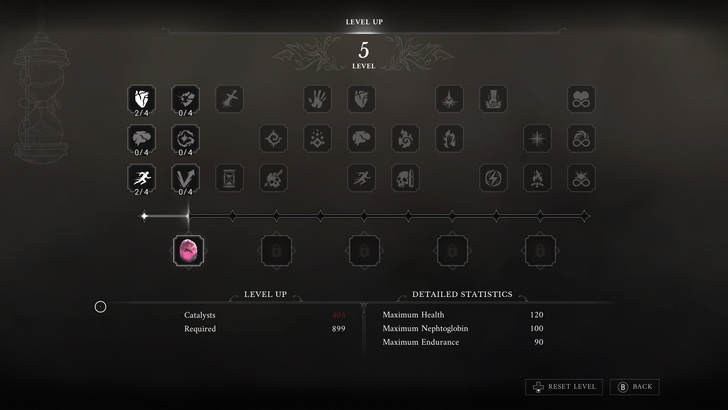
Progression follows a familiar structure, with Catalysts used for skill upgrades and Ambers providing passive bonuses. Weapon upgrades offer another way to strengthen William, with each level unlocking enhancements for that particular weapon. However, upgrade materials are limited, and spending them is permanent, making it harder to justify experimenting with other weapons once you've invested resources. Exploration feeds into this progression by rewarding players who search for hidden loot and shortcuts, but the lack of a map makes revisiting earlier areas reliant on remembering landmarks and retracing routes. New skills can open previously inaccessible paths, though backtracking often involves searching for missed upgrade materials.
Valor Mortis has a solid foundation, with familiar mechanics and weak-point targeting that reward careful play. However, the first-person perspective makes combat harder to manage when multiple enemies attack at once, and repetitive encounters and limited exploration leave stretches of the journey less engaging than its more distinctive boss fights. Its progression systems give players a reason to keep improving William, but they don't fully make up for the lack of variety. The result is a game with promising combat ideas that don't always come together into a consistently satisfying experience.
Grotesque and Unnerving As It Should Be
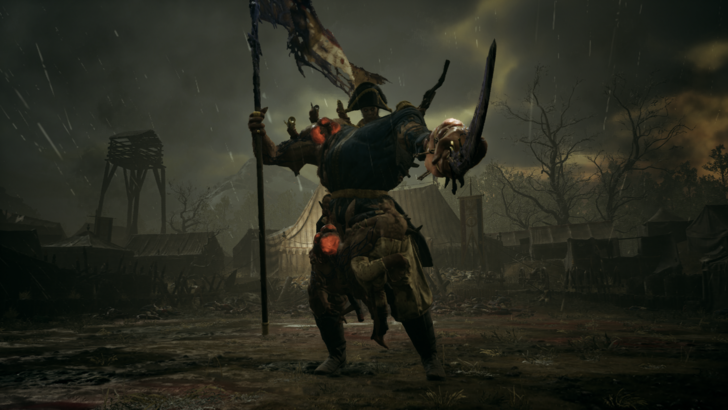
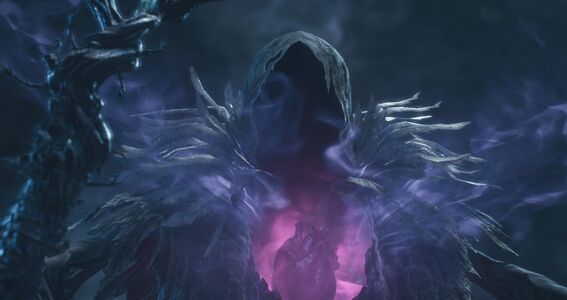
Valor Mortis establishes a dark, dreary atmosphere that suits its plague-ridden version of Napoleonic Europe. The sound design helps sell the state of these ruined battlefields. Its enemy designs are particularly effective, from undead soldiers that lurch awkwardly toward you to horrifying amalgamations of reanimated flesh that barely resemble the people they once were. Their movements, weighty attacks, and lingering sense of duty give them a disturbing presence, making encounters feel unnerving even before combat begins.
The first-person perspective makes these horrors feel uncomfortably close, reinforcing the game's bleak atmosphere. Seeing these creatures up close isn't always pleasant, especially with body horror involved, but that discomfort shows how effectively the designs get under your skin.
Plagued By Some Rough Edges
Valor Mortis has its share of technical hiccups on Xbox Series S. Frame rate dips occur in certain areas, particularly those with dense foliage, while the corpse-covered battlefields seem to run just fine. Textures can also appear noticeably low-resolution, as though they haven't fully loaded, and the game's aggressive anti-aliasing further affects image quality. Performance isn't the only concern, however.
Some issues are more disruptive than others. Dying while aiming can lock the camera after you respawn at a Lantern, and crouching and standing up against certain environmental objects can cause William to clip through geometry. The fall-damage threshold can also be unclear, making it difficult to judge which drops are safe. These problems vary in severity, but they can make an already demanding game feel more frustrating than it needs to be.
The most severe issue I encountered was a visual bug in the Valley of Ashes, shortly before returning to the arena where the first boss fight takes place. The glitch completely disrupted the game's visuals and text, alongside another rendering issue that persisted for a minute or two before resolving on its own. I couldn't reproduce the problem afterward, but its impact was hard to ignore.
Valor Mortis also crashed once while I was simply walking through the environment, abruptly interrupting an otherwise uneventful moment. The developers released a hotfix shortly after launch that addressed graphical issues affecting some Xbox players and fixed several common crashes. However, the rendering problems persisted on my Series S even after the update. While the quick response is welcome, the issues I encountered still undermine the experience and add unnecessary frustration to a game that already demands patience.
Is Valor Mortis Worth It?
A Little Unsteady, But Worth the Plunge
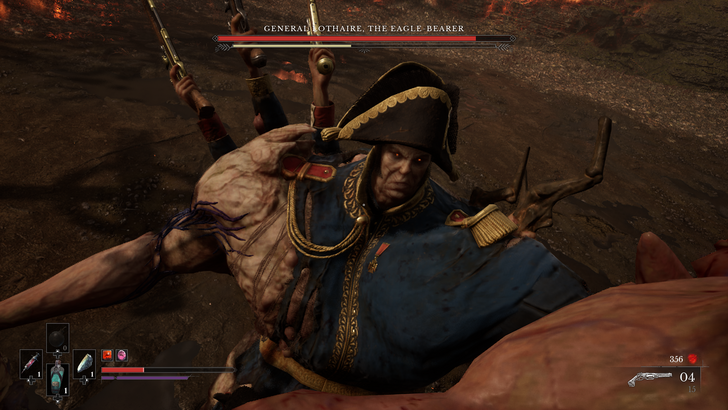
Valor Mortis is worth checking out for Soulslike fans looking for a change of pace. Shifting familiar mechanics to first-person makes facing its enemies unsettling, while exploring a plague-ravaged Napoleonic Europe gives the journey a distinct identity. Going headfirst into the fray is quite literal here, and learning to read enemy movements from this perspective offers a different kind of challenge. However, awkward encounters, repetitive regular enemies, and technical issues can make the experience more frustrating than it needs to be.
Despite these shortcomings, Valor Mortis is an easy recommendation for players intrigued by its premise and willing to work through its rough edges. The combat has a learning curve, but adapting to its first-person perspective can make encounters feel rewarding, while its grotesque creatures and bleak atmosphere give the journey a memorable identity. It's not the most polished Soulslike out there, but it offers a distinct experience that fans of the genre should consider.
Game8 Reviews