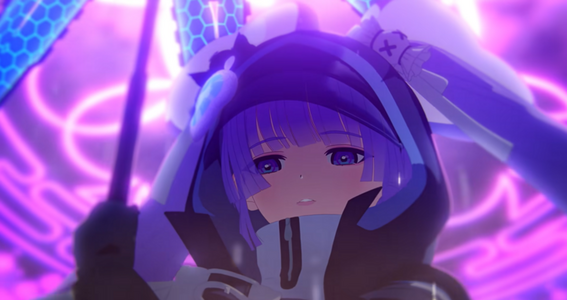




Goddess of Victory: NIKKE is a third-person shooter RPG where players command android soldiers to reclaim the world from a mechanical threat. Check out our review to see what it did well, what it doesn't, and our overall impressions of the game.
Overview
What is Goddess of Victory: Nikke?
Goddess of Victory: NIKKE is a third-person shooter RPG with gacha mechanics developed by Shift Up. Set in a post-apocalyptic future where humanity has been driven underground by an overwhelming mechanical threat known as the Raptures, players take on the role of a Commander leading squads of Nikkes—android soldiers created to reclaim the surface and uncover the truth behind humanity’s long war for survival. Gameplay revolves around assembling teams of Nikkes with distinct weapons, abilities, and combat roles, then guiding them through cover-based shooting encounters that combine real-time action with squad-building and progression systems. Alongside its campaign, NIKKE features character-focused stories, cooperative and competitive modes, regular events, and a long-term progression loop centered around collecting and strengthening an ever-growing roster of characters.
Goddess of Victory: NIKKE features:
⚫︎ Cover-Based Third-Person Shooter Combat
⚫︎ Long-Running Story with Major Narrative Payoffs
⚫︎ Character Bond Stories and Relationship Systems
⚫︎ Over 100 Collectible Nikkes and Counting
⚫︎ Strategic Team Building and Burst Skill Combos
⚫︎ Generous Wishlist and Mileage Systems
⚫︎ Co-op Raids and Competitive Ranking Modes
⚫︎ Outstanding Soundtrack and Audio Design
| Digital Storefronts | |||||
|---|---|---|---|---|---|
 PC Client PC Client |
 Google Play Google Play |
 App Store App Store |
|||
| Free-to-Play | |||||
Goddess of Victory: Nikke Review: A Game That Earns Its Stripes
Three and a Half Years Later
Fresh off its 3.5 anniversary celebration, Goddess of Victory: Nikke (or simply Nikke) remains one of the most recognizable gacha games on the market. With top-notch writing, a charming and ever-growing cast of android soldiers and supporting characters, memorable music, and impactful sound design, it is easy to see why the game has maintained a dedicated playerbase years after launch. Many players may have arrived for the eye-catching character designs, but it is the uplifting, heartbreaking, and often surprisingly thoughtful stories that have kept them invested.
That is not to say Nikke is without flaws. Progression can be a lengthy grind, newcomers will eventually encounter the infamous Level 160 wall, and some of the game's convenience systems can cause its otherwise enjoyable combat to take a backseat during routine daily play. While none of these issues are severe enough to undermine the overall experience, they can occasionally disrupt an otherwise engaging journey.
Even so, Nikke continues to distinguish itself in an increasingly crowded genre. Its combat delivers satisfying moments of spectacle, its progression systems make long-term account building approachable, and its extensive cast is supported by a wealth of stories and interactions that encourage players to become attached to them. More importantly, nearly every aspect of the game works toward the same goal: giving players a reason to care about the people fighting humanity's seemingly hopeless war for survival.
The Long Memory of War
Humanity's war against the Raptures gives Nikke a fairly straightforward premise on paper, but the game wastes little time showing that there is far more going on beneath the surface. Players step into the role of a Commander leading squads of Nikkes in humanity's effort to reclaim the world above, only to find themselves caught in a conflict shaped as much by politics, history, and personal motivations as it is by giant mechanical monsters.
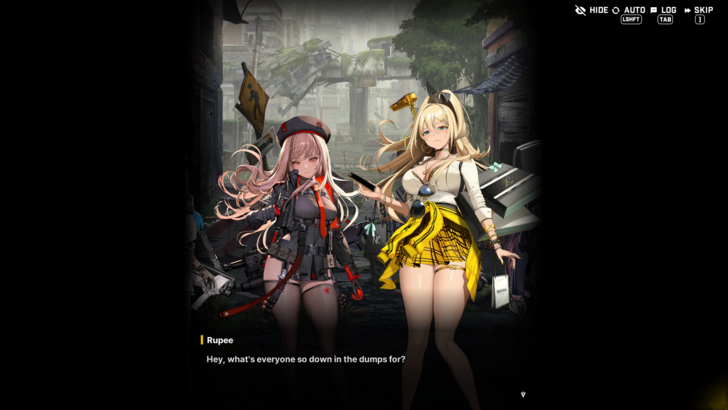
One of Nikke's biggest strengths is how patient it is with its storytelling. While the game certainly delivers its share of large-scale battles, shocking revelations, and emotional gut punches, some of its best moments come from quieter conversations between major events. These scenes give the cast room to breathe and allow players to become invested in the people involved long before the story asks them to confront its heavier themes.
That patience extends to the writing itself. What impressed me most after years of following Nikke's story is how often seemingly minor details return chapters, events, or even years later with entirely new meaning. The game rarely relies on shock value alone, instead preferring to lay groundwork for major developments well in advance. Characters are often introduced with incomplete information, allowing later chapters and events to gradually reshape the player's understanding of who they are and why they act the way they do.
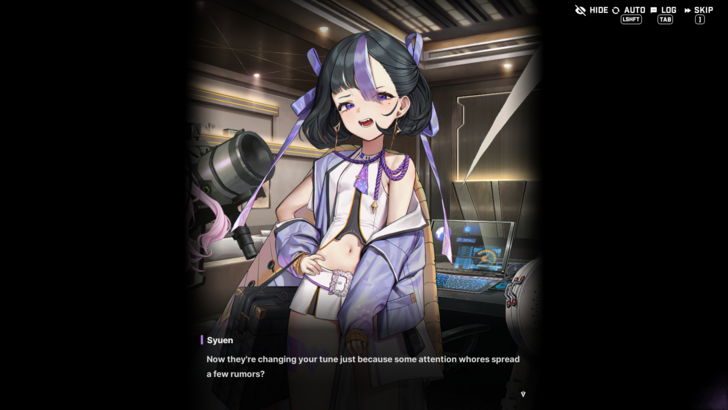
Heroes, villains, and supporting characters alike are allowed to be flawed, stubborn, or outright wrong at times, making many of the story's conflicts feel like the natural result of clashing perspectives rather than plot devices designed to move the narrative forward. As a result, some of the game's most memorable moments come not from sudden twists, but from realizing that earlier events meant far more than they initially seemed.
The quality of the writing extends beyond the main campaign as well. Event stories range from lighthearted character-focused adventures to major lore revelations, while Side Stories help bridge important developments between campaign chapters. Unlike many live-service games that allow older narratives to disappear over time, Nikke preserves much of its storytelling through Archives and other catch-up features, making it easier for both new and returning players to follow a story that now spans years of updates. Having followed the story for so long myself, I appreciate how these systems make it possible to revisit older chapters and events without relying on external summaries or archived videos.
The Game Wants You to Care
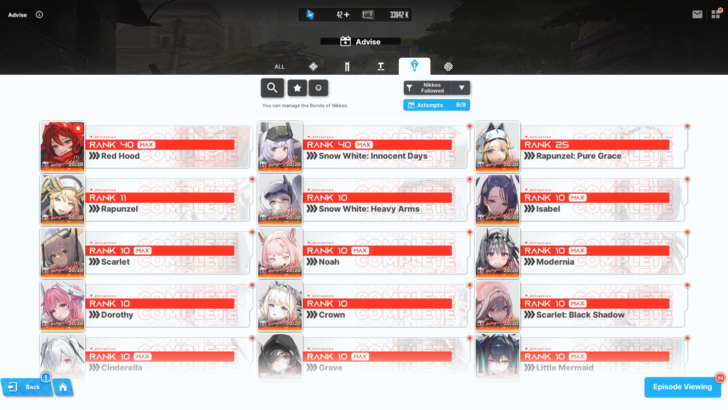
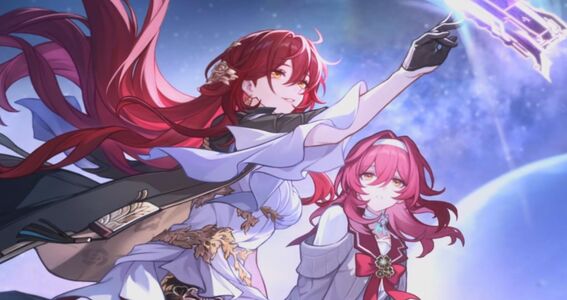
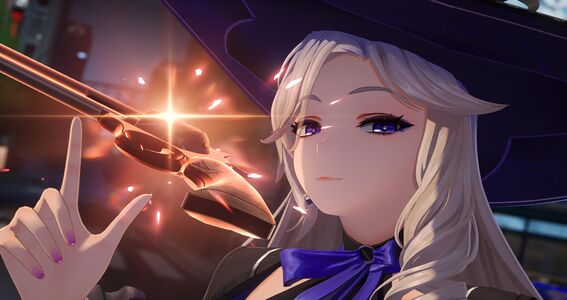
While NIKKE's character designs are often what attract attention first, it is the personalities, relationships, and individual stories behind them that leave the lasting impression. Many players may arrive out of curiosity, but it is the cast itself that often becomes the reason they stay. After years of updates, many of the characters I remember most are not necessarily the ones who made the strongest first impression, but the ones whose stories continued to evolve long after their debut.
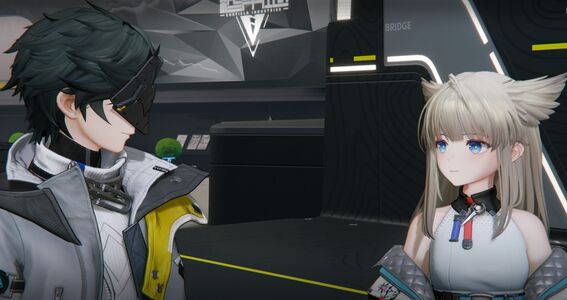
Part of what makes the roster so memorable is how much time the game encourages players to spend with its characters outside of combat. Bond Stories offer deeper looks into each Nikke's personality, motivations, and personal struggles, while the Advise system presents these interactions in a way that often feels closer to a visual novel than a traditional RPG. Although some conversations lean into flirtation or romance, the system's greatest strength is how it helps build familiarity with the cast, allowing relationships to develop gradually over time rather than through a handful of story scenes.
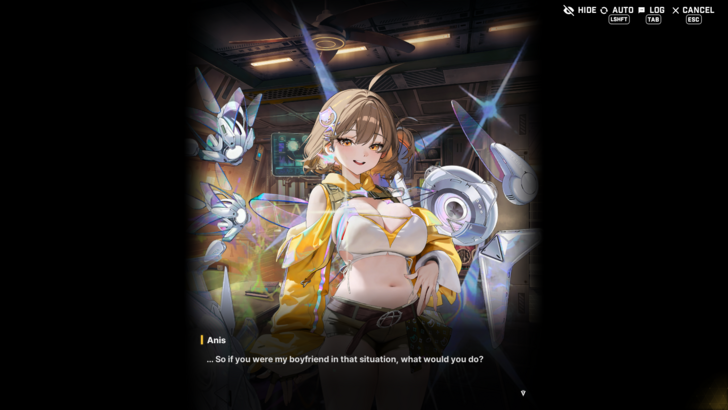
That sense of familiarity extends beyond Bond Stories. Blabla conversations, Outpost encounters, event appearances, and Side Stories regularly place characters back in front of the player, often long after their original debut. Rather than existing solely as units to deploy in battle, Nikkes remain active participants in the world, making it easier to remember their personalities, relationships, and ongoing development. Character growth rarely ends when a banner does. Some of the characters I've become most attached to were not necessarily early favorites, but ones that kept resurfacing through later events, side stories, and casual interactions until they gradually became impossible to ignore.
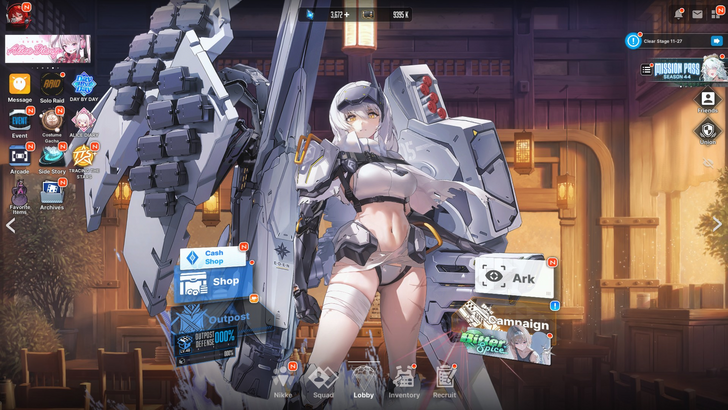
The game's presentation further reinforces this attachment. Players can customize their lobby with different characters, backgrounds, music tracks, and animations, turning the game's home screen into a personalized showcase of favorite Nikkes. It's a small feature on paper, but one that reflects a larger design philosophy present throughout the game. Nearly every system—Bond Stories, Advise sessions, Blabla messages, event narratives—is designed to keep the cast visible and relevant, even outside of major story moments.
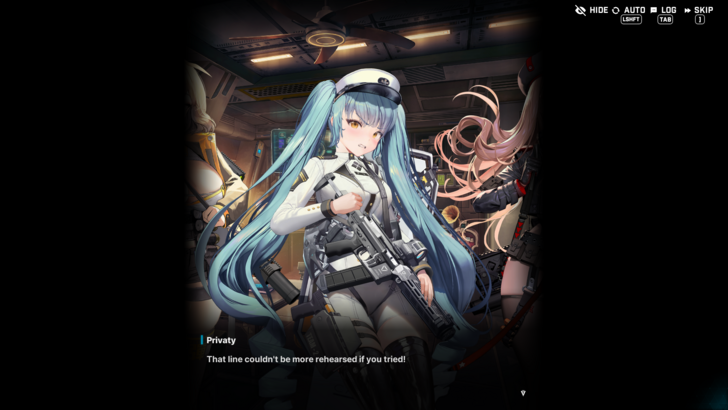
That said, not every aspect of the character experience is perfect. Bond Stories inevitably vary in quality—some are genuinely memorable, while others are more straightforward or forgettable. This is less a flaw and more an unavoidable reality of a roster this large, where not every individual route can be equally strong. Even so, the sheer consistency with which NIKKE keeps its cast involved makes these occasional dips in quality easy to overlook.
For a game with a roster that now spans well over a hundred characters, one of NIKKE's greatest achievements is how many of them remain memorable. The game doesn't simply introduce characters and move on from them. Instead, it continually finds new ways to bring them back into the spotlight, making the roster feel less like a collection of units and more like a cast players gradually come to know over time—and, in many cases, continue to build long-term attachments to well beyond their initial release.
Firefight to Routine
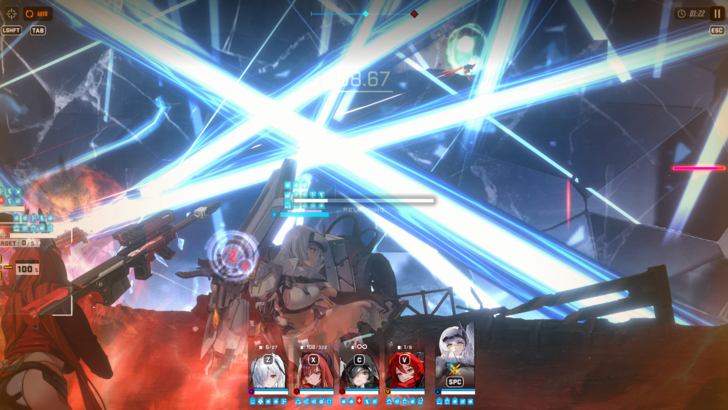
At first glance, Nikke's combat looks deceptively simple. Players take command of a squad of five Nikkes, firing from cover while eliminating waves of Raptures and activating powerful Burst Skills. In practice, however, the combat is far more involved than its straightforward controls initially suggest.
Much of that appeal comes from the Full Burst system, which turns ordinary firefights into brief windows of overwhelming firepower. Watching an entire squad unload their strongest abilities at once never really loses its appeal, especially when paired with the game's excellent sound design. Weapons feel appropriately distinct, explosions carry real impact, and even after hundreds of battles there remains a certain satisfaction in watching health bars disappear during a well-timed Burst cycle. The experience is also highly customizable, allowing players to tweak settings such as aim assist, crosshair sensitivity, aiming guides, and skill placement to better suit their preferences.
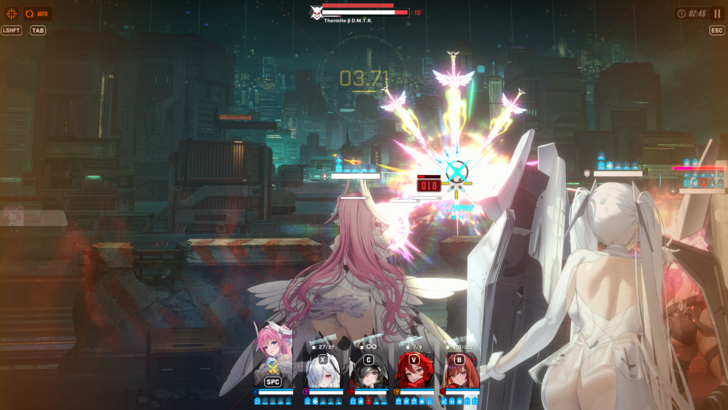
Combat really starts to “click” once team-building enters the equation. Beyond traditional class and elemental considerations, players must account for Burst rotations, cooldown management, weapon types, and character synergies. A powerful Nikke is not always a useful Nikke if she disrupts a team's Burst rotation or fails to support the rest of the squad. Building a team that flows smoothly from Burst I to Burst III can be just as satisfying as acquiring the characters themselves, especially when a newly optimized setup suddenly turns previously difficult encounters into something trivial.
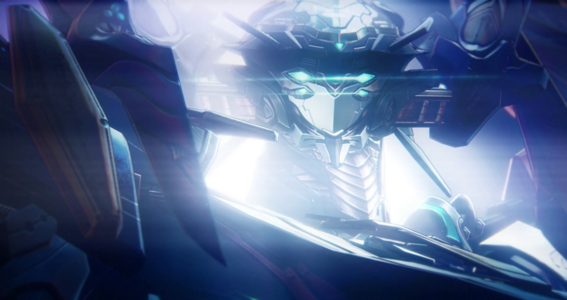
This emphasis on teamwork shines brightest during boss encounters. Many of the game's most memorable enemies feature distinct mechanics, destructible parts, and elaborate introductions that make them feel like genuine threats rather than oversized damage sponges. Some leave an impression before a single shot is fired, with striking visual designs and animations that immediately communicate the scale of the challenge ahead.
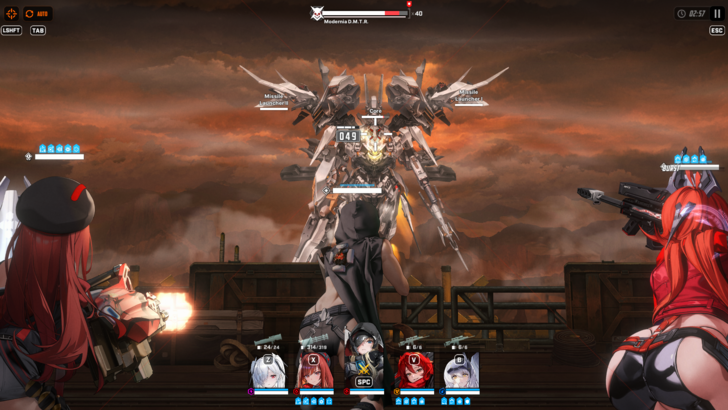
Bosses frequently reward target prioritization as much as raw damage output, whether that means destroying missile launchers before they fire, breaking vulnerable components, or timing attacks around specific mechanics. Watching towering mechanical monstrosities stagger as key parts are destroyed remains one of the most satisfying aspects of combat, particularly during endgame activities such as Solo Raids and Interception.
At the same time, many of Nikke's convenience features can reduce how often players meaningfully engage with its combat systems. Ironically, one of the clearest signs of account progression is how little time players eventually spend manually clearing routine content. As teams grow stronger, Auto Battle and Quick Battle become increasingly common solutions for daily farming, while event stages often serve more as pacing devices between story scenes than genuine gameplay challenges. In practice, veteran players will rarely find themselves challenged by these encounters, with combat often acting as a buffer between narrative developments.
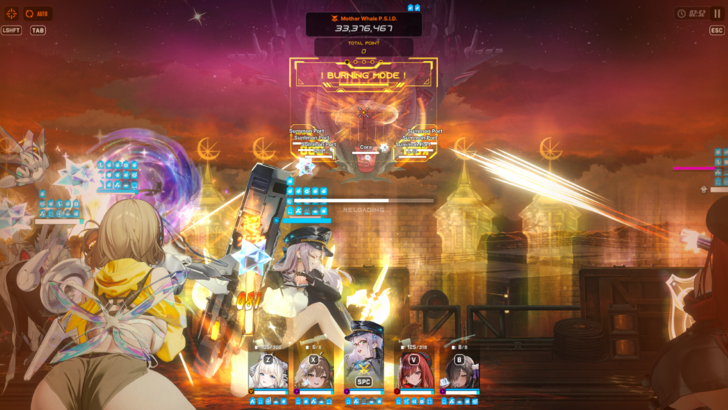
To its credit, this accessibility extends to the main campaign through Story Mode, which streamlines encounters and lowers their difficulty for players primarily interested in following the narrative. Story-important battles remain mandatory, while progression rewards and feature unlocks are still tied to Normal Mode, ensuring that account growth and story consumption remain separate experiences.
The tradeoff is that while Nikke rarely demands mastery of its systems, it consistently rewards players who choose to engage with them. Most routine content can eventually be overcome through overwhelming Combat Power, but the game's deeper mechanics tend to re-emerge whenever progression slows. Whether pushing through campaign stages at a Combat Power deficit, climbing Tribe Towers, or tackling difficult raid encounters, there is usually room for careful team-building, encounter knowledge, and manual play to make a meaningful difference. As a result, Nikke's combat remains accessible to casual players while offering enough depth to keep long-term players invested whenever a new challenge appears.
Built on Patience
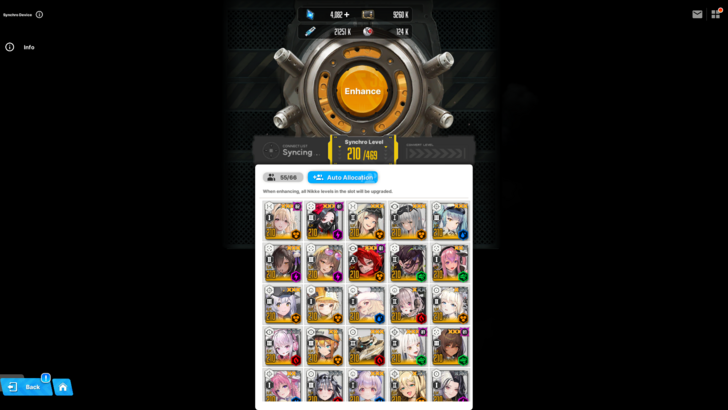
For a game that has been running for several years, NIKKE does a surprisingly good job of reducing the friction that often comes with starting late. While progression eventually settles into familiar idle-game waiting periods, many of its systems are designed to get players into the parts of the game they actually want to engage with as quickly as possible.
The most obvious example is the Synchro Device. Rather than leveling every character individually, players only need to invest in a core group of Nikkes. Everyone else inherits those levels automatically, making it easy to experiment with new team compositions without spending weeks catching characters up. It doesn't eliminate progression entirely, as newly acquired Nikkes still need skill upgrades, equipment, and other resources before reaching their full potential, but it removes one of the biggest barriers to trying them out in the first place.
That philosophy extends to much of the game's broader progression structure. Advancing through the campaign unlocks new features, improves Outpost rewards, and increases passive resource generation, meaning progress in one area often benefits several others. Story-focused players can use Story Mode to continue reading even when combat stages become difficult, while the Archive system preserves many of the game's major events long after they've ended. Together with features like the Storyline Tracker, these systems make it much easier to follow NIKKE's narrative than it was during the game's early years.
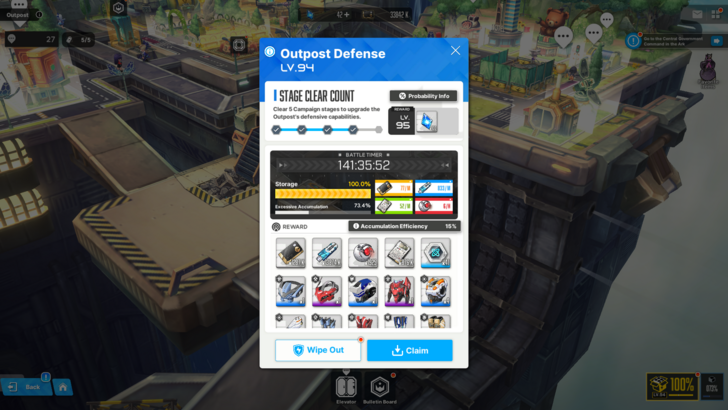
The game also respects players' time reasonably well in its daily structure. Tasks can be completed quickly, Outpost Defense steadily accumulates resources in the background, and Wipe Out provides an easy way to collect them. Much of the routine loop can be finished in a matter of minutes, which makes it easier to keep up without feeling like the game is demanding constant attention.
That said, progression does settle into a very specific rhythm over time: bursts of upgrades followed by stretches of waiting. Core Dust, in particular, becomes one of the most noticeable bottlenecks at higher levels, often slowing progression to a crawl just when it feels like a new breakthrough is within reach.
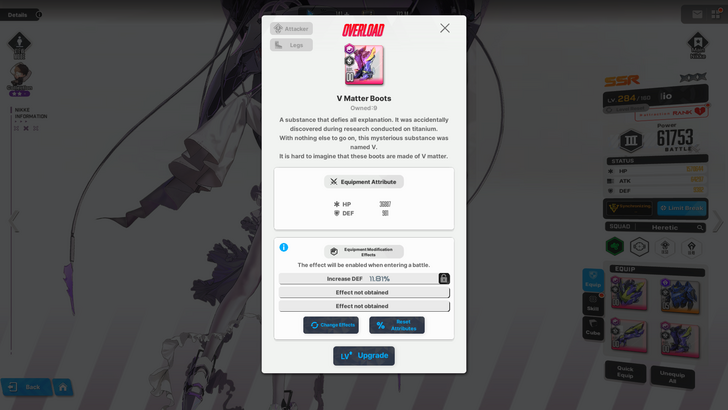
Equipment progression can also become heavily dependent on luck, especially when chasing specific manufacturer gear or ideal Overload rolls. Even the infamous Level 160 Wall, while far less punishing than it once was thanks to wishlist systems and improved resource distribution, still represents a noticeable checkpoint for newer players.
Even so, NIKKE's progression systems generally succeed because they make growth feel larger than the numbers themselves suggest. There’s a particular kind of satisfaction in raising a single level through the Synchro Device and instantly watching the entire roster move forward with it. Even after long stretches of waiting, those moments land with a small but consistent rush of payoff that makes the slowdown feel less like stagnation and more like buildup. The game still asks for patience, especially in the late game, but it usually finds ways to make that patience feel worthwhile once progress finally arrives.
Where Luck Meets Planning
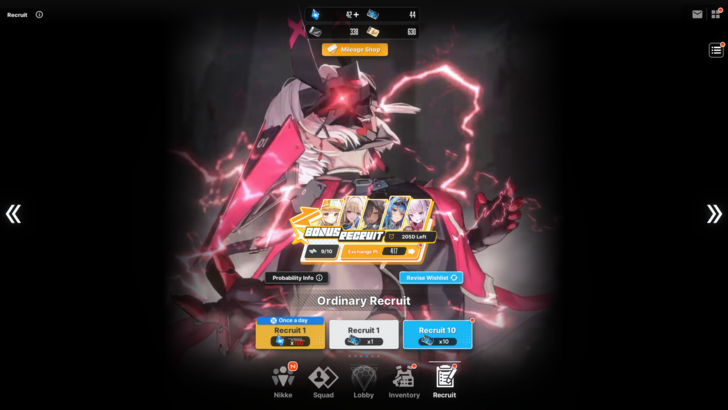
NIKKE's gacha system is surprisingly generous by genre standards, largely because it rewards patience and long-term planning more than impulsive spending. Standard SSR rates sit at 4%, with Pilgrims appearing at lower rates outside of their featured banners. While luck will always play a role, several systems help reduce the frustration that often comes with chasing specific characters.
The most important of these is the Mileage system. Every pull earns Mileage Tickets that can eventually be exchanged for featured characters, allowing players to work toward a guaranteed acquisition regardless of luck. I've had banners where I walked away without the character I wanted after exhausting my savings, but every pull still contributed toward a future guarantee. Even when a banner ends in disappointment, it rarely feels like those resources were completely wasted.
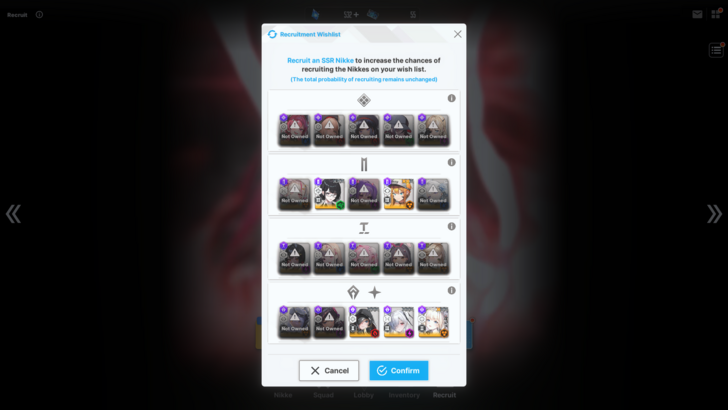
The Wishlist system further softens the randomness of the standard recruitment pool by allowing players to prioritize specific characters from each manufacturer. Once most launch characters enter the standard pool, obtaining them often becomes a matter of time rather than pure luck. Combined with frequent free pulls, recruitment tickets, and premium currency distributed through events and regular gameplay, NIKKE generally feels less punishing than many of its competitors.
That generosity does have a few notable exceptions. Collaboration banners are often the most demanding events in the game, frequently introducing multiple limited characters that have not received reruns. These banners create a level of urgency that stands in contrast to the patience usually encouraged by the rest of NIKKE's gacha design. In my experience, I've regretted impulse pulls far more often than I've regretted saving resources for future banners, and collaboration events are usually what test that discipline the most.
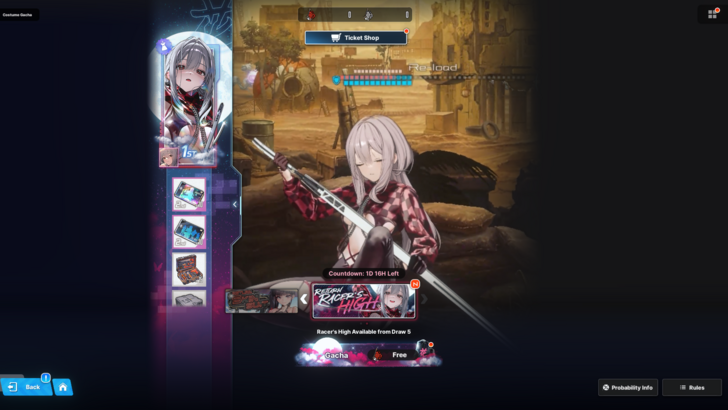
Monetization outside of character recruitment is more mixed. The game sells a variety of paid packs ranging from monthly subscriptions and battle passes to resource bundles aimed at accelerating progression. Most can be ignored without significantly impacting the experience, though premium costume gachas remain the one monetization feature I've never fully warmed to. While the costumes themselves are often impressive, frequently including new artwork, lobby animations, and unique Burst Skill animations that go beyond a simple outfit swap, their premium pricing can make them difficult to justify for many players.
Ultimately, NIKKE's recruitment system succeeds because it gives players meaningful control over their long-term goals. Luck still matters, but careful planning matters too. Some of my most valuable pulls came from resources I saved months in advance rather than from chasing every new release. By providing multiple safety nets and encouraging players to think ahead, NIKKE creates a gacha experience that feels surprisingly sustainable for the long haul.
Is Goddess of Victory: NIKKE Worth It?
After Everything, The Answer Is Still Yes

Three and a half years after launch, Goddess of Victory: NIKKE remains one of the strongest gacha games currently available, and not simply because of its production values or eye-catching character designs. Beneath the fanservice is a game that has received years of careful iteration, resulting in an experience where most of its systems feel like they are working toward the same goal rather than competing for the player's attention.
Its story remains one of the genre's biggest highlights, supported by a cast that receives an unusual amount of development through Bond Stories, event narratives, Blabla conversations, and countless smaller interactions throughout the game. At its best, NIKKE is a game that doesn’t just introduce characters, but continues to build on them long after their initial debut. At the same time, quality-of-life features such as the Synchro Device, Archives, Storyline Tracker, and Story Mode help make the experience more approachable for both newcomers and long-term players. Even after years of updates, the game rarely feels overwhelming despite the sheer amount of content available.
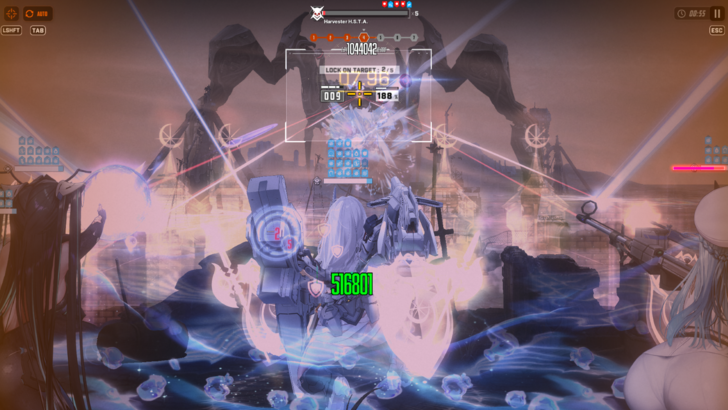
That does not mean NIKKE is without flaws. The Level 160 wall can still be frustrating for newer players, endgame progression often becomes a waiting game for resources and equipment drops, and the game's monetization still includes skin gachas and collaboration-driven FOMO that can be difficult to ignore. While these issues are unlikely to ruin the experience outright, they remain some of the most noticeable blemishes on an otherwise polished package.
Even so, NIKKE consistently succeeds in the areas that matter most. Its combat remains satisfying even after extended play, its music and presentation continue to stand out, and its narrative still manages to deliver memorable moments years into its lifespan. More importantly, it is a game that feels remarkably cohesive. Rather than existing as a collection of disconnected systems, its story, characters, progression mechanics, and quality-of-life features constantly reinforce one another in ways that make the overall experience stronger than the sum of its parts.
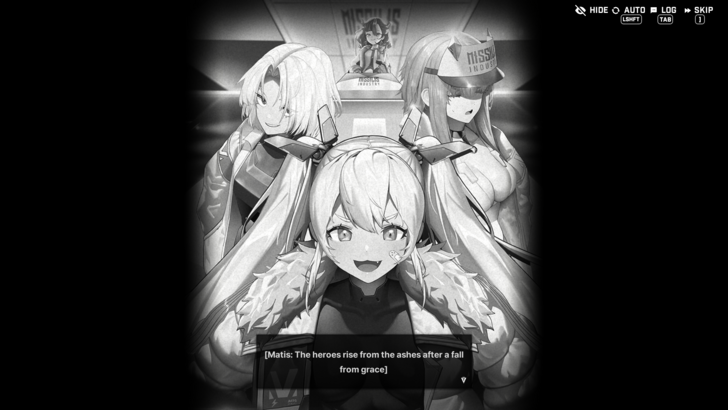
And perhaps the simplest way to put it is this: NIKKE is a game that understands what it wants you to care about, and does everything it reasonably can to keep you caring about it. Even after long breaks, frustrating banners, or slow progression stretches, I still find it easy to come back—not because it is flawless, but because it is consistent in what it offers.
If you are looking for a gacha game with strong storytelling, memorable characters, and enough quality-of-life systems to make long-term progression manageable, Goddess of Victory: NIKKE remains easy to recommend. The road is not always smooth, but few games in the genre feel as confident in what they want to be, or as successful at making that vision feel cohesive over time.
Game8 Reviews