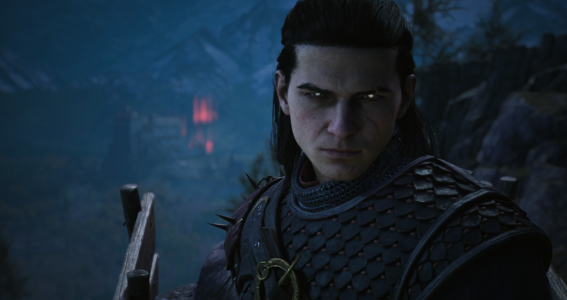




| Gothic 1 Remake | |||
|---|---|---|---|
| Release Date | Gameplay & Story | Pre-Order & DLC | Review |
Gothic 1 Remake welcomes players back to Myrtana, in this dark fantasy RPG. Read our review to see what it did well, what it didn't do well, and if it's worth buying.
Overview
What is Gothic 1 Remake?
Gothic 1 Remake is a single-player action RPG set in a dark fantasy prison colony where survival, faction politics, and personal progression are tightly intertwined. Players take control of a nameless convict thrown into the mining colony of Myrtana, a walled-off region sealed by a magical barrier gone wrong. The core premise revolves around navigating this fractured society while slowly building strength, reputation, and identity in order to uncover a way out. The game blends exploration, combat, and RPG progression systems built around training, resource management, and faction alignment.
Gothic 1 Remake features:
⚫︎ Single Player RPG
⚫︎ Faction-Driven Progression
⚫︎ Exploration Heavy World Design
⚫︎ Atmospheric Visuals and Lighting
⚫︎ Cooking and Crafting
For more gameplay details, read everything we know about Gothic 1 Remake's gameplay and story.
| Digital Storefronts | |||||||
|---|---|---|---|---|---|---|---|
 Steam Steam |
 GOG GOG |
||||||
| $49.99 | |||||||
 PS PS |
 Xbox Xbox |
||||||
| $59.99 | |||||||
Gothic 1 Remake Review: Unrelenting, Unforgiving, and Unapologetic
An Unforgiving and Demanding World
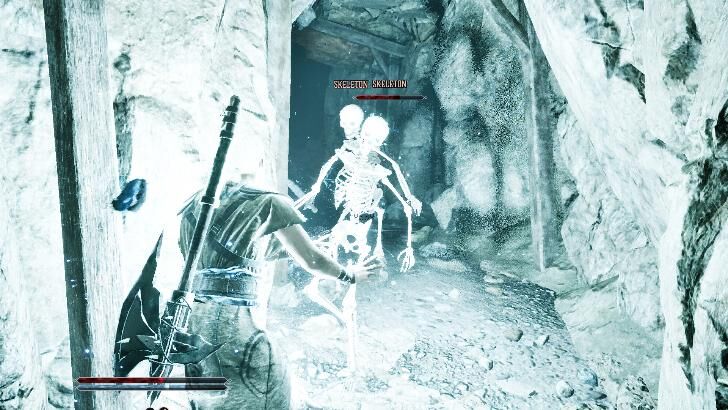
In a world where might and magic go hand in hand with corruption, what can one person actually do? And more importantly, what happens when men are trapped in a place where the struggle for power ultimately decides whether you live or die?
Gothic has long been regarded as a rite of passage for RPG players in its time, remembered for its unforgiving mechanics and a story that isn’t afraid to confront the darker nature of human ambition and power struggles. It’s not a world that tries to comfort you, it’s one that tests your morals and conviction.
Admittedly, while I’ve gone through my fair share of RPGs—from the Kingdom Come: Deliverance to other more classic, systems-heavy experiences—I never actually had the chance to step into Gothic’s original, grueling journey. At a time when modern games lean heavily toward convenience and accessibility, Gothic 1 Remake stands as something defiant, a reminder of when games expected you to struggle, learn, and adapt without much hand-holding.
The Gothic 1 Remake, even with all the frustrations I’ll get into later in this review, is undeniably a hardcore experience. It’s the kind of game that doesn’t just ask you to play, it demands that you understand it, or it will repeatedly remind you that you don’t.
Freedom Was Never Part of the Plan
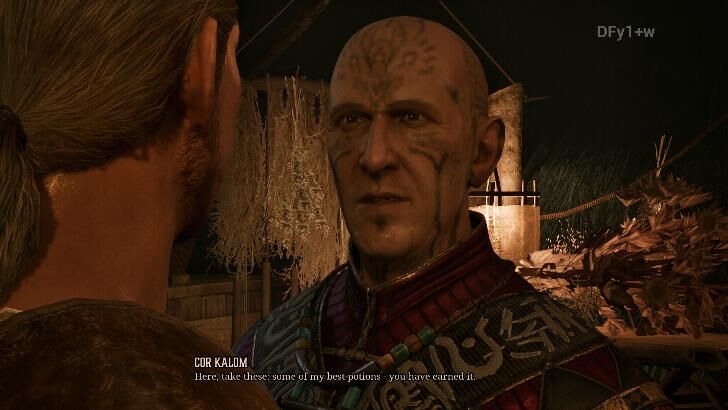
Gothic 1 Remake, much like the original Gothic, begins with a nameless hero, someone deliberately stripped of identity before the story even starts. The setting is Myrtana, a kingdom locked in a brutal war, where humanity has managed to push its conquest against everyone… except for the orcs.
In a last-ditch effort to secure resources, the king sends prisoners into a colony to mine magical ore. But containment is just as important as extraction, so mages are sent in to erect a magical barrier around the entire area. And the plan works… just not in the way anyone intended. The barrier collapses into a prison of its own making, trapping everyone inside with no escape.
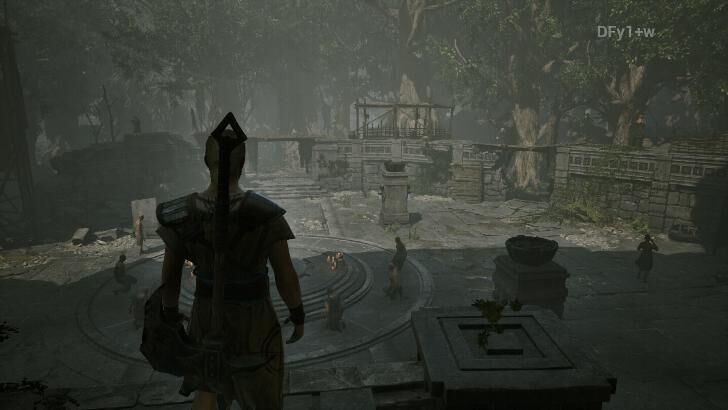
That’s where our nameless protagonist is thrown in, sentenced for a crime that barely matters in the face of the game itself. Before entry, a fire mage tasks him with delivering a letter to the mages already inside, an early moment that quietly sets the tone for how errands, survival, and power all intertwine in this world.
And yes, a nameless character with no backstory can easily slip into the usual "errand boy" archetype, but here, it doesn’t feel like a weakness. It is intentional. Because once you step inside, the world immediately stops revolving around you. Instead, you’re dropped into a volatile political triangle between the Old Camp, the New Camp, and the Brotherhood of the Sleeper—where the Old Camp maintains direct ties to the king and operates as the colony’s original power structure, the New Camp formed later as a more independent, self-sustaining alternative built around its own survival methods, and the Brotherhood of the Sleeper functions as a religion-like faction built on the belief that a deity will eventually set them free. None of them care who you are yet, but all of them care what you can do.
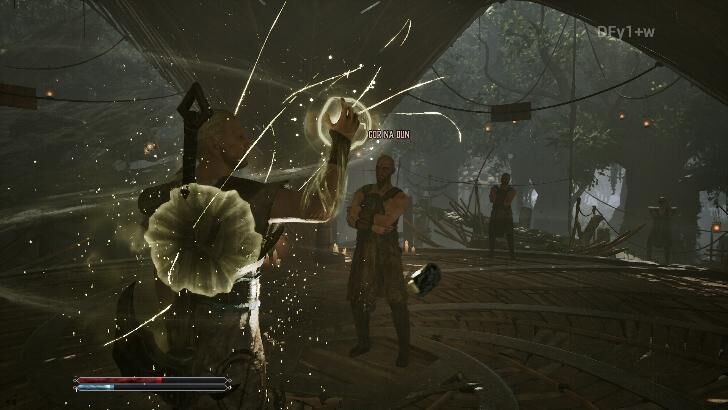
From there, progression isn’t just about completing quests; it’s about aligning yourself with a faction, surviving its expectations, and slowly carving a path toward understanding how—if at all—there is a way out. The story itself is fairly straightforward on the surface, but the way it’s told through interactions, faction tensions, and systems of the game gives it weight that feels far more complex than its premise suggests.
Learning the Ways of the Colony the Hard Way
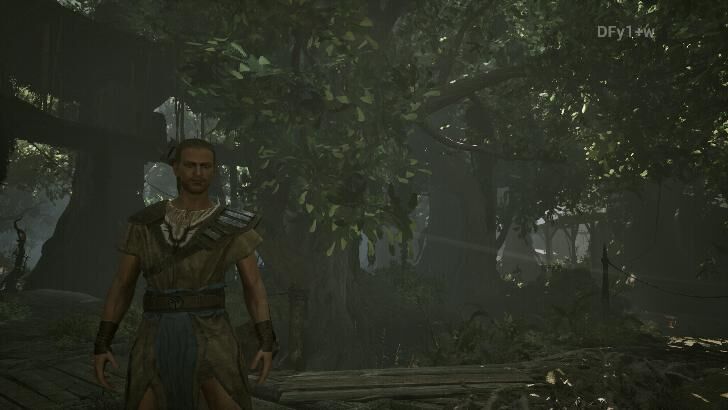
Gothic 1 Remake’s gameplay loop is, at its core, about figuring things out on your own. Yes, there are quests, and yes, those quests ultimately push the narrative forward, but you’re the one constantly trying to decode what actually matters in the main narrative and what’s just noise in a system that doesn’t spell anything out for you.
A lot of these quests are deceptively simple errands: fetch something, kill something, deliver something. That fits the colony’s survival-driven economy, but in practice it can quickly start to feel repetitive, especially when these tasks take a long time to finish and every task demands backtracking. Instead of always feeling like meaningful steps forward, some objectives blur into a cycle of padding that can become draining over longer play sessions, even if the intention is to reinforce how harsh and transactional life in the colony is.
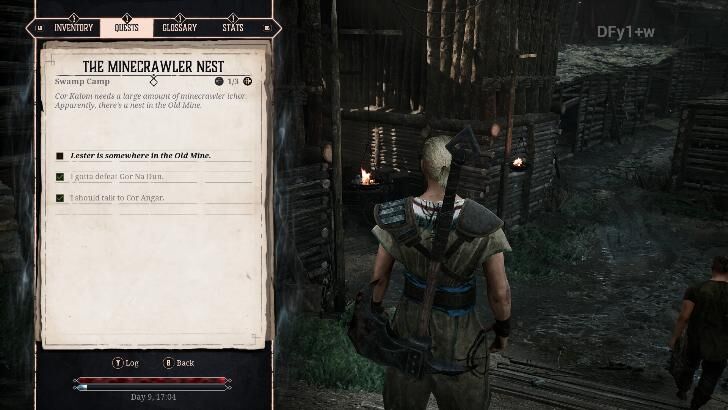
Another thing that stands out is the absence of guidance around quests. While this can be disorienting, this makes gameplay perfectly intertwined with the narrative, with how little the game holds your hand. You’re just as confused as the nameless protagonist stepping into the colony for the first time, trying to make sense of a society that already expects you to understand its rules.
You need to pay for a map, but you’ll have no way of earning ores (early on at least), no clear direction or quest markers telling you who to talk to next, and no reliable way of knowing where key people are or how to properly navigate the colony. Even something as fundamental as ore—the lifeblood of the colony and majority of available mechanics—feels intentionally hard to earn at the start. You don’t just lack resources; you lack understanding of how those resources even flow.
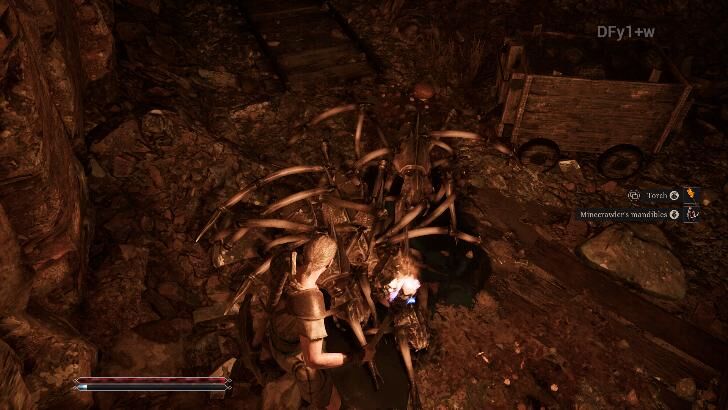
This makes the early stages of the game demanding to play through, given that everything funnels back to ore. Want gear? You buy it. Want skills? You buy them. Want to actually grow stronger in any meaningful way? You’re going to need, guess what? Ore. That structure turns the early game into a slow, often punishing grind where most of your time is spent building mental maps, memorizing routes, remembering faces, and slowly learning who matters and who doesn’t.
And while that can be a tough pill to swallow, there’s something undeniably rare about it in today’s gaming landscape. Even though the structure is still fundamentally linear underneath it all, the lack of guidance creates this constant illusion of openness where you feel like you’re discovering your own path rather than being led down one.
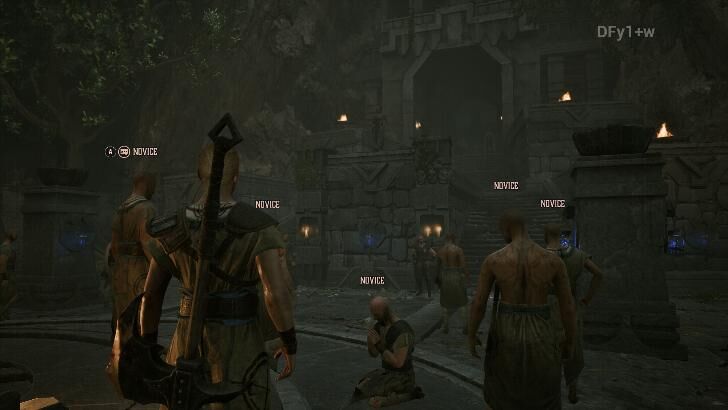
That’s where the game becomes different from the rest in its genre. Because the appeal isn’t just in what you do, it’s in the fact that you have to figure out how to be able to do it in the first place. And the feeling that you earned the right to understand the world you’re moving through is what makes it stand out as an RPG.
The Economics of the Colony
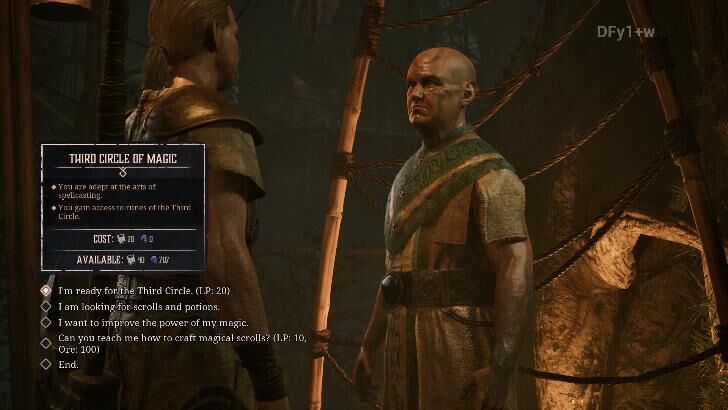
Outside of the core gameplay loop, Gothic 1 Remake builds its RPG mechanics around a very straightforward but thematically consistent system. Every time you level up, you earn learning points, and these become your main currency for growth. Instead of automatically improving, you actively spend these points by seeking out specific trainers scattered across the different camps. These are the people who can teach you strength, dexterity, mana, and other core abilities.
It’s simple and even old-school in its presentation, but it works because it fits the world it exists in. You’re not just "leveling up" in isolation, you’re learning from people who have spent years of their lives becoming masters at their craft. Inside the colony, nothing is freely given, not even improvement.
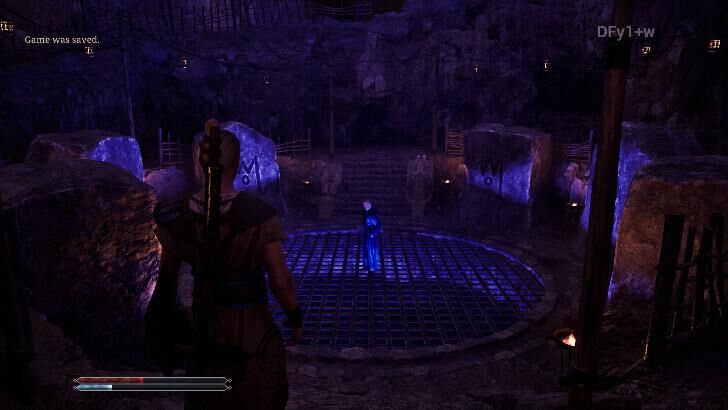
As a newcomer to the colony, it makes sense that you wouldn’t just magically understand how things work. You have to find the right people, earn their attention, and spend your limited progress wisely. There’s a constant feeling that every learning point matters, because every point is tied to survival in one way or another.
The system reinforces the game’s harsh RPG identity by tying progression to social learning and scarcity rather than convenience. It is a deliberately restrictive but thematically coherent progression that strengthens immersion even as it limits flexibility. Gothic’s RPG structure doesn’t just measure your growth, it makes you feel how expensive growth really is in a world built on survival and control.
Learning How to Outsmart a System That Doesn’t Care
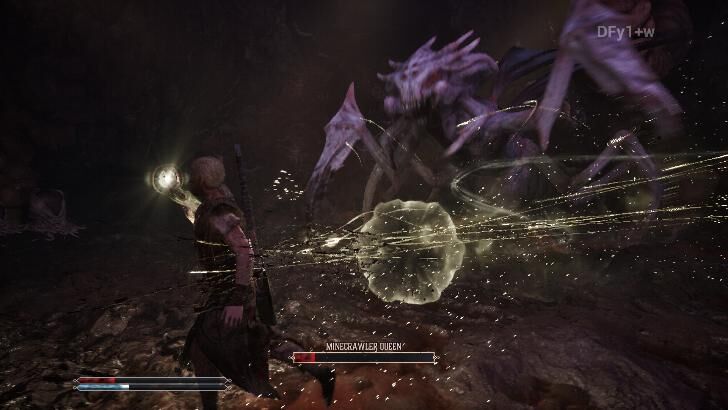
In the early stages of Gothic 1 Remake (just like in the original Gothic) combat is brutally unforgiving. You’re fragile to the point where a single hit can end a fight before it even properly begins, and that weakness doesn’t fade quickly. In fact, it lingers long enough that you start questioning whether there’s another way to go about finishing quests, that doesn’t end in an encounter.
Early on, I couldn’t reliably land a clean hit without immediately getting damage in return. The attacks are slow, heavy, and clunky, which means even dodging after an attack didn’t always save me. So instead of trying to brute-force encounters, I found myself thinking outside of the box.
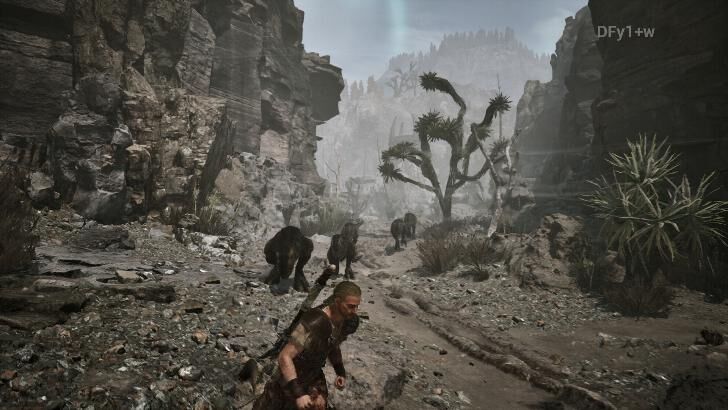
I started using the environment more than my sword. One early encounter had me facing a massive undead orc that I simply wasn’t ready for. And there was no way I was going to go back to grinding levels and ores, when it took me so long to arrive at this boss fight. So instead of engaging it directly, I lured it into nearby water where it became effectively trapped, stuck in place while I attacked from safety above. It didn’t feel elegant, but it worked, and more importantly, it felt like I had actually solved the fight rather than just survived it. Other times, I brought enemies toward guards or stronger NPCs and let them handle the fight for me while I still reaped the experience. Is it cheap? In a modern design sense, maybe. But in Gothic’s world, it feels less like breaking the game and more like using the only leverage you have in a place that doesn’t care if you live or die.
That's something Gothic quietly trained me to do, I stopped expecting fairness from encounters and started looking for answers inside the world itself. Victory isn’t handed to you through stats alone, it comes from noticing that the system can be bent if you’re observant enough.
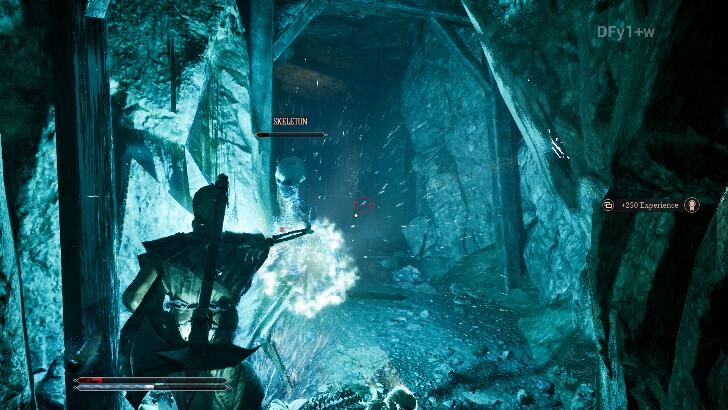
Once I finally became strong enough to stand on my own though, combat stopped being about panic planning and started becoming about control—about understanding timing, spacing, and commitment to my attacks. The growth isn’t just numerical; it’s psychological. I stopped reacting like prey and started thinking like someone who can actually impose their will on the world.
That transformation is what makes the combat loop so engaging over time. It doesn’t gradually become easier, it becomes more readable, more intentional, and more personal. You don’t outlevel the system; you learn how to exist within it. And when that finally clicks, every fight starts to feel less like survival and more like proof that you’ve actually earned your place in the game.
Self-Accelerating Growth Loop
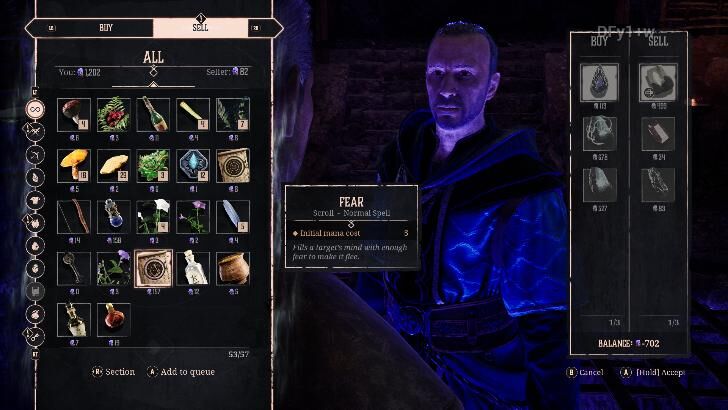
And the more I progressed in Gothic 1 Remake, the more noticeable the shift in pacing became. Once I reached the point where I could reliably handle fights on my own and clear out places like goblin caves without relying on tricks or external help, progression didn’t just become easier, it became faster.
Because now every fight wasn’t just survival, it was income. Loot started stacking up consistently, and that loot translated directly into ore, which then fed back into everything else: training, stats, equipment, and better armor. The moment I could sustain myself in combat, the entire economy of progression started feeding into itself.
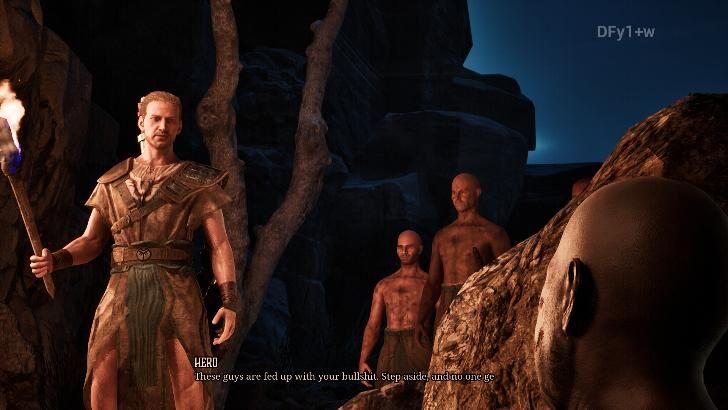
That’s when the gears of progression really start to kick in, you’re no longer stuck in the slow, cautious early game where every encounter is a risk calculation, you’ve crossed into a point where success generates more success. More fights mean more loot, more loot means more ore, more ore means more experience, and more experience means you can take on even stronger fights. It becomes a cycle that steadily speeds itself up the further you commit to it.
What this ultimately means is Gothic has a very distinct kind of reward structure where it doesn’t necessarily flatten its difficulty for you over time, you just break through it. The game doesn’t suddenly become easy, rather, you reach a point where your ability to engage with its systems compounds fast enough that progression stops feeling like climbing and starts feeling like momentum you’ve earned and built yourself.
Brotherhood In a Place Where You Can’t Trust Anyone
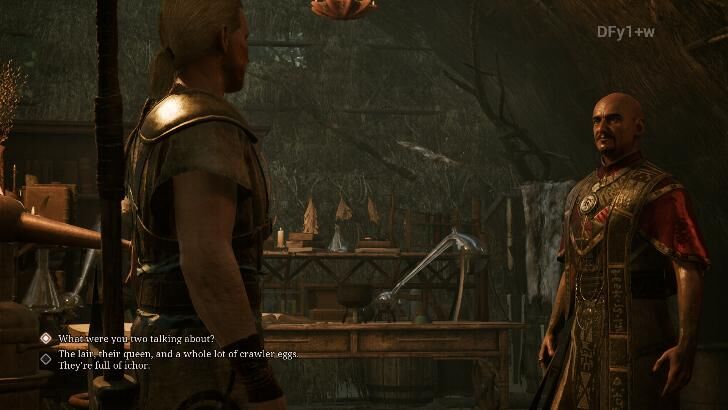
But let’s circle back a bit. I mentioned how you’re given an early but important choice at the beginning of the game, and that is joining one of the three camps. Whatever you choose doesn’t drastically alter the main story’s direction, but what it does change is how you build your character and how you experience the colony itself.
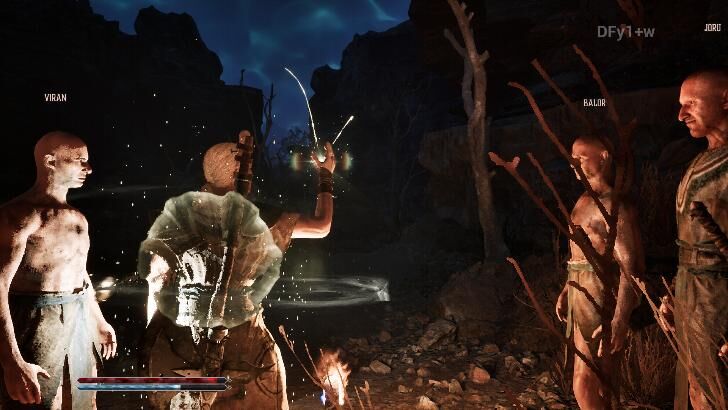
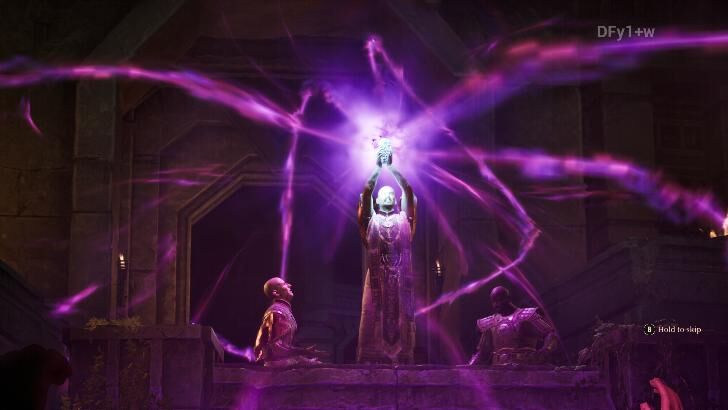
Your identity in combat and progression is closely tied to this decision. Whether you lean into being a warrior, a mage, or a ranger, your camp choice subtly dictates what kind of tools and progression path you naturally gravitate toward. I personally ended up joining the Brotherhood of the Sleeper, mainly because I wanted early access to magic circles early on in the game. It sounded like the most interesting route at the time, something that would open up more expressive combat options later on.
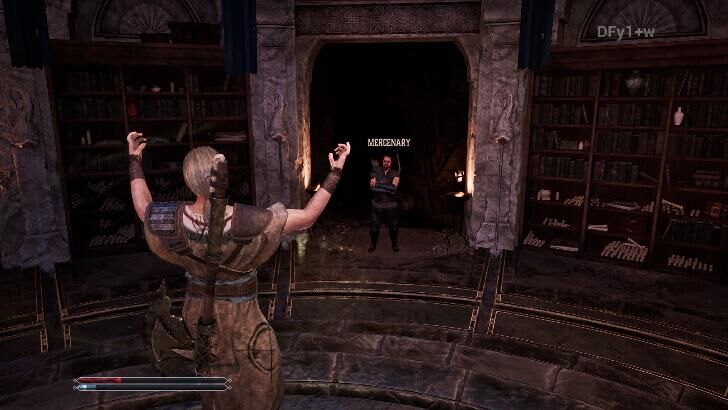
But that decision came with a bit of reality check. Even after gaining access to magic, I still found myself leaning heavily on melee combat more often than I expected. The fantasy of being a spell-focused build didn’t fully match the reality of how I was surviving moment to moment, and that contrast made the choice feel more consequential in hindsight than it did at the time I made it.
That feeling only became stronger once I spent more time with the other camps. The New Camp, in particular, stood out immediately. Compared to the swamp layout of the Brotherhood’s territory—where I constantly felt like I was getting lost in a maze whenever I needed to move around—the New Camp felt structured, livable, and actually decent. It had a library, a farm, and a mountainside settlement that actually made the colony feel like a place people could build a life in, not just endure.
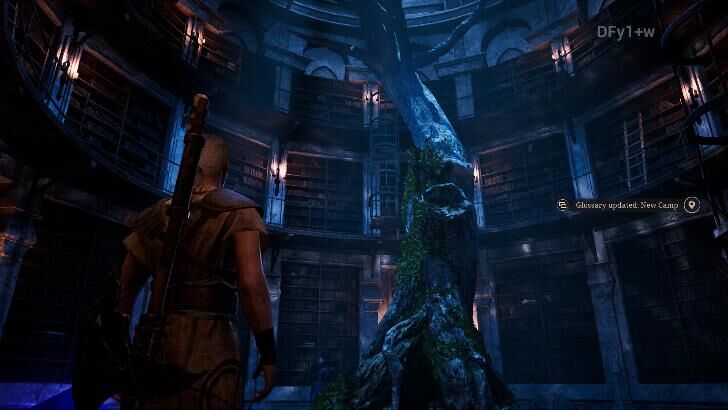
Even the people from New Camp reinforce that difference in philosophy. The water mages, for example, come across as far more deliberate and grounded in their actions, especially compared to the more chaotic spiritual direction of the swamp gurus or the overtly self-serving, power-preserving mindset of the Old Camp.
Ultimately, Gothic doesn’t treat factions as optimal paths, rather, it treats them as lenses. Each one changes what you notice, who you rely on, and what kind of truth you end up believing about the colony. The Brotherhood, specifically, ends up feeling more chaotic, but it also ties into the broader narrative mystery in a way that only becomes clear after you’ve already lived through it. What Gothic does here is subvert the idea that a "best" faction even exists in a traditional sense.
Character Progression Is Gated By Which Camp You Join
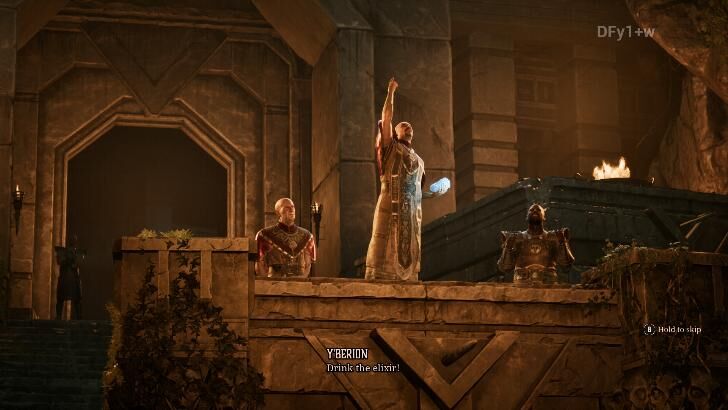
While nothing fundamentally changes in the main story depending on which camp you choose, there are still meaningful layers of content that you only see if you actually spend time within those factions in Gothic 1 Remake. For example, in the Swamp Camp, becoming a Templar isn’t just a narrative expectation, it’s locked behind specific tasks and progression steps that you only encounter if you commit to that path. What this does is quietly reinforce that faction identity isn’t cosmetic, it actually gates how deeply you can integrate into the specific camps.
New Way to Tell Old Stories
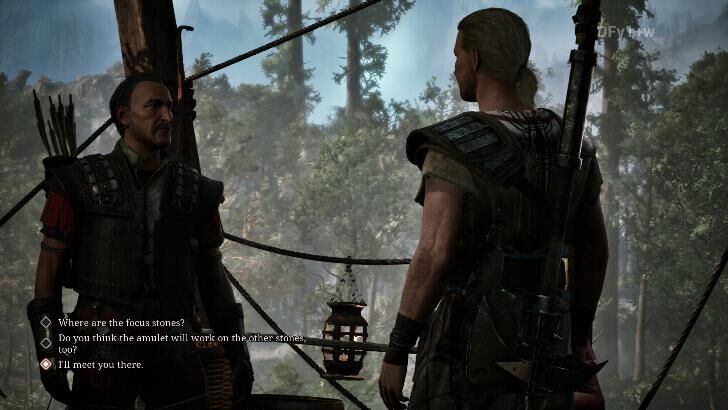
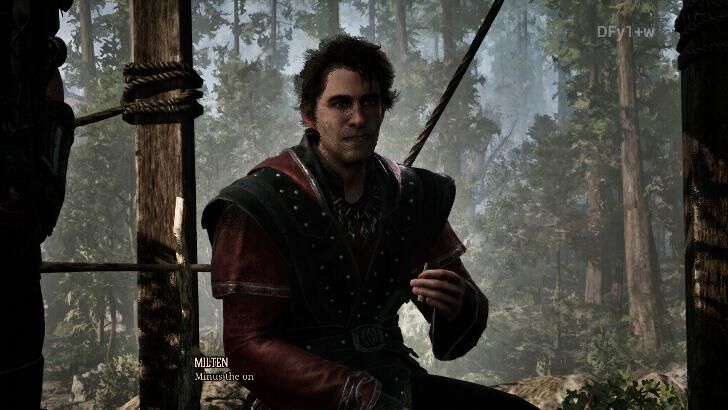
And while the broader narrative structure still follows the same backbone as the original game, the pacing and delivery of key events are noticeably reshaped. Certain moments are moved across chapters, and the way information is distributed changes how you perceive progression. A good example of this is the handling of the focus stones. In the original Gothic, the Water Mages are the ones who directly guide you toward their locations. In the remake, however, that responsibility is distributed across multiple key characters—Diego from the Old Camp, Milten the Fire Mage, Lester from the Swamp Camp, and Gorn from the New Camp.
The outcome is the same, but the meaning behind it shifts. Instead of information coming from a single authoritative source, the player now receives direction from individuals coming from different factions working in parallel. What this creates is a stronger sense of shared purpose across divides; you’re not just following one camp’s agenda anymore, you’re navigating a collective effort formed by people who normally you’d assume wouldn’t cooperate, but are forced to because escaping the colony matters more than their individual identities.
Side Quests Paint a Fuller Picture
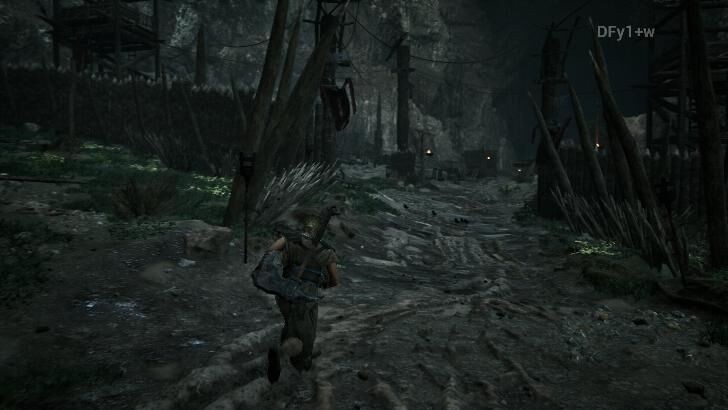
On top of that, there are also new side quests that exist outside the main narrative thread but still deepen the world in a more grounded and personal way. One example is a quest involving Bullit harassing Syra in the Old Camp. Choosing to intervene doesn’t just resolve a conflict, it also allows you to confront Bullit again, turning earlier hostility into a form of delayed payoff and personal revenge for how he treated you at the beginning of the game.
Gothic 1 Remake reinforces that the world is reactive at a human scale, not just a quest engine tied to main story progression. These smaller stories don’t change the main plot, but they change your relationship with the colony, making it feel like actions carry emotional continuity, not just mechanical rewards.
The Colony Tells a Story
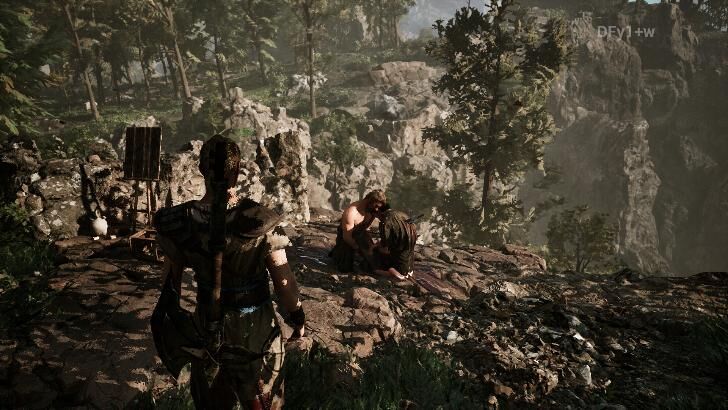
Another strength of the remake is how much of its narrative is communicated through environmental storytelling rather than direct exposition. A portion of what you understand about the colony doesn’t come from dialogue or quest text, but from simply paying attention to what’s around you as you move through it.
If you stray off the beaten path, you start noticing the remnants of lives that have already collapsed under the weight of the colony itself—abandoned spaces, isolated corners, and in some cases, figures who have clearly reached breaking points long before you ever arrived. These details aren’t highlighted or explained, they’re just there, and the player is left to interpret what led things to end up that way.
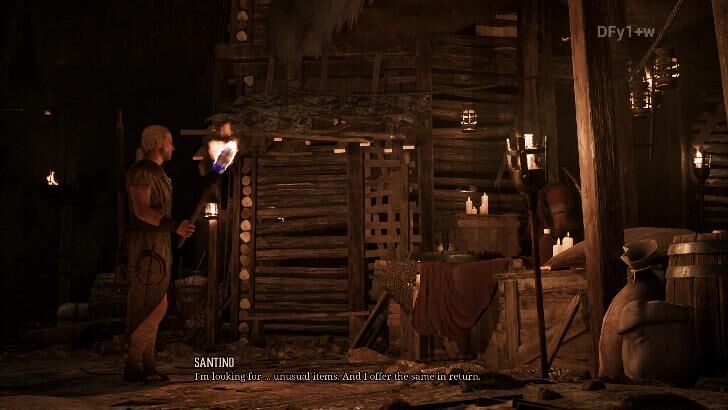
You also begin to notice how life in the colony is structured in a way where power and survival shape social roles in very rigid ways. Diggers in the Old Camp, for example, are left at the mercy of corrupt guards, often unable to enjoy the fruits of their own labor as they’re forced to pay "protection" fees to the very people who benefit from and enforce the system. Women, meanwhile, are often positioned in ways that reduce them to commodities within this closed economy of survival. Even those who genuinely claim to want better living conditions for others find themselves unable to meaningfully change anything, as the system they’re part of is ultimately upheld and reinforced by the king’s authority outside the colony.
The Swamp Camp adds another layer to this through its gradual psychological transformation of its members. Over time, the people there begin to feel less like people capable of thinking for themselves and more like individuals absorbed into a shared belief system that reshapes how they think and behave. It’s less about a sudden change and more about a slow, steady loss of individuality through isolation and ideology taking hold over time.
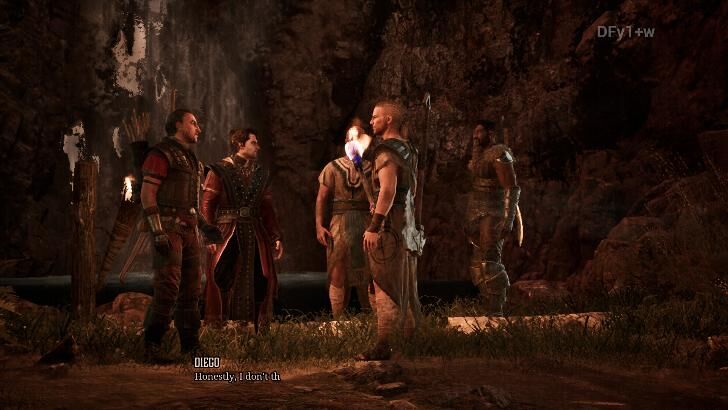
What makes all of this effective is that the game never stops to explain it in explicit terms. Instead, it trusts the player to read the environment and piece together meaning from what they see, not what they’re told. And that’s where the strength of the design really sits; the world itself becomes the narrator, and the player is the one doing the interpretation.
Ultimately, environmental storytelling isn’t just a feature here—it’s one of the core ways the game communicates its identity. It’s deeply embedded in how every space is designed, making exploration feel like slowly uncovering the history of a place that existed long before you ever arrived.
Technically Janky
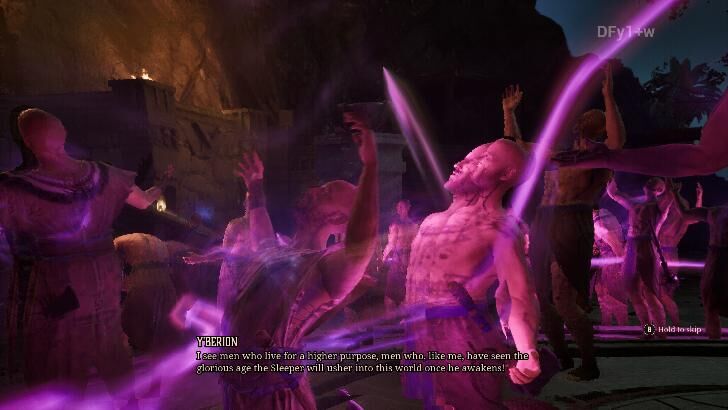
However, while the storytelling is impeccable, the mechanical prowess of this remake cannot be regarded in the same standards. While it is visually a clear step up from the 2001 Gothic, it still doesn’t quite sit on the same technical level as modern releases. The presentation can feel uneven at times, particularly in how some surfaces and lighting behave, where rendering quirks and inconsistent visual clarity can make certain areas look less refined. That said, the strengths are still there, like shadows, atmospheric lighting, and the overall world design do a lot of heavy lifting.
The environment itself remains strong enough that it often compensates for those graphical drops. It also helps that the map has been slightly reworked, so even if you know the original layout, there are enough new details and changes to make exploration feel unfamiliar again in a good way.
Escort Quests are Buggy
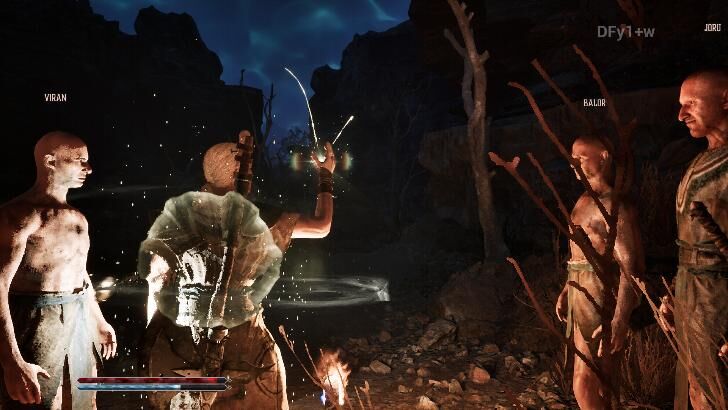
However, another issue that stands out is stability. The game is prone to crashes and bugs frequently, especially during extended playthroughs. While I’ve gone through multiple long stretches of playing over several days, this game doesn’t look visually demanding enough to justify how often these issues appear.
There are also lingering problems with escort quests, which was also present in the original Gothic. NPCs you’re meant to guide still behave unpredictably—getting lost or wandering into danger. In some cases, even when you successfully complete the intended objective of getting them to safety, they continue following you, sometimes even leading to their death and a failed state.
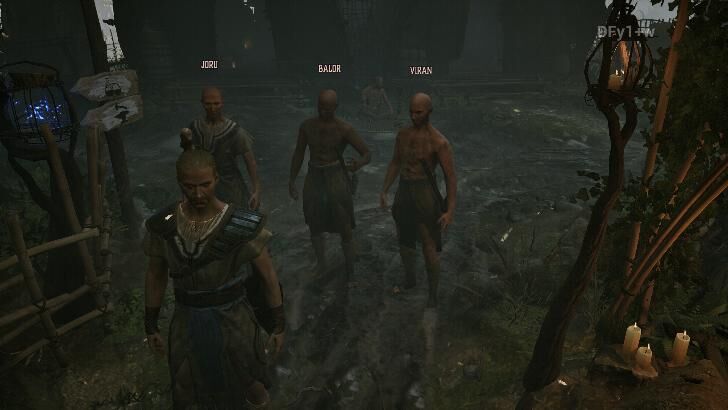
That jankiness has no business being there in a game you’re paying for that’s supposed to be punishing by design. I understand and even accept that Gothic is hard for the sake of being hard, and on that front it ultimately delivers, but when you start stacking crashes, bugs, and visuals that aren’t particularly impressive on top of that intended difficulty, it begins to blur the line between designed challenge and frustration.
Is Gothic 1 Remake Worth It?
Only For Hardcore Gamers
Ultimately, whether or not you’re going to enjoy Gothic 1 Remake comes down to whether you want an experience that is as grueling as it is rewarding. It’s the kind of game that constantly tests your patience, your memory, and your willingness to push through systems that don’t really bend for you.
There’s a certain "it’s so bad it’s good" energy to it at times, you get frustrated, you get lost, you get punished for small mistakes… but you still end up going back in because the moments where things finally click feel earned in a way most modern RPGs don’t really replicate anymore.
Whether the $50 price is worth it, especially with plenty of other games offering a similar atmosphere, is up for debate. But the reality is that Gothic doesn’t really care about that debate. It commits fully to its identity, even when that identity feels exhausting to sit through.
The real deciding factor is not whether the game is fair in a modern sense, but whether you’re willing to accept that the reward only exists because the struggle was allowed to be uncompromising in the first place.
Gothic 1 Remake FAQ
What Are Gothic 1 Remake’s System Requirements?
| System | Minimum | Recommended |
|---|---|---|
| OS | Windows 10 64bit / Windows 11 64bit | Windows 10 64bit / Windows 11 64bit |
| Processor | Intel Core i7-7700K / AMD Ryzen 5 1600X | Intel Core i7-7700K / AMD Ryzen 5 3600X |
| Memory | 16 GB RAM | 32 GB RAM |
| Graphics | 8 GB VRAM, AMD RX 6700 XT / NVIDIA GeForce RTX 2070 | 12 GB VRAM, Nvidia GeForce RTX 3070 Ti / AMD Radeon RX 6800 XT |
| Storage | 60 GB | 60 GB |
Game8 Reviews

You may also like...
 |
Kingdom Come: Deliverance 2 Review | Bold and Brilliant Action, RPG, Open World |
 |
The Expanse: Osiris Reborn Review [Closed Beta] | A Promising Space RPG Worth Keeping an Eye On Action, RPG |
 |
FF7 Remake Intergrade Review [Switch 2] | Midgar on the Switch 2 is Not So Mid After All RPG, Action, Adventure |
 |
Skyrim Anniversary Edition [Switch 2] Review | Like An Arrow to the Knee RPG, Action, Adventure |
 |
Crimson Desert Review | The Adventure Keeps Getting Better RPG, Action, Adventure |