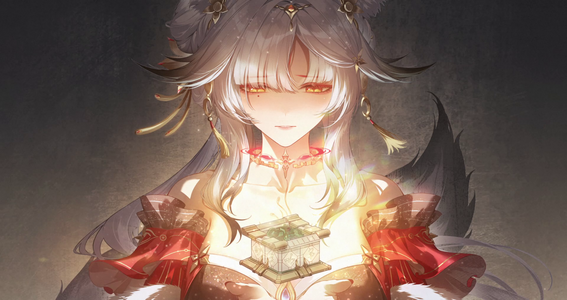




Wuthering Waves Version 3.7 story concludes the Xuanfang arc with Rover and Suoming searching for the Sentinel, Hsin. Read our story review to see what it did well, what it didn't do well, and if its story is something to be remembered.

Overview
What is Wuthering Waves?
In Wuthering Waves, you take on the role of a mysterious newcomer simply known as the "Rover." Waking up without any memories or connections and in a world beset by creatures known as Tacet Discords, they must navigate the war-torn landscapes, underground factions, and roaming monsters to find the truth about themselves and the world.
| Mobile App Store Pages | |||||
|---|---|---|---|---|---|
 App Store App Store |
 Google Play Google Play |
||||
| PC | |||||
 Epic Games Epic Games |
 Dedicated Client Dedicated Client |
 Steam Steam |
|||
| Consoles | |||||
 PlayStation PlayStation |
 Xbox Xbox |
||||
Wuthering Waves 3.7 Story Review: Delivered a Great Climax to an Otherwise Flawed Arc
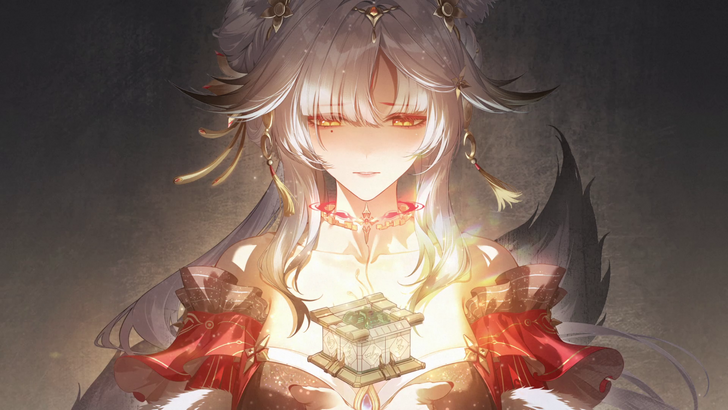
Honestly speaking, I didn’t have any hopes for Wuthering Waves’ Version 3.7 story following the mixed bag that was Version 3.5’s opening and the rather terribly structured Version 3.6. Considering the latter two’s unimpressive performance (to say the least), Version 3.7 would have had to do the story equivalent of an All-Kill just to pull the Xuanfang arc out of the pit the previous two versions left it in. What’s even worse is that Version 3.7 is the climax, meaning it carried much higher baseline expectations from the start. So, it had to reach those heights even before attempting to salvage the damage its predecessors had done.
That said, what’s the verdict for the chapter bringing the Xuanfang arc to its climax? Rather good, actually! And that’s very surprising considering all the loose ends this arc has. It’s not perfect, of course. The terrible setup for Suoming is barely salvaged by the fact that she’s not as essential to the plot as someone like Galbrena was, for example. Furthermore, the intense backloading of the entire arc makes the climax feel less impactful than it could have been. But overall, Wuthering Waves’ Version 3.7 story is quite solid.
The greatest surprise, though, is how well Hsin manages to redeem herself as a character in a single chapter, despite being relegated to a two-chapter damsel-in-distress up to this point. And that is a genuinely impressive effort from the writers.
WARNING: Heavy spoilers for Wuthering Waves’ Version 3.7 story ahead!
A Revolving Door of Nobodies
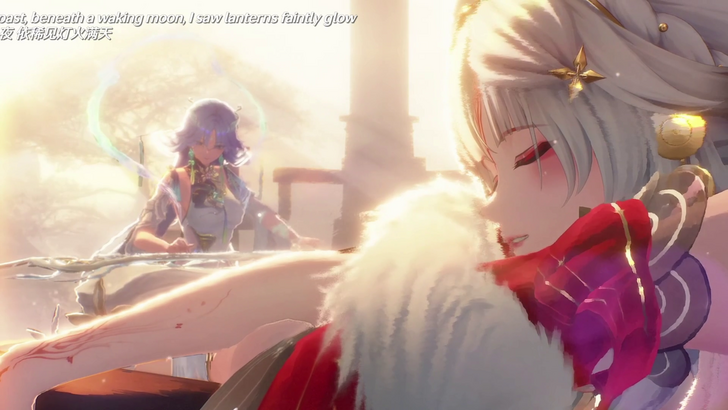
To understand the massive burden resting on Version 3.7’s shoulders, we first have to address the structural baggage it inherited from the rest of the arc. Chief among these issues is Xuanfang’s incredibly frustrating, transient cast.
It is no secret that gacha games rely on a revolving door of characters to lead the story so they can narratively sell the latest banners. However, Wuthering Waves has previously proven it doesn’t have to be this way. Arcs like Rinascita and Lahai-Roi gave us interconnected, recurring casts whose relevance extended far beyond their banner phases. They made those regions feel like communities, and their events like a living web of overlapping motivations rather than a slideshow of isolated character showcases.
Yes, even Potential Girl Chisa counts.
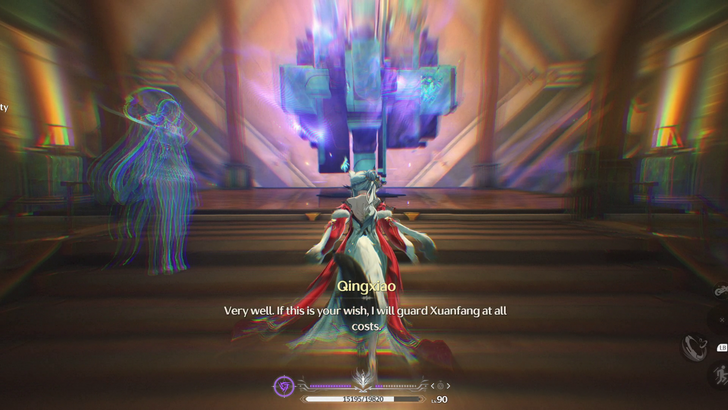
In stark contrast, Xuanfang treats its cast as effectively disposable. Characters are railroaded into the spotlight just long enough to justify their presence, only to be abruptly booted from the plot with flimsy excuses the second they are no longer needed. So far, every single featured character has suffered this fate: Suisui had to leave because her Mengzhou business was somehow more important than her sister in a warzone; Qingxiao was sent back because Xuanfang apparently needed its strongest warrior to play crowd control instead of stopping a region-ending crisis; and Jingran basically just did the Homer Simpson disappearing-into-the-bushes meme.
But the worst offender by far has got to be Yangyang. She and her Xuanling form had been hyped for an incredibly long time, and her chapter strongly implied she would finally become an active, permanent participant in Rover’s journey moving forward. Instead, following her brief segue story, she was demoted to a mere set piece, occasionally making cameo appearances in cutscenes to stab a random Tacet Discord and pose for an admittedly epic splash art. What was all that buildup and anticipation even for, then?
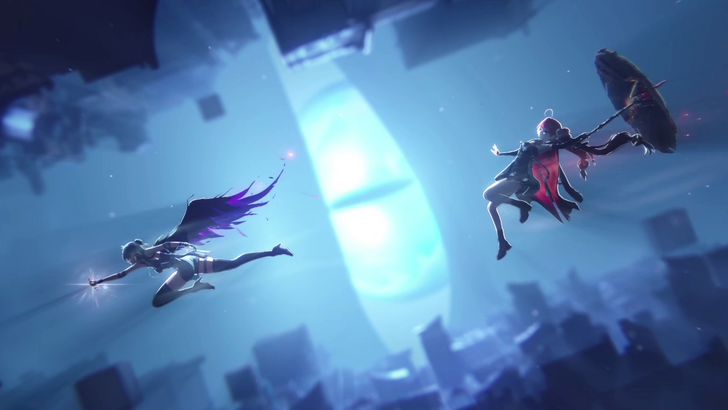
Then there is Suoming. As one of the new characters introduced in this version, she suffers from a related issue, albeit not quite as badly as Yangyang did. But unlike the others, who were abruptly thrown away because the plot said so, Suoming’s problem is a painful throwback to Version 2.7’s Galbrena: she feels completely slapped into the story purely to sell a banner coinciding with the arc’s climax. It makes her feel like an intruding stranger who just showed up to steal the thunder from characters who actually spent the entire arc developing relevance to the central conflict.
Justice for Galbrena, by the way. She didn’t deserve that treatment.
What’s even worse is that it’s not as if Suoming doesn’t deserve to be a major part of the climax. She definitely does. The issue is that she arrives as a completely fresh face, relying solely on the protagonist to anchor her presence in the story. If the writers had simply introduced her a patch or two earlier, even as a background player, she would have naturally built the narrative weight needed to justify taking center stage right at the end.
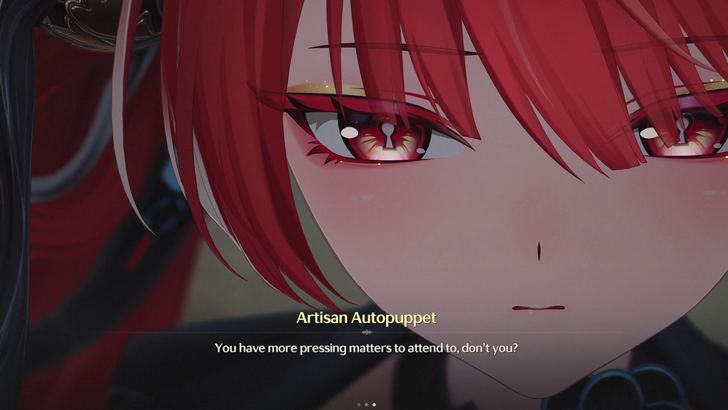
That said, perhaps in an attempt to stifle its own bad habits, Version 3.7 thoughtfully didn’t give Suoming much to do. It’s not even an understatement to say she operates mostly as a support character who only occasionally takes the spotlight. The heavy lifting of concluding the arc is rightfully divided between Rover and Hsin, who absolutely deserve every ounce of attention this chapter can spare.
This is a stark contrast to Galbrena, who didn’t just have a major part in closing out her arc, but essentially singlehandedly corralled every major player in Ragunna to face the big bad. Where Galbrena was introduced late and then allowed to dominate the climax, Suoming is introduced late but deliberately kept from doing the same.
Don’t get me wrong. It still would have been vastly better if someone like Qingxiao, who had a close, established relationship with Hsin long before becoming a regional VIP, took part in the climax, or if Suoming had just been introduced earlier. But that’s exactly what makes Version 3.7 surprisingly good: it knows this chapter belongs to Hsin and Rover, and makes sure the other shiny new banner character doesn’t get in the way. It’s a rare moment of narrative restraint, and a positive quality it shares with Jingran’s handling in the previous version.
Foxes and Fried Rice Make for a Great Narrative Vehicle
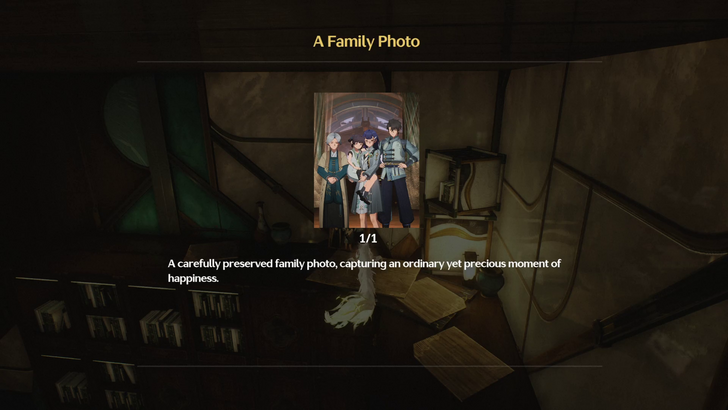
Version 3.7 kicks off (backed by a stellar intro song) with a wildly refreshing perspective shift: throwing us into the boots of an everyday NPC. For a brief moment, we actually get to experience Rover’s intimidating “protagonist aura” from an outsider’s perspective, complete with the natural hesitation normal people would feel around VIPs.
It was such a refreshing perspective that I found myself wishing the entire story was told from the sidelines. Alas, it wasn’t meant to be. Fortunately, it didn’t even take the game thirty minutes to make up for it by throwing us into the paws of a Moon Fox instead.
—As Hsin herself, rather.
This Stray-like stretch is easily the chapter’s most enjoyable gameplay hook. While the excessive handholding and railroading do get frustrating, the delightful narrative experience more than compensates for it. And besides, we’re here to talk about the story anyway.
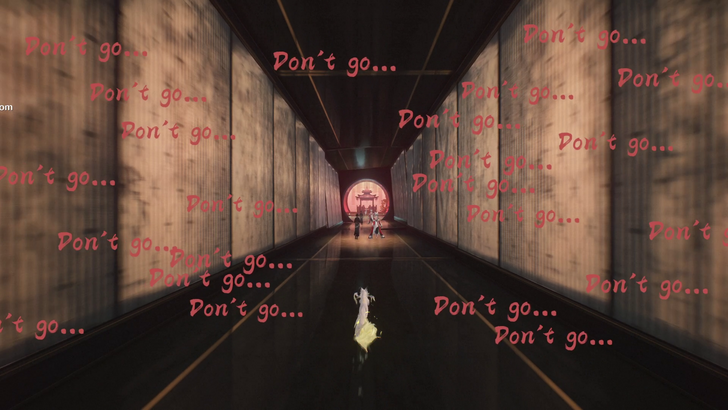
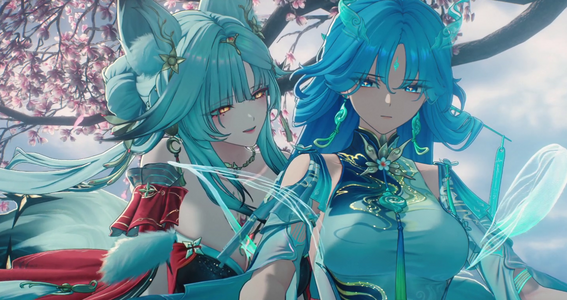
But there is a purpose to all this. As the deity of Xuanfang and Mengzhou, Hsin is the kind of character that practically none of us can relate to. Her immortal sense of time alone is something we mortals would have great difficulty trying to understand. That’s why this chapter makes us spend an appropriately long time reenacting Hsin’s past experiences through the ages. And there’s no better way to visually depict the passage of time between each scene than seeing her as a small Moon Fox, and later on as the mature-bodied woman many of us are gonna pull on the gacha. It allows us to make Hsin's enormous lifespan emotionally comprehensible by giving the player a visible, recurring representation of her changing identity.
Now, while the previous two instances are largely experiential, the next one’s more interpretative. It’s delivered by Abby, who provides key context that allows us to quickly understand the direction Version 3.7’s conflict is taking. And how does he do it? By comparing the two sides with… rice and fried rice.
Typical Abby.
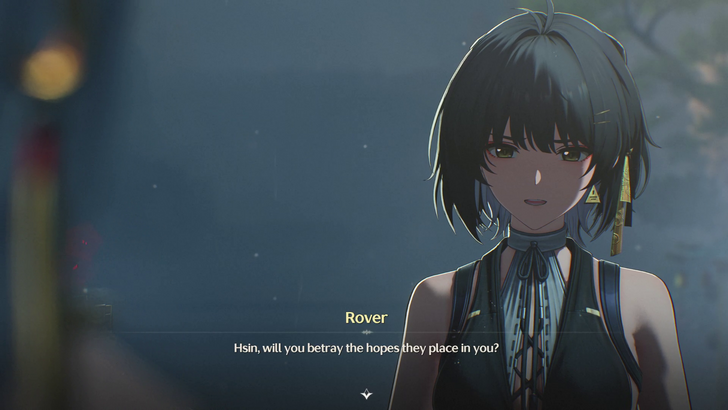
Despite his remark being presented almost like a simple, gluttonous icebreaker, it’s genuinely difficult to imagine the story proceeding as smoothly as it did without the context he provides. See, one of the things the story weaponizes is the mystery surrounding the two sides vying for control. However, they aren’t exactly something you can cleanly categorize as “good and evil.” In fact, the game deliberately obfuscates which side you’re dealing with, even if it’s clear as day that the actions of one side are causing harm to the world.
This becomes especially important once you near the end of the story. Without Abby’s context, suddenly getting red flags from what should be the benevolent half of this conflict wouldn’t be nearly as eyebrow-raising. Why would you feel threatened by the side that means well for the people of Xuanfang? It makes you doubt whether someone pulled a fast one on you, forcing you to deal with one side while thinking it was the other. But you weren’t.
And all that tension is only felt in full thanks to the distinction that Abby’s insight, fueled primarily by his stomach, provides. Thanks, Abraxas. Very cool.
The Tale of Two Sentinels
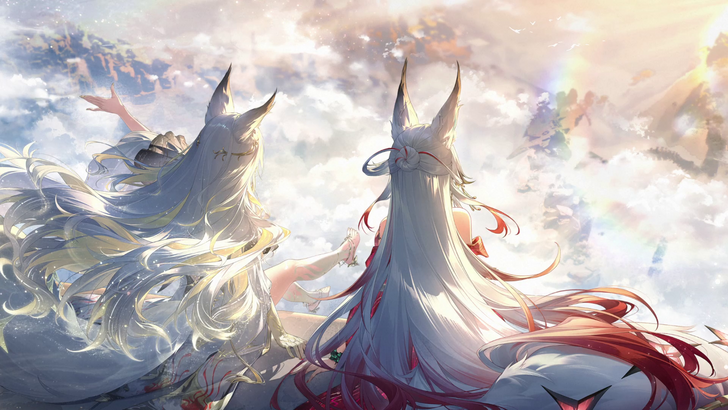
Version 3.7, and indeed the overarching conflict of the entire Xuanfang arc, revolves around the disappearance of the Sentinel Hsin. And no, this isn’t some weird spin-off based on the very popular 2006 anime (how’s the back pain?). You’re in Xuanfang in the first place to look for Yangyang, who got caught up in the Autopuppet rebellion caused by Muyu. Hsin, meanwhile, was unable to stop it because she was already tied up in her own troubles.
Later on, after you fall into Hsin’s microcosm alongside Suoming, you learn that the source of everyone’s troubles is that another Hsin has usurped control over Xuanfang Hold’s systems from the one everybody’s familiar with. As for who that other Hsin is, you don’t really learn that until much later on. But essentially, that “other” Hsin, due to the Sentinels’ nature as artificial lifeforms, is a manifestation of her base code, bearing her original logic and priorities. Meanwhile, the “Hsin” that you’re more familiar with, who has appeared in dozens of cutscenes and flashbacks with the likes of Suisui and Qingxiao, is a “Fractal Form” of the original—a copy born from the Sentinel’s emotional aspect.
Those are the two forms vying for control over Xuanfang: one, later named Suhsin, bears the greatest resemblance to the original, highly capable Hsin the Moon Fox; the other, “Hsin,” is a figurative pup who suffers from an inferiority complex born from the weight of her own emotions and the endless struggle to chase after the back of the ideal Sentinel.
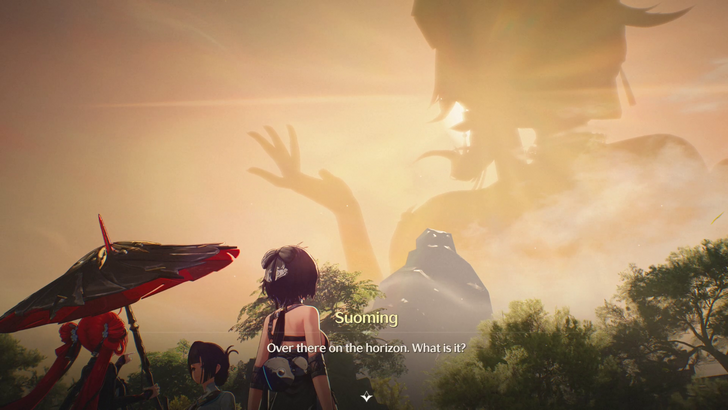
Where it gets spicier is that neither of them is inherently bad in any traditional sense. Plus, both are, in many ways, “Sentinels” of Mengzhou, just from different origins. It’s just that they hold different values and care for the people in their own unique ways.
Despite that, the game does make it clear who the people truly worship. And in a deliciously human development, the one they always pray to is Hsin. She’s the “copy” who endlessly suffers from the internal conflict brought about by her emotions and objectives; the “child” who sees the protection of the Mengzhou region not as an obligation brought by her role as a Sentinel, but as a deeply personal desire to see everyone continue being happy. She’s the one who always doubts herself because of the weight of her responsibilities, and always seeks the best outcome because of it. And in doing so, she has earned the love of the people more than the original Sentinel, who ruled with rigidity and always weighed the pros and cons with cold logic.
And in the end, Hsin ultimately decides to coexist with Suhsin, in a way telling us that what Xuanfang needed was someone who could balance the heart and the mind in order to pursue the people’s happiness.
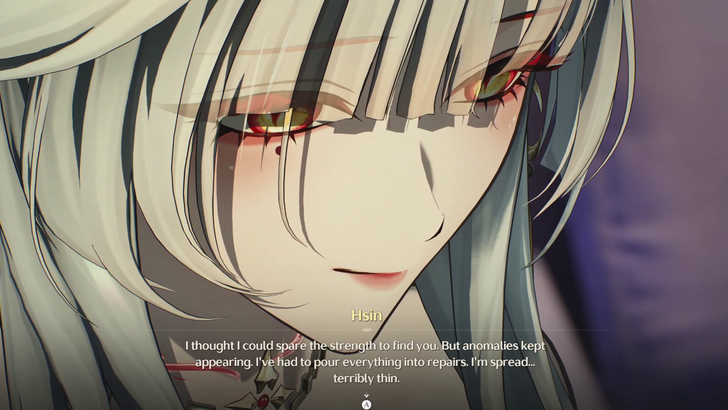
It is an incredibly standard story development, yet one that rarely fails when the conclusion is grounded in the values the story has established. Take a look at it this way: if you ask me whether it mattered which of the two Sentinels would win to achieve a “good ending,” I would say it doesn’t. Suhsin and Hsin brought different things to the table, and all of them were things the people needed. But because Hsin, who valued her people’s smiles above all else, won and decided to coexist with Suhsin and her logic, we get the “best ending.”
Thanks, Abraxas. Very cool.
Rest in Pieces, Muyu. You Won’t be Remembered
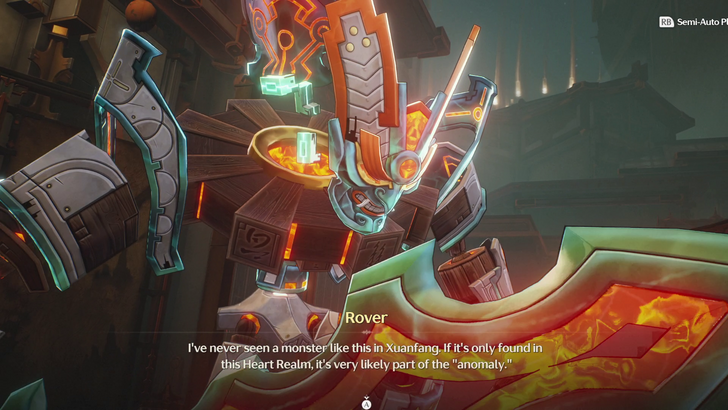
This section is gonna be exceptionally short, but do you remember Muyu? The big bad from Versions 3.5 and 3.6? The guy who usurped control over Hsin’s Autopuppets, sent them into a rampage, and then died during Jingran’s chapter?
Well, if you think the guy who caused all our troubles for what’s effectively two-thirds of the Xuanfang arc’s questline is gonna get some big role, even after death, by depicting his deeds as a major part of why Hsin’s conflict happened in the first place, you’re wrong. Though he did have some hand in it, what ultimately happened is that his sabotage is mostly treated as an inconvenience that couldn’t be stopped because Hsin was busy with her own problems.
In other words, it brings into question Muyu’s capability to even start the initial conflict in the first place. If Hsin’s arc had concluded before Muyu executed his plans, would he have been able to fight her authority off? After all, post-Version 3.7 Hsin, alongside Suhsin, has full control over the same systems Muyu exploited to control the Autopuppets. Most likely not.
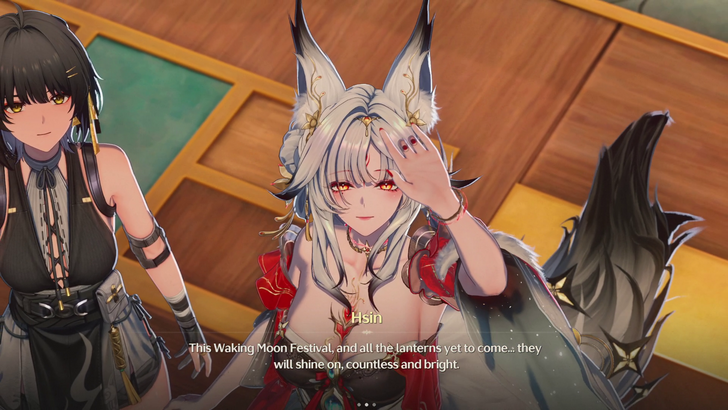
The most obvious proof of this lies in what the denouement contains. Among many other things, such as Hsin appearing once again for Xuanfang’s biggest festival of the year, she also states that she, together with Suhsin, have decided to keep Xuanfang Hold’s central sanctum up, despite its original directive to fall once it and the Censure Court’s roles had been accomplished.
This is the sort of action that requires an extremely high level of control over the Hold’s systems. If Muyu had wanted a shortcut to exposing the Sentinel’s weaknesses, this would have been the best and most direct way to do so. But considering the limitations of his Resonance Ability and the fact that Xuanfang Hold didn’t fall by itself during the height of his rebellion, it at least suggests that Hsin, had she had the spare processing capacity at the time, could very well have prevented Muyu from taking action in the first place.
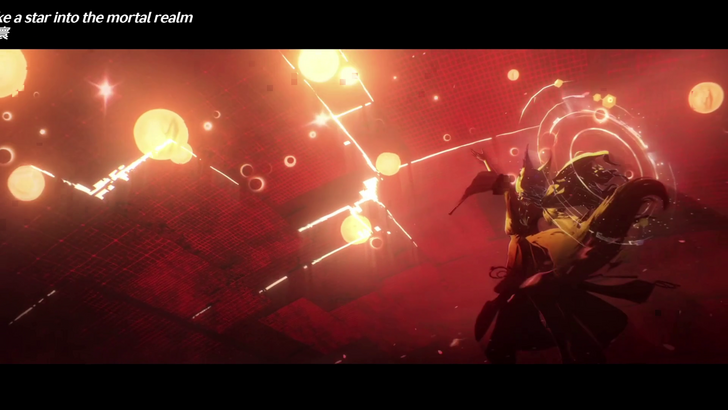
Honestly, we’re kind of spitting on Muyu’s grave at this point. He was already quite an incompetent antagonist from the beginning of the story, giving up on Yangyang just because she didn’t consent to having her Resonance Ability used for evil. He was also powerless the moment Qingxiao was able to fight him squarely, only not being able to do so from the beginning because she was suffering from her own internal turmoil at the time. And lastly, he met his end after pathetically trying to bargain for his life with Jingran.
Does that mean the conflict that comprised two-thirds of Xuanfang’s runtime was ultimately a nothingburger due to everything mentioned above? Not really. The threat was very real, and it did require many characters to pull out all the stops. But the story also depicts his rebellion as having progressed as far as it did only because of circumstantial troubles. And that just makes him quite the pitiable antagonist at the end of the day.
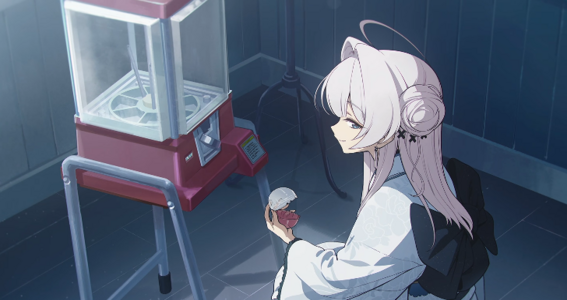
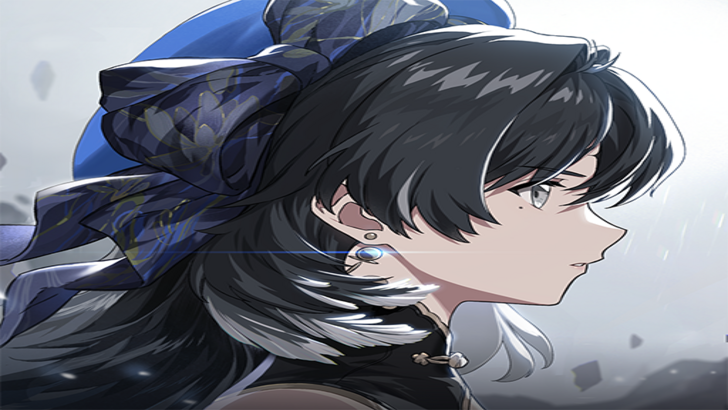
Also, I forgot to get a screenshot of Muyu. Serves you right, villain. Enjoy two more screenshots of Hsin instead.
A God Who Loves and Is Loved
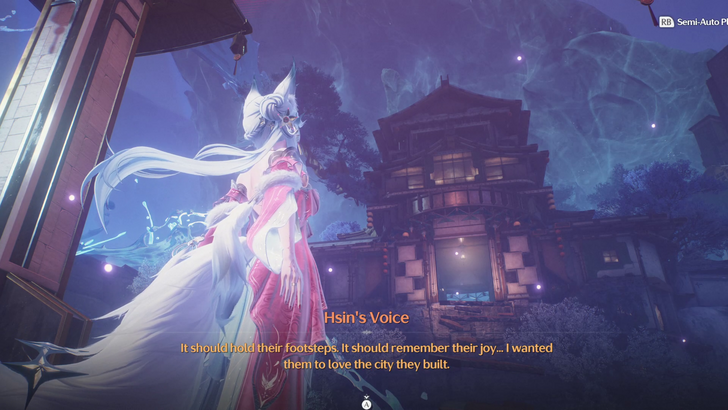
Going back to Hsin, she shared one specific trait with Muyu from the very beginning of the story: the impression that she was rather incompetent at her job. We knew from the start that she was missing, at least for the most part, despite appearing on a handful of occasions, such as when she interacted with Suisui. That was fine and all. But the problem was that the story kept dangling the reason for her absence in front of us repeatedly, without actually drip-feeding us enough information to make us feel like we were making progress.
Half of that can be blamed on Muyu for being a sore loser, though.
Anyway, fortunately, Hsin breaks out of her shell quite splendidly, allowing something else to get attached to her name besides the “Sentinel Damsel in Distress.” And to be clear, the chapter’s accomplishment here isn’t that it suddenly reveals Hsin to have been secretly competent at everything all along. Rather, it finally gives us enough context to understand what kind of Sentinel she actually is, and why her approach to ruling Mengzhou is so different from the one we had been led to expect due to our exposure to the other Sentinels like Jue and Imperator.
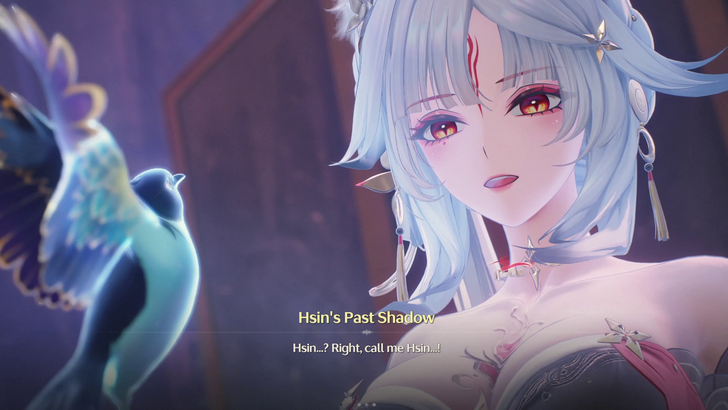
This is done through a three-part epic. The first takes us through a lightless village where a great sadness has enveloped the land because its people can no longer hold festivities in Hsin’s honor. The second has us witness a certain event that singlehandedly redefines the implications of the entire Xuanfang arc—one such a significant plot twist that it’s wholly inappropriate to drop even in a story review full of spoilers. And the third shows us the aftermath, with Hsin trying her best to pick up the pieces and lead her people through the Fortress and Gorges War, all at the cost of her own well-being.
Each part provides us with a different view into Hsin’s life, ultimately explaining her unique style of ruling Mengzhou. The first shows us exactly what Hsin wanted to protect the most, the second provides the impetus for her taking the stage, and the third lets us experience the tribulations she faced during her rule’s most trying days.
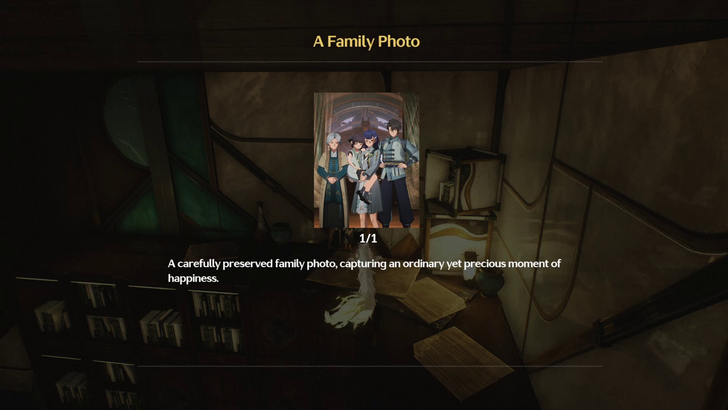
Among the three, though, the first part is especially wonderful. Through the combination of the fox transformation and the setting, we are given a front-row seat to a feast held by a family whose faith is placed wholly in their Sentinel. And we get to participate in it, albeit briefly, without the commoners having to feel pressured by Rover’s gravitas or Hsin’s authority. It allows us to hear what these people would say without a filter, including what happens when their Sentinel falls short of her obligations. More importantly, it offers a very personal insight into the lives of the people who are the true beneficiaries of the protagonist and her friends’ efforts.
And this proves to be extremely effective, particularly because of Hsin herself. Unlike all the other Sentinels we’ve met, she actively desires to join her people in everything from their joys to their sorrows. She wants to share tables with families, pick out snacks from a vendor’s stand, and light lanterns with the children. For her, protecting civilization isn’t just a coded mandate. It’s fiercely personal: the kind of motivation that we, as people, can deeply sympathize with.
The whole story is designed so that we end up wanting to root for her to win: because her happiness is inseparable from her people’s.
It’s Still a Victim of Poor Setup
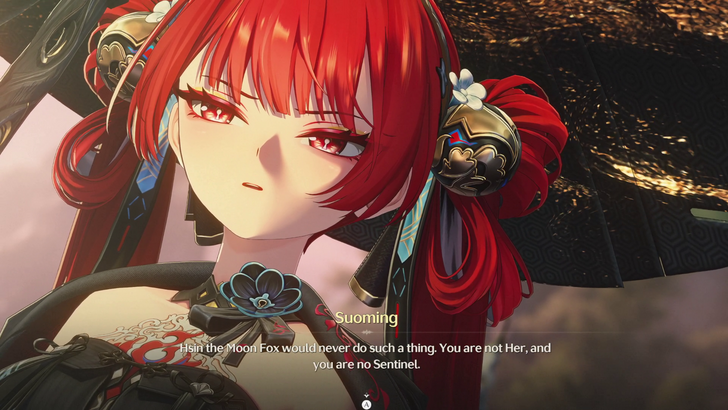
Despite all of my praise for the plot, the overall story still ain’t as good as I imagine it could be.
Recalling some of my previous criticisms of the Xuanfang arc as a whole, especially how Hsin was presented and how Muyu essentially got dunked on lore-wise, Version 3.7 suffers intensely from a lack of setup. In other words, it feels alien compared to everything else that happened in the region.
The first culprit is Suoming. Or rather, it’s the story’s decision to use a new character to help bring about the climax. Since we started the journey with someone we’ve barely known for five minutes, there’s no sense of continuation aside from Rover’s obligatory participation. If, instead, it were Qingxiao who accompanied us, or even Yangyang or, heaven forbid, Suisui or Jingran (though admittedly Suisui would fit, considering that we know she’s closely acquainted with Hsin), then there would have been a much stronger sense of connection between Version 3.7 and everything else that came before it.
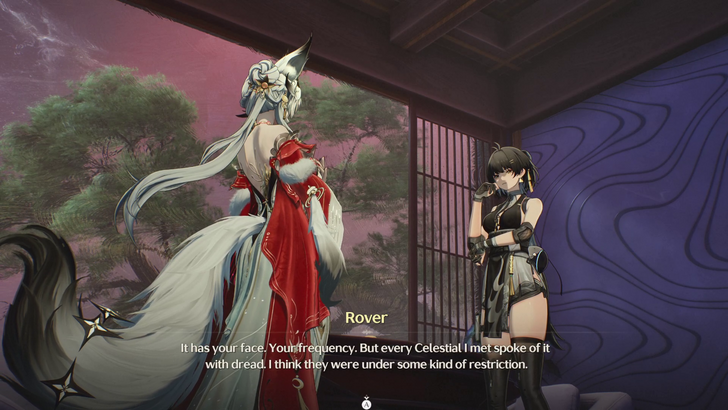
It’s not that I don’t like Suoming, mind you. Though, I’m not gonna pull for her either (saving up to S6 Aemeath). It’s just that a climax derives part of its emotional power from accumulated relationships, and even if her participation was subdued, Suoming doesn’t have that as a newcomer to the story. Kinda like Galbrena, but less offensive.
Complaining about last year’s story aside, the next major issue that makes this chapter feel so disconnected is how they treated Hsin during the previous chapters, and Muyu in this one. Aside from the four previous banner characters, Hsin and Muyu were Version 3.7’s strongest links to everything that came before. After all, they had been present since the start of the story.
But instead, Muyu was basically treated as a mere footnote at this point, while Hsin was barely allowed to be present beyond a few cutscenes. What’s even worse is that Hsin does make pretty story-relevant appearances during Suisui’s half in Version 3.5 and at the beginning of Qingxiao’s story… and guess how much both of them participated in Version 3.7?
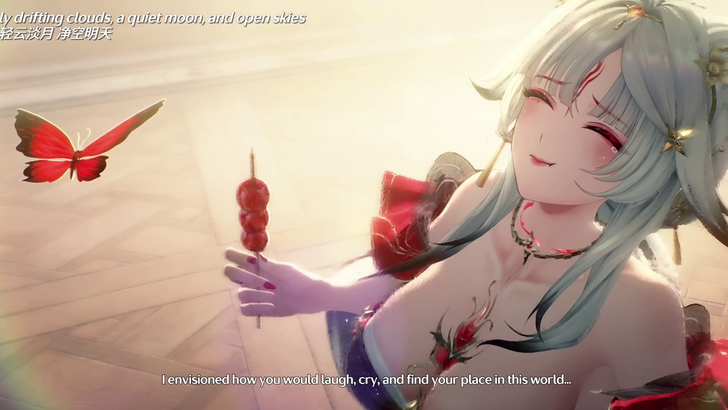
Overall, though, I would say that this chapter definitely does its job in closing out the Xuanfang arc. Unless, of course, Kuro Games suddenly pivots and continues down this route instead of starting the buildup for New Federation. It’s definitely not as hype as the climax of Lahai-Roi, and it doesn’t have the same Avengers-Assemble moment of Ragunna, though. But regardless, I think it wins out over both when it comes to personality and takes a place near the top in character work.
—Behind Aemeath's Version 3.1, of course.
See you in Version 3.8!
Game8 Reviews