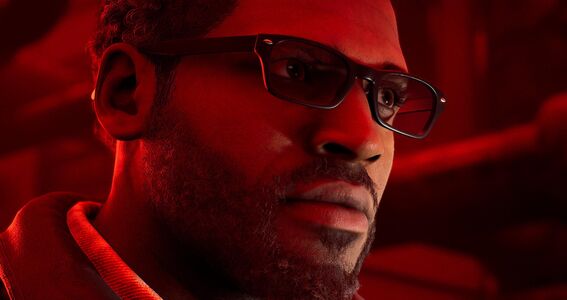




| Silent Hill: Townfall | |||
|---|---|---|---|
| Release Date | Gameplay & Story | Pre-Order & DLC | Review |
Townfall takes Silent Hill to 90’s Scotland, as Simon Ordell unravels the past of St. Amelia. Read our review to see what it did well, what it didn't do well, and if it's worth buying.
| Digital Storefronts | ||
|---|---|---|
 Steam Steam |
 PS PS |
 Epic Games Epic Games |
| $49.99 Standard Edition |
||
| Steam |
PS |
Epic Games |
| $59.99 Deluxe Edition |
||
Silent Hill: Townfall Review: This Is How To Modernize A Classic Franchise
Contrary to popular belief, Silent Hill: Townfall isn't actually the series' first first-person game. A few spin-offs have popped up here and there, like The Short Message. And even Silent Hill 4: The Room which is a mainline in the franchise, has specific sequences where first-person perspective is utilized. Then, of course, there's the full-blown cancelled project that somehow became one of the most well-received horror experiences ever made, P.T.
But while Townfall is still not a mainline entry, it has something that these other first-person Silent Hill projects have somehow struggled to capture: the identity of Silent Hill. See, it's not actually just the fog that makes something Silent Hill. It's that paralyzing fear that makes you stop dead in your tracks, stare at whatever is in front of you, and think, "Do I really want to walk over there?"
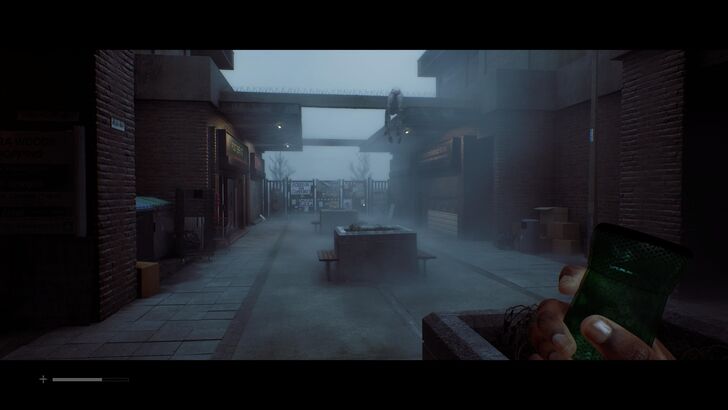
And while the last entry in Silent Hill, Silent Hill f, was a stellar game by itself, it never quite managed to make me pause in fear. Here in Townfall, there were moments when I would just stand there for a few minutes because I genuinely didn't want to find out what was waiting for me. It's the hesitation, the dread of moving forward when every instinct is telling you to stay exactly where you are, that makes something Silent Hill; and Townfall understands that.
Now, do I think putting Silent Hill in first person was necessary to invoke that fear? Not really. Did I sometimes have problems with the game's visuals and the way certain environments looked? Absolutely. But neither of those things ever made me question whether I was playing a Silent Hill game.
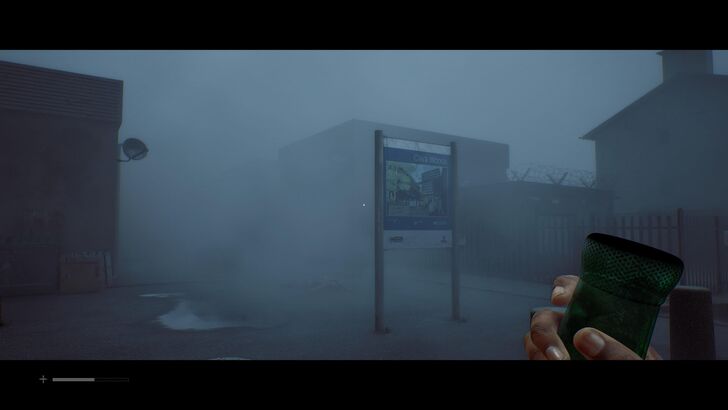
If anything, Townfall has surprised me with just how well it understands the series' identity, even when it is doing things differently. It might not be a mainline Silent Hill, and it might not always look like the Silent Hill I know, but it never loses sight of what makes the town so terrifying in the first place. And, in my opinion, it even gives us one of the more compelling explanations for why the town can be stuck in a seemingly never-ending loop of guilt.
St. Amelia's Mystery Is Much More Complicated Than I Expected
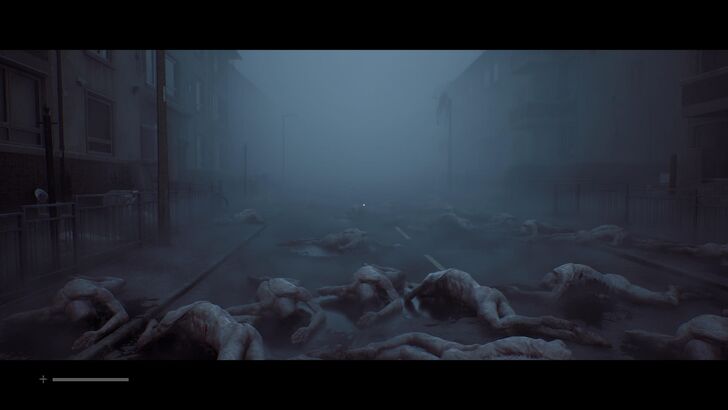
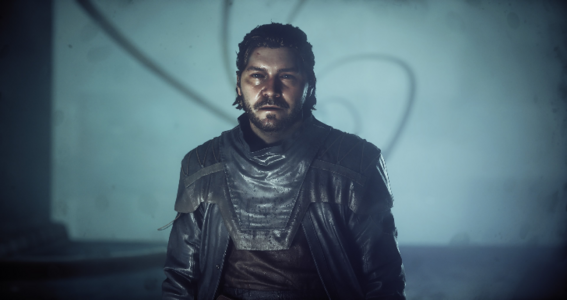
Silent Hill Townfall follows Simon Ordell as he hears a voice calling him—dare I say, begging him—to come back to St. Amelia and "set things right." We drop onto the shores of the town with an IV in hand and some mysterious liquid strapped to our arm, and together with Simon, we try to figure out what the hell is going on. Because he, too, and for good reason, has no idea why he's there, why the town is empty, or what the hell happened to it.
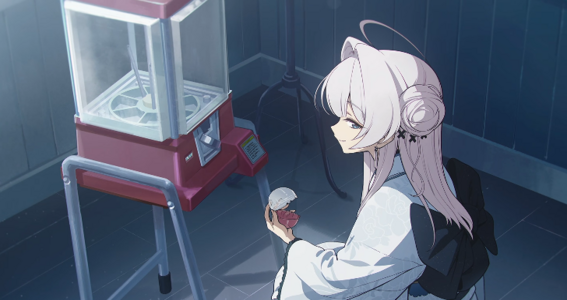
We also switch perspectives from time to time with Zoe Ellis, a nurse responsible for... well, we'll get to that in a bit. And there's also another character I won't be mentioning here because I'd rather leave that element of surprise for you.
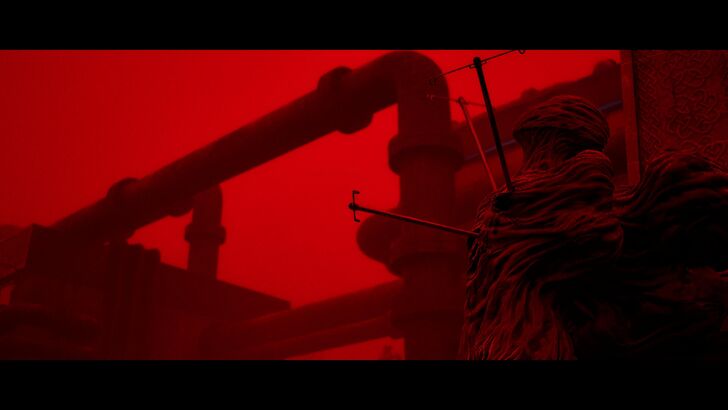
The overarching narrative is a lot more complicated—and much more well thought out—than I initially thought. At first, I assumed St. Amelia had experienced some kind of health epidemic and that for whatever reason, the powers at large, whether the government or the city council, had failed the town. That seemed to explain the remnants of protests scattered throughout St. Amelia.
It also made sense to me that this "health epidemic" had only gotten worse because the town had no access to clean water. The only question then was, why didn’t they have access to clean water. Right? Boy, oh boy, was I wrong.
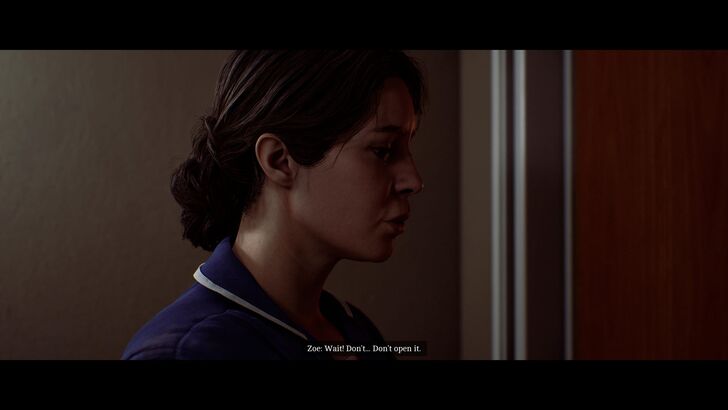
Without spoiling the actual story, the events that ultimately bring Simon, Zoe, the unknown person calling out to Simon, and St. Amelia itself together are actually rooted in the greed of one person. And the loop, the monsters, and the fog are all tied to Simon's guilt in a way that makes it feel like the town itself is also fighting back.
Townfall didn’t just give me a bunch of strange things happening in St. Amelia and leave me to assume that they're manifestations of guilt because that's what Silent Hill does. It actually takes the time to explain why this particular town has become what it is.
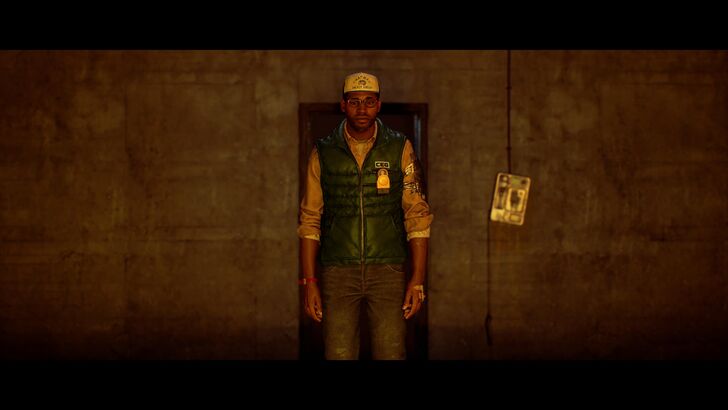
For Silent Hill as a series, the fog has always existed as this ambiguous shroud surrounding the town, with its connection to the psychological and supernatural horrors left open to interpretation. The first game establishes the events surrounding Alessa's burning and the transformation of Silent Hill, but it never outright says that one directly caused the other.
There are, however, interpretations and adaptations that make that connection more explicit, particularly the Silent Hill movie, which directly ties the town's fog and darkness to Alessa's burning desire for revenge. (I'm specifically talking about the 2006 film here, not Silent Hill: Revelation or this year's Return to Silent Hill.)
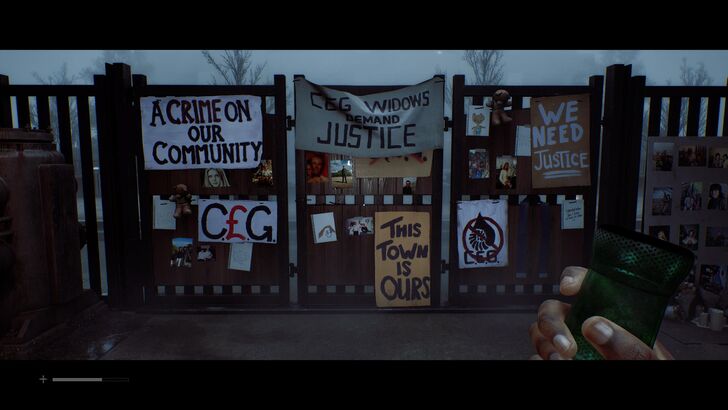
Townfall takes its own approach to explaining the origin of St. Amelia's fog, and I genuinely loved getting that answer. There's something incredibly satisfying about watching all these seemingly disconnected pieces finally start falling into place. The empty town, the lack of clean water, the monsters, the fog, the loop, and the town’s anger initially feel like a collection of mysteries that I'm supposed to somehow connect myself. Then, the game starts revealing how these things are actually related, and suddenly those earlier assumptions start looking very different.
Townfall didn’t just give me the playable characters’ psychological torment that ties them to St. Amelia, it gave me the origin story of St. Amelia, making me reconsider what I thought happened in the first place.
Townfall Slowly Changes How We See Its Characters
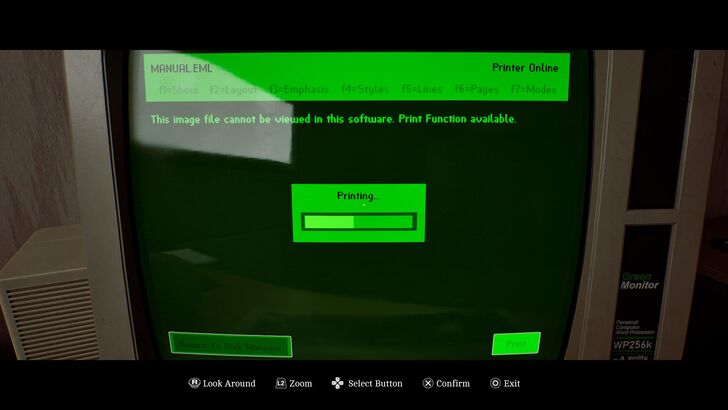
While it's nice to have the story of St. Amelia so closely tied to the characters themselves, what I appreciated too is how the characters are actually strong enough to carry that story.
For Simon, that initial confusion makes it easier to put myself in his shoes. He doesn't know why he's been called back to St. Amelia, he doesn't understand what's happening around him, and for a while, neither do I. But as I learned more about him and his connection to the town, that initial sympathy slowly gave way to a much more interesting question. A question we so often than not ask Silent Hill protagonists, and it’s: "Okay, what exactly did YOU do?"
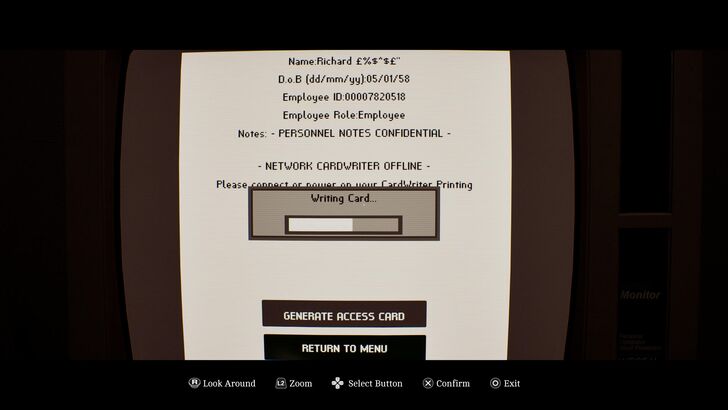
The same thing happens with the unknown voice calling Simon back to St. Amelia. My perception of him changed once I finally got to play his part. It wasn't some huge, shocking revelation. It was more of an "Of course" kind of realization, where the pieces suddenly fit together. And honestly, I found that satisfying.
Playing As A Nurse Is An Interesting Perspective That Never Fully Develops
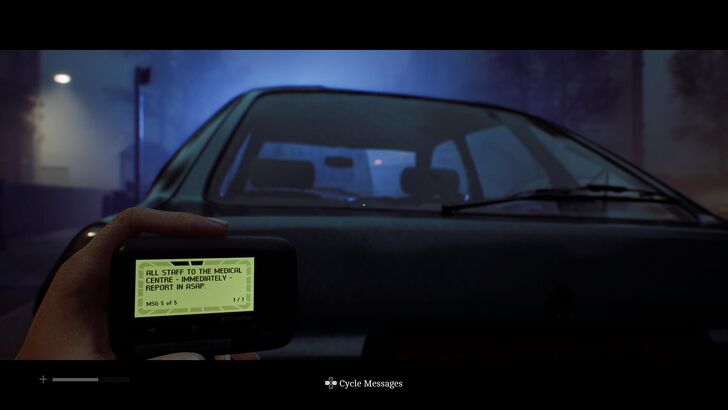
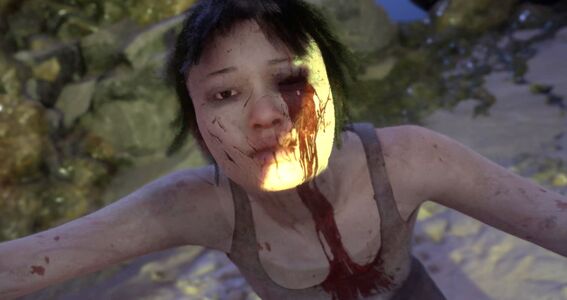
I will say, though, that Zoe Ellis' portion of the story ended up being a bit underwhelming. Her story and connection to St. Amelia were actually what I wanted to dig into the most because, how often do you get to play as a nurse in Silent Hill?
These characters have been so closely tied to the franchise's horror imagery for so long that finally getting to experience Silent Hill from the perspective of a nurse was pretty damn cool. I mean, Lisa Garland is such an important figure in Silent Hill's lore, and we rarely get to see things from the nurse's side of the story. So when Townfall gave me Zoe, I was immediately interested in what the game could do with that perspective.
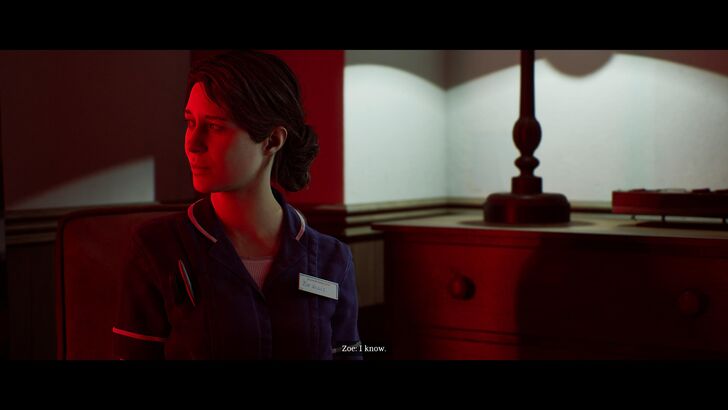
Unfortunately, Zoe's storyline doesn't quite live up to that potential. We get the perspective of someone who was there to care for people experiencing the catastrophic events that happened in St. Amelia, and that should give her a deeply personal connection to everything that happened. Instead, her role ultimately feels more like a plot device than a character with a story of her own.
And that's such a shame because there was so much potential here. Depending on how you interpret everything by the time you get to the ending, there is clearly room for her to carry her own sense of guilt, shame, and psychological turmoil from everything she experienced. Those are exactly the kinds of things I want to dig into when Silent Hill gives me a character like this.
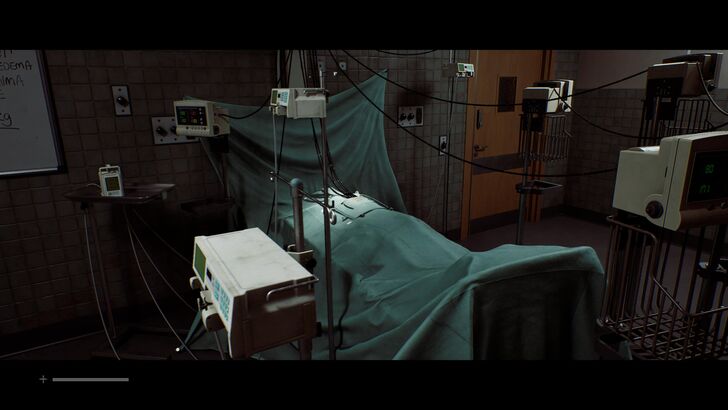
Her storyline feels more like a loose thread compared to Simon and the unknown voice. I know, I know, that is quite literally the point. Zoe is the loose thread in the overarching narrative, and the developers clearly intend for her story to remain ambiguous.
But being an intentionally loose thread doesn't mean she has to feel underdeveloped. That's ultimately where I felt the missed opportunity. I wanted more reason to become emotionally invested in Zoe beyond the fact that she occupies this incredibly interesting position within the story. The concept itself had me hooked, but the characterization didn't quite follow through.
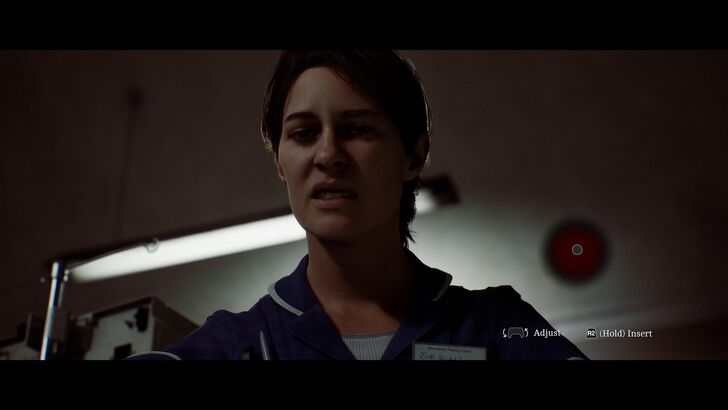
That's especially noticeable because Townfall does such a good job making me reconsider Simon and the unknown voice as I learn more about them. I wanted that same experience with Zoe. I wanted to come away from her chapters feeling like I understood her a little more, even if the game still left parts of her story deliberately unanswered. Thankfully, where the story left me wanting more from a major character, the gameplay rarely did.
Combat Finally Feels Like Silent Hill Again
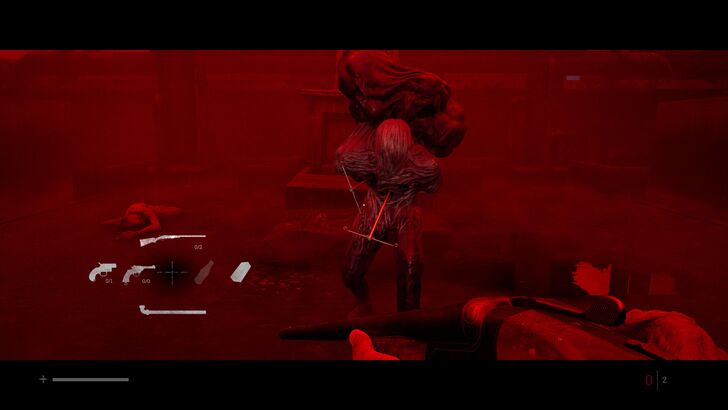
What embeds the Silent Hill DNA more than anything else is the gameplay. While Silent Hill f was a very good horror action game in its own right, it also moved some of its mainline mechanics away from what one would traditionally expect from the series. It wasn't objectively bad, but it was definitely a departure that gave people plenty to talk about.
Townfall, on the other hand, might be a spin-off, and it might look very different from the mainline Silent Hill games because of its first-person perspective, but it plays very much like Silent Hill.
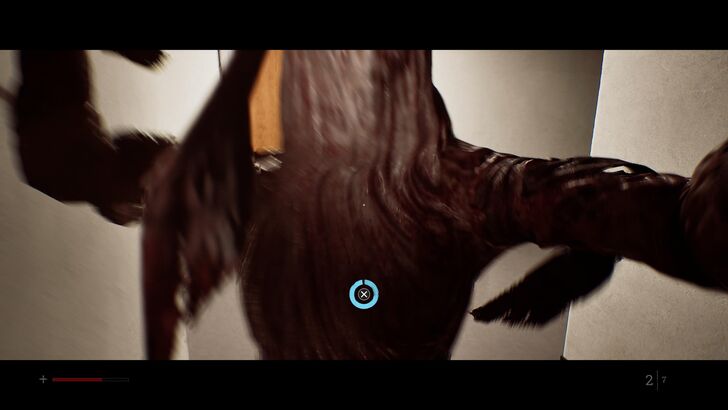
The biggest example of that is the combat. Combat in Silent Hill has always been clunky, and honestly, that's kind of the point. We're supposed to feel vulnerable. We're not supposed to feel like some unstoppable killing machine that can walk into a room and wipe everything out without a second thought.
And Townfall implements that philosophy in different ways depending on who you're playing. Simon is capable of fighting back, but only to an extent. Zoe, on the other hand, cannot fight at all, meaning stealth becomes an even bigger part of her survival. And then, when we eventually get to play as the unknown voice, there's a noticeable shift.
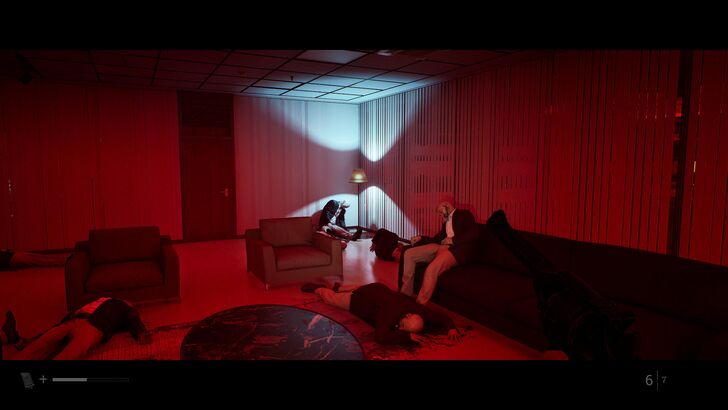
He can actually fight back, because Townfall provided him with plenty of ammunition. And I'll be honest, I became trigger-happy. I was blasting anything that got in my way, and while I knew on some level that I probably shouldn't be doing that, I went with it anyway. And wouldn't you know it, the ending I eventually got was the bad ending.
It makes the ending a reflection of how I actually played rather than a reward for successfully following a secret checklist. That said, I don't think one approach is necessarily better than the other. Silent Hill 2 has its own appeal in making seemingly insignificant actions—like repeatedly staring at a knife—quietly influence the ending James ultimately gets, while Townfall makes my actions during the main gameplay feel more directly connected to the outcome. Both have their own strengths, and I enjoyed seeing Townfall put its own spin on something the series has been doing for years.
Different Weapons Don't Really Deal Different Damages
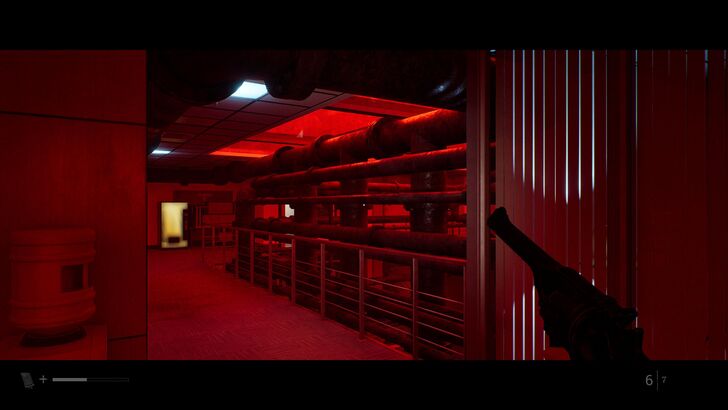
In my First Impressions, I mentioned how unfair it felt that all the weapons seemed to deal roughly the same amount of damage. And while I still stand by that criticism, I'm a little less harsh on it now.
That's because enemies don't simply have one universal damage threshold. Where I hit them actually matters. Headshots, for example, are much more effective, and landing repeated hits to vulnerable areas makes taking down enemies significantly more efficient.
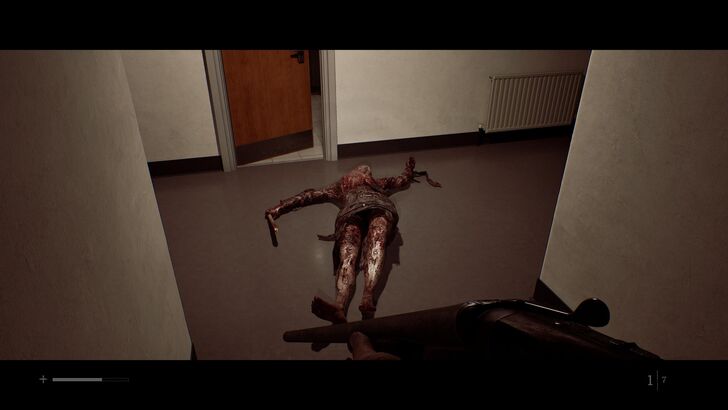
Once I realized that, combat became a little more satisfying because I started thinking about where I was hitting. If I can consistently land a pipe directly on an enemy's head, I'm going to get much more mileage out of that weapon than if I'm just swinging wildly at its body.
Still, I stand by my original criticism that certain weapons should feel like they deal more damage. A firearm, in particular, should feel like a meaningful upgrade when I finally get one. If I'm putting myself in a position to shoot an enemy instead of getting close enough to smack it with a melee weapon, I expect that to come with some kind of advantage. Having the two options remain relatively comparable in damage makes the firearm feel less impactful than it should.
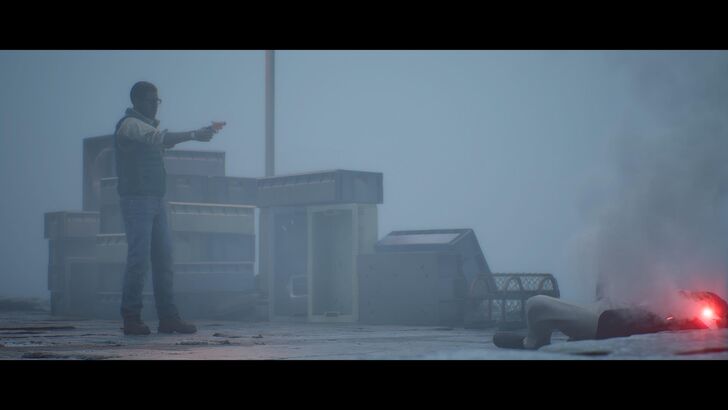
There is, of course, the flare, which can absolutely annihilate enemies when used properly. But that's dependent on actually hitting them with it, and if I'm being honest, I mostly used flares as distractions anyway. Which, conveniently, brings me to what I think is one of the more important parts of Townfall's survival gameplay.
Stealth Turns Every Monster Into a Problem You Have to Think Around
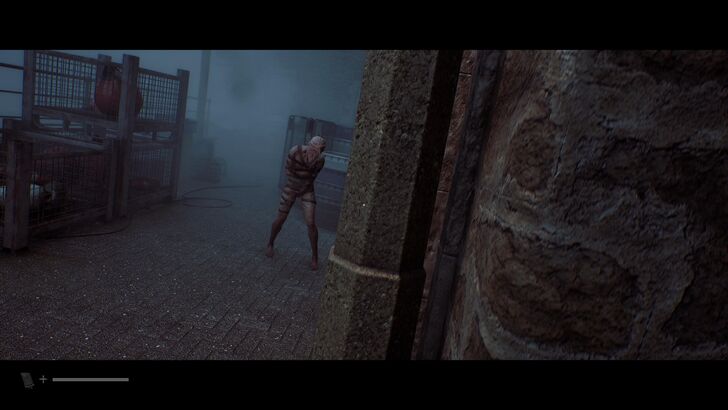
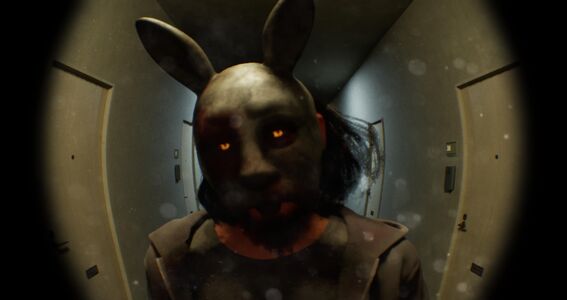
Stealth plays a huge part in Townfall because the monsters aren't simply waiting around to be beaten. They can see you, they can hear you, and they can follow you. That makes avoiding them a legitimate survival strategy rather than something I'm doing because I don't have enough ammunition. If I don't want to waste resources, or I simply don't have enough bullets to deal with everything in my way, I need to actually think about how I'm going to get past them.
One mechanic I really liked that helped with stealth, is the ability to stick close to walls and peek around corners. I know this isn't exactly a revolutionary mechanic for shooters or other first-person games. But for Silent Hill, this is a game changer.
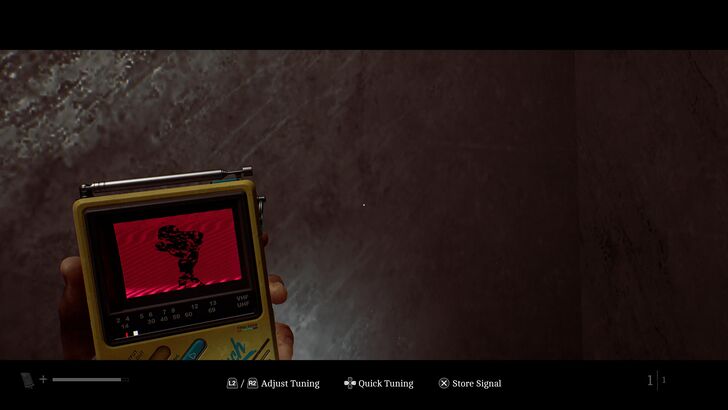
I cannot tell you how much time I spent pressed against walls, slowly peeking around corners just to figure out where a monster was before deciding whether I should move. And because these enemies can actually hear and see me, knowing their position gives me just enough information to plan my next move.
And because monsters can open doors and follow me inside the rooms, I can't even rely on crossing a doorway as an automatic escape. I actually have to survive the encounter. That makes something as simple as peeking around a corner feel incredibly important. And for Silent Hill, I think that's exactly the kind of modernization that works.
Puzzles Actually Make Me Stop and Think
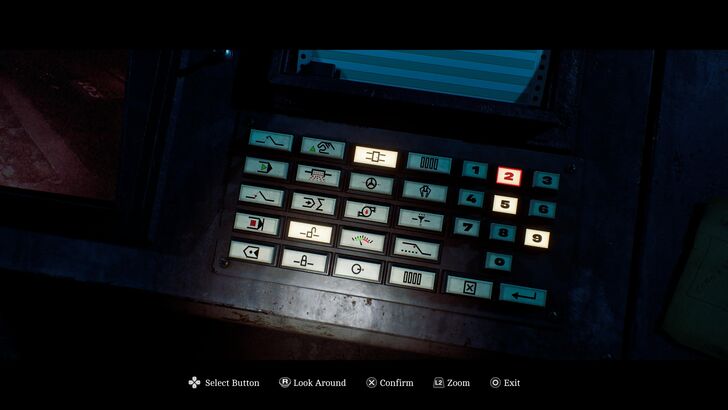
But really, some of the most satisfying moments in Townfall came from the puzzles. These are the parts that actually made me put the controller down for a second and use my brain. If you're doing a hinted playthrough, the clues in documents are highlighted and that make certain puzzles considerably easier to figure out. But even with those hints available, most of the puzzles still require me to actually understand what I'm looking at rather than simply following an obvious set of instructions.
The puzzles in the final chapter especially had me working for it. There were symbols I had to understand and figure out the correct order to press them, and I genuinely had to sit there for a while and piece together what the game was asking me to do.
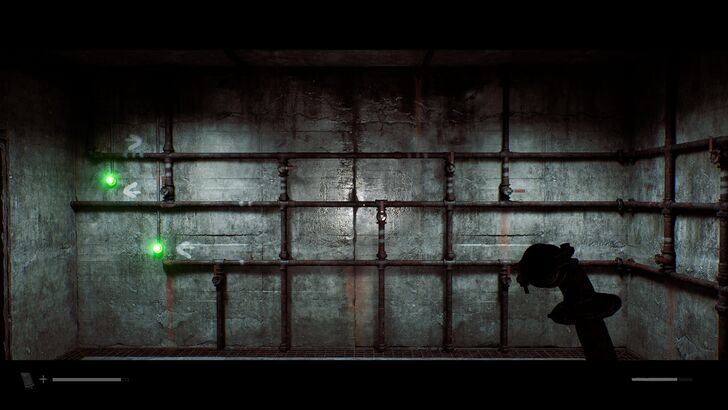
The puzzles gave me something completely different from combat and stealth, because it asked me to stop, observe, interpret, and think. That keeps the gameplay from becoming one long sequence of running away from monsters, and gives me another reason to engage with the strange world Townfall has built.
The CRTV and Pager Give Townfall's Classic Tools a New Purpose
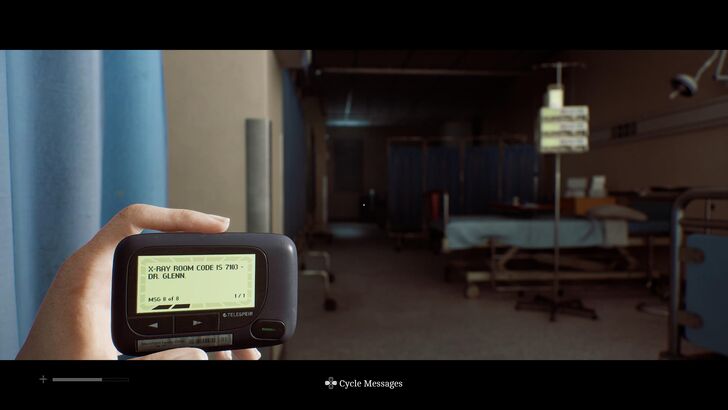
Another thing I think Townfall modernizes from the classic Silent Hill formula is how it handles the series' familiar tools. Simon has the CRTV, while Zoe has her pager. They have completely different uses, but both also double as enemy-tracking tools, which is incredibly useful when you don't have much to fight with.
If I know an enemy is nearby but don't know exactly where it is, having a way to track its position gives me at least some control over the situation. I can figure out where the monster’s general direction is, plan a route around it, and, ideally, avoid it altogether.
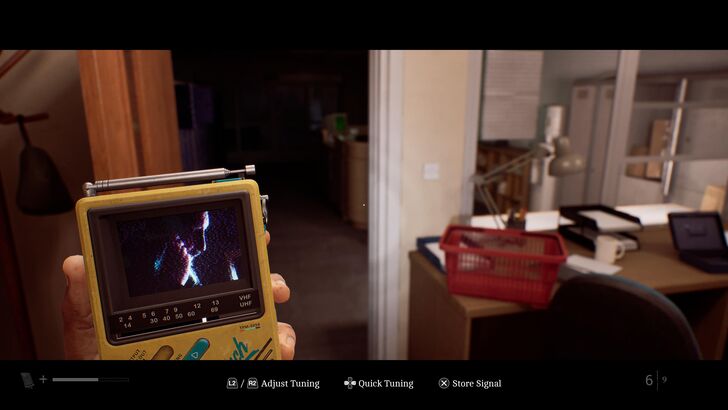
More importantly, I think this is Townfall's way of modernizing one of the most recognizable tools in Silent Hill: the radio. If you're familiar with the mainline games, you already know how important the radio is to Silent Hill. Alongside the flashlight, it's basically one of the series' bread-and-butter tools. The radio's static warns you that a monster is nearby, often giving you an early indication of danger before you can even see what's coming.
Townfall takes that familiar idea and expands it into something much more involved. Instead of simply carrying a radio that crackles when something is nearby, Simon and Zoe have tools that help them understand, locate, and interact with the horrors around them.
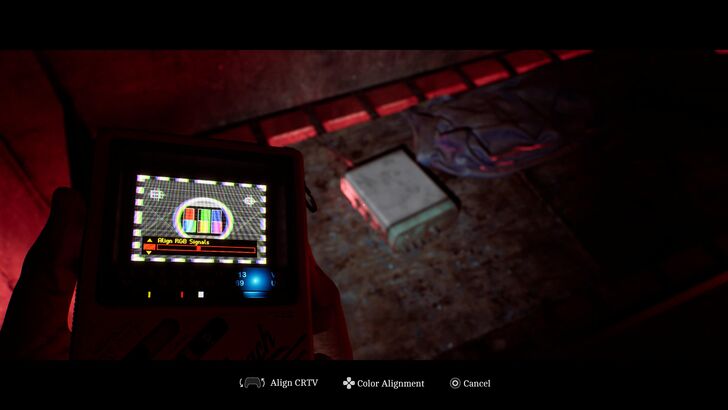
But these tools aren't just glorified enemy detectors. They're also integrated into the puzzles. Zoe's pager, for example, tells her where she needs to go next, while Simon's CRTV shows him snippets of scenes from the past that he needs to piece together by tuning into the correct frequency. There's even a mechanic involving a VHF radio where I have to manually tilt my controller to fine-tune the frequency, which gives the whole process a much more tactile feeling.
| Radio Equivalent | DESCRIPTION |
|---|---|
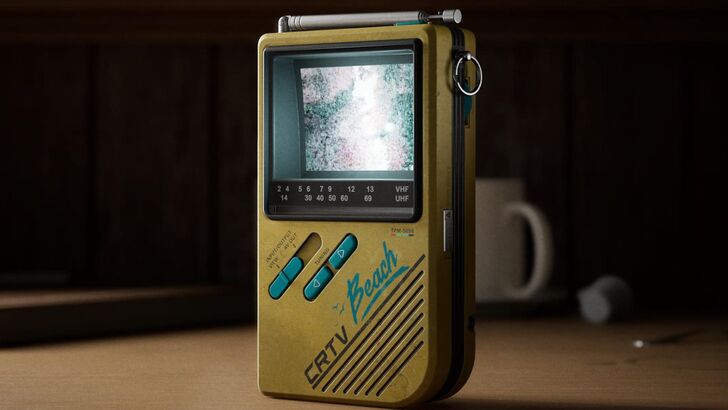 |
Simon’s CRTV lets him tune into frequencies to glimpse the past and communicate with Zoe and the "unknown voice." It also tracks nearby enemies, showing their direction and silhouettes to help players plan their movements. |
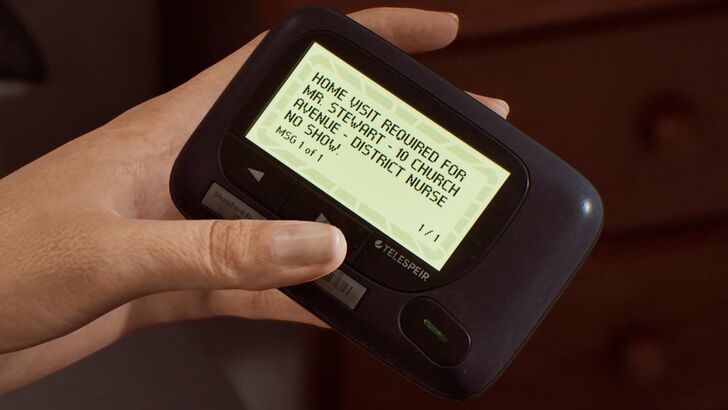 |
Zoe’s pager points her toward her next objective. It also detects nearby enemies, with a black spot appearing around the screen’s edges to indicate their general direction. |
St. Amelia Slowly Transforms Into the Silent Hill I Was Looking For
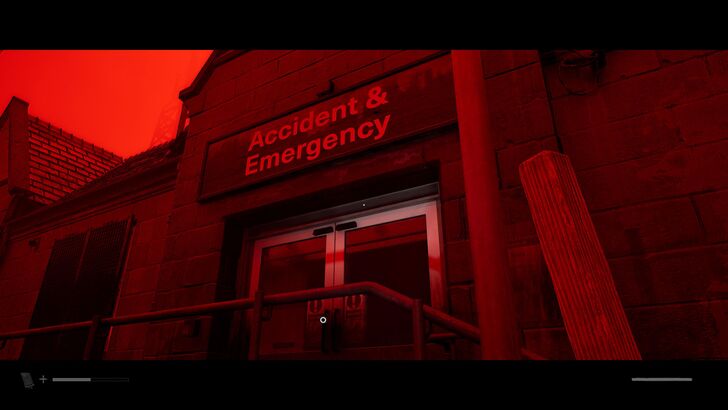
Truth be told, while I'm a horror enthusiast who will just about play anything with some kind of horror in its genre, first-person horror is probably my least favorite. Partly because of my own motion sickness, but mostly because so much modern first-person horror has become slop.
So, if I'm being totally honest, I was a bit apprehensive about Silent Hill: Townfall at first. Not just because I've always associated Silent Hill with a third-person perspective, with most of its mainline games and spin-offs using it, but because there was also something about Townfall's visual presentation that initially made me wonder if it would really feel like Silent Hill.
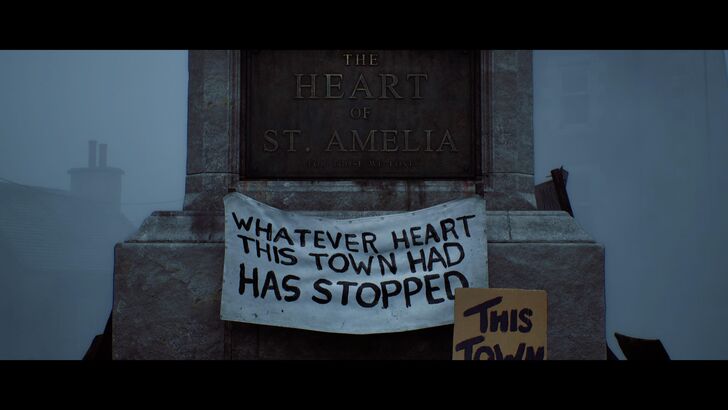
There's a certain overly polished, almost too-clean technical look to some of the game's environments that I don't particularly associate with the series. Some areas can look a little too pristine and digitally rendered for a game that's supposed to make me feel like I'm walking through a place that's falling apart. It isn't necessarily ugly, but there were moments where I could see the game itself a little too clearly instead of getting completely lost in the world.
And then there's the lighting. Some of the later sequences get way too dark, to the point where I genuinely couldn't see what was directly in front of me even with the flashlight on. There wasn't even a brightness setting I could turn up to compensate for it. I understand wanting darkness to contribute to the immersion (this is a horror game, after all) but there's a point where "I can't see anything" stops being scary and just becomes ridiculous.
I don't need Townfall to hold my hand with perfect visibility, but I do need to actually see what I'm looking at. There's a difference between making me afraid of what's hiding in the darkness and making the darkness itself so overpowering that I can't properly navigate the environment.
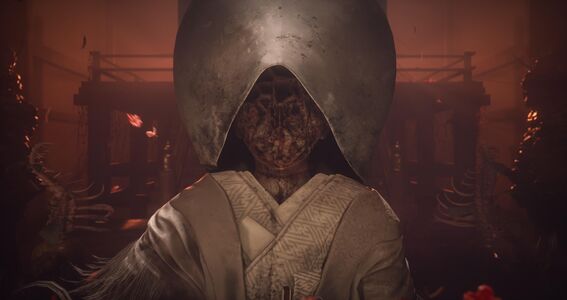
Thankfully, where Townfall really wins me back is in the visual identity of St. Amelia itself. The quaint island town gradually turns into something much darker as the environment becomes infested with… the other side.
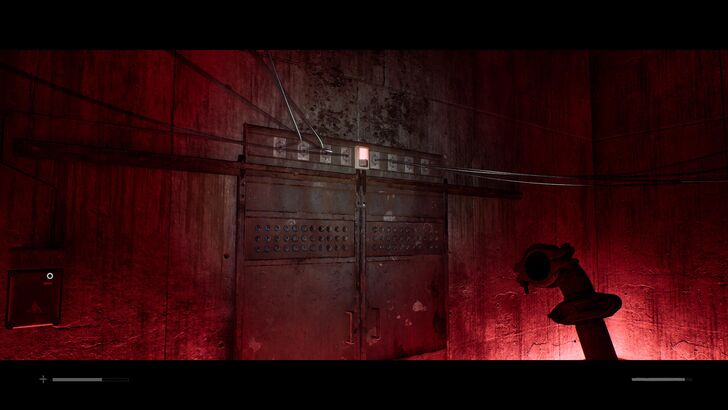
Prominent locations like the hospital begin to change. It's not quite as dramatic as, say, the scene in Silent Hill 3 where Heather becomes trapped in the bathroom and the horrifying version in the mirror begins bleeding into reality, but Townfall takes a chapter by chapter approach to the same idea.
That gradual change makes me feel like I'm watching St. Amelia itself unravel alongside the mystery. The longer I spend in the town and the more I understand about what's happening, the more its environments begin to reflect everything I've been learning.
Townfall's Music Sounds Like Silent Hill Without Trying to Be Yamaoka
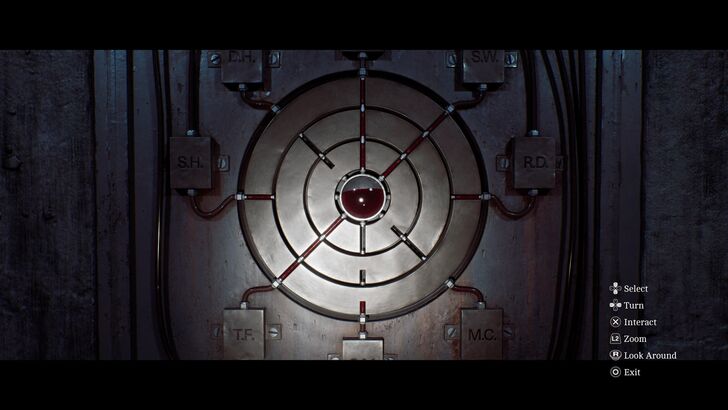
And while the visuals left me with much to be desired, the audio didn’t. While Silent Hill: Townfall isn't led by Akira Yamaoka, the game's music, scored by Anthony Bruns, better known as Pilotpriest, still feels very much like Silent Hill. It's haunting, melancholic, and carries that particular sense of unease that makes even moments where nothing is happening feel like something is about to.
Part of what makes Silent Hill work so well is how heavily the series relies on its music and sound to establish its atmosphere. And there's something particularly effective about hearing music that feels fresh to Townfall while still immediately triggering that familiar feeling of dread.
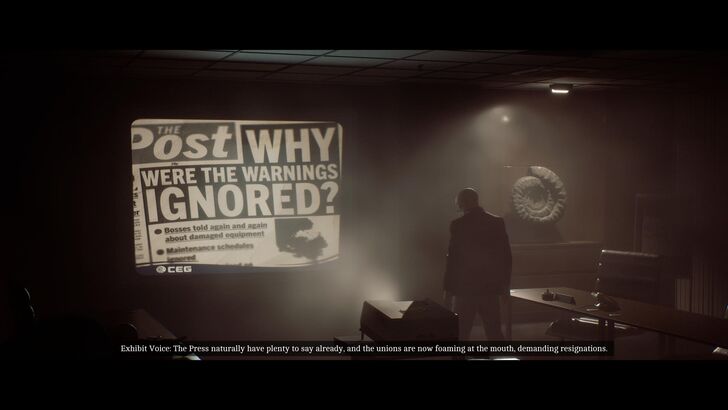
Even the SFX and HUD carry a lot of the DNA of the classic Silent Hill games. I literally moved through the menu for the first time and immediately went, "Hey! This sounds like Silent Hill 3!"
The audio establishes the game's identity before the setting fully does. Even when I'm walking through an unfamiliar space that doesn't immediately scream Silent Hill, the music, sound effects, and interface are quietly telling me that I am still very much in one. That familiarity makes the eventual transformation of St. Amelia hit even harder, because by the time the environment finally starts looking the part, the game has already made me feel like I'm home.
Is Silent Hill: Townfall Worth It?
Worth Getting Lost in the Fog
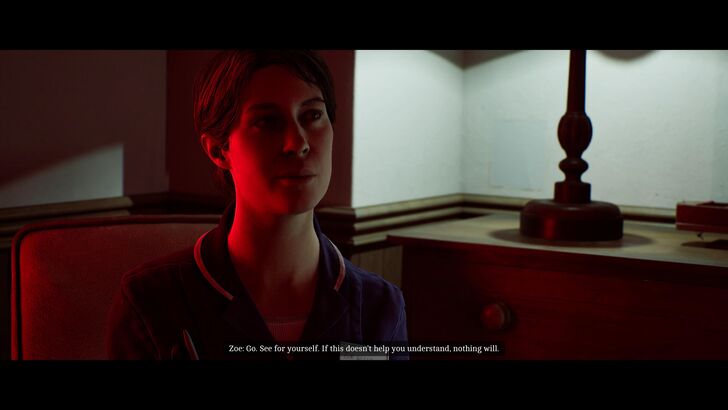
Townfall is a worthy addition to the Silent Hill franchise. It takes the series in a first-person direction without losing the things that make Silent Hill feel like Silent Hill. The story will keep you questioning what you’re experiencing, the environments will gradually deteriorate around you, the combat will keep you vulnerable, and even its music, sound effects, and mechanics carry that unmistakable DNA of the franchise.
It's not perfect. Some of the visual presentation can be frustrating, the combat has its share of questionable decisions, and Zoe's storyline left me wanting more from a character who had so much potential. But those issues never managed to overshadow what Townfall gets right.
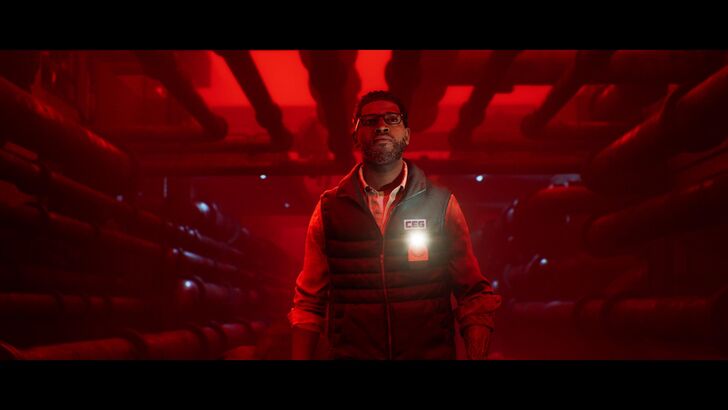
Townfall doesn't need to recreate the classic Silent Hill formula exactly as it was. It takes that formula, puts it into first person, introduces its own mechanics, and builds its own explanation for the nightmare surrounding St. Amelia. Yet underneath all of those changes is the same thing that has always made Silent Hill special. The feeling that something is deeply wrong, and that moving forward might be the worst decision you could make.
For $49.99, with six chapters and five endings, there's plenty here to sink into, and plenty of reasons to return once you've seen where your choices take you. Whether you're a longtime Silent Hill fan or someone looking for a horror game that actually makes you hesitate before opening the next door, Townfall has enough of that classic psychological dread to make the trip to St. Amelia worthwhile.
Silent Hill: Townfall FAQ
Do I Need to Play Previous Silent Hill Games Before Playing Townfall?
No. Silent Hill: Townfall is a standalone story, so you don't need to play any previous Silent Hill games to understand or enjoy it. That said, longtime fans will likely recognize plenty of callbacks to the series' established themes, mechanics, and horror imagery.
What Silent Hill Games Have a Similar Vibe to Townfall?
If you're looking for the same themes of guilt and psychological torment, Silent Hill 2 is the closest match. For a similar mystery surrounding a town affected by a catastrophic event, Silent Hill, Silent Hill: Origins, and Silent Hill 3 are worth checking out. And if what you're after is that feeling of intense vulnerability, Silent Hill: Shattered Memories is a particularly good fit.
Game8 Reviews