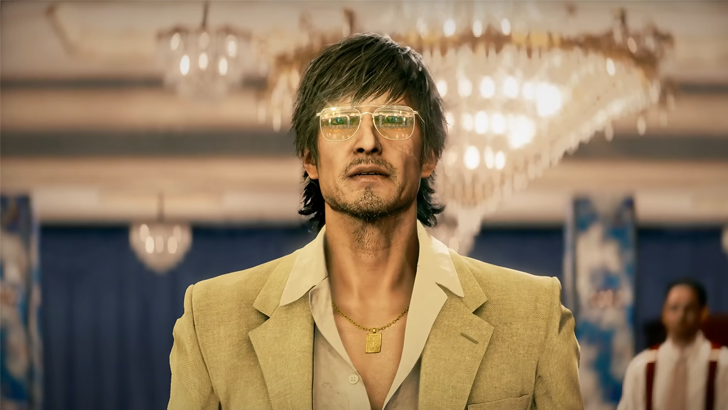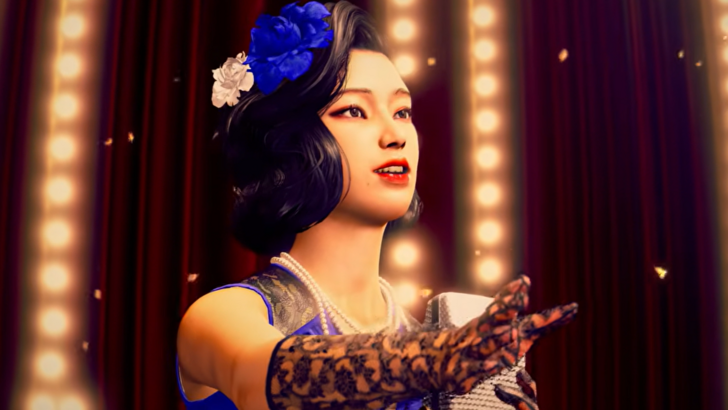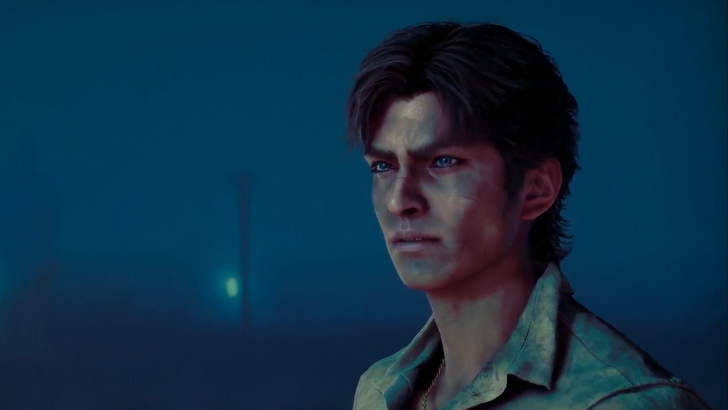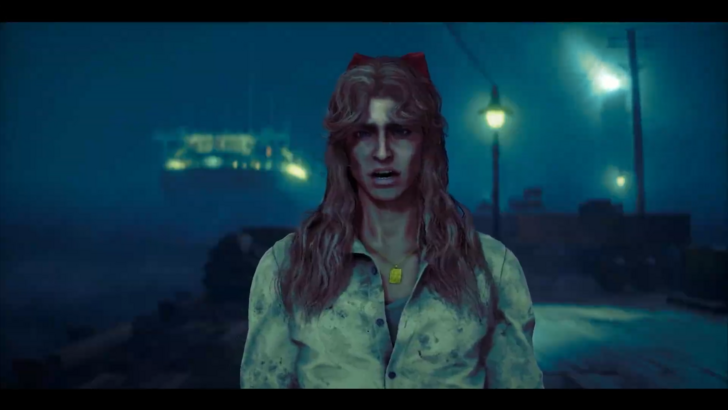



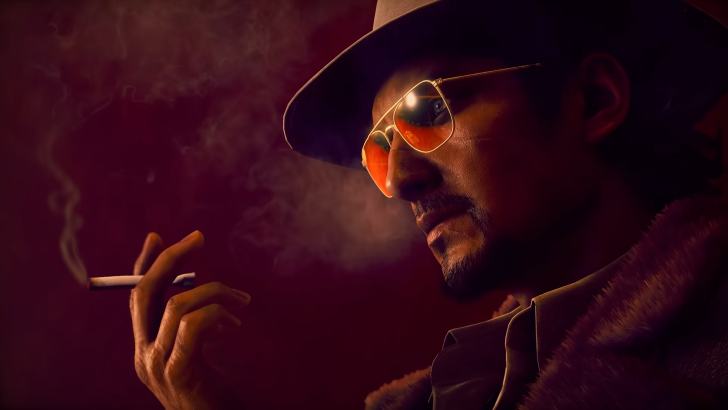
Stranger Than Heaven's unusual combat controls aren't just a gimmick. RGG Studio says the system was designed by questioning long-standing action game conventions and making each input feel more physical.
Stranger Than Heaven Was Designed to Break Away From Action Game Conventions
RGG Studio Wanted to Rethink How Action Games Are Controlled
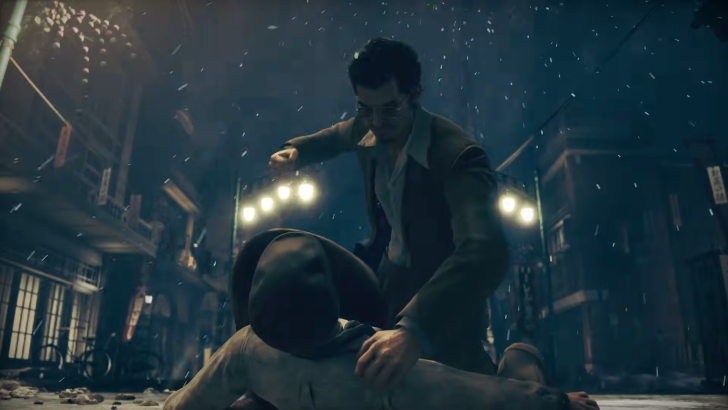
While Stranger Than Heaven shares connections with the Like a Dragon universe, RGG Studio is taking a different approach to how its new action-adventure game plays. One of the biggest examples is its left-and-right body-split control system, which lets players control Daito's two sides independently.
In a recent interview with Automaton, RGG Studio Director and Executive Producer Masayoshi Yokoyama explained that the team deliberately questioned conventions that players have become accustomed to in action games.
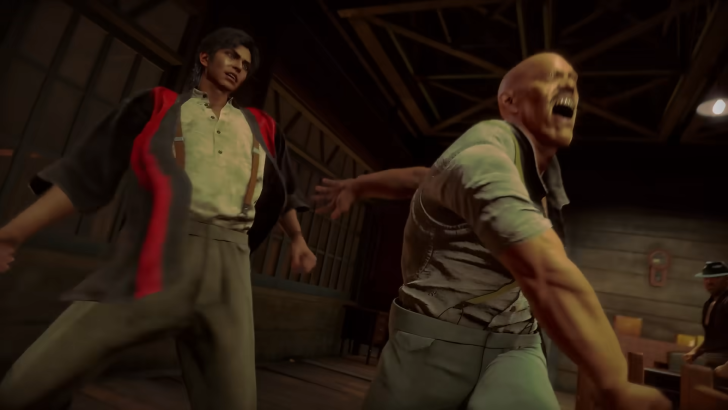
That philosophy is particularly noticeable in combat, where the familiar system of assigning attacks to buttons has been replaced with controls based on Daito's physical movements.
Stranger Than Heaven Replaces Traditional Action Controls With Left-and-Right Inputs
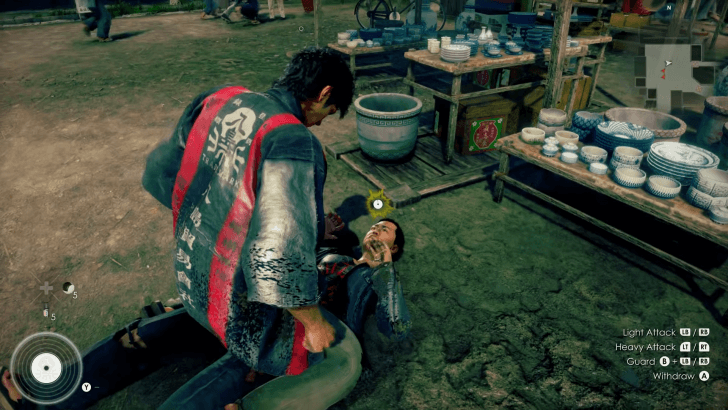
In previous Like a Dragon action games, attacks are generally mapped to specific buttons, such as Square for light attacks and Triangle for heavy attacks. Stranger Than Heaven instead maps the controller's left and right inputs to the corresponding sides of Daito's body.
This means players can attack with a weapon in Daito's right hand or punch with his left hand depending on the inputs they use. The same principle extends to defense, allowing players to guard with both hands or combine inputs for a one-handed guard and timed parry.
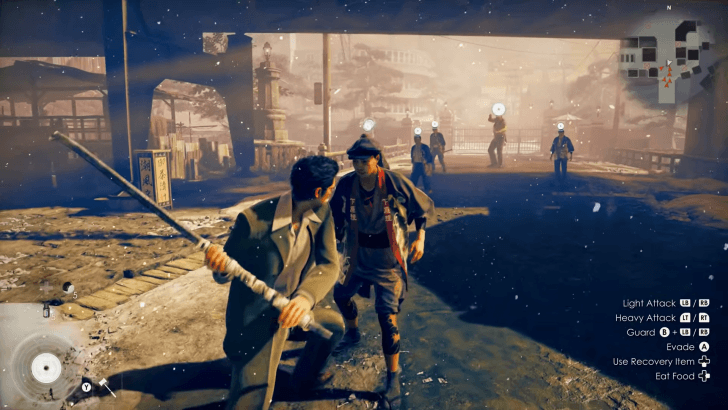
Yokoyama explained that the team wanted to move away from simply pressing a button and having an assigned animation play. Instead, pulling a trigger pulls Daito's arm back, while releasing it makes him throw the attack.
As Yokoyama put it, the developers wanted to capture an "analog sensation" rather than the more conventional, immediate response of a button triggering an animation.
RGG Studio Says the Controls Could Be More Intuitive for Beginners
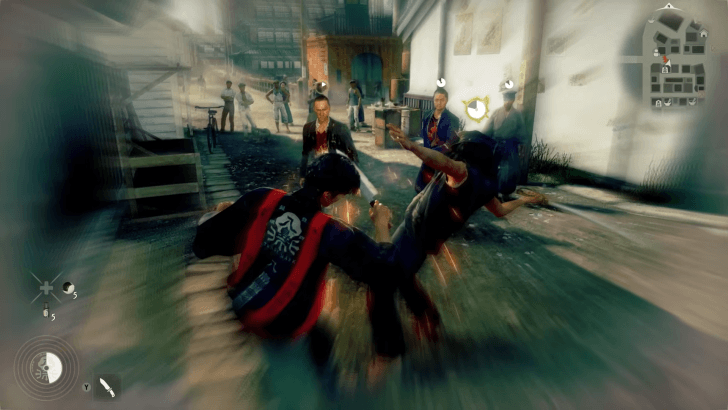
Although the system may initially seem more complicated than traditional action controls, RGG Studio believes it could actually be easier for players who aren't familiar with gaming conventions.
Yokoyama pointed out that experienced players already understand that certain buttons correspond to actions such as punching and kicking because they've learned those conventions over time. A new player, however, has no inherent reason to associate one particular button with a punch.
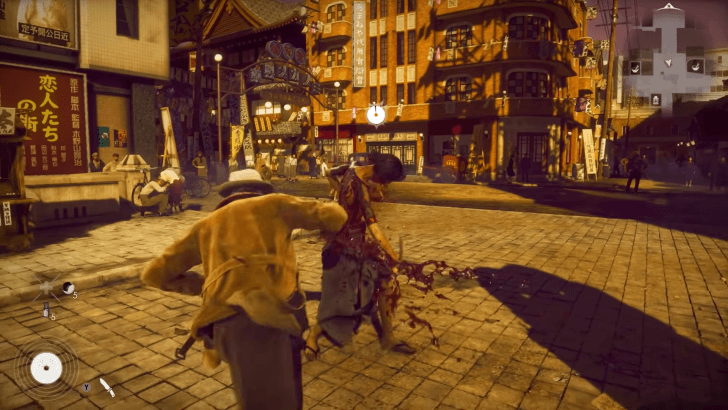
Stranger Than Heaven's system instead gives those inputs a more direct relationship with Daito's body. The right side controls his right side, while the left controls his left, allowing players to approach the controls through a physical distinction rather than memorized button assignments.
Yokoyama described this as part of the team's effort to "strip those assumptions away and rethink them," arguing that the conventional relationship between buttons and actions only feels natural because players have become accustomed to it.
The Combat Is Meant to Feel More Physical
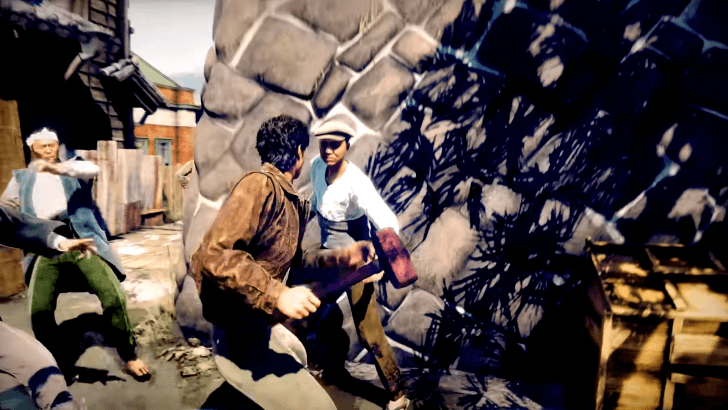
The control changes also affect how combat feels moment to moment. Rather than having an attack immediately play when a button is pressed, Stranger Than Heaven gives movements a sense of buildup, with Daito physically winding up before striking.
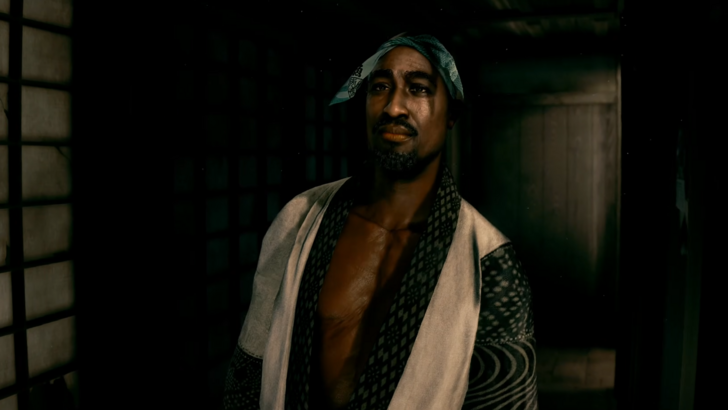
Yokoyama said the system was created around Daito's character and the kind of life he leads. Unlike the superhuman presentation used for characters such as Kiryu, Daito is portrayed as someone who has to survive by scraping by, which led the team to pursue a rougher and more grounded combat style.
"The combat system we’re using this time is what allows players to empathize most with Daito," Yokoyama explained. That approach also means ordinary street fights are presented with less of the flashy spectacle associated with previous RGG Studio action games. The emphasis is instead placed on the physicality of the fight, with Daito's movements and attacks carrying more weight.
The Same Philosophy Extends Beyond Combat
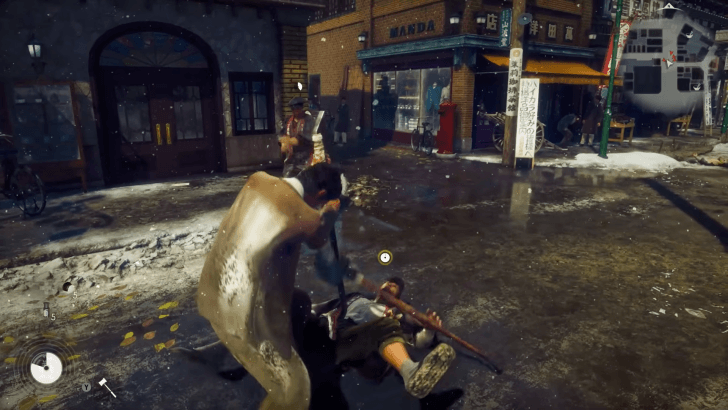
RGG Studio's attempt to rethink established conventions isn't limited to fighting. The team has also changed how players interact with parts of the world, including shopping.
Previous RGG Studio games often used list-based menus for stores, while Stranger Than Heaven lets players directly select products displayed outside shops. The change follows the same goal of making interactions feel more connected to the world rather than functioning purely as menus.
The developers also applied this approach to the game's five historical eras. Art Director Taishi Kanaya explained that each period was given its own visual identity so players can immediately recognize when they have entered a different era or city.
This helps explain why RGG Studio considers Stranger Than Heaven a completely new title rather than another Like a Dragon entry. Although the game shares elements of the same fictional world, its combat, progression, activities, and overall approach were built around a different design philosophy.
RGG Studio Wants Players to Experience Daito's Life for Themselves
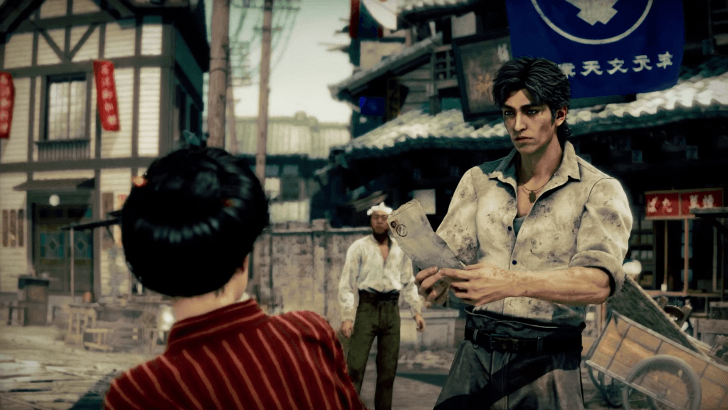
The studio's broader goal is to make the systems feel like part of Daito's story rather than simply mechanics surrounding it. Yokoyama explained that RGG Studio chooses its systems based on what best allows players to engage with each protagonist's story.
For Kiryu, that meant flashy action that reflected his superhuman strength. For Ichiban, it meant an RPG party system that reflected his reliance on his companions. For Daito, the developers chose a combat system and progression mechanics intended to reflect his struggle to survive.
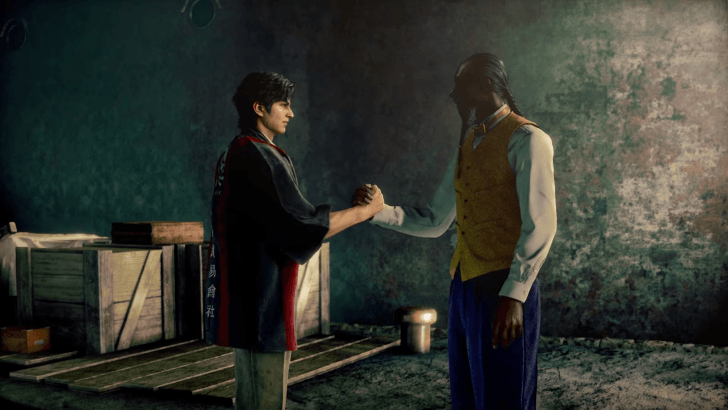
That philosophy is also why RGG Studio has emphasized that Stranger Than Heaven should not be treated as a Like a Dragon entry. Yokoyama said the game has no cabaret club or karaoke, uses different controls and progression systems, and was deliberately developed as a new title despite sharing parts of the same fictional world.
Ultimately, the studio wants players to experience Daito's life directly rather than simply watch his story unfold. As Yokoyama explained, the team has been particularly conscious of making players feel, "I really want to take control of things," and experience Daito's life for themselves.
Stranger Than Heaven is scheduled to release on January 15, 2027, for PS5, Xbox Series X|S, Xbox on PC, Xbox Cloud Gaming, and PC via Steam, with a day-one launch on Xbox Game Pass.
Sources:
Stranger Than Heaven Official Website - SEGA
STRANGER THAN HEAVEN Launches January 15, 2027! - SEGA