



| Clive Barker's Hellraiser: Revival | |||
|---|---|---|---|
| Release Date | Review | ||
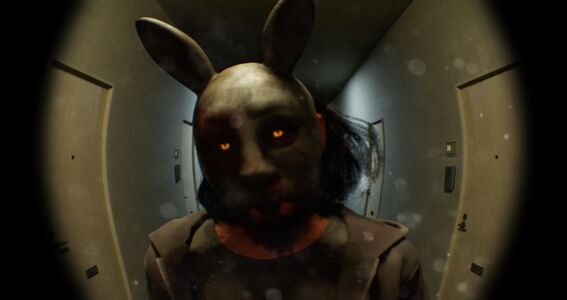
Clive Barker's Hellraiser: Revival is a survival horror game where Aidan must brave the Cenobites' nightmarish realm and harness their powers to save his girlfriend. Read on to learn everything we know, our first impressions, and more.
| Digital Storefronts | |||||
|---|---|---|---|---|---|
 Steam |
 PS |
 Xbox |
|||
| $39.99 Standard Edition |
|||||
| Steam |
PS |
Xbox |
|||
| $49.99 Deluxe Edition |
|||||
Clive Barker's Hellraiser: Revival Review: Pleasurable Survival Horror With A Few Painful Flaws
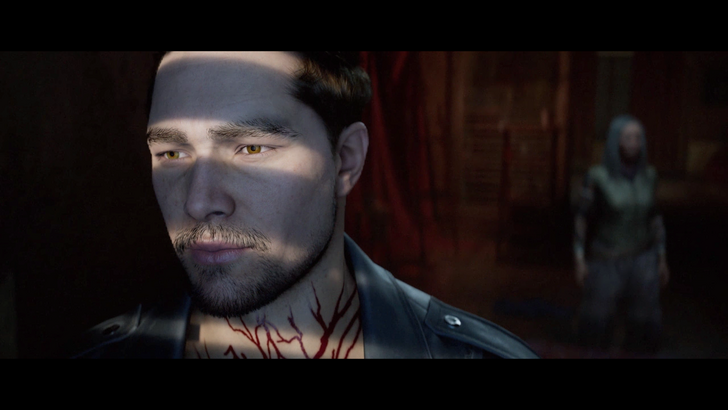
Desire is a powerful motivator and in itself isn't wrong. It's when obsession takes over that the line between wanting something and being consumed by it starts to blur. Clive Barker's The Hellbound Heart explores this through characters whose desires push them beyond their own boundaries, until the pursuit of what they want becomes an obsession that can no longer be easily separated from who they are. This is where the Cenobites come in. They're not simply monsters that inflict pleasure and pain, but physical manifestations of human desires taken to extremes, embodying the disturbing possibilities of a search for sensation without limits.
True to the franchise's roots, Hellraiser: Revival embraces graphic body horror, grotesque imagery, and the visceral brutality you'd expect from a world with Cenobites. What makes it compelling is how it brings those ideas into both its story and gameplay, exploring just how far desire can push someone while putting players through a survival horror experience that can be as punishing as it is engaging. The story largely understands how to push those boundaries, but the gameplay sometimes takes things a little too far, turning its tension into frustration.
Hellraiser Gives the Orpheus and Eurydice Myth a Twisted Turn
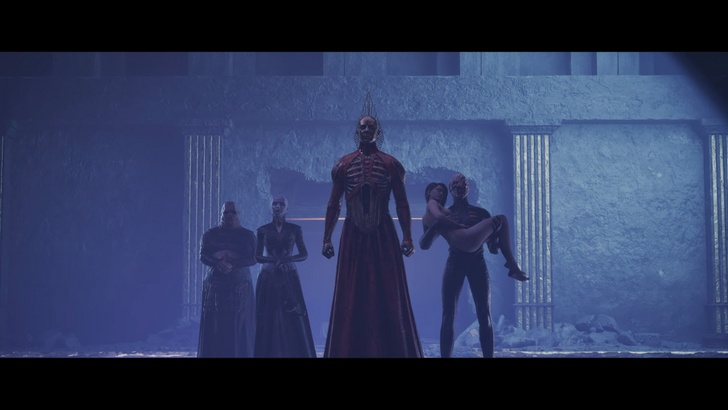
At first glance, Clive Barker's Hellraiser: Revival seems to have a pretty straightforward premise: your girlfriend gets dragged into hell, so you go after her. What could possibly go wrong? Well, when the world you're entering is ruled by the Cenobites, the answer is just about everything.
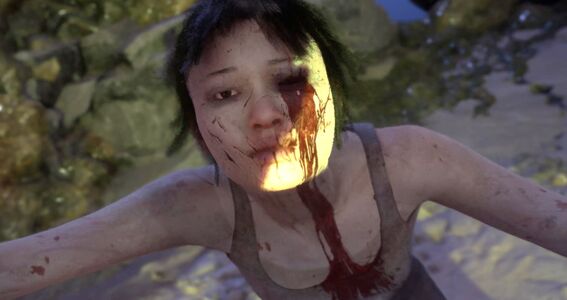
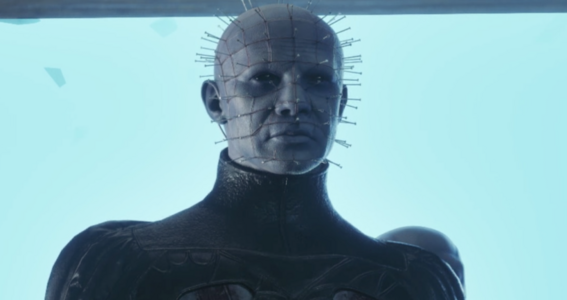
After the Genesis Configuration opens a portal to the Labyrinth and Pinhead mutilates Sunny, Aidan finds himself caught between the Scarlet Church—a cult devoted to the Cenobites—and the very beings he needs to confront to get her back. Through his telepathic connection with Sunny, he learns that resurrecting her requires hearts from other humans marked by the Cenobites. His mission becomes a hunt, forcing him to kill and take from others in pursuit of bringing back the person he refuses to lose.
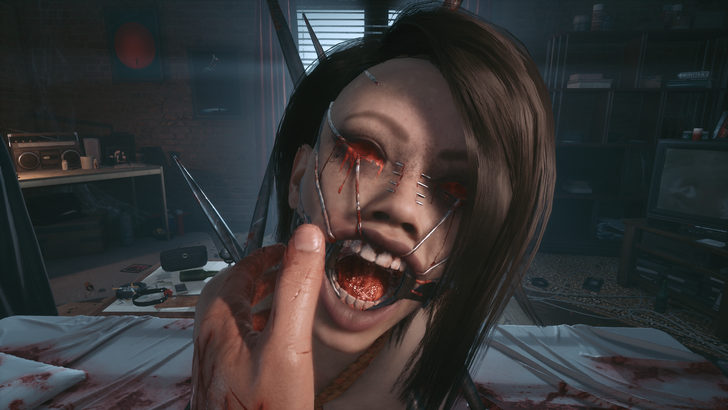
While Aidan's journey is an obvious Faustian bargain, it also brings into mind the Greek myth of Orpheus and Eurydice. After losing his wife, Orpheus ventures into the underworld to bring her back, risking everything for the chance to be reunited with the person he loves. Aidan follows a similar path, descending into a nightmare and committing increasingly disturbing acts to resurrect Sunny. Both stories begin with the desperate hope of undoing a loss, but Hellraiser: Revival puts its own twisted spin on the familiar tale.
Ultimately, though, it's difficult to call what drives Aidan love or devotion when the game reveals how deeply obsession has shaped his life. Through sequences that force players to make Aidan take pills and inject heroin, Revival establishes that his fixation on Sunny isn't his first experience with compulsive behavior. He's already struggled with addiction, and now that same all-consuming need has found a new object: Sunny.

The substance has changed, but the pattern remains. Aidan becomes so fixated on getting what he wants that the consequences of pursuing it begin to take a back seat. This makes his journey considerably less romantic than the Orpheus parallel might initially suggest. We're not simply watching a man risk everything for the person he loves; we're watching someone transfer his obsession onto another person and convince himself that getting her back will make everything right.
Sunny, however, has an obsession of her own: ascension. Unlike Eurydice, who is largely defined by Orpheus's attempt to retrieve her, Sunny has ambitions that exist beyond Aidan's desire to save her. This shifts the emotional weight of the rescue. We understand why Aidan refuses to give up, but as we learn more about both characters, it's harder to take his goal at face value. His determination might look like devotion from his perspective, yet the story gives us reason to question whether he's trying to save Sunny for her sake or because he can't bear to lose what he wants.
The Greek myth teaches us that doubt will be our undoing, Hellraiser: Revival argues that obsession is far more dangerous.
Hellraiser: Revival Expands the Franchise's Twisted Mythology
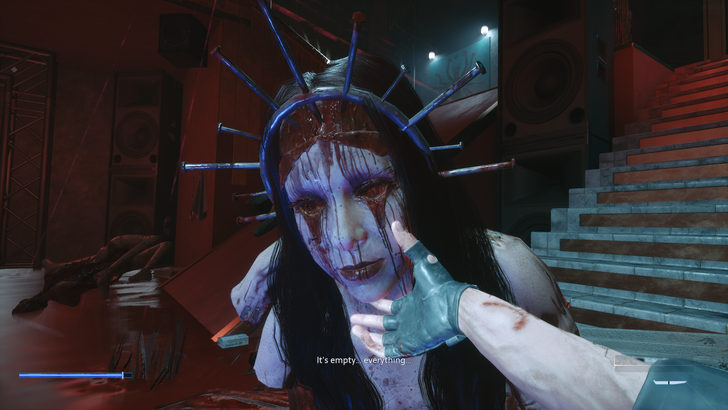
The story's world-building also gives Hellraiser: Revival more to chew on than a simple journey through a nightmare. The Scarlet Church isn't just a convenient collection of cultists for Aidan to fight. As we learn more about the people he hunts, we discover that some of them were pursuing the same kind of ascension that Sunny desires.
Their stories give us a closer look at what happens when the Cenobites' promises become the center of someone's life, and how easily the hope of transcending humanity can turn into something horrifying. Charlotte is a particularly memorable example, having been among the first to attempt ascension. Through characters like her, the game makes Sunny's goals feel like part of a larger pattern rather than an isolated development in Aidan's personal tragedy.
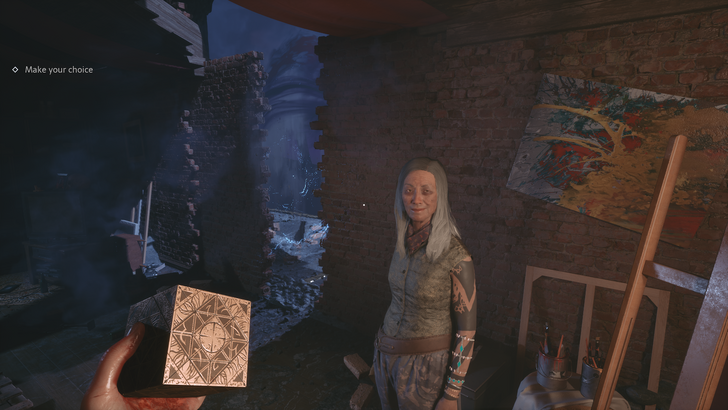
Zora adds another interesting wrinkle to the franchise's mythology. Her eventual reveal as a half-Cenobite raises questions about the relationship between humans and these otherworldly beings. It's a significant addition to the lore because it broadens what we understand about the Cenobites and their place in the world. Rather than treating them as an entirely separate existence beyond humanity, the game suggests that the cenobites are still human afterall, and even though they’re now considered demons, we still share similarities with them.
Then there's the ending, which delivers one of the game's biggest revelations about the wider Hellraiser universe. I initially found the direction a little abrupt, but looking back, there are clues scattered throughout the story that make the conclusion more satisfying in retrospect. Marlowe's ambition to become a god, for instance, initially seems like another expression of the Scarlet Church's fanaticism. By the time the credits roll, though, those earlier details feel more like foreshadowing to what the Cenobites have been planning all along.
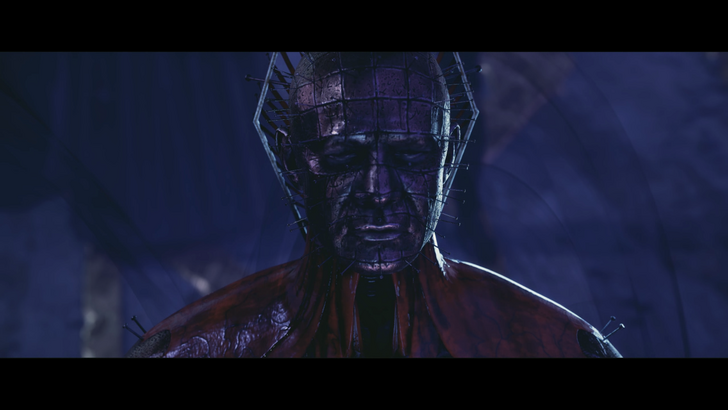
I appreciate that the game doesn't spell everything out from the beginning. Players who pay attention to dialogue and documents scattered around have more to reconsider when the larger picture finally comes together. That said, it does feel like Aidan's journey was just an unfortunate coincidence in a much larger scheme, rather than something that meaningfully connects him to the events unfolding around him.
For all his struggles and the increasingly terrible things he does to achieve his goal, his role in the overarching narrative ultimately feels more like a means to an end than a driving force in the events themselves. This does fit the story's themes of obsession and manipulation, but it also makes me wish Aidan had a little more agency in how his journey intersects with the franchise's larger mythology.
Survival Horror Makes Every Bullet Count, Sometimes a Little Too Much
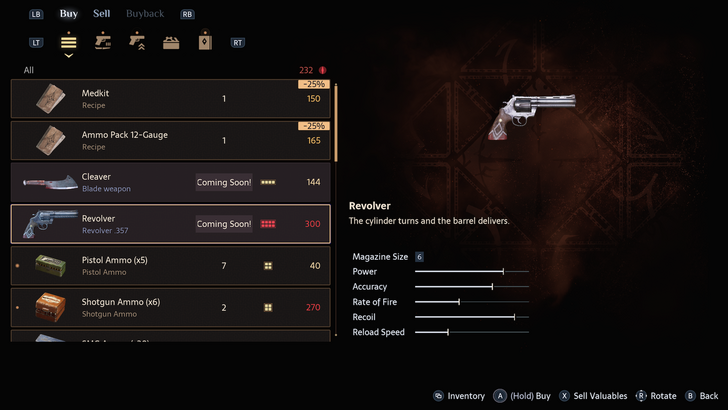
Hellraiser: Revival doesn't exactly make it easy to stay alive. The game is split into sections where Aidan hunts down specific people for their hearts, with opportunities to visit the merchant with refilled stocks in each section. And like any survival horror worth its salt, everything costs a little too much, ammunition is never quite enough, and you'll constantly have to decide what you're willing to go without. Stocking up on supplies and upgrading your weapons sounds simple enough, until you realize that buying one thing means you might not be able to afford another.
There's a satisfying tension to this. You can't just stroll into every encounter spraying bullets and expect to walk out unscathed. You have to think about what you're carrying, what you can craft, and whether that next SMG upgrade is worth the money you're spending. The game makes survival feel like something you have to work for, rather than something you can brute-force your way through.
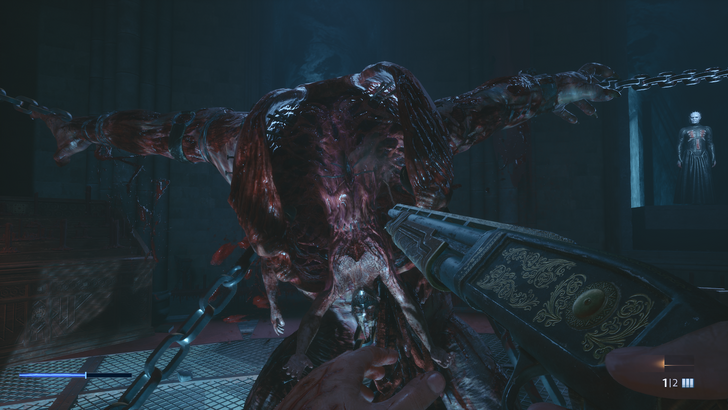
The problem is that Hellraiser: Revival can push this a little too far. When resources are already scarce and the merchant's prices make restocking a pain, a particularly nasty encounter can leave you struggling to recover long after it's over. And with more enemies piling on later in the game, that shortage can snowball. For better or worse, I felt a heightened sense of survival, trying to scrape together enough ammunition to deal with whatever the game throws at me next.
Still, survival horror is supposed to make you sweat, it shouldn't make you feel like you've already lost before an encounter even begins. There's a fine line between making every bullet count and making players dread having to use one at all, and Hellraiser: Revival doesn't always know when to stop.
Combat Hits Hard, but It Doesn't Always Hit Where You Aim
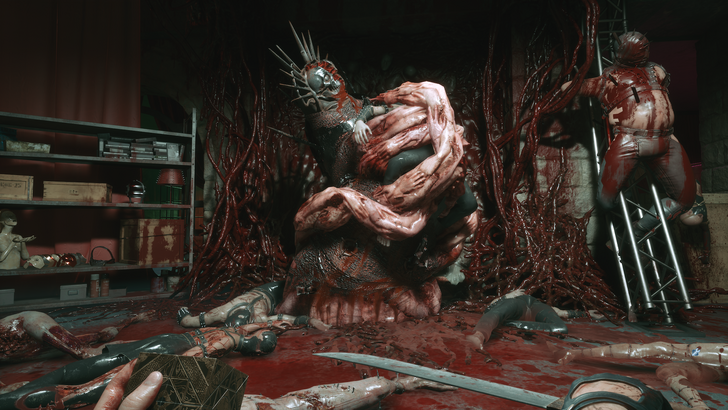
There's a certain weight to Hellraiser: Revival's combat that I like. Swinging a weapon feels appropriately brutal, and firearms give you some breathing room when getting up close and personal is a terrible idea. But that weight starts to work against the game when melee hit detection feels so inconsistent. You can line up an attack and still wonder whether you actually hit anything, which is especially frustrating when every missed swing could cost you your melee weapon or force you to spend precious ammunition.
This gets particularly annoying when fighting monsters that require you to target specific body parts. One enemy, for instance, needs to have its arms removed. That's a neat way to make you think about where you're aiming instead of mindlessly unloading your weapon, especially when ammunition is limited. But that only works when the game reliably registers your attacks. When it doesn't, an encounter that's supposed to reward precision becomes an exercise in trying to figure out why your hits aren't connecting.
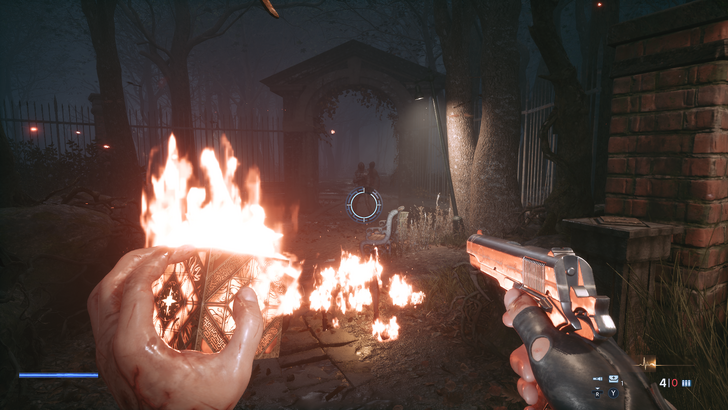
Things get messier as the game goes on, too. Later encounters are more likely to leave you surrounded, with enemies flanking you and making it difficult to escape before they get another hit in. It's the sort of pressure you'd expect from survival horror, but it can get exhausting when you're already burning through your supplies just trying to get out alive. By the time I reached some of the boss fights, I was already running low on practically everything. Instead of going into a major fight feeling challenged and ready, I was worrying about whether I'd have enough resources left to even start the fight.
And then there's the dodge. For some reason, Aidan can only dodge sideways or backward, with no way to dodge forward. That might sound like a small complaint, but dodging toward where you’re looking to slip past an attack is practically second nature in action games. Here, that option simply isn't there, making it harder to react instinctively when you're cornered. I ended up barely using the dodge at all, which isn't great for a combat mechanic that's supposed to help you survive.
None of these issues completely ruins the combat on its own, but they pile up. Limited resources are one thing; enemies that are hard to hit, encounters that leave you surrounded, and a dodge that doesn't work the way you'd expect are another.
The Bugs Are More Punishing Than the Game Itself
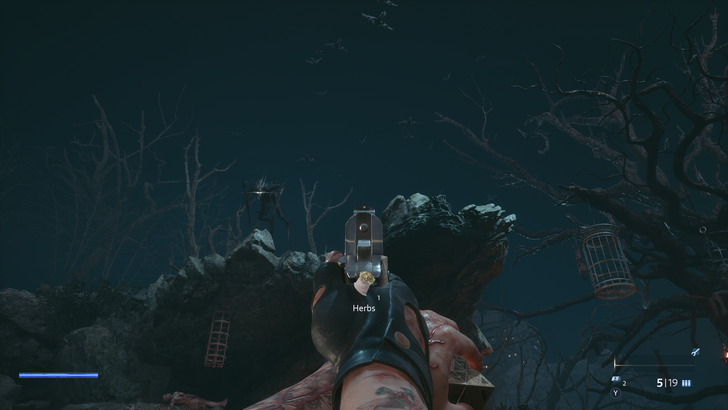
I could forgive a lot of Revival's rough edges if they were just part of the challenge. What I can't forgive is having to restart my save file multiple times because the game bugs out and wipes away hours of progress.
Charlotte as a boss fight is one particularly frustrating example. During a later part of the battle, she can get stuck on a ledge above Aidan. Once that happens, the fight can't progress, leaving you with no real solution other than restarting. Imagine making it through a lengthy encounter, managing your health and ammunition, and getting close to the finish, only for the boss to decide she's done participating. All that effort, gone.
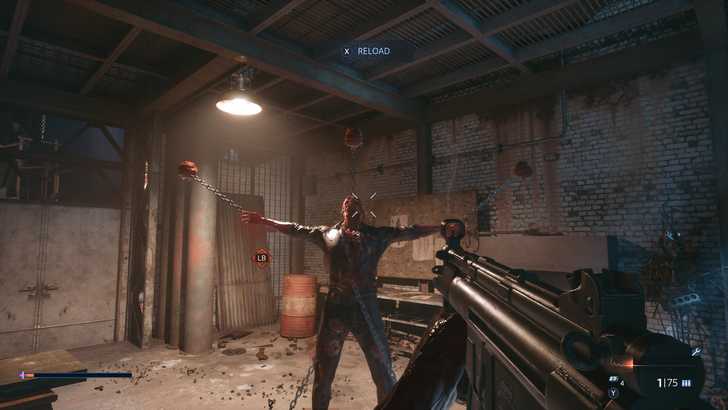
This isn't a minor inconvenience when the game already demands so much from you. Having to repeat sections means fighting the same enemies again, spending the same resources again, and potentially having to deal with the same frustrating encounters that wore you down the first time. Even when you know what you're doing, you can't always recover what you lost. Which in my case, was patience.
Revival wants survival to be painful, and in plenty of moments, it succeeds. But having to redo sections because of the game’s own technical problems, isn’t something I want to pay. When a bug can erase hours of progress, no amount of atmosphere or brutal combat can make that feel fair.
Stealth Gives You a Much-Needed Break From the Brutality
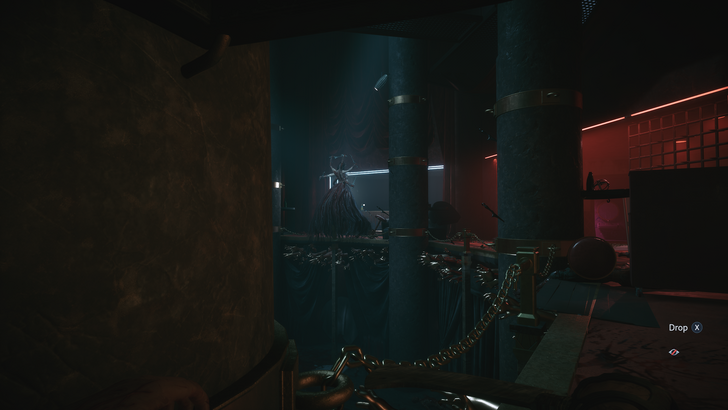
It's not all brutal combat, though. Hellraiser: Revival also lets you take a stealthier approach, with silent takedowns that make managing your resources a little more bearable. It's one of the few ways to make sure you aren't spending bullets on every single thing that moves.
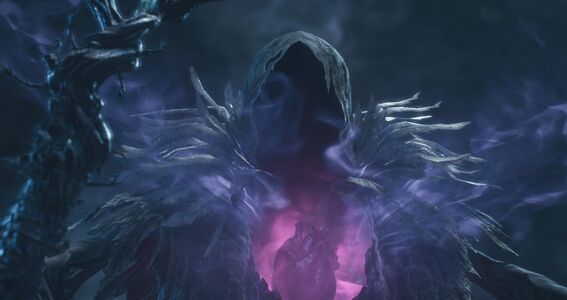
But stealth isn't just a way to avoid spending bullets on every enemy you encounter. Some sections demand absolute silence, giving you a much-needed break from combat and forcing you to focus on survival in a different way. One such sequence takes place in the Labyrinth, where you have to move from pillar to pillar to avoid the gaze of the Leviathan. Get spotted, and you're dead. These moments shift the tension away from fighting your way through a threat and toward carefully navigating around one, adding some welcome variety to the experience.
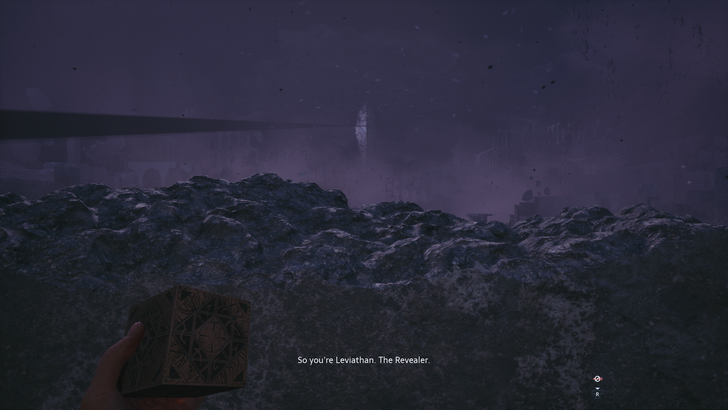
Unfortunately, when used against enemies, the audio cues don't always make that process as reliable as they should be. The game uses directional sound to help you work out where enemies are, and footsteps are particularly important when you're trying to stay out of sight. The problem is that the sound doesn't always communicate distance clearly enough. I've had moments where I was sneaking behind a wall and heard footsteps on the other side, only to find that the enemy was actually farther away than the audio led me to believe.
Knowing that an enemy is nearby is useful, but knowing roughly how close they are is what helps you decide whether to keep moving, wait for them to pass, or find another route. If the sound suggests that a threat is right around the corner when it's actually farther away, it can throw off your timing and make it harder to judge the risk of moving forward.
The Genesis Configuration Is the Game's Best Puzzle Tool
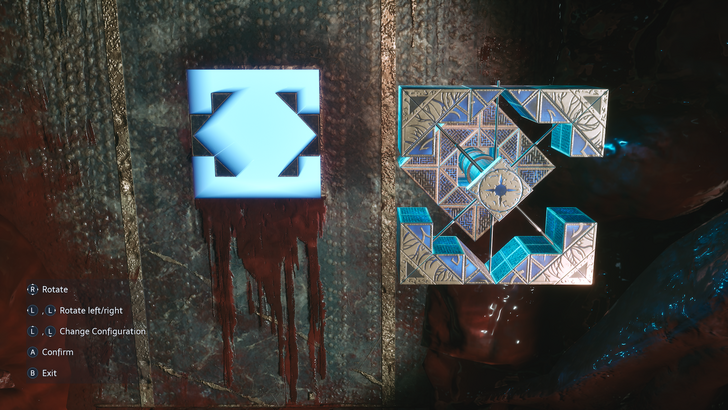
If there's one part of Hellraiser: Revival that really stands out, it's the puzzles. The Genesis Configuration isn't just a box for longtime fans to recognize, it's also a tool that gives the game a distinct identity. You'll need to manipulate it into specific shapes to unlock doors, making the Configuration a key part of how you navigate the world rather than something that's only important to the story.
I particularly like how this ties the puzzles to Hellraiser's own imagery. The Configuration is already so closely associated with the franchise that using it to solve problems feels natural, and it gives these sections a flavor that a generic keycard or switch could never quite manage.
Is Clive Barker's Hellraiser: Revival Worth It?
If You're Into Survival Horrors And a Clive Barker Fan

Clive Barker's Hellraiser: Revival has the makings of a strong survival horror game. It understands the appeal of limited resources, tense encounters, and making players think twice before picking a fight. It also does a good job of bringing Clive Barker's disturbing world into an interactive format, with the Genesis Configuration giving the gameplay a connection to the franchise that goes beyond its characters and imagery.
Unfortunately, the experience doesn't hold together as well as it could. Combat can be frustratingly inconsistent, enemy encounters can leave you scraping the bottom of your inventory, and unreliable stealth audio makes avoiding fights harder than it should be. The puzzles are a highlight, but persistent bugs are the biggest problem of all. Having to restart a boss fight because an enemy gets stuck is bad enough, losing hours of progress because the game breaks is far harder to excuse.
For $39.99, a story that takes around 10-15 hours to complete should make for a reasonably contained survival horror experience. In my case, though, that playtime stretched considerably longer because of repeated sequences and having to restart from earlier save points. Some of Hellraiser: Revival's rough edges could be forgiven as part of its old-school survival horror design, but technical issues that waste your time are another matter entirely.
I'd recommend Hellraiser: Revival only if you're already a fan of survival horror or Clive Barker’s franchise, and have the patience to put up with its rougher moments. There's a compelling game in here, and the puzzles and setting give it plenty to work with. But between the uneven combat and bugs that can wipe away hours of progress, it's difficult to recommend without reservations. Still, if you're coming for Clive Barker's world and enjoy survival horror that makes every resource count, there's something here for you.
Clive Barker's Hellraiser: Revival FAQ
Do I Need To Read Clive Barker’s Books or See The Hellraiser Movies Before Playing Hellraiser: Revival?
You don't need to read Clive Barker's books or watch the Hellraiser movies before playing Hellraiser: Revival, as the game tells a new canon story in the Hellraiser franchise. However, being familiar with Barker's work and the franchise's lore and themes will help you better understand its disturbing imagery, the Cenobites, and the ideas surrounding desire, suffering, and obsession. For newcomers, Revival can also serve as an introduction to Barker's twisted universe.
Game8 Reviews