





Escape from Playtime is Mob Entertainment’s co-op survival horror game, featuring the smiling critters and new horrors from Playtime Co. Learn more about the game’s plot, gameplay, release date, and more in our early-access review.
Escape from Playtime Review [Early Access]: Far From Peak Friendslop, But Horrifyingly Good for Loreheads
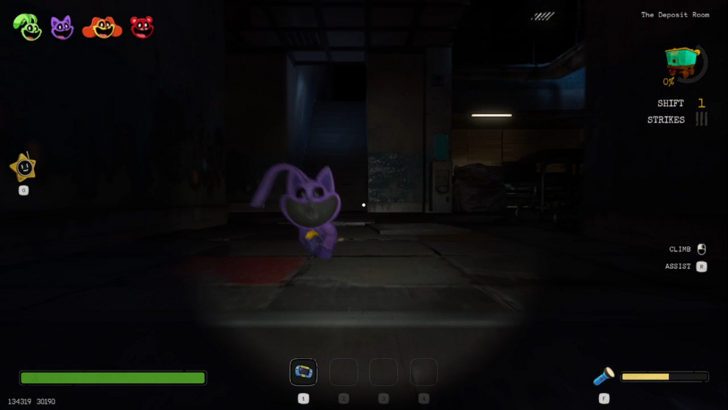
Nothing stirs the hornet’s nest that is the Poppy Playtime fandom more than a crumb of new content. As a Poppy Playtime lorehead myself, the mere suggestion of the next Mob Entertainment project is sure to perk my ears up. Having not just heard about, but also played and provided insight for the preview of Escape from Playtime, I was more than excited to finally get my hands on the game’s early access build.
I was grateful to have been among the fortunate few to play this game ahead of everyone else, but the rough edges were apparent from the get-go. Preview builds are as preview builds go, after all. Now that the game is officially out, it’s time we see if those edges were sanded down and given that Playtime Co. finish the fans expect.
Not to spoil a mint-in-the-box opinion about the game or anything, but it’s not a perfect packaging for the new product.
Same Friendslop Formula with Playtime Features
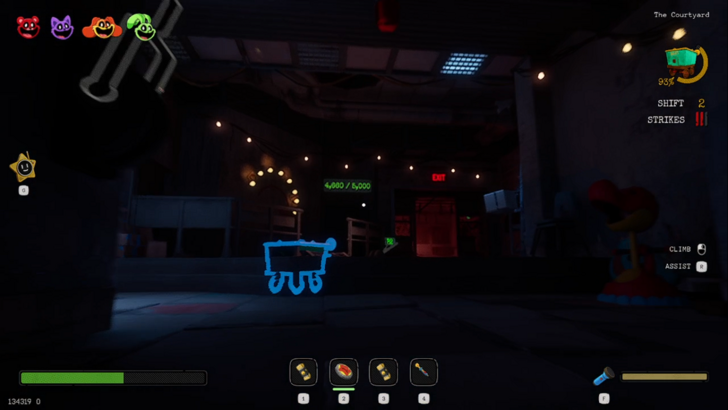
The first thing anyone will notice about Escape from Playtime is its core gameplay formula. Players familiar with R.E.P.O. and Lethal Company should be right at home with Escape from Playtime’s gather-and-extract loop that a lot of Friendslop games have adopted since those two defined, then redefined the genre. What’s special about Escape from Playtime, though is how PEAK players might also find their ground in this game with its incorporation of climbing and stamina mechanics.
Allow me to elaborate. Escape from Playtime sees players exploring and climbing the ruins of a destroyed Playtime Co. as mini Smiling Critters to collect toy parts and building material at the behest of The Voice. As they do so, bringing back scraps to Barry the the cart, they’ll be hunted down by other toys roving the company grounds like Boogie Bot, Cat-Bee, and Miss Delight.
They’ll have to chase an ever-increasing quota (like in Lethal Company and R.E.P.O.), using what tools they find and climbing over what obstacles they encounter to do so. It’s a simple enough idea that players are bound to get within the first couple of runs, which, as per the norm for these kinds of games, are likely to end in disaster.
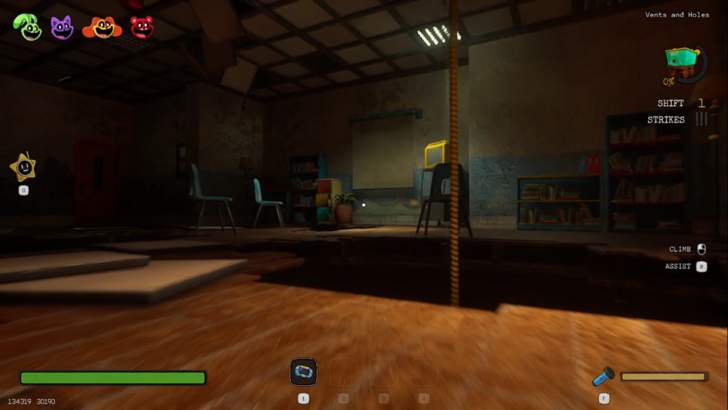
Core mechanics that truly set this game apart from its clear inspirations is its combination of climbing and puzzle gameplay with the aforementioned gather and extract loop. See, players don’t just have the option to climb walls with their stamina/health bars, it’s completely necessary for them to reach some otherwise impossible vantages for loot and safety.
As we’ll discuss later, the game’s map has great verticality, and normal ambling about simply won’t do. Players may also encounter puzzle areas not too dissimilar from the ones from Poppy Playtime
and Project Playtime, opening up more loot or ways to escape in the process. It’s a very tightly-knit system that still has room for players to get creative.
The monsters hunting the players also exist with rules in mind, so counterplay is always an option. Depending on what items players have on their plushy person, they can swat away curious Cat-Bees, juke advancing Boogie Bots, or even stop the horrific Miss Delight in her tracks with flares.
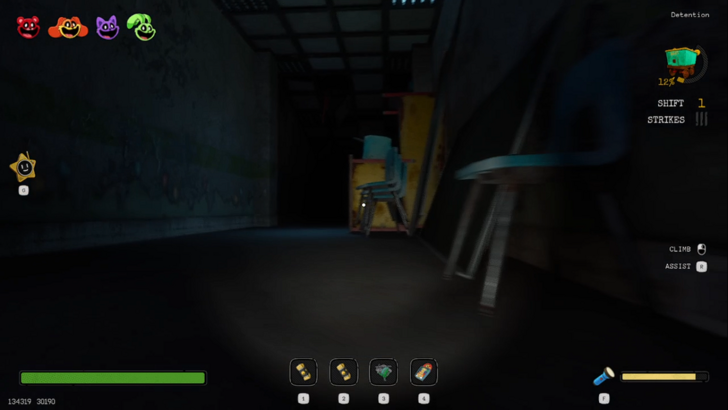
Definitely more counterplay, particularly at the lower levels, than something like R.E.P.O., which promotes hiding over fighting back at that stage. Noticeably, though, a much smaller roster than any friendlsop game that involves roaming monsters that I’ve seen so far. It’s still in early access, so that much is likely to change as months pass. Even R.E.P.O. had a much smaller pool when it first entered.
Overall, gameplay is inspired in its synthesis of other mechanics, but isn’t wholly original in any sense of the word. That much is excusable, as all art and expression is derivative in some way, some more than others. Only time will tell if Mob can muster more creativity for the rest of the Playtime cast as they join in through the updates.
Great Map Verticality Despite Low Variety and Middling Functionality
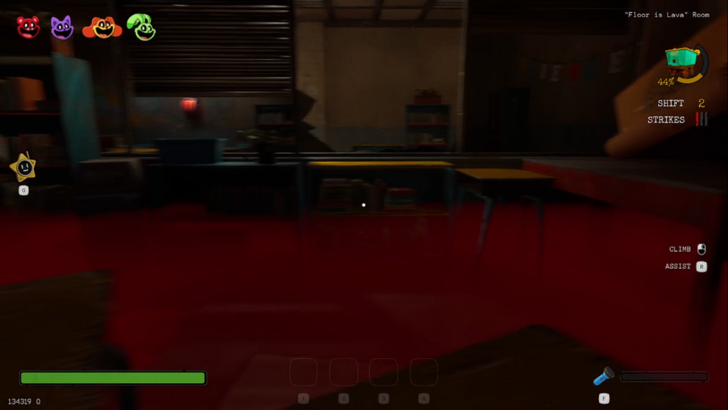
Expanding my opinions on the game’s map specifically, I consider it a great combination of verticality and atmosphere, with some not-so-great executions and legitimate pitfalls mixed in. Had it not been anything but an example of great verticality, utilized to an admirable degree for both stage design, player utility, and possible loot locations, this game’s climbing mechanic would’ve been for naught.
Ropes, arrows painted on walls, and mazes of vents and catwalks make up the game’s upper layer of parkour and exploration, accessible to any player by simply just walking to a wall and pressing the right keybind to climb.
That said, the game’s map still has a few issues that range from minor to noticeable. For one thing, it doesn’t function all too well. Whether it’s player jumps not registering when they definitely should’ve, or hitboxes for specific ledges being deceptively placed, there are clear holes in its execution. It’s technically fixable, but for a game where a missed jump can make or break an escape, it’s definitely a point of improvement that should be addressed sooner rather than later.
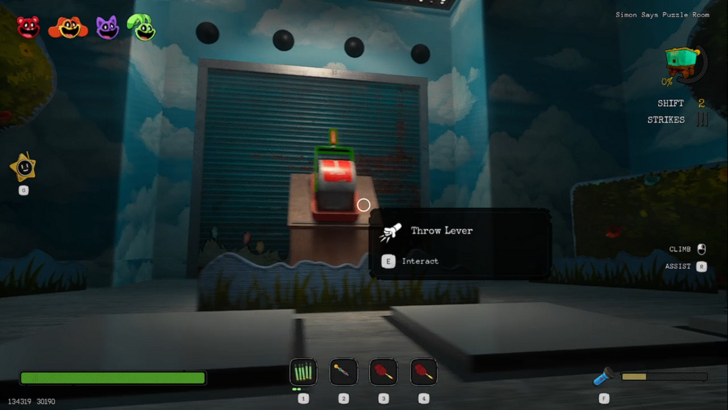
As for variety, the game hardly has any map-wise, and that’s what’s damning about Escape from Playtime at the moment. The map rearranges itself every shift to keep things varied, but the generation is neither that complex in its placement, nor is it the most varied in its pieces. Like a set of blocks with 10 pieces max, sure, you can make a bunch of cool creations, but you’re going to hit the maximum number of permutations eventually, and, given enough repetitions, even the untrained eye will notice.
There’s also just the case of repeated rooms being right next to each other in multiple generations my playgroup encountered. Not even the same room just in the same map, which is more common, but the same room in succession. Again, room to improve, but important that it be fixed soon.
Slow and Mostly Unrewarding Progression
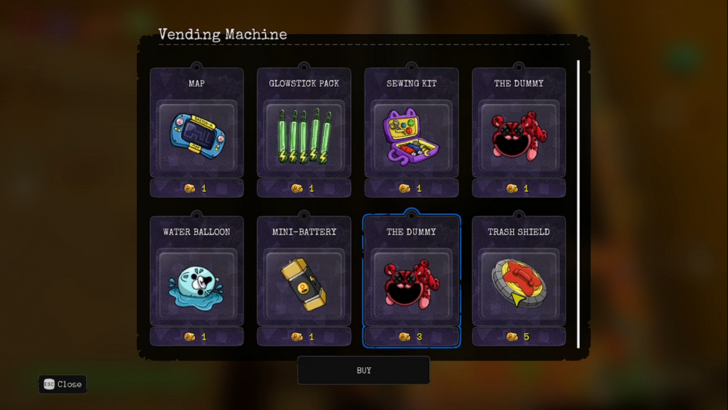
Regarding the game’s progression, its biggest problem is that it’s slow, with the fact that it’s also unrewarding being an unfortunate additional load to bear. I see what Mob was going for with this game; they’re aware that they’re playing with larger quote requirements while also having easier ways to get to them by way of not having to carry items back to extraction using a physics based system like R.E.P.O.’s, and having less intense enemies than lethal company.
This means progress through each shift can be theoretically fast, but given the map’s woes I mentioned earlier, and the fact that each item collected isn’t worth much at all, it’s actually quite slow in practice. As early as the second shift, it will take multiple attempts for a player group of four to finish the quota, as it doubles each time.
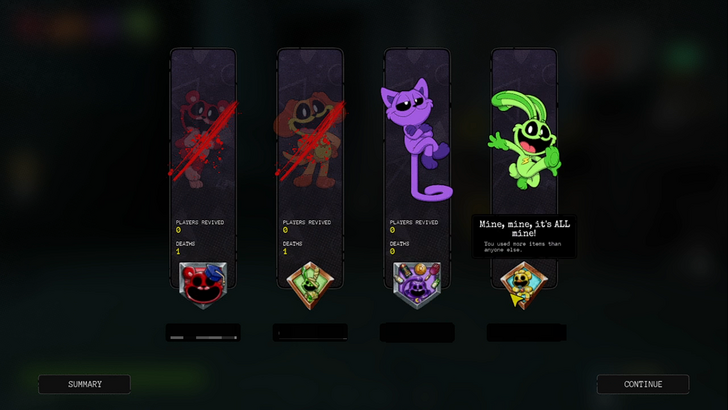
As for the actual rewards for completing shifts, that’s both unclear and not really that rewarding. Instead of getting to keep the money they earned as cash for a mid-run shop like in R.E.P.O., players need to rely on luck and exploration to find coins they can use to buy other items from the inter-shift store. The items themselves are good enough, nothing stellar, but the fact that getting them isn’t a matter of skill, but luck, means progress isn’t something completely within the players’ control.
As for unlocks, skins and player character models are hidden behind challenges that aren’t unreasonable in a vacuum, but absolutely are given the context of everything this game has been judged on thus far.
Some Things Just Don’t Work, or Aren’t Worth Using as Described
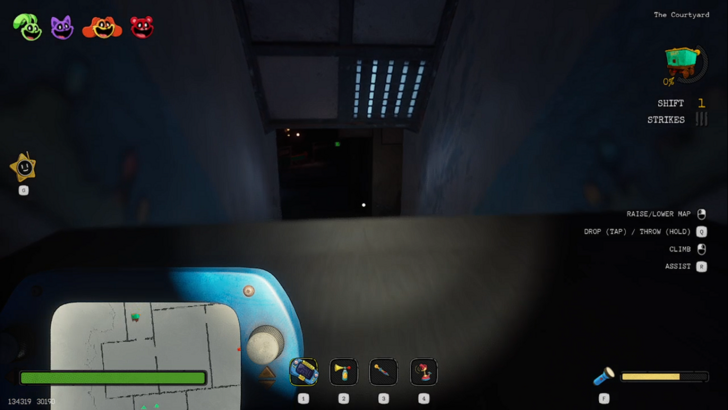
On the topic of items, some of them simply aren’t worth the fuss, and are just quota fodder at the end of the shift, despite having some use apart from their value. Like the Slap Hand, which theoretically can stun and knock back any assailants, particularly useful against Cat-Bee, but is, in practice, too short-range to be of any use against something like Boogie Bot or Miss Delight.
The digital map players get to navigate better could’ve been the most valuable item ever if its model didn’t clip under the player’s health bar, and if it actually was discernible. The risk-reward endeavor of using the ping beacons across the map to find others in exchange for drawing enemies could’ve been a great idea if the Cat Collar didn’t exist, or crafty enough players just employed a buddy system.
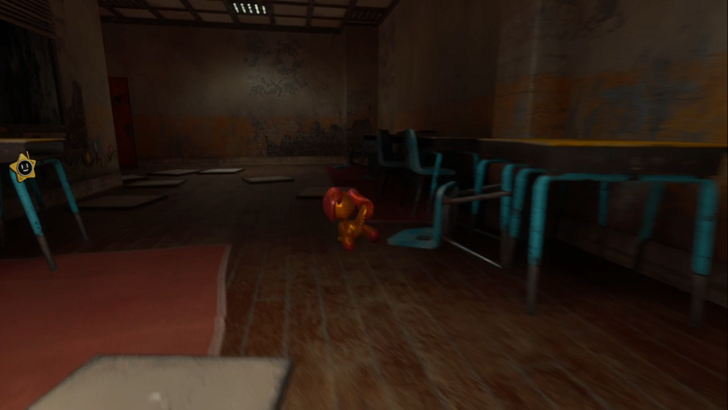
There are a lot of good ideas at play here that simply cannot coexist as they are, either because they power-creep each other, or simply don’t work. Revives? Forget about it, because the build we got to play didn’t revive players sent through Barry, if that is even how that’s still achieved, as per the preview build. Otherwise, players can revive through the sewing kit, but that itself is worth a ton of tribute for the quota, so it’s seldom worth it to revive a teammate.
I foresee a great many balance changes for this game with all of these items in play.
Great Lore and Vibe Hits Across the (Game) Board

To give Escape from Playtime credit where it’s due, the game does manage to do a few things right: Lore and vibes. Poppy Playtime’s lore as a whole has been criticized many times for its repetitiveness and its borderline obsessive adherence to the beats of Mascot Horror, but it does have its moments. The first game’s initial dread was exquisite, and the world-building for the chapters that followed was clumsy, but ambitious. Escape from Playtime serves to fill out the gaps in that initial lore, and it does so handily.
Set just after the Hour of Joy, which is, for the uninitiated, a major event in the game’s timeline when all toys in Playtime Co. came alive and killed all the personnel, Escape from Playtime answers questions that existed as early as Chapter 3. The origins of Sanctuary, the daily lives of the toys after the Hour of Joy, and how some of the toys not active during the main game’s run operated.
It’s not a new chapter as much as it is context for what’s already happened, but, as anyone who’s had to parse FNAF lore, particularly the one for Secret of the Mimic, the devil is in the details. If lore was your main draw for this particular game, expect to have questions answered, and some new ones posited as well.
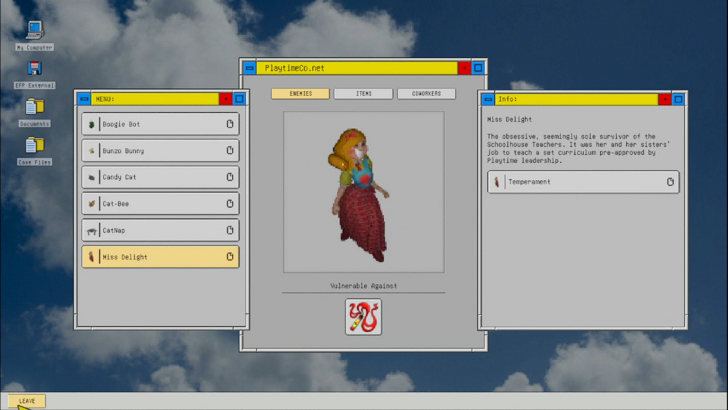
If you’re just looking for plain horrific vibes, though, this game’s got you too. Escape from Playtime’s visual and audio vibes aren’t just great; they’re functional. The suffocating darkness of Playtime Co.’s ruins does a lot of work in maintaining the horror factor, especially since it also plays a key role in keeping things hidden, be they loot, smaller monsters, or an entire Miss Delight ready to cave in your plush skull.
The sounds also sell the horror very well through their implementation as both ambience and as cues for specific monsters being close by. Buzzing for Cat-Bee, plastic whirring for Boogie Bot, and some of the most unnerving footfalls for Miss Delight. They help the player avoid danger while also scaring the daylights out of them once the sounds start.
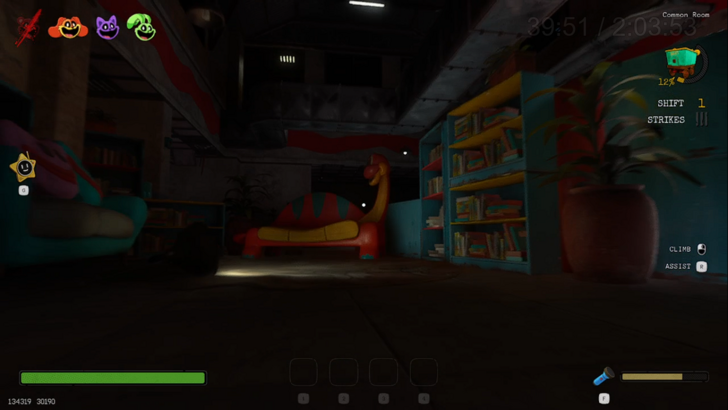
It’s a good enough presentation of the Poppy Playtime charm for me to think that, despite its multiple shortcomings, there’s still something worth salvaging in this game. I feel the fear, I feel the dread, and I feel the drive to keep collecting and extracting; the parts of a good experience are all there, there are just some inconveniences and lapses in execution that prevent it from coalescing.
With some updates, and maybe some overhauls under its belt, this game could be a more welcome addition to the Poppy Playtime timeline than even Project Playtime ever was.
Game8 Reviews