

"Players increasingly want games they can enjoy at their own pace, free from time pressure and monetization fatigue, and there is clear demand for premium games that offer a complete experience in a single purchase."
We sat with Hound13 to discuss DragonSword: Awakening's journey from a free-to-play gacha into a standalone game. Producer JYJ and CEO & Director Park Jungsic shared what it took to rebuild the game and what players can expect from post-launch support.
DragonSword: Awakening Reworks Itself Around Play, Not Payment
Trading Live-Service Priorities for Player Experience
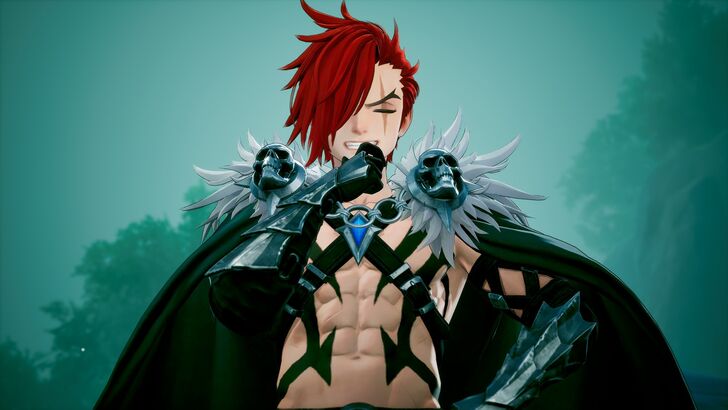
DragonSword: Awakening's team says their workload hasn't slowed down since making the jump from live-service gacha to a premium release, with current patches keeping a similar pace to their previous live-service prep. The team clarified that what changed isn't the pace but the needs behind each update.
"In live service, we always had to factor in ongoing operations: retention, events, and product schedules," they explained, pointing to the old four-week cycle built around retention, selling new characters, and currency.
"Now, free from that operational weight, we set update priorities based on the player experience and the quality of the game itself."
That shift meant untangling and overhauling a majority of the systems in play. According to the developers, so much of the game, from currency acquisition to progression speed to content rotation, had been built with a gacha economy as the main focus. Removing all of these aspects meant redesigning how content unlocks and rewards were paced so that progression could flow more naturally through play.
"Removing the systems that capped play time led to the same kind of difficulty. With stamina and daily limits, a player's daily gains were predictable."
Cutting all of these out created its own headache, the devs noted. With those limits gone, playtime varies wildly from player to player, and measuring a reward amount that feels right to someone playing for one hour versus someone playing for ten proved more challenging than expected.
Why Reviving the Game Wasn't Easy
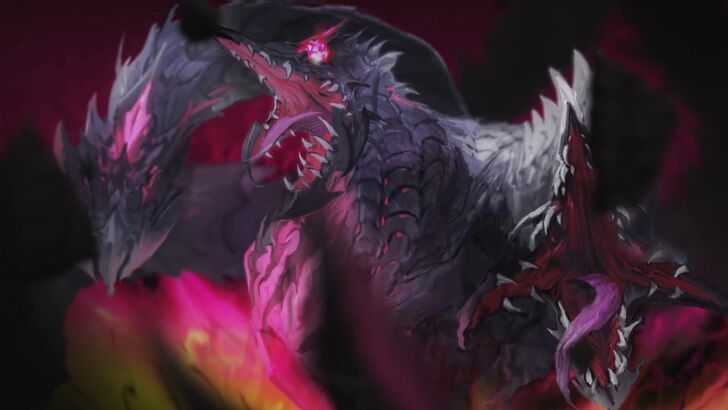
We asked how viable it is for other end-of-service games to be reborn as standalone products, and the team didn't sugarcoat it: it’s difficult.
"Honestly, it's not a path we could easily recommend."
After the announcement of DragonSword’s shutdown and with the idea to transition, finding the right footing and means to keep the game alive required a lot of endurance from the team. Despite the limited resources at the time, the developers wanted to give their all to be able to release their game.
"We started with imperfections too, and we're still polishing them after launch."
Financially, a studio needs the power to keep developing through a transition with no incoming revenue, they explained, and structurally, it means adjusting a game whose economy and content were fused together from the start, making it a far bigger undertaking than just simply being ported.
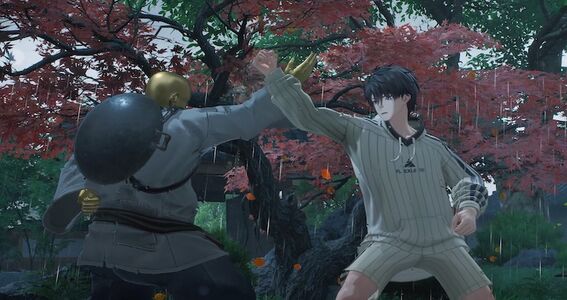
For Hound13, the deciding factor was whether DragonSword's core fun could be separated from its business model. The team pointed to the game's party-based combo combat as that main pull, something that becomes fully accessible as players progress to earn all characters.
"When a game disappears, for the players who invested their time in it, it means something more than just one service coming to an end," they said, reflecting on their own experience with the shutdown. Their advice to other studios facing the same situation was to take one more look at whether some form of preservation was possible, even if an incomplete one.
They hope that DragonSword: Awakening can stand as one example that such a choice is possible for other studios weighing the same decision.
Chasing a Different Growing Trend
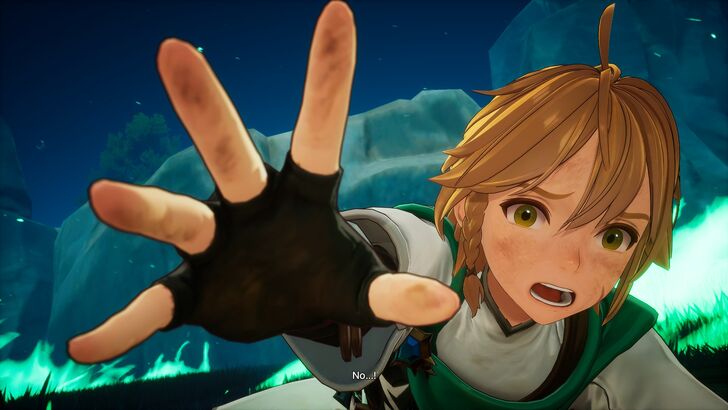
With other Korean studios creating single-player experiences as follow-ups to earlier live service offerings, such as ShiftUp releasing Stellar Blade after Goddess of Victory: NIKKE or Pearl Abyss's Crimson Desert releasing after years of success with the MMORPG Black Desert Online, we wondered if DragonSword: Awakening was purposefully following in the footsteps of these other titles.
That pivot away from live service required a different goal and approach entirely.
"We didn't make this transition by watching market trends. We began developing a packaged version to preserve the game in another form."
Throughout that process, though, the team noticed something firsthand.
"Players increasingly want games they can enjoy at their own pace, free from time pressure and monetization fatigue, and there is clear demand for premium games that offer a complete experience in a single purchase."
That realization settled Hound13's decision in the middle of an ongoing shift across the industry, as more studios consider moving away from live-service models toward standalone releases.
"In the end, our choice turned out to be part of that same current, and we hope DragonSword: Awakening can contribute to it, even in a small way."
Different Players Are Discovering DragonSword: Awakening
New Fans and Longtime Loyalists
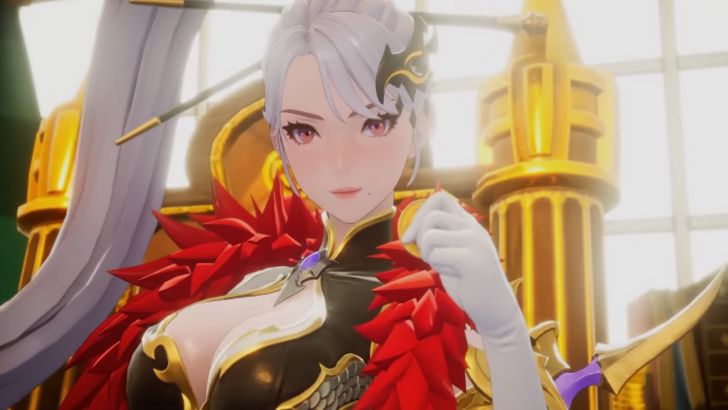
Reception has come from various directions. By garnering the attention of veterans and newbies, the devs received a wide range of perspectives from their community.
"Longtime players welcomed the very fact that the game had returned, and drawing on their years of experience, they sent us many detailed improvement suggestions."
Better reviews and more support than expected have followed, and the team says that comes with a strong sense of responsibility to live up to those expectations. Newcomers, meanwhile, pointed to two things in particular they liked about the changes.
"Being able to experience every character and progression element, which once required significant spending, all for the price of a single game, and the fun of freely combining those characters to build a party of their own."
That shift in access has also shifted who's playing, the team added. They've directly heard from new players who "wouldn't have played this as a gacha" but ended up buying the game once they knew it'd be a complete one. Hound13 also notes a broader spread of regions represented in their communities than before, even if the exact demographic changes are a bit more difficult to measure precisely.
Talking Directly to Players Addresses What Gets Fixed First
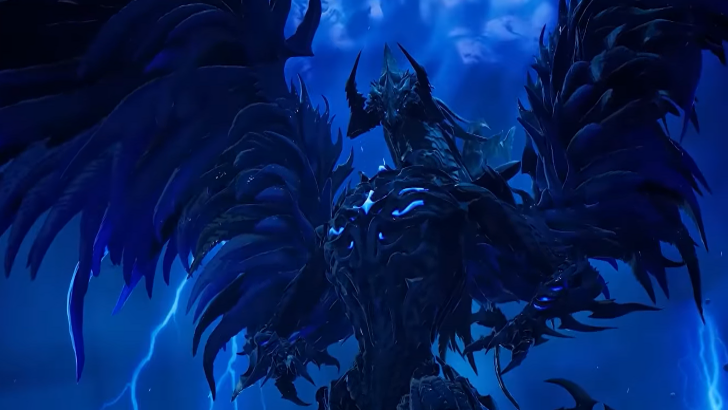
Community interaction looks different now as well. Where feedback once passed through a publisher, developers can now read and respond directly on Discord.
"The biggest difference is that the middle layer between developers and players is gone."
That change gives them a clearer view on the context and intensity of reactions that reports alone could never convey, the team explained. Not every suggestion gets implemented as-is; patch priorities still go through internal review, but player voices now play a big factor from the start of that process.
"Good reactions become momentum, and criticism becomes the next task for improvement."
Two changes came directly from that feedback loop. The usage limit on Goddess Statues, originally part of the game's design, got reworked after "feedback from multiple regions consistently told us it was adding unnecessary stress to the early game." Separately, the team's initial plan for co-op only supported friend invites, but "many players told us that finding someone to play with was difficult," prompting them to revisit their technical plans and begin working on public matchmaking, a feature that wasn't intended for the original game.
More Free Content, No Live-Service Structure
Updates With Less of the Grind
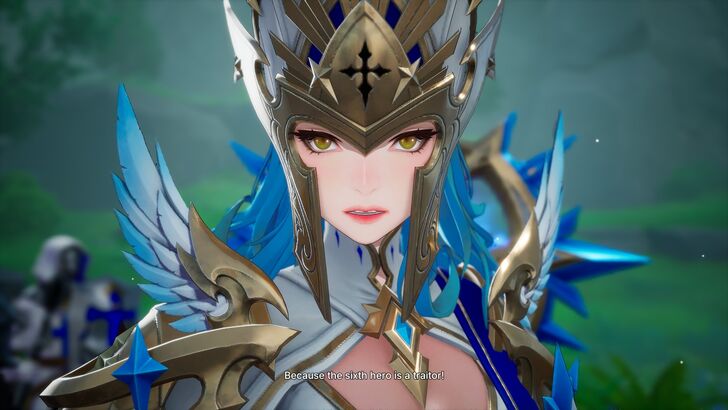
Four new heroes are already planned for the back half of the year, but the team was quick to clarify Hound13 won't run things the way a gacha game would.
"To be clear first, we don't plan to operate the game the way a live-service title is run."
Those characters, along with Hero Requests and quality-of-life improvements, will arrive as free updates, released when ready rather than tied to a fixed schedule. There are no plans for season passes, limited-time events, or anything that demands constant log-ins, the team said.
"We want a structure where, whenever you return after an update, you can enjoy everything without having missed a thing."
Core combat isn't changing either. "We have no plans to change the core combat structure," the developers confirmed, noting that the status-effect and tag-action combo system remains the heart of the game. Mobile-like progression systems are being stripped out, and the UI, starting with the main combat screen, is getting readjusted. A lock-on overhaul and controller improvements are also underway with console support in mind.
"Keeping the identity of the core combat while polishing it to be more comfortable and stable to play, that is our direction."
Public matchmaking is now in development to help players find co-op partners, though the team isn't expanding beyond three-player squads.
"Having run four-player raids during the live-service era, we found that fights dragged on, and the more players there were, the blurrier the status-effect chaining at the heart of our combat became."
That's why content is being built around three players for now, the team explained. A separate high-difficulty superboss raid isn't planned at this time, but tougher versions of existing Subjugation monsters are on the way. PvP also remains off the table.
"Rather than competition, we want to maintain a structure where the game can be fully enjoyed solo, with the option to play alongside others if you wish."
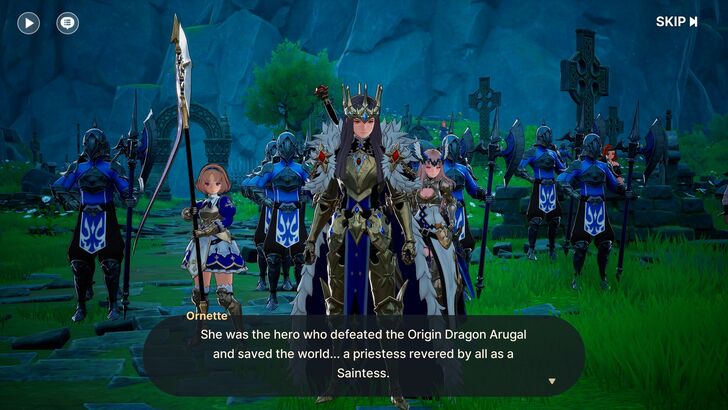
On the grinding side, the team has plans and improvements underway to reduce the farming burden.
"Rather than adding a separate farming method, we chose to substantially increase the amount of progression materials earned from existing content. We've raised the rewards across multiple types of content, including world bosses and emergency missions, and we're continuing work to increase reward amounts so that raising multiple characters requires fewer repeat runs."
Further adjustments are planned going forward, based on actual play patterns and player feedback.
Collaborations with other titles, though, aren't currently on the roadmap for them.
"We haven't specifically considered any collaborations or titles yet. If an opportunity comes along afterward that fits the game well, that would be the time to consider it."
Closing out, the team warmly thanked players for their continued support.
"We had many worries before launch, but now we draw real strength from the support and feedback our players share in our communities... We'll keep working so that DragonSword: Awakening continues to get better."
Full Interview with the Team
We've followed DragonSword: Awakening's difficult transition from a free-to-play gacha game to a single player offline title. How different does it feel developing a single-player game with updates, as opposed to developing a live-service gacha title?
Honestly, we're just as busy as before. Since launch, we've been shipping weekly patches, keeping a pace that rivals our live-service days.
The biggest difference is the criteria behind our updates. In live service, we always had to factor in ongoing operations: retention, events, and product schedules. For example, work tied to selling a new character and Karma every four weeks always sat at the top of the priority list. Now, free from that operational weight, we set update priorities based on the player experience and the quality of the game itself.
The responsibility of raising this game's quality so that more players can enjoy it, that weight feels different.
What was the hardest part of rebalancing systems built around gacha, where players are focused more on character acquisition, currencies, progression?
The hardest part was that so much of the game, from currency acquisition to progression speed to content rotation, was interconnected on the premise of gacha.
Once we removed the gacha and play restrictions, we had to redesign everything together: the value of rewards, the pace of progression, and the reason to replay content. The greatest challenge was repositioning each piece of content's unlock timing and rewards so that progression and the next content would flow naturally through play alone, without payments or time limits.
Removing the systems that capped play time led to the same kind of difficulty. With stamina and daily limits, a player's daily gains were predictable. Without them, play time varies completely from person to person. Measuring a reward amount that feels right both to someone who plays one hour and to someone who plays ten turned out to be far harder than we expected.
Many players were disappointed to hear about the shutdown of the original DragonSword, but were excited for the chance for the game to get a new life as a standalone single-player game. How viable—financially, difficulty, and content-wise—do you think it is for end-of-service games to be reborn as standalone products?
Honestly, it's not a path we could easily recommend.
Financially, you need the endurance to keep developing with no revenue during the transition.
On the development side, you have to redesign an entire structure where the business model and content are fused together. Currency, progression speed, and content rotation all need to be reworked, which makes it a far bigger job than a simple port.
On the content side, what matters is whether the original game's core fun can be separated from its business model. In DragonSword's case, the core fun was the party combo action built on character combinations, and once every character became obtainable through play, that fun became something every player could experience directly.
So for a studio with enough development capacity, and a game whose core fun can be maintained or even strengthened in a standalone structure, we believe it's an option worth considering.
How do you view the broader conversation around game preservation and live-service shutdowns, and what would you say to other developers facing an end of service?
When a game disappears, for the players who invested their time in it, it means something more than just one service coming to an end. We've been through that situation ourselves, so the game preservation discussion never sounds like someone else's story to us.
That said, live-service games have their business model and content structure tightly interconnected, so leaving a game behind in another form after its service ends is never simple.
Even so, what we'd like to say to other studios is this: please take one more look at whether there's truly no way to preserve your game. It doesn't have to be in perfect form. We started with imperfections too, and we're still polishing them after launch. Even if the original form can't be fully maintained, we believe there is real meaning in making sure that years of development and the experiences of your players don't vanish entirely.
We hope DragonSword: Awakening can stand as one example that such a choice is possible.
It feels like more and more Korean studios are pivoting from live-service games to premium standalone games. Do you see your game as a part of this transition?
We didn't make this transition by watching market trends. We began developing a packaged version to preserve the game in another form.
Along the way, though, we felt something firsthand. Players increasingly want games they can enjoy at their own pace, free from time pressure and monetization fatigue, and there is clear demand for premium games that offer a complete experience in a single purchase.
In the end, our choice turned out to be part of that same current, and we hope DragonSword: Awakening can contribute to it, even in a small way.
How have players reacted to DragonSword: Awakening, from both newer players who just discovered the game, and the older players from the live-service days?
Longtime players welcomed the very fact that the game had returned, and drawing on their years of experience, they sent us many detailed improvement suggestions. Receiving better reviews and more support than we expected, we feel a strong sense of responsibility to live up to those expectations.
New players most often pointed to two things: being able to experience every character and progression element, which once required significant spending, all for the price of a single game, and the fun of freely combining those characters to build a party of their own.
Has the game seen a change in audience in its transition from a free-to-play game to a one-time purchase?
Yes, we're feeling the change.
The clearest shift is that players who would never have touched a gacha game have come in. We've seen so many comments along the lines of I wouldn't have played this as a gacha, but I bought it as a package.
The way people play has changed too. Rather than weighing the cost of acquiring characters, more players are experimenting directly with different characters and combinations, discovering the synergies we designed.
Specific demographics like age are still difficult to gauge precisely, but we can clearly feel that players from a wider range of regions are joining than before. Watching conversations flow in so many languages across our Discord and communities, we're reminded every day that our audience has become far more diverse than we expected.
Hound13 has held several AMAs and Q&A events on Discord, constantly interacting with players. Is this different from how the team interacted with fans in the past, and how has the exposure to those unfiltered voices impacted the team and the game?
The biggest difference is that the middle layer between developers and players is gone.
In the past, we received organized feedback through our publisher. Now, developers read and reply directly on Discord and in our communities. Thanks to that, we can grasp the context and intensity of reactions that reports alone could never convey, and what to improve first has become much clearer.
Of course, we don't apply every opinion as it arrives. Patch priorities are set through internal review, but the fact that player voices now enter directly at the starting point of that judgment is a major change.
Developers also see reactions to the features they built much faster now. Good reactions become momentum, and criticism becomes the next task for improvement.
The distance between this game and its players has never been this short, and we intend to keep it that way.
Were there any instances where a player comment or feedback helped shape development?
Yes. There are two representative examples.
One is the usage limit on Goddess Statues. It was originally part of our difficulty design, but feedback from multiple regions consistently told us it was adding unnecessary stress to the early game, and after internal review, we're now developing a change that removes the limit.
The other is public lobbies for co-op. Our initial plan only supported friend invites, but many players told us that finding someone to play with was difficult. That prompted us to revisit the technical review, and we're now developing a public matchmaking feature that wasn't in the original plan.
Four upcoming characters have been announced for DragonSword: Awakening on the roadmap for the second half of this year. Can players expect updates to continue in the future, with seasonal updates, events, and characters, in the vein of a live-service game?
To be clear first, we don't plan to operate the game the way a live-service title is run.
The four new heroes announced for this year, along with Hero Requests and convenience improvements, will be provided as free updates. We plan to continue with new content and improvements after that as well, but rather than tying ourselves to a fixed cadence, we intend to release things when they're fully ready.
We have no plans for operations that demand constant log-ins, such as season passes or limited-time events. We want to maintain a structure where, whenever you return after an update, you can enjoy everything without having missed a thing.
Reaction to the combat loop has had its supporters and detractors, with some praising the engaging Tag system and intuitive controls, but receiving some criticism for its similarities to games in the mobile gacha space. Given the game's transition from mobile to Steam, and eventually consoles, can we expect upgrades to combat-related mechanics and systems in future updates?
We have no plans to change the core combat structure.
The party combat built on status effects, tag actions, and combos is the heart of our game, developed and refined since our previous title.
That said, we plan to strip away the mobile-style character progression systems and gradually improve the overall UI, starting with the main combat screen. We're also exploring a renewal of the lock-on feature toward the conventions of standard action games, and controller feel improvements are ongoing. With a console transition in mind, these are all the more necessary.
Keeping the identity of the core combat while polishing it to be more comfortable and stable to play, that is our direction.
Along that vein, multiplayer public matchmaking for up to four players can be perfect in a game like this that relies on team-building, allowing for squads the chance to work together. Is that a function that could be added? And in turn, would you consider adding superboss raids or PvP to deepen the multiplayer endgame?
Public matchmaking is currently in development. We're preparing it so that players can enjoy co-op content without having to find partners on their own.
However, we're not planning an expansion to four players. Having run four-player raids during the live-service era, we found that fights dragged on, and the more players there were, the blurrier the status-effect chaining at the heart of our combat became. That's why combat and content are now designed around three-player co-op.
We have no plans to add a separate new superboss raid, but we will be adding challenge-oriented content that raises the difficulty of existing Subjugation monsters. Subjugations support multiplayer, but we don't plan to make them a structure where cooperation is mandatory.
PvP is also not under consideration. Rather than competition, we want to maintain a structure where the game can be fully enjoyed solo, with the option to play alongside others if you wish.
With several characters to build, resource gathering can be quite the task. Are there any plans to add other options to ease the grind of farming materials?
Yes. Improvements to reduce the farming burden are already underway.
Rather than adding a separate farming method, we chose to substantially increase the amount of progression materials earned from existing content. We've raised the rewards across multiple types of content, including world bosses and emergency missions, and we're continuing work to increase reward amounts so that raising multiple characters requires fewer repeat runs.
We'll keep adjusting reward amounts going forward, based on actual play patterns and feedback.
Is there a possibility for future collaborations with other titles? If yes, are there any titles in particular that the team would like to reach out to?
We haven't specifically considered any collaborations or titles yet.
Right now, we're focused on reflecting player feedback and completing our planned updates. If an opportunity comes along afterward that fits the game well, that would be the time to consider it.
Would you like to send any message to the players giving their support?
First of all, our sincere thanks to everyone who has come this far with us.
We had many worries before launch, but now we draw real strength from the support and feedback our players share in our communities.
We'll see our planned updates and improvements through to the end. Whenever something stands out to you while playing, please tell us. We'll keep reading, and keep thinking about how to bring it into the game.
We'll keep working so that DragonSword: Awakening continues to get better.
Thank you, truly.