



Diablo 4 never quite became a proper game before Blizzard started looking ahead to its successor. Find out how three years of fixes, reworks, and player feedback ultimately shaped Diablo 5 at the cost of its predecessor.
Diablo 4 Spent Three Years Rebuilding Itself
Strong First Impressions
After Diablo 3’s brighter aesthetic, faster gameplay, and controversial early years, Blizzard, a company that’s never been particularly shy with marketing new titles as a return to classics, spent much of Diablo 4's development emphasizing going back to the series’ gothic horror roots. But the latest installment also looked forward and introduced ambitious changes the series has seen, including a continuous open world, mounts, character customization, and non-linear exploration.
Controversially, Blizzard pushed the game into a live-service, MMO model built around always-online play, public events, group dungeons, and World Bosses, which made long-time fans uneasy and undercut the lonely, gloomy atmosphere the series was known for.
All those doubts were temporarily cast aside when Diablo 4 launched in June 2023, as early reception and reviews were filled with glowing praise, with OpenCritic aggregating critic reviews to 90%. The game also became Blizzard’s fastest-selling title at launch.
While the company didn’t release a specific number of units sold, it told Business Wire that Diablo 4 has been played for over "93 million hours, or over 10,000 years" in the first four days of early access. I was also part of the initial wave of players, bogged down by the crunch of publishing guides when I really wanted to keep rampaging through the interconnected Sanctuary on my Druid.
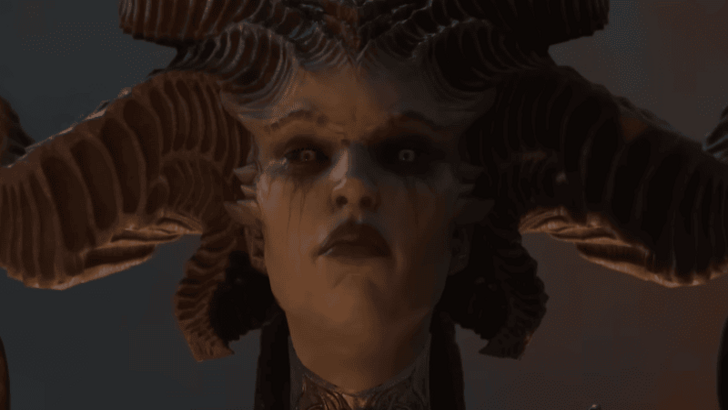
There was plenty worth praising in its narrative campaign, visceral combat, macabre art direction, and especially the cinematics—an aspect of Blizzard that remains remarkably top-notch through the company’s highs and lows. The trouble was that Diablo 4’s biggest problems were difficult to see during that first magical trip through Sanctuary, but became much harder to ignore once players started asking what they were supposed to do after.
Progress slowed and grew tedious, with level scaling at times making characters feel weaker rather than stronger, loot hidden behind unnecessarily complicated affixes, and many builds and itemizations funneling into the same Critical Strike and Vulnerable damage paths. Add repetitive endgame content, inconvenient respecs, stash limitations, and a lack of meaningful upgrades throughout the leveling curve, and it becomes clear that Diablo 4 lacks the genuine, substantial gameplay loop the series' fans and experienced ARPG players came to expect.
Diablo 4 1.0 Review | A Bloody Good Time
Diablo 4 Spent Its Life Fixing Issues
Blizzard’s first attempt to fix the experience was a disaster for the community’s trust moving forward. Patch 1.1 on July 18, 2023 managed to make an already grind-heavy endgame feel even slower almost across the board. Several defensive affixes made it harder to push content while also nerfing bonus experience earned from fighting higher-level enemies.
The developers gutted Critical Strike Damage, Vulnerable Damage, and Cooldown Reduction values, stats that were universally used for most builds, yet failed to introduce meaningful buffs for other builds. Helltide chest costs increased, and cinder drop rates for opening these mystery chests were nerfed.
If that wasn’t enough, even the simple act of leaving a dungeon was inexplicably stretched from three seconds to five. The backlash prompted Blizzard to address the patch in a Campfire Chat just three days later, where it presented a new approach to balancing and promised steps to ensure it would "never implement a patch like that again."
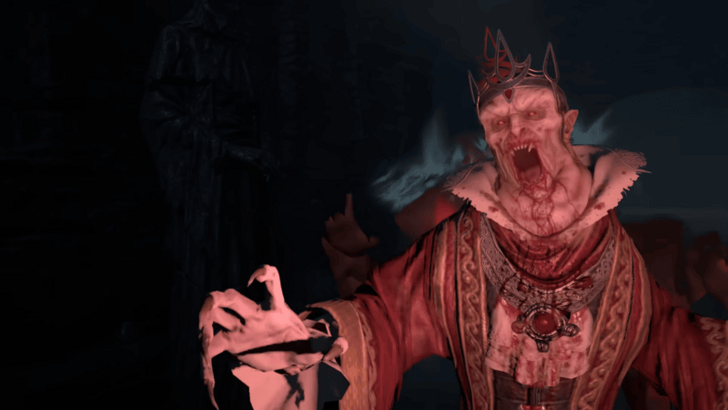
What followed Diablo 4’s successful launch was essentially a three-year reconstruction project, with nearly every major system dismantled, rebuilt, and in some cases rebuilt again. By the end, the game had undergone so many replacements that it started to resemble a live-service Ship of Theseus, except it was replaced patch after patch while charging players full price for the ride.
Season 2: Season of Blood, launched in October 2023, was the first major course correction. Leveling became substantially faster, Nightmare Dungeons were streamlined, traversal improved, inventory friction was reduced, and target-farmable endgame bosses finally gave players clearer reasons to hunt specific Uniques. Moreover, Blizzard rewrote Resistances to matter more in gearing, while Critical Strike, Vulnerable, and Overpower attributes were reworked after Blizzard acknowledged that builds unable to exploit the strongest multiplicative damage buckets simply "fell behind."
By 2024, Loot Reborn was a soft relaunch of the game, with the update "overhauling many core game systems," and its itemization changes permanently affected both Seasonal and Eternal characters. Additionally, Helltides were rebuilt, and The Pit became a new endgame progression pillar. In Season 5, Blizzard updated every Unique in the game as well as adding a new endgame activity: Infernal Hordes.
Diablo 4 Received Its First Expansion, Yet Fixes Continue
Diablo 4’s first expansion, Vessel of Hatred, removed World Tiers, separated character levels from Paragon, eliminated Sacred item drops, repositioned Ancestral gear as a true endgame chase, squished stats, and moved Glyph progression into The Pit, getting players into endgame activities even faster. This came alongside new content like the Spiritborn class, runewords, a new region, and the game’s first PvE raid in The Dark Citadel.
While those free fixes and content were welcome, the expansion itself wasn't well received. Its campaign spent too much time setting up Spiritborn lore before ending just as the Mephisto conflict became interesting. The mandatory co-op Dark Citadel raid also alienated solo players. Removing the free base game updates that came alongside the expansion showed how little players were actually getting for the $40 price tag.
Furthermore, Blizzard repeatedly changed its mind about its own fixes. By late 2025, it was reworking Tempering and Masterworking, the headline systems introduced with Loot Reborn. The new versions removed much of their frustrating RNG, but gone too far in the other direction, turning Masterworking into a bland, mostly linear upgrade process. Defenses were rebuilt alongside them, and Toughness was added as a catch-all survivability stat, going full circle to be too similar to Diablo 3, the game it was initially trying to move away from.
Diablo 4 Vessel of Hatred Review | More of the Same for More of Your Money
Lord of Hatred Finally Brought the Game in a Good Direction
Finally, with the introduction of the second expansion, Lord of Hatred, Diablo 4 started to feel like the game it should’ve been in the first place. Update 3.0 reached one of the few major launch systems that had survived mostly intact: the skill tree. Every class received a redesigned tree with more choices and Skill Variants, while powers were redistributed between skills, Legendary Aspects, and Uniques.
The level cap changed again, difficulty expanded, itemization was revised again, more than 200 Legendary Aspects were updated, a loot filter finally arrived when other ARPGs had it on launch, and War Plans were pitched as a "complete overhaul to the endgame experience." Most importantly, the narrative arc wrapped up with a proper ending, instead of the cliffhangers players have gotten since the base game.
In typical Blizzard fashion, the good times didn’t last long as the following Season of Death Awakening squandered some of the momentum and goodwill from the expansion. In a post on Blizzard’s forums, Live Service design director Dan Tanguay conceded that seasons were where Blizzard experimented and pushed the game into new directions, adding that "not every idea lands exactly as intended", which, after going through this retrospective, could pretty much describe Diablo 4’s lifespan.
After three years, Diablo 4 was finally in a great state, settling somewhere between the hardcore theorycrafting of Path of Exile and Grim Dawn and the more casual Diablo 3 and Torchlight. It remained approachable for casual ARPG fans while offering enough systems, buildcrafting, and an abundance endgame activities to sink hundreds of hours into.

Diablo 4 may not have fully delivered the game Blizzard originally promised at launch, but after three years, it’s much closer to that vision. As a dad who loves ARPGs, it has also become one of my favorite games for simply picking up the Steam Deck and jumping straight into action. Grim Dawn may be my favorite in the genre, but at least with Diablo 4, I don’t have to consult spreadsheets and contend with finicky inventory management. It just works, which, after everything Diablo 4 went through to get here, might be the highest praise I can give it.
In a way, Diablo 4 followed a similar, albeit rougher, journey to Diablo 3, with Blizzard spending the years after launch stripping out unpopular systems and rebuilding the game around what players actually enjoyed. However, Diablo 3 was allowed to settle into that improved form for years, while Diablo 4 barely got five months after Lord of Hatred before Blizzard announced Diablo 5.
Lord of Hatred Ending Explained
Blizzard Is Already Moving On to Diablo 5
Ambitious Changes Warranted a New Title
At BlizzCon 2026, Blizzard announced Diablo 5 with a Spring 2029 release date, making the 6-year wait much shorter than the 12 years from Diablo 2 to 3 and the 11 years from Diablo 3 to 4. Blizzard already had a premise, classes, systems, and a fairly clear idea of what it wanted the next Diablo to be. Sanctuary has fallen (again), Diablo has finally won, and roughly a century after Diablo 4, players will become the Heir to Westmarch and travel alongside a growing caravan of survivors through what remains of the world.
Diablo 4 was originally pitched as a long-term platform with up to four seasons a year, "regular expansions" continuing the story, and an "army of developers" supporting the game for years. In an interview with Dexerto, Rod Fergusson even said the game would receive annual expansions and "storylines planned well into the future." Why couldn’t Blizzard keep going? Based on the interviews and information we have so far, it all points to the company admitting the changes for Diablo 4 became too big and warranted a sequel instead.
Speaking with GameSpot at BlizzCon, executive producer Matt Zitterman said the ambitious changes in Diablo 4 became too big to achieve within the game, and that they needed "deeply structural changes to the way the game works, changes that are frankly hard to do in an expansion".
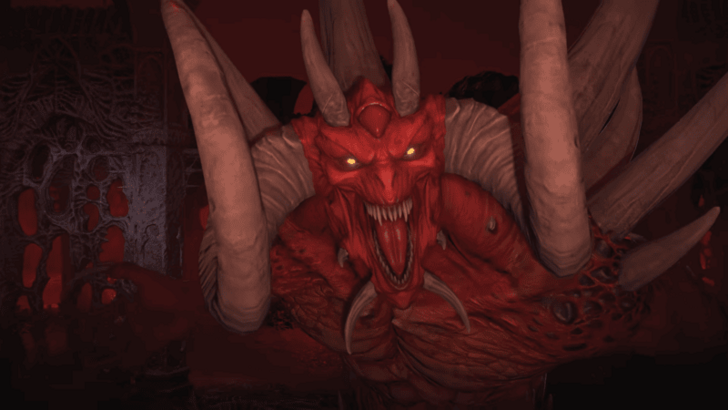
Zitterman goes on to explain that the team wanted to give more gravitas to the series' titular villain, "Diablo is the guy that we want to tell a real story about. We want to tell a story that's on par with–and hopefully exceeds–the story we told with Lilith and Mephisto. And to do that in an expansion just didn't feel right. We needed to give him his own game." Meanwhile, Diablo is currently spending the wait for his own game getting farmed as a seasonal boss in Diablo 4, alongside Baal and Mephisto.
If it’s any consolation, Diablo 4 looks like the place where Blizzard worked out what it wants its next game to be. In the Diablo 5 panel at BlizzCon, Zitterman said the next era of Diablo would be a game "for every type of Diablo player", targeting everyone from players who enjoy the dark fantasy narrative to endgame grinders.
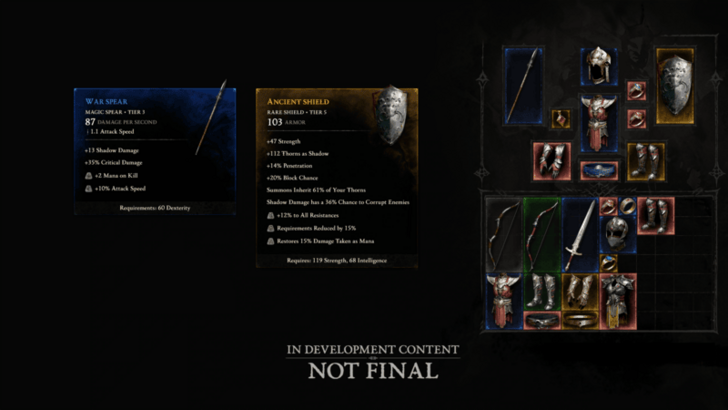
Blizzard’s blog post, Diablo V: Forging the Next Era, shows that it essentially scrapped the item system Diablo 4 worked so long for, in favor of itemization inspired by Diablo 2 to "feel readable, memorable, and worth chasing across hundreds of hours". The post teases a blend of Lord of Hatred’s crafting approach with Diablo 2-style Runes, Runewords, and gear stat requirements. And yes, Blizzard is once again promoting the new Diablo game with features from Diablo 2, keeping traditions eternal.
That game’s controversial open world was reverted to a procedural landscape where "terrain, points of interest, monsters, and rewards can change when you return," seemingly another response to Diablo 4. Blizzard calls the philosophy "constant discovery", which aims to support exploration rather than rediscovering static areas and points of interest.
Diablo 5 is still early in development. However, Blizzard said in the blog post that they plan to share regular updates, ideas, and features as they take shape in 2027. Blizzard hasn’t explicitly said this approach exists because of Diablo 4, but after watching that game spend three years incorporating player feedback into increasingly fundamental redesigns after people had already bought it, the contrast is hard to miss. In an interview with podcaster Destin, the Diablo team explains that even the tech and game engine from Diablo 4 helped them "hit the ground running."
Diablo 4 Isn’t Dead Yet
None of this means Diablo 4 is about to disappear because of the announcement. Blizzard has already confirmed more seasons, further War Plan and itemization updates, the Amazon class in the first half of 2027, and a Switch 2 release. If Diablo 3’s great seasons are any indication, there is plenty of life left after a sequel enters the picture.
Still, that doesn’t make Diablo 4’s journey any less frustrating. Players effectively spent three years and paid for the base game plus two expansions watching Blizzard experiment with fundamental parts of a full-priced live-service game and relearning new systems every time they return, only for Blizzard to divert resources into Diablo 5, instead of going all-in on making new and exciting seasons with a better foundation.

Live-service games are supposed to evolve, but there is a difference expanding the game and spending its short lifespan directionless, figuring out what the game was supposed to be in the first place. From what we know of Diablo 5 so far, Blizzard seems excited to take those lessons from Diablo 4 and start fresh in the next installment. Diablo 5 can inherit and improve a working engine, build on years of player feedback on a live game, and break apart the systems it spent years refining.
Maybe Diablo 4 was the painful three-year learning experience Blizzard needed to make Diablo 5 great, but it’s still a sour spot for the people who paid to be there while Blizzard figured all of this out in public in what feels like the world's longest public beta. Like Blizzard, I will also reference my past Ship of Theseus analogy: with Diablo 3 and 4, Blizzard has rebuilt two ships while everyone was still sailing them; somewhere in the middle, it looks at the ship with disgust and abandons it to start building the next one.
The funny part is that it never seems to use the last ship as the blueprint. As if, somehow, it will also look toward the Blizzard North star: Diablo 2, forever convinced it is the only game in the series it got right, as the company prepares for another journey back to its Tristram.
Sources:
Business Wire interview
All Diablo 4 Patch Notes
Diablo IV Launch Review Megathread
Dexerto Interview
Diablo V Forging the Next Era
Diablo IV Quarterly Update
Destin Interview