


Overview
What is Will: Follow the Light?
Will: Follow the Light is a first-person cinematic adventure game centered around exploration, puzzle-solving, and narrative-driven progression. Players take control of Will, a lighthouse keeper forced to leave home and traverse unforgiving seas after a disaster separates him from his son and father. Throughout the journey, players will sail across open waters, navigate dangerous environments, solve layered environmental puzzles, repair machinery, and uncover memories tied to Will’s past.
Will: Follow the Light features:
⚫︎ First Person Adventure
⚫︎ Narrative Centered About Grief
⚫︎ Sailing Mechanics
⚫︎ Environmental Puzzles
| Digital Storefronts | ||
|---|---|---|
 Steam Steam |
 Playstation Playstation |
 Xbox Xbox |
| $24.99 | ||
Will: Follow the Light Review: Lost Potential In a Disappointing Voyage
The Story Did NOT Deliver
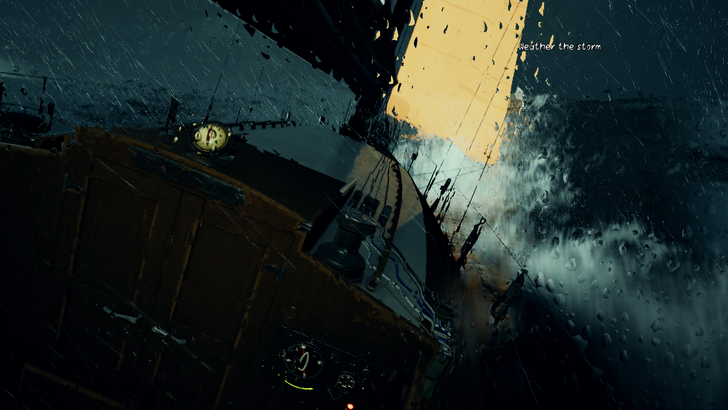
"A storm is coming." In any given story, that line immediately pulls me in. There’s something inherently unsettling about it, this quiet promise that whatever adventure lies ahead isn’t going to leave anyone untouched.
And Will: Follow the Light understands that kind of atmosphere right from the opening moments. We’re introduced to Will as he navigates through a violent storm, and the game paints itself as this cinematic psychological adventure centered around grief, trauma, and confronting the nightmares we try our hardest to outrun. That’s exactly the kind of experience I gravitate toward. The setup alone feels loaded with potential.
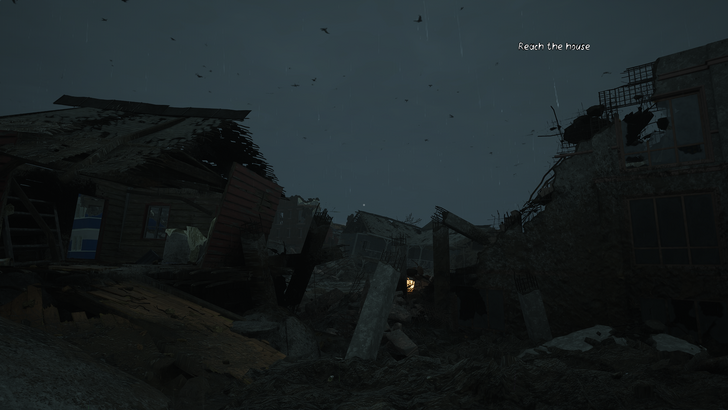
I’d been keeping an eye on this game for quite some time, which honestly makes the disappointment hit even harder. Because beneath all the striking imagery and emotionally charged themes is a game that never fully figures out how to execute its ideas in a meaningful way. Will: Follow the Light constantly hints at something emotionally powerful lurking underneath, but the deeper you get, the more it feels like those promises are slipping through your fingers instead of pulling you further into the experience.
Voyage About Family, Grief, and Inherited Pain
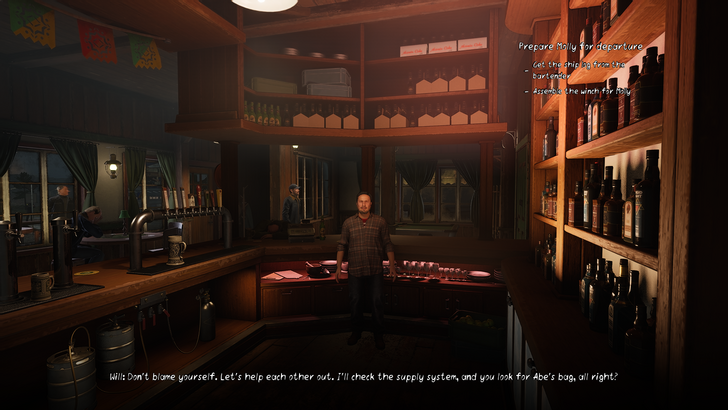
Will: Follow the Light follows a lighthouse keeper who sets sail across unforgiving waters in search of his missing son and father after a devastating natural disaster tears through their home. But beneath that physical journey is another one entirely because Will is slowly being forced to confront the grief he still carries over his wife’s death, alongside the resentment he’s harbored toward his father for years, only to realize that the two of them may not be as different as he wants to believe.
And honestly? There’s absolutely nothing wrong with that premise. An isolated voyage across dangerous waters to reunite with family already sounds like the foundation for a compelling adventure. It taps into that classic survival-driven emotional journey where every mile traveled is supposed to peel back another layer of the protagonist. Add themes of trauma, generational pain, and unresolved grief into the mix, and this should’ve been an easy emotional hook for players who love narrative-heavy experiences.
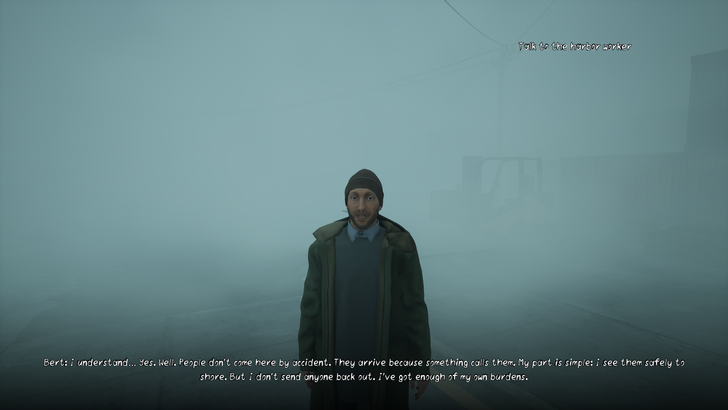
The problem is that the game struggles to trust its own storytelling. The pacing drags in places where emotional momentum should be building, while the dialogue often feels so rigid and overly explanatory that it drains scenes of any subtlety. Instead of letting players sit with emotions, interpret character behavior, or connect the dots themselves, the writing constantly spells everything out with almost exhausting clarity.
That becomes especially frustrating because the core themes genuinely had potential. You can see glimpses of a far more impactful story buried underneath all the overexplaining, which only makes its shortcomings stand out even more the longer you play.
Gameplay is a Chore, Literally
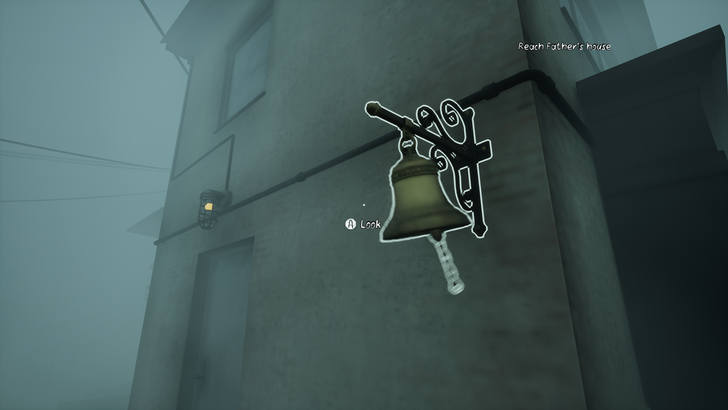
Then there’s the gameplay itself, which mostly revolves around puzzles. And to be clear, I love puzzles. I especially liked the DIY-style segments where you physically assemble or repair the equipment needed for your journey. There’s something satisfying about manually putting things together and feeling like your survival depends on your own problem-solving rather than a simple button prompt.
But Will: Follow the Light completely buries those good ideas under layers and layers of unnecessary bloat. No matter how interesting your puzzle mechanics are, there’s only so many times players can tolerate the same elongated structure before exhaustion sets in. You need Item A, but to get it you have to access Location B, which requires unlocking Mechanism C, which can’t function because the power is out, so now you have to restore energy somewhere else entirely before circling all the way back. And the game repeats this formula constantly. What initially feels like thoughtful progression slowly starts resembling an endless string of errands disguised as puzzle design.
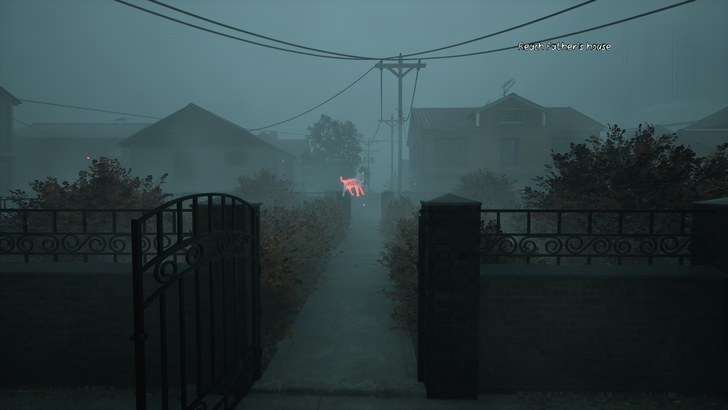
The worst part is realizing that most of the game’s major obstacles ultimately boil down to the exact same solution in different forms: restoring power, rerouting energy, restarting systems, or activating machinery. Different locations, different aesthetics, same underlying objective. And look, this kind of formula can work when it’s paced properly. Plenty of puzzle adventures thrive on layered problem-solving because each step feels rewarding and naturally connected to the narrative.
Here though, it rarely feels purposeful. It instead acts as padding. You stop feeling clever after a while. Instead, you start feeling delayed. The gameplay loop becomes less about discovery and more about mentally preparing yourself for the next chain of tedious chores standing between you and the actual story progression. Solve one issue, only to uncover five more miniature tasks attached to it.
Rescue Mission Forgets its Own Urgency
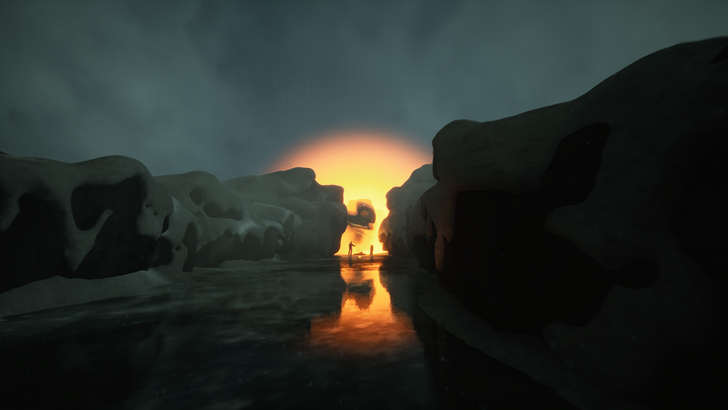
And because of that structure, the pacing eventually falls apart completely. It didn’t take long before I found myself asking, "Where’s the sense of urgency here?" which is a terrible thing to realize in a story that’s supposedly centered around finding your missing son.
That emotional drive gradually gets buried underneath layers of busywork. I’d arrive on a new island with what should feel like a desperate objective, only for the game to immediately sidetrack me into another drawn-out chain of tasks. "Get to the top of the mountain" sounds simple enough until the obvious path is conveniently blocked off. So now I have to take another route up, unlock pathways from the opposite side, haul objects around the environment, manipulate machinery, and transport some heavy piece of equipment on a non-working elevator because naturally, yet another generator needs to be powered back on before anything meaningful can happen.
That repetition kills momentum in a way that’s hard to ignore. Instead of feeling like I was pushing forward through a dangerous journey to save my family, I constantly felt trapped inside systems that existed purely to prolong progression. The emotional stakes the game works so hard to establish at the beginning slowly fade into the background because the gameplay loop keeps interrupting them with another mechanical obstacle course.
What makes it more frustrating is that the game also has this vague objective design where it often leaves you to figure things out yourself. Normally, I actually enjoy that. I like games that trust players enough to observe their surroundings and piece together solutions naturally. But there’s a huge difference between rewarding exploration and exhausting the player’s patience. When you combine a system where situational awareness is purposely withheld, with bloated puzzle chains, and constant backtracking, the result stops feeling immersive and starts feeling unnecessarily draining.
A Taste of Emotional Chapter to Quench Your Irritation
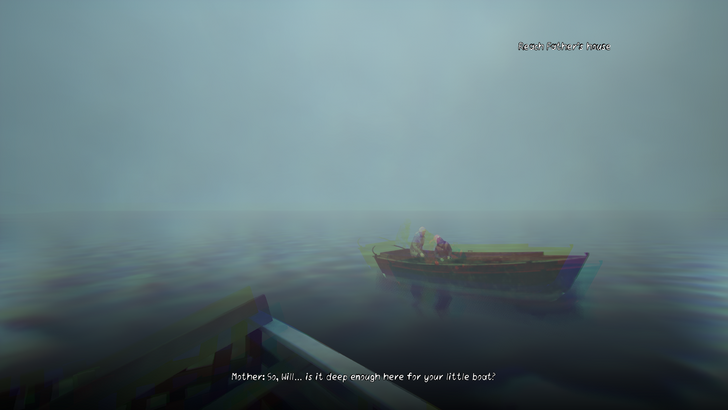
What makes this even harder to overlook is that the game does briefly show signs of evolving. The first four chapters follow that same exhausting structure almost religiously, but by Chapter Five, things finally begin shifting toward something more introspective. The focus leans further into confronting Will’s past, unpacking old wounds, and forcing him to sit face-to-face with the emotional baggage the story had been hinting at from the very beginning.
And for a moment, I thought, "Okay, this is where the game redeems itself." Those sections aren’t necessarily groundbreaking, but they at least break away from the constant mechanical busywork long enough to remind you why the premise was interesting in the first place. But then Chapters Six and Seven arrive, and it immediately falls back into the exact same routine all over again.
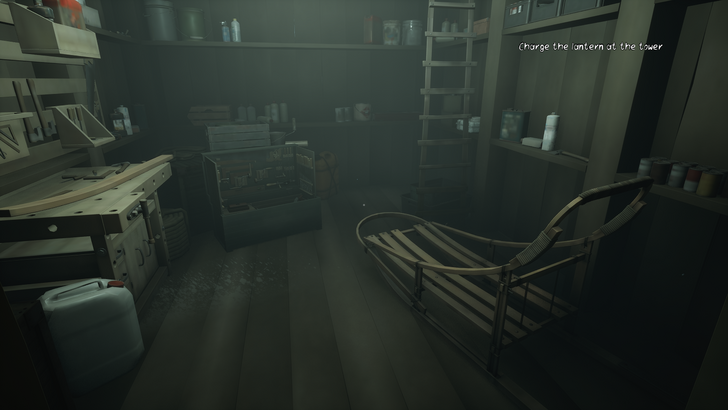
By that point, none of it feels fresh anymore. You already know what’s coming the second you reach a new area. And unfortunately, that frustration only gets amplified by the game’s technical problems.
Also Hindered by Bugs
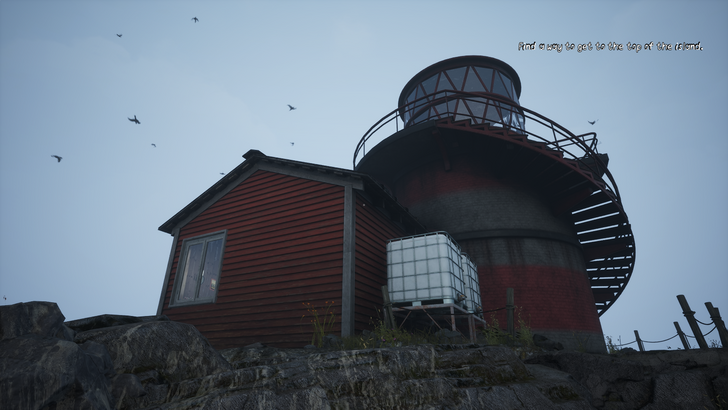
Now look, I’m not running some ultra high-end setup, so I always try to give games reasonable leeway when it comes to performance. But Will: Follow the Light constantly struggled in ways that became impossible to ignore, especially for a game that honestly doesn’t look demanding enough to justify how heavy it feels.
What made it particularly frustrating was how those issues started interfering with even the smallest moments. I take a lot of screenshots while reviewing games. When a game presents a beautiful shot, a strong visual composition of the gameplay, or a memorable emotional moment, my immediate instinct is to capture it.
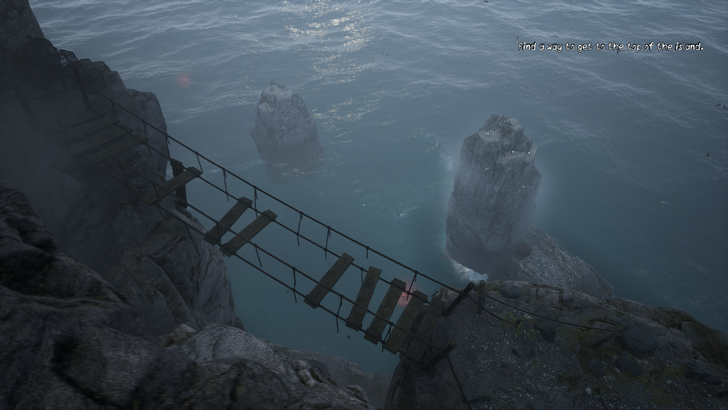
Here though, even that became a struggle. Taking screenshots would sometimes completely bug out the controls or freeze the game for several seconds. Toward the end, there was even this genuinely gorgeous scene I wanted to capture, only for the game to glitch repeatedly and spit out black screens instead.
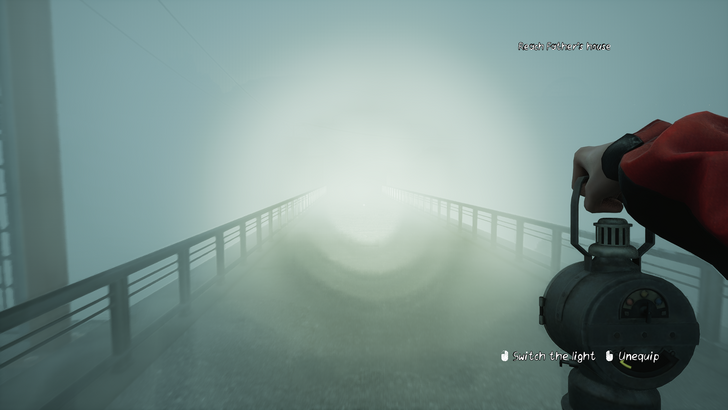
And it wasn’t isolated to screenshots either. During one sailing sequence through dense fog, I was supposed to navigate using the boat’s light as my primary guide. Except the light bugged out entirely, leaving me almost completely blind. I genuinely had to rely on the distant sound cues of another boat just to figure out where I was supposed to go. Which honestly sums up the experience perfectly, even the mechanics designed to immerse you in the journey end up fighting against it instead.
Will Has No Depth
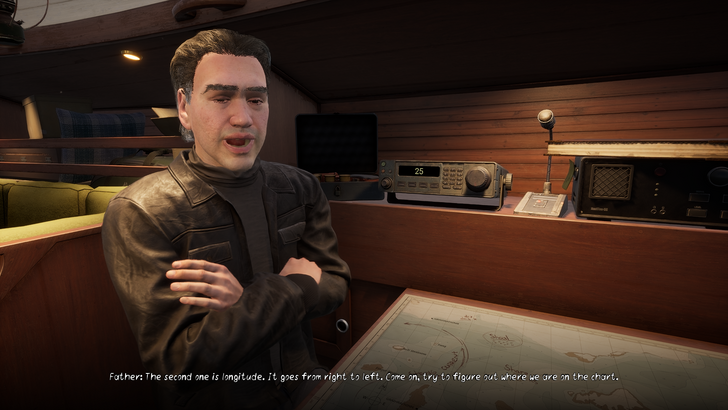
And honestly? Everything up until this point probably could’ve been tolerable if the story itself had delivered emotionally in the end. Give me tedious puzzles. Give me repetitive objectives. Give me overly drawn-out progression systems. I can push through all of that if the narrative payoff feels worth the journey. Narrative-driven games survive on emotional momentum. They survive on making players feel like every frustrating climb, every exhausting detour, and every painful revelation is leading somewhere meaningful.
But Will: Follow the Light never reaches that point. Instead, the story moves at this unbelievably sluggish pace while constantly presenting itself as far deeper and more mysterious than it actually is. The game keeps dangling revelations in front of you as if it’s building toward some massive emotional breakthrough, but by the end, I wasn’t shocked or devastated. I was mostly sitting there thinking, "That’s it…? I saw that coming from miles away!"
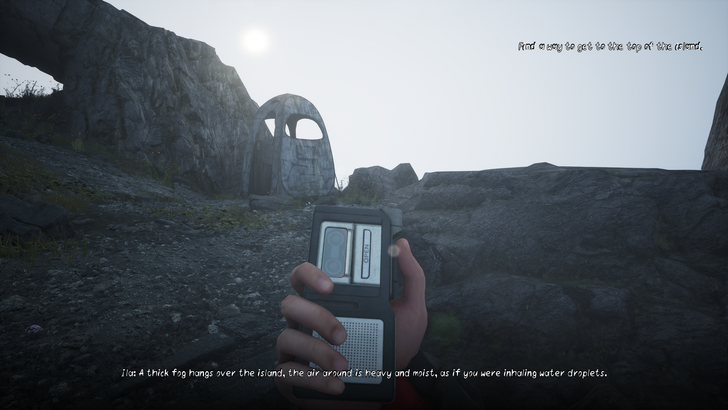
The frustrating part is the game desperately wants players to view its writing as emotionally profound, but so much of it feels performative instead of sincere. Characters speak in ways that constantly sound engineered for depth rather than natural human conversation, and the dialogue often struggles to match the emotional reality of the situations unfolding around them.
For example, early on after the mudslide devastates the town, people are missing, families are grieving, entire lives have been uprooted. And yet some characters still casually crack jokes or talk with this strangely lighthearted tone that feels completely disconnected from the disaster around them. It creates this emotional whiplash where scenes stop feeling believable because the characters themselves don’t react like people processing trauma.
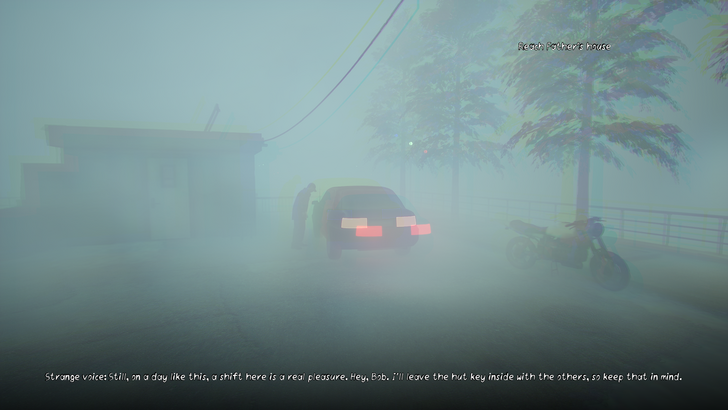
And that issue extends far beyond side conversations. Most of the cast feels incredibly flat, with personalities that rarely evolve beyond whatever emotional role the scene currently needs them to fulfill. Their tones shift abruptly, conversations don’t always flow naturally, and emotional moments often feel undercut by awkward delivery or overly explanatory writing.
So when you spend around six hours inside a story structured like this, the ending becomes everything. You keep waiting for that final emotional payoff to retroactively justify the slow pacing and repetitive journey. And then the game refuses to fully give you that too. Without getting into spoiler territory, the ending technically addresses the game’s central mission, but it does so in a way that feels restrained considering how much time the player invests getting there.
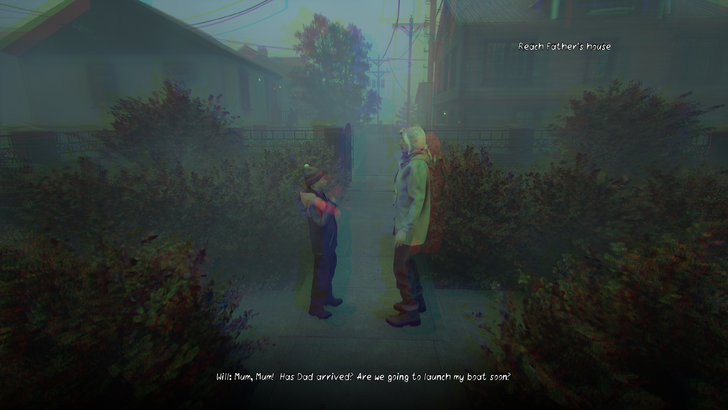
And no, I don’t think you need to be a parent to connect with stories like this either. You might think that the emotional weight will land harder if you personally relate to Will’s situation, but empathy isn’t just for parents. You don’t need to have a child to understand grief, regret, fear, or the desperation of wanting to protect someone you love from yourself.
The problem isn’t that the themes aren’t relatable. The problem is that Will himself never becomes compelling enough for the emotional weight to fully land, and the writing surrounding him simply isn’t strong enough to carry the kind of psychological depth the game constantly reaches for.
Sailing Mechanics Are Genuinely Great
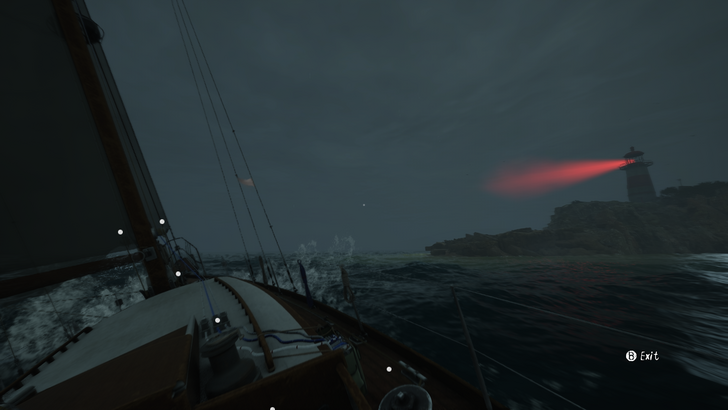
Of course, for all my frustrations with the game, it’s not like Will: Follow the Light completely fails across the board. Because the one thing it absolutely nails is the sailing itself. Those were the moments where I was actually having fun.
Sailing is surprisingly immersive, with how players have to manually operate the boat instead of simply pointing in a direction and holding forward. Steering through rough waters, adjusting the sails, managing the engine, checking your charts to stay oriented, and navigating while keeping track of the lighthouse beacon in the distance all help create this slower, more deliberate sense of travel that the rest of the game desperately needed more of.
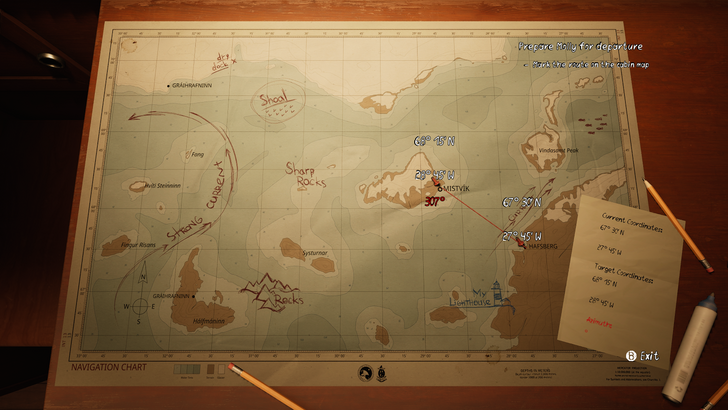
There’s a physicality to it that adds authenticity to the adventure. And weirdly enough, some of my favorite moments came from the smallest details. Even simple interactions like brewing tea aboard the boat helped sell that feeling of isolation and routine during long voyages.
Which makes it genuinely confusing that there isn’t more sailing in a game literally called Will: Follow the Light. Seriously, there’s even an option to skip certain sailing sections entirely, which kind of says a lot. For a game built around following lighthouse signals across dangerous waters, you’d think the sea itself would be the heart of the experience. Instead, the sailing often feels like a brief break between long puzzles rather than the core identity of the adventure.
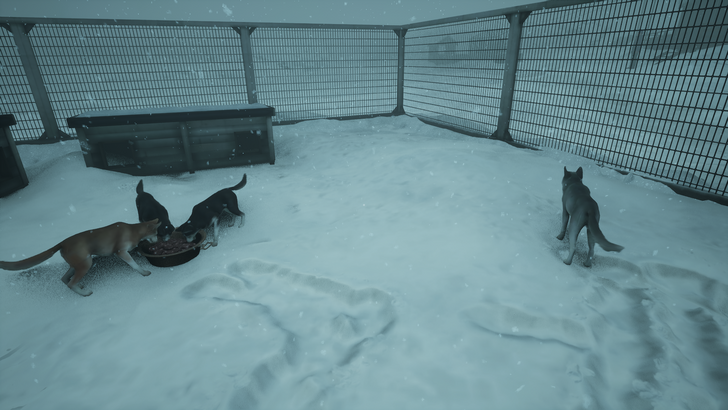
And honestly, I felt the exact same way about the sledding sections too. Those moments were simple, but they injected the game with a sense of momentum and freedom that the rest of the experience often lacked. Gliding through snowy terrain with dogs pulling you forward created this refreshing feeling after spending so much time slowly working on machinery around and restarting generators.
If the game had focused more on expanding those systems instead of constantly bloating progression with repetitive puzzle chains, I genuinely think the overall experience would’ve been significantly more engaging.
Is Will: Follow the Light Worth It?
No, It’s a Journey That Loses Sight of Its Own Light
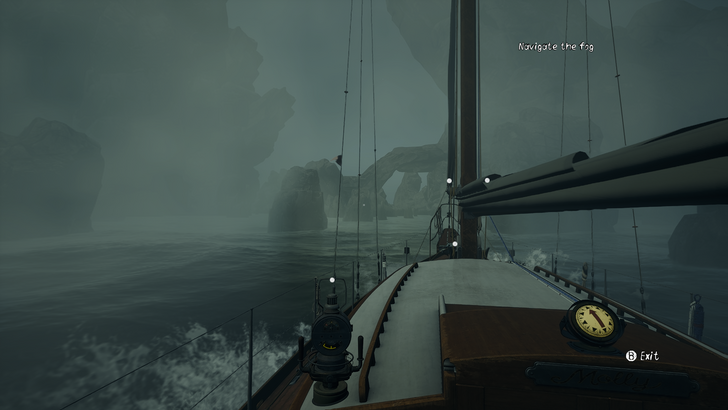
A cinematic psychological adventure about grief, family, and survival across dangerous seas already sounds like an emotional home run waiting to happen. Yet somehow, Will: Follow the Light continuously finds ways to undercut its own strongest ideas instead of building on them. Yes, there are pieces here that absolutely work. The sailing mechanics are immersive. Some of the quieter atmospheric moments genuinely capture the loneliness of traversing dangerous waters. A few emotional ideas buried underneath the writing still manage to shine through occasionally.
But the problem is that its flaws aren’t minor inconveniences sitting quietly in the background. They’re glaring issues that constantly interrupt the experience at almost every level, from the pacing, to the storytelling, to the repetitive gameplay structure, all the way down to the technical problems that chip away at immersion. And at $24.99, I honestly can’t recommend it in good conscience.
If you’re looking for a narrative-driven adventure that explores grief and emotional healing in a way that feels more sincere, emotionally grounded, and consistently engaging from beginning to end, you’d honestly be better off spending your time with something like Farewell North or Spiral instead.
Will: Follow the Light FAQ
Are There Collectibles in Will: Follow the Light?
Yes, there are collectibles like toy boats you can find throughout the game.
What Are The System Requirements for Will: Follow the Light?
| System | Minimum | Recommended |
|---|---|---|
| OS | Windows 10 64bit | Windows 10 64bit |
| Processor | Intel Core i3-8100 / AMD Ryzen 5 2600X | Intel Core i5-10400 / AMD Ryzen 5 3600 |
| Memory | 8 GB RAM | 16 GB RAM |
| Graphics | NVIDIA GeForce GTX 1660 Super / AMD Radeon RX VEGA 56 / Intel Arc A750 | NVIDIA GeForce RTX 3070 Ti / AMD Radeon RX 6750 XT / Intel Arc A770 |
| Storage | 30 GB available space | 30 GB available space |
Game8 Reviews

You may also like...
 |
Closer The Distance Review Adventure, Indie |
 |
Farewell North Review Adventure |
 |
Spiral Game Review Adventure, Simulation, Indie |
 |
OPUS: Prism Peak Review Adventure, Puzzle, Indie |
 |
Paranormasight: The Mermaid’s Curse Review Horror, Puzzle |