






Village in the Shade is a horror farming simulator developed and released by Nippon Ichi Software. Learn more about the game’s plot, gameplay, release date, our first impressions of the game, and more.
This Gorgeously Horrific Farming Sim is a Slow Burn Worth Enduring
Very Superstitious, Devil’s On His Way
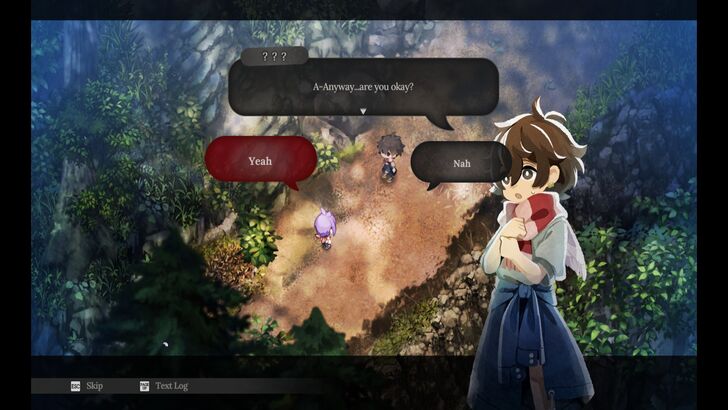
Anyone who’s grown up outside of the city could tell you firsthand that the countryside, wherever you are, can be really weird sometimes. Livestock disappearing without a trace, the faint rustling of otherworldly creatures in the fields, hushed but urgent warnings on how to avoid offending the spirits that live amongst nature. It's unsettling, sure, but also deeply alluring. Village in the Shade seems to share that same, childlike fascination, taking the coziness of the farming sim genre to hide distinct, Japanese horrors under the soil.
Village in the Shade is a beautiful farming sim with an intriguing story and fantastic worldbuilding. It’s bound to excite virtual farmers that want a more macabre and uniquely Japanese take on the genre, and I was hooked even with its problems. It is gorgeously atmospheric in both the cozy daytime and the horrific nighttime, and getting to know its colorful cast of characters has been a treat so far.
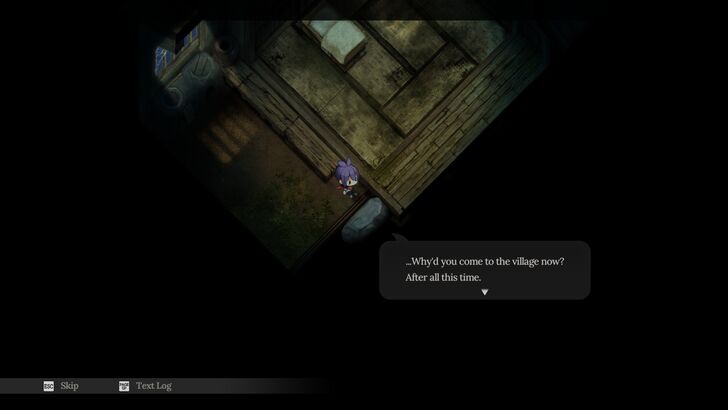
Those problems are undeniable, though. The gameplay is mostly par for the course for the genre, though it does leverage its unique setting to its advantage. Its 60/40 split between farming and braving the horrors breaks up the pace fittingly well, even if I do wish it was more balanced and interconnected. The incredibly sluggish pacing, meanwhile, highlights the more predictable story beats and means that merely engaging with the game is a staggering commitment even relative to the genre.
Still, Village in the Shade does reward your patience. Like a hydrangea, it has a distinct beauty even when tilling the soil proves to be a chore. It starts off deeply gorgeous and alluring, which makes the snail’s pace of unlocking new abilities and story moments bearable before it gradually pays off. I do hope that, as the game progresses, it finds a more consistent rhythm and its momentum pays off into something amazing, but as it stands it's already worth digging into.
Vibrant, Gorgeous Style that Mediates Horror and Coziness
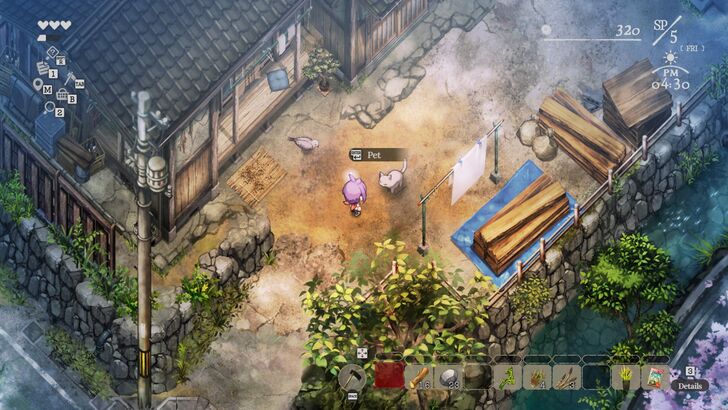
The most striking thing about Village in the Shade, bar none, is its art style. The game is simply gorgeous, with that handcrafted, watercolor-meets-chibi-anime aesthetic working incredibly well for both the bright, wholesome side and the darker, macabre moments. The town comes alive in both daylight and the moonlight thanks to a vibrant color palette and a ton of wonderful little details for attentive players.
My favorite moments in Village in the Shade so far were just taking the environments in while fishing or tending to my farm. Watching the leaves fall to the ground and little birds and insects flutter around is constantly breathtaking, especially with how the game’s lighting works to give everything an understated, sunlit glow. Conversely, the way the screen seems to tear itself apart through the shaking effects and increasing fog of the night time horror portions gives Kagatsu’s hidden darkness an undeniable intensity.
The art style, ultimately, makes farming a rewarding exercise just by how beautiful you can make your farm look. The Japanese countryside feels a little more biodiverse than I expected, with Village in the Shade allowing farmers to plant everything from vegetables to trees to fields of flowers, and they all coalesce into nice, curated fields with minimal effort. The real highlight here, though, is how exploring Kagatsu at night with all of the yokai roaming around turns this once-cozy town into a tense, hostile arena to carefully navigate. Stealthily moving past pillars of eyes or giant monsters who abhor your very presence, with that same top down perspective and movement speed as you have while farming and strolling through the down, is nothing short of thrilling.
Even the character designs reflect just how effective the art style is at establishing the world and its atmosphere. Characters immediately communicate their character traits at a glance, whether it’s Kisuke’s brashness reflected in his sharp teeth and blond hair or Tobari’s cynicism being shown through their reserved pose and outfit. The yokai, meanwhile, are menacing without leaning into an exaggerated body horror that betrays the subdued, cartoonish style.
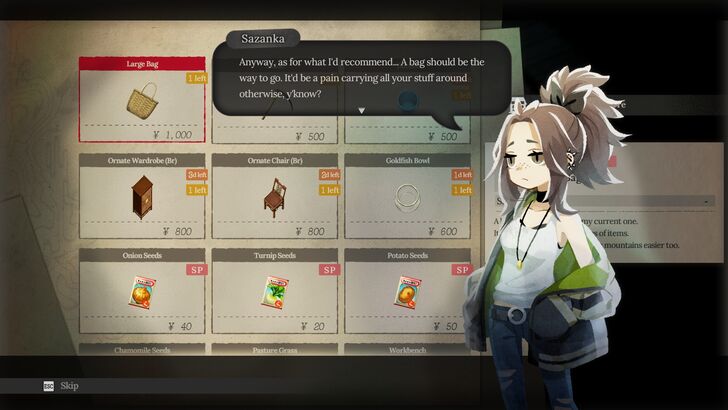
Some of these designs do end up blending together, though, while certain areas like the mines don’t feel nearly as distinctive in terms of their looks. Furthermore, the game’s tendency to start in Windowed Mode on PC makes the game look strange and compressed at first. Still, Village in the Shade is strikingly beautiful, and those aesthetics go a long way to making the game’s initial sluggishness palatable.
Slower Growth than the Ginkgo Biloba Tree
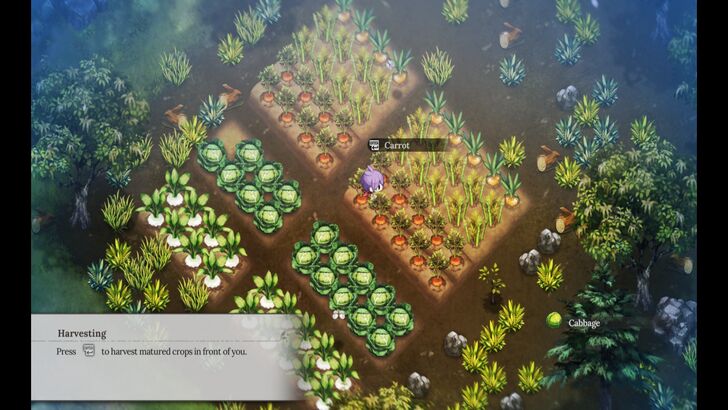
Farming sims are, very consistently, time sinks. They take a while to get going, and reward players that really engage with the systems and put in the effort to make their plots beautiful. This should emphasize, then, just how long it takes for Village in the Shade to get going. The tutorial can take a few hours, while unlocking new abilities and items comes at a really slow pace. This is, ultimately, a double edged sword for Village in the Shade.
On one hand, this pacing forces players to soak in the gorgeous environments and the distinct personality of the area. Taking your time interacting with other villagers and finding secrets can be quite rewarding, even when your toolkit is fundamentally incomplete. At the very least, basic things like fishing, tilling, and planting are available after the tutorial.
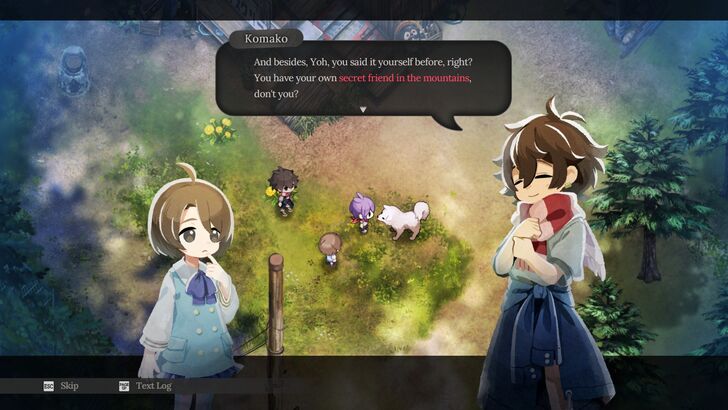
On the other hand, though, as far as gameplay goes, Village in the Shade doesn’t exactly reinvent the wheel as far as farming mechanics go. Nothing in the game really necessitates these belabored tutorials, as farming and fishing work quite similarly to other games in the genre. Its more unique aspects, most notably the horror elements, will inevitably test your patience as it takes a while for them to even be interactive.
To its credit, the game regularly teases the horror elements through cryptic dialogue, notable story beats, and the odd jumpscare here and there. It establishes the atmosphere and looming dangers, but you won’t be exploring Kagatsu’s yokai-infested night time streets until at least 5 hours into the game, and that's if you go out of your way to skip through the farming portions. Exploring the town at night and learning more about the yokai and history of Kagatsu is alluring, especially as you unlock abilities and items that help your survivability, but more than 20 hours into the game and I just wish it was a more consistently engaging and interactive part of the experience.

Both halves of Village in the shade have their own merit, with the horror segments being tense, thrilling, and alluring to explore. The farming, meanwhile, is classically fun and engaging even with its simplicity, and players who just want to focus on that part of the experience can do so with the Village in the Sunshine mode that does away with the horror completely. I just wish that these two halves were better paced and balanced, and I’m hoping that as the game progresses the game finds a better rhythm.
Classic Japanese Horror Makes for a Fascinating Double Life

Something that's always fascinated me about horror across cultures is how differently they approach the supernatural. Japanese horror and folklore seems to place a large emphasis on coexistence with spirits and monsters that exist not out of any malice, but as primordial forces of nature that one must respect. Village in the Shade directly implements the spiritual, rustic macabre of its world into both the moment-to-moment gameplay and the overall narrative, and it's all the more memorable because of it.
Village in the Shade follows Ame, a child who wakes up from a coma and stumbles onto Kagatsu Village. Kagatsu is a superstitious, distrustful village that maintains order through a number of strict rules; the most important one being that no one is allowed to venture into the town after 11PM. After offering their first harvest to the gods, Ame gains the villagers’ trust and begins a descent into the truth behind Kagatsu’s dark side. After Ame’s constant hauntings by Kagatsu’s horrors leads to their beloved pet chicken Pico dying, they’re led into a rabbit hole of breaking the sacred curfew and trying to survive against the town’s primordial spirits.
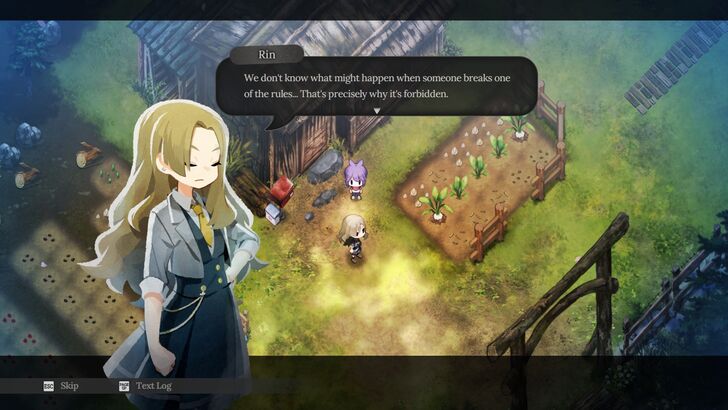
This inciting incident, even when it comes quite late into the story, is alluringly dark and sets the tone for the rest of the game. There’s already quite a bit of mystery even before Pico dies, such as Ame’s true identity, the time that’s passed since their coma, and what supernatural forces lie beneath Kagatsu’s sunny exterior. Having to stealthily explore the nocturnal, yokai-filled Kagatsu already carries such a heavy and layered risk, whether its risking your relationship with the townsfolk or gambling your health and inventory, and it makes that part of the game incredibly thrilling.
It makes it more interesting that Ame is, essentially, living a double life. By night, you’re foraging for clues and appeasing the spirits, praying that your mere presence doesn’t anger them; by morning, you’re helping the people of Kagatsu. You assimilate and become part of their community, you help them with their errands, and you learn more about them as people. In both cases, you’re an invasive outsider hunting for truth and identity amidst the mysteries of the village, and it’s such a cool narrative premise even in its glacial pace.
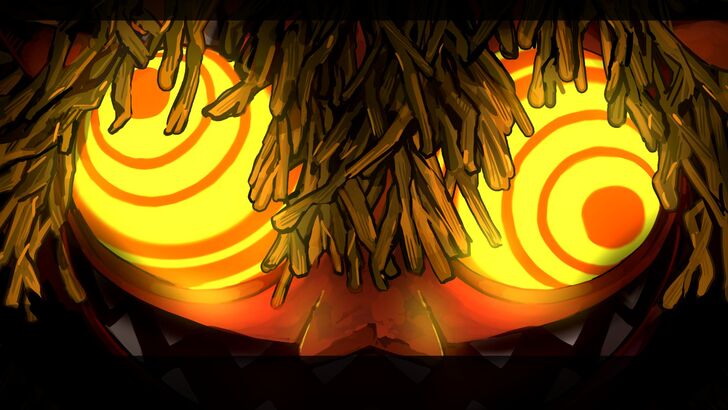
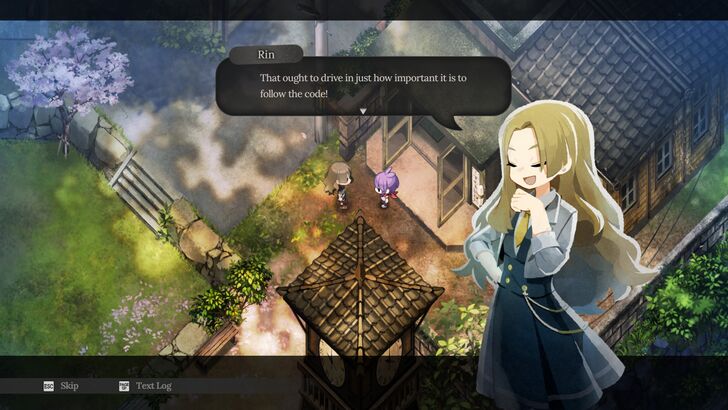
The characters of Village in the Shade are incredibly compelling in their arcs, whether its Yoh learning to deal with grief and accountability at such a young age or Hasumi’s insecurity with not being a "real doctor." They’re not all lovable, some of them like the stock broker Konno and de facto town leader Rin can be real assholes, but getting to form bonds with them has been one of my favorite parts of the experience.
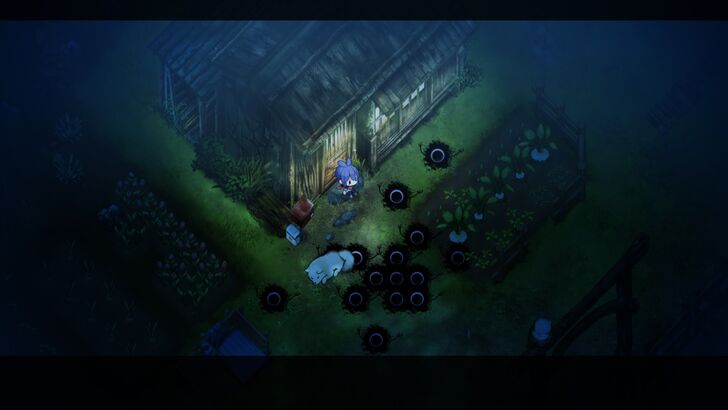
Village in the Shade has been quite a memorable game, with its art style, strong writing, and fascinating premise carrying what’s otherwise a pretty standard farming sim. I can’t wait to dive back in and see if the game finally hits its stride pacing-wise. That premise is, ultimately, what I love most about it; the idea of a farming sim where you're an unwelcome anomaly that threatens the very fabric of the soil is such a brilliant subversion of genre tropes. Rules and consequences be damned, I need to know what happens next.
Game8 Reviews

You may also like...


Village in the Shade Product Information
 |
|
| Title | VILLAGE IN THE SHADE |
|---|---|
| Release Date | October 27, 2026 |
| Developer | Nippon Ichi Software |
| Publisher | NIS America |
| Supported Platforms | PlayStation 5, Nintendo Switch, Nintendo Switch 2, PC |
| Genre | Simulator, Horror, Farming |
| Number of Players | 1 |
| ESRB Rating | T for Teen |
| Official Website | Village in the Shade Official Website |















Hi there to all, it's in fact a nice for me to visit this web page, it contains useful Information. Here is my site - <a href="<a href='https://pdihealth.com/">mobile' target='_black' rel='nofollow'>https://pdihealth.com/">mobile</a> radiology</a>