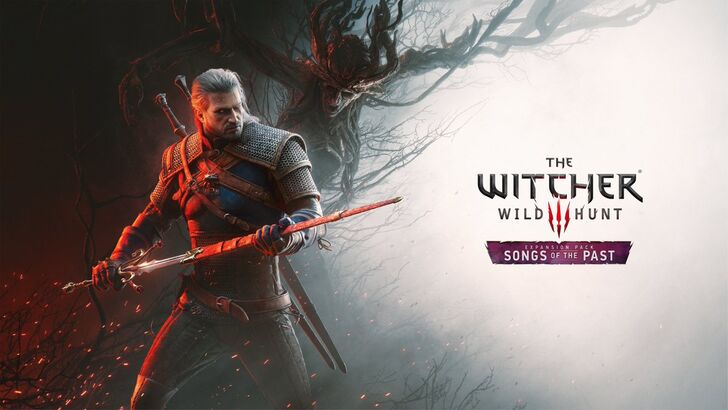




The Witcher 3: Wild Hunt is an open-world, action RPG by CD Projekt Red. Read our review to see what it does well, what it doesn’t and our overall thoughts on the game.
Overview
What is The Witcher 3: The Wild Hunt?
The Witcher 3: The Wild Hunt is the third game in the Witcher series of games, based on the novels by Polish author Andrzej Sapkowski. Witcher 3 is a dark fantasy, open-world, action RPG that follows Geralt of Rivia, a Witcher, as he searches for his adoptive daughter Ciri and investigates the mysterious Wild Hunt. Players control Geralt through numerous lands and quests across The Continent, taking Contracts as a Witcher to slay beasts, or quests to assist various characters throughout the country.
The Witcher 3: The Wild Hunt features:
⚫︎ Fantastic, top-tier storytelling with branching narratives and dialogue trees
⚫︎ In-depth RPG mechanics
⚫︎ Beautifully designed, vast open-world
⚫︎ Incredible, Slavic-inspired fantasy music
⚫︎ Deeply interesting worldbuilding and themes
⚫︎ In-depth card-based mini-game Gwent
| Digital Storefronts | ||
|---|---|---|
 Steam Steam |
 Playstation Playstation |
 Xbox Xbox |
 Switch Switch |
 Epic Epic |
 GoG GoG |
| $39.99 | ||
The Witcher 3: Wild Hunt Review | Gaming’s Beautiful, Dark, Twisted Fantasy
One of 2015’s Best Games, 11 Years Later
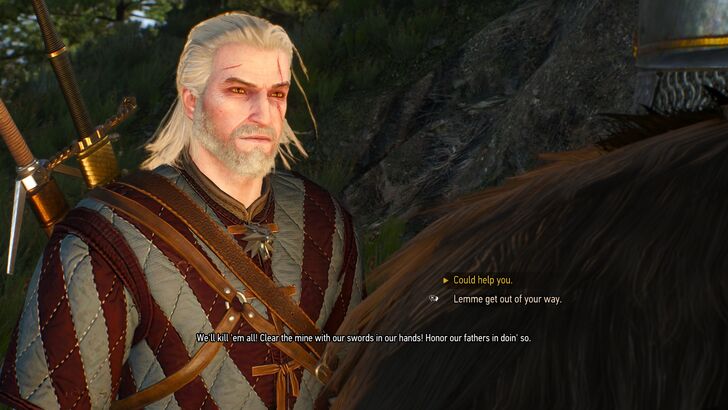
The Witcher 3: Wild Hunt has spent the last 11 years in what I like to call "critical acclaim limbo." A product of the 2010s era prestige-maximalist cynicism that also birthed such cultural touchstones as Game of Thrones and Red Dead Redemption 2, it’s been hard to properly define what The Witcher 3 actually does outside of its enduring legacy. This is especially true as the game has inspired an entire new generation of cinematic, open-world classics, from Elden Ring to Ghost of Tsushima.
After revisiting and re-experiencing Geralt’s journey, over a decade removed from its initial hype and even foregoing the technical bells and whistles that made it shine (as I primarily played the Switch version), The Witcher 3 still holds as one of the best games ever made. Its fantastic, endlessly gripping storytelling, gorgeous art direction and presentation, and the intoxicating freedom of its open world still make a case for it as an all-time classic, all these years later.
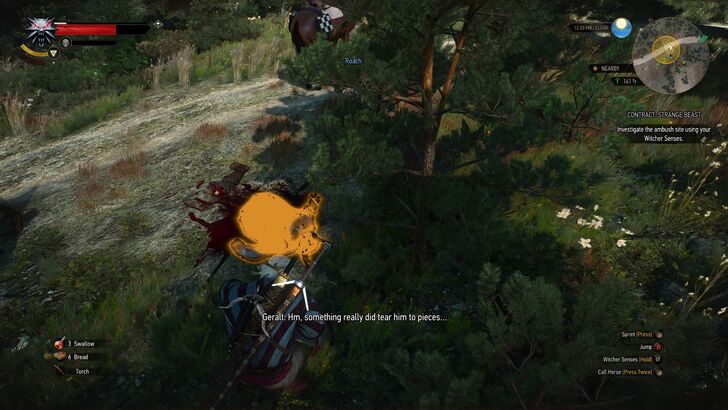
This status isn’t nearly as unassailable anymore, though, since some critical flaws just can’t be ignored no matter how you look at it. For all its uncompromised vision and beautiful worldbuilding, its a shame that The Witcher 3 plays like… that. Weightless, unimpactful, and completely uninterested in leveraging its beautiful world to diversify the combat experience. It’s a problem that persists both in hindsight and especially now, aging the game’s mechanics quite handily.
That said, it speaks to the game’s excellent presentation and narrative that its status as a beloved classic endures, all flaws with the gameplay aside. You’ll see fans all over the internet say to play The Witcher 3 for its story rather than its combat, and I think that speaks to how fantastic it is as an overall experience. A lesser game would have been relegated to the sidelines of history with this combat system, but The Witcher 3 transcends all odds and remains a must-play thanks to its uncompromising, exhaustive vision.
The Family Matters, and The Truth of the Matter
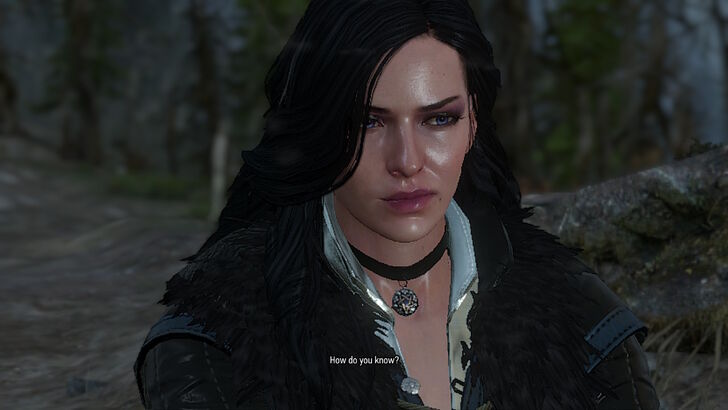
On the surface, any story summary of The Witcher 3 is quite straightforward, if not a bit basic. You play as Geralt of Rivia, a Witcher, looking for his adoptive daughter Ciri after her sudden disappearance. As a Witcher, a genetically mutated bounty hunter, Geralt travels across the continent in search of Ciri while taking contracts and quests for Coin and information. Once it's clear to Geralt that Ciri is being pursued by the Wild Hunt, dangerous supernatural horsemen who want to conquer the Continent, for her abilities and Elder Blood lineage, the quest only becomes more dire.
It is in the depth and deliberate design decisions of The Witcher 3’s narrative that its strong foundations yield incredible, well-written and fascinating results. Yes, it looks like another high fantasy world, but it’s one of deep moral compromise and political corruption that grounds magic, demons, and monsters in the filth of human violence and excess. The characters may look like your standard medieval fantasy fare, but their complex personalities, backstories, and individual questlines make them feel painfully human and wholly memorable.
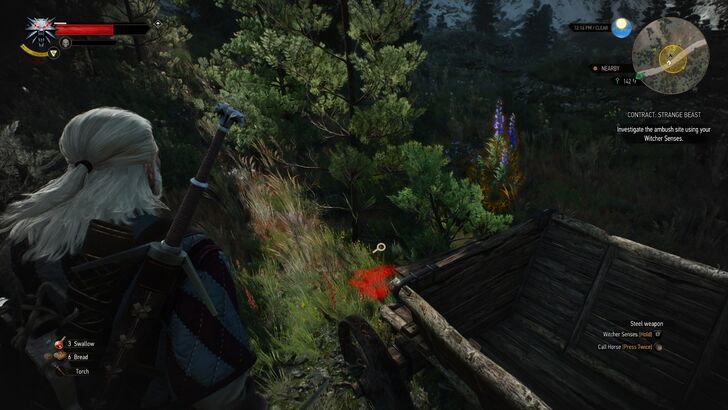
The worldbuilding and narrative of The Witcher 3 elevate its dense, large-scale open world by being the most potent reward for exploration. These stories turn The Continent into a dark fantasy hellscape where people happily kill for money and the risk of being eaten by demons and zombies is incredibly high, even when an entire system around law enforcement and royalty is seemingly present and accounted for.
As players explore more of the world, they’re met with even more engaging, thrilling encounters that by themselves could be the entire plots of smaller games. It's this narrative-driven gameplay loop that keeps The Witcher 3 an entirely thrilling and captivating experience all the way through, even when cracks start to show.
All of this dark, mature, gritty worldbuilding centers around two fundamental concepts clashing with each other: family and hedonism. Geralt’s emotional crux is finding his adoptive daughter and his desire to protect her from the otherworldly forces that want to harm her, his paternal instinct shining through in every interaction.
It is also through this desperation that Geralt resorts to working with domestic abusers, mob bosses, and child-eating abominations, the dregs of The Continent and the ultimate embodiment of its unyielding sin, just to inch closer towards an answer. It's an endlessly compelling thematic friction that makes the narrative feel dynamic and the world feel irreparably broken, and it's an incredible foundation for some fantastic character writing.
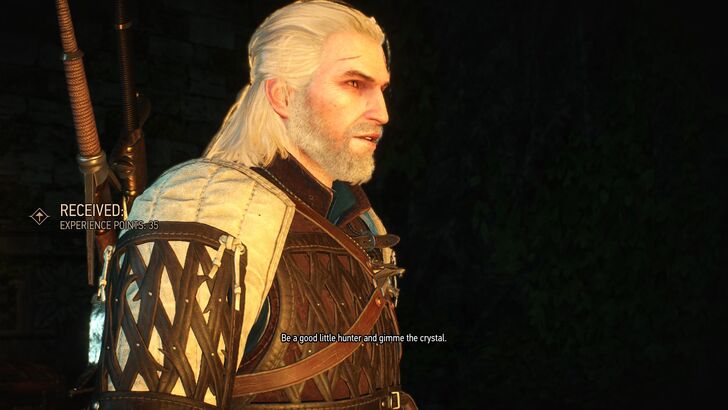
This creative triumph is done in spades for nearly every character, regardless of their moral alignments or story significance. Morally reprehensible characters like Sigismund Dijkstra and the Bloody Baron effortlessly convey sympathy and, in Dijkstra’s case, an undeniable cunning charisma reminiscent of Tony Soprano, despite their horrid actions.
Meanwhile, a character like Keira Metz performs altruistic, unequivocally good acts and is generally a good person by the world’s standards, but is driven to commit selfish, hedonistic acts out of pure necessity. Morality is never defined in The Witcher 3, and the characters shift and toss it around like dough that’s kneaded and rolled around endlessly.
Even the smallest characters rise to significant status thanks to the game’s incredibly strong, subtle, and complex character writing when it's most needed. For instance, take a minor character like Skjall, a short-term friend of Ciri who develops a crush on her and subsequently dies trying to aid her escape. His presence, brief as it is, instantly leaves a mark on players because of his deeply simple, human connection to Ciri.
The subsequent tragedy of his character, not even knowing peace after death because of Yennefer’s necromancy and desperation to find her adoptive daughter, is a fantastic contrast to the type of "goodness" that survives in The Witcher 3. It's one of the many stark reminders that an absolute good cannot exist on The Continent, even in its periphery, that the land and its people almost punish those who attempt to resist its deep systemic rot through acts of good.
A Picture of Geralt of Rivia
The beauty of The Witcher 3 is arguably at its strongest when looking at Geralt as a character. The writers have perfected the tightrope act of making Geralt a well-defined, fully realized person with his own specific history and personality, while leaving just enough space there for the player to create their own version of the White Wolf.
The result is one of the most memorable and compelling video game protagonists ever written, and he remains a phenomenal character to play as. It's the kind of role-playing that video games are made for, taking control of a power fantasy through your own actions, and The Witcher 3 remained a masterclass in executing this balance perfectly.
Oftentimes, video games lean into one direction or the other, especially in RPGs. You’ll either play as a singularly defined character whose decisions are predetermined by the narrative, or you’ll be a blank slate silent protagonist who comes out of nowhere and becomes important out of sheer happenstance.
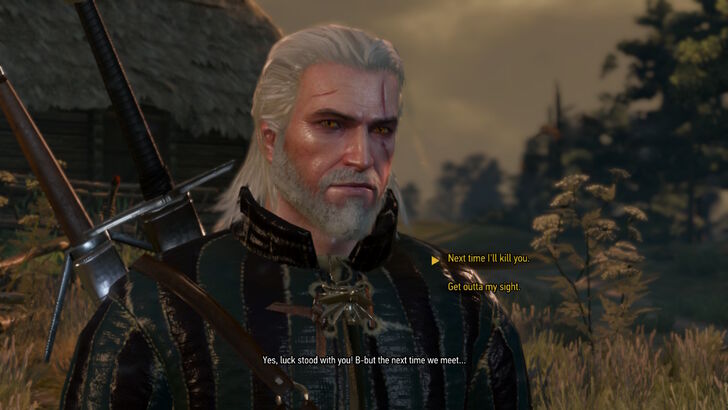
Geralt is neither. According to the folklore, Geralt’s genetic mutations have imbued him with a limited self-expression that leads people to believe that he’s a ruthless, emotionless murderer-for-hire. Playing as Geralt, though, shows a beautiful amount of humanity and empathy that even the toxins in his blood can’t push all the way downward. The brilliance of this dichotomy is that, throughout the narrative, it’s up to the player to decide which part of Geralt’s personality they want to lean into. It’s the power fantasy made manifest in dialogue trees and branching paths; both you and Geralt get to carve out morality and meaning in a world wrestling with it.
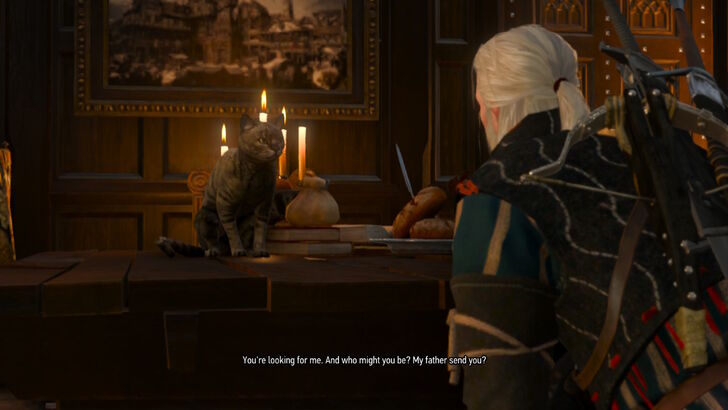
He is an established character in the lore of The Witcher universe, with deep, compelling ties to the world and people around him and a profoundly relatable goal. However, the game gives players a seemingly endless spectrum of options to define the spaces within Geralt’s personality through branching dialogue trees and quest outcomes. It’s an excellent way of further deepening the connection between the player and the character while still maintaining him as an established space within the world.
The main narrative and side quests display this nuance brilliantly, with Geralt serving as a lens through which the player witnesses events unfolding across The Continent. In his quest to find Ciri, Geralt comes across so many fascinating people, each with their own unique stories, that his dualistic personality shines as sharply as the blades of silver and steel that he wields.
A Bewitching Deluge of Choice
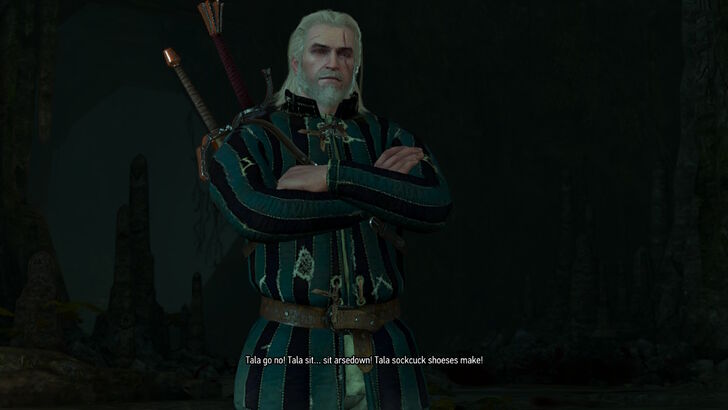
Whether you want Geralt to be a stoic, ruthless mercenary, a deeply caring and empathetic father figure, or a sarcastic, wisecracking smartass, the game gives players seemingly limitless freedom to make Geralt the exact type of Witcher they want to be. Regardless of which direction you go for, the game’s dialogue is consistently sharp and compelling with its balance of dry wit, marked urgency and profound empathy.
This is made better by the fact that the quests Geralt undertakes, both mandatory and optional, vary greatly in theme and scope. Despite a seemingly straightforward rescue mission, Geralt is taken all over The Continent through bloody, tragic domestic disputes, horrific and visceral haunted castles, high-stakes political tension and even rescuing a quest statue’s "stones." It justifies the grand scope of the world by filling it with an incredible amount of color and character, and exploring The Continent becomes all the more rewarding because of it.
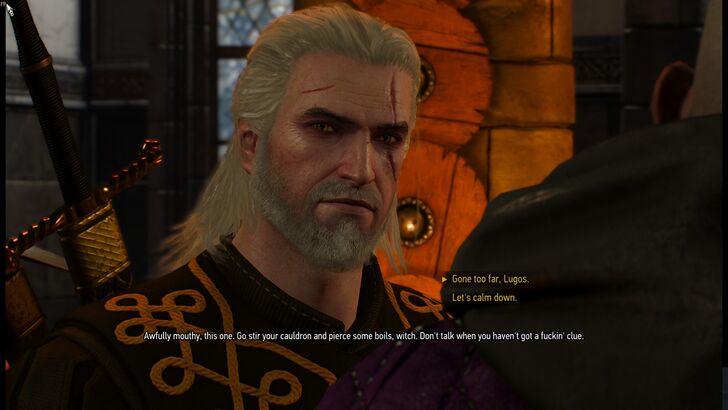
The Witcher 3’s story is at its best when it directly deals with the moral ambiguity of The Continent. On that end, one of my favorite one-two punches in the narrative was "Family Matters," with The Bloody Baron’s tragic family backstory creating genuinely harrowing drama and difficult nuance to contend with, and the subsequent "Return to Crookback Bog," sidequest, where Geralt helps the Baron heal his wife’s clouded mind to a conclusion that never quite works in anyone’s favor.
Of course, as I’ve mentioned, the game doesn’t lean into this darkness for every single quest. One of my absolute favorites in this regard is "The Play’s The Thing," a quest where Geralt must stage a play to lure out a doppelganger. Geralt spares no expense in making this play a success, giving the player immense creativity and freedom in how it is structured. It’s great, lighthearted fun coupled with the new challenge of actually memorizing your lines to make the play a success, and it’s one of the many ways Witcher 3 introduces some much needed lightheartedness.
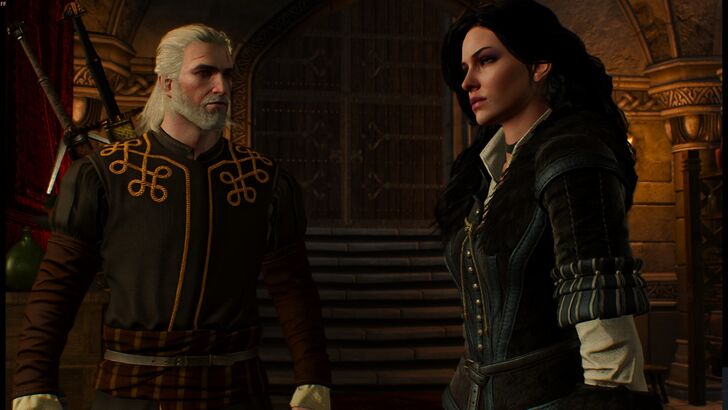
Even Geralt’s personal life is dictated by player choice. Though he has a pre-existing relationship with Yennefer of Vengerberg, the game perfectly sets Geralt up in a situation where returning to his soulmate isn’t automatically the best option.
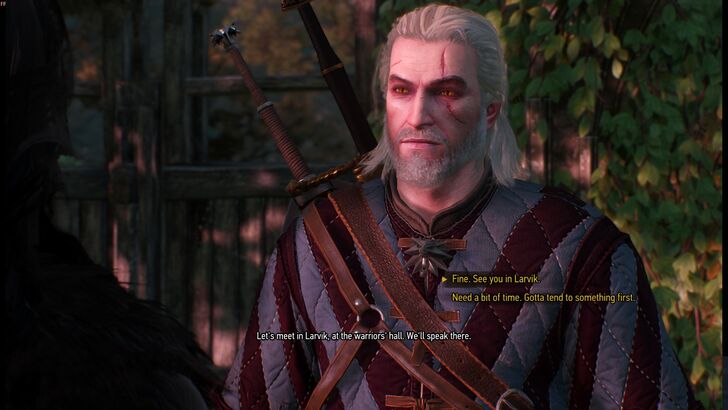
Triss Merigold, who I romanced because of her magnetic, beautifully altruistic personality, is an equally compelling romantic partner for Geralt as Yennefer is, albeit for her diametric warmth and empathy. The latter, however, does have a quest with Geralt that tests their love in such a beautiful, heart-wrenching way that I was left speechless, nearly regretting my choice to forego what was already a gorgeous romance from the start.
The range of quests in The Witcher 3 is mediated by the range of choice and freedom that the game offers players, and how this massively affects the world moving forward. Nowhere is this better seen than in the multi-quest spanning political storyline which culminates in Geralt either enabling a genocide of mages and non-humans, a Machiavellian takeover of Novigrad’s economy, or letting a different, equally barbaric ruling class take over. There are no right answers, only ones that are less correct, and in any case it’s a masterful display of Witcher 3’s handling of nuance.
Silver and Steel Gone Soft
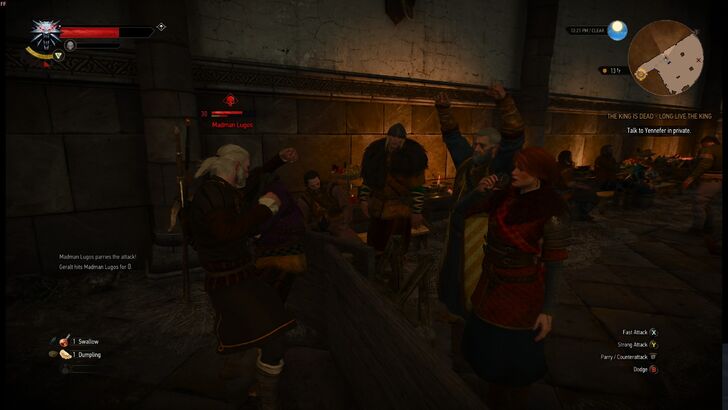
Unfortunately, the aforementioned cracks in The Witcher 3 as an experience come squarely down on its gameplay mechanics. While the game’s narrative, character writing, and presentation are still top tier, Geralt’s combat has been a point of contention since the game’s release. I’ll be the first to throw more wood into that fire: The Witcher 3’s combat, while serviceable, lacks the creativity of open-world action games or the skill expression and creative freedom of action RPGs. Time and context have completely eroded this game’s combat from being a simple, fun distraction to a merely passable afterthought.
At its best, it is a physical bridge towards the power fantasy of being Geralt, the badass twin-bladed mutant detective. There is some strategy here, even if it just means applying the correct oils to match an enemy’s weakness or upgrading to a better sword, and technically all the elements of a fun, highly fluid action game are here. You can roll, dodge, target weak points, and the sign system does add variance to that combat loop.
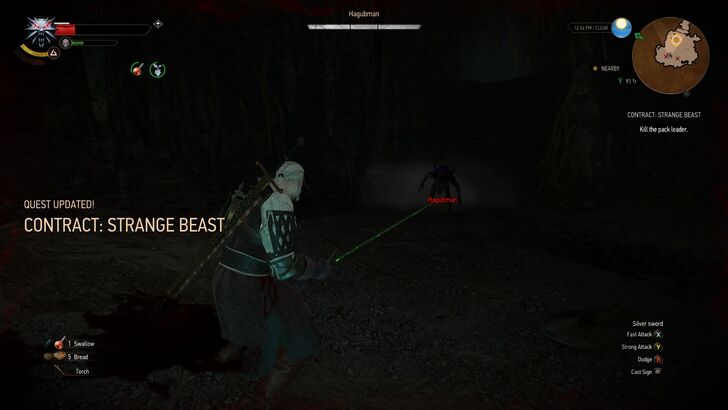
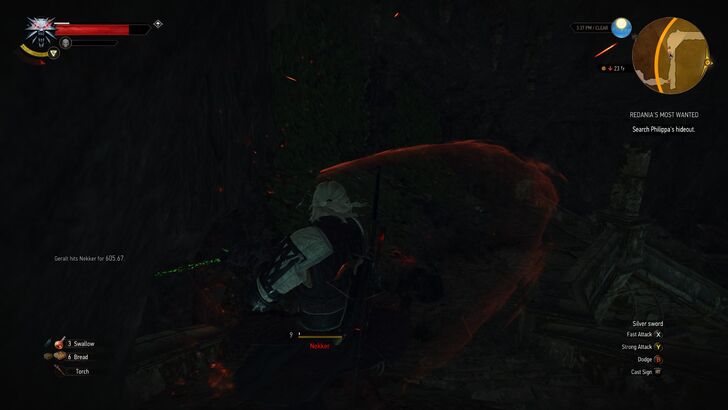
Even then, it is in the depth of the combat, or lack thereof, that The Witcher 3 falters. Combat encounters are repetitive and sluggish, with every boss fight boiling down to the same strategy of preparing the right oil and sign build and rolling around attacks. In the base console releases, which run at 30FPS, Geralt feels like an 18-wheeler on ice trying to maneuver around the most basic of enemies.
This clunkiness is somewhat fixed by the next-gen releases, which run at double the frame rate, but these also don’t fix how weightless and inconsistent Geralt’s attacks usually feel. These are imposing swords imbued with alchemically engineered oils applied on them, and they hit as hard as pool noodles.
As an aside, the amount of mini-games in The Witcher 3 do deserve a mention as fun, desperately needed moments of levity. Fistfighting and Horse Racing are fun little distractions, while Gwent, ever the internet darling, didn’t really captivate me all too much. I can acknowledge its depth and complexity, but I didn’t find it fun enough to keep playing. None of these, ultimately, elevate the gameplay beyond its initial sluggishness.
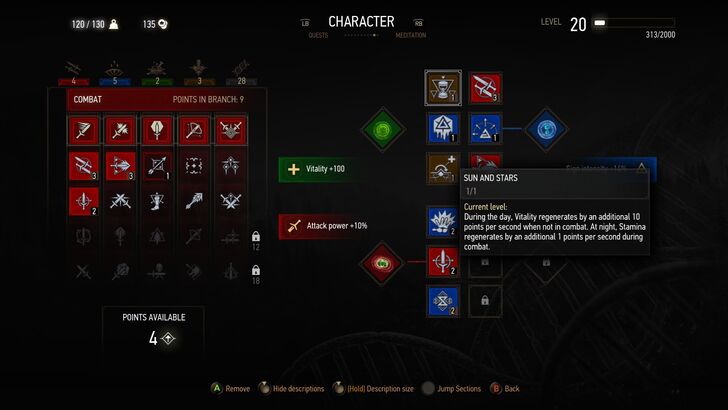
To the game’s credit, as an action RPG it’s quite in depth and customizable, doing just enough to add micro-variations to how players approach combat. Players can customize just about everything to fine-tune their version of Geralt, from the armor and swords he uses to allotting skill points to specific attributes. More deliberate parts of combat, like oils and Signs, can be enhanced through runes and glyphs that make their effects more potent.
My problem with this, unfortunately, is that it doesn’t do much to elevate the combat from feeling as limp and rigid as it does. It doesn’t take a self-imposed challenge run for players to finish the game while barely interacting with its in-depth mechanics, only changing sword loadouts or levelling up skill attributes without much forethought.
Does it point to rewarding players for engaging in its systems? Sure, since the math behind your attacks changes and makes fights significantly easier. Does it change the fundamental issue of the combat feeling weightless and repetitive? With the benefit of hindsight, no.
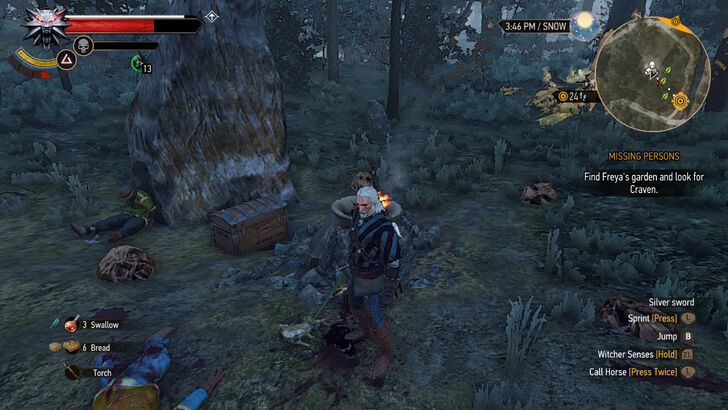
This also leads into my other problem, the lack of interaction with the world. The Witcher 3’s Continent is such a sprawling, beautifully dreadful landscape full of unpredictable terrain, elevation, and encounters. It's a shame that its expansiveness doesn’t change how Geralt interacts with his enemies, with every combat encounter ending up the same way regardless of where he is in the world.
Geralt’s Signs, simplified magic spells that are cast with a single hand, do mitigate this in some way. Igni is a good way to deal with the hordes of Drowners on the shores of Velen and Skellige, while Aard has helped me push otherwise pesky Bandit camps off cliffs in Novigrad. It is worth noting though, that Quen, perhaps the most broken spell in the game that amplifies Geralt’s survivability to absurd degrees, is another example of the game rewarding the path of least resistance and trivializing creative strategy.
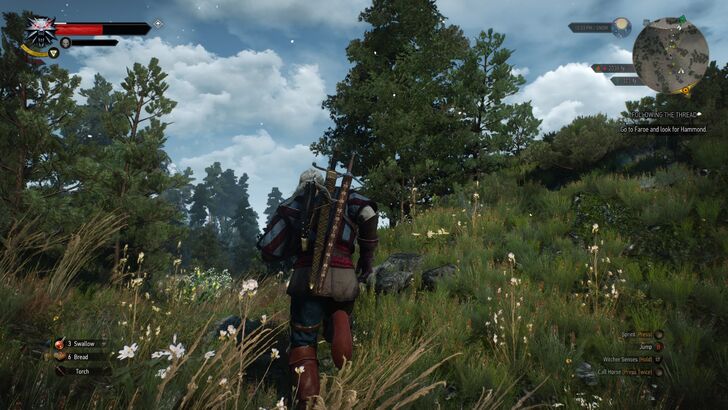
Even compared to some of its contemporaries in the open-world genre, which let players interact with their worlds in seemingly endless ways, The Witcher 3’s combat is restrictive by comparison. You could chalk it up to different design philosophies, which is entirely true, but given the freedom that The Witcher 3 trusts players with everywhere else in the game this rigidity strikes me as a sorely missed opportunity.
Lost in The World, Down For the Night
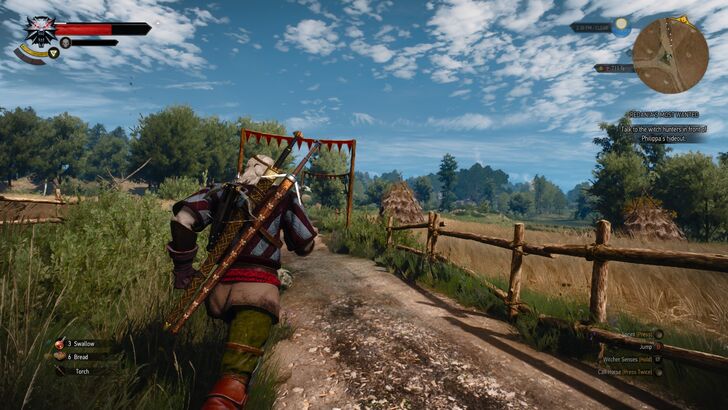
For all of its grand maximalism, density and scope, The Witcher 3’s world and aesthetic presentation is elegant in its simplicity. It's a well-crafted, vast, and lived-in fantasy world that's been corrupted by decades if not centuries of institutional rot, and it makes The Continent and its major areas that much more memorable.
Every area is well-defined and tells its story just from the surroundings, from the mystical nature of Skellige to the brick-and-mortar claustrophobia of Novigrad. Every locale in the game serves as a fantastic land for the player to get lost in and immerse themselves in, with every new corner unveiling something to discover.
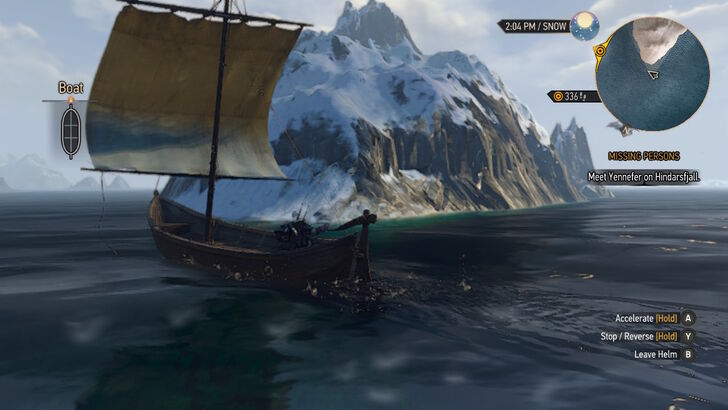
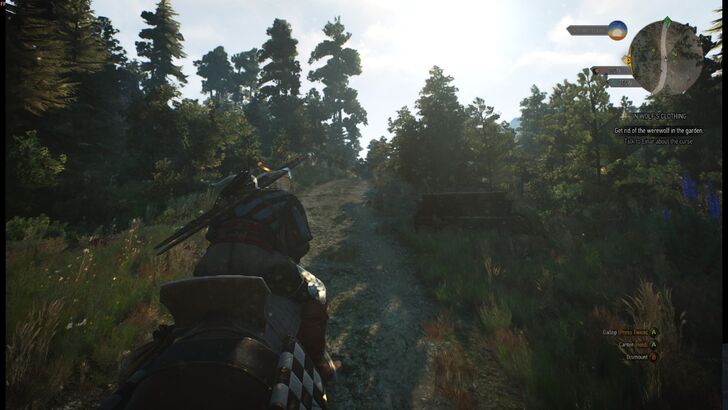
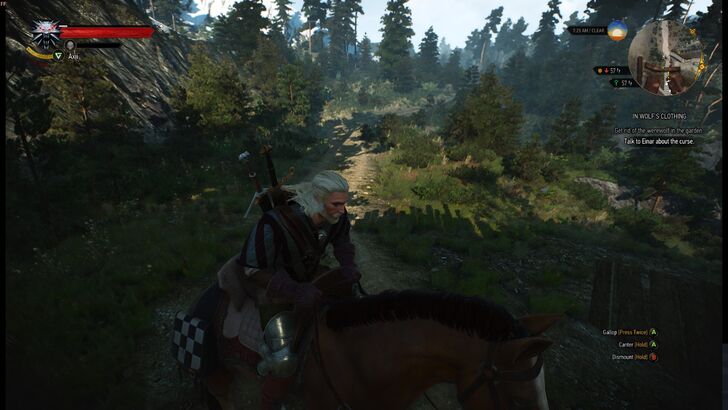
Some of my personal favorite moments playing The Witcher 3 were just running towards the question marks and exclamation points on my map, completing whatever quest or retrieving whatever item was there, and going on my way. It made the game’s exploration feel that much more liberating and fun, even when Roach was hard to control.
This is helped greatly by the game’s stunning art direction and visual design. For its time, The Witcher 3 was a technical marvel. Today, it's been eclipsed by more technically impressive games like Red Dead Redemption 2, but I’d argue that The Witcher 3 still looks great because of its classic art direction. It's easy for a game, especially in a genre as oversaturated as Fantasy, to look generic, but The Witcher 3 transcends into timelessness because it weaponizes its greatest strengths: nuance and subversion.
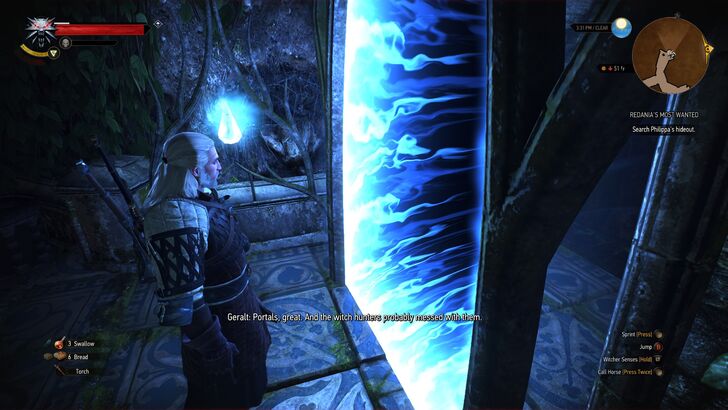
In classic fantasy, even among its contemporaries like Skyrim, castles and their towns are orderly and pristine. By comparison, Novigrad’s filthy, crime-ridden city streets and the ruins of castles strewn across Velen feel more like Gotham than Middle Earth. This works especially well given that an understated part of Geralt’s responsibilities and character is being a detective, so crime-noir having such a key part in the game’s visual direction is not only appropriate but incredibly inspired.
This contrast also goes both ways. Some of the game’s most strikingly jarring and grotesque imagery, such as its bevy of monsters and visceral gore, can be encountered in The Continent’s most gorgeous, sun-kissed countryside areas. The game never sacrifices its visual clarity and vibrant, colorful beauty for the sake of maintaining a dark and gritty atmosphere. If anything, these two visual directions coalesce into something timelessly memorable and beautiful, mediated by the game’s excellent use of Slavic realism.
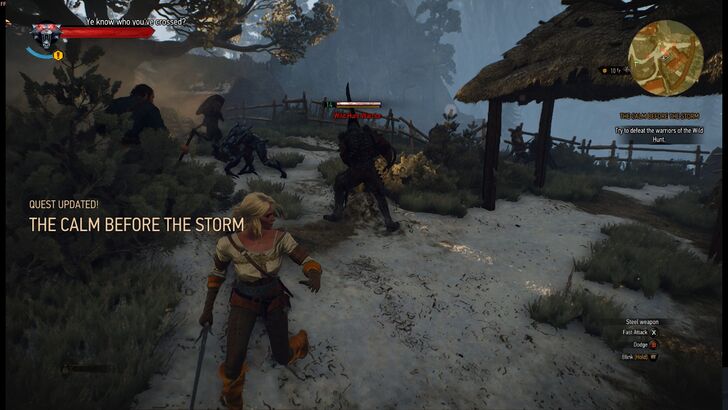
The game’s art direction is only made stronger by its legendary soundtrack, which stands today as one of the best fantasy soundtracks of all time. The string arrangement and use of Slavic folk instruments on Geralt’s Theme perfectly convey the sorrow and stoicism that define the character, while tracks like "Silver for Monsters…" serve as incredible rallying cries that make the otherwise flat combat feel that much grander and epic.
Even in its slower moments, with tracks like "Vagabond" soundtracking your time in Velen, there is a feeling of foreboding and pressure that never lets up even in its serene grace. There is a persistent sense of scale and grandiosity that keeps escalating with every song, and as the choirs, sharp string instruments, and pounding drums of the soundtrack keep playing the journey only feels that much more breathtaking.
This was only made clearer to me, ironically enough, through the Switch port. Rendered at a 540p handheld mode resolution and a 30FPS framerate it struggles to maintain, the beauty of Witcher 3’s art direction never wavered. I could look past the technical limitations of the platform and see that the heart of the experience, its gorgeous visuals, beautiful soundtrack, and incredible narrative, were present and beating strong as ever even when stretched to its absolute limits.
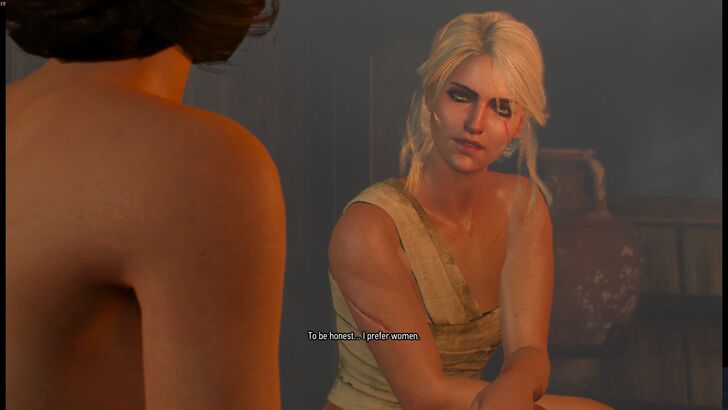
Playing The Witcher 3, more than anything, feels less like a task that calls for mechanical mastery and more like an invitation to let a game consume you whole. Even in its standout moments of fun and discovery, it is a dark and desolate world with so many fascinating characters, storylines, and discoveries that it will inevitably envelop you with its picturesque filth. It’s completely captivating and beautiful, but that also makes it entirely exhausting, especially with its less-than-stellar gameplay.
This feeling of weariness is, ultimately, the point. The Witcher 3 wants its players to explore and literally exhaust the entirety of the Continent because its sheer density and vision, overwhelming as they can be, are not only prerequisites to the adventure but undoubtedly the best parts. Sometimes, a masterpiece doesn’t have to be outright fun or enjoyable, even if The Witcher 3 does remain compelling regardless. Great art provokes, amazes, and utterly immerses its audience, and that's what The Witcher 3 does best.
Is The Witcher 3: The Wild Hunt Worth It?
Toss a Coin to a Classic
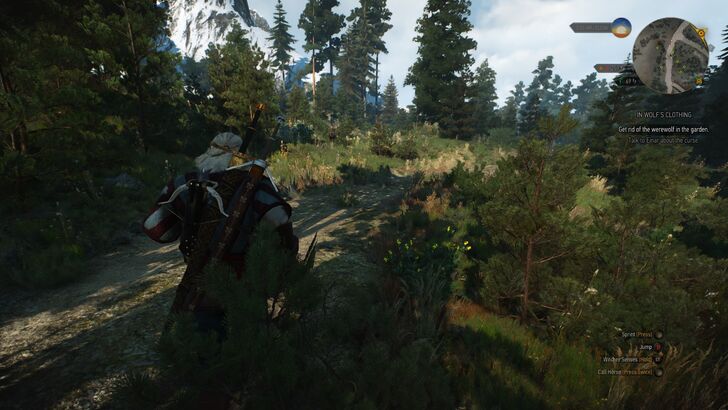
Even at launch, when it was priced at the standard $59.99, The Witcher 3 was already worth its weight in gold. With the sheer density of The Continent, the ridiculous number of quests and branching storylines to take, and the amount of combat encounters and secrets present throughout the world, players will find themselves glued to the screen for hundreds of hours. This is especially true nowadays, when The Witcher 3 consistently finds itself deeply discounted across all digital platforms. With the release of the Blood and Wine and Hearts of Stone DLC, as well as the upcoming Songs of the Past DLC, it's a no- brainer at this point. The Witcher 3 is a towering classic and one of the greatest games of all time, and wherever you choose to experience it, you’ll be captivated by its uncompromising vision.
FAQ
Do I need to have played the first two Witcher games or read the books to play The Witcher 3?
It's not necessary to have played the prior games or read the books, since Witcher 3 presents the narrative with enough context to help players understand the story. It would help your overall enjoyment of the game through added context and callbacks, but The Witcher 3 can be an entirely standalone experience.
Which console should I play The Witcher 3 on?
With the next-gen upgrades for modern platforms, players can’t go wrong with the PS5, Xbox Series X|S, and PC releases of The Witcher 3. All three versions feature new quality-of-life upgrades, ray tracing, and even official mod support. The Nintendo Switch version is a passable novelty that's more of an impressive technical feat than a definitive way to experience the game, but it works great for gamers on the go and is handily improved by the Switch 2’s handheld boost mode and better performance.
Game8 Reviews