



Disclaimer: The following game, and subsequently this review, contains depictions of realistic gore, derogatory language, criminal behavior, death, corpses, partial nudity, bloody scenes, and depictions of sexual violence. If you find the aforementioned themes triggering, please continue with your own discretion, or feel free to check out our other reviews instead.
| The Weeping Swan: Ten Days of the City's Fall | |||
|---|---|---|---|
| Release Date | Gameplay & Story | Pre-Order & DLC | Review |
Overview
What is The Weeping Swan?
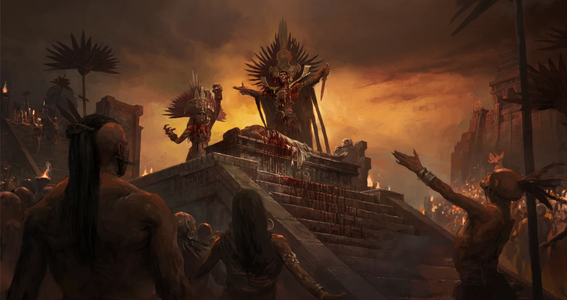
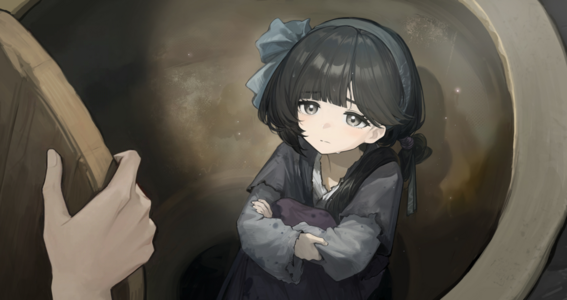
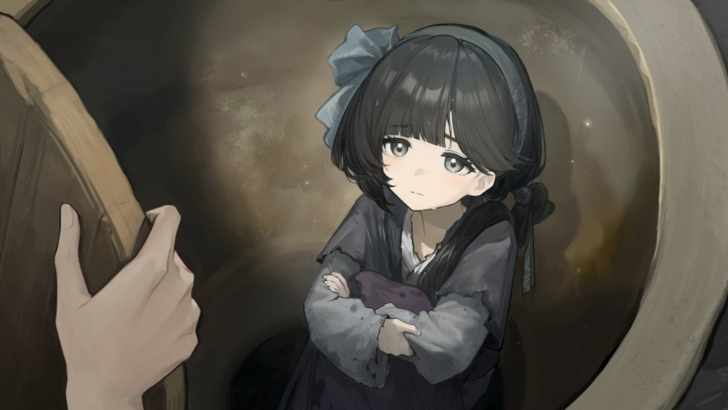
The Weeping Swan: Ten Days of the City’s Fall is the fourth visual novel by Zerocreation Games, the developers behind The Hungry Lamb: Traveling in the Late Ming Dynasty and Lay a Beauty to Rest: The Darkness Peach Blossom Spring. Set years after The Hungry Lamb, The Weeping Swan follows the story of Fang Zhiyou, a scholar from the late Ming Dynasty, and a young girl named Little Yan. It covers the brutal ten-day Yangzhou Massacre of 1645 with a supernatural spin, pitting players against an army of monsters inspired by the classical novel, Journey to the West.
The Weeping Swan features:
⚫︎ Linear story
⚫︎ Two perspective timelines
⚫︎ 16th Century war themes
⚫︎ Completely voice-acted
⚫︎ Multiple endings
For more gameplay details, read everything we know about The Weeping Swan’s gameplay and story.
| Digital Storefronts | |||||||
|---|---|---|---|---|---|---|---|
 Steam Steam |
|||||||
| $11.99 |
The Weeping Swan Review: Exquisitely Beautiful, Narratively Isolated
One of 2024’s Best Visual Novels Becomes a Series
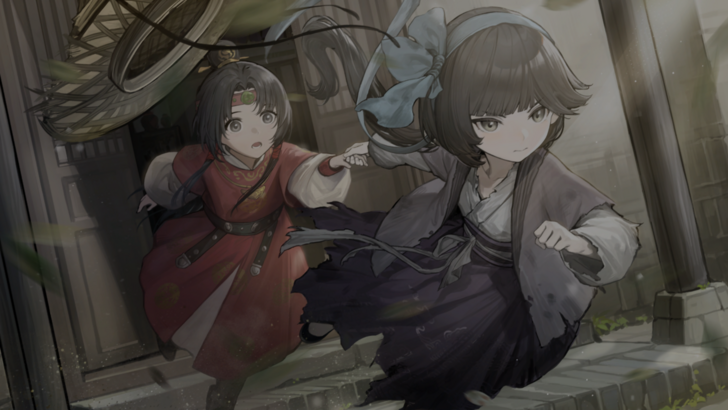
The Hungry Lamb was one of the best visual novels released during its time. It was not only well-written in general, but almost every aspect of it, from pacing to character development, from foreshadowing to mystery, was pulled off impeccably. But most importantly, it wielded the theme of tragedy with such mastery that its ending remains hauntingly vivid long after you press alt+F4.
As such, its indirect sequel, The Weeping Swan, has big shoes to fill. And while it is indeed an insanely good visual novel by its own right, it’s far from being as good as its predecessor.
A Complete Linear VN Experience
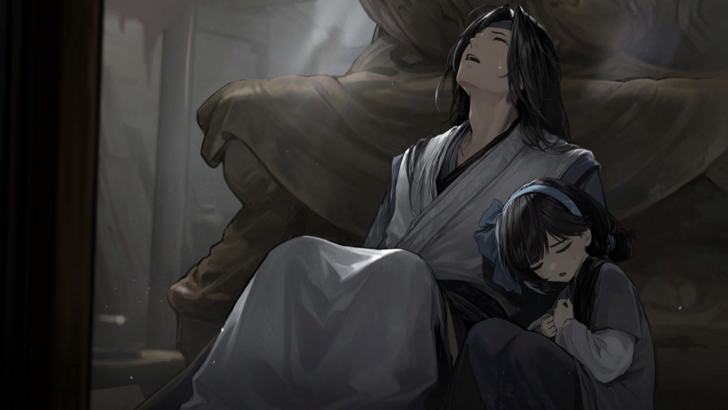
The Weeping Swan is your average linear visual novel that features multiple dead ends, endings, and branching paths. In terms of gameplay, the deal is simple: you’re looking at hours of clicking through dialogue, making the occasional dialogue choices, and a lot of saving and loading.
Although it has no other gameplay features to hybridize the experience like Eiyuu Senki or Fate Extra, there’s nothing wrong with the vanilla experience in the first place. Due to the abundance of player-driven dialogue choices that actually matter (usually by dying), you’re always on alert trying to catch every detail just so you can avoid a death and having to load a save file.
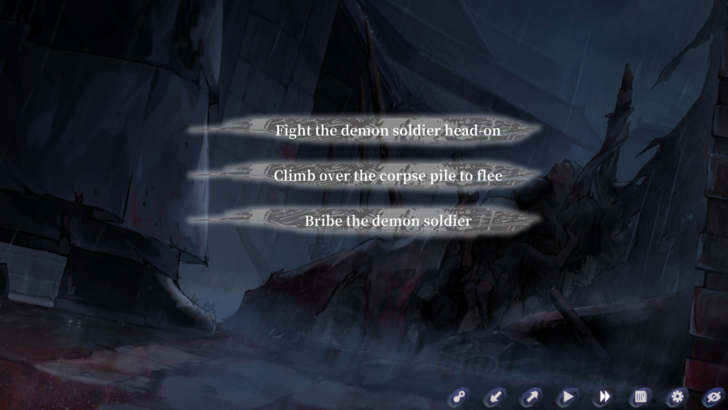
This agency is vital. Otherwise, a linear visual novel can easily become a glorified powerpoint presentation where “gameplay” is just reading, and “choices” a mere formality that all lead to the same outcome.
Of course, using death as a consequence is an extremely simple and straightforward way of adding risk. It can’t be compared to, say, straying into an entirely different route or creating permanent effects to the story (like a supporting character’s own death). But for the purposes of its structure, The Weeping Swan’s design is more than enough.
War Never Changes; Only Its Face Does
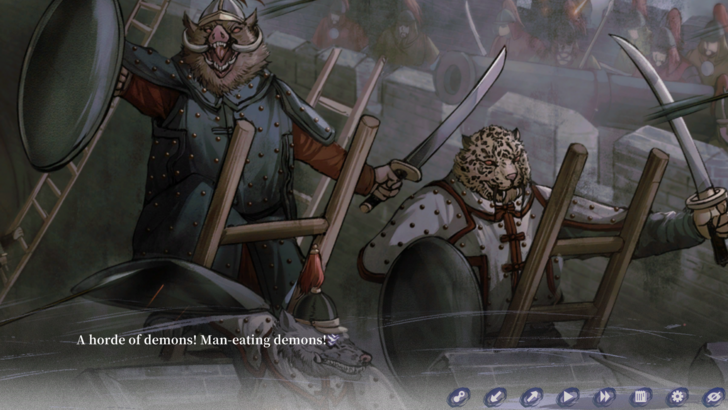
The Weeping Swan delivers the story of Fang Zhiyou’s life told in two perspectives; that of his time with Little Yan as they navigate the conflicts near the end of the Ming Dynasty, and that of his past life spent chasing and courting his love, Su Lianyan.
Every timeline has a vastly different, yet cohesive setting and mood, with recurring characters serving as figuratively concrete connections to each continuity. As you read between these perspectives, you will witness these characters change not only in appearance, but also in mindset as the conflicts that surround them start to twist and mold their personalities.
Even with the absence of any explicit signs of which timeline you’re in, the distinct themes used in each serve as landmarks you can orient yourself with. For example, you’re likely to be in the past if the atmosphere is more romantic and full of longing, or otherwise if you feel like your character’s being mentally driven up a wall. This has a massive effect on your reading experience, as you’re able to make the connections on your own without the game having to spoonfeed you.
That is, you feel in control of how you understand the story’s progression.
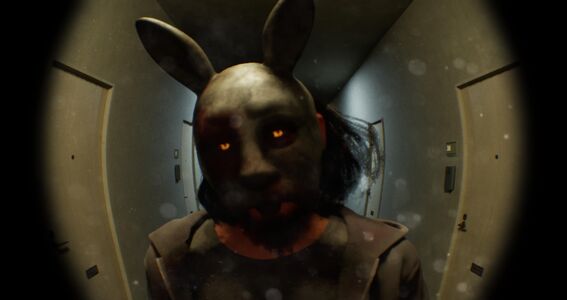
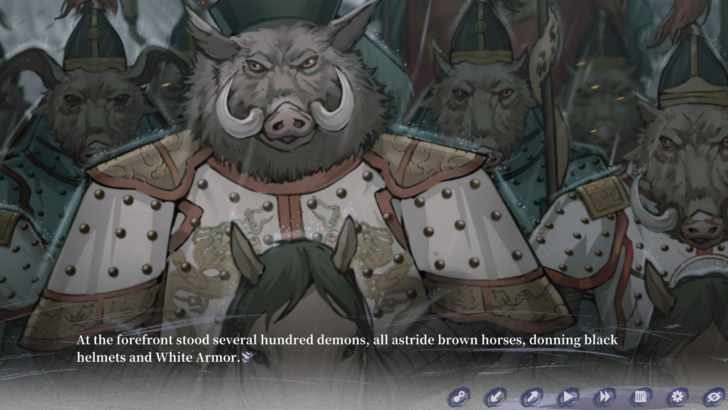
Of particular note is Zhiyou’s mental illness during the present-day half of the timeline; an affliction that causes him to view those around him as animal-headed demons. At the same time, it also uses depictions of the brutalities of war such as slaughter, cannibalism, prostitution, and executions to further the imagery of madness.
This isn’t just the developers using edgy themes to stress your modern sensibilities. The latter grounds you so that you’re forced to view the story on the same level as the main characters, while the former blurs the line between what is real and isn’t. Together, it messes with your decision-making as you start believing things that aren’t there are real.
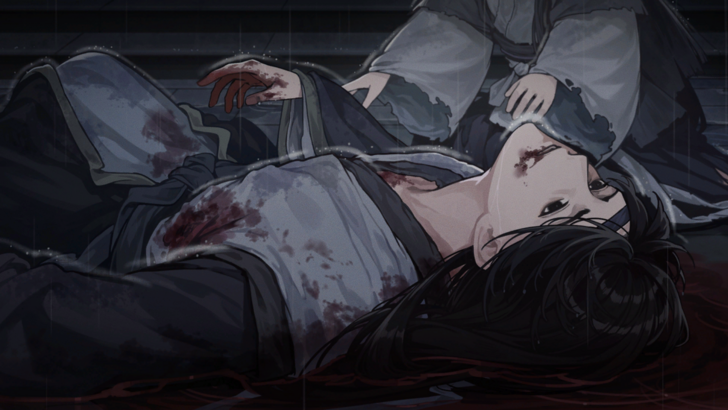
Unfortunately, the game tips its hand way too early in that aspect. That’s because breaking through the illusion is extremely easy due to how information is carelessly placed in the writing. For example, the dialogue in early death scenarios makes it entirely obvious what you should question as real or not, before the game even mentions it as part of the story development. After that, everything becomes suspicious, leading you to question even the things the writers try to position as unassuming.
There's also a lack of any decent character development outside of Fang Zhiyou due to the transience of everybody around him. Their influence on the protagonist feels less like a "fateful encounter" and more like an environmental hazard. And while that doesn't mean nobody except him changes, it feels less like an earned reward from reading the story and instead, they often feel like utilitarian props, existing simply to move Zhiyou from one trauma to the next.
Regardless, it is still an emotional tale that pulls at the right chords, especially for those who have also read the developers’ first work in the series. Though each perspective brings a different emotion to the table, the result altogether is much greater than the sum of its parts, painting a multi-layered picture of a truly lost individual that, until the very end, is tortured by the shackles of his past.
Unsatisfying Endings
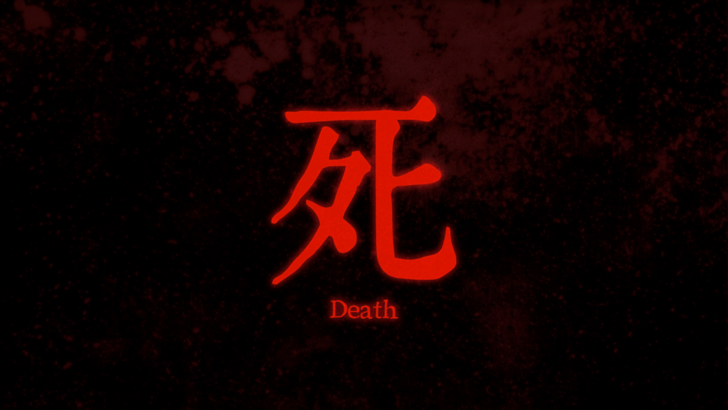
Any good visual novel is obligated to end their stories on a figurative high note. This is especially true for narratives that explore themes like tragedy, madness, or decline, as not having a closure will simply feel like being left hanging. And unfortunately, that’s the most disappointing part about The Weeping Swan; the endings just don’t give the conclusion you’d expect from such a deeply emotional work.
Final impressions matter a lot since the novel has already led us through emotional ups and downs after hours of reading. Instead, it cuts off right at a part that will make you just go “huh, that’s it?” And that moment of dissatisfaction will stick harder and longer than any heartbreaking scene or surprising twist the work has made prior to it.
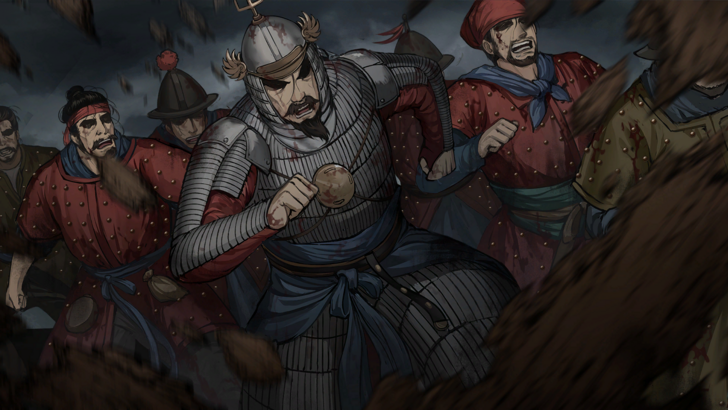
To put it vaguely (because spoilers), The Weeping Swan’s "endings" feel like they were set right in the middle of the falling action, right as tensions are de-escalating but weirdly a bit after the plot’s complexities are untied, without actually completing the former. And that’s a strange place to put a resolution on because it answered many questions raised by the story without actually putting the important points of conflict to rest.
It’s that imbalance in attention provided between logical vs emotional payoff that makes The Weeping Swan’s endings so subpar, especially compared to the masterful endings of its predecessor, The Hungry Lamb. You simply understand that the story has resolved, but never actually feel it.
The Audiovisuals Pull Far More Than Its Own Weight
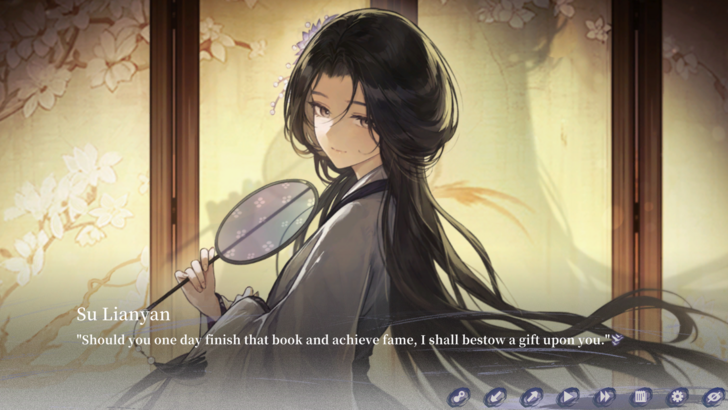
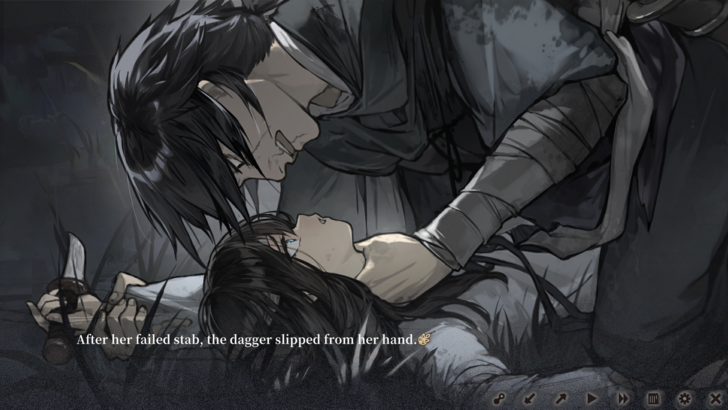
While The Weeping Swan doesn’t use any of the more modern methods of depicting 2D artworks such as Live2D, it more than makes up for it with its incredibly beautiful CGs. These are not only shockingly abundant in number, but also have redundant frames with minor variations to the scene, allowing you to see how each event unfolds through more than just dialogue.
On top of that, the entire thing is voice acted. Yes, this includes the main protagonist; a practical requirement for this work in particular due to the entire journey basically centered around his hopeless pursuits and eventual breaking down.
It pulls you into the game, making it seem like you’re suffering from Zhiyou’s own delusions and confusion. It also gives the game a sense of oppression and dread, foreboding or otherwise, that not even any of its more touching or beautiful scenes can completely erase.
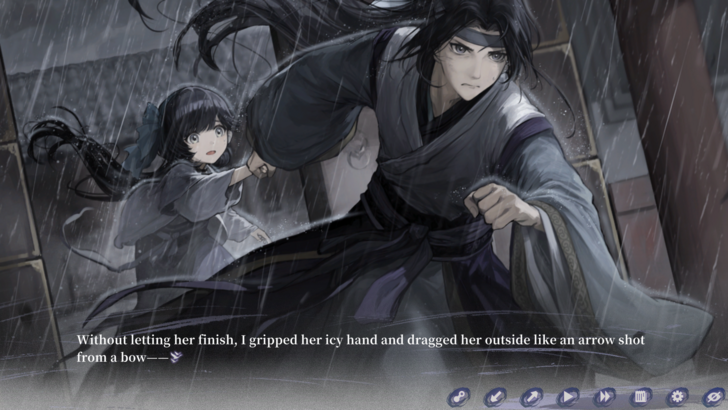
But the most important result of its audiovisuals is its influence over the gameplay. That is, having such wonderful artworks and convincing voice acting forces you to pace yourself alongside it. Not only does this amplify its own immersive and atmospheric qualities, but it also makes you focus on the narrative and, subsequently, the dialogue choices that it leads up to.
This makes playing the game less like a simple visual novel experience and more like a high-stakes narrative adventure similar to Supermassive Games’ The Dark Pictures Anthology where missing a moment can lead you to making mistakes, even if the outcomes are simple in nature. And that feeling is worth more than the actual consequences of making faulty choices because it’s something that grips you through the more intense stretches of the story.
Tear-Jerking Technical Issues
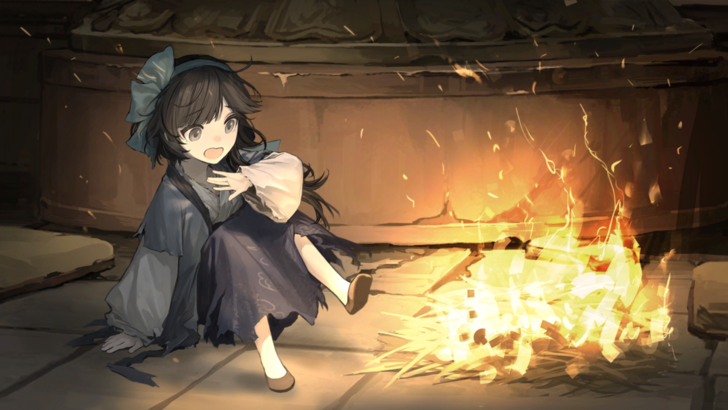
Zhiyou’s tale ain’t the only thing that can make you weep. The game also has an abundance of issues besides the occasional untranslated text that, quite frankly, just feels careless, despite the minor impact it has on your playthrough.
For example, there are times when the text just won’t display at all. And if you fail to notice and assume that it’s simply a part of the game’s design, you’ll likely experience contextual gaps in information going forward. If you do notice, solving the problem is just a matter of checking the logs because fortunately it isn’t affected by the Houdini act.
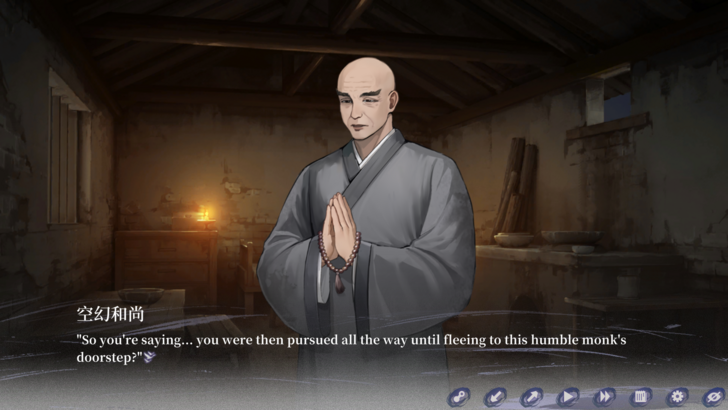
The other prevalent issue, and arguably the funnier one, is that there are times when entire sections of an event will replay itself without using the same visual assets as each other. This is obviously either a narrative glitch or just a careless mistake by the translators—maybe they copy-pasted their work more than once sometimes—but it does have an unintended positive effect:
It makes you think you’re having delusions, similar to Zhiyou. Immersion is important, after all. So, if you ever encounter a set of lines that make you think “Wait, haven’t I read this before?”
You probably did.
Is The Weeping Swan Worth It?
It’s Worth the Spare Change
For a visual novel of this quality and price, The Weeping Swan’s value proposition is quite high. While it does pale in comparison to many older visual novels, particularly the genre titans and classics, in terms of how much time you can squeeze out of it, the experience alone more than pulls its weight.
Sure, there are technical issues to look out for, but resolving their annoyances only involves a couple of clicks to address. And what you get in exchange for your troubles is still a very convincing indirect sequel to one of 2024’s greatest visual novels.
FAQ
Is The Weeping Swan a sequel to The Hungry Lamb?
Yes, and no. While The Weeping Swan picks off after The Hungry Lamb’s events, the latter’s closure only allows certain characters to reappear or be mentioned as cameos and supporting characters to the former. These characters include Qionghua, Liang, and Sui.
Game8 Reviews