
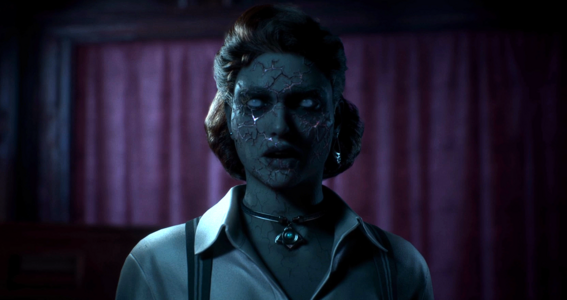




The Sinking City 2 is a survival horror game set in the titular sinking city of Arkham. Read our review to see what it did well, what it didn’t, and whether it’s worth trying.
Overview
What is The Sinking City 2?
The Sinking City 2 is a survival horror game by Frogwares, and the direct sequel to the studio's 2019 action-adventure game of the same name. Set in the flooded streets of Arkham, Massachusetts, circa 1929, The Sinking City 2 puts players in the shoes of a desperate man amid desperate times. With the city taken by the waters and the horrors it holds within its depths, Calvin Rafferty will have to contend with his own sanity to find a cure for his wife’s condition.
The Sinking City 2 features:
⚫︎ Precision-shooting combat mechanics
⚫︎ On-demand investigation board
⚫︎ Limited survival crafting
⚫︎ Post-game unlocks and New Game+ mode
| Digital Storefronts | |||||||||||
|---|---|---|---|---|---|---|---|---|---|---|---|
 Steam Steam |
 PS PS |
 Xbox Xbox |
|||||||||
| $49.99 Standard Edition |
|||||||||||
| Steam |
PS |
Xbox |
|||||||||
| $54.99 Deluxe Edition |
|||||||||||
| Steam |
PS |
Xbox |
|||||||||
| $59.99 Premium Edition |
|||||||||||
The Sinking City 2 Review: Maddeningly Good and Horrific in the Best Way
A Failed Ritual, A Sinking City, and A Resident Evil
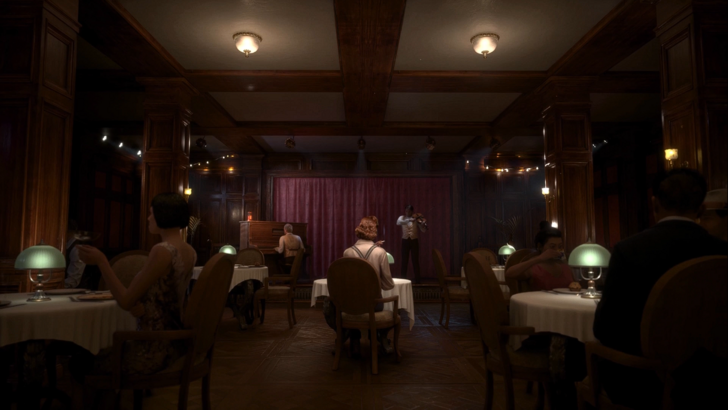
Arkham City, Massachusetts, circa 1929. The air is thick with the stink of fish and the cobbles are slick with slime. The city is half-submerged by a mysterious natural force, and the Slither, those undulating, worm-like things, have taken what’s left. Most would call this a disaster, but for FrogWares, makers of the first Sinking City game, it’s excellence in the face of adversity.
Even with their real-life cities under siege, this game’s devs manage to create something that stands out in its own genre—which, for survival horror in particular, is no easy feat, even under better circumstances. In a genre where AAA juggernauts of undead persuasions hold the gold standard, doing as they do can only go so far; one must also impress in one’s own way, and this game did so through river water and rubble aflame.
There’s so much to unpack, and the mortal mind can only comprehend so much of it before collapsing. By R’lyeh, though, let’s give it a good try.
Expertly Serving Up A Textbook Lovecraftian Narrative
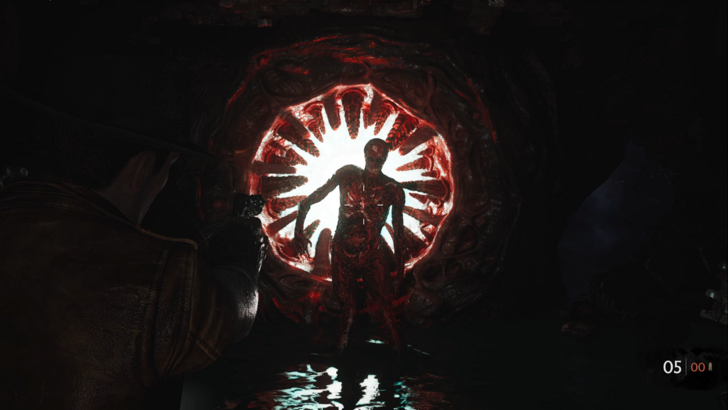
We begin with the game’s story, or at least the story so far. Everything in The Sinking City 2 takes place in the fictional city of Arkham, a mainstay in Lovecraft’s mythology. As the title would suggest, the city is sinking into the river it was built by, with more houses and streets getting claimed by the waters each day. To make matters worse, worm-like creatures called The Slither have risen from the bitter depths to render what’s left inhospitable. Any sane citizen would’ve left weeks ago, but Calvin Rafferty, our protagonist, is a man on a mission.
Having undergone a failed dream ritual months prior, Calvin’s love interest, Faye, was sent into an unwaking slumber. Only through a different ritual, the components of which are somewhere in the sinking city, can he wake his lover, and nothing will stop him from finding them. So far, so Lovecraft.
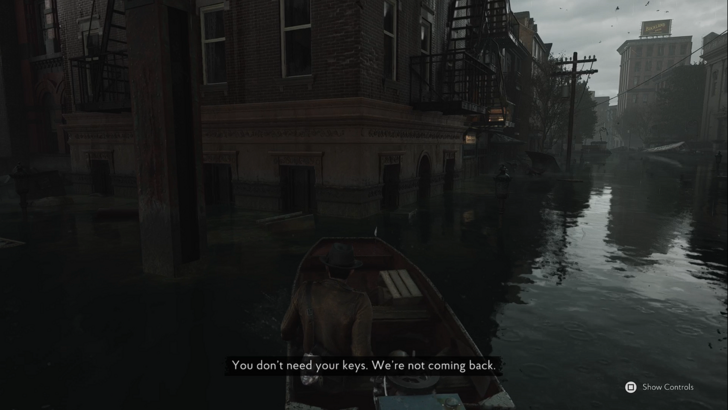
It’s a strong set-up with, insofar, some really good follow-through. The inciting incident is novel, but not absurd, and the narrative that followed is very relatable despite the tentacles coming out of the woodwork. Calvin’s character as a desperate lover has been executed with nuance and a genuineness that isn’t so common with the survival horror protagonists, evidenced by his ongoing impulsiveness opposed against his previously-shown suave demeanor.
The world-building is on point, too, relying just enough on Lovecraft’s universe to be recognizable without being completely derivative. The original story does a lot to achieve that, meandering every which way and introducing completely original characters to an unfolding mystery.
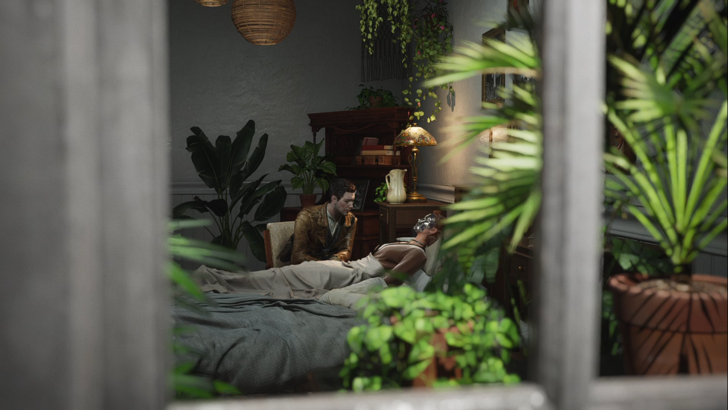
As for the story beats and themes, they’re very textbook, contrasting the originality of the details themselves. It’s classic Lovecraft, really! Mortals meddle with something they shouldn’t have; some supernatural disaster slowly creeps into their immediate surroundings, they investigate, then inevitably realize how out of their depth they are. Then things end poorly…presumably. No spoilers intended, but what can you expect from a story set in a city sinking into the deep?
It’s a great mix of what’s been known to work and creative liberties that I can’t get enough of. Perhaps it's not as esoteric as the actual Lovecraft texts, but that’s more a limitation of the medium than a possible critique of its quality.
Slow, Strategic Gunplay with Survival Elements to Boot
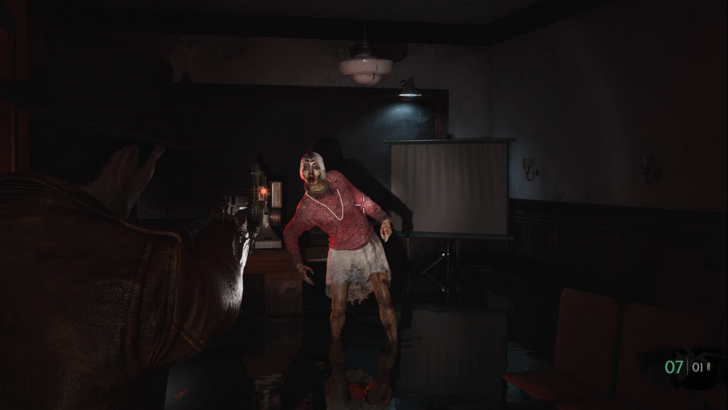
Moving on to gameplay now, The Sinking City 2, much like its predecessor, is a slow, deliberate crawl through a flooded Arkham. Enemies in the form of worm-like creatures called Slithers serve as the main danger through the player’s exploration, and combat against them is closer to the modern RE games’ system than L4D2’s.
First off, your guns kinda suck, and bullets are very limited. It’s 1929, so we can’t expect anything more impressive than a Tommy Gun to grace the player’s arsenal, but of course, players don’t even start with that. Bullets and all consumables like healing kits and 1-Ups need to be crafted or found, with each having its own recipe, and a limited inventory space to boot.
Secondly, enemies have glowing pustules to shoot at, as well as reactive behavior depending on the damage they take and where they take said damage. It’s like modern Resident Evil games combined with Dead Space’s Necromorphs, coalescing careful resource expenditure with precise shooting tactics.
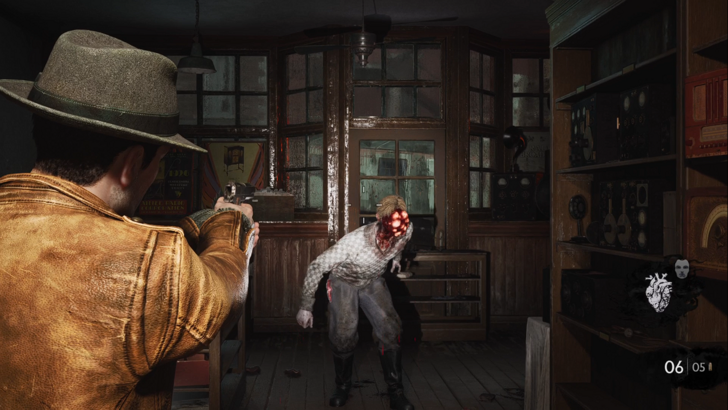
I love it. Insignificance and helplessness are at the core of Lovecraftian horror, and preventing the player from ever going in guns blazing is the perfect way to instill that feeling. Players must be smart, choose their battles, and make good choices if they want to live, evoking a simulation of scraping out an existence in an indifferent, ever-changing universe.
Though not completely new and evolved from the first game’s system, this is still the best route the devs could’ve taken to preserve the emotional and thematic roots that the game’s universe begged. It’s also fine-tuned enough that player agency is genuinely never an issue. Literally almost every encounter is optional and approachable from any angle the player chooses.
Barring the hardest difficulties, resource drops are perfectly tuned to never leave the player with nothing, but also never have them drowning in options. The best example of this has to be the game’s "boss fights", which are usually just extended and modified standard encounters. Instead of having one big guy to shoot at, players usually have hordes to deal with and unlimited ammo hidden away in respawning niches around the combat arena.
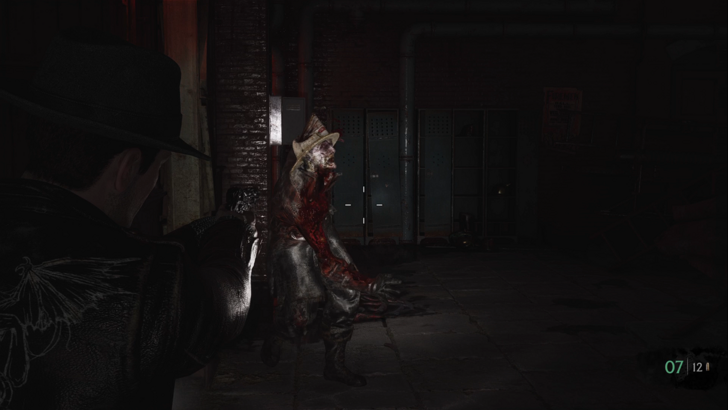
Players can take their time and be methodical, never being in danger of running out, but they gotta get to those ammo drops first, and they’ll have hell to get through to do so.
It’s quite the balancing act that does get slightly tedious after the fifth hour, especially while you’re also solving puzzles, so keep a heads up for that. The enemy variety could also use some work, in addition. One would think that unknowable horrors would come in more flavors of eldritch, but you’ll get five-ish at most.
Just keep these limitations in check, and you’ll find the gas you need to enjoy everything despite them.
Rewarding and Innovative Investigation Mechanics
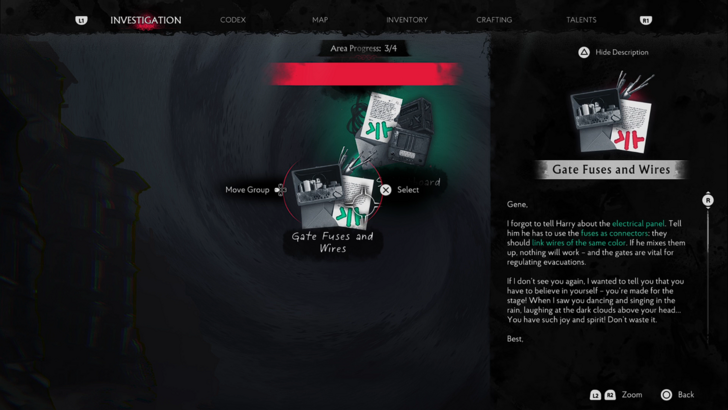
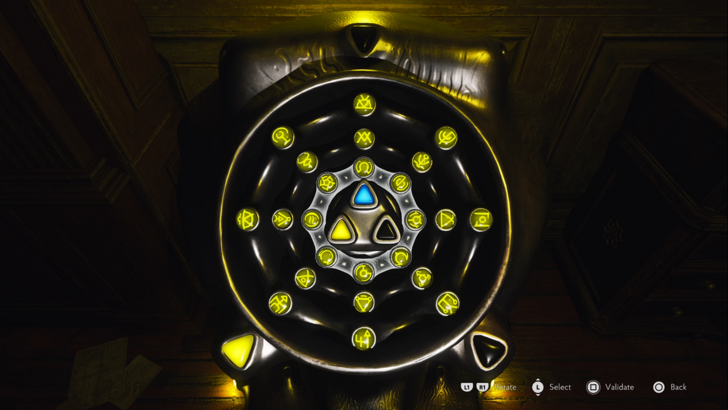
Speaking of gas, the game’s other gameplay pillar does offer a great palate cleanser between its combat encounters in the form of its investigative puzzles. Just like most survival horror games, getting around Arkham isn’t as simple as going from Point A to Point B. No, between one muck-covered locale and another is a series of puzzles; some optional, others not.
While this much is a genre standard, I do like how The Sinking City 2 approaches its puzzle-solving, introducing an on-demand Investigation Board to replace the first game’s crime scene breakdowns. Think those conspiracy theory pegboards with the red yarn connecting each pushpinned clue, ripe for analysis and just begging for a conclusion.
Players get to do exactly that as they collect clues, read them out, plot them on the board, and physically connect them as a reminder of their correlation, or even just to group them for convenience. The best part about this mechanic in particular is the complexity and design of the puzzles themselves, which is as laissez-faire as possible to give players the agency to actually put the clues together.
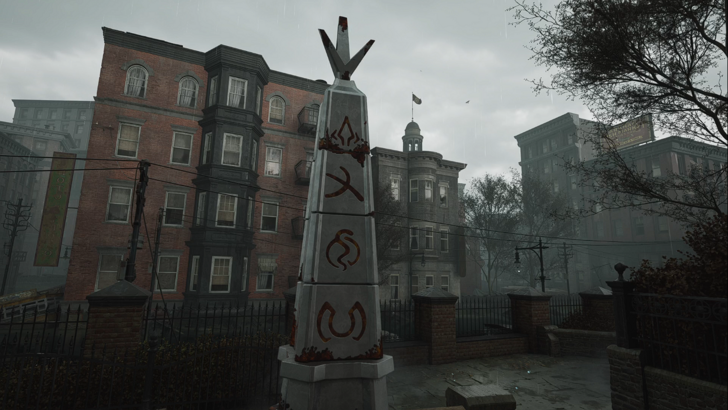
The best example I can think of has to be the obelisk puzzle during the first chapter, which takes place in a flooded graveyard/church in the middle of Arkham. This one requires a three-part clue chain that you can collect by searching every nook and cranny of the area, and each one is required for you to beat the puzzle: one to tell you what each symbol means, another to indicate the order, and a third to tell you what to do right after.
Each puzzle is built around this principle of putting two and two together, sometimes even multiple times, and you may have to do so physically as well as mentally, all before you even find the puzzle they’re meant to clue you into. There’s no skill-check here, no brain teaser; it’s actual, investigative work that requires literal sleuthing on the player’s part.
That’s an impressive implementation of an otherwise staple—and admittedly, overused non-diegetically—mechanic most survival horrors have. It’s a resident virtue of the game’s design that gives its loop a unique cadence of survival, investigation, and exploration.
Peak Presentation Across All Fronts
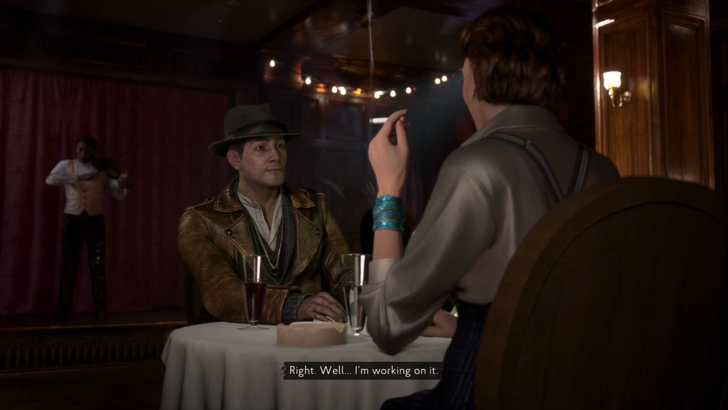
Regarding the game’s presentation across auditory, visual, and mechanical design fronts, The Sinking City 2 nears the peak for all of them. The game’s visuals, though not of the highest fidelity even on PlayStation, are well-directed and well-implemented. Arkham’s sinking comes off as an actual problem at scale and from an individual POV, and much of that is achieved through the game’s expert environmental storytelling.
It’s like an open-world game on rails, with how well the game world’s visual direction informs its narrative. Players can feel the weight of the water, the slickness of the Slither, and the calamity of the Sinking from how the buildings are arranged, what flotsam bumps their boats while getting about, and what detritus is left behind in the many, many floating buildings across Arkham.
Stage design is labyrinthine, but diegetically so, fully utilizing the esoteric nature of Arkham’s understirrings, as well as the odd electro-occult technology of Miskatonic University to explain the weirdness. No detail was left unexplained by the world itself, except for those purposefully so, like the cause of Arkham’s sinking.
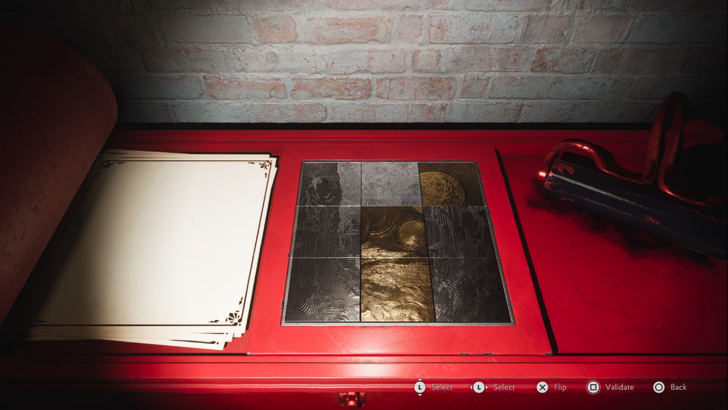
This puts up The Sinking City 2 as a marriage of the devs’ understanding of Lovecraft’s mythos and their ambition to tell a new story, synthesizing something that encompasses the old and the new equally.
The sound design is just as impressive, with voice-actors performing at or above what many—myself included—would consider the industry standard. The dialogue isn’t cheesy in the slightest, and just has enough Lovecraft-babble to pass as an actual story from his universe.
Oh, and the music! How it caresses my brain like a Mi-Go out to lunch. It’s a haunting, guttural suite of compositions that make me want to dissipate into the ether of Azathoth’s dream—which is a good thing, despite how it sounds. It’s transcendent, and the perfect accompaniment to the game’s aesthetics and overall vibe. I wouldn’t call it something worth an award, as it’s not really the type of music to tap your toes to; but as something to go with the game’s environment? Top marks!
Enough Post-game Content to Satisfy the Hungriest Mi-Go
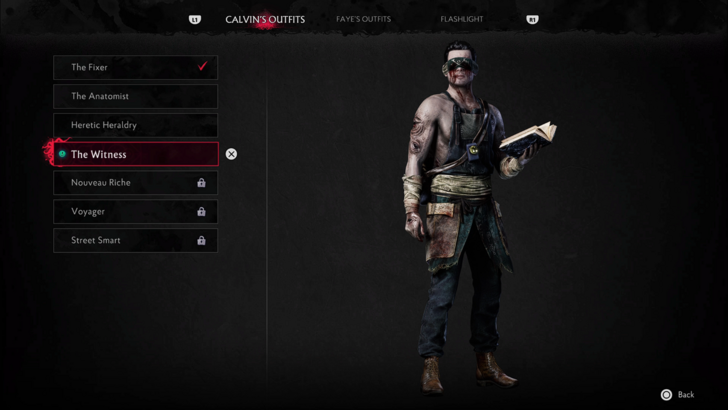
The base game has plenty of content as is, spanning a healthy 12-16 hours across four major areas, averaging 2-3 hours each. If somehow that’s not enough, players have access to a New Game+ mode that lets them carry over all their upgrades and talents, with cosmetics up for grabs once completed.
If players can’t wait that long, or just want a little extra to go with their NG+ experience, they can also collect Eldritch Points by finishing specific achievements. Doing so lets them purchase cosmetics for Calvin, Faye, or their weapons to spice up their next run.
This much is unexpected, because barring premium and deluxe versions, games of this tier and price usually offer just the base game—maybe a DLC, if we’re lucky. Frogwares had the game’s value in mind when crafting the experience, and the fact that there’s a New Game+ means their foresight and balancing extend far past the breadth of the base game experience.
Some Unintended Horrors to Note
Unfortunately, not all horrors in The Sinking City 2 are intentional. Try as the devs might, some anomalies managed to slip between the cracks of their grand design. First off, the game just kinda doesn’t work as well on console.
I’m no stranger to shooting games being worse on console, and I’ve adjusted sliders many a time to accommodate the difference. It’s just part of the medium’s limitations, one the devs did account for somewhat. Unfortunately, precision shooting is a core gameplay mechanic that many other mechanics build on top of, so it being wonkier on one platform than another comes out as more than a minor inconsistency between releases.
It really isn’t an issue, not one that can’t be solved by skill and time, anyway, but it bears pointing out if you end up having to choose between platforms when you get this game.
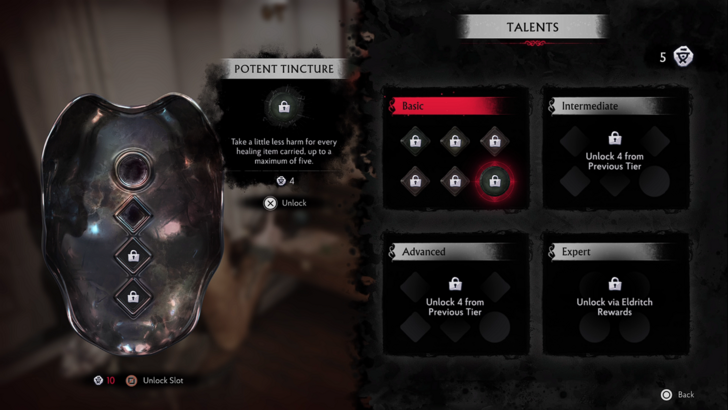
Another thing I want to point out is the vestigial nature of the game’s progression. I don’t mean that natural acquisition of new weapons and the introduction of new mechanics as time goes on; that much the game has on lock. No, I’m talking about the Nightshade Mask and its many minor upgrades.
The game rewards investigative prowess not just with progress, but with points that players can use to purchase minor upgrades to attach to the Nightshade Mask. These are passive upgrades that usually reward certain playstyles. Unfortunately, these seem like very minor options that don’t affect much unless you’re at the highest levels of play.
Dealing slightly more damage in the dark, dealing massive melee damage after killing an enemy, and taking less damage from Humanoid enemies all seem great on paper, but are a bit lackluster in practice. It’s hard to tell the difference they impart until you play on the hardest difficulty, where every advantage matters.
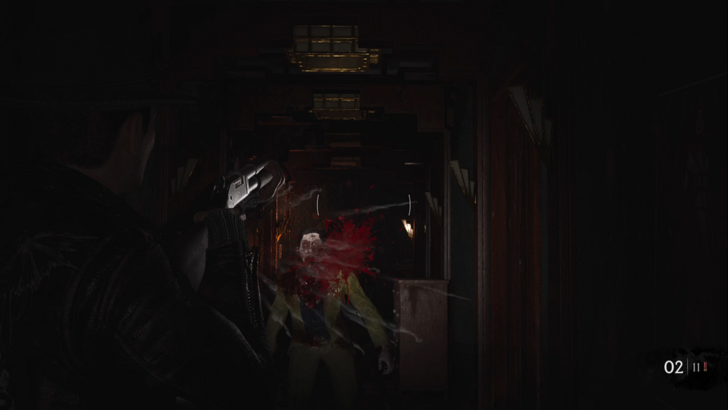
This extends to the game’s weapon upgrades to a lesser degree, exacerbated by how finicky controls get on console. Dealing more damage at specific points after ADS doesn’t seem worth it when you’re also targeting a body part whipping around a zombie shambling at you; less so when there are four of them, and you’ve got the precision of a tank’s controls.
Lastly, the game has a few spawning and visual bugs that need to be pointed out. More than once, I’ve seen enemies spawn in from the ether in what I can only assume to be spawn boxes the player shouldn’t see. I’ve cheesed multiple encounters this way, and I’m positive that’s not the intended approach to these.
On the Mountains of Greatness
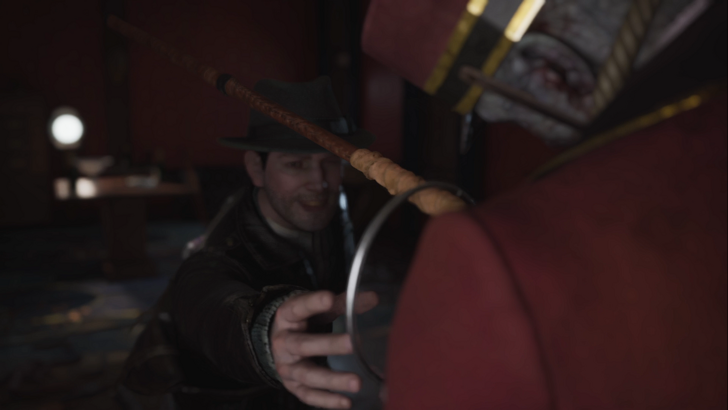
What can I say about this game that I haven’t said already? It’s an amazing product that delivers the textbook Lovecraft experience, and then some. Hitting every thematic and narrative nail on the head is impressive, but adding a few of its own makes this game a must-play for fans of Lovecraftian horror, or just horror in general.
The implementation of a streamlined investigation mechanic, as well as the deliberately slow pacing of its combat, shows that the devs had a vision from the start that they chased and caught expertly. The fact that they never hold the player’s hand supports this understanding of their own design, such that overcomplexity is never an issue in their puzzle design.
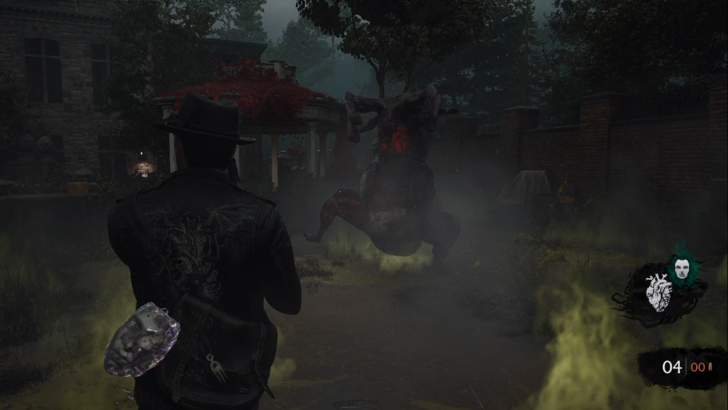
On its own, this game is at the peak of the mountains of greatness. It has quality across most of its fronts and exhibits the devs’ passion as much as it does their design acuity. Considering that this was made amid the real-life horrors of a warzone, however, words fail to fully capture the beauty of its construction. Like a mere mortal gazing at the unknowable, I can only gawk and bring others to do the same.
Is The Sinking City 2 Worth It?
Yes—You’d Be Mad to Think Otherwise
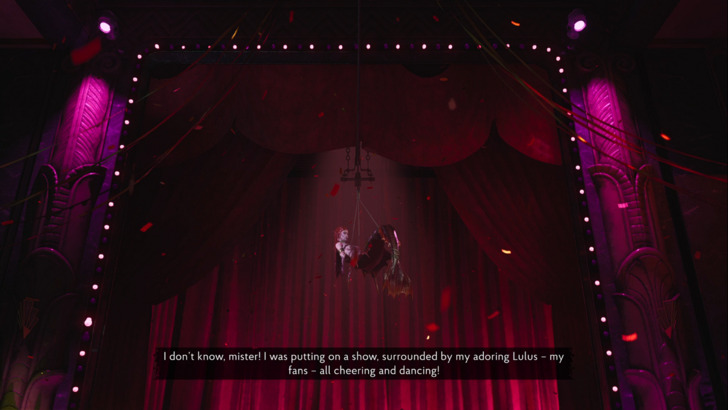
Coming in at a respectable $49.99, The Sinking City 2’s value is what’s expected for its status as an AA game and an expanded sequel. Contributing to that, however, is the game’s suite of dedicated post-game unlocks, which includes a separately balanced New Game+ experience. That goes on top of a base game that spans 12-16 hours, so players will definitely get their money’s worth if they can afford the asking price. 50 bucks isn’t nothing, but it will be once the game gets going.
FAQ
Does The Sinking City 2 support AMD FSR?
No. According to the game’s developers on an official Steam Community FAQ forum, "FSR is not currently supported. AMD has not yet released the required plugin/patch for Unreal Engine 5.8. FSR will be added once it becomes available.".
How Do I Get Talent Points and Dream Essence in The Sinking City 2?
According to the game’s developers, getting Talent Points and Dream Essence is a matter of exploring each level, solving investigations, and connecting their clues.
Game8 Reviews









disgustingly innaccurate review. this game is 10 hours top , without exploration this game is much shorter than that. and you ignore the fact that this game is dumping down investigation a lot.