
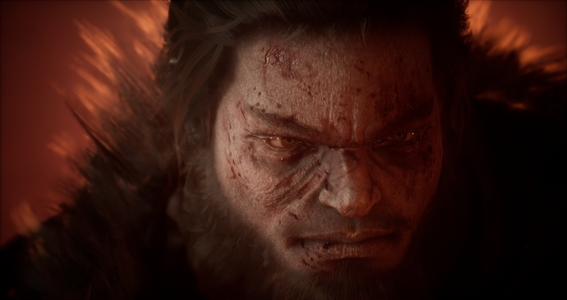




The Relic: First Guardian is a fast-paced, action RPG set in the world of Arsilthus. Read our first impressions review to see what it did well, what it didn’t do well, and if it’s worth buying.
Overview
What is The Relic: First Guardian?
The Relic: First Guardian is an action RPG set in the mystical world of Arsilthus, a land brought to the brink of destruction. As its hero, players must restore the land to its former glory by seeking out shards of a shattered artifact and felling the Brutals that guard them.
Described by its developers at Project Cloud Games as an "unapologetic challenge" to the action RPG genre’s status quo, The Relic: First Guardian incorporates equipment-based combat scaling and player progression alongside fast-paced Soulslike combat across a semi-open world.
The Relic: First Guardian features:
⚫︎ Artifact-based progression
⚫︎ Fast-paced, third-person combat
⚫︎ Semi-open world exploration
⚫︎ Branching skill trees for each main weapon
⚫︎ Quest-based narrative
| Digital Storefronts | |||||
|---|---|---|---|---|---|
 Steam Steam |
 PS PS |
||||
| $49.99 | |||||
The Relic: First Guardian Review: Tried and Failed to Fix What Wasn't Broken
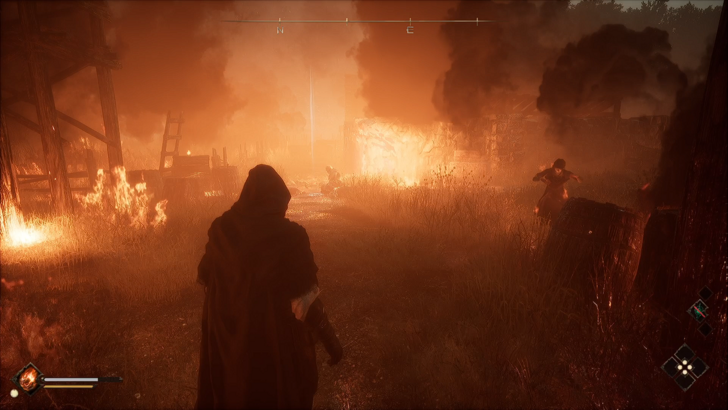
Ah, the Soulslike. Truly a type of action RPG experience that has bespoke and inalienable elements. It’s hard to innovate something so clearly defined, as anything added can just as easily change the experience as it can improve it. I ask, then, what happens when you subvert it on purpose instead?
The Relic: First Guardian is a touted "unapologetic challenge" to the status quo set by this genre. Doing away with the statwork and piles of weapons and equipment all soulslikes, and by extension, action RPGs, have had up until this point, it dared to be unique in a scene literally defined by how similar each entry is to the original.
Well…did it pay off? As much as I would love to say that there is merit in trying, in the case of The Relic: First Guardian, I would rather say no. It’s unique, and there was some real elbow grease that went into this game, but if that was all it took to create something excellent like Elden Ring—much more something to challenge it– then everyone would’ve done it already.
Familiar Soulslike Loop, Unfamiliar Everything Else
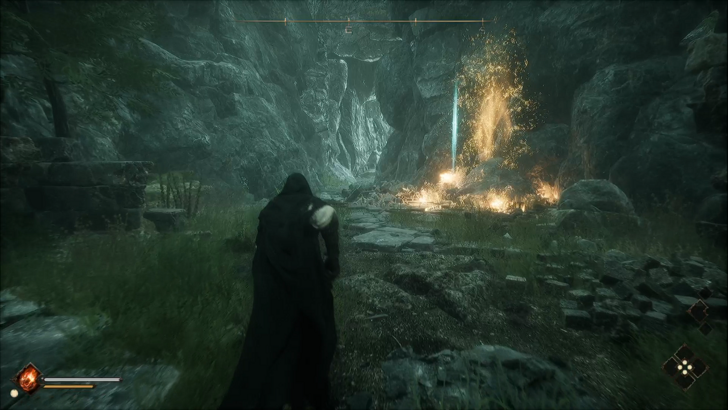
We begin with the game’s core. The Relic: First Guardian is an action RPG made in the style of a third-person soulslike, with possible notable inspirations from titles like Elden Ring. Operating in a semi-open world with branching paths split across wide-open spaces, The Relic: First Guardian offers a familiar first few steps after the opening cinematic.
The first thing I notice about this game is how it looks. Barring clear differences in art direction, the average player could likely be convinced that this was something out of the Soulsborne series. The scale of the horizon, the fantasy-medieval aesthetics, and the general cinematic flair of its presentation all point to an action RPG experience that many have known and loved for years now.
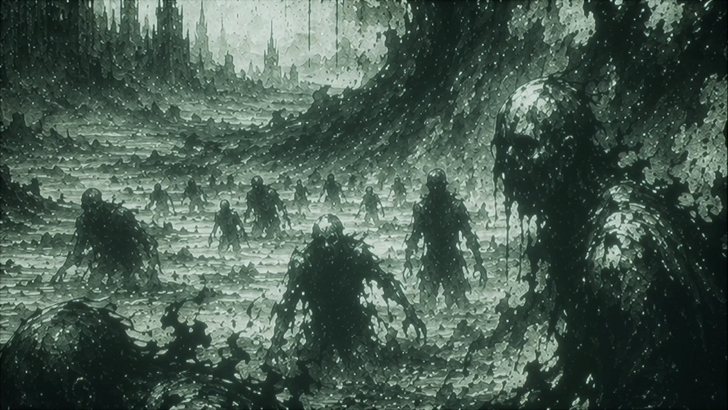
It’s a very strong first impression that I give the game full credit for, but it fades like an illusory wall once you’re a couple of minutes in. First off, the story and its setup.
Now, a start-of-the-game lore vomit is par for the course for games like these. "The world is in danger, only you can stop it, here are the big, bad evil guys." The works. The Relic: First Guardian completes the checklist, but it doesn’t tell a good–or, for that matter, original–story.
It’s closer to just an actual lore vomit; indiscriminate, and quite hard to make something out of. In the interest of not spoiling you anything, I’ll spare you the particulars; just know that, the way the intro set things up, it’s looking like somebody smashed the Elden Ring to bits again, and we’re here to clean up what came after.
It is not original in that front, and the mission-based NPC storylines aren’t anything to write home about either. Forget complex character arcs and nuanced writing; just go smack some monsters into powder, and you’re good.
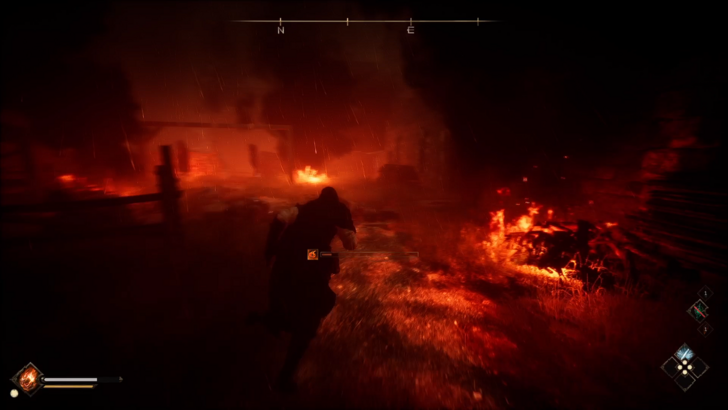
That’s pretty much how the game’s loop goes. You go to a place, talk to NPCs, fight enemies, reach that area’s endboss, die multiple times, win some new gear (or not even that), then rinse and repeat. A notable difference the game has is the lack of level-up currency, and the fact that enemies don’t respawn. That means that once you’re done with a place, you’re done. No need to go back for any reason anymore, just be on your merry way.
Unique? Absolutely. Fun? Ah, well, there’s our first instance of the game’s unique issue of being different just for the sake of it. With this setup, players don’t need to slave away against punishing roaming bands of enemies anymore, but that also means every area is a one-and-done affair. No secrets, no experiencing the fun again. Just get lucky or good once, and this place is relegated to the past tense.
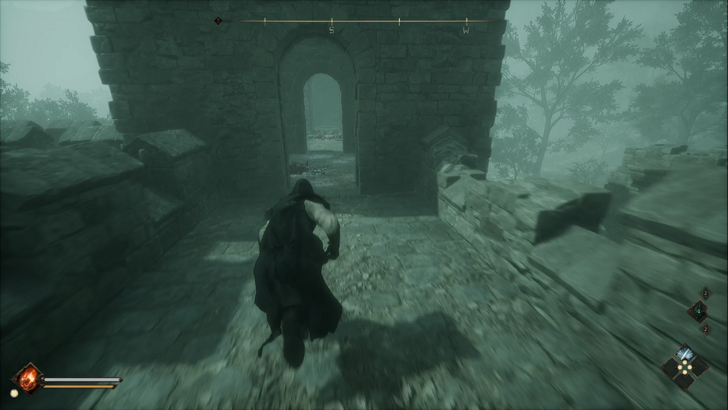
Soulslikes and action RPGs, particularly Elden Ring, tend to be grindy, yes. That’s the point. You shred your body and mind against this immovable wall of stats until you prevail because that’s where most of the satisfaction comes from. The Relic: First Guardian’s enemies aren’t any easier, but no enemy respawns means that every venture out gets easier, until it’s eventually a cakewalk until you reach the boss arena.
No part of that is satisfying. I’m almost surprised bosses replenish their health each attempt. I’ve half-expected them to keep past damage to maintain this subversion. Bottom line, I’m not a fan. Taking the challenge out of the grind might be a notable change, but you ain’t seen anything yet, ‘cuz here comes the game’s combat system from the top rope to make things harder for the wrong reasons.
Clunky Combat with Janky Animations
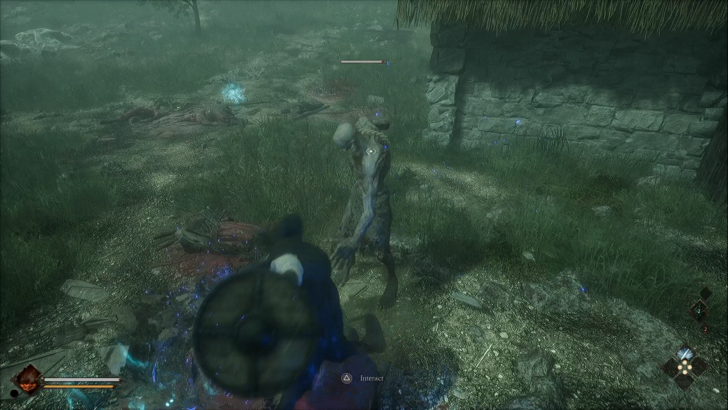
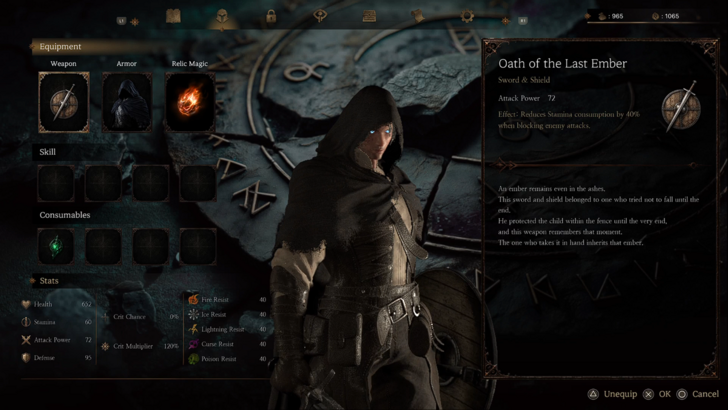
This game’s combat is clunky. I don’t mean the entire combat system, including progression and skills; we’ll get to that later. I mean the actual combat controls. The Relic: First Guardian’s combat might look like any action RPG’s, but it’s actually unique in that it has no stamina system for attacks, only defense.
Not having to juggle attack stamina with defense stamina means you can press the attack as much as you want, as long as you’re okay with taking a few hits. Combined with a cooldown-based skill system, a refillable consumable item system, multiple passive relic skills, and environmental attacks, it’s actually closer to For Honor’s duels than any Soulslike’s, or most action RPGs. Instead of one guy doing the turbo macarena until the big bad target dies, the fight itself becomes methodical, visceral, and very, VERY cinematic.
As it is, this combat system would’ve been a great and defining subversion to the stat-heavy system most action RPGS use. Stats still matter, which is why upgrades are still a thing, but more than that, tactics and understanding of the tools at your disposal determine who wins.
Unfortunately, it can’t be that simple. A combat system this reliant on timing and knowing when to attack or hold should have tight animations and responsive inputs, so why in the name of Godwynn the Golden does this game have neither?
Almost every attack has a century-long follow-through that doesn’t have the i-frames (invincibility frames) to compensate, nor the possibility for animation cancels to save yourself with. Parrying becomes a joke because the animation isn’t very good at conveying when the actual parry window is; and, just to make matters worse, there’s no way for you to know which attacks have hyper-armor because this isn’t a stat-based game. In summary, you whiffed your parry, then you got stun-locked out of your follow-up and died.
Is this a git-gud situation, then? Am I just bad at the game? Possibly. It’s hard to say how I’m supposed to get better between the jank of the combat animations and the lack of a means to improve my stats directly, and that’s the entire issue.
I appreciate that the variety of weaponry is vast, despite the devs’ decision to limit it to archetypal weapon categories rather than multiple armories’ worth of unique weapons. But if the fundamentals of combat are all jank to begin with, it doesn’t matter what the weapons are; they are all clunky at a baseline.
Normal mobs are bad enough, but you haven’t suffered until you get to this game’s boss fights, which, like the rest of its fights, are difficult for the wrong reasons.
Decent Boss Fight Design Made Awful By the Camera
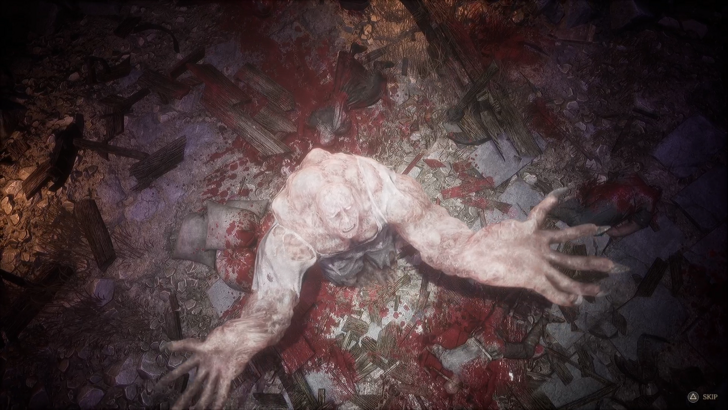
There is much to discuss about what makes a good boss fight, and we could potentially go about it all day if we wanted. It’s easier to point out what makes a bad one, and a perpetually misbehaving camera is certainly one of the things that’ll make your boss fight be the top pick in a WatchMojo list.
The Relic: First Guardian’s bosses are decent. I’d say they’re actually above average. There are almost a hundred of them in the game, and the variety of the combat situations they present is equally numerous. Nothing but praise for this fact on paper, but, as before, things sour in practice.
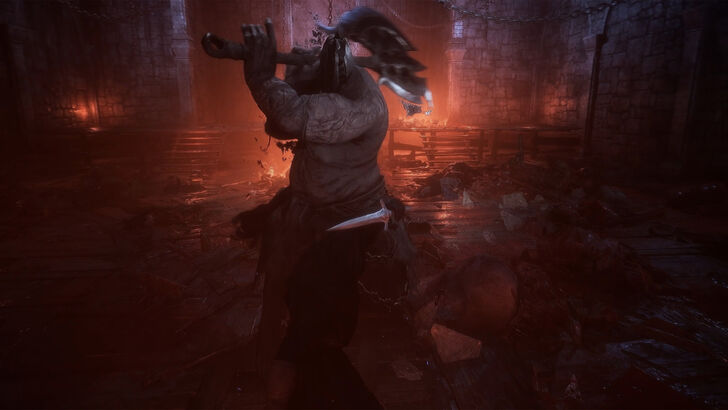
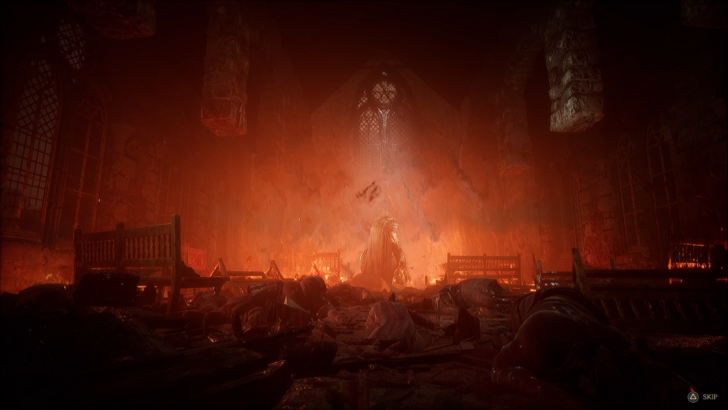
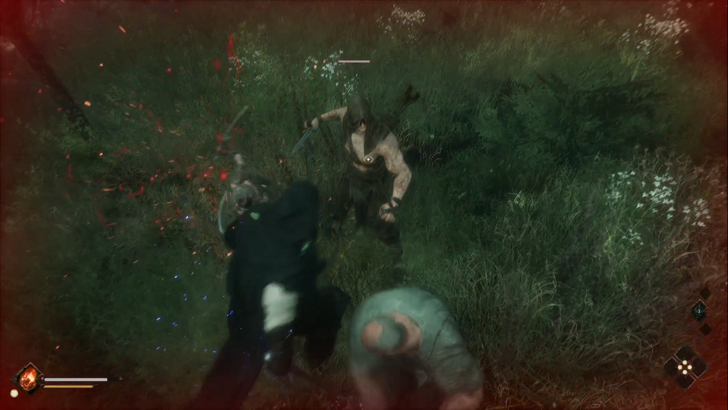
The first boss is the classic "big guy in a cramped space" fight that many action RPGs start with. His unblockable attacks and flame-lit arena shake things up enough for this to be a fun encounter; or at least, it should’ve been. The entire fight taking place in a burning chapel the size of a Minecraft villager house should’ve been difficult enough; the fact that the camera spazzes out whenever he gets close because of the aforementioned lack of space is just plain cruel.
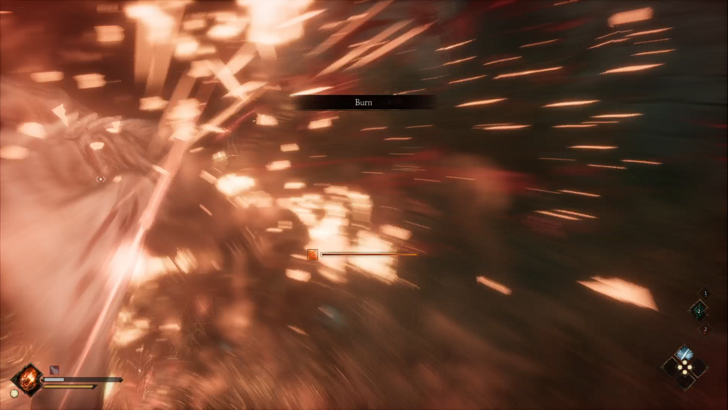
The same thing happened with another boss. Rapid attacks with no tells spell disaster for someone who has a parry window the length of an attosecond, but the field offers countless ways to attack him indirectly, be it through explosive barrels or ranged spells. Fun, right? Wrong! The camera turns into a blender whenever you’re backed against a wall or whenever he gets close.
How is a player supposed to reap the reward of good play and proper strategy if their tools do not function? Learning parry timings and getting used to awful combat animations is one thing; fighting your own camera for the right to see is another.
Oh, and if bad camerawork wasn’t enough, some bosses just straight up don’t spawn. I appreciate the freebie, I suppose, but I’m not here for a handout. I’m here to test my patience and skill against a wall of stats that fights back, and if I walk into what is very clearly a boss arena, and all that’s there is a basic mob, I just might get angry enough to take the missing boss’s place.
This happened very early into my first run, in an abandoned village rife with bandits and other field combat enemies. I got the story item, which is cool, but got denied the satisfaction of earning it.
This simply isn’t good design, and the fact that you will most likely die a bunch of times because of it is compounded by yet another example of poor design. It’s time we talked about optimization.
By Some Miracle, This Game Made the PS5 Stutter
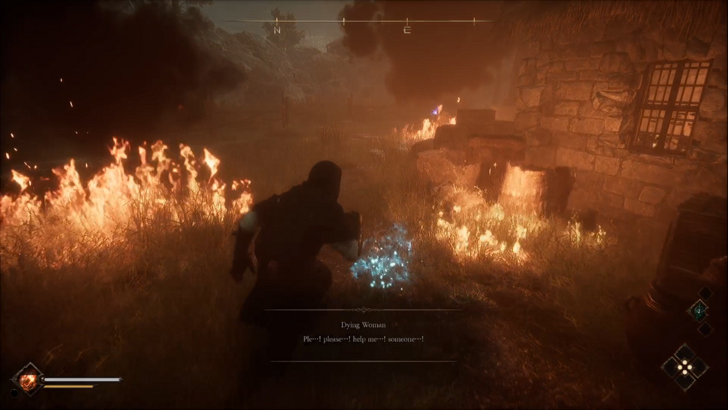
As I’ve mentioned before, this game looks great. It has beefy particle effects with every attack, and the textures are high enough quality to impress. All of this plays against itself on certain parts of the map because, by some miracle, even the PlayStation 5 is being forced to its knees just to run it.
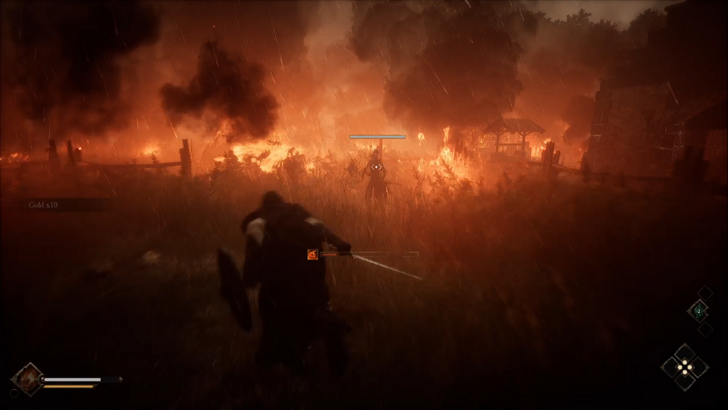
A village ablaze will expectedly have a lot of particle effects going on at once. The one this game puts you in is no different, though it is decidedly much less optimized. All those particle effects put the PS5 to the test whenever I join in with my own attacks. Throw in some enemies, physics from the many breakables, and some of that amber firelit haze, and you’ve got the world’s most hectic slideshow.
If this was on my mid-tier PC, I can understand why this is happening, but this is a PlayStation 5 we’re talking about. It’s not much better in the wooded areas where leaves sway in the wind and fires could start at the drop of a hat, so you’re basically forced to experience this game more than a couple of frames behind.
Vague Progression and Unbelievably Sparse Means to Travel
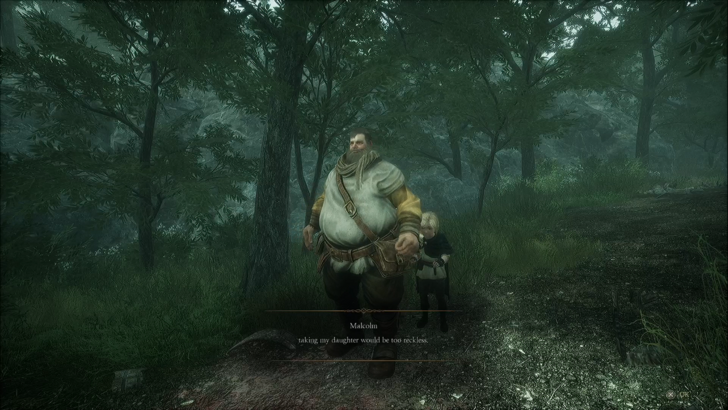
Okay, so the combat is pretty hard to deal with; the camera fights against you, and the very fabric of the game’s construction shudders with every swing. It gets better once you progress, right? Well, I mean, sure…presumably.
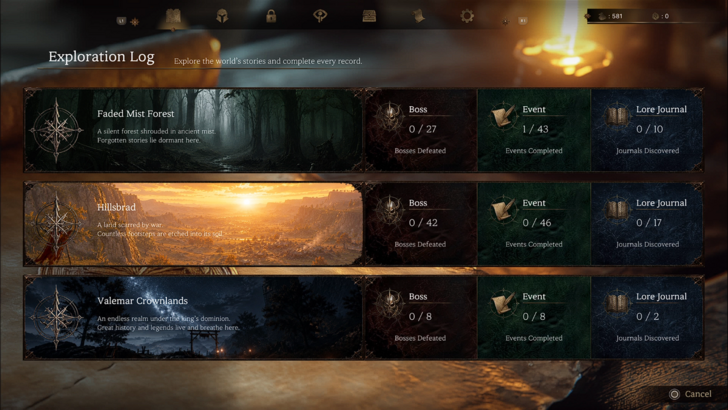
The game’s progression system is unique in that, instead of stats, you collect bespoke pieces of weapons and armor, of which there are comparatively few, and build off of those. You can upgrade them when you have the proper materials, and the same applies to the Relics you can collect, which grant you passive boosts.
While novel, this system has some pitfalls. Firstly, player progression is done in milestones, not increments. There’s no getting more souls elsewhere and getting enough stats to wear the right gear to make the build click. It’s all "get that new piece of equipment, or make do with what you’ve got".
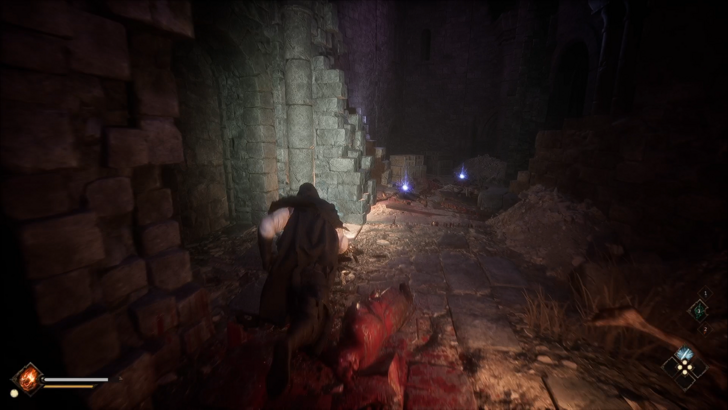
This results in a loop that’s harder at the tail end, and progressively easier at the front end, creating a cycle of things going from difficult to easy, then easier, then really, really difficult again. It’s all skill checks, which kinda cramps the fantasy of being the hero you wanted.
What’s worse is that the micro-progression of upgrading equipment isn’t clearly explained either. The game has gold and relic power as currency, as well as skill trees to unlock for each weapon, but neither lets you upgrade your equipment, and the item you do use isn’t so easy to find unless you go digging in the guides.
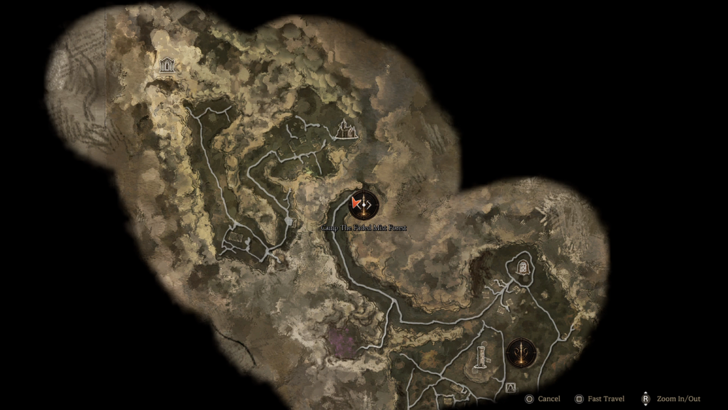
Okay, so you die a bunch of times. No respawning enemies means the walkback is easy, right? Yes, combat-wise. In terms of convenience, not so much. The game isn’t a true open world like Elden Ring, which has vast swathes of land with individually branching paths diverging from them. The map isn’t huge, but it’s big enough to be annoying whenever you run back across the whole thing to die again in a dungeon across the way.
No Torrent or vehicle to make things faster, and no verticality to speak of, so it’s all just big and wide for the sake of it. Fast travel? Forget about it. It’s technically possible, but good luck finding more than a handful of fast travel points across the map, because you’ll have to take the long way between them.
Making Things Worse By Trying to Be Different
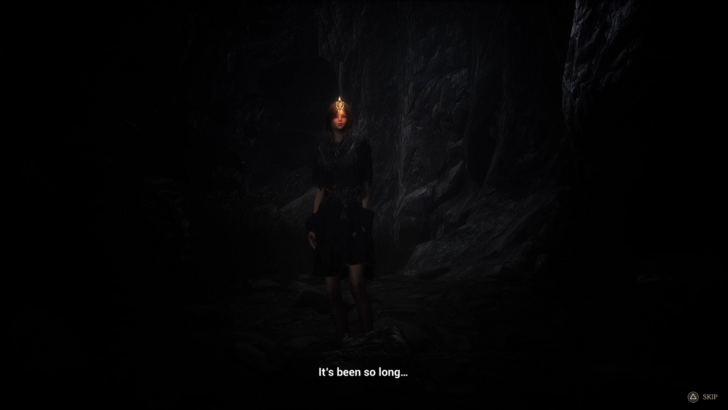
This game is a mess, but not for the lack of trying to make something unique. It’s a massive project with real heart and mind; it just ended up being worth a lot less than the sum of its parts. Every good thing about The Relic: First Guardian—the visuals, the scale, the attempt to make combat more visceral—is torn down by a quirk in its implementation.
The "so-good" visuals weigh too heavily on anything but the strongest systems, the scale of the world makes it empty and hard to travel, and the visceral combat system is plagued by vague progression and poor animation implementation.
It’s difficult to put it any other way, and it’s hardly the time to quote Dr. Ian Malcolm from Jurassic Park, but the game’s devs were so preoccupied with whether or not they could that they didn't stop to think if they should.
To answer the question I asked in the very beginning of this review, the one about what would happen if someone set out to purposefully subvert something as well-defined as the Soulslike/Action RPG genre, I can only say this: trying to fix what wasn’t broken, what has been proven, is either going to lead to the creation of something the world has never seen before, or something the world would rather not see.
In the case of The Relic: First Guardian, I’m sure the answer was already made clear.
Is The Relic: First Guardian Worth It?
Only On Sale
Coming in at a respectable $49.99, it's unlikely you'll regret buying this game for its full price. I'd still hedge my bets with a sale, if I were you, though. The game has a lot of quirks in its DNA, little mishaps in practice that make its cool ideas and mechanically sound aspects fall shy of being what they were intended to be. Buying this on sale gives you the legroom to enjoy the game, warts and all.
FAQ
Does The Relic: First Guardian Have Character Creation?
No, The Relic: First Guardian does not have a traditional character creation system. Players take the role of a predetermined protagonist and cannot change how they look outside of equipment.
Does The Relic: First Guardian Have Stamina and Poise Systems?
Yes, The Relic: First Guardian features a unique stamina system for defense and a posture-breaking mechanic for enemies, though it removes stamina consumption from attacks. Consistent attacks on enemies will eventually cause them to stagger.
Game8 Reviews


















Yeah, clearly Nezarec did not read because that's either some mental gymnastics, or terrible reading comprehension.
TLDR: It's not a FromSoft game, so we must hate it.