


| Subnautica 2 | |||
|---|---|---|---|
| Release Date | Gameplay & Story | Pre-Order & DLC | Review |
Subnautica 2 has players once again survive an unknown underwater planet. Read on to learn everything we know, our review of the demo, and more.
Everything We Know About Subnautica 2
Subnautica 2 Plot
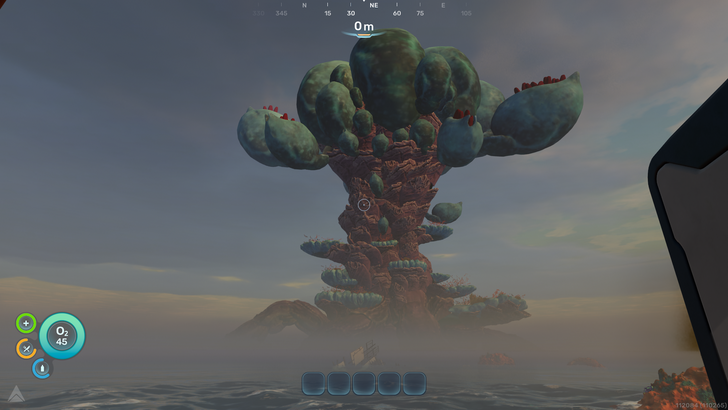
Subnautica 2's story places players in the role of a pioneer exploring a brand-new, previously unseen alien ocean world, distinct from Planet 4546B. As players venture into this uncharted deep, they quickly discover that this seemingly pristine environment harbors significant dangers and anomalies.
Despite the planet's extreme conditions posing a direct threat to human survival, the player's ship AI insists on completing its mission. This forces the protagonist not only to survive but also to adapt to the alien environment.
The new genetic modification mechanic is also embedded in the story, allowing players to alter their biology to overcome the planet's harsh challenges and continue their investigation, uncovering what exactly has gone wrong and why this perilous mission is so vital.
Subnautica 2 Gameplay
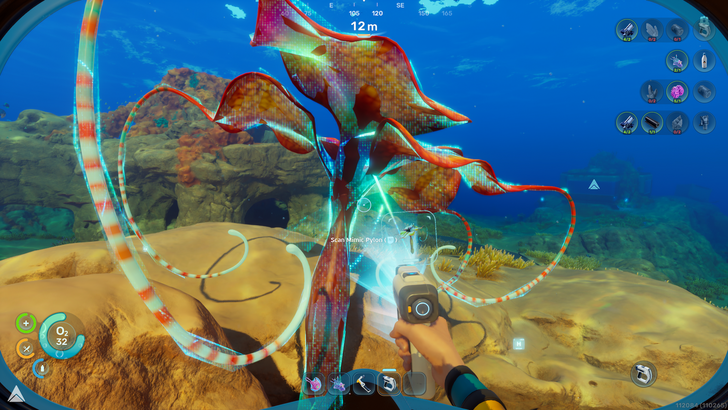
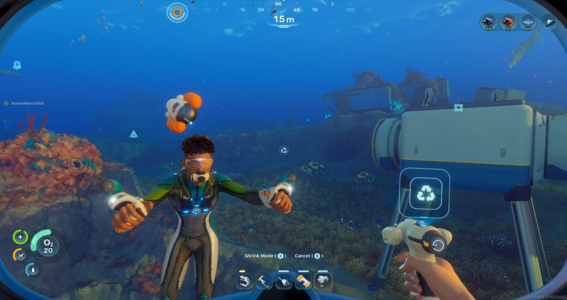
Subnautica 2's gameplay builds on the series' established foundation of survival, exploration, and crafting within a vast alien ocean environment. Players must manage essential survival stats, including oxygen, hunger, and thirst, while navigating diverse and dangerous underwater biomes.
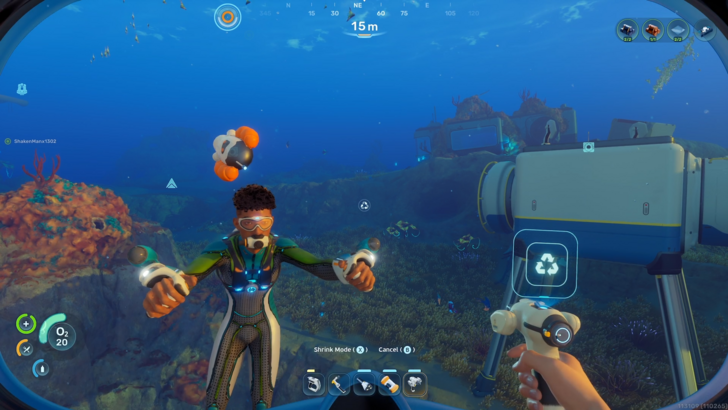
A significant new addition is online co-op for up to four players, which offers collaborative exploration, base construction, and discovery of the world's secrets. The crafting and base-building systems have been enhanced for deeper customization, allowing players to construct intricate underwater habitats and create new tools and vehicles.
Additionally, the new genetic modification challenges players to evolve their biology to adapt to the planet's extreme conditions, such as gaining resistance to high temperatures or pressures, or improving their vision to uncover hidden elements.
Subnautica 2 Release Date
Releases in Early Access on May 14, 2026
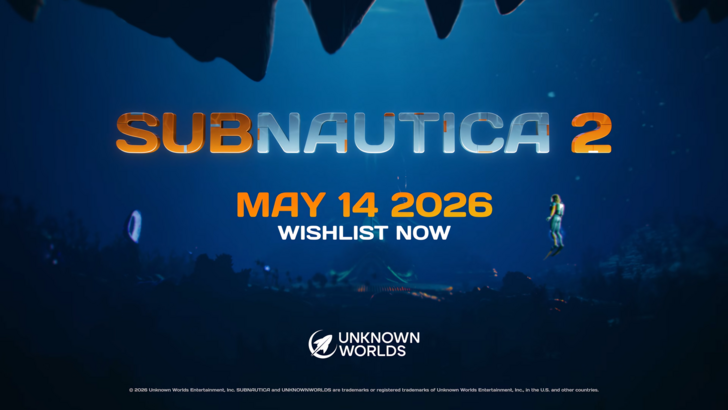
Subnautica 2 released in Early Access on May 14, 2026, at 8:00 A.M. PT / 11:00 A.M. ET. It enjoyed a simultaneous release on PC (via Steam and Epic Games) and Xbox Series X|S.
Subnautica 2 Review (Early Access)
Drowning in So Much Potential
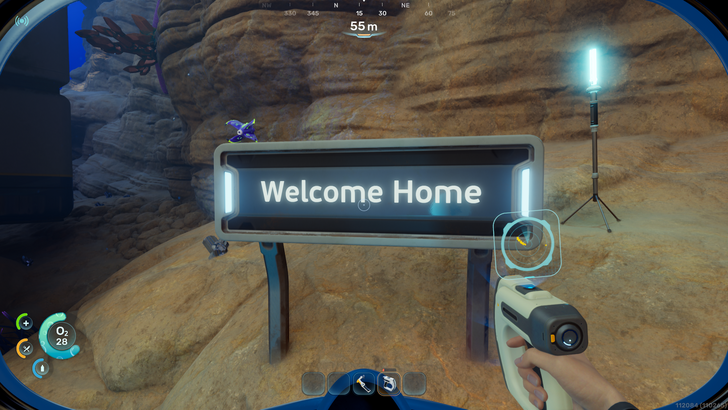
The water in Subnautica 2 is just as beautiful and terrifying as we remember from when the original first entered Early Access back in 2014, though getting here was far messier than anyone expected. Before we even saw a single Leviathan on this new planet, we had to wade through a sea of pre-release drama involving a public dispute between developers Unknown Worlds and parent company Krafton, and a tide of rumors that didn’t hold water. Thankfully, most of those concerns fade the moment you crash into the alien oceans of Proteus. The bioluminescent depths still shimmer with wonder and countless creatures eager to make you their next meal.
However, even just a few hours into this new voyage, the seams begin to show. Players are bound to encounter bugs and unfinished systems, as is the nature of any Early Access game. Subnautica 2 still has a long road of updates ahead before it reaches the towering status of the original. Yet despite that, this is easily one of the most polished Early Access releases I have played in a very long time. Even in its unfinished state, the magic is already there. It is terrifying, immersive, occasionally janky, but nonetheless brilliant.
Proteus’ atmosphere weighs down on you. You are the foreign thing in its ecosystem. A small, fragile creature drifting through an impossibly vast and hostile world.
You are, ultimately, profoundly alone.
Story’s Arguably Better Than the First Game’s
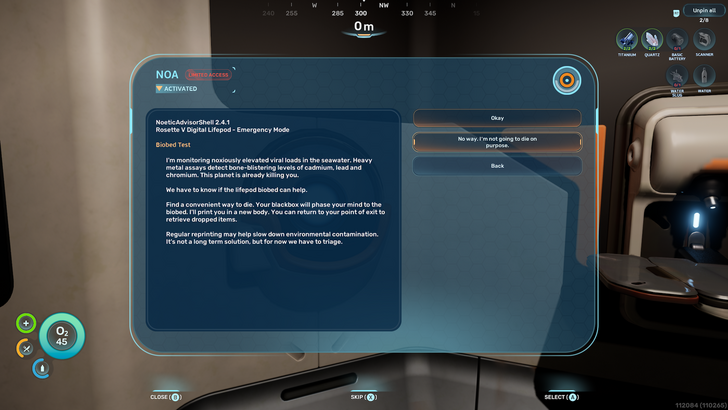
Well, that’s not entirely true. You aren’t completely alone. You still have your scanner, your trusty PDA constantly warning you about your rapidly depleting oxygen supply, and NoA, your Noetic Advisor. This AI companion is both your guide and corporate babysitter, reminding you that even after a catastrophic crash landing, your job is far from over.
Unlike the original game’s almost total lack of direction, Subnautica 2 follows a much more structured rhythm. NoA regularly points you toward black boxes left behind by the crew of the ISV Cicada, and progression often revolves around exploring nearby regions until the AI eventually calls you back with another objective. The result is a far more linear experience than the first Subnautica, which famously dropped players into the ocean with little more than a lifepod and their curiosity to guide them.
Of course, that sense of discovery still exists here, but it is now more carefully directed. The sequel strongly encourages players to follow its story beats first, since wandering too far off course too early can lead to stumbling across locations that you are not yet equipped to properly interact with.
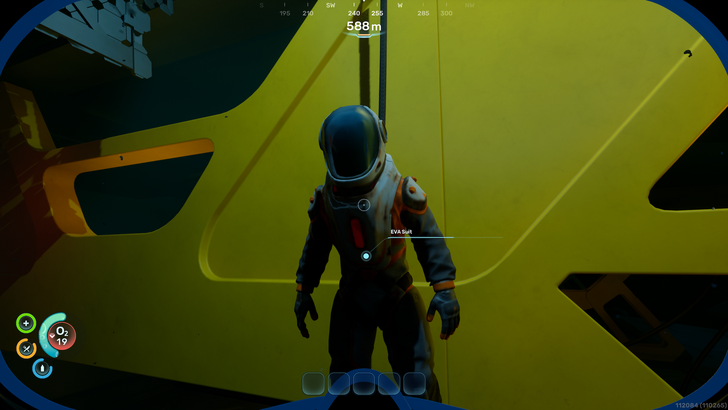
This structure exists to lead players through the aftermath of the ISV Cicada disaster. The massive Alterra colony ship was carrying tens of thousands of colonists as part of an initiative to escape the growing spread of the Kharaa bacterium across human-controlled space, the same deadly plague central to the events of the first game. Unsurprisingly, things go horribly wrong. The Cicada is knocked off course and crashes onto the moon Proteus, leaving its mission in ruins. Your role as this entry’s silent protagonist is to locate survivors, establish settlements, and salvage what remains of the operation.
Thankfully, the narrative does not simply retread the original game’s narrative threads. Subnautica 2 instead focuses on themes of adaptation and evolution, both environmentally and biologically. Although some of the denser sci-fi jargon surrounding atmospheric conditions and biological scans may wash over players who are simply here to admire the alien sea life, those details do a great joob of reinforcing the world’s atmosphere and scale/
Beauty is What Lies Beneath the Surface
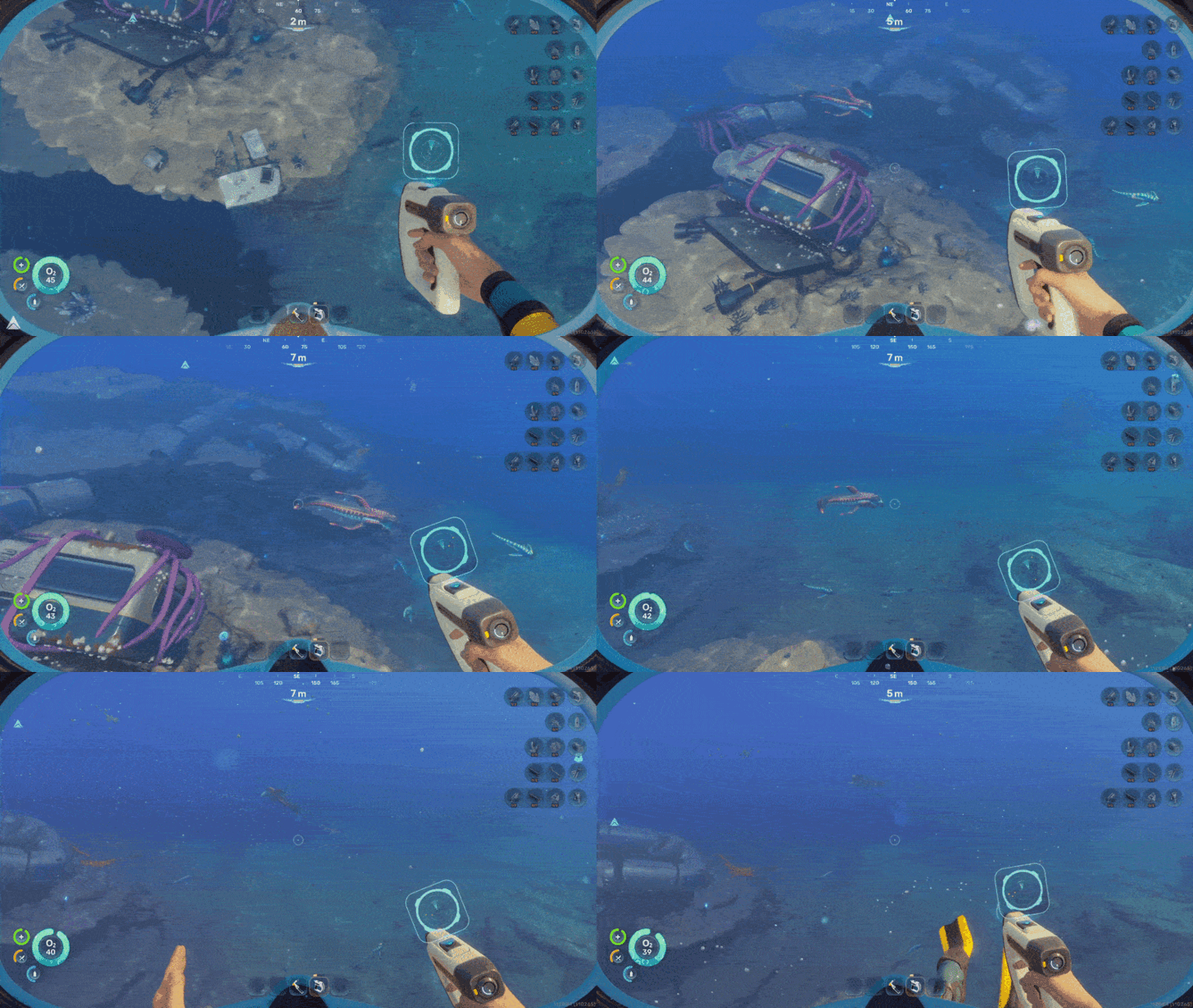
And what a beautiful planet Proteus is! Like the first game, its ecosystem feels remarkably dense and alive, equally stunning during the day and terrifyingly gorgeous at night when the darkness is pierced only by bioluminescent life drifting through the water. The sheer biological variety gives the planet a presence of its own, as though the ocean is constantly moving even without you.
Much of that comes from how naturally its wildlife interacts with itself. Packs of Nibller Mangoes, for instance, stalk abandoned sea bases in search of food, only to scatter the moment something larger enters the area. Predators like the Marrowbreach sit much higher on the food chain.
Elsewhere, Coral Crabs burrow into the seafloor to hide, only for Hammerheads to smash through their defenses and drag them back out. You can easily spend several minutes simply watching these interactions unfold in real time.
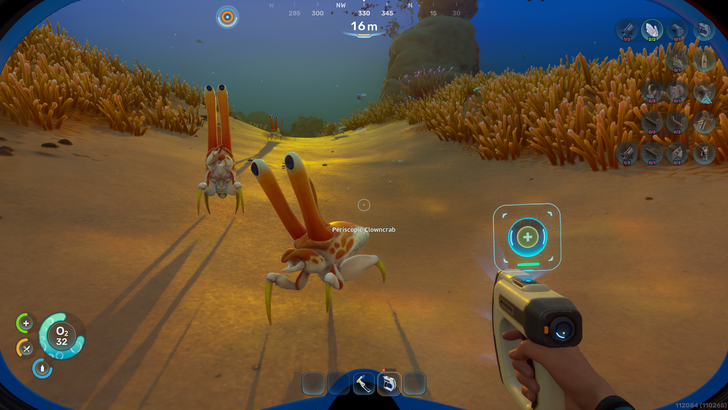
It is these unscripted moments that make Proteus feel so organic. The world constantly appears to exist independent of the player, and that sense of immersion makes exploring the ocean deeply compelling, even when many of its beautiful sights would gladly kill you if given the opportunity.
Yet despite the AI companion and the more structured objectives, the feeling of isolation still hangs over every dive. The open waters are enormous, hostile regions remain stressful to navigate, and nighttime expeditions are often terrifying enough that I actively avoided them whenever possible. No matter how much guidance the game gives you, you are still just a fragile speck drifting through an overwhelmingly dangerous ocean.
It’s Less Scary With Friends
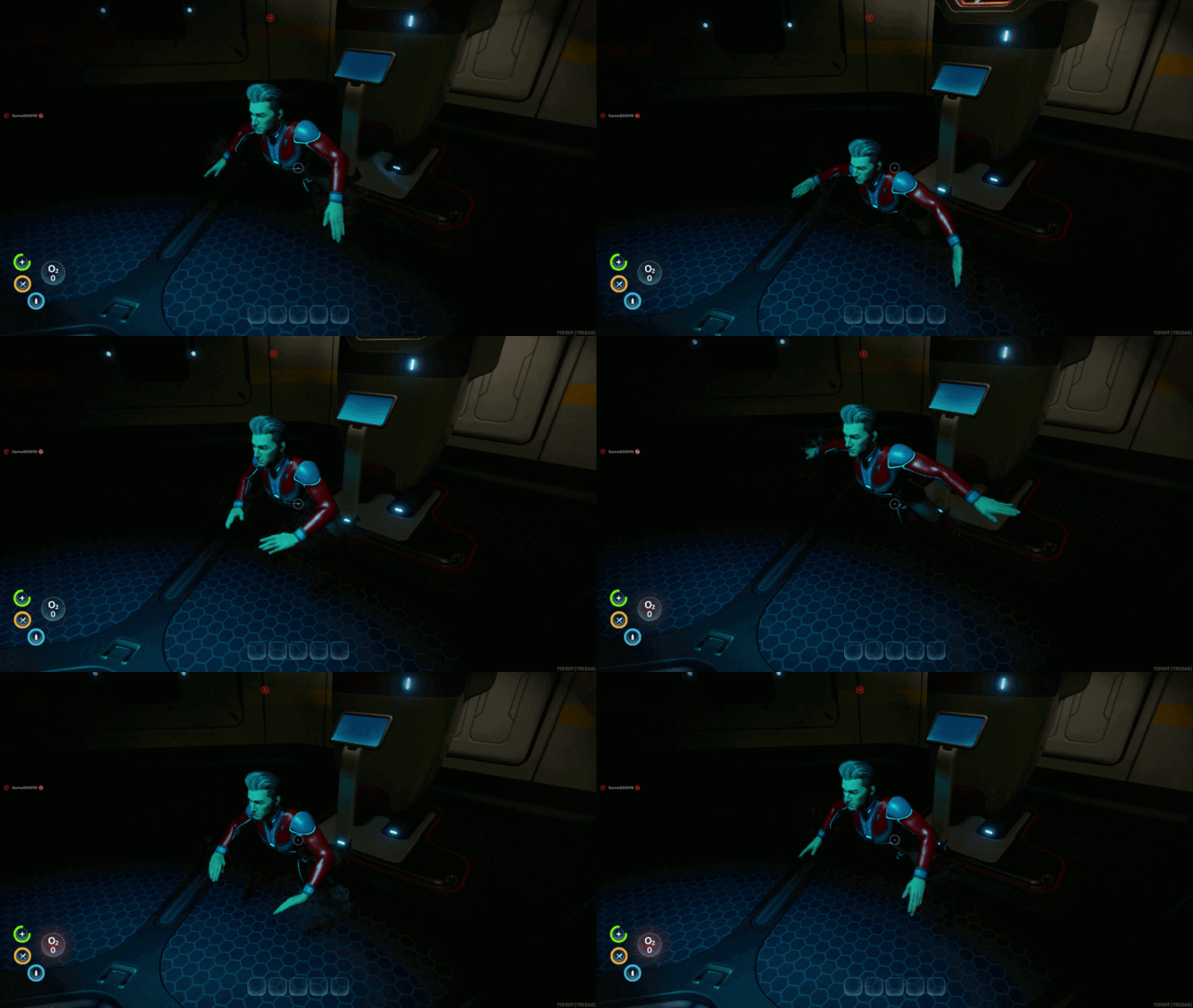
For the first time in the series, though, you do not have to brave the depths entirely alone. Subnautica 2 introduces optional four-player co-op. Players can seamlessly host worlds or drop into a friend’s session at any time.
I ended up dragging a friend along for most of my time with the game, and while it undeniably clashes with the lonely atmosphere that Subnautica is built around, it also made the experience far more enjoyable in many ways. The game constantly reminds you that you are isolated on an alien world, yet the moment another player appears beside you, some of that tension naturally disappears. Exploring dark caverns and predator-infested biomes became significantly less terrifying when I knew someone else was nearby.
At the same time, multiplayer dramatically speeds up progression. Since resources, scans, and blueprints are shared between all players, our sessions naturally evolved into an efficient division of labor. I would dive deeper into dangerous regions to scavenge materials and chase story objectives, while my friend stayed closer to safer waters building our expanding base and assembling vehicles like the Tadpole. In the span of a single session, we accomplished far more together than I ever managed playing solo.
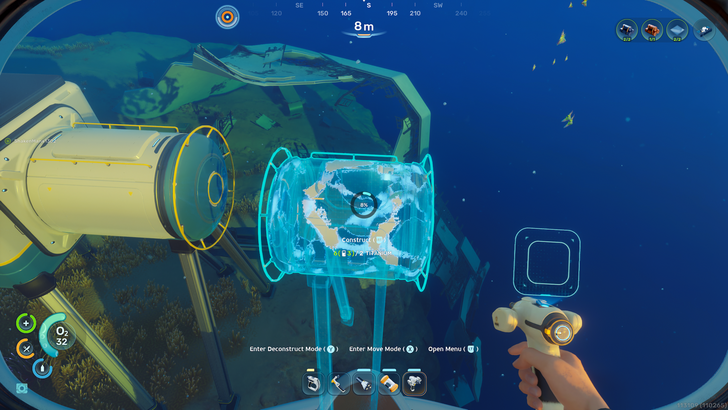
Immersion does take a hit, however. Cutscenes and dialogue still behave as though you are completely alone, which can make co-op feel disconnected from the story the game is trying to sell. Subnautica 2 very clearly feels designed first and foremost as a solitary experience, with multiplayer existing more as a sandbox option.
Regardless, base building is undeniably more fun with another player around. Once you gather enough resources and blueprints, you can begin constructing underwater habitats across Proteus piece by piece, connecting compartments, corridors, generators, storage rooms, and observatories into fully functioning outposts. Watching a tiny pod gradually evolve into an underwater facility remains just as satisfying as it was in the first game, especially when you return from a dangerous expedition to find your friend has expanded the base while you were gone.
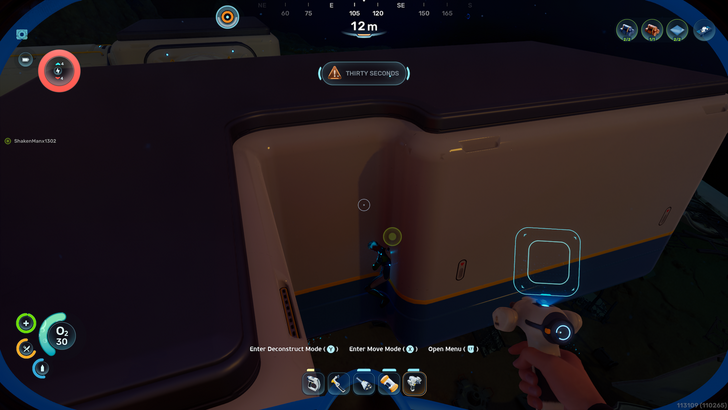
However, co-op also exposes how unfinished some systems still are. During my playthrough, I occasionally ran into building issues where players would get stuck inside modules or they’d refuse to align properly or clip into walls. Fortunately, these bugs never blocked progression, and the game’s "refund bases" option made it easy to dismantle and rebuild broken sections without losing resources.
Customization itself is still somewhat limited, but that’s expected for Early Access. The first game took years to earn its reputation, so I'm willing to give this sequel time to grow. Even a small room with a locker full of supplies can feel comforting when massive predators are circling outside your windows.
The Ocean Still Owns You
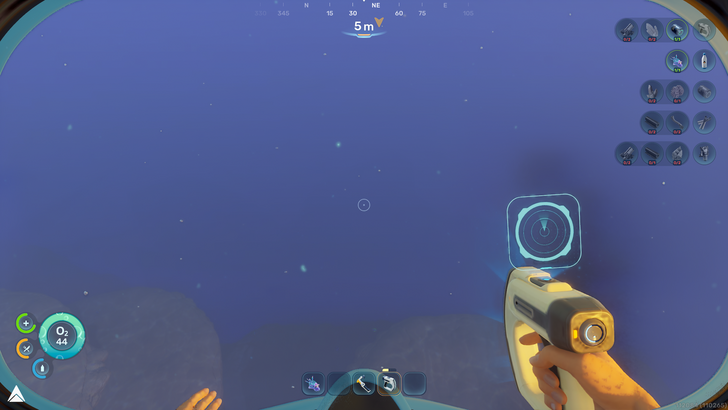
Survival, however, remains the backbone of the entire experience. Like the original game, Subnautica 2 constantly reminds you just how fragile you are. More often than not, your greatest threats are not the monsters lurking beneath the waves, but the simple realities of oxygen, hunger, thirst, and distance.
Always, before diving in, you have to ask yourself: How far can you travel before your oxygen runs out? Do you have enough food and water to stay out longer? Is it worth carrying additional resources if it means sacrificing inventory space?
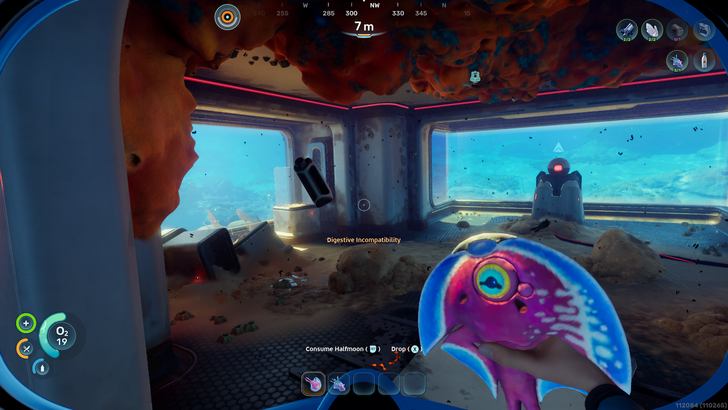
None of these mechanics will feel unfamiliar to longtime survival game fans, especially those who played the first Subnautica. They add pressure, but they don’t feel overly punishing. Gathering resources remains a big part of the gameplay loop, with much of your time spent mining cave walls, searching wreckage, and hunting for crafting materials needed to unlock better tools and equipment.
Admittedly, that loop can become repetitive after several hours, particularly when the story demands specific resources hidden deep inside dangerous biomes. Yet the game usually offsets that repetition by making exploration consistently nerve-racking. A routine supply run can instantly turn stressful when visibility suddenly disappears, or a distant roar tells you that something enormous is nearby.
Fortunately, the sense of vulnerability evolves alongside your progression. Unlocking new vehicles, equipment, and upgrades gradually makes the ocean feel less oppressive. Over time, previously terrifying regions turn into places you can confidently navigate. Of course, just as you begin to feel comfortable, Subnautica 2 introduces even deeper and more hostile areas that make you feel small all over again.
Biomods Have You Adapt to Your Surroundings
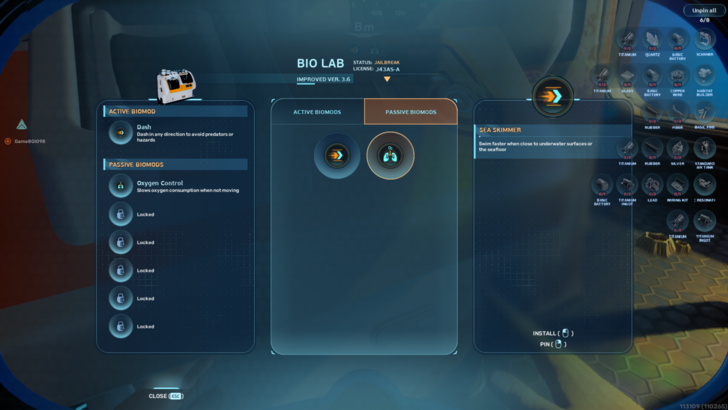
The most interesting new addition, though, is gene modification. Rather than tying progression solely to better tools and vehicles, Subnautica 2 also allows you to enhance your character by harvesting DNA samples from the creatures inhabiting Proteus.
The process itself is fairly involved. After scanning wildlife and collecting biological samples, you bring those materials back to specialized stations at your base where they can be processed into genetic upgrades. Some modifications improve survivability, while others grant entirely new abilities, like underwater dashes or sonar pulses that help detect nearby resources and predators. What I like most about the system is how it changes the relationship between the player and the ecosystem. In the original game, progression mostly came from building better equipment. Here, the ocean itself becomes the source of your evolution. If you want stronger upgrades, you often need to get dangerously close to the creatures most capable of killing you, which makes every successful sample feel earned.
Admittedly, the current Early Access build does not yet offer a huge variety of mutations, and some upgrades feel more useful than others. Nonetheless, the foundation is incredibly promising. It already feels like one of the sequel’s strongest ideas, and I can easily see it becoming a defining part of the experience as more updates arrive.
We’ve Got a Long Dive Ahead
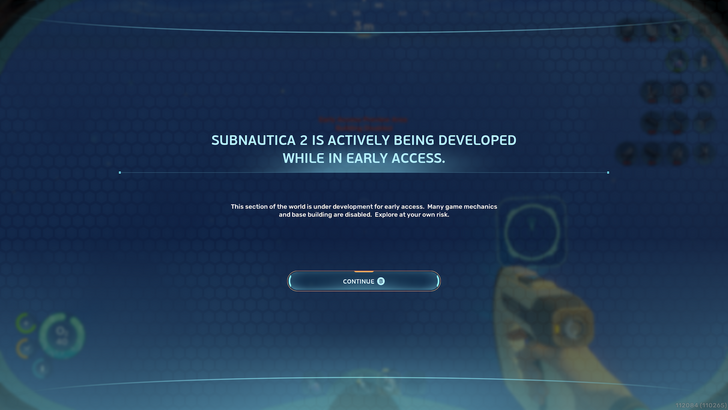
Subnautica 2 is essentially everything we loved about the first game, but improved in a lot of ways that make me optimistic about its future. Even in this Early Access build, the experience is strong enough to overshadow all the minor technical hiccups. Unknown Worlds has proven itself before; we know how the first game evolved from a buggy mess with potential to a really amazing game. The foundation here on Proteus is arguably stronger than the first game’s debut. This optimism, though, comes with a caveat.
The reality is that we are likely looking at years of development before this sequel reaches the same heights as the first game. To play it now is to accept a world of fixes and invisible boundaries. You will inevitably reach the edge of the map, where the deepest secrets are still hidden (or, rather, undeveloped) and guarded by scary new leviathans.
I expect fans will spend the coming months dissecting every frame and data log, just as they did a decade ago. We have plenty of time, after all, to wonder what lies beneath the murky depths or what the massive Tree on the horizon really is.
Game8 Reviews