



Overview
What is Subliminal?
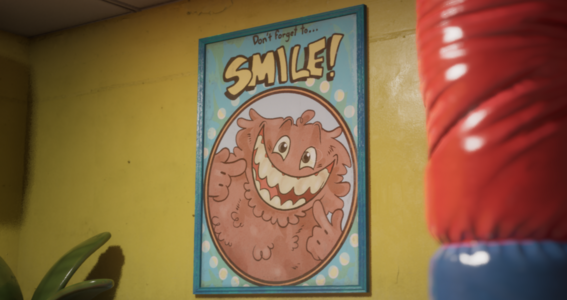
In Subliminal, players explore the fragmented mind of Caleb, navigating surreal and often eerie locations while uncovering memories, solving puzzles, and avoiding lurking threats. The game features multiple branching paths and endings, encouraging exploration and replayability.
Subliminal features:
⚫︎ Branching Paths and Multiple Endings
⚫︎ Psychological Horror
⚫︎ Timed Challenges
⚫︎ Distinct Locations
| Digital Storefronts | ||
|---|---|---|
 Steam Steam |
||
| $9.99 |
Subliminal Game Review [Episode 1]: If Poppy Playtime and The Stanley Parable Had a Peculiar Child
Backrooms with a Psychological Twist
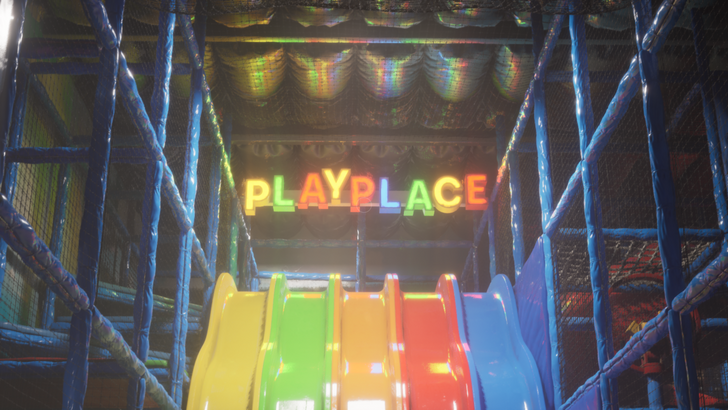
I’ve loved horror all my life, but I’ll be honest, over the past few years, the whole backrooms thing kind of lost its effect on me. Not because the concept stopped being scary, but because it’s everywhere, and a lot of games treated the backrooms like a shortcut to horror: empty spaces, dim lights, and the expectation that you’ll scare yourself just by being there.
So I went into Subliminal expecting to roll my eyes and come out mildly entertained at best. Instead, I found myself leaning forward, listening carefully, and feeling that slow, creeping tension that only works when a game truly understands how to deliver horror.
Guided Descent Through Caleb’s Mind
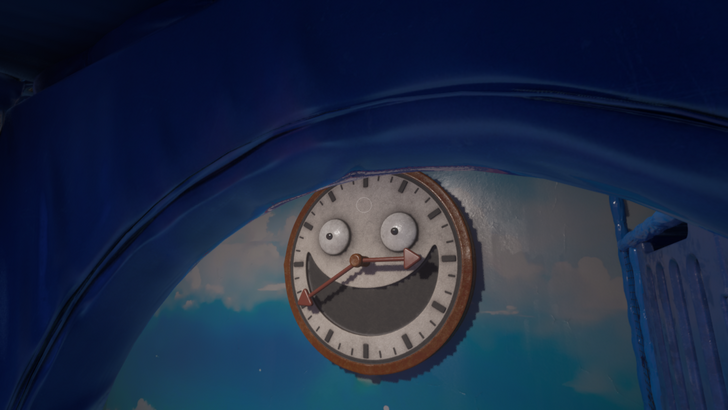
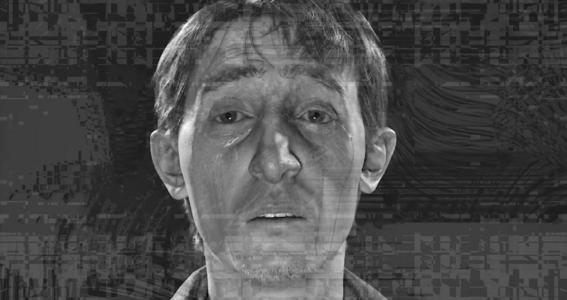
Subliminal follows Caleb as he unravels his own mind. We play as him, but at the same time, we’re also hearing him, or at least, a version of him. The narrator is a more articulate, almost detached version of Caleb, guiding us through these shifting spaces in Caleb’s mind as we perform what he calls "maintenance."
Like in The Stanley Parable, you’re not just moving through the environment, you’re being walked through it, step by step. That naturally raises questions: why is our mind undergoing maintenance? The game doesn’t rush to answer that, and as a player, that mystery is what keeps you engaged. You’re not just exploring for the sake of it, you’re trying to piece together what’s happening inside Caleb’s head, and whether this voice guiding you can actually be trusted.
Perilous Journey Through Caleb's Mind
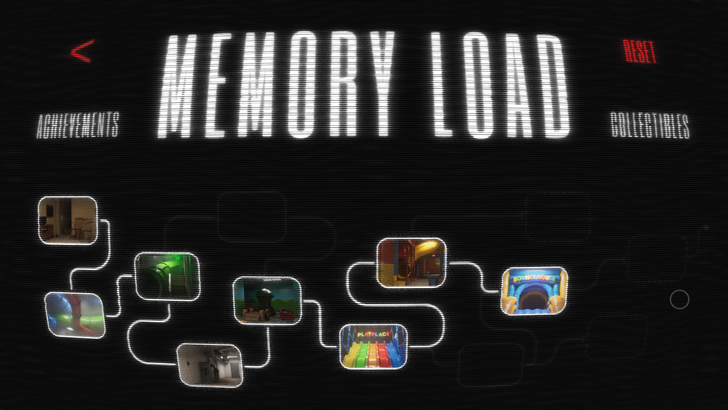
Episode 1 of Subliminal takes you through what are essentially core memories of Caleb, spread across different locations. The structure is fairly straightforward on paper: you explore an area, solve puzzles, unlock the next path forward, and occasionally run for your life when the game decides it’s time to chase you.
But what makes this structure work is how naturally it all blends into the idea that you’re inside someone’s mind. The puzzles don’t feel like random video game obstacles placed just to slow you down; they feel more like you’re trying to access something Caleb has locked away, forcing your way deeper into places you probably shouldn’t be. Even the chase sequences, feel less like traditional horror set pieces and more like something in his mind rejecting your presence.
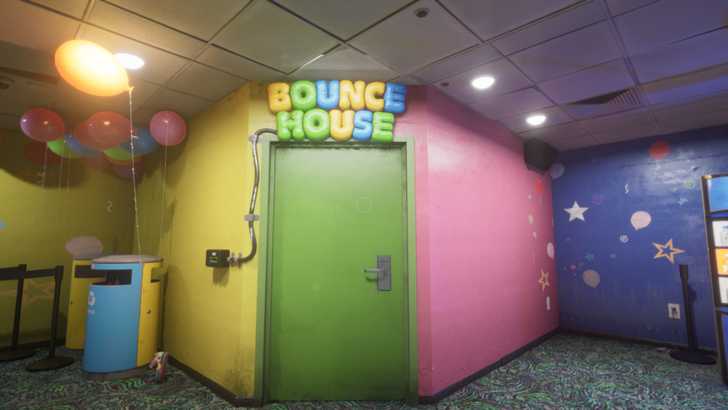
This loop not only kept me moving, but also kept me curious. You’re not just solving puzzles to finish a level. You’re doing it because you want to see what the next memory looks like, what the next place represents, and what all of this is slowly building up to.
Chase Sequences Overstay Their Welcome
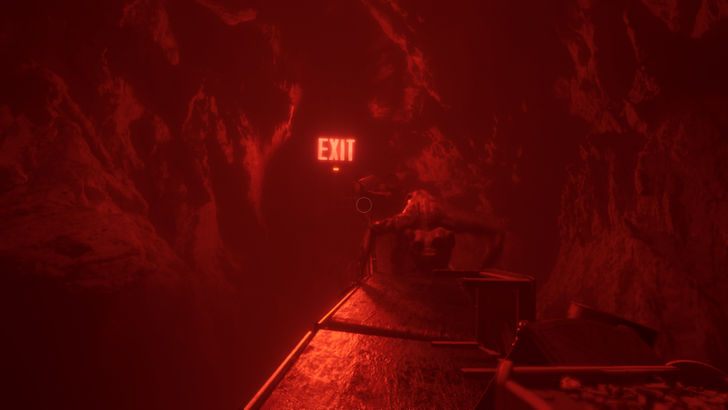
I’ll get the bad out of the way first, because Subliminal is a good game but it is held back by one thing: the chase sequences. These segments are long, and there are no checkpoints in between. On top of that, they’re not just straight-line sprints, they have obstacles and small puzzle-like mechanics you need to figure out while being chased. So realistically, your first few runs are just trial and error, learning the route, figuring out what the game wants you to do, and where you’re supposed to go.
And to be clear, that idea isn’t bad. In fact, it could’ve been great. The problem is that there is absolutely zero room for error. By the time you finally understand the sequence, you’re already fatigued from repeating the same long segment over and over again. And when you do mess up, you’re sent all the way back to the very beginning. I did say these were long, right? So imagine replaying a long, high-stress segment multiple times not because it’s dynamic, but because the game refuses to give you a checkpoint.
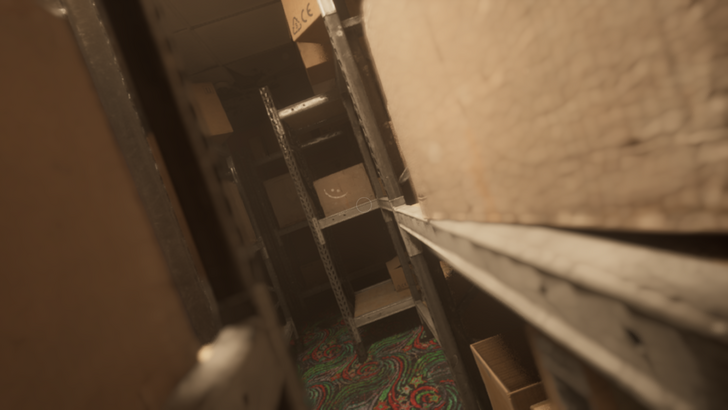
What makes this more frustrating is that the game does have moments during these chases where the monster isn’t actively chasing you. Brief reprieves where you move through a quieter stretch. Those moments would’ve been perfect checkpoint placements, but the game doesn’t use them.
And the thing with horror is, repetition kills fear. The more a game makes you repeat the exact same scary sequence over and over, the less scary it becomes and the more it turns into a routine. By the time I finally cleared these chase segments, the monster wasn’t scary anymore, it was just an obstacle I was tired of dealing with. I probably would’ve appreciated these sequences a lot more if they simply had checkpoints, because the novelty of being chased definitely wears off when the game starts to feel like it’s wasting your time instead of testing your nerves.
Following the Voice, Getting Blamed Anyway
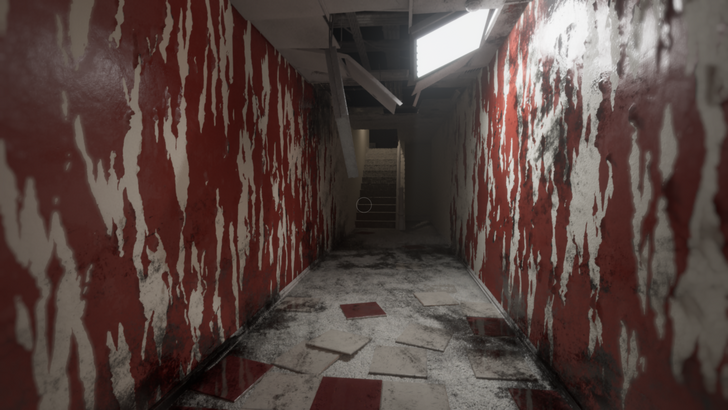
Another thing that stood out was how I was treated by the Caleb Narrator toward the completion of the canon ending. I was following the canon path, sticking closely to the narrator’s guidance and not exploring off the beaten path. Yet, at one point, the narrator snaps at me for being "distracted", even though I hadn’t strayed at all. It felt like the game wasn’t fully acknowledging my choices up to that moment, which was jarring and briefly pulled me out of the experience. For the narrator to snap at me despite me doing exactly what was asked, undercut the entire journey
I get that it’s meant to be a high-tension moment, to make you feel on edge, but it came off more like a jarring break in the immersion than anything else. In other endings, the narrator seems calmer, or at least less prone to scolding, so maybe this is just "canon Caleb" asserting himself, but it felt like a strange choice.
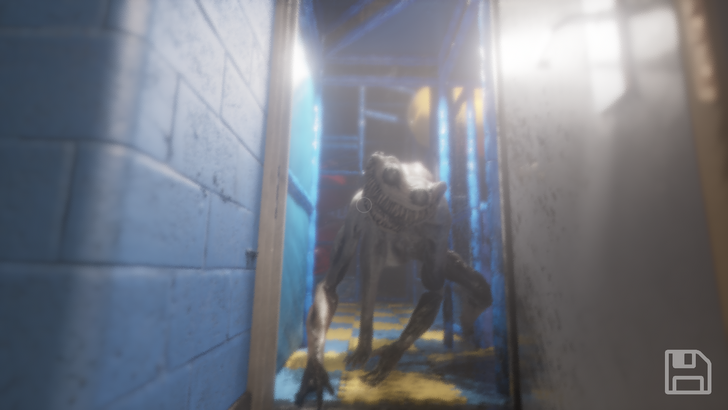
That said, I do understand why that moment exists. If anything, it might be there to show a different side of Caleb, not the guilt-ridden version we’re playing, or even the reflective version of him that’s been guiding us for most of the game. But a more frustrated, angry side that starts to show as you get closer to the truth. If that was the intention, then the scene makes a lot more sense narratively.
Piecing Together Caleb’s Broken Mind
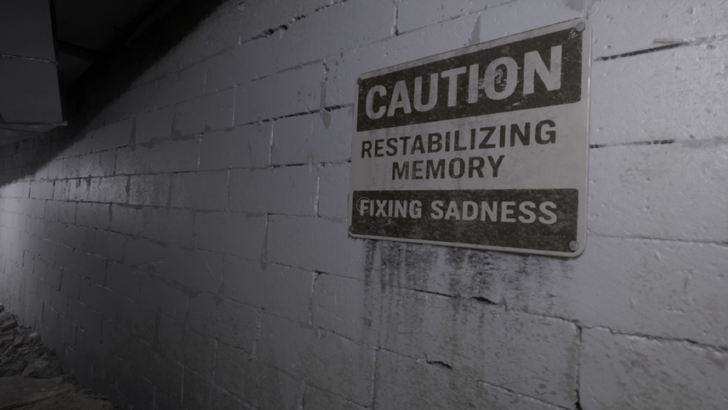
But the story is really what pulled everything together for me. Subliminal doesn’t spoonfeed you its narrative. Instead, you’re trying to understand why you’re here in the first place, why your mind is in "maintenance," and what all these places actually mean. With multiple branching paths, it becomes less about reaching the end and more about understanding Caleb as a person, because these paths show different angles of Caleb’s life.
That’s where the psychological aspect and visual imagery really click into place. The environments already feel symbolic, like distorted memories and buried fears, but when you pair that with branching paths, it starts to feel intentional. Like depending on where you go and what you choose to follow, you’re uncovering a different side of Caleb, not just progressing through a story, but actively shaping your understanding of who he is.
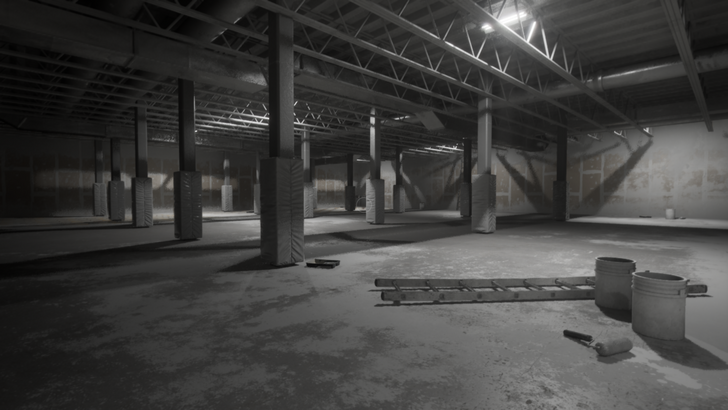
Each location isn't just random backrooms level, they’re symbolic and distorted versions of memories, fears, and things Caleb doesn’t want to confront directly. The environments tell a story just as much as the narrator does, sometimes even more. It turns exploration into something more personal. Because by the time you’re done with your first run, it doesn’t feel like you’ve seen the full picture, it feels like you’ve only seen a version of it.
Spaces That Feel Wrong in All the Right Ways
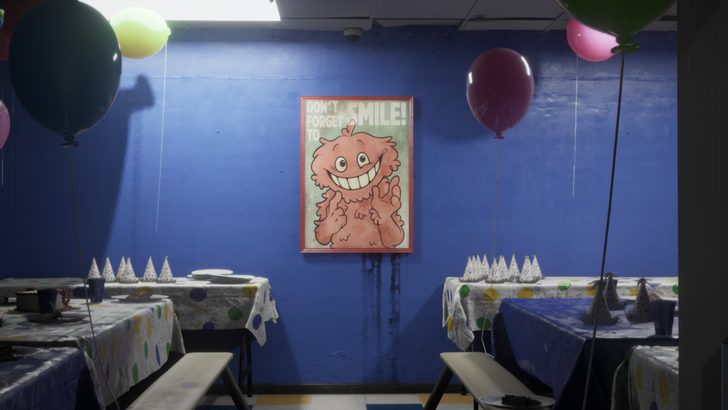
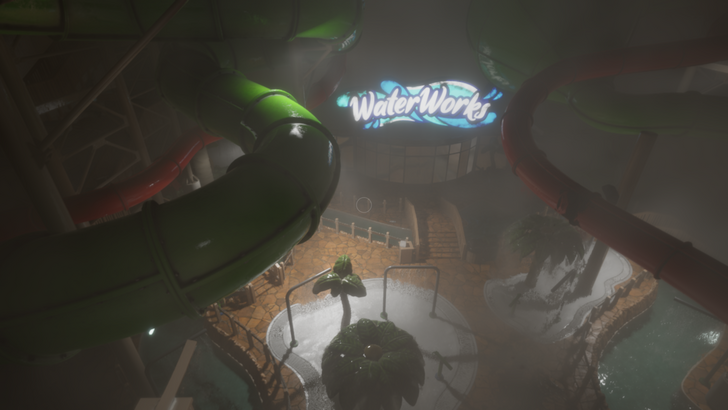
But really, the strongest part of Subliminal is its atmosphere and how well it captures that backrooms feeling. For the canonical ending, players move through a set of main locations—The Basement, Water Works, Play Place, Bounce House, and Memory Disposal—each with its own identity. Each one gives a different vibe from the other, but all are equally oppressive, confusing, and uncomfortable to exist in.
Beyond these, there are additional areas like Deep Storage, which the narrator actively discourages you from exploring. These off-path locations unlock alternative storylines and endings, giving players a chance to see other aspects of Caleb’s mind depending on the paths they choose to pursue.
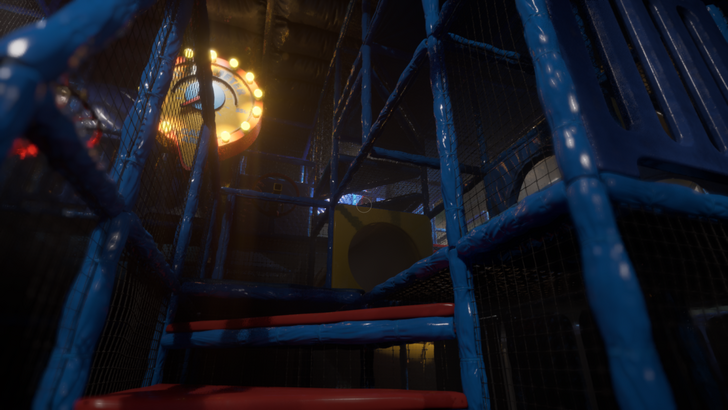
My favorite is definitely the Play Place, and not because it was the scariest, but because it was the most unsettling in a different way. Play places are something almost everyone experienced as a kid, especially in the early 2000s when fast food chains had these free indoor playgrounds. They’re supposed to be loud, colorful, and safe. A place you associate with being a kid and not worrying about anything. So to see something like that twisted into this empty, liminal space hits in a very different way. It’s not just scary, it’s sad, and a little confusing.
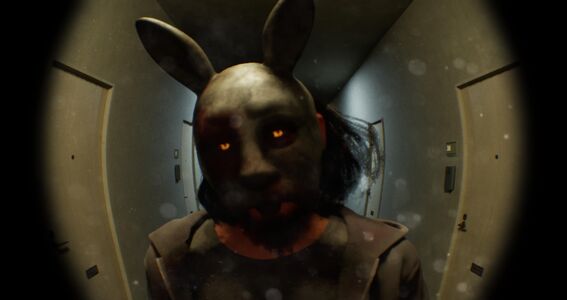
It’s also around here where we start seeing the first real signs of a monster, and that raises a few questions. Is it symbolic? Is it something Caleb is trying to forget? Is it just a gameplay element? The game never fully explains it, and that’s the beauty of Subliminal. A lot of what you see is left to your interpretation, which makes these areas feel more personal the more you think about them.
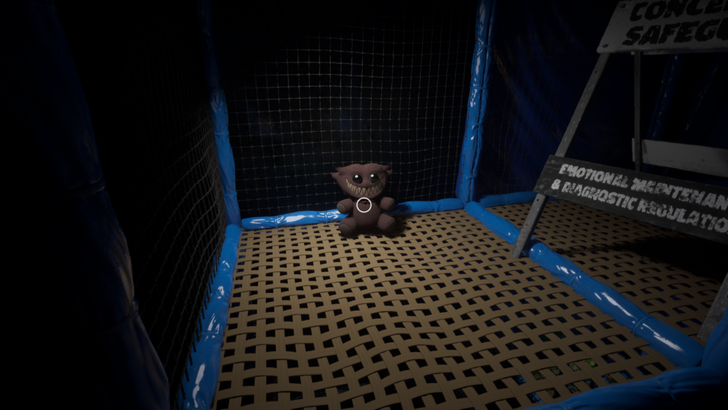
And that’s really what you’re banking on when it comes to backrooms-style horror. Not constant jumpscares, not monsters around every corner, but the feeling that you’re not alone in a place that’s supposed to be devoid of life.
Puzzles That Restore Caleb’s Broken Mind
The story and atmosphere are well supported by the gameplay.. when the gameplay isn’t unnecessarily bloated, that is. Most of the puzzles revolve around light. You’re given a flashlight that can harness light from one source and transfer it to another, powering bulbs and mechanisms to open new paths. It’s a simple mechanic, but it fits the game really well. It feels less like you’re solving arbitrary puzzles and more like you’re restoring power to parts of Caleb’s mind that have gone dark.
Then there are the time-limited puzzles, but not in the way you’d expect. One that really stood out to me happens in the Play Place near the end of that section, where the game suddenly tells you to "have fun" by shooting at a target. The catch is that the gun you’re using stops working after you hit the target, so you have to keep running to the next working one and continue shooting until the game decides you’re done. And it’s not that simple either, because the longer it takes, the more obstacles start appearing, making it harder and harder to keep up.
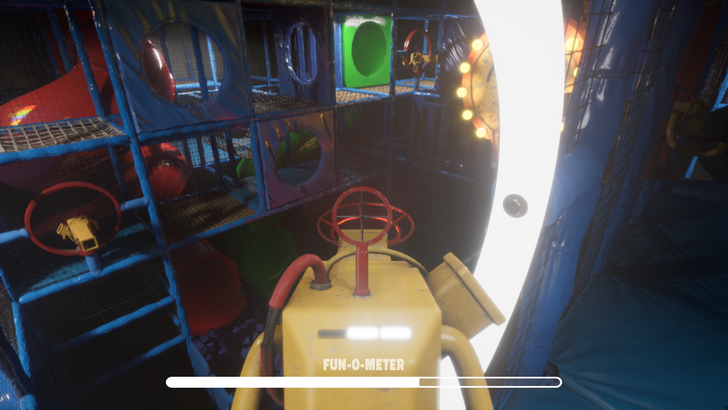
So the gameplay ends up being this mix of slow, thoughtful puzzle solving and sudden moments of pressure where the game forces you to move, to think faster, and to adapt. When it works, it’s an amazing loop, because it keeps you from getting too comfortable. You’re either carefully navigating Caleb’s mind, or you’re scrambling through it before something catches up to you.
Rough Edges Amid Strong Atmosphere
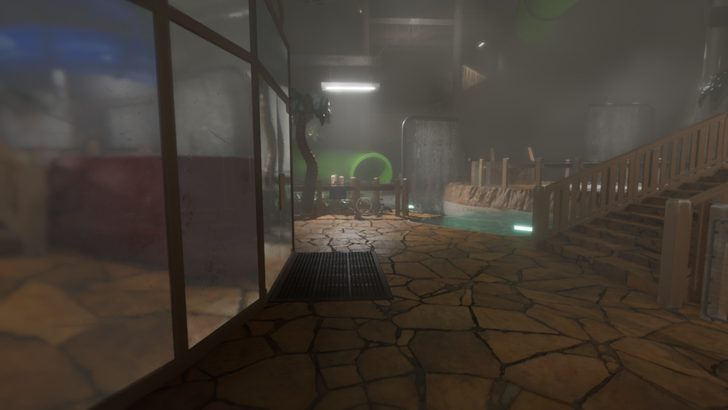
Subliminal isn’t perfect—far from it, actually. If you really take the time to look around, you’ll start to notice small things that remind you that this is a rough experience in some areas. For example, in Water Works, if you look closely at the glass doors, the reflection still shows the demo version of the game, even though the actual area has already been reworked. It’s a small detail, but once you notice it, it’s hard to unsee.
And it’s not just small visual oversights like that. Between the unnecessarily bloated chase sequences and little bits of the game that could’ve used more polish, there are definitely moments where the experience feels a bit rough around the edges.
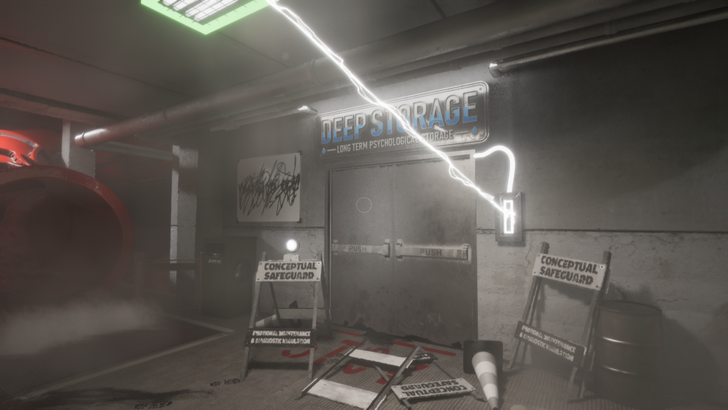
However, the areas where Subliminal succeeds are the ones that matter most for this kind of game. The atmosphere, the psychological themes, and the way the story is embedded into the environments are what carry the experience.
Is Subliminal Worth It?
Yes, It's Short and Replayable
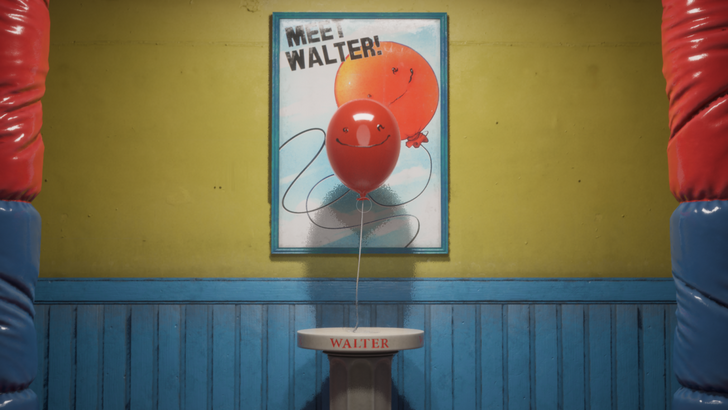
For $9.99, Subliminal gives you multiple branching paths and multiple endings that don’t just feel like alternate outcomes, but different sides of the same story. It becomes clear pretty quickly that there’s more going on here than just one storyline, and you’re not going to understand Caleb fully in a single playthrough.
That structure alone gives the game a lot of replay value, but more importantly, it gives the story room to breathe. You’re allowed to see different versions of events, different reactions, different pieces of Caleb depending on what you choose to follow. Even though I was a bit frustrated with certain parts of the game toward the end, I still found myself wanting to go back, see the other paths, and figure out what I missed.
And even though I haven’t explored all the endings yet, I’m already eager to see what Episode 2 has in store.
Subliminal FAQ
When is Episode 2 of Subliminal Coming Out?
There’s no confirmed release date yet, but the developers have stated that work on Episode 2 will begin soon after the release of Episode 1.
Game8 Reviews

You may also like...
 |
BrokenLore: UNFOLLOW Review Adventure, Horror |
 |
ROUTINE Game Review Psychological Horror, Stealth, Puzzle |
 |
KARMA: The Dark World Review Adventure, Horror, Simulation |
 |
Luto Review Horror, Puzzle |
 |
Go Home Annie Review Adventure, Horror |