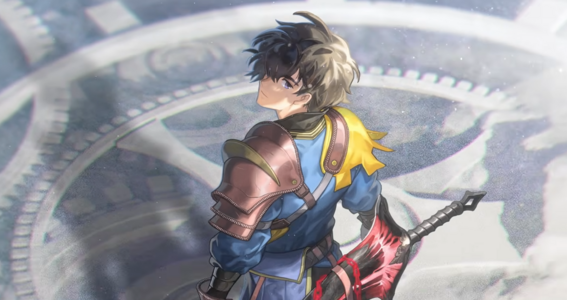



STARDUST: Wish of Witch has Star and Yu follow the secret of the wish-granting star. Read our review to see what it did well, what it didn't do well, and if it's worth buying.
Overview
What is STARDUST: Wish of Witch?
STARDUST: Wish of Witch is a strategy RPG developed by the South Korean indie developer Kniv Studio and released on PC on May 28, 2026. It centers on childhood friends Star and Yu, as they journey to unravel the secrets of a wish-granting star.
The game uses traditional grid mechanics but is expanded by a deck-building card system. This act as the characters’ skills during battle.
STARDUST: Wish of Witch features:
⚫︎ Deck-building Combat Integration
⚫︎ Positional Combo Mechanics
⚫︎ Counter System
⚫︎ Pixel Art Aesthetic
⚫︎ Full Korean Voice Acting
| Digital Storefronts | |||||
|---|---|---|---|---|---|
 Steam Steam |
|||||
| $24.99 |
STARDUST: Wish of Witch Review: I Wish More Games Looked Like This
Like a Manhwa or Anime Turned Into a Game
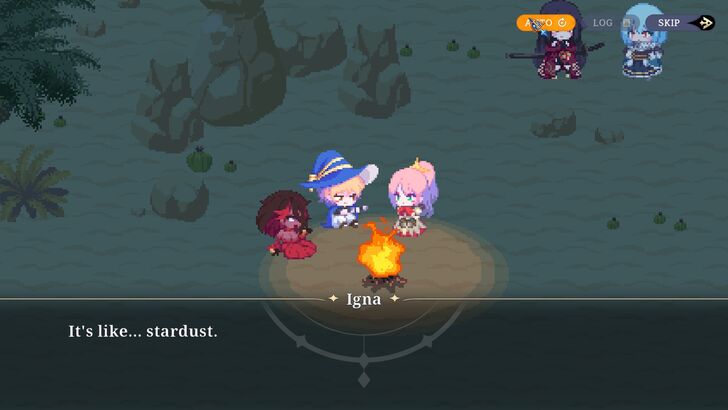
South Korea has been kicking the doors to the rest of the gaming industry lately. In just the past few years, we received titles like Stellar Blade, Lies of P, and even The First Berserker: Khazan, which have introduced Korean developers to wider audiences through photorealistic visuals. STARDUST: Wish of Witch could not feel further from that wave even if it tried.
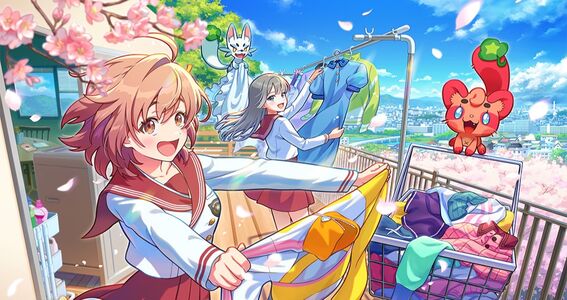
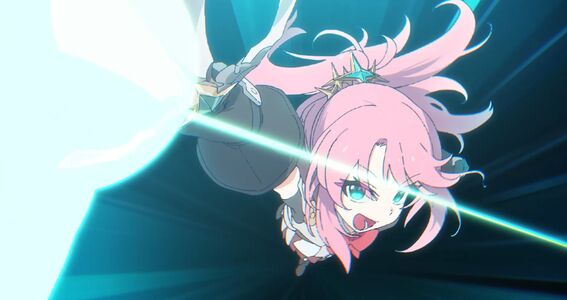
Indie developer Kniv Studio’s debut game does not chase realism, nor does it attempt to overwhelm players with scale. In fact, it looks almost modest beside its contemporaries: It’s a pixel-art strategy RPG that resembles countless classics before it and is obviously inspired by anime. However, the moment its characters move, speak, and collide with its pixelated world, it becomes clear that this is something else entirely—not merely anime-inspired, but alive in motion, emotion, direction, like a playable manhwa or a fantasy OVA rendered in pixels.
It’s easy to get lost in how beautiful it is. However, as good as the game is, there are a couple of lingering rough spots that could use some work.
Story’s Cliché but Cliché Can be Good Sometimes
STARDUST: Wish of Witch is a classic fantasy adventure. It follows childhood friends Star and Yu, two adventurers working under the Tranya Guild, as they take on quests, help townsfolk, and gradually find themselves caught in a conflict much larger than either of them expected. Almost everything about its setup will feel familiar. If you have spent any amount of time reading fantasy manhwa or watching shonen anime, you can probably predict the broad strokes before they happen.
The game revolves around a children’s story involving a star capable of granting wishes and a witch whose greatest desire was to find true love. That myth forms the backbone of the world’s history and eventually ties directly into Star herself, who possesses the "Power of the Star." There is considerably more to the story than that, and it is best left unspoiled, but what impressed me was not necessarily the originality of its ideas, but rather how great it presented them. The framework may be recognizable, but STARDUST manages to carve its own identity through sheer charm and presentation.
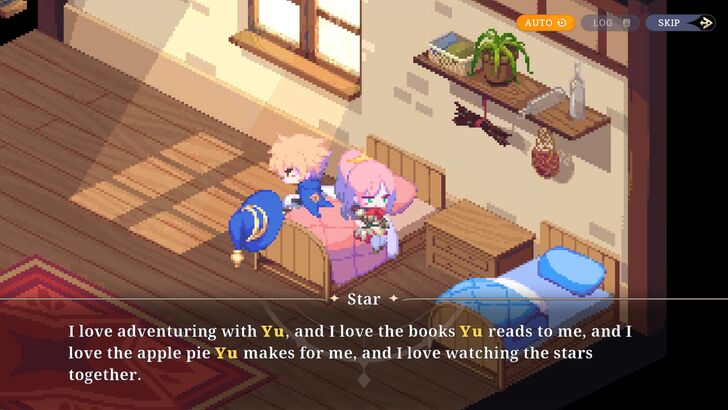
The heart of it all lies in the relationship between Star and Yu. Their dynamic is built on one of the oldest formulas in fantasy fiction, but it’s nice to see the game commit to it wholeheartedly. Star is loud, impulsive, and driven almost entirely by her heart. She often charges into situations before fully thinking them through, guided by optimism and instinct more than what’s inside her head. Yu is the opposite. He is there to keep their adventures from spiraling completely out of control. It is a pairing as old as time, yet the two work off of each other well.
The game spends a great deal of time showing why these two care about each other in the first place. Star, in particular, ended up becoming one of my favorite parts of the story. She can be frustratingly reckless at times, but she is also endlessly earnest and difficult to dislike. Her enthusiasm gives many scenes their humor, while her sincerity allows the story’s more emotional moments to hit hard. In fact, by the time the narrative reaches some of its heavier chapters, I found myself missing the lighter and more playful version of Star whenever she was forced to confront more serious circumstances.
Fortunately, the supporting cast does a lot to keep the adventure entertaining. Much of the game’s appeal comes from simply watching its cast interact. Party banter is considerably enjoyable and often serves as the glue that holds scenes together. Even the more comedic exchanges reinforce the feeling that these characters have histories with one another that extend well before the opening hours of the game. It helps, too, that the full Korean voice acting does an excellent job bringing those personalities to life.
Pacing is Atrocious
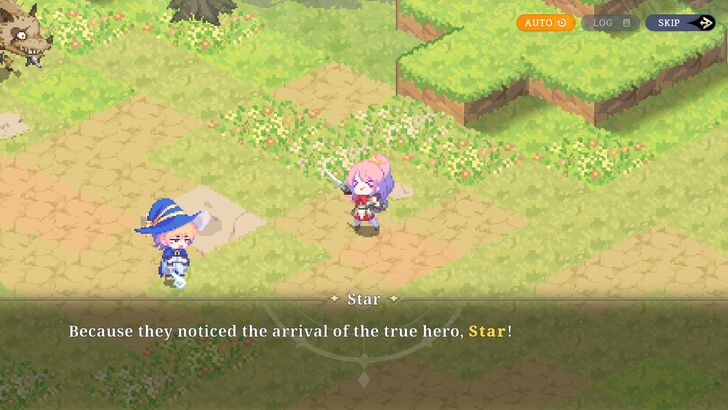
My biggest issue with the story, though, comes down to pacing. STARDUST is divided into eight chapters, and despite how much I enjoyed the cast and world, it often takes a long time for the main plot to get going. The game does provide glimpses of its larger mysteries throughout the early chapters, but much of its runtime is dedicated to smaller adventures.
At the same time, though, I hesitate to dismiss these sections as filler. Although many of them contribute little to the overarching story, they almost always serve another purpose. They deepen the world and establish relationships that pay off later. Several characters who initially appear to exist solely for a single chapter eventually return later to help Star and Yu out or be threats in some shape or form. There are even points here that help explain why the cast develops the bonds that become so important during the later portions of the game.
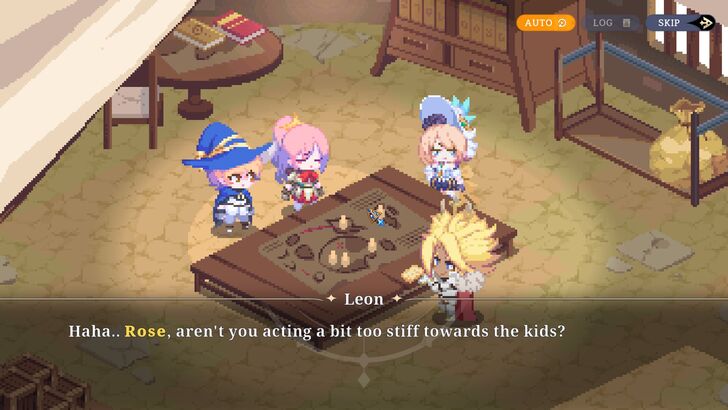
Thankfully, once chapter 5 arrives, the game begins operating with a better sense of urgency. The mysteries surrounding the world’s mythology become more prominent, and the stakes rise considerably when the guildmaster pronounces that something difficult to avoid is on the horizon. It delivers a lot of payoffs, particularly in Star and Yu’s relationship.
Yet even as the credits rolled, I could not shake the feeling that the story was deliberately leaving several doors open. Numerous questions remain unanswered, and it’s pretty obvious that this world still has more stories left to tell.
In another game, that might have frustrated me. Here, it mostly left me curious. STARDUST tells a complete enough story to be rewarding on its own. If Kniv Studio does follow it up with a sequel, I would be more than happy to return to continue Star, Yu, and the rest of the cast’s journey.
It’s Not Like Your Average SRPG
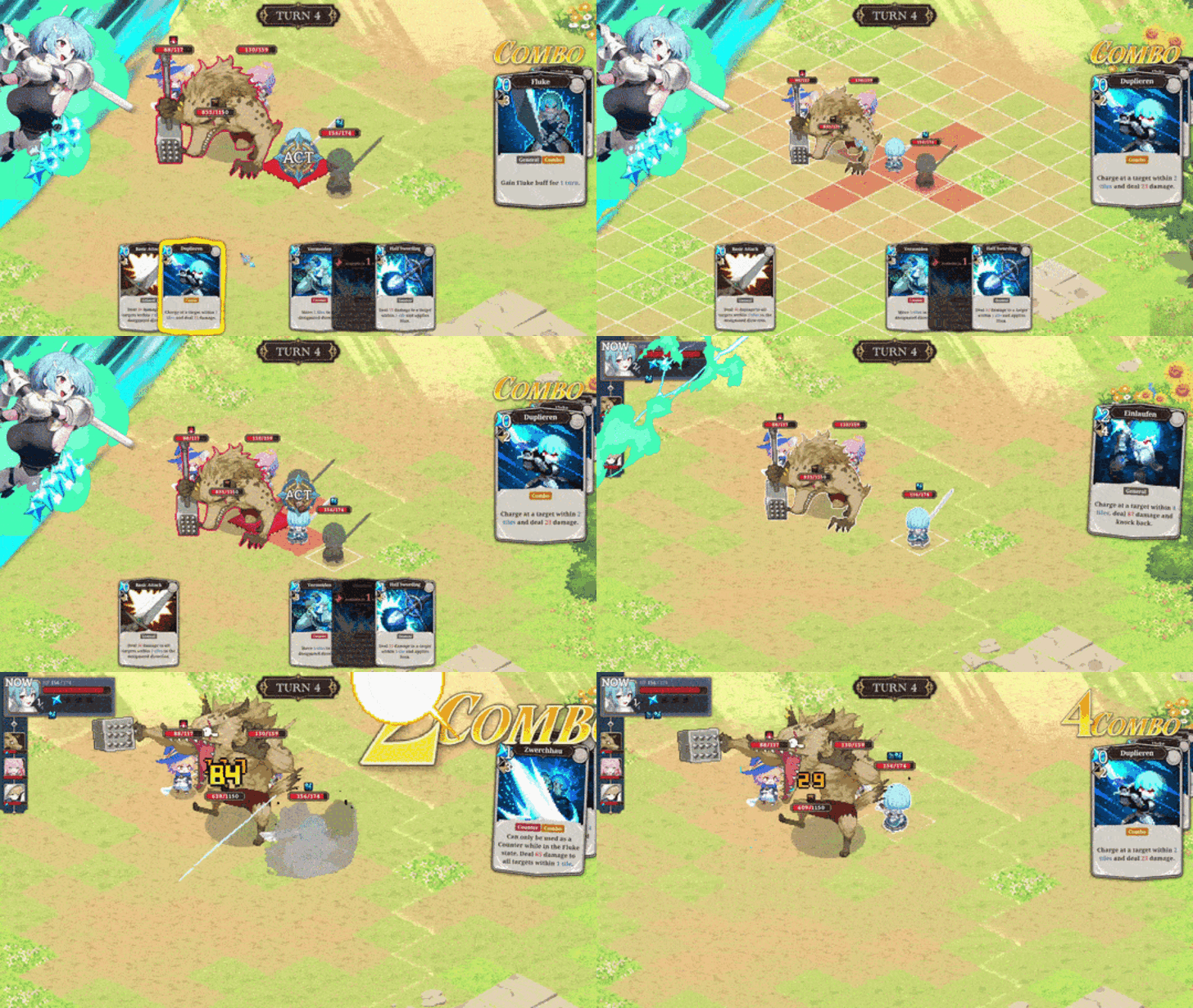
I do, however, wish for changes if there ever is a sequel. As of now, STARDUST is a fairly enjoyable strategy RPG. The foundation here is solid. In fact, there were moments when I was completely absorbed in its combat. However, the longer the adventure went on, the more its shortcomings surfaced.
STARDUST follows many conventions established by the genre’s classics. Battles take place on grid-based maps, where positioning, attack range, movement, and turn order dictate the flow of combat. Anyone familiar with strategy RPGs will understand the basics almost immediately. However, STARDUST builds additional layers on top of that familiar structure through its card-based skill system and combo mechanics.
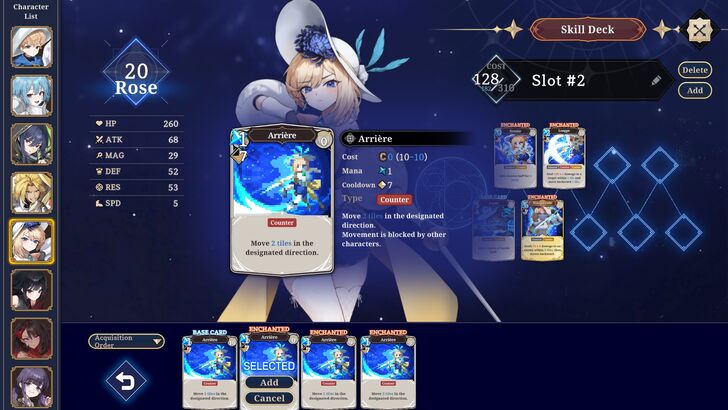
Rather than selecting attacks from a static list of abilities, characters equip skill cards that determine the options available to them during battle. Each character can equip up to nine skills at once, but stronger skills consume more deck cost. This forces players to make decisions about how they want to build each party member.
New cards and stronger versions of existing abilities are obtained through a gacha-like system that uses points earned from completing quests. These enhanced cards often come with tangible benefits such as increased damage, stronger effects, or shorter cooldowns, though they also require a large portion of a character’s available deck budget. It’s a system that encourages experimentation and allows players to gradually tailor characters toward specific roles and playstyles.
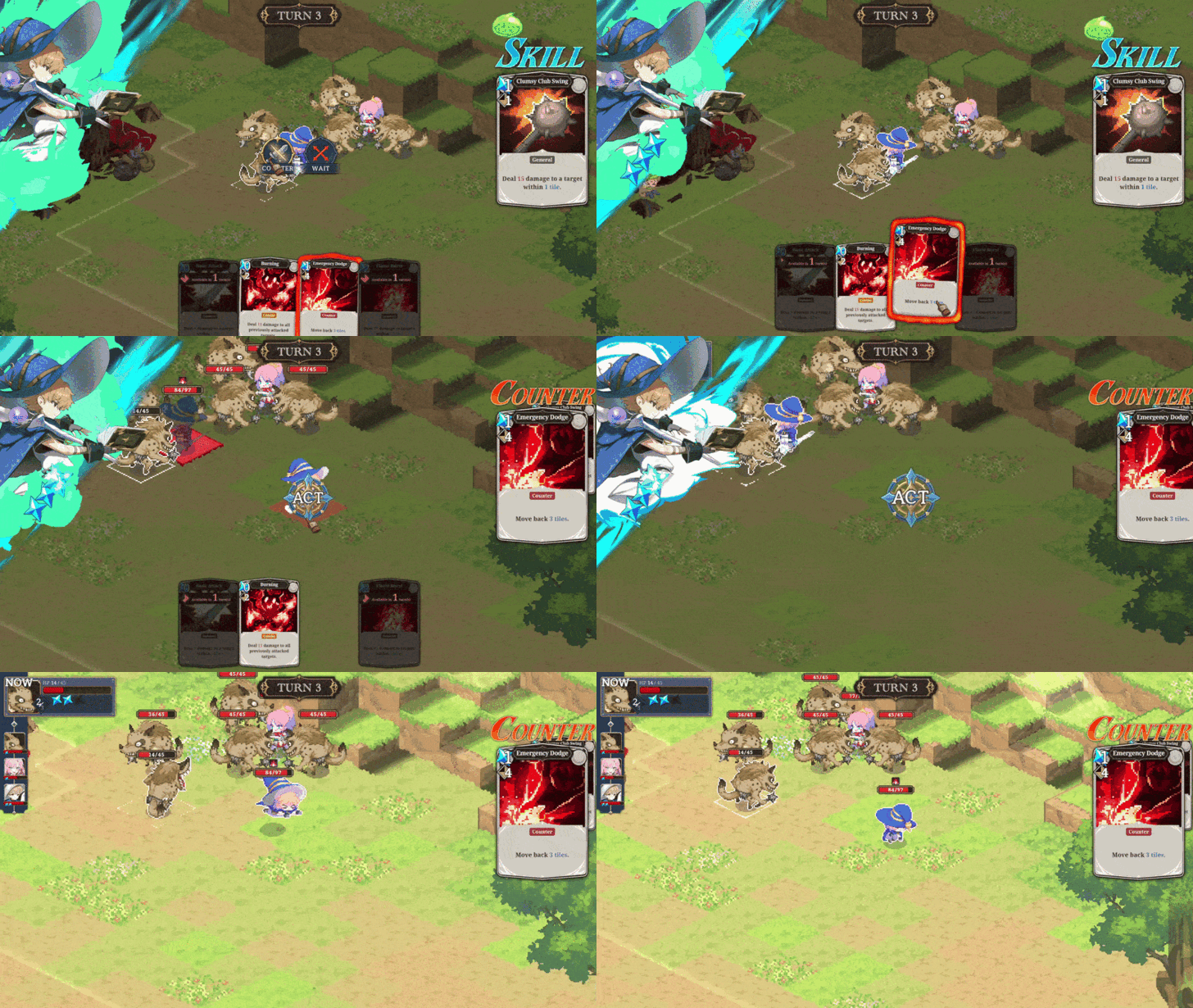
The combat’s greatest strength lies in its counter and combo mechanics. Although many tactical RPGs feature counterattacks, STARDUST ties them directly to the deck-building aspect of character progression.
Early in the game, Star has a dodge skill that simply allows her to evade an attack by moving a set number of spaces behind her. As you unlock more cards, though, those options evolve dramatically. You can replace this with skills that let her counterattack before the enemy strikes, teleport behind opponents, or retaliate while simultaneously repositioning herself. Enemies have access to many of the same tools, so encounters are often a tug-of-war between your plans and theirs.
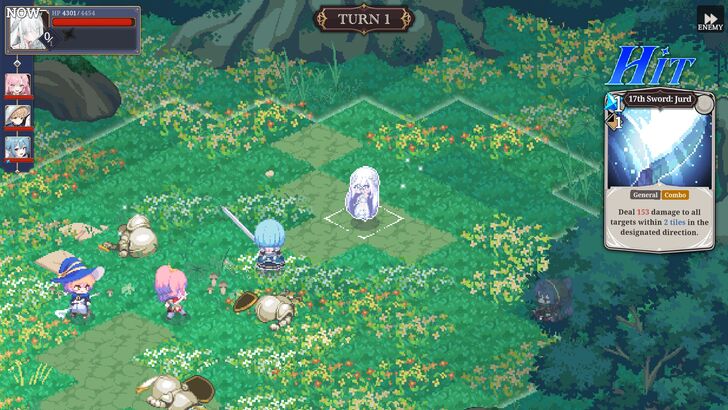
This shines brightest during the game’s more difficult fights. One in particular, the Chapter 2 boss battle, remains my favorite encounter in the entire game. It was also one of the most miserable experiences I had while playing (that’s a compliment, by the way). My team wasn’t underleveled by any means, but the boss could eliminate almost every member of my party in a single attack. Charlotte was practically the only exception because of how durable she was. Winning required me to think carefully about every square on the battlefield and every cooldown in my deck.
For example, Star’s dodge skill only worked if the ability was available and if there was actually enough room behind her to move the required distance. Positioning her incorrectly could mean instant death. At the same time, one of her counter skills allowed her to teleport behind the boss after being attacked, but only if she was facing the enemy properly. If I approached from the wrong angle, the skill became useless.
Every turn became a series of small calculations: where Star should stand, which direction she should face, whether her dodge was available, and whether moving one square too far would place her inside the boss’s attack range. Witnessing those micro-decisions play out in my head and seeing them work was amazing, and it was the ultimate deciding factor in winning that battle.
Sadly, It’s Also Not as Good as Other SRPGs
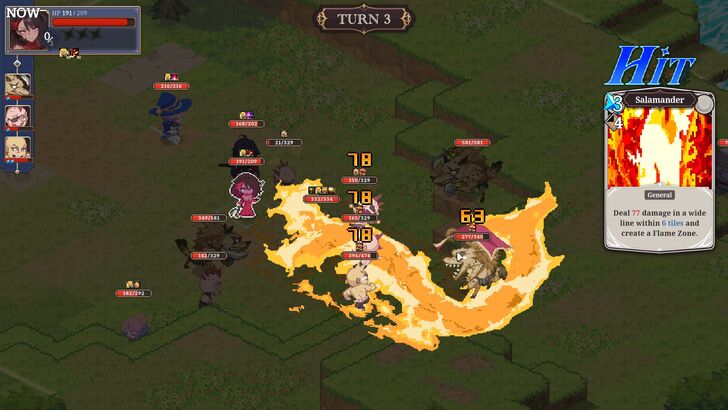
Unfortunately, the game does not consistently build encounters around those strengths.
One of my biggest criticisms is the lack of mission variety. Nearly every battle and quest eventually boils down to defeating every enemy on the map. Escort missions, survival objectives, territory control, multi-stage battles, or other common tactical RPG scenarios are entirely absent. Although the combat mechanics themselves are great, the objectives rarely ask players to approach situations differently.
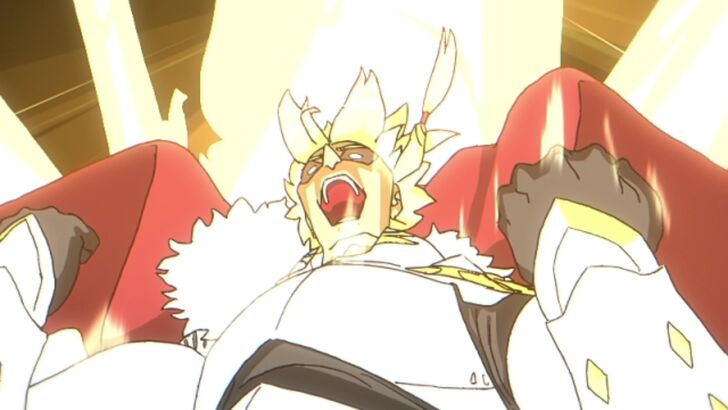
These encounters are challenging, sure, but often because of sheer numbers. Most maps are enormous and regularly throw more than ten enemies at the player, many of whom are very durable and capable of dealing tremendous damage. Meanwhile, you can only deploy four characters at a time.
This becomes more frustrating because STARDUST gives players a roster of nine well-designed and balanced characters. Star excels as an aggressive damage dealer capable of chaining attacks together. Yu specializes in long-range magic damage. Leon thrives on standing at the front line and absorbing damage. Nearly every character serves a role and has a unique identity.
The problem is that the game provides very little incentive to actually experiment with team compositions. Characters do not share experience, which means rotating party members often leaves newcomers underleveled compared to your core team. As a result, I found myself relying on the same group for most of the game simply because raising alternate characters required additional grinding.
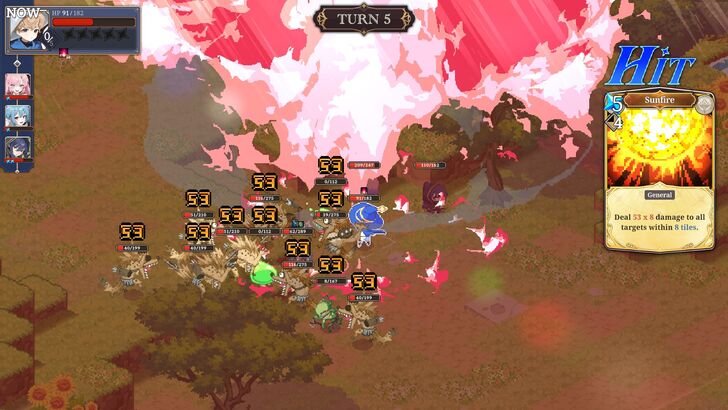
The final two chapters make this issue especially noticeable. To the game's credit, it warns players about an upcoming difficulty spike. However, the jump in enemy strength still feels excessive and effectively forced me to spend time grinding quests before progressing. If not for how absurdly powerful Yu's Sunfire ultimate attack, I suspect several encounters would have been significantly harder to overcome.
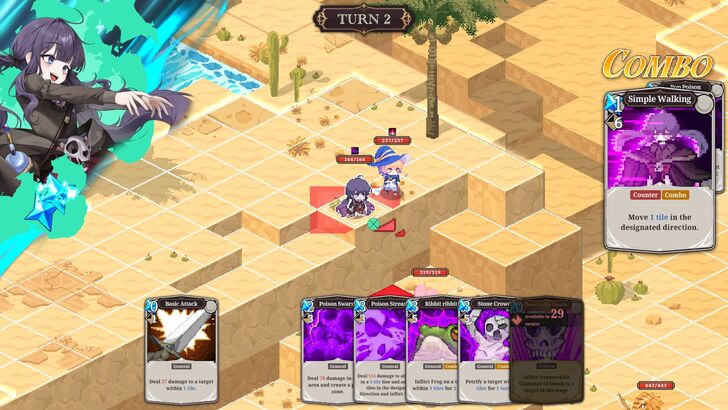
All of this left me wishing the game pushed its being an SRPG further. I would have loved to see terrain play more of a factor in fights, and positioning have a greater purpose. For example, even if attacks don’t miss in this game, what if attacking from a higher vantage point increased your damage against enemies below? Then, attacking with Star from below would deal less. Similarly, if an enemy attacks you from behind, perhaps you shouldn't be able to counterattack, or maybe damage could be higher when striking from the side or back. This is merely wishful thinking, but I had hoped to see at least a semblance of these mechanics here.
Is STARDUST: Wish of Witch Worth It?
Yes, but Maybe Temper Expectations
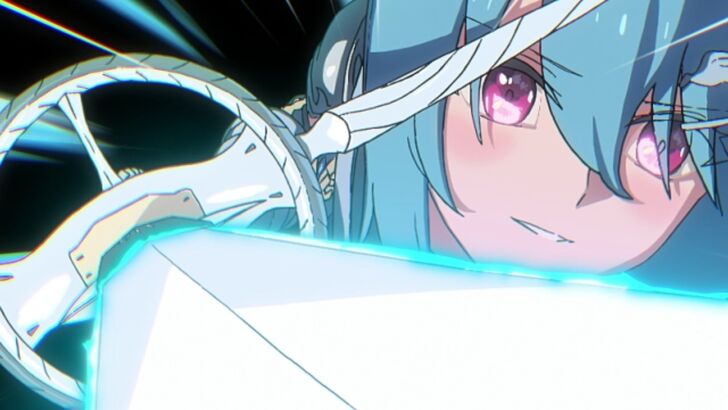
For all the issues I have with the game, I cannot deny how much fun I have had with it. The combat’s depth may not always reach the heights it aspires to, but the energy it gives off is infectious, thanks in large part to the spritework that made it almost impossible to look away from the screen. In fact, I think I may prefer this style of expressive pixel animation over the HD-2D aesthetic that so many JRPGs have gravitated toward in recent years.
$25, I’d say, is fair for a 20-hour indie SRPG. There’s no endgame to speak of, though, and it’s fairly linear in design. Once you finish the main quest, there are some side quests to do, but they barely give you anything of worth. What’s here is enjoyable enough for a quick weekend tryst.
It may not reinvent SRPGs, but its sincerity leaves a far longer mark than spectacle alone. Beneath its stars, spells, and pixelated battlefields is a game reaching outward with affection for the stories and art that inspired it to exist at all. That kind of earnestness shines brighter than perfection ever could.
STARDUST: Wish of Witch FAQ
How Long to Beat STARDUST: Wish of Witch?
A single playthrough of Stardust: Wish of Witch lasts 20 hours. The game features neither an endgame mode nor New Game+.
Game8 Reviews