



STARBITES is a turn-based RPG where you must help the protagonist scavenge for parts to escape a mountain of debt. Learn more about the game’s plot, gameplay, release date, our first impressions of the game, and more.
Everything We Know About STARBITES
STARBITES Plot
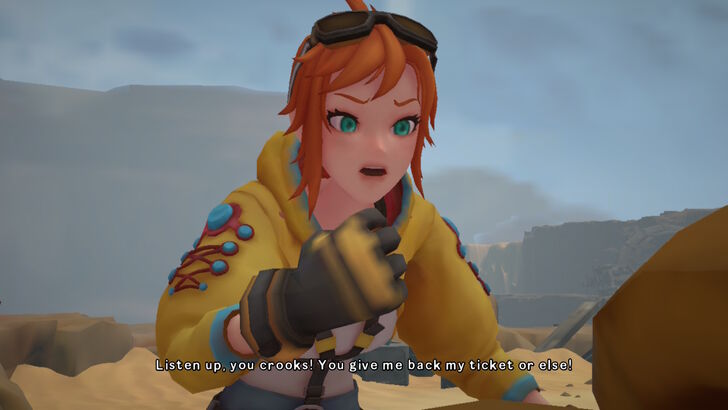
Set in a planet called Bitter, which was once known as a refuge for astral wanderers and pioneers, it has become riddled with refuse left behind by a massive war in the past. What remains are the wreckages and wastelands managed by massive corporations.
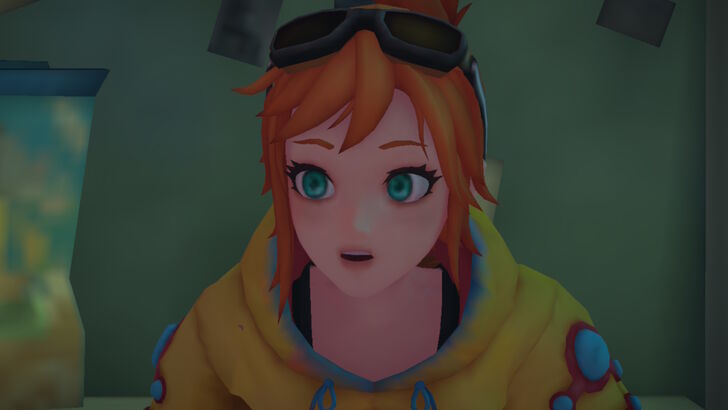
STARBITES follow the adventures of a young scavenger named Lukida. Riddled with massive debt she inherited from her parents and surrounded by bandits and criminals, she sought to break free from Bitter and seek new opportunities among the stars. Unfortunately, the world seems all too eager to keep her there through conspiracies, secrets, and plain bad luck.
STARBITES Release Date
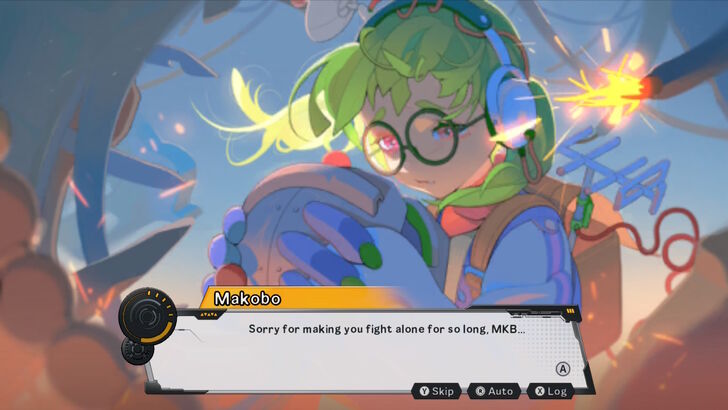
STARBITES was released on May 21, 2026 for PC, PS5, and Nintendo Switch. It will have a Nintendo Switch 2 version coming in an unannounced future.
STARBITES Review (First Impressions)
Like Traveling Backward and Forward in Time
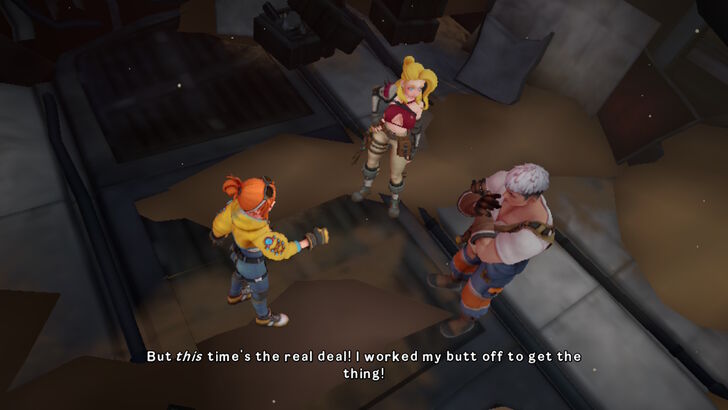
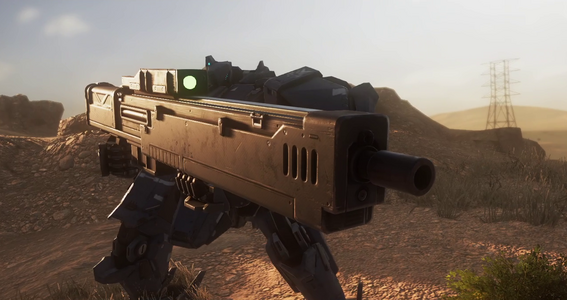
It’s so hard being a mecha fan. Aside from a few exceptions here and there, we rarely get good new titles to play these days. Usually, we just end up going back to Armored Core VI, or we pretend that matchmaking in Mecha Break doesn’t take an entire lunch break.
STARBITES itself isn’t an exceptional game, so Mecha Break players can safely retreat back into their shells. It’s repetitive, clunky, and if you’re playing on the Switch, looks like it was built almost thirty years ago. For the most part, you just play it for a bit, forget about it for a few days, and then dive back in once you're feeling refreshed—only to get tired of it all over again after a few hours.
Yet, there is no doubt that it is an incredibly fun title. The fights are decently challenging, its core gimmick provides a solid amount of strategic depth, and the story itself is rather interesting. It is a clear example of a product being greater than the sum of its parts.
Just don’t get it on the Switch. At the very least, wait for the Switch 2 version—or buy it anywhere else.
A Protagonist Subsidized by Alcohol
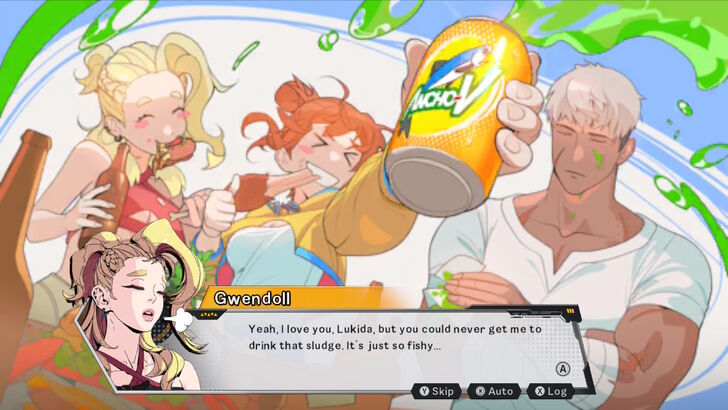
Part of the fun in playing STARBITES is witnessing Lukida as she navigates a life of debt, peril, alcohol, and even more debt. As the inheritor of a massive amount of arrears from her deadbeat (and actually dead) parents who apparently never even showed themselves to her, she spends the most of her time scavenging for parts to sell, running errands for pocket money, and drinking herself to near death to forget all the pain. However, she’s not a depressing person at all. She dreams big and will do anything to get out of debt, even if she has to escape the planet altogether.
The story itself isn’t very special. It’s very predictable as the game is prone to offer solutions that are obviously not meant to go well in order to continue a scenario. For example, in the prologue, Lukida manages to obtain a “legitimate” starship ticket after saving up money for years. This would allow her to escape the planet, effectively running away from her liabilities. Of course this doesn’t happen because for reasons unknown her debtee was able to discover it, despite her best efforts to hide the ticket.
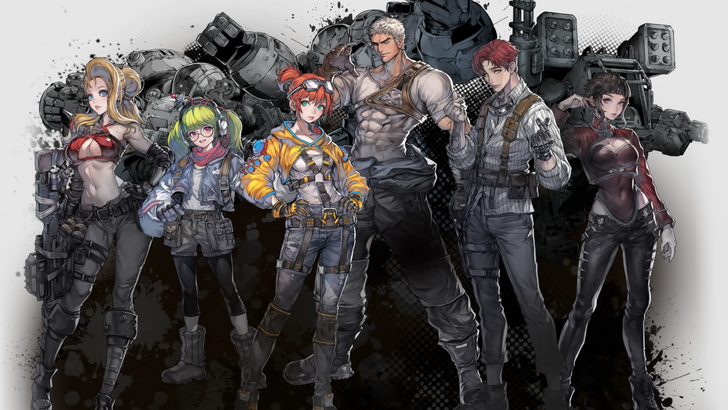
In many ways, the characters hard-carry the plot. Through their witty interactions and authentic reactions to every development, they add much-needed color and personality to the game, preventing it from becoming just as dreary as the desert wasteland it’s set in.
Grinding is a Topographical Obligation
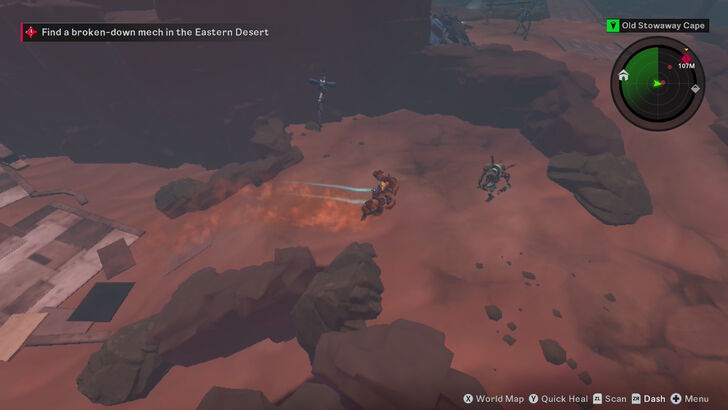
Exploration is a very simple task, generally speaking, for STARBITES doesn’t really demand you to do much. For the most part, you just roam around looking for items, fighting enemies, and navigating to your next destination.
Despite that, getting around is actually quite exhausting for a number of reasons. First of all, the distance at which an enemy can engage you is both way too large and vague as hell. Like, if you try going around a mob standing in the middle of a path, you’ll most likely fail because you’ll collide with the invisible hitbox that’s two to three sizes larger than the enemy and trigger an encounter.
Secondly, escaping from said fights is an exercise of patience and anger management. Especially early on, the chances of you running away is quite slim, and what’s worse is that if you fail, that chance drops instead of otherwise. Like, why? That’s a very unintuitive mechanic; the least they could do was keep the chance consistent.
Fortunately, the combat that follows every encounter itself is a joy to play. You get all of the regular fixings for a turn-based RPG, but the Driver’s High mechanic gives it massive tactical depth. Its surface-level qualities are simple enough: act or get attacked enough times and you get an opportunity to take a bonus action that you can take at any time. But it doesn’t force you to use it immediately. Instead, you can save it to increase your burst damage during an enemy’s vulnerable state, make emergency responses such as last-minute healing, or taunt an enemy right before they deal massive damage to your squishier units.
Having mechanics that create something greater than the sum of its parts is always great because there will always be ways to creatively play with them. And as you unlock more skills and go deeper into your skill trees, these opportunities will only expand and let you respond to even more combat situations..
Weirdly Calibrated Movement Speeds
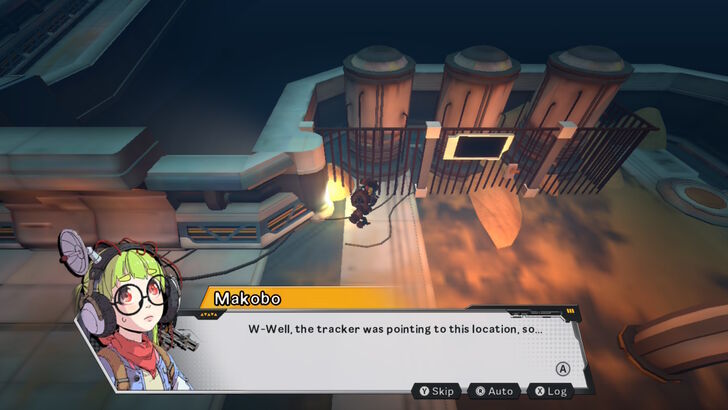
Part of the immersion in playing games is actually feeling the weight of your characters’ actions. It may be anything from the game using punchy sound effects to having blatant, big windups that take until the heat death of the universe to strike to everything in between. However, for it to be effective, it should be calibrated such that it doesn’t create friction against the gameplay, essentially carrying over the momentum of the latter without tuning down the former excessively.
A good example of a well-calibrated, weighty movement design is that of Xenoblade Chronicles 3’s. Their characters feel heavy and tied deeply to the terrain. When running down slops, you can actually feel your character gaining a speed bonus, while running uphill noticeably makes them fight gravity.
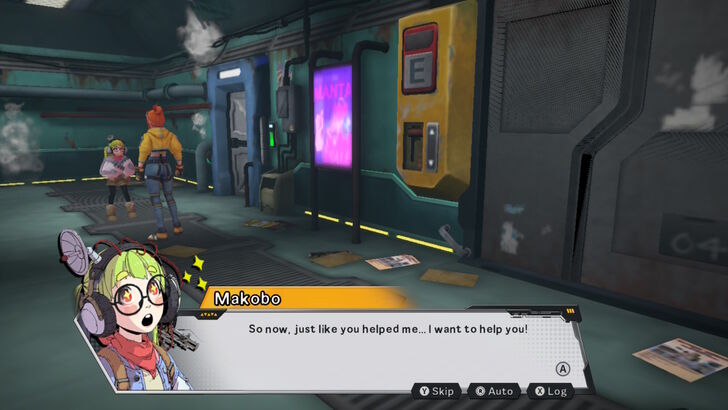
On the other hand, the same can’t be said for STARBITES. Here, there’s practically only two types of calibration: your character is either too heavy, or too light. For example, when using your boosters to explore the map, there’s no distinction between uphill, downhill, flat surfaces, or uneven terrain. Sure, you can argue that it should make sense since you’re not touching the ground, but to be able to do extremely tight cornering without slowing down even a tad feels like you’re just controlling your character on a completely 2D plane.
Now, if that was it, I wouldn’t be complaining. The problem is the contrast between that and any movement that doesn’t involve going at full speed. When you’re stopping, for example, your mecha has to land and then take three business days to recover before it could move again. That’s such an extreme contrast that it upturns the kind of momentum set by high-speed movement. The same can be said for walking—it’s way too slow. Sprinting is generally fine while you’re inside bases, but your walking pace feels more like it could be more accurately described as “meandering.”
It’s quite a jarring experience as a whole, forcing you to always be sprinting to maintain a momentum you can adapt to.
Switch Graphics is a PlayStation 2 Throwback
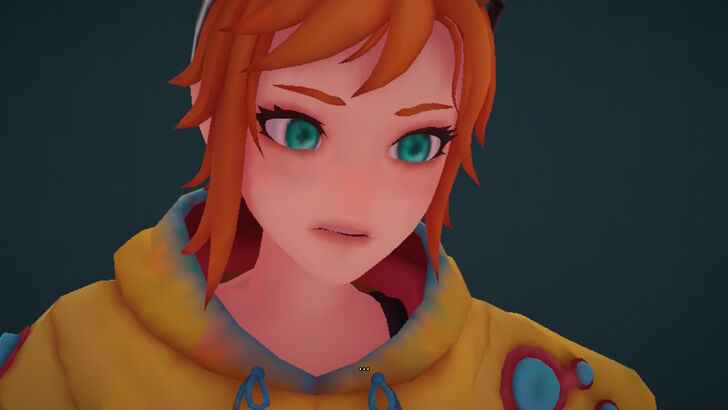
As hinted on the header, this is a complaint almost exclusive to the Switch version because what am I looking at here? These muddy textures, outlines, and flat lighting look like they were pulled straight out of a mid-2000s JRPG. This wouldn't normally be a dealbreaker, of course, but considering how nice the PC version looks, this is obviously a massive downgrade and certainly not worth the same amount of money it demands for both.
If the developers were trying to downsize the game to fit the Switch’s capabilities, they massively overshot. Comparatively larger titles like Atelier Ryza 1 and 2 (not so much 3, of course) manage to look and perform just fine on the platform, making this level of aggressive corner-cutting hard to swallow.
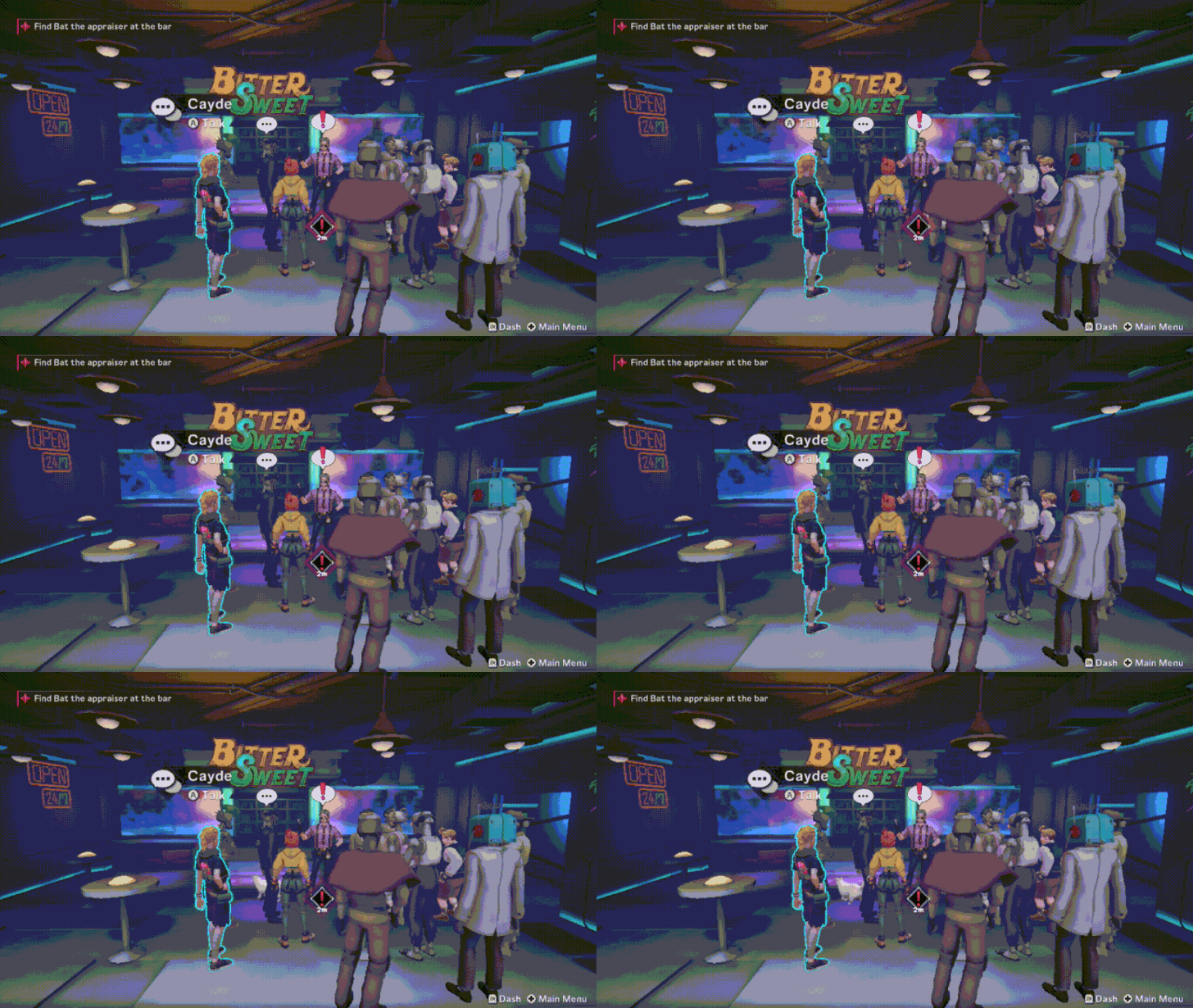
In fact, the visuals on Nintendo’s aging console are so atrocious that you can see the engine visibly glitch during completely mundane moments, such as when trying to move while the main character is emoting or when a cat runs into a group of people. In those instances, you’ll just slide around the floor without moving your legs, and the cat will just start phasing in and out of existence between people’s legs.
… It is pretty funny to see, though.
Game8 Reviews

You may also like...


STARBITES Product Information
 |
|
| Title | STARBITES |
|---|---|
| Release Date | May 21, 2026 |
| Developer | IKINAGAMES |
| Publisher | Nippon Ichi Software America |
| Supported Platforms | PC, PS5, NS, NS2 |
| Genre | RPG, Mecha, Turn-Based |
| Number of Players | 1 |
| ESRB Rating | ESRB T |
| Official Website | STARBITES Official Website |