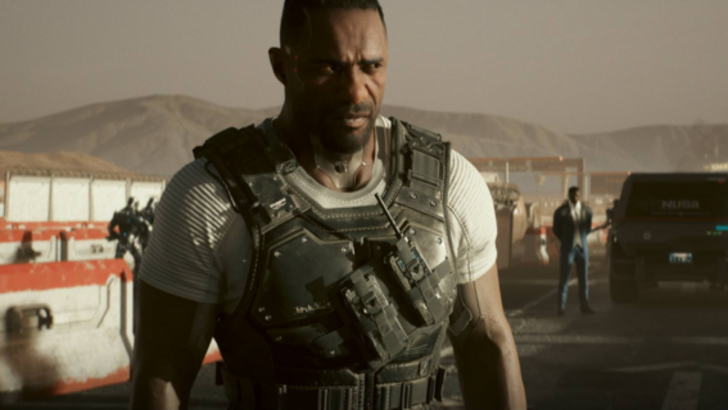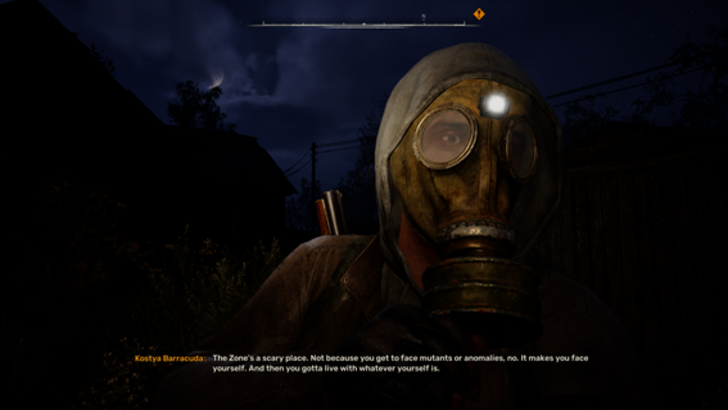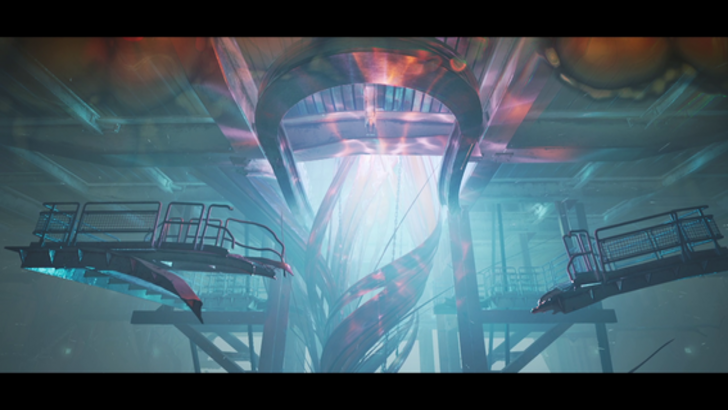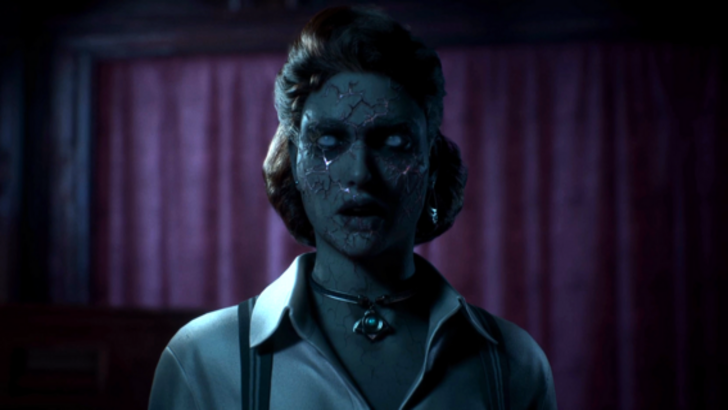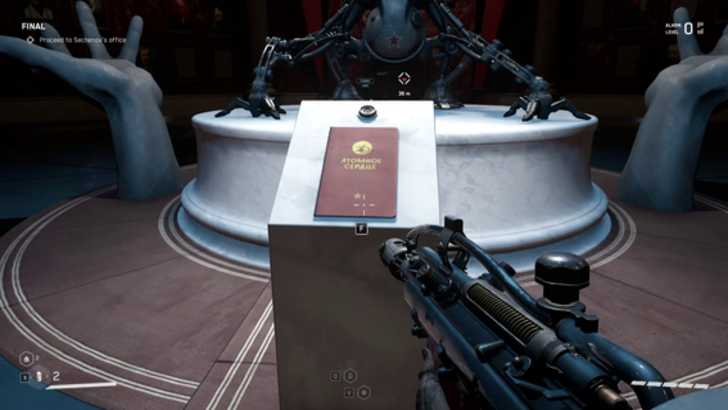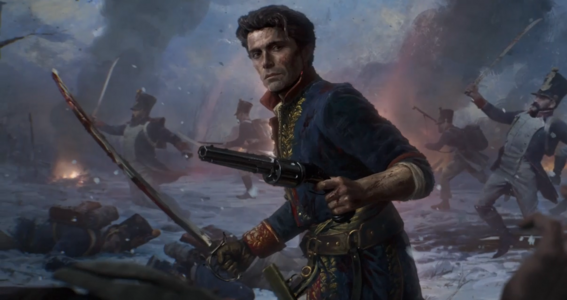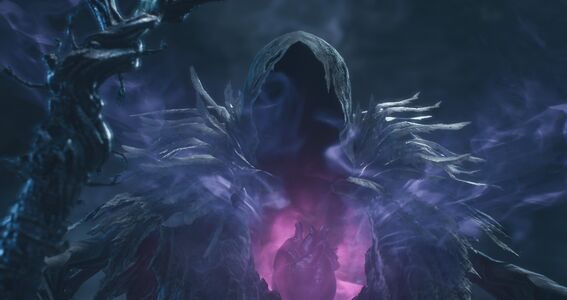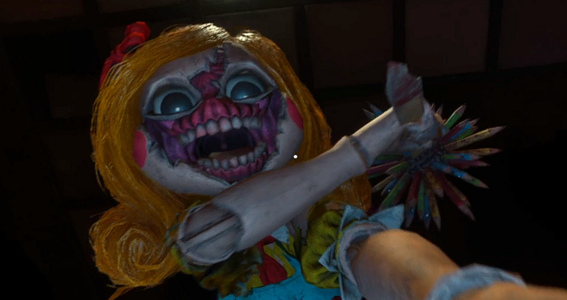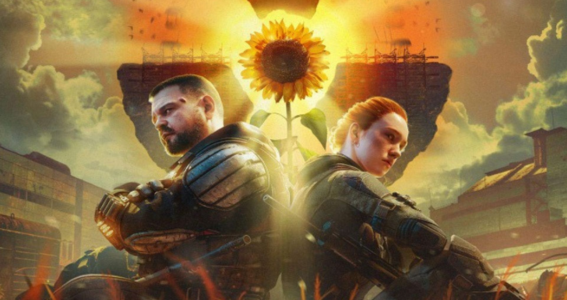




S.T.A.L.K.E.R. 2: Cost of Hope is the first story expansion of GSC Game World’s acclaimed immersive shooter that takes players into the heart of the CNPP. Learn more about the game’s plot, gameplay, release date, our review of the expansion, and more.
Overview
What is S.T.A.L.K.E.R. 2: Cost of Hope?
S.T.A.L.K.E.R. 2: Cost of Hope is the first of three planned story expansions for GSC Game World’s S.T.A.L.K.E.R. 2: Heart of Chornobyl. It takes players into the heart of the Exclusion Zone, the Iron Forest and the Chornobyl Nuclear Power Plant (CNPP).
Cost of Hope will bring players into these two new areas as they deal with the long-standing feud between two of the Zone’s most iconic factions, Duty and Freedom, while also uncovering the deeper secrets that lie underneath the surface.
S.T.A.L.K.E.R. 2: Cost of Hope features:
⚫︎ First of 3 Expansions to S.T.A.L.K.E.R. 2: Heart of Chornobyl
⚫︎ Two New Areas Available, Including the CNPP
⚫︎ Overhauled Performance and Visuals with Update 2.0
⚫︎ 20-30 Hours of New Content
⚫︎ 2 Major DLC Endings
| Digital Storefronts | |||
|---|---|---|---|
 Steam Steam |
 Playstation Playstation |
 Xbox Xbox |
|
 Epic Epic |
|||
S.T.A.L.K.E.R. 2: Cost of Hope Review: Back to the Zone, Better Than Ever
Welcome Back to the Zone
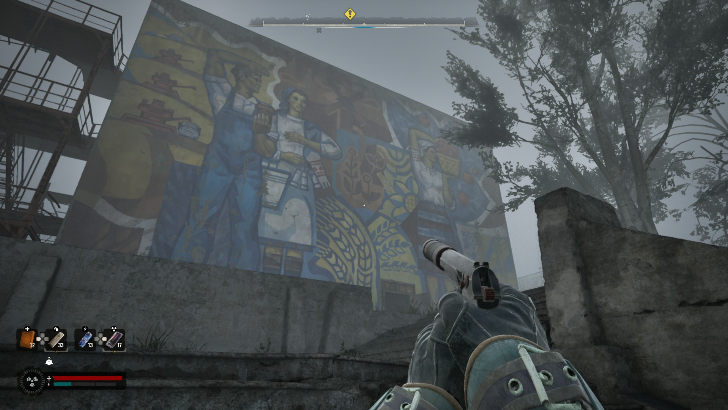
When S.T.A.L.K.E.R. 2: Heart of Chornobyl came out on November 20, 2024, it was widely celebrated for its immersive first-person adventure through the deadly Chornobyl Anomalous Zone. The game had been in development for roughly six years, and Ukrainian studio GSC Game World faced numerous challenges throughout.
Despite the political turmoil, the game was eventually released. It received raving reviews across the board, including our own, where we gave it an outstanding score of 94 out of 100. We even called it "Grimly Fascinating, Horrifically Immersive," praising its immersive world while also critiquing its lack of hand-holding and slow-burn pacing.
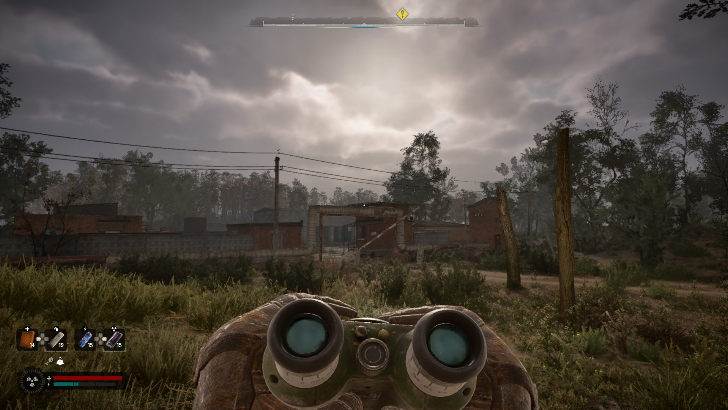
Since its release, GSC Game World has continued to refine and optimize the game, addressing notable performance issues such as memory leaks while also introducing free bonus missions like the more recent Sealed Truth in Update 1.9. This ongoing support has helped breathe new life into the game, giving fans more reasons to return to its dynamic open-world experience.
Now, two years later, the game receives its first major expansion, Cost of Hope. After spending roughly 20 hours with its wealth of new content, I can confidently say that Cost of Hope is a great sign that the game hasn’t lost its steam despite its technical issues. GSC Game World continues to build upon what already works with its immersive first-person formula, though that doesn’t mean it changes much of what could have used some improvement.
Breathing New Life into the Chornobyl Anomalous Zone
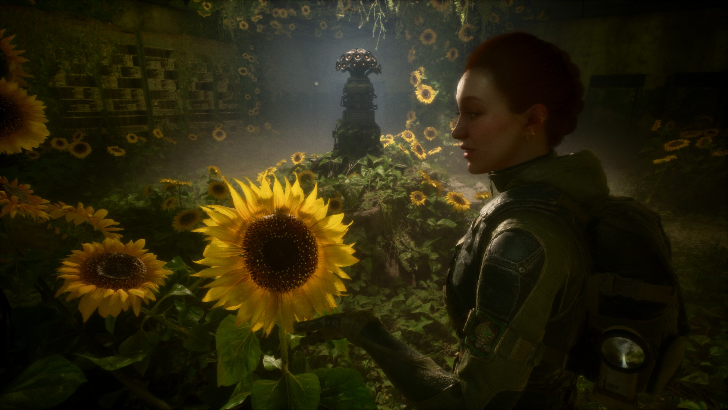
S.T.A.L.K.E.R. 2: Cost of Hope is an expansion taking place between the events of the base game, kind of like how Cyberpunk 2077 seamlessly integrates Phantom Liberty before V goes on a rampage into Arasaka. That means if you’ve been following S.T.A.L.K.E.R. 2’s story, it doesn’t feel like a tonal whiplash, as the expansion eases you into Skif’s new problems before you dive headfirst into its new anomalous horrors.
Cost of Hope exists independently from the conflict between the Ward and Spark, instead shifting its focus back to two of the Zone’s earlier factions: Duty and Freedom, which fans of previous S.T.A.L.K.E.R. entries will be familiar with. Their opposing storylines expand on the base game’s morally gray themes and give us another round of headaches when the time comes to decide which side suits us best.
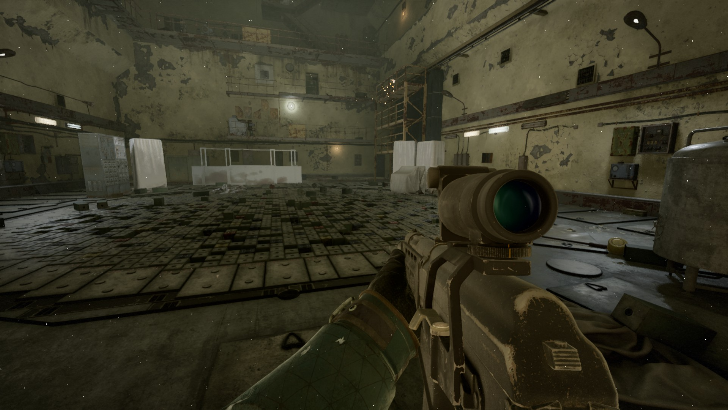
But GSC Game World isn’t just taking you into this expansion dealing with a long-standing conflict. Cost of Hope also introduces two regions that were previously inaccessible in the base game: the Chornobyl Nuclear Power Plant and the Iron Forest. With these two regions finally available, this gives us more reasons to return to the Zone, as it comes with new anomalies to encounter and a truckload of new artifacts to collect.
The 2.0 Experience
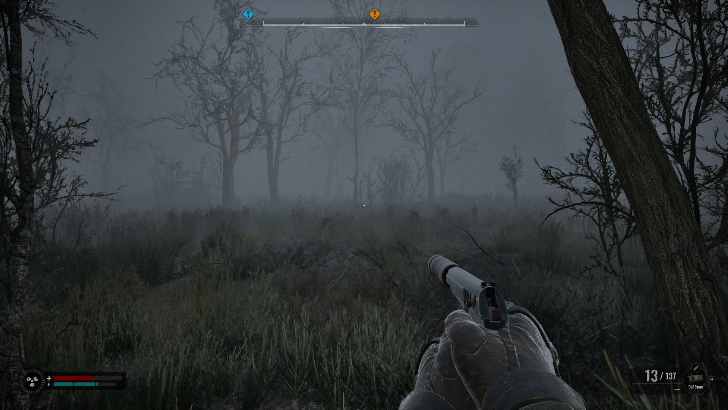
As a fresh expansion to S.T.A.L.K.E.R. 2, GSC Game World has also given players another reason to revisit the Zone, especially for those who need more than Cost of Hope to lure them back in. The studio has completely overhauled the game’s graphics and lighting with Update 2.0, which is free for all players. This major engine update coming alongside the expansion makes the game look almost indistinguishable from the base version, almost as if you’re playing a completely different game.
Zalissya, which I practically know like the back of my hand by now, feels very different from what I remember. This is all thanks to 2.0's updated foliage, improved lighting, and new foggy weather effects. Now, the area has a noticeably different atmosphere, perfect for an already existing save file to play normally. It was a sign that starting the game all over again might not be such a bad idea, because everything looks just too pretty to ignore.
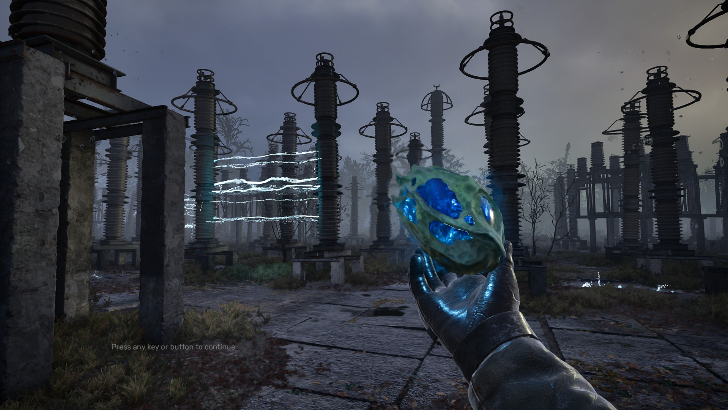
Unfortunately, the new engine upgrades don’t mean the game is completely free from its performance woes. While most of the glaring, critical performance issues have been addressed through subsequent updates, Update 2.0 still comes with its own set of problems that almost made me stop playing.
Some performance issues still persist, such as the game spiking to 100% GPU usage after clearing major objectives, likely due to background loading. I spent a couple of hours tweaking the graphical settings before finding a sweet spot that allowed the game to run smoothly on my computer, but much of that could have been avoided if the remaining memory leak issues were completely resolved. While this could be isolated to my mid-range hardware, it remains a notable point of friction that can occasionally pull me out of the experience.
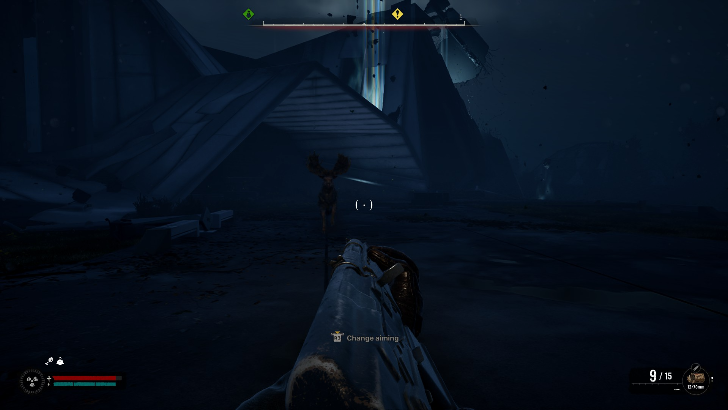
Another annoying, but admittedly hilarious bug I encountered sometimes happens whenever I reload after dying, which happens more often than I’d like to admit. The game’s A-Life (or AI) seems to stop functioning completely, leaving NPCs stuck in their walking animations. Even mutant enemies like the Pseudogiant become easy targets, allowing me to unload bullets from my Saiga shotgun into its ugly face until they eventually plop to the ground.
These issues take away from what I consider to be the best version of S.T.A.L.K.E.R. 2 yet. While they can certainly be addressed with a patch or two, it’s still jarring to see some of the same problems from the base game persist to this day, even if they’re nowhere near as game-breaking as they once were.
Still a Slow Burn for the Uninitiated
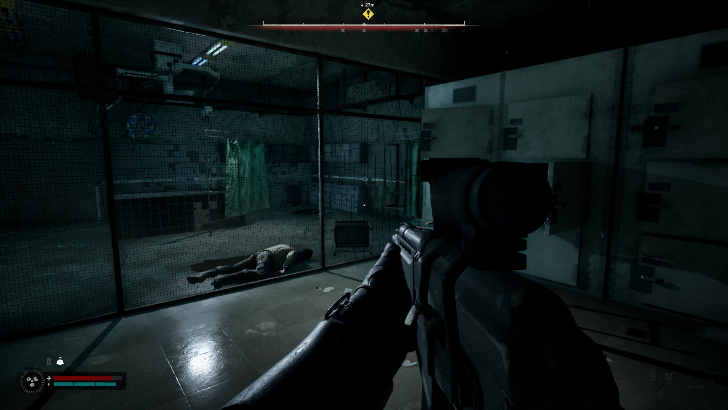
S.T.A.L.K.E.R. 2: Cost of Hope is still pretty much the same game you’ve played before. There are no radical changes to the gameplay apart from the new weapons, anomalies, and tools like the binoculars that shake a few things up. Much of its no-hand-holding experience is unchanged, with everything in the Zone seemingly existing just to kill you, whether it’s your 100th death or your thousandth.
It’s as if GSC Game World truly believes in the "if it ain’t broke, don’t fix it" saying. While I don’t necessarily disagree with that approach, I was half-expecting the expansion to introduce at least one new gameplay mechanic that could expand how I explore the Zone. One example I’d gladly welcome is a new gadget that creates a fast-travel system using Teleports because fast-traveling in this game is still a chore.
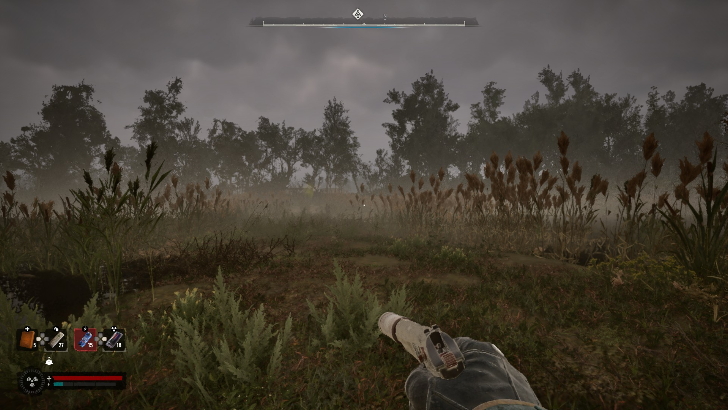
Instead, much of Cost of Hope feels like one long side quest, with little in the way of new gameplay ideas to keep things fresh. There are also no truly cinematic boss fights, which is disappointing as encounters with its new mutants can feel overly linear; often boiling down to shooting at glass tanks, much like the boss encounters in Resident Evil where you shoot their bulbous masses.
This is particularly evident in the expansion’s final encounter, which I consider the weakest part of the entire experience due to its tedious design and harsh checkpoint system. I’ve lost count of how many times I died from a single sniper shot, only to restart the entire encounter and hear the same dialogue again and again. It became genuinely frustrating and took away some of the weight from what should have been a memorable finale.
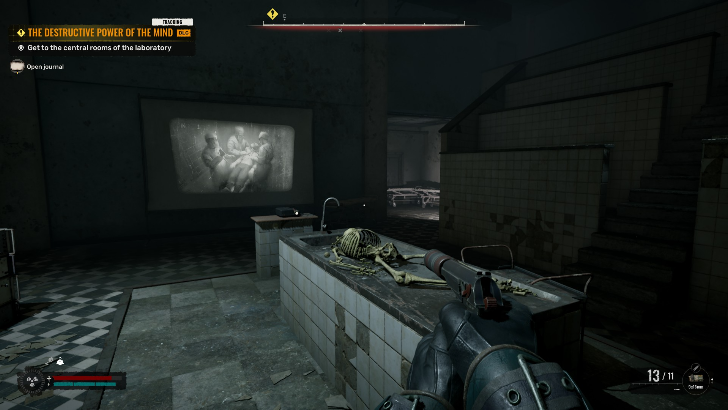
One other thing to note is that Cost of Hope doesn’t move away from one of the base game’s most common criticisms, particularly its walking-simulator-like pacing, which is still very much present here. Personally, I’ve enjoyed strolling through the radioactive zones while overencumbered, but I still wish the game offered a few quality-of-life improvements to give players more options for quickly reaching new locations. At times, I couldn’t help but think that this game is still not intended for casual gamers.
While these elements are part of what makes S.T.A.L.K.E.R. 2 unique, I think it’s high time for GSC Game World to introduce something genuinely new in the next two expansions planned for this trilogy.
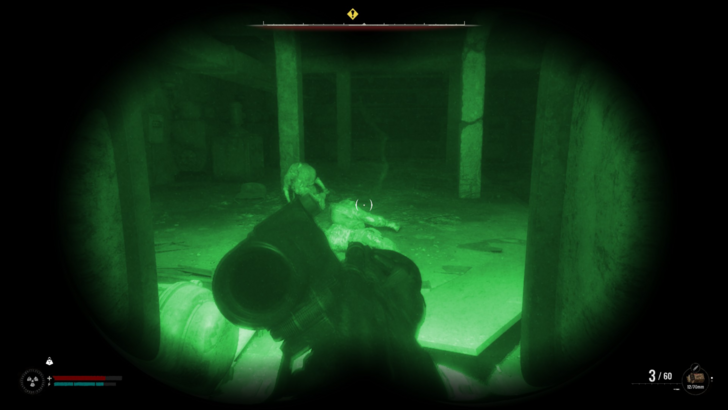
Then again, if you’re the type who enjoys the series’ slow-burn appeal, that hasn’t changed much in Cost of Hope. Walking through anomalous areas with your Geiger counter rapidly beeping is still as immersive as ever, much like how filmmaker Andrei Tarkovsky took audiences on a surreal journey through the Zone in his film, Stalker.
The expansion’s strongest moments come when I’m exploring the CNPP and the Iron Forest rather than backtracking all the way to Rostok or the Slag Heap. Both regions have been recreated exceptionally well by the developers, adding to the Zone’s time-trapped and devastated atmosphere while highlighting the stark contrast with the outside world, which continues to exist normally beyond its radioactive borders.
That same sense of atmosphere that worked so well in the base game still hits the same in this expansion. Framing the Zone itself as a character is one of the things I’ve always loved about the series. It feels alive in its own strange way, constantly reminding you that you’re never truly safe, even when nothing appears to be happening.
The Zone’s Rabbit Hole Goes Deeper
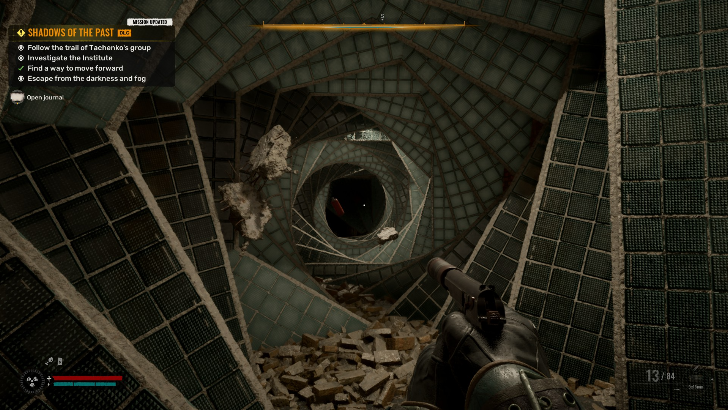
S.T.A.L.K.E.R. 2: Cost of Hope’s story is nothing short of fantastic. The classic power struggle over the artifacts found within the Zone remains at the heart of the conflict, with Duty and Freedom as two of the opposing factions. It’s the same gripping narrative I found in the base game, challenging my morals and making me question what it really means to make the best use of the Zone and its harrowing creations.
The faction focus is also tighter than in the base game, making the plot easier to follow. One of my biggest gripes with the base game was that there were too many character threads to keep track of. Remembering everyone’s names became increasingly difficult as I spent most of my time exploring miles and miles of the Zone. It also goes without saying that it’s hard to focus on the story when practically everything in the Zone is trying to kill you.
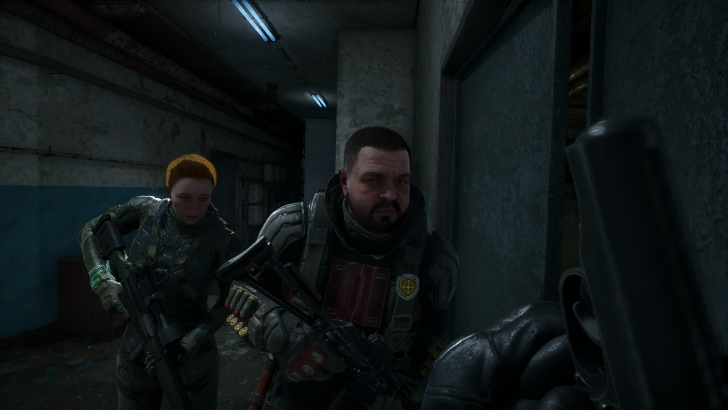
So it’s a surprise to see that characters like Zulu and Makva are genuinely likable and easy to empathize with. The expansion does a great job of making their motivations clear, so it’s ultimately up to you to decide which side you resonate with the most. Furthermore, while the series has always been about the doom and gloom of its world, it is also about hope, which makes the expansion’s title feel particularly fitting.
Though that same character work doesn’t do much to help the expansion’s pacing, as some sections feel particularly padded. One area, Lymansk, exists within the series’ iconic spatial anomaly and is so linear that it feels completely out of place in S.T.A.L.K.E.R.'s established open-world structure.
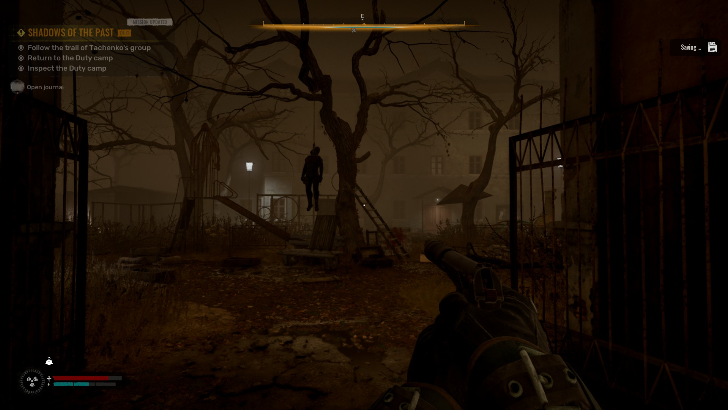
Although the eerie atmosphere and anomalous spatial design evoke a captivating horror aesthetic reminiscent of the Backrooms, they clash with the game's typical emphasis on open exploration, resulting in a far more static experience where progress is strictly linear.
It’s not an ultimate deal-breaker, per se, but it was still a major pacing issue that could turn off new fans of the series. Unless they’ve been following the lore through YouTube essays and primer videos, they might find it difficult to fully appreciate what’s happening.
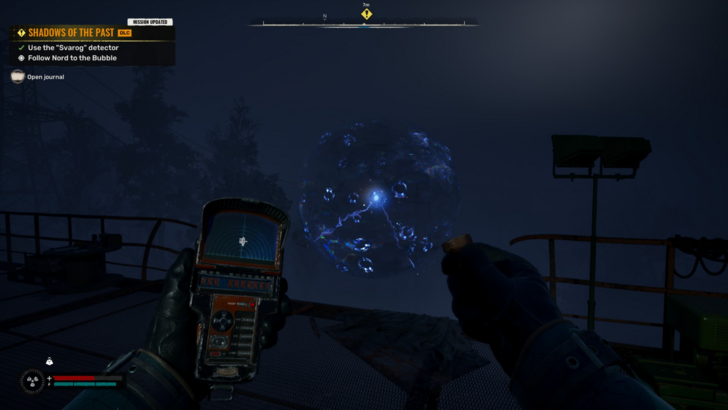
Yet even with all these shortcomings, S.T.A.L.K.E.R. 2: Cost of Hope still manages to rise above them. There’s a genuinely compelling tale here that continues to expand the series’ bizarre sci-fi story, and with two more expansions on the way, the world of S.T.A.L.K.E.R. 2 clearly isn’t done just yet.
Is S.T.A.L.K.E.R. 2: Cost of Hope Worth It?
The Zone Calls You Back
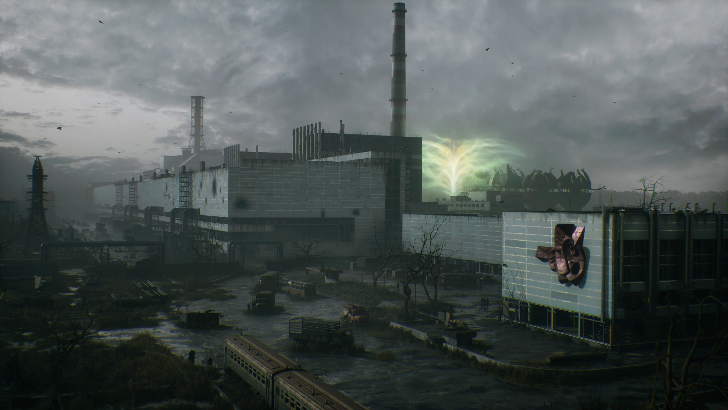
There’s no better time to play S.T.A.L.K.E.R. 2: Heart of Chornobyl than now, especially with its massive Cost of Hope expansion building on the series’ strengths and giving fans more meat to its already convoluted sci-fi story of MKUltra-like experiments, human ambition, and the unknown. The opening of the Iron Forest and the newfound freedom to explore the CNPP only add to the experience, giving players even more of the Zone to discover.
The massive 2.0 update also does a great job of giving new players plenty to admire with its revamped visuals and lighting, while giving returning players a reason to see that this is S.T.A.L.K.E.R. 2 at its best. Almost all of the game’s critical technical issues since launch have been resolved, but there are still remnants of the base game’s problems like memory leaks and its A-Life not working as intended.
Nonetheless, those issues feel relatively minor when compared to the sheer scale of Cost of Hope and the improvements brought by the game’s 2.0 engine update. The S.T.A.L.K.E.R. 2 experience is only getting bigger, making this the perfect time to enter the Zone once more and face its punishing horrors, as long as you’re willing to embrace its slow-burn approach.
FAQ
How Long is S.T.A.L.K.E.R. 2: Cost of Hope?
S.T.A.L.K.E.R. 2: Cost of Hope is around 20-30 hours, including side-missions and extra content.
When Should You Start Playing S.T.A.L.K.E.R. 2: Cost of Hope?
The Cost of Hope DLC is split into two parts. The first becomes available shortly after leaving the Lesser Zone, closer to the beginning of the game, while the second unlocks after completing the A Minor Incident main story mission.
Does S.T.A.L.K.E.R. 2: Cost of Hope Affect the Base Game Ending?
No, the ending of Cost of Hope does not affect STALKER 2: Heart of Chornobyl’s ending. However, the DLC will have two different endings to choose from.
Game8 Reviews