



| Splatoon Raiders | |||
|---|---|---|---|
| Release Date | Gameplay & Story | Pre-Order & DLC | Review |
Splatoon Raiders is the series’ first single-player focused spin-off, where players explore mysterious islands. Read on to learn everything we know, our first impressions review, and more.
Overview
What is Splatoon Raiders?
Splatoon Raiders is a single-player action-adventure game centered around exploration, combat, and progression. Players venture across islands to complete raids, battle enemies using a variety of ink-based weapons, and collect resources used to upgrade equipment and expand their hideout.
Splatoon Raiders features:
⚫︎ Single Player Adventure
⚫︎ Hideout Ship is Upgradable
⚫︎ PlayStyle is Customizable
⚫︎ Relationship Meter for Shiver, Fyre, and Big Man
⚫︎ Relics Are Collectibles and Fuctional
⚫︎ Post Game Content
For more gameplay details, read everything we know about Splatoon Raiders's gameplay and story.
| Digital Storefronts | |||||
|---|---|---|---|---|---|
 Switch 2 Switch 2 |
|||||
| $49.99 |
Splatoon Raiders Review: Trades Turf Wars for a Surprisingly Addictive Solo Adventure
Treasure Hunt That's Hard to Put Down
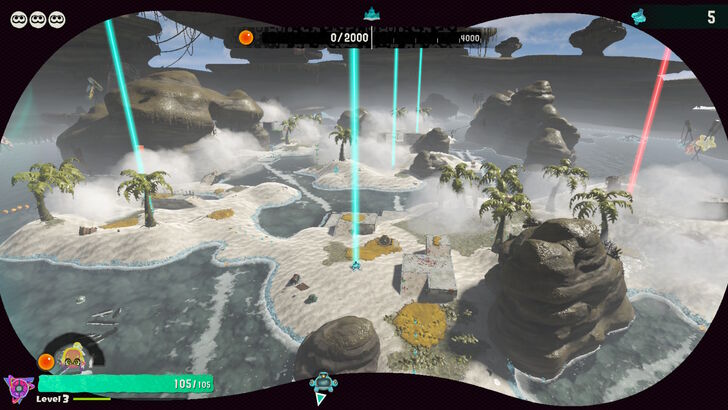
Splatoon has spent more than a decade carving out its own identity by letting players splat opponents and paint entire arenas in vibrant ink. Beneath that colorful exterior, though, lies a surprisingly bleak world. Set long after humanity has driven itself to extinction, the series follows the rise of a new dominant species—the Inklings—who inherited the planet and built a thriving civilization atop its ruins.
With Splatoon Raiders, Nintendo takes the series in a direction I never expected. Rather than centering the experience around the competitive multiplayer that made Splatoon a household name, Raiders shifts its focus toward a predominantly single-player adventure. While cooperative elements are still part of the package, they're no longer the main attraction. Instead, the spotlight falls squarely on exploration, progression, and uncovering the mysteries of this strange world.
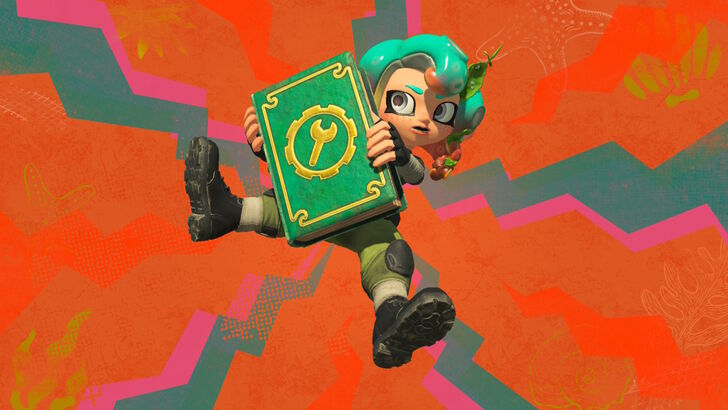
And somehow, it absolutely works. Every new weapon, gadget, and upgrade felt like another piece of a constantly expanding toolkit, giving me more ways to approach exploration and combat. Instead of chasing the next multiplayer match, I was chasing the next unlock, the next shortcut, or the next area I could finally reach. That steady sense of growth made it surprisingly difficult to put down, transforming what I expected to be a fun experiment into one of the most engaging entries the series has produced.
Deep Cut Gets the Spotlight
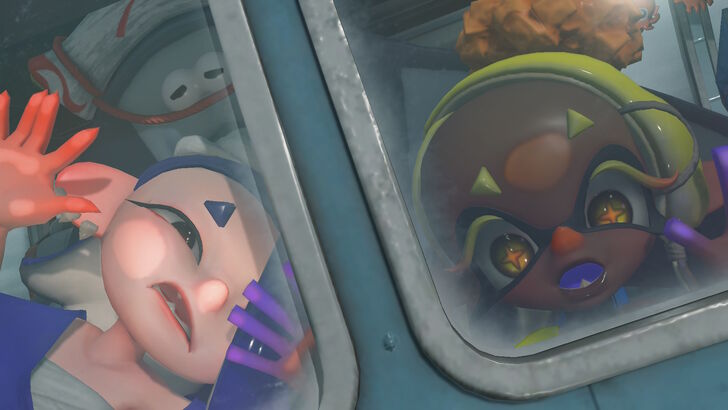
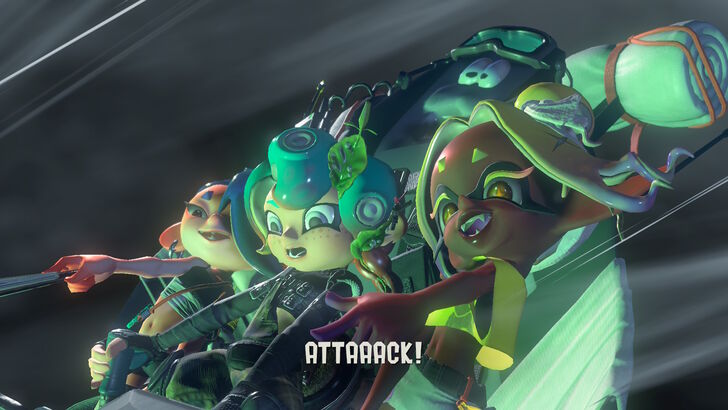
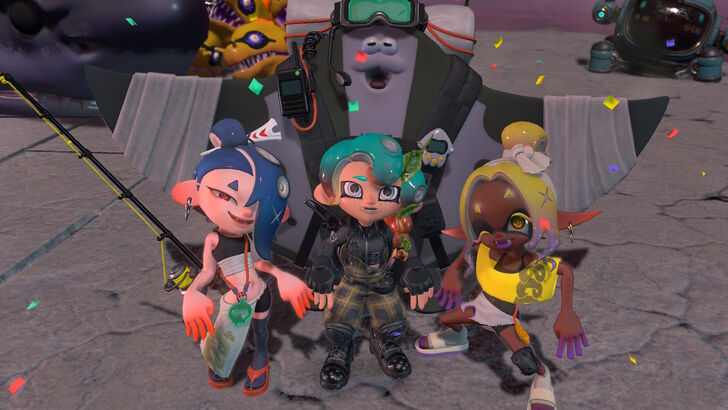
Unlike the previous mainline entries, Splatoon Raiders isn't a direct continuation of the story, but it does take place in the same universe. This time, we step into the shoes of a pilot and mechanic working alongside Deep Cut (a band of trio introduced in Splatoon 3). While they're known as a musical group, they’re also treasure hunters chasing the next big score.
What begins as a simple mission to gather materials after becoming stranded on a mysterious island gradually evolves into reading for treasures alongside the trio. It's a premise that naturally gives the game an excuse to constantly push you toward new discoveries without making every objective feel disconnected.
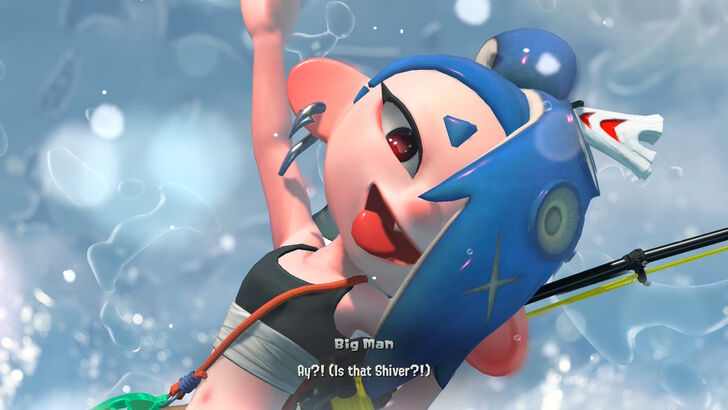
The story itself isn't particularly groundbreaking, nor is it trying to rival Nintendo's more narrative-driven adventures. Instead, it serves as a vehicle for what Splatoon does best: giving context to your raids while making your time with the cast feel worthwhile. Rather than relying on a dramatic plot, the game invests in its characters.
Every raid lets me choose whether Shiver, Frye, or Big Man accompanies me by piloting a support machine known as the Bot. Besides helping in combat, the Bot fires at enemies, provides jump boosts, and generally feels like a useful companion. More importantly, sticking with the same partner gradually strengthens our relationship, unlocking conversations that reveal more about each member of Deep Cut and their individual backstories.
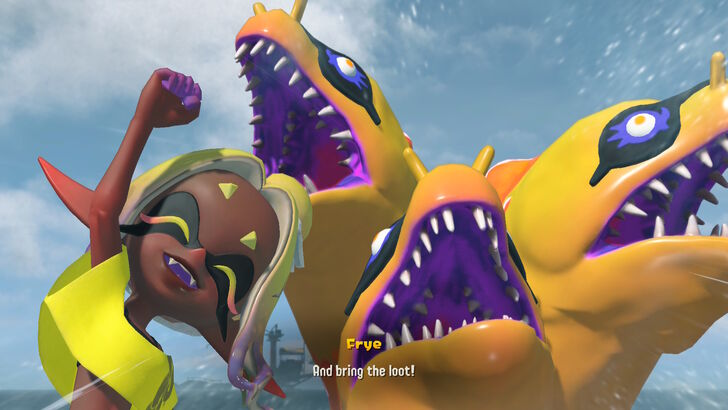
That relationship system also feeds directly into gameplay. Each character comes equipped with their own Showstopper—a powerful ultimate ability that charges as you play—giving every companion a distinct role beyond their personality. The higher your relationship gets, the more damage the Showstopper provides when activated. Even though I found Shiver's aesthetic and backstory more appealing, I ended up bringing Frye along far more often simply because her AoE Showstopper was incredibly effective in combat.
It's a simple system, but one that gives every expedition a little more weight. Instead of companions existing purely for dialogue, Raiders ties character progression to gameplay decisions, encouraging players to experiment while naturally growing closer to the crew.
The Hideout Grows With You
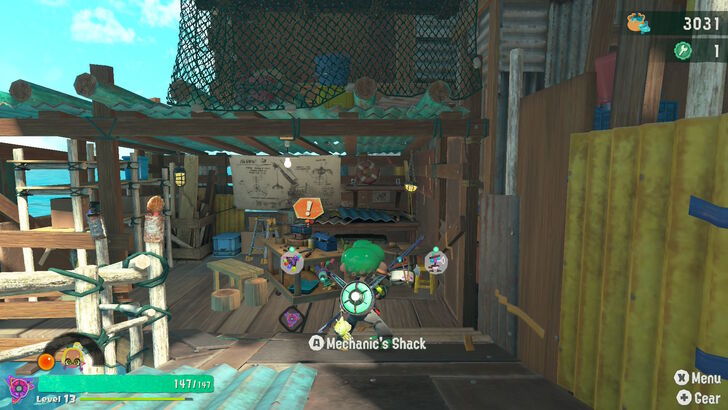
The gameplay loop in Splatoon Raiders is straightforward. You explore nearby islands, locate areas that hold treasures, and set out on raids to claim them. Those expeditions reward you with new weapons, gear, gadgets, relics, and materials, all of which make you stronger and better equipped for even more dangerous raids. It's a simple cycle on paper, but one that's constantly reinforced with meaningful rewards that make it easy to fall into the familiar "just one more raid" mindset.
Before diving deeper into the raids themselves, though, it's worth talking about the Hideout Ship. After crash-landing, the players as the mechanic together with members of Deep Cut work together to build a hub. Between every expedition, this is where players return to prepare for the next adventure. Here we can adjust our loadout, swap weapons, equip different Ink Tanks, Gadgets, and Relics, choose a different Bot companion, and even customize your outfit before setting back out.
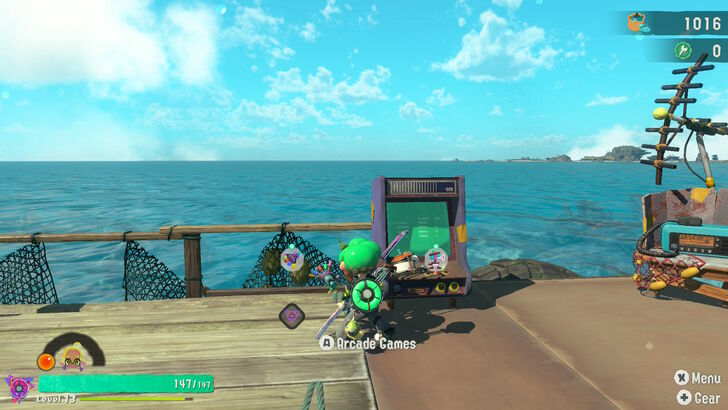
The Hideout isn't static either. Using materials gathered during raids, I was able to gradually expand and upgrade the ship by constructing new facilities that unlocked additional features. Whether it was adding a room to scrap unwanted materials into Spirhalite Shards or building new spaces dedicated to developing gadgets, every upgrade made the ship feel a little more alive while giving me another reason to keep collecting resources.
There are even optional additions that simply exist because they're fun. One of my favorites was being able to build an arcade complete with a fully playable minigame. It's the kind of feature that isn't necessary for progression, but adds personality to the hideout and gives you something to do whenever you feel like taking a short break from the constant cycle of exploration and raiding.
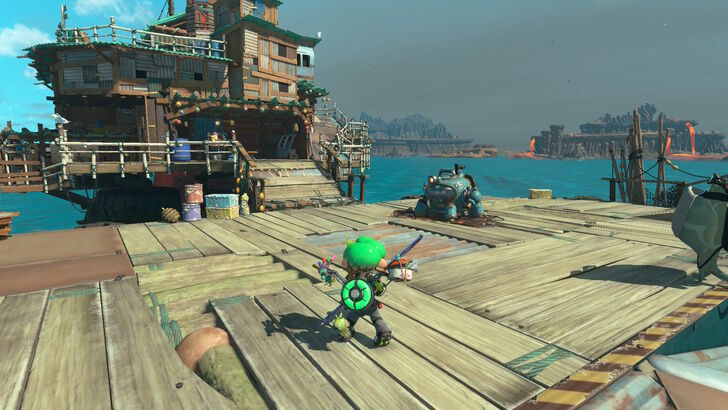
More than anything, the Hideout Ship succeeds because it doesn’t feel like a menu disguised as a location. Every return trip carries a sense of progression, whether I'm unlocking a new useful room, improving an existing one, or simply reorganizing my equipment before the next expedition.
Gyro Aiming Remains the Best Way to Play
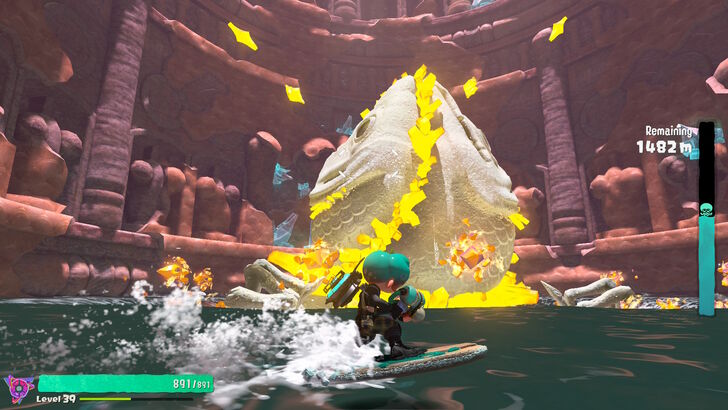
Just like previous Splatoon games, Splatoon Raiders continues to make gyro aiming a core part of the experience. Motion controls are enabled by default, allowing you to tilt the Joy-Con to adjust your aim vertically while using the right stick for horizontal movement. It's a control scheme that's become synonymous with the series, and one that Splatoon Raiders clearly continues to build around.
If you're jumping into the series for the first time, though, don't be surprised if it feels awkward at first. It takes some time for your hands to adjust, especially during the opening stages when you're still trying to remember which button you assigned your growing arsenal of gadgets, while trying to aim using the motion sensors. It isn't the kind of control scheme that immediately clicks, and I can easily see newcomers wanting to switch motion controls off after only a few minutes.
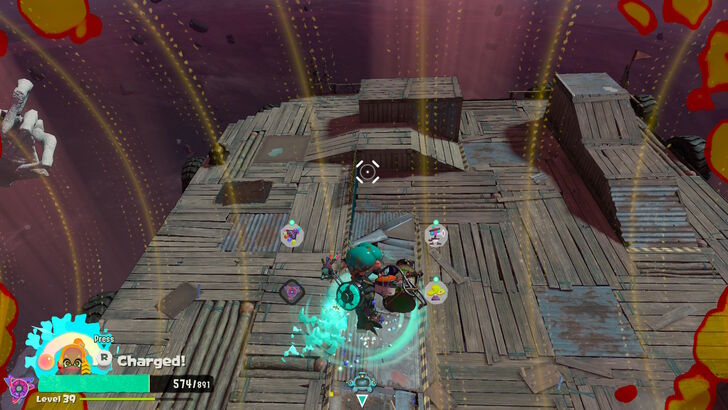
The funny thing is, I wouldn't recommend it.
I experimented with standard stick aiming, tweaking the sensitivity to see if it felt more comfortable, but it quickly became apparent to me just how much the game is designed around gyro controls. Aiming felt slower, tracking fast-moving enemies became less intuitive, and after spending enough time with motion aiming, going back to traditional controls actually felt like the bigger adjustment.
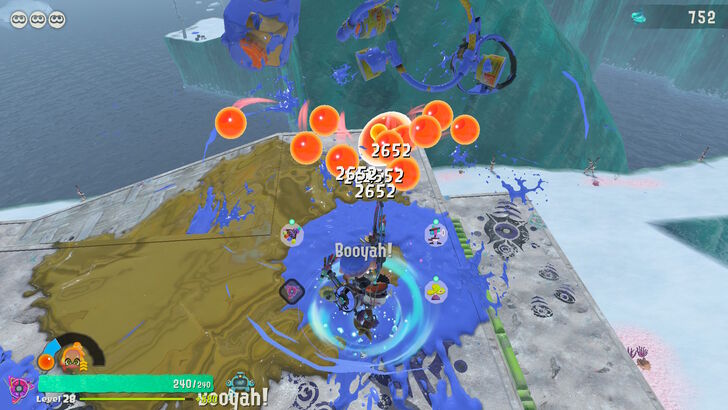
I also played the entire game in tabletop mode, letting me freely use the Joy-Cons for motion aiming throughout the adventure. That setup made the controls feel far more natural than trying to force traditional stick aiming, and by the end of my playthrough, I couldn't imagine playing Splatoon Raiders any other way.
For newcomers, the gyro controls may be the first hurdle you'll need to overcome. But once they become muscle memory, they stop feeling like a gimmick and instead become one of the reasons Splatoon's fast-paced combat feels as responsive and satisfying as it does.
More Than Just Bigger Guns
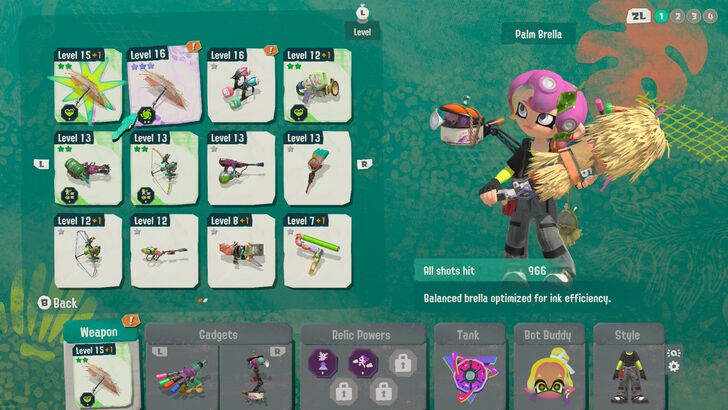
The reason Raiders' progression loop stayed so engaging for me wasn't simply because I kept finding better equipment, it was because every new piece of gear had the potential to completely change how I approached the next raid. Rather than relying on a single upgrade path, the game gives you several systems that constantly encourage experimentation, making every reward feel like another opportunity to refine your own playstyle.
Weapons are the first layer of that customization. There's an impressive variety to choose from, ranging from traditional shooters to more unconventional options like powerful umbrellas. Some excel at close range while others favor keeping enemies at a distance, and rarer weapons often come with stronger or more specialized passive abilities that further distinguish them from the rest.
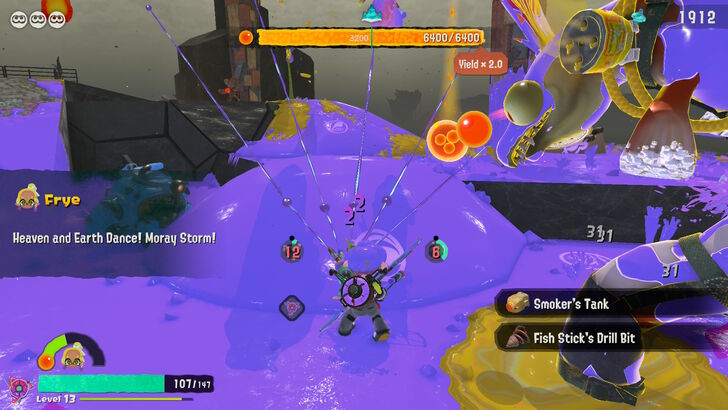
What I appreciated most is that these passives don't simply inflate damage numbers. They offered a way to test abilities I wouldn’t have thought of using and therefore prevented combat from becoming stale, especially since the game regularly rewarded me with something new to try.
Ink Tanks Define Your Playstyle
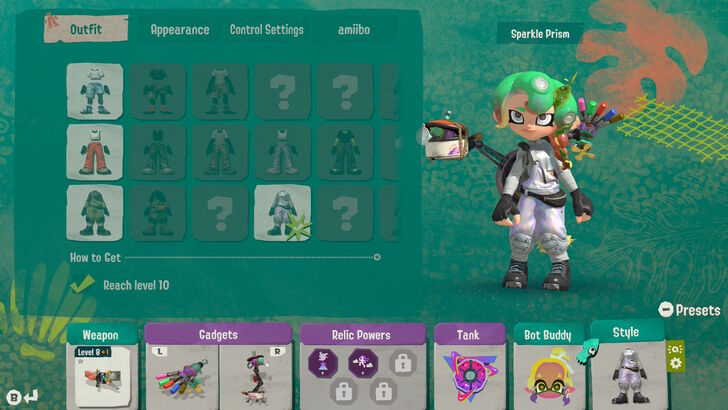
The second layer comes from Ink Tanks, which ended up being my favorite part of the entire build system because they're where player expression really starts to shine. Right from the beginning, Splatoon Raiders gives you three distinct options: the Speed Tank, Power Tank, and Tactical Tank, each opening access to a different set of gadgets.
Those gadgets dramatically influence how encounters play out. Depending on the Ink Tank you choose, you'll gain access to tools that emphasize mobility, raw offense, or battlefield utility. I naturally gravitated toward the Tactical Tank because I loved having more options during fights. Being able to deploy an automated turret or fire off a devastating laser made encounters feel less about simply shooting enemies and more about controlling the battlefield.
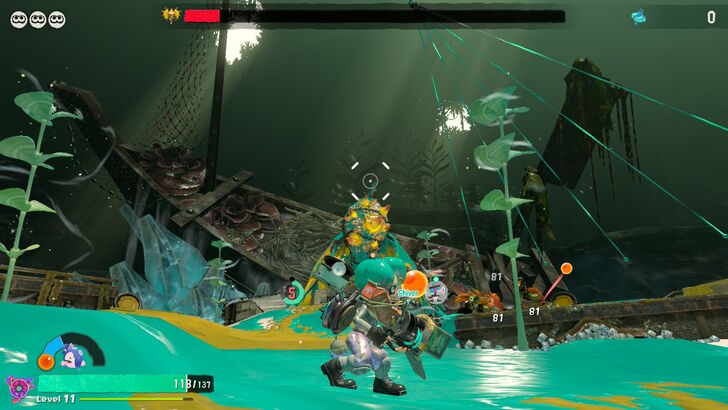
That flexibility means your choice extends beyond your primary weapon. Even if two different players equip the same gun, their gadgets can completely change how they approach an encounter. It's a subtle distinction, but one that gives the combat far more depth than I initially expected, allowing everyone to lean into the style that feels most enjoyable to them.
Passive Progression Makes Every Find Count
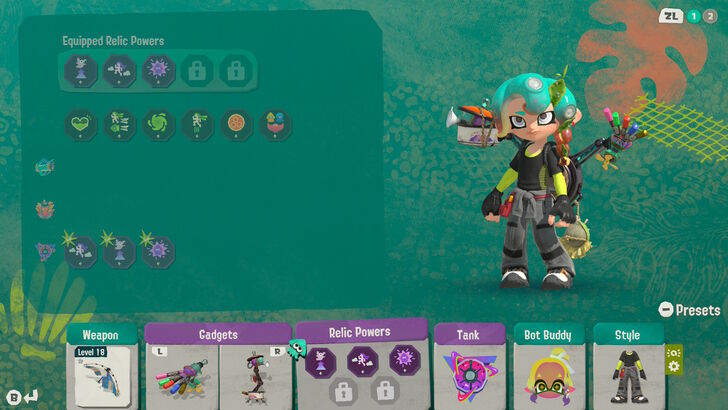
Finally, there are Relics, which quietly tie everything together. These provide passive bonuses that can be freely mixed and matched, while certain Relics are exclusive to specific Ink Tanks, creating another incentive to experiment with different builds instead of settling into one setup for the entire game.
Relics also contribute to your overall Relic Value, a progression system that rewards collecting them by increasing your status level. Reaching new milestones improves the amount of Spirhalite Shards earned during raids, giving every Relic value beyond the passive effect it provides.
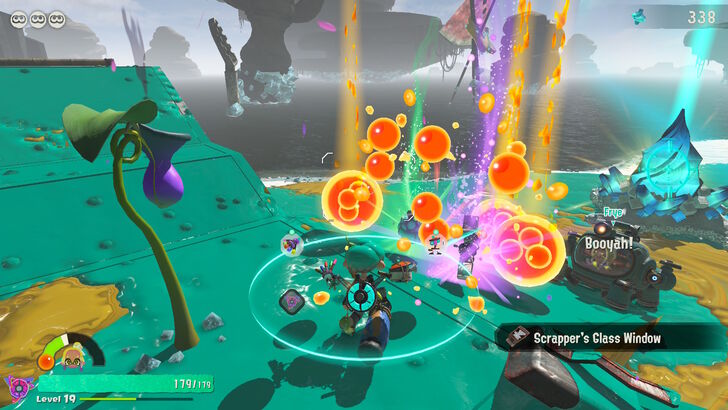
I particularly liked how this system rewards experimentation without punishing commitment. Every Relic I found felt useful in one way or another, whether it strengthened my current build or nudged me toward trying something completely different. Combined with the weapon and Ink Tank systems, Splatoon Raiders creates a progression loop where nearly every reward feels meaningful. Instead of simply becoming stronger, I was constantly discovering new ways to play and that made every successful raid feel exciting long after the novelty of finding loot have worn off.
Mid-Game Progression Hits an Unfortunate Wall
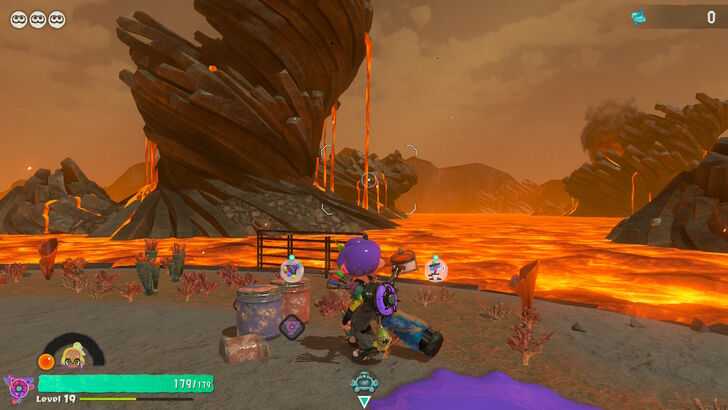
For all the freedom Splatoon Raiders gives you when building your character, the game's progression isn't without its flaws. Around the middle of the game, I started running into a pacing issue that noticeably slowed the momentum the game had spent hours building.
Each raid has a recommended level, but I often found myself unlocking new areas long before I was actually strong enough to tackle them comfortably. While it's exciting to see new destinations open up, that excitement quickly faded once I realized I was significantly underleveled, turning what should have been a natural next step into a much steeper challenge than intended.
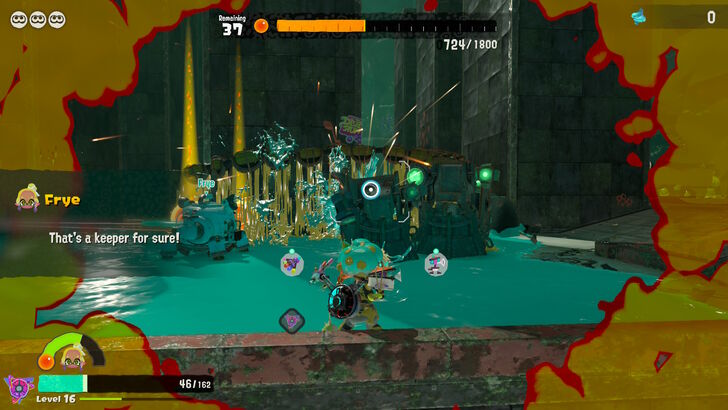
That leaves you with two choices. Either replay earlier raids to grind levels and resources, or repeatedly throw yourself at the new area until you eventually scrape through. Neither option is particularly satisfying because, by this point, you've already seen what those earlier raids have to offer and dying over and over again in the higher levels make those levels less fun to play. Instead of discovering something new, progression temporarily shifts into repeating familiar content just to meet the next level requirement, therefore making it feel "grindy" more than it should.
I think this could have been alleviated by introducing more intermediate areas or smoothing out the level curve between raids. The progression system is at its strongest when every expedition feels like a meaningful step forward, and this sudden difficulty spike interrupts that rhythm more than it should.
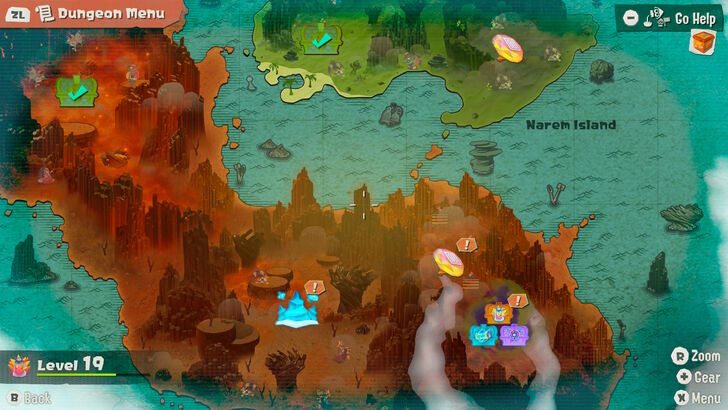
There is an alternative if you have a Nintendo Switch Online subscription, as you can call for help from other players to tackle tougher raids together. It's a nice option to have, but it's also one that not everyone will be able—or want—to rely on. A progression hurdle in a primarily single-player experience shouldn't feel like it's best solved by bringing in multiplayer assistance.
Thankfully, Splatoon Raiders does soften the frustration in one important way. Even failed attempts still reward you with experience and allow you to keep much of what you've collected, meaning every run contributes toward becoming stronger. That prevents failure from feeling completely wasted and ensures you're always making some form of progress.
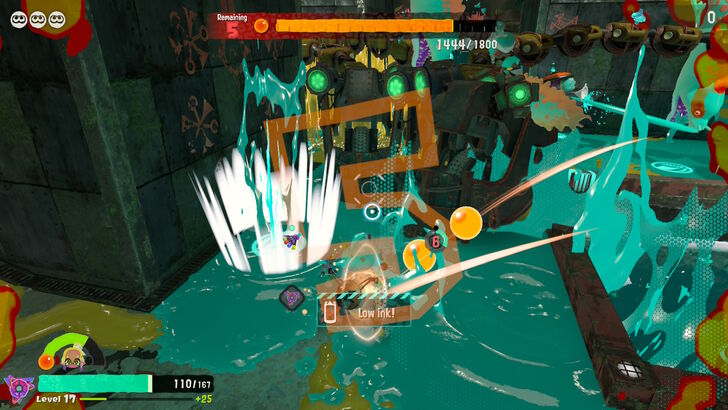
Even so, it feels like a compromise rather than a solution. The system respects my time by rewarding persistence, but it also highlights a progression curve that could have been paced more naturally. When the core gameplay loop is this enjoyable, the last thing I wanted was to slow down simply because the game asked me to repeat content I'd already mastered.
Is Splatoon Raiders Worth It?
Offer Your Treasures To The Fam
All in all, Splatoon Raiders is a fantastic step into single-player territory for the series. It takes the satisfying movement and ink-based combat that Splatoon is known for and successfully reshapes them into an adventure driven by exploration, progression, and player expression. While I initially came in expecting a simple spin-off, I left genuinely surprised by just how invested I became in its gameplay loop.
At $49.99, Raiders offers plenty of value. Between its rewarding raids, flexible buildcraft, meaningful upgrades, and constantly expanding arsenal, there's always another goal to chase or another build to experiment with. That steady sense of progression makes it remarkably easy to lose track of time.
It isn't without its flaws. The mid-game progression can lose momentum due to its uneven level curve, occasionally forcing players into unnecessary grinding before they can continue naturally. But even then, the game does enough to ensure those extra runs still feel productive rather than entirely wasted.
Ultimately, Splatoon Raiders proves that the series doesn't have to rely solely on competitive multiplayer to be compelling. Its satisfying progression loop and surprisingly deep customization systems create a single-player adventure that's easy to recommend, not just to longtime Splatoon fans, but to anyone looking for an action game that constantly rewards curiosity, experimentation, and the thrill of uncovering what's waiting on the next island.
Splatoon Raiders FAQ
How Do I Disable Motion Sensors For Splatoon Raiders?
While you are in the Hideout Ship, press X to access the menu. There, you can go to options, access either tv/tabletop mode or handheld mode, and toggle motion controls off.
Game8 Reviews