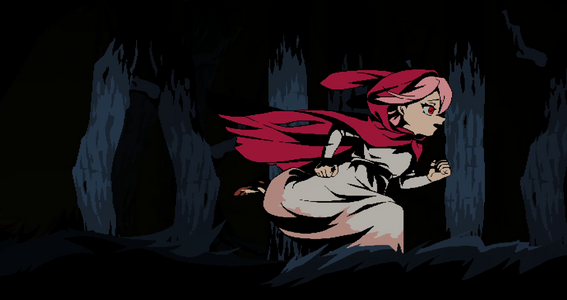




Rubinite is a 2D boss-rush action RPG developed by Cup Dog Games. Read our review to see what the game does right, what it doesn’t, and our overall thoughts on the game.
Overview
What is Rubinite?
Rubinite is an action RPG game developed and published by Cup Dog Games. It is a boss rush style game that follows Ruby, the princess of the fallen Scarlet Kingdom and one of its last survivors following an attack by the Witch Alcina. Alongside the rugged hunter Roy and the alchemist lizardman Wichiwi, Ruby must seek vengeance against the Witch by defeating the Bloodstained, creatures corrupted by the Pureblood Crystals. As a fighter, Ruby must perfectly maneuver around the Bloodstained while striking their weak spots through the Focus mechanic.
Rubinite features:
⚫︎ Multiple Souls-style boss fights
⚫︎ 2D pixel art style
⚫︎ Unlockable Skill Tree and Talisman System
⚫︎ Little Red Riding Hood-Style Revenge Quest
| Digital Storefronts | ||
|---|---|---|
 Steam Steam |
||
| $19.99 |
Rubinite Review | A Bloody Good Challenge
Pureblooded Eyes, All the Better to See With
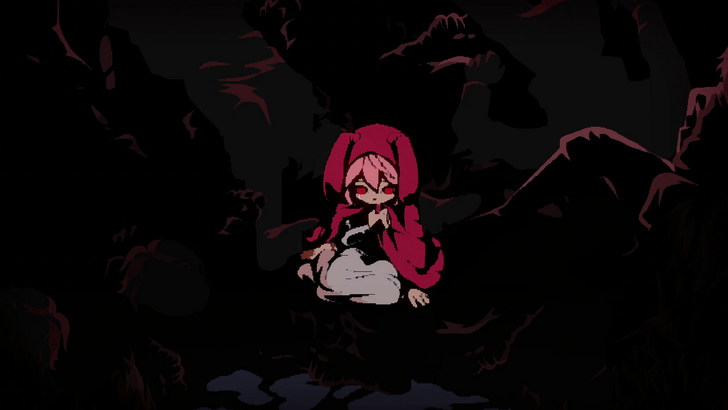
One of the coolest things about the Soulslike genre is its direct ties to literature, which even applies to its offshoots. To that end, Rubinite brings in a dark subversion of The Little Red Riding Hood to the genre and adds a healthy dose of alchemy, gore, and Sekiro-esque precision. The result is ultimately striking in its punishing precision and gorgeous 2D art style, even when some of the cracks start to show.
Rubinite is a thrilling, frustratingly captivating boss-rush style action-RPG. The game sees Ruby, the princess of the fallen Scarlet Kingdom, go on a quest for vengeance against the Witch Alcina, who murdered her family to harvest the Pureblood Gems. Alcina uses these Gems to power her Bloodstained army, which Ruby defeats along the way back to the Kingdom.
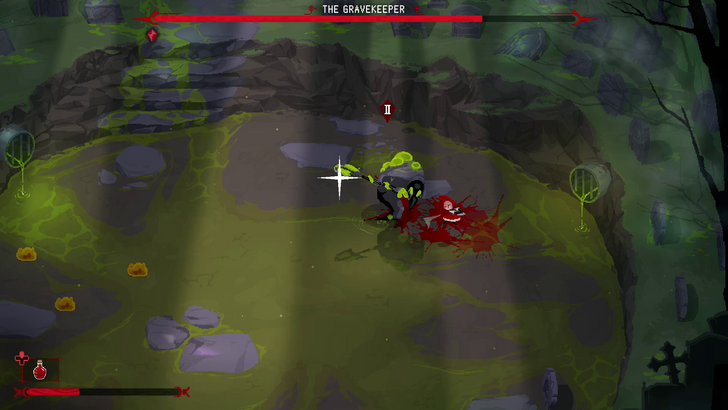
Rubinite has everything a boss rush Soulslike needs to succeed, and then some. Memorable boss fights with brutal patterns and variable timings, incredibly dense worldbuilding, and combat mechanics that challenges your patience, precision, and timing are some of the game’s strongest factors, and it excels as a result.
There are, unfortunately, a multitude of smaller problems such as inconsistent hitboxes and perspective changes that ultimately add up to real pain points throughout the experience. That said, what Rubinite does well in its broad slashes and smaller strikes make for a sharp, precise little Soulslike that will absolutely test your mettle.
Ruby Moonchild, Dreaming in the Shadows
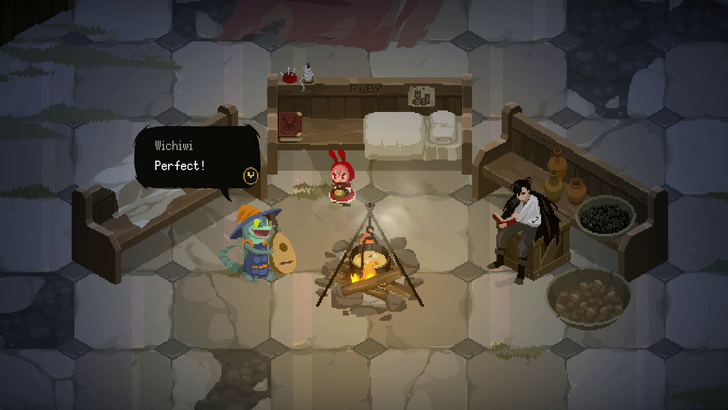
Rubinite’s story, for all its notions of vengeance and brutality, hides a lot of simultaneous tragedy, coziness and humor that makes it so much more three-dimensional than it seems. It’s all appropriately balanced and never outstays their welcome, and at the heart of the narrative is Ruby learning to process grief in a beautiful and mature way.
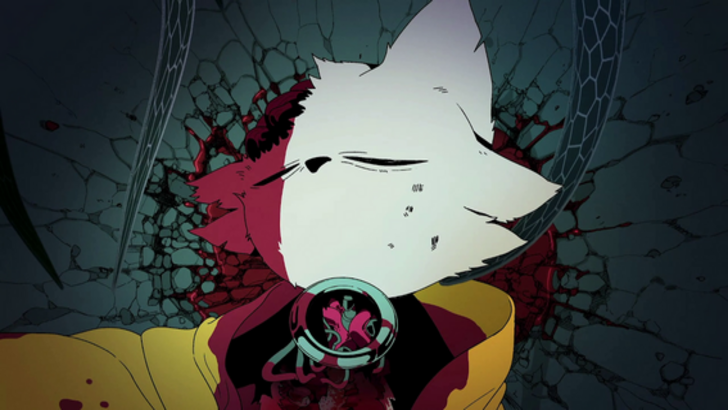
The game mainly follows Ruby, the last princess of the Scarlet Kingdom, pursuing the Witch Alcina for revenge. Her family’s murder at the hands of Alcina is told through a striking, monochromatic red cutscene at the beginning of the game, and it's a harrowing sequence throughout. It leaves a lot of intrigue for what happens next and, importantly, a deep sympathy for Ruby as she navigates life without a family.
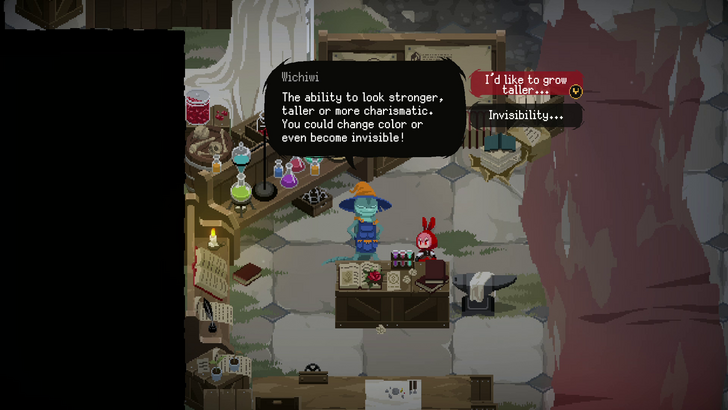
Thankfully, Ruby isn’t alone. She’s aided by Roy, her stoic mentor and protector, as well as Wichiwi, a funny and easily startled lizardman that crafts talismans and upgrades for her. The relationship between these three characters easily hosts some of the strongest writing in the game, and it makes the rest of the story all the more compelling.
These three disparate personalities make for a really fun dynamic to observe as the game progresses. This is made even better by the fact that the jokes they’re given are genuinely hilarious, while the tragic moments of discovery and conflict between them are only made that much more potent as a result. There isn’t nearly enough of it, though, which is a shame given how short the game is.
In the Court of the Crimson Witch
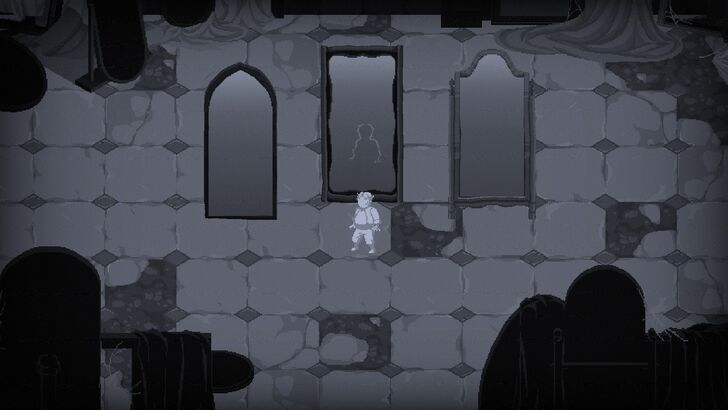
Outside of Ruby’s quest for vengeance, which only really gains speed towards the tail end of the game, the bulk of the game’s story involves investigating the mysterious illusions of the Monastery. This is the central hub where Ruby and her companions stay, and beating bosses during the day rewards story progression during the night. As the game progresses, Ruby and her friends uncover a darker past to the Monastery that’s been hidden away by illusion magic and lead them closer to Alcina’s motivations.
The profound tragedy of Alcina’s grief and deep resentment towards the state of the world is interesting, even if it’s somewhat hindered by the presentation. The illusions that Ruby witnesses and breaks after each boss fight is told through grayscale, wordless dream sequences that convey the story purely through visuals. This is, ultimately, a double edged blade that hurts the story as much as it helps it.
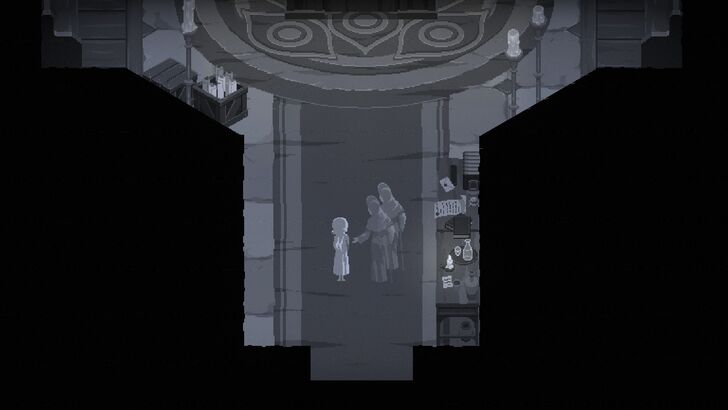
On one end, Rubinite’s beautiful pixel-art visual style easily makes these sequences a marvel to pay attention to. Their lack of color is a wonderful contrast to a game which specifically uses color to tell stories and convey personality, while "show, don’t tell" is a Soulslike genre staple that is used appropriately here.
On the other end, perhaps "show don’t tell" is used a bit too much, and it makes the story a little harder to follow. During initial playthroughs, players might not even realize that the flashbacks are about the Witch until they piece it together, and by that point the lack of memorable visuals or dialogue from these sequences are long gone after repeated attempts against gruelling boss fights.
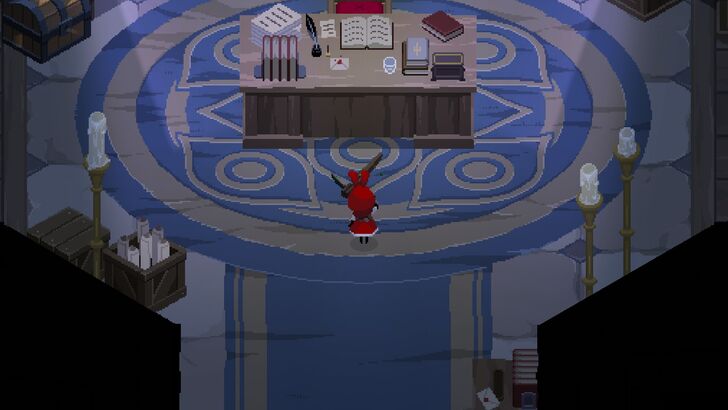
That said, Ruby’s vengeance quest is strong in its simplicity, which is especially true as it comes to a close. Introducing a new character into a story just a bit before it ends is usually a recipe for disaster, but Mira is such a fun and compelling companion to Ruby that it works tremendously. Her addition simultaneously helps lift the game’s bleak third act into its resonant conclusion while also outlining just how tragic Alcina’s fate really was.
Rubinite’s two endings are interesting ways to end a game this difficult and bleak. It, oddly enough, reminds me of Persona 5 Royal’s new additions to the narrative, namely the contrast between false paradise and the brutal reality of grief and loss. The true ending is handily the more compelling of the two, and is one that’s been signalled to players through the many illusions they break.
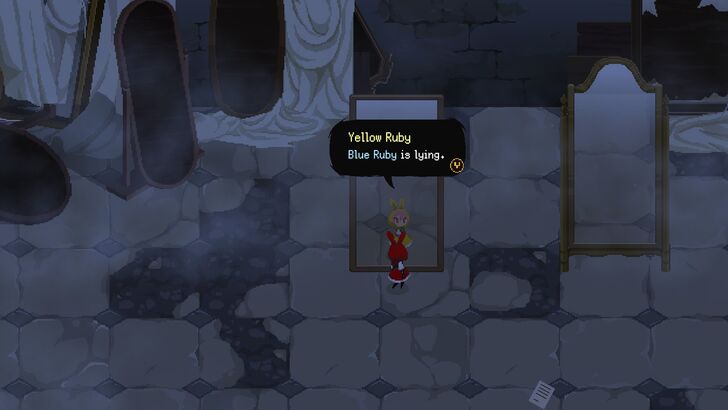
In general, Rubinite’s story is an interesting dark fantasy fairytale take on the fickle nature of life and reality itself. Unfortunately, this fascinating premise is hurt by a presentation which remains inconsistent in its sparingness, especially when it comes to its main antagonist. Still, when Ruby does finally overcome that final boss and learn to make peace with the fleetingness of existence, it remains poignant and touching.
Brutal Discipline for One More Red Nightmare
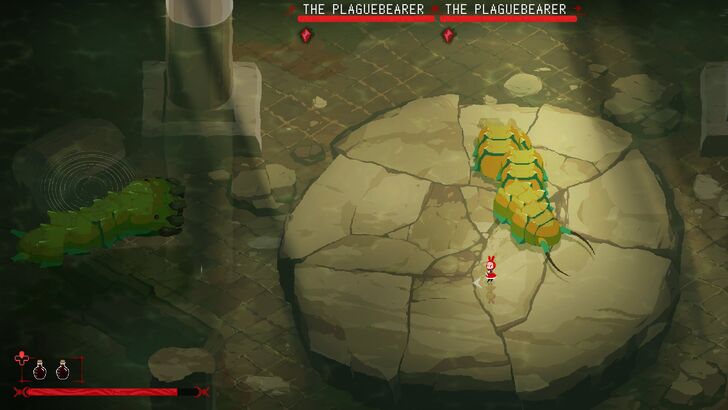
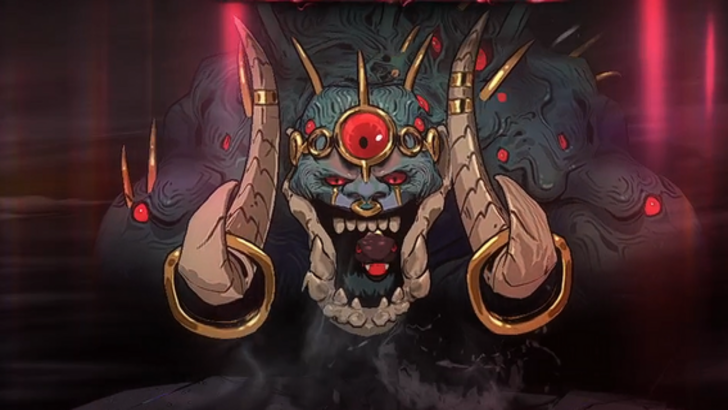
Along the way back to the Scarlet Kingdom, Ruby must fight against the Bloodstained. These monsters, which Alcina corrupted after killing her family and harvesting the Pureblood Gems in their eyes, also serve as the points of progression throughout the game. Boss fights are Rubinite’s bread-and-butter, and are the main bulk of the gameplay.
As a top-down 2D boss rush style game, Rubinite’s razor sharp focus on large, imposing boss battles is the game’s greatest strength. This is made better by the game’s relatively simple mechanics. There are no complex stat computations here; just your timing, precision, and positioning being your biggest weapons against some of the toughest Bloodstained monsters in the land.
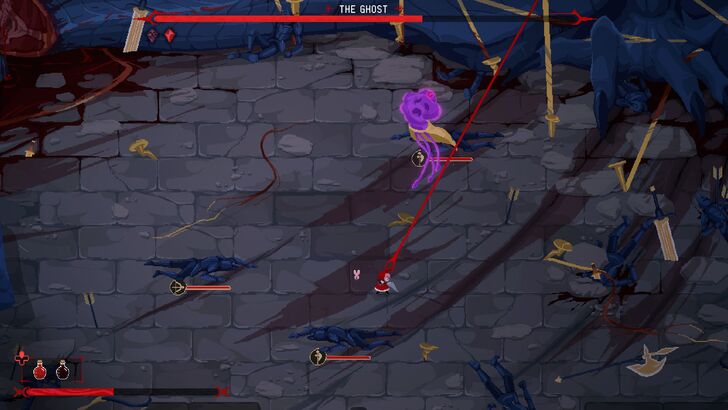
Ruby’s main combat mechanic is "Focus," which has players holding down a button to focus on an enemy and find their weaknesses. The more an opponent’s Focus gauge is filled, the more Marks they gain. Marks indicate the damage that Ruby deals to an opponent and can also be gained by performing a perfect dodge against an opponent.
While Ruby can just slash at bosses ad nauseum it is much stronger to focus on pinpointing weaknesses and striking at the right time. True to her family history, Ruby’s greatest strength isn’t her weaponry or her strength; it’s her eyes. She’s a child facing off against monsters, so naturally her best odds are set when she attacks unseen weak points with precision.
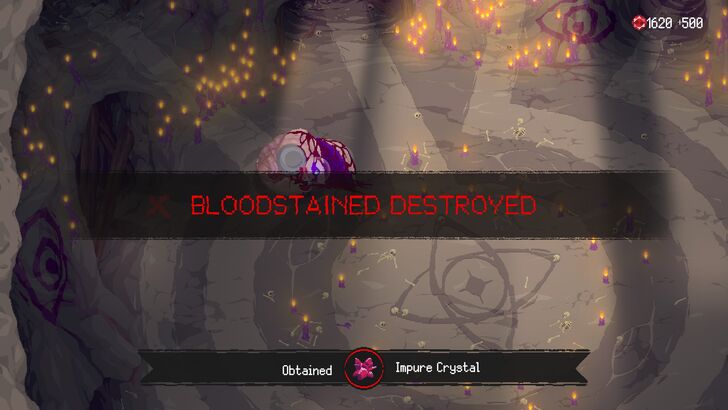
By observing enemy patterns and dodging them effortlessly, Ruby takes down Bloodstained twice and even thrice her size, and it makes for an engaging gameplay loop. There is, unfortunately, a noticeable inconsistency with boss attack hitboxes that can make fights frustrating and confusing, especially if you’re gunning for a hitless run against a really hard opponent.
Rubinite’s specific combat style combines the precision of Sekiro with Bayonetta’s focus on dodging and evasion, and the result is consistently intoxicating. It helps that boss battles are well designed, both visually and gameplay-wise, across the board. They’re tough but conceptually fair, leaving enough room for players to learn their patterns and intuitively discover the solutions to them. Some of my favorite bosses included The Ghost, with its great two-phase corpse possession gimmick, and the repeated Faye boss fights, which felt like epic swordfighting duels before crucial story moments.
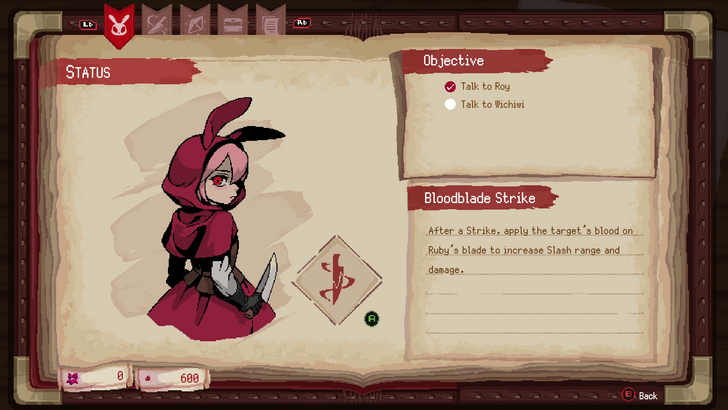
Of course, Rubinite’s combat isn’t just relegated to waiting for enemy attacks, then dodging appropriately. Certain Talismans and Skill Tree unlocks let players strengthen other aspects of Ruby’s kit, such as her dart projectiles and basic strikes. Furthermore, boss fights will always contain some sort of reaction check for players just standing there and waiting to build marks, such as fake out attacks, leaping attacks which must be interrupted with darts, and inescapable command grabs.
To this end, Rubinite’s design philosophy is as clear cut as the Pureblood Crystals Alcina covets so hard. Yes, the game wants you to approach combat in a specific, precise way, but it leaves just enough room for nuance and skill expression that it remains dynamic. It’s the type of subtlety in an otherwise clear and cut genre of action that elevates the already great foundation into something special.
Frame by Frame Beauty, Death by Perspective
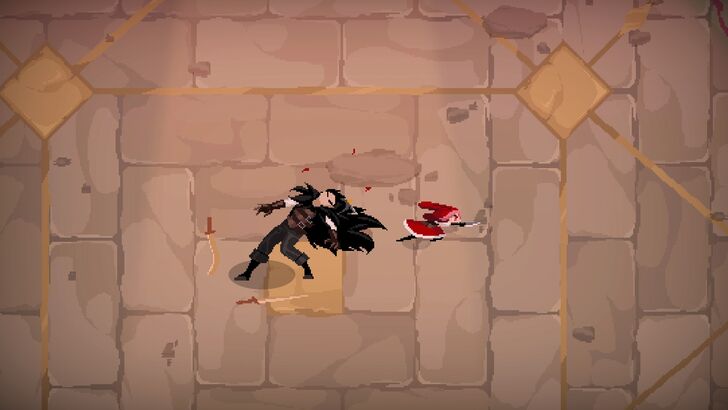
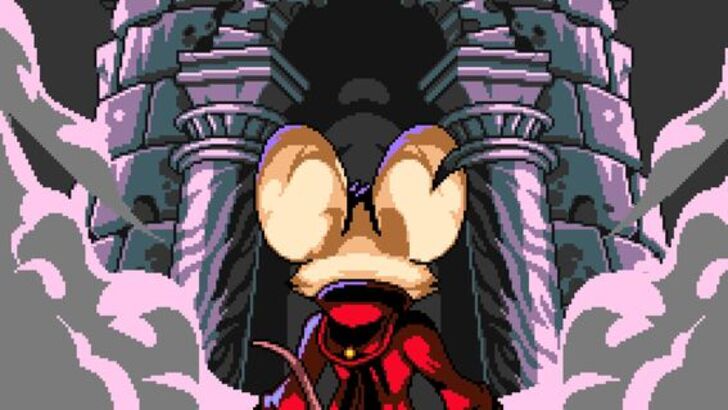
In my opinion, the thing that stands out the most about Rubinite is just how strikingly good its 2D pixel-art style is. Characters, allies and foes alike, convey a ton of personality even in the diminutive nature of the art style, with Wichiwi being a standout for his comedic expressions. Boss arenas are memorable and distinct as different areas of the world, while animations are fluid and clear even during the heat of battle. Cutscenes are often compelling and beautifully animated, and when paired with dialogue for crucial story beats they can even be genuine tearjerkers.
One thing I especially love about Rubinite’s art style is how it uses color as a means of storytelling. Specifically, the color red is often contrasted with other colors like greys and purples during pivotal story moments and boss fights, and it conveys a lot about the characters even without saying a single word. It’s smart, nuanced, and elevates the art style well.
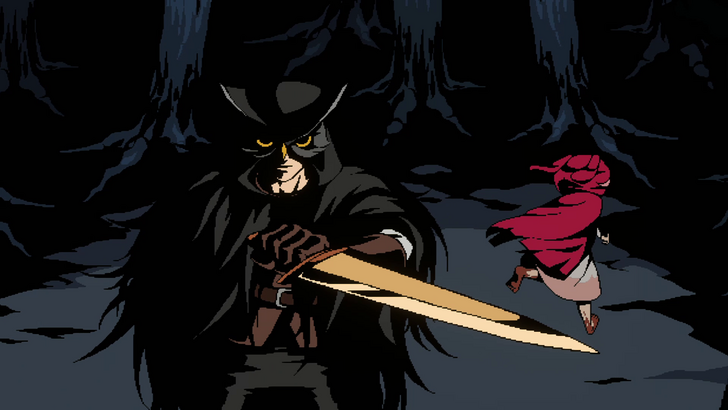
Where the art style falters, however, is during combat itself. The top down perspective is nice and certainly the right move for a game like Rubinite. However, the use of borders and depth can often hide enemy attacks and startup animations. This only adds to the frustration of boss battles, even inadvertently, as sometimes you could be hit with a telegraphed move because the startup frames were obscured by the borders.
Furthermore, the hitbox inconsistency mentioned previously also applies to the move animations. While the movement itself is clear and even beautifully done, the range of some attacks during specific bosses can be a bit misleading in ways that feel unintuitive (such as the Axe Knight attacks during the Ghost boss fight). The hitbox jank, thankfully, doesn’t derail the overall experience thanks to its relative rarity, but it remains an unfortunate flaw in an otherwise excellent combat system.
On that note, the sound design in Rubinite is well done, but ultimately serviceable. The music fits the tone of an area, whether its the quiet Monastery or the swelling score of the boss fights, but they ultimately don’t leave much of an impression after the fact. Sound effects for attacks feel impactful, while the little grunts and noises characters make in lieu of voice acting work well enough to convey emotion.
Is Rubinite Worth It?
A Bloody Gem Worth a Playthrough
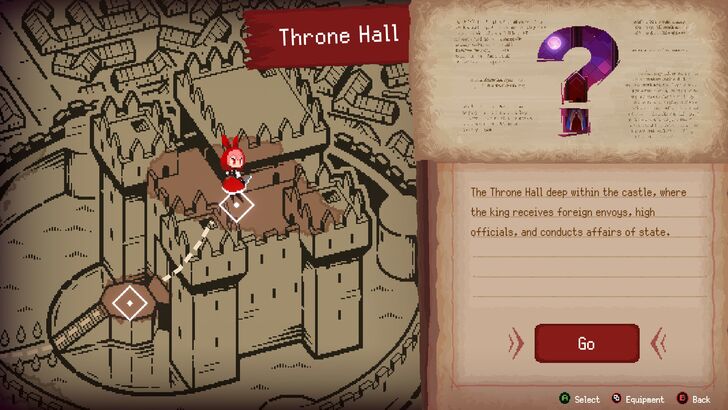
Rubinite is a great entrypoint for people curious about Souls-style boss fights, especially in a 2D space, while the challenge present is enough for most veterans to have fun with. Outside of that, the story is strong with its fun core cast and surprisingly potent emotional core, while the art style remains gorgeous thanks to its distinct pixel art style and use of color. It’s a very specific, difficult experience, though, and players who either want less challenge or more gameplay variance might struggle to enjoy it all the way through. For players up to the challenge of reclaiming the Scarlet Kingdom, though, Rubinite’s thrilling boss fights and unique combat style is well worth the price of admission.
FAQ
Is Rubinite Too Difficult for a Casual Gamer?
Rubinite will prove to be challenging to beginners, but the underlying combat mechanics are simple and boss patterns can be learned after enough observation and retries. It's a great entrypoint into the Soulslike genre, especially with its boss rush structure, but it contains enough challenge to be fun for veterans.
Game8 Reviews