


| Rhythm Heaven Groove | |||
|---|---|---|---|
| Release Date | Gameplay & Story | Pre-Order & DLC | Review |
Rhythm Heaven Groove is a rhythm game in which players press buttons on the beat. Read our review to see what it did well, what it didn't do well, and if it's worth buying.
Overview
What is Rhythm Heaven Groove?
Rhythm Heaven Groove is the latest entry in the rhythm-based series Rhythm Heaven Groove. Experience a rich selection of rhythm games that showcase the unique musical style of Japanese musician Tsunku. The game launched for the Nintendo Switch on July 2, 2026.
Rhythm Heaven Groove features:
⚫︎ Over 100 Single-Player and Multiplayer Minigames
⚫︎ Beatspell, a Series-First RPG Mode
⚫︎ Production by producer and composer Tsunku♂
⚫︎ Minimalist Controls
For more gameplay details, read everything we know about Rhythm Heaven Groove’s gameplay and story.
| Digital Storefronts | |||||
|---|---|---|---|---|---|
 Switch Switch
| |||||
| $39.99 |
Rhythm Heaven Groove Review: Music to My Ears
Same Old Rhythm, Ten Years Later
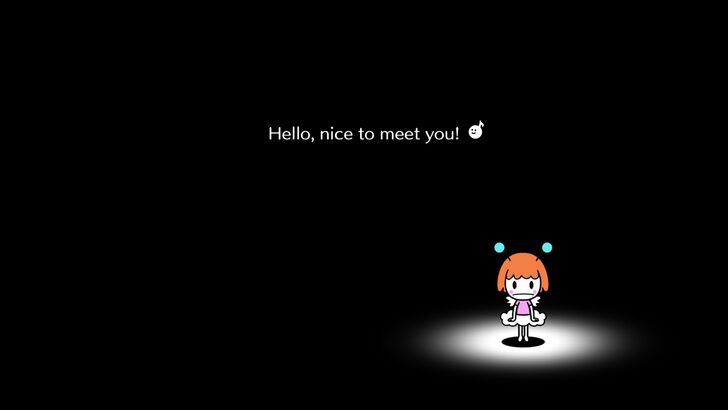
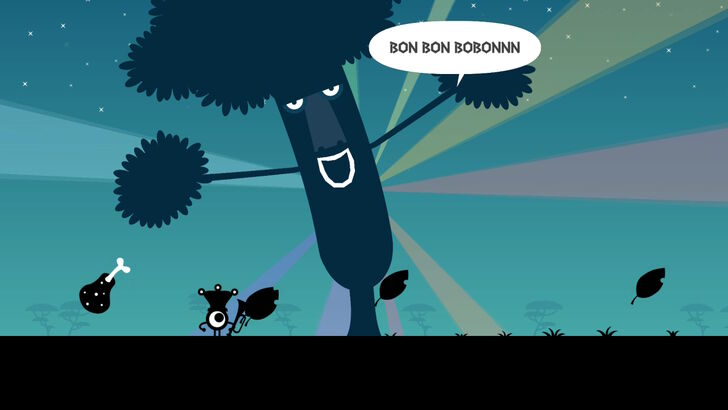
To play Rhythm Heaven Groove is to let your Nintendo Switch humiliate you in the most adorable way possible. You sit on your couch, staring at a screen where five walking heads jump over hurdles and pop star idols sweep atop a construction site just because. It looks like a fever dream, but it demands your unblinking focus. It may only require a single button press, but your only shield against failure is your own internal metronome.
Nintendo first built this formula twenty years ago, and they evidently see no reason to fix what isn’t broken. Although WarioWare, its sister series, got plenty of sequels, Rhythm Heaven fans spent a decade wondering if the series was dead after Megamix.
Rhythm Heaven Groove finally ends that drought, but it acts like the last ten years never happened. The game slides back into that same groove without skipping a beat. It has some cool tricks this time around, but its evolution after a decade is only incremental. As neat as these ideas are, the game stubbornly refuses to push them further, bound by its inherently simplistic nature. Even so, it’s just too fun to put down.
Just Close Your Eyes and Git Gud

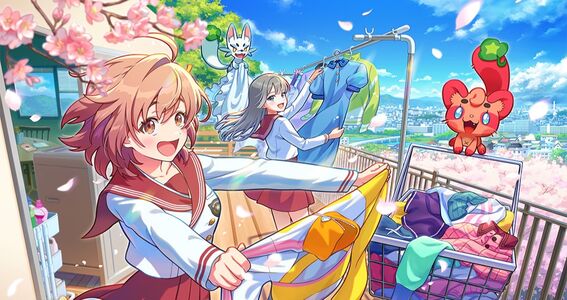
There isn’t much to explain when it comes to actually playing Rhythm Heaven Groove, and that’s entirely by design. Nearly every minigame asks you to do little more than press the A button in time with the music, with the occasional flick of the D-pad thrown in depending on the activity. Two buttons at most are all you need to use your umbrella as a musical instrument, bounce fruit with your biceps, help a crab launch macarons back home, drive a car, toss frogs in the air, fill in as a backup dancer at a J-pop concert. Every minigame has its own rhythm, musical language, and sound cues, but they all revolve around the same principle of doing exactly what the music tells you to do. Not what your eyes tell you. The music.
In fact, Rhythm Haven Groove actively discourages you from reacting based on what’s on the screen. Some minigames zoom the camera in until your character is barely visible. Others suddenly change viewing angles just to mess with you. Sometimes a soda or a frog stands directly in front of you.
The game teaches you to trust your ears. Listen for the whistle. Wait for the cla. Feel the beat. Before long, you’ll be playing alongside the music itself, almost as though you’re another instrument in the song.
It’s Accessible Even to the Visually Impaired

It’s such a defining part of the design that I was surprised by how accessible the game is for visually impaired players. Groove has a Read Aloud feature that uses text-to-speech to narrate text and even describe what’s happening on screen. It isn’t an exhaustive suite by any means, but it’s very effective.
I’m nowhere near complete or even partial blindness (I hope), but I tested this feature’s effectiveness by simply wearing a blindfold to see how much I could rely on sound alone. I certainly wasn’t perfect, and some patterns took a few tries before I learned their rhythm, but I still managed to earn medals without watching what was happening.
I do wish, though, that we had more text-to-speech pitch options and characters to choose from. Lil’ Miss Reeds (the robot fairy narrator) is fine, but some variety would be nice, especially since listening to her read even the most minute description of a scenario can get a bit old.
Overexplaining the Simple and Executing the Absurd

Nonetheless, the idea of trusting your ears also explains why every minigame begins with a fairly involved tutorial. At first, I thought the devs were overexplaining mechanics that only required a single button, but I quickly realized the tutorials aren’t teaching the controls but what to listen for. Every single one introduces musical cues you’ll eventually have to recognize instinctively before layering on changing tempos, syncopated beats, fake-outs, pauses, elaborate musical phrases.
It may only ask you to press one button, but don’t mistake that simplicity for a lack of challenge. Rhythm Heaven has always been built around the idea that anyone can enjoy rhythm if they simply listen carefully enough. Groove stays true to that idea, and by the later stages, it becomes insanely demanding. It got to the point where I had to put the console down, lean back, and concentrate with all the brain juice I could muster.
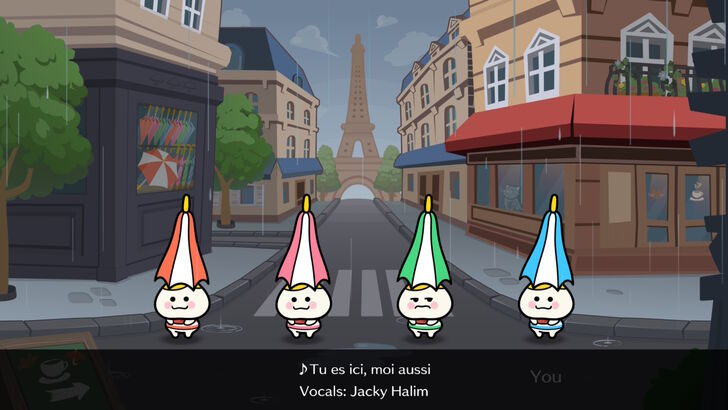
Much of that success comes down to the soundtrack by Tsunku♂. The songs aren’t memorable simply because they’re catchy. Although many of them absolutely are. Every piece is written around the gameplay it accompanies, so each beat serves a purpose beyond just sounding good.
There's upbeat pop, jazz, funk, electronic music, and plenty of styles that don't fit neatly into any one category, yet they all feel unique to the game. Even now, as I’m writing this review, I’ve caught myself putting several tracks back on because they’re lodged firmly in my head.
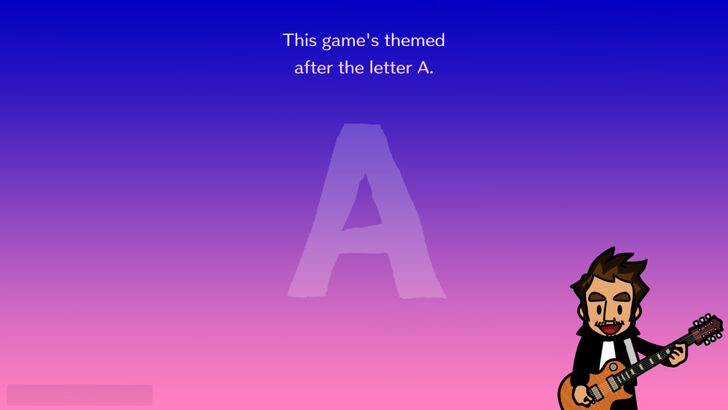
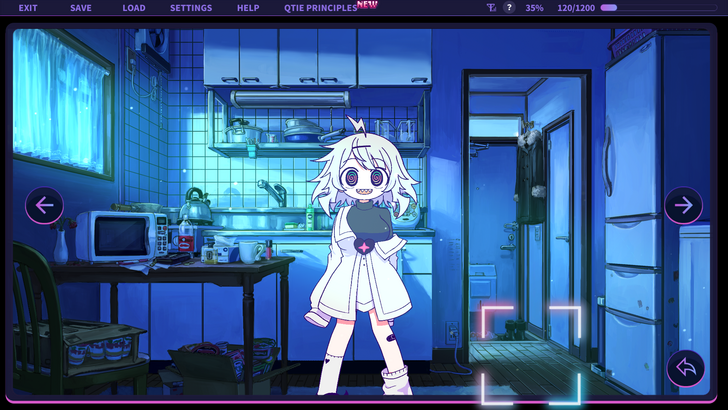
Of course, none of this would be received nearly as well if Rhythm Heaven weren’t completely comfortable being one of Nintendo’s strangest series. There are over 100 minigames here; the vast majority of these minigames are single-player, but a healthy number are multiplayer. They are very short, lasting less than five minutes each, but they feel like fever dreams every time. Trying to make sense of what’s happening on screen is usually a losing battle, so you may as well embrace the nonsense.
For instance, one minigame has you catching vegetables being thrown from somewhere off-screen while cats watch. Then, out of nowhere, the background changes to a whale joyfully breaching in celebration as though this were the most normal thing in the world. The game combines the mundanity of everyday activities with surreal ideas that just never stop escalating.
My personal favorite is a minigame called A for Effort. I won’t spoil the joke because discovering it is half the fun, but I had to replay it far more times than I’d like to admit because I kept breaking into a grin halfway through and completely losing the rhythm. I honestly think Groove is even stranger than Megamix was, and I mean that as the highest compliment.
Beatspell is a Rhythm-RPG Dungeon Crawler I Need More Of
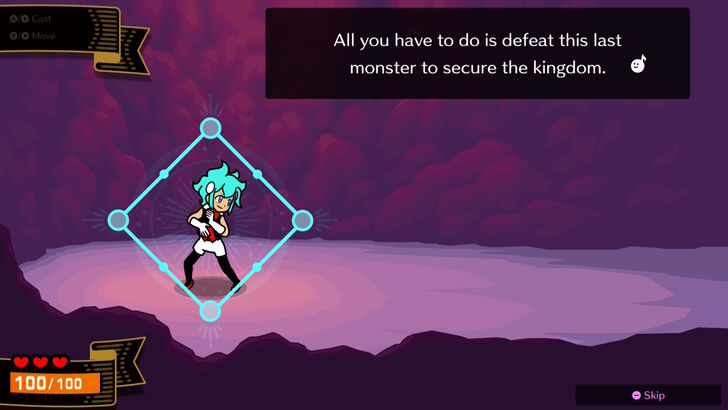
As bizarre as the regular minigames are, the biggest addition in Groove isn’t any of them. It’s Beatspell, a new mode that’s good enough to be an entirely separate campaign hiding inside the game. Unlike every other activity, this one has chapters, progression, equipment, and even something resembling a story.
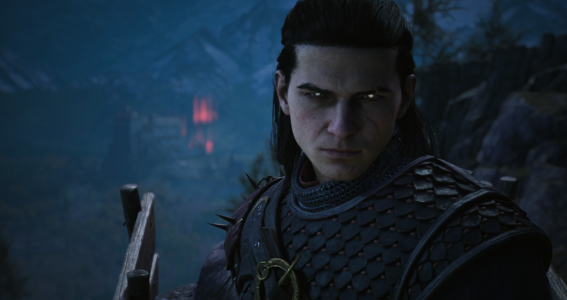
"Story" is admittedly me being charitable, though. You play as an amnesiac hero trapped in a cave who is fighting their way toward reaching their goal of reaching the surface or getting enough power to defeat the villain. They have a connection to one of the characters you’ll meet somewhere down the line, but the game never seems particularly interested in explaining much beyond that. The plot exists mostly to justify the gameplay.
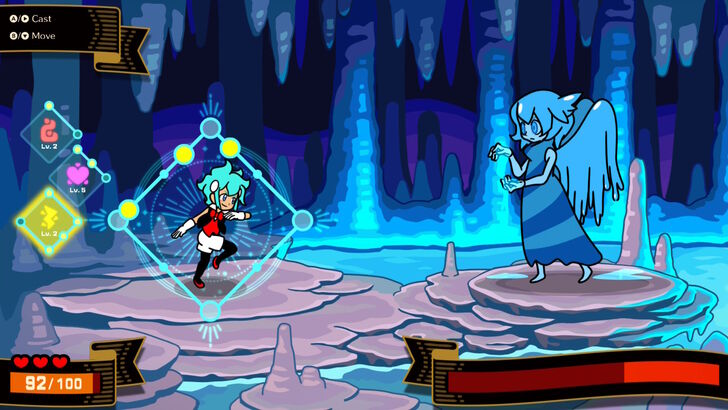
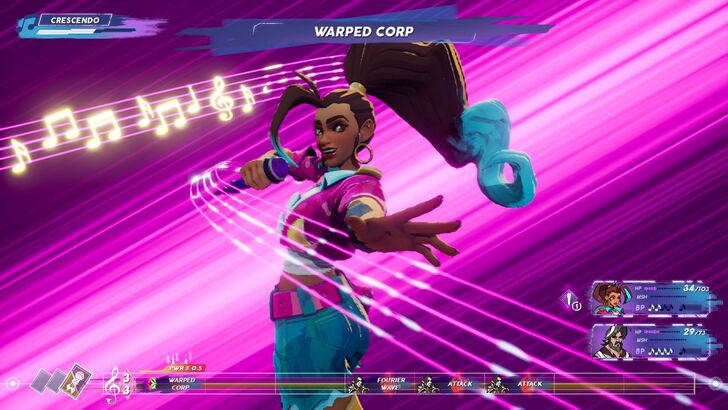
The battles here in Beatspell revolve around a looping four-beat measure, and every spell you cast has to be timed to that rhythm. Fireballs, waves of water, bolts of lightning, poison, healing shields—they’re all activated by tapping the A and B buttons in specific sequences. Winning battles earns a level for a spell and improves its effectiveness for later battles. You also collect equipment that gives passive bonuses. It’s not a particularly deep RPG system, but we’ll take what we can get.
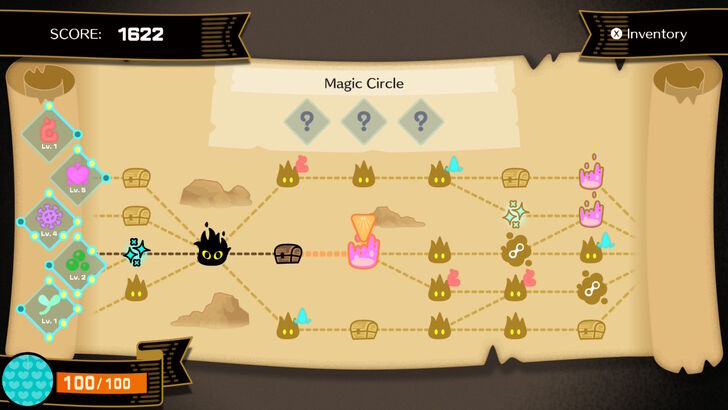
Between battles, you follow branching paths filled with encounters, treasure, upgrades, and other rewards before eventually reaching a boss at the end of the run. Deciding which route to take becomes just as important as actually surviving the rhythm battles themselves, especially when you’re weighing whether an extra piece of equipment is worth another difficult fight.
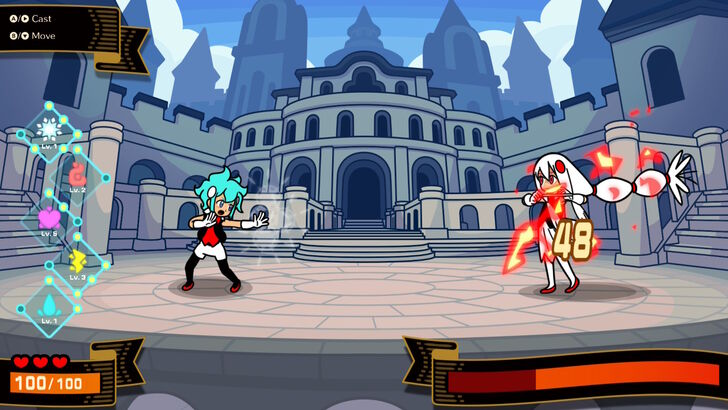
Beatspell can be more difficult than most of what you’ll face in the other minigames. The first few chapters see you going about fights with a visual indicator that helps you keep track of the beat, but once those training wheels come off, you are completely dependent on your sense of rhythm.
There are still tiny visual tells if you’re desperate enough to look for them. Your hero bobs their head; a beeping noise signals you the beat when you’re low on health. Technically, you can use those movements to recover the beat if you lose it, but I found that strategy almost unreliable.
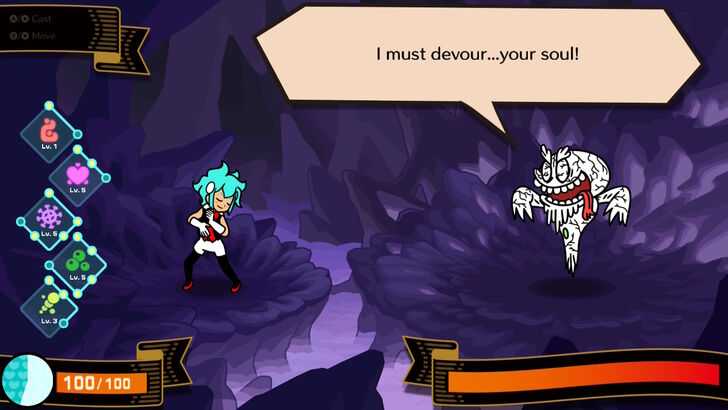
Like with the minigames, you have to listen, especially since visual noise can clutter the screen. The game will take every opportunity to exploit your dependence. One boss, for instance, can just speed up or slow down the tempo halfway through the fight.
There were times when I had to pause the game just to recalibrate my sense of timing before jumping back in. There were also times, though, when I completely lost the rhythm, panicked, mashed both buttons, and hoped my internal metronome would somehow stumble back into sync.
As annoying as those moments can be, I never found them unfair. Every missed beat was ultimately my own fault, and that only made finally overcoming a difficult boss feel more satisfying.
Unfortunately, It Only Raises the Bar by a Hair After a Decade
What disappointed me wasn’t the gameplay itself but rather the realization that I’d reached the end much sooner than I wanted.
For all the new ideas Beatspell introduces, it is still modest in scope. The RPG mechanics are intentionally light, the story barely exists, and while the post-game dungeon extends its lifespan considerably, I couldn’t shake the feeling that Nintendo had stumbled onto something much bigger than they were willing to commit to.
I wasn’t expecting a full-length RPG tucked inside Rhythm Heaven, but Beatspell had enough going for it that I believe it could have supported one. By the time I finished, I didn't feel satisfied so much as I felt teased.
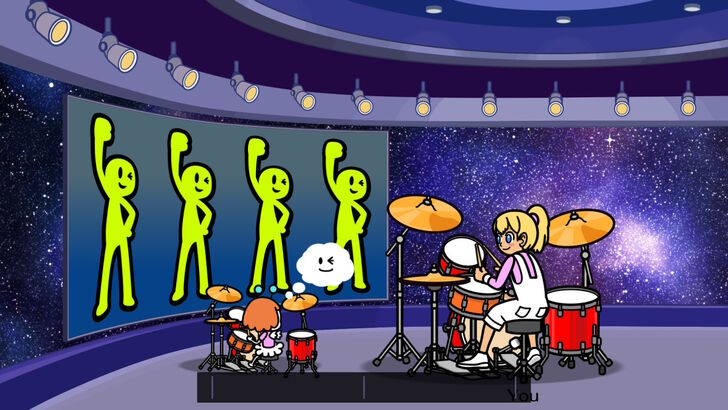
To be fair, Groove absolutely delivers what I came for. Even after a hundred minigames, it's remarkable how pressing the same button over and over somehow never stops feeling fresh. But when the developers finally do introduce something new, they seem hesitant to fully explore it.
I just wish the devs had been willing to follow that idea a little further.
Is Rhythm Heaven Groove Worth It?
Yes, Without Hesitation
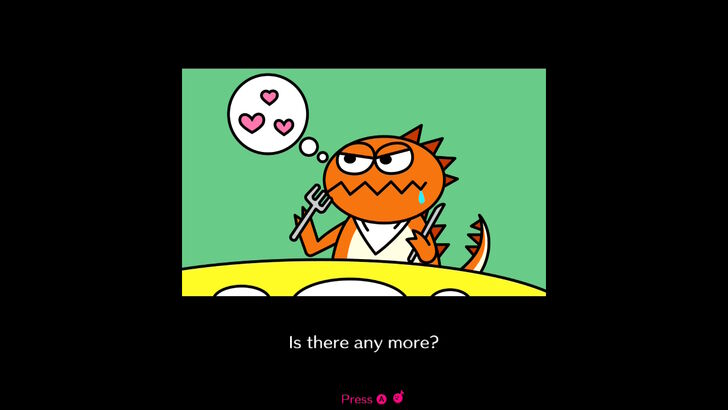
Rhythm Heaven Groove is exactly the kind of game I can see myself returning to long after this review is published, whether it’s to chase a perfect score or simply replay a favorite minigame because a song got stuck in my head again. This is an easy recommendation for even those who enjoy WarioWare’s rapid-fire nonsense.
The game costs $40—a modest price for a modest game in a market where big releases regularly ask almost twice that amount. Between Solo Mode, Beatspell, and only a handful of multiplayer minigames, I had already logged well over a dozen hours before I even realized how much I still hadn’t touched. I haven’t even begun the long and arduous process of perfecting every minigame to unlock the hidden comics.
Would I have liked Nintendo to take a few bigger swings after leaving the series dormant for more than a decade? Absolutely. Beatspell alone convinced me Rhythm Heaven has room to grow beyond its two-decade-old formula, and I hope Nintendo explores that idea further. But I also can't pretend I didn't have a smile on my face for most of my time with Groove. It may not redefine the series, but it’s fun, and that’s more than enough, really.
Rhythm Heaven Groove FAQ
How Many Minigames are in Rhythm Heaven Groove?
Rhythm Heaven Groove features 110 rhythm minigames: 80 single-player and 30 multiplayer.
Game8 Reviews