



| REPLACED | |||
|---|---|---|---|
| Release Date | Gameplay & Story | DLC & Pre-Order | Demo Review |
Overview
What is REPLACED?
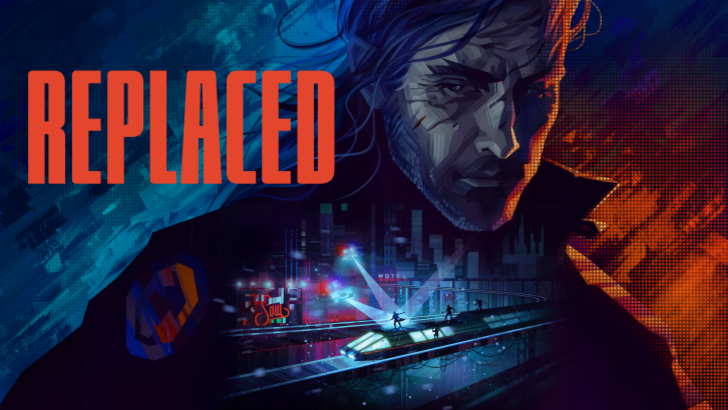
REPLACED is a cinematic 2.5D action platformer set in a dystopian future where an artificial intelligence named Reach is forced into a human body after a catastrophic corporate incident. Players take control of Reach as he navigates Phoenix City and its surrounding wastelands, uncovering the truth behind the corporation that created him while struggling to understand his own emerging humanity.
REPLACED features:
⚫︎ 2.5D Action Platformer
⚫︎ Chapter Based Structure
⚫︎ Melee-based Charge Action for Gun Mechanics
⚫︎ Settlement Hub and Side Quests
⚫︎ Large Scale Enemy Encounters
For more gameplay details, read everything we know about REPLACED's gameplay and story.
| Digital Storefronts | |||||||
|---|---|---|---|---|---|---|---|
 Steam Steam |
 Epic Epic |
 GOG GOG |
 Xbox Xbox |
||||
| $19.99 | |||||||
REPLACED Review: Cinema In Motion
Truly Cinematic From the Start
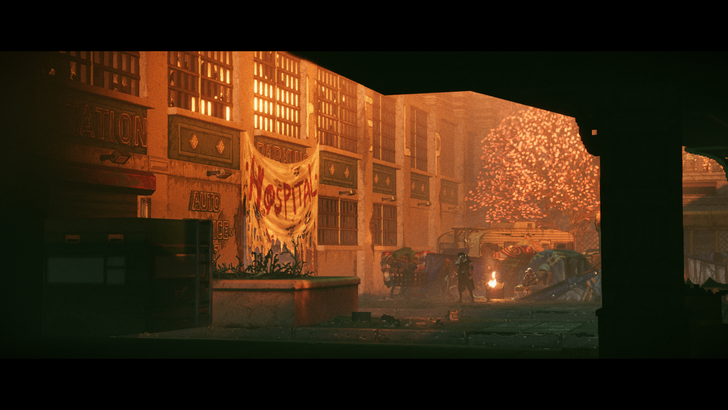
When I reviewed the REPLACED demo last February, I said it felt cinematic in every frame and that wasn’t me being generous. That was me trying to make sense of a 2.5D action platformer that didn’t just look good, but directed itself like a film.
That’s not something I usually fixate on in this genre. Most 2.5D platformers or metroidvanias lean heavily on gameplay systems, where visuals—while important—rarely demand critique beyond "it looks nice" or "it gets the job done." But REPLACED isn’t like any other 2.5D platformers. Every scene, every transition, every bit of movement is framed with intent.
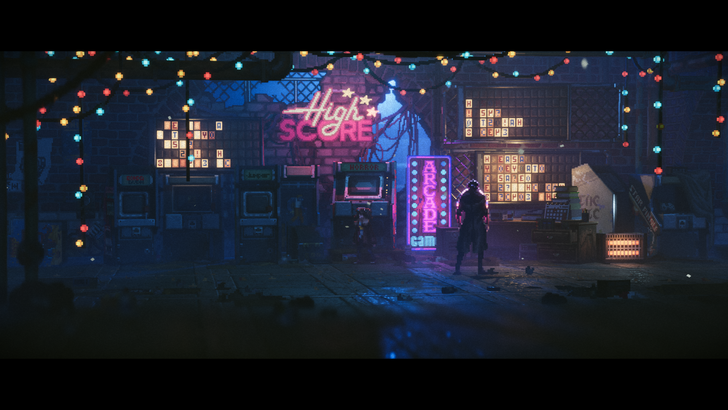
Now that the full game is here after that long wait (and after the demo already set expectations dangerously high), I can say this: that cinematic identity wasn’t a one-off impression. It holds throughout the full game.
That said, while the game evolves its gameplay within its own systems, it doesn’t necessarily push the genre forward in a major way. And that’s important to understand because REPLACED isn’t trying to reinvent how these games are played. Instead, it’s trying to redefine how they feel.
From Machine to Man
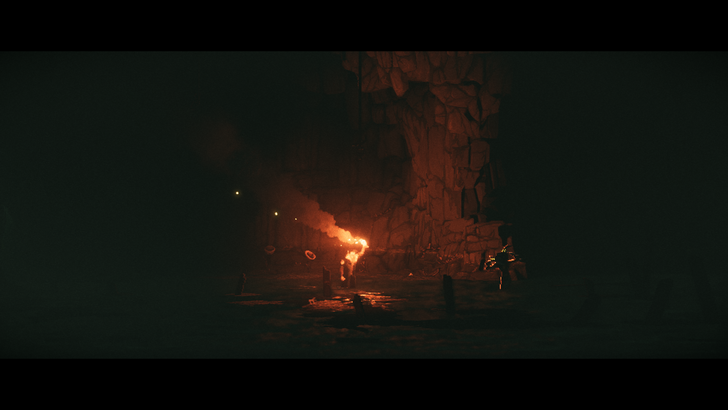
Right off the bat, REPLACED opens with something the demo never showed: The Prologue. Instead of throwing me straight into the thick of things, the game takes a step back and lets me see where everything actually begins, grounding the experience in a way the demo didn’t.
Here, I’m introduced to R.E.A.C.H (which I will be calling as Reach from here on out), an artificial intelligence created by Warren, a scientist working under the Phoenix Corporation. Its purpose is clinical and almost noble: scanning human compatibility, specifically for organ transplants. It’s the kind of tech that should exist to save lives.
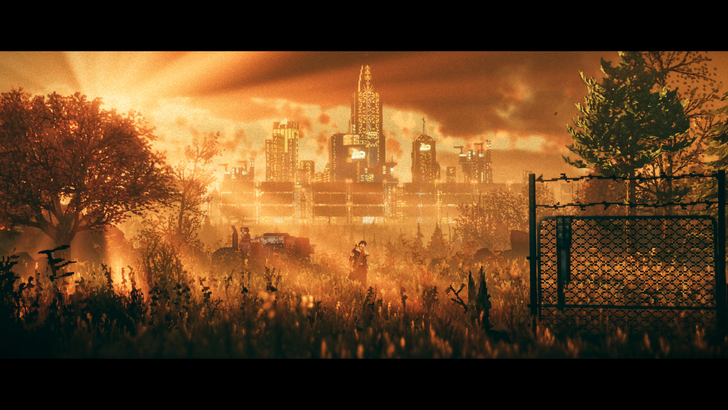
Then we see Warren stressed as he works something out and Reach, in its own way, starts to recognize that something isn’t right. And then things go sideways and a disruption hits the corporation’s mainframe, and in an abrupt moment, Reach is forced out of the system and into Warren’s body. For all intents and purposes, Warren is… replaced.
As Reach tries to make sense of what’s happening and maybe even return to a machine where it belongs, we’re quickly hunted down by the authorities. What follows is a frantic escape that pushes us beyond the safety of Phoenix City and into the outskirts, where society has essentially thrown away what it no longer needs. Out here, I’m introduced to the "disposals" (people deemed expendable) and the Termites, a faction that thrives in the cracks of this broken system. They’re opportunistic, sure, but they’re also just trying to survive in a world that’s already written them off.
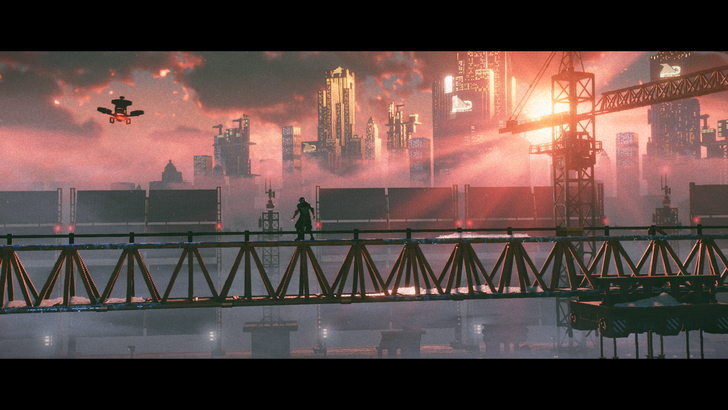
This is a sci-fi story about identity, control, and survival. I’m not just controlling a character; I’m controlling something that shouldn’t be human, now forced to navigate a human body, human instincts, and human emotions. I’m dropped right into the middle of it, figuring things out at the same time Reach is.
Rhythmic Loop of Exploration and Combat
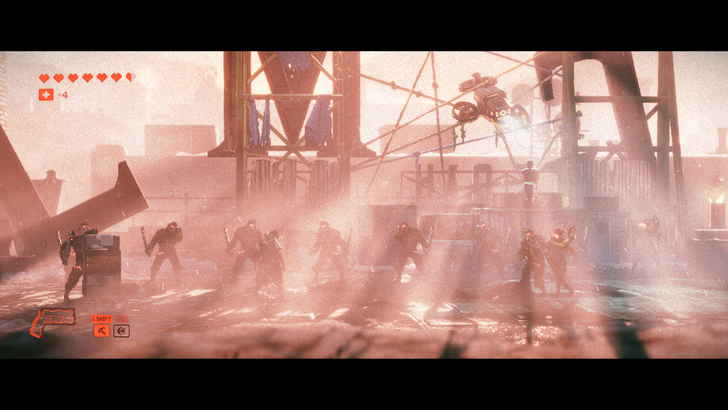
The gameplay loop in REPLACED is pretty straightforward, and it doesn’t take long before I fall into its rhythm. Most of the time, I’m moving through environments that blend traversal with light environmental puzzles—nothing too complex, but just enough to keep me engaged as I figure out where to go next or how to move forward. Then, almost like clockwork, that exploration gives way to extended combat sequences. And once those fights wrap up, it’s back to traversal… then fights again… and again.
At its core, I’m almost always pushing forward by fighting my way through whatever stands in front of me. It makes the game very easy to settle into. I always know what’s going to happen next and that predictability helps me get comfortable with the controls, the pacing, and how encounters are structured. But that same structure can also start to show its limits.
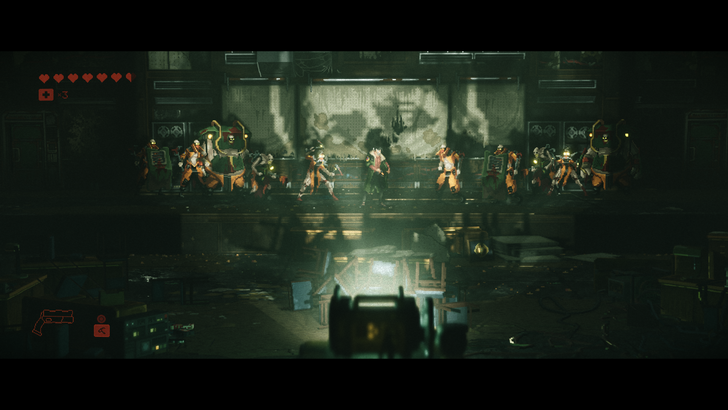
Because the loop is so rigid, I started to feel the repetition more clearly the longer I played. Depending on your tolerance, that can either feel like a well-paced rhythm or a formula that doesn’t quite evolve enough to keep things fresh.
So while REPLACED keeps me consistently engaged moment to moment, it also makes me very aware of its design. It’s a loop that works but it’s also one that you’ll be living in for most of the game, for better and for worse.
Between Missions and Meaning
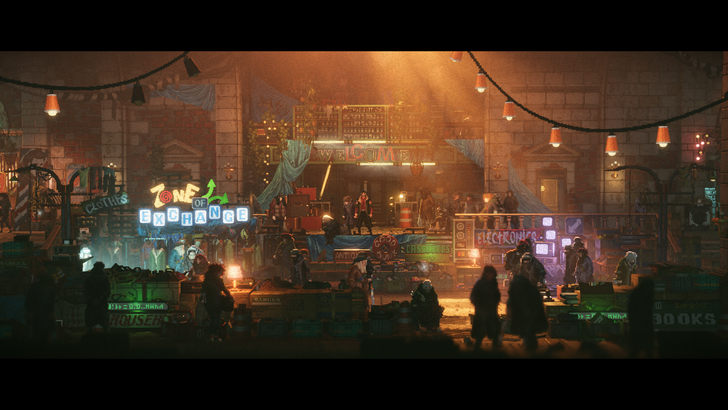
If the moment-to-moment structure of REPLACED is all about that cycle of traversal and combat, then the game’s chapter-based progression is where it finally lets me breathe. The story unfolds in alternating locations. One chapter has me infiltrating hostile areas, and then the next pulls me back to the settlement outside Phoenix City’s walls. That shift is more important than it sounds because it’s not just a change of scenery, but also a reset in pacing. After pushing forward and fighting for survival, I’m suddenly in a space where I can slow down, talk to people, and actually exist in the world without something immediately trying to kill me.
In the settlement, I’m given the chance to help others—people and even animals—through smaller, self-contained problems that are essentially side quests. They’re rewarding in a very clear way. Completing them grants tangible upgrades like increased health or more capacity for med stims, which directly feeds back into survivability during those longer combat stretches. So on a gameplay level, there’s real incentive to engage with them.
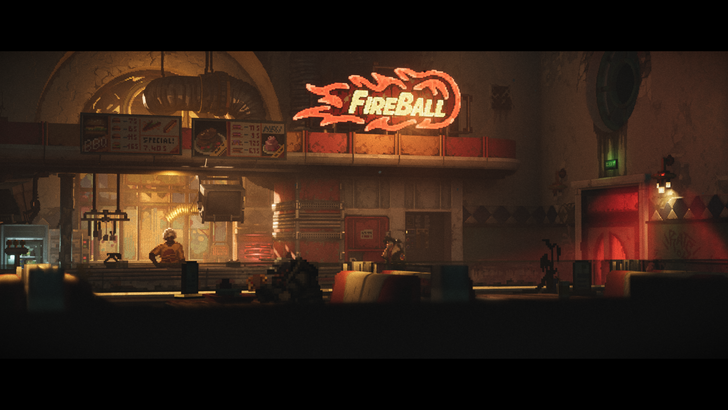
But honestly, that’s not what stuck with me. What really landed it for me is how these moments build an emotional aspect for Reach. Because while the rewards matter, the story behind each character you help matters more. One quest, for example, has me befriending a young girl just to get her binoculars. It’s simple and transactional. But later on, the game will reveal that those binoculars carry far more weight than I initially thought.
And the game doesn’t punish me or reward me differently for that realization in a mechanical sense. There’s no branching outcome, no "you chose wrong" moment. But it lingers in your mind. It reframes what I did, and more importantly, how I feel about it.
Watching Reach Learn How to Feel
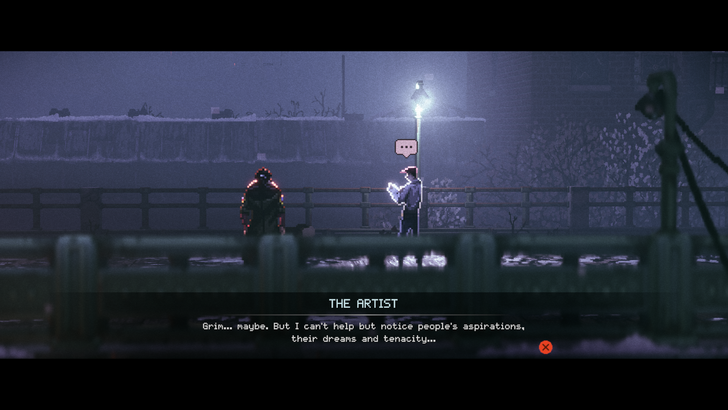
Speaking of emotional impact, the story ended up hitting me a lot harder than I expected. Going in, especially coming off the demo, I wasn’t completely sold on where it was heading. The premise was interesting, sure, but it didn’t immediately strike me as something that would carry a strong emotional core. But finally playing through REPLACED changed my mind entirely.
What really pulled me in is how naturally Reach evolves over time. At the start, he’s exactly what you’d expect: cold, monotone, and singular in purpose. He doesn’t question much, he just wants to return Warren’s body to the Phoenix laboratory, like that’s the only logical endpoint.
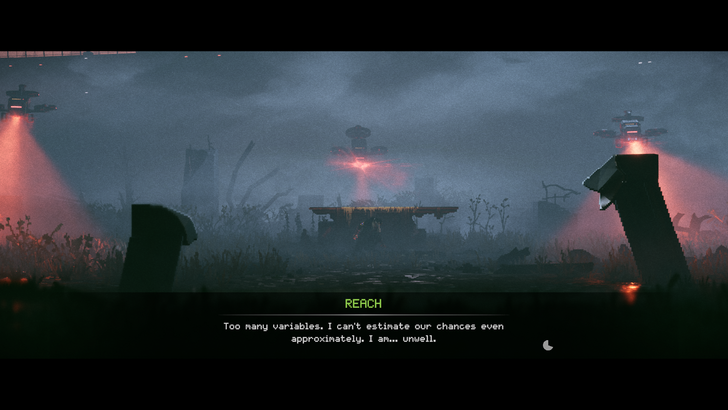
But as Reach uncovers the truth behind the very corporation that created him, he’s forced into situations that don’t have clean, logical answers. He sees firsthand how Phoenix Corporation has shaped—and in many cases, damaged—the lives of the people around him. Playing as Reach, you don’t just see that character development happen, youI feel it alongside him.
It turns what could’ve been a straightforward sci-fi narrative into something more personal, because at its core, it’s not just about uncovering the truth, it’s about what that truth does to you once you understand it.
Your Gun Grows With You
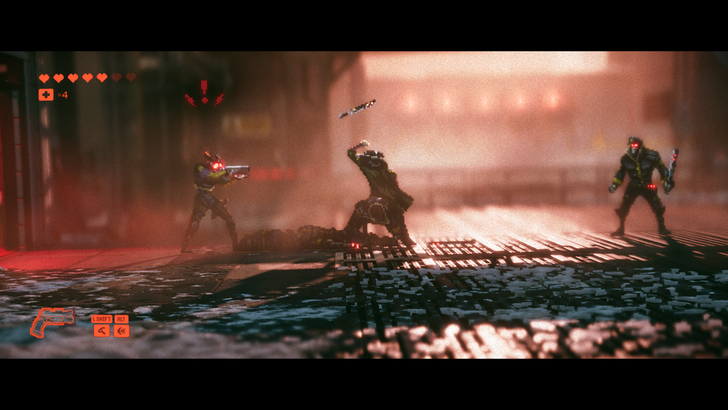
Another thing that stood out to me compared to the demo is how REPLACED handles its combat progression, specifically with the gun. In the demo, I was given access to it almost right away, which made it feel like a core part of the experience from the start. But in the full game, that’s not the case at all. Here, players have to earn it.
At the beginning, I was only limited to a baton. It forces me into close encounters, where I have to commit to every hit and really understand enemy patterns. Then, as I move forward, that same weapon gets repaired and evolves into a firearm. But even then, it’s not immediately overpowered. I can’t just shoot freely, I have to charge it by landing hits first, which keeps that close-range engagement relevant even after I gain ranged options.
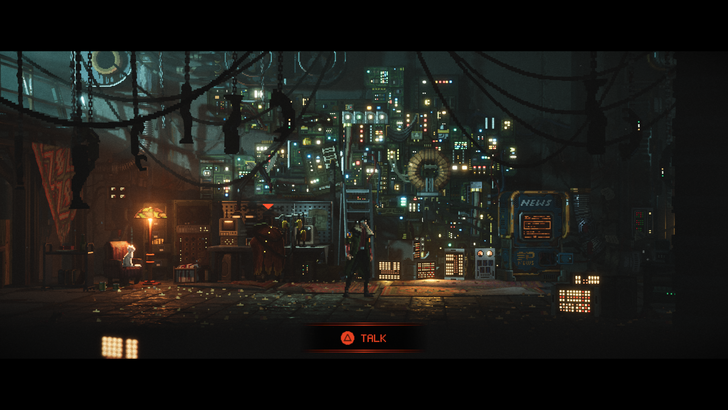
And REPLACED just keeps building from there. Upgrading the batteries unlocks Overdrive, which essentially lets me fire freely for a short burst. Then more features start layering in as I progress, gradually expanding what I can do in combat without ever overwhelming me all at once.
What I like about this is how it reinforces a real sense of progression. I’m not just getting stronger because numbers go up but by gaining new ways to engage with fights. It makes each upgrade feel earned, and more importantly, it keeps earlier mechanics relevant instead of replacing them outright.
Combat Sequence is Bloated
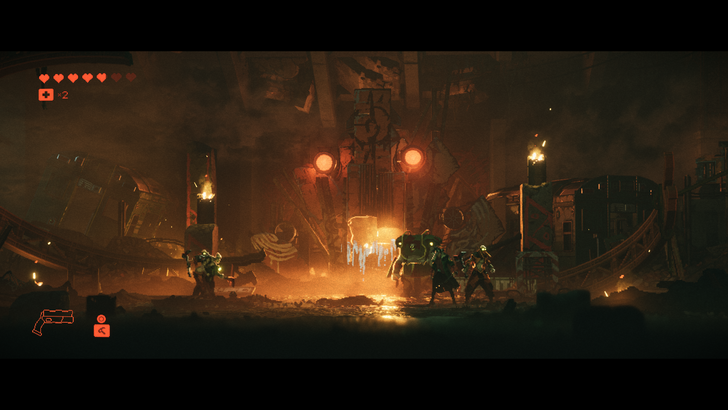
As I progressed, REPLACED does introduce more enemy types and that of course is a natural extension of its combat evolution. New enemies meant new patterns to read, new priorities in fights, and a reason to keep adapting the tools I’d been gradually unlocking.
But the difficulty doesn’t really scale in a meaningful way. Enemies don’t necessarily become smarter or more mechanically demanding, instead, the game leans heavily on sheer numbers. Rather than carefully engaging with distinct threats, I often found myself just managing crowds.
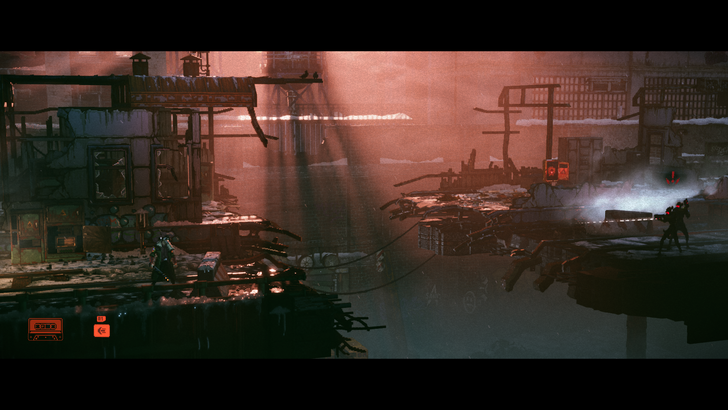
There were multiple instances where I’d clear out a full encounter, move a short distance forward, and immediately get thrown into another horde. Then another. And another. At some point, it stops feeling like escalation and starts feeling like padding. I understand what the game is trying to do—this is clearly where it wants to highlight the depth of its combat system and the different tools I’ve gained—but the repetition undercuts that intention.
There’s only so many times I can go through back-to-back waves before it starts to feel less engaging and more exhausting. It’s not that the combat itself is bad, it’s actually quite satisfying in bursts, but the way it’s paced here doesn’t always respect that. Instead of building variety, these sequences can blur together, turning what should be standout moments into something I just push through to get to the next part of the game.
Stylish Fights Carry the Repetition
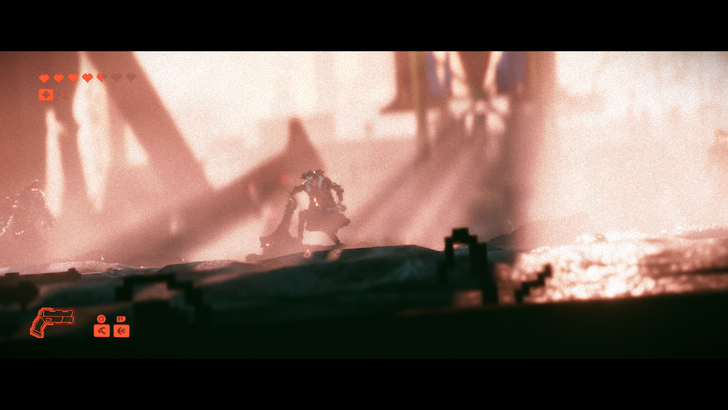
Thankfully, even when the game leans a bit too hard on those back-to-back encounters, the combat itself is strong enough to carry me through. There’s a weight and responsiveness to every hit that makes even repeated fights feel good on a mechanical level. And as I unlock more features for the gun, combat starts to open up in ways that keep me engaged. I’m not just mashing through enemies, I’m mixing melee to build charge, timing my shots, and deciding when to trigger Overdrive for maximum impact. It adds a layer of decision-making that keeps fights from feeling completely mindless, even when the structure around them gets repetitive.
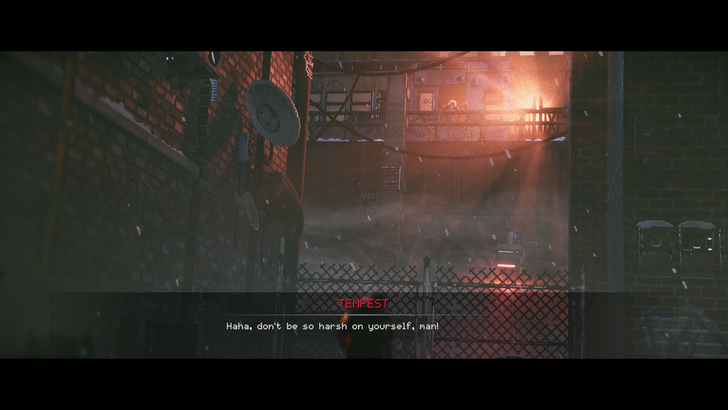
And I really can’t talk about combat without bringing this up again—the cinematic presentation. Every fight feels choreographed. The animations, the transitions, even the way enemies react all feed into this sense that I’m not just fighting but also performing these encounters. It’s fluid, it’s stylish, and it constantly reinforces the game’s identity. Even smaller skirmishes have this visual punch that makes them feel more important than they mechanically are.
Is REPLACED Worth It?
Beautiful, Brutal, and Surprisingly Human Journey Worth the Wait
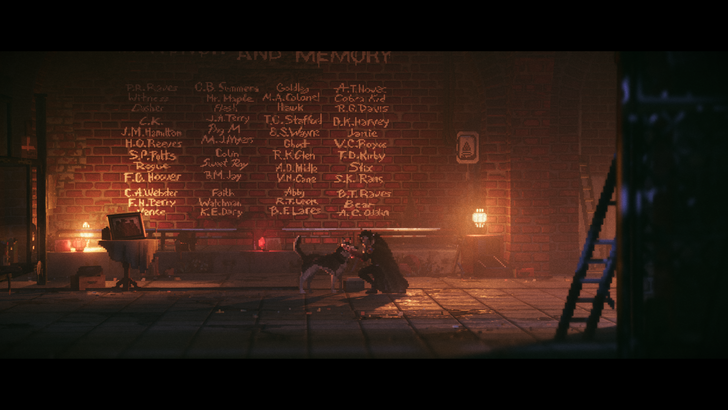
It’s been a long road getting here, with delays along the way, but REPLACED ultimately feels like a game that understands what it wanted to be and delivers on it. What stuck with me the most is just how committed it is to its cinematic identity. This isn’t just a good-looking game, it’s one that constantly frames its world, its characters, and even its combat in a way that feels intentional and striking.
The combat, while occasionally overbearing in how often it’s thrown at you, is undeniably satisfying at its core. When it’s given room to breathe, it shines, especially as your toolkit expands and you’re given more ways to approach encounters.
And then there’s the story. For a game that puts you in control of an artificial intelligence, REPLACED ends up feeling incredibly human. Watching Reach go through his character development is what gives the entire experience its weight.
It may not reinvent the genre mechanically, but that’s not really the point. REPLACED stands out because of how it makes you feel while playing it, and by the end of it, that’s what stayed with me the most.
REPLACED FAQ
What is REPLACED’s Minimum System Requirement?
According to the game’s Steam page, the minimum system requirement is as listed below:
| System | Minimum |
|---|---|
| OS | Windows 10 64-bit |
| Processor | Intel® Core i5-8400 Processor |
| Memory | 16 GB RAM |
| Graphics | GeForce GTX 1060 (6GB) |
| Storage | 8 GB available space |
Game8 Reviews

You may also like...
 |
REPLACED Review [Demo] Action, Platformer, Indie |
 |
REANIMAL Review Horror, Adventure, Co-op |
 |
Eriksholm: The Stolen Dream Review Narrative, Stealth, Adventure, Strategy |
 |
Super Alloy Crush Review [Early Access] 2D Action Brawler |
 |
REPLACED |