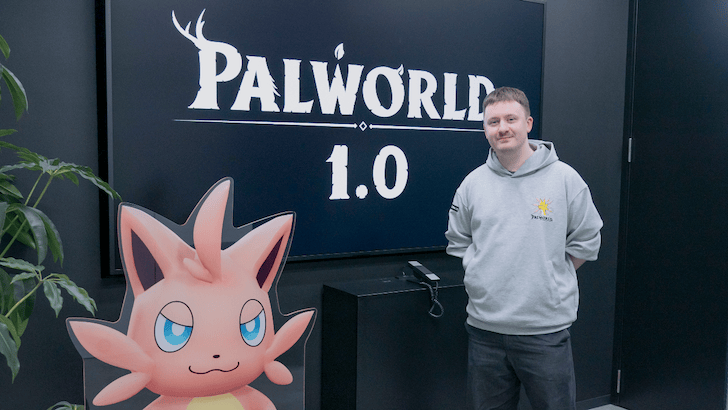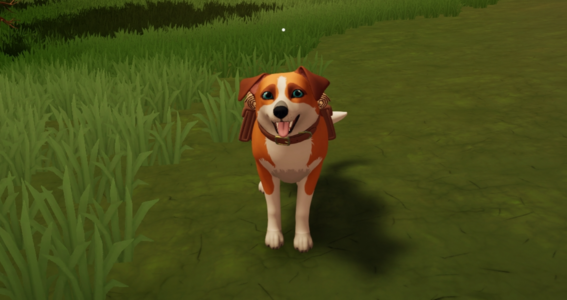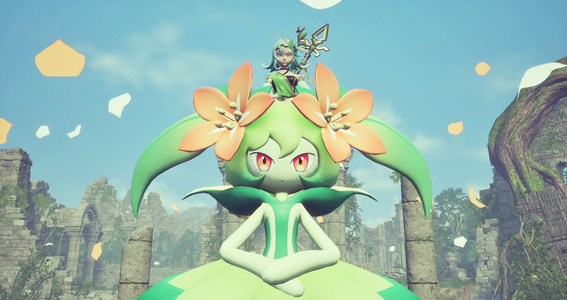




Palworld blends creature collecting, survival crafting, and open-world exploration into an approachable sandbox where every system has a purpose. Read our review to see what it did well, what it doesn't, and our overall impressions of the game.

Overview
What is Palworld?
Palworld is an open-world survival crafting game developed and published by Pocketpair. Set across the mysterious Palpagos Islands, players explore diverse biomes, battle powerful Tower Bosses, and uncover the world's secrets while collecting over 180 Pals, each with unique combat abilities, Work Suitabilities, and Traits. Alongside creature collecting, the game features base building, crafting, technology progression, automation, and online co-op, offering multiple ways to tackle its survival sandbox.
Palworld features:
⚫︎ Over 180 Pals with Unique Work Suitabilities and Traits
⚫︎ Deep Base Building and Automation Systems
⚫︎ Expansive Handcrafted Open World
⚫︎ Intuitive Survival Crafting and Tech Tree Progression
⚫︎ Distinct Biomes with Dungeons, Bosses, and Dynamic World Events
⚫︎ Flexible World Settings
⚫︎ Online Co-op Multiplayer
| Digital Storefronts | ||
|---|---|---|
 Steam Steam |
 PlayStation PlayStation |
 Xbox Xbox |
| $29.99 | ||
Palworld Review: A Dense Survival Sandbox That Makes Every System Count
A Familiar Formula, A Different Adventure
Few games have had a first impression quite like Palworld. Long before most players ever set foot on the Palpagos Islands, it had already become one of gaming's biggest talking points. The premise was easy to understand. Whether there was enough substance behind it was a different question entirely.
Survival games live and die by the strength of their gameplay loop. Whether it's the deliberate progression of Valheim, the sprawling factory networks of Satisfactory, or the countless sandbox adventures that reward players for wandering off the beaten path, the genre thrives when every system naturally feeds into the next. Build, explore, gather, upgrade, repeat. The formula isn't new, but it only works when every part gives players a reason to keep chasing the next goal.
Beyond the comparisons, Palworld is a game juggling an ambitious number of interconnected systems. Base building, monster collecting, crafting, exploration, automation, breeding, and survival mechanics all compete for attention from the moment players wash ashore on Palpagos. On paper, it sounds like a game trying to do too much. In practice, it rarely feels that way because each system gives players another reason to engage with the next.
A Simple Story That Lets the World Do the Talking
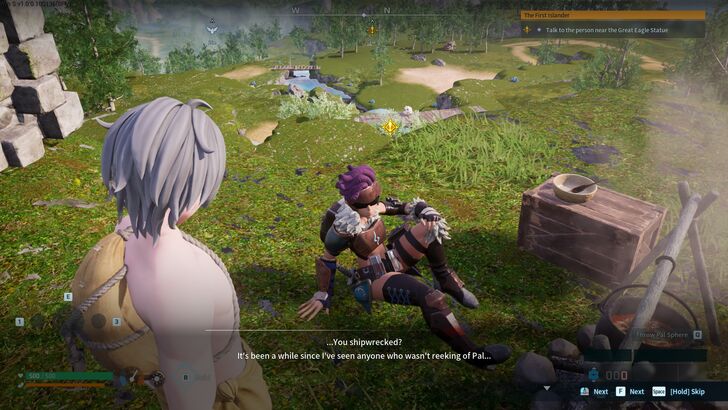
Palworld doesn't waste much time getting players into the action. You wash up on the shores of Palpagos, meet a lone researcher who tells you everyone else was killed by Pals (hell of a way to start an adventure), then get pointed toward the nearest settlement. From there, the story settles into a recurring rhythm. Meet an NPC, head out to deal with whatever problem that area's facing, report back, tackle another objective, report back again, then cap things off with the region's Tower Boss.
It works well enough at first. After a few regions, though, the structure starts showing its hand. Chasing down the eight Key Spheres to eventually reach the World Tree gives players a clear goal to work toward, but the journey itself settles into a familiar routine. Meet a new group, learn about the region's conflict, resolve the problem, challenge its Tower Boss, then move on to the next destination. The formula rarely changes, and by the later regions, I often found myself predicting the next step long before the game got there.
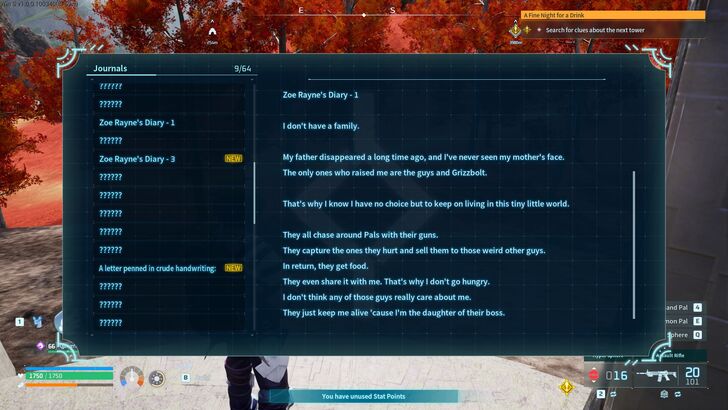
That predictability doesn't mean the individual stories are uninteresting. The Tower Boss journals, in particular, add surprisingly human motivations to the people you're sent to defeat. Zoe's entries paint the picture of someone trying to live up to expectations she never asked for, while the Castaway's Journals gradually piece together what happened on the islands. They're worthwhile additions that give Palpagos' inhabitants more personality, even if they don't fundamentally change the structure carrying the main story forward.
Those journals also highlight one of the story's biggest missed opportunities. By the time I reached each Tower Boss, I understood who they were and what had brought them there. Once the battle began, however, the spotlight shifted almost entirely to their Pals. The encounters themselves rarely built on the personalities established beforehand, making the creatures more memorable than the people commanding them.
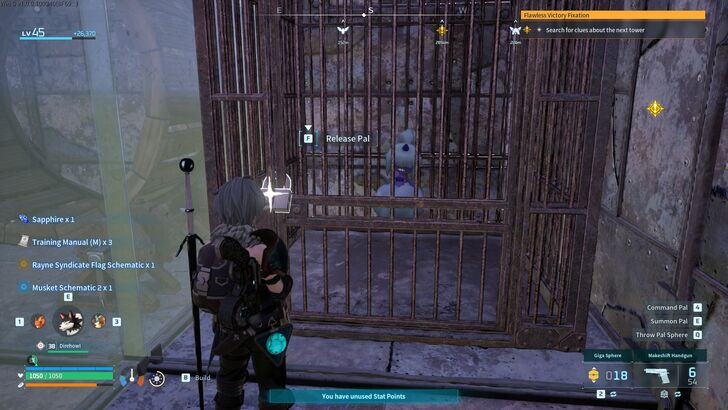
Outside of the main story, the side quests also help flesh out everyday life on Palpagos. None of them are especially groundbreaking, but nearly all of them revolve around Pals in one way or another. One NPC needs medicine for a sick companion. Another asks for help rescuing a stolen Pal from a cliffside camp. They're simple requests, yet they reinforce how deeply intertwined people and Pals are in everyday life.
That relationship also makes Palworld's worldbuilding more interesting than its colorful visuals first suggest. Beneath all the fluffy Lamballs and adorable Teafants is a world where researchers are killed by wild Pals, traffickers sell captured creatures for profit, and predators won't think twice about turning another Pal, or an unfortunate human, into their next meal. It's not grimdark by any means, but it also doesn't shy away from reminding players that surviving on Palpagos comes with real dangers.
The world is filled with countless stories worth uncovering, from journals to the everyday lives of the people and Pals inhabiting the islands. The main story, however, never capitalizes on that same richness, settling into a predictable formula that feels less compelling than the world built around it.
Survival That Rewards Thinking Ahead
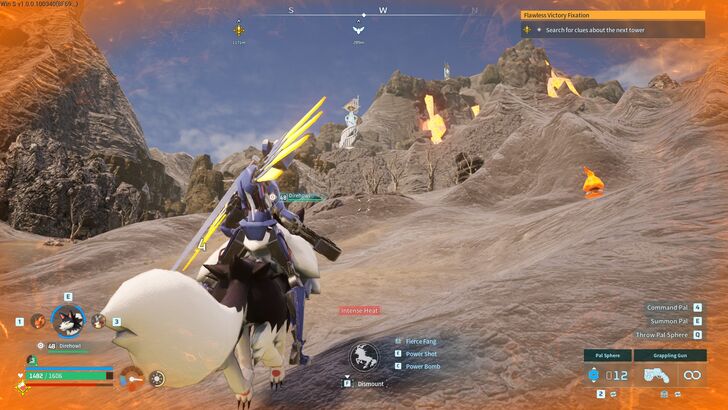
Palworld throws quite a few systems at players from the get-go. Hunger, temperature, equipment durability, crafting, base management, and a steadily expanding Tech Tree all compete for attention within the first few hours. It sounds like a lot, but the game does a surprisingly good job of introducing each piece one step at a time, giving players enough room to learn before another mechanic enters the mix.
On paper, survival is fairly straightforward. Keep yourself fed, repair your gear, and make sure you're dressed for wherever you're headed. Spend too much time in extreme temperatures, and your health starts dropping. Let your hunger bar empty, and you’ll slowly lose HP while also taking a hit to your attack and defense. It’s nothing genre veterans haven’t seen before, but it forms a solid foundation for everything else Palworld builds on.
What I liked most is how those mechanics don't stay confined to survival. Better food restores more hunger, but it can also slow hunger depletion or temporarily boost attack and defense. Temperature isn't tied solely to the biome either. Equipment plays a part, but so do the Pals accompanying you. I learned that the hard way after summoning a Chillet while exploring the snowy mountains. It immediately pushed me into Intense Cold simply by standing beside me. The moment I recalled it, everything went back to normal.
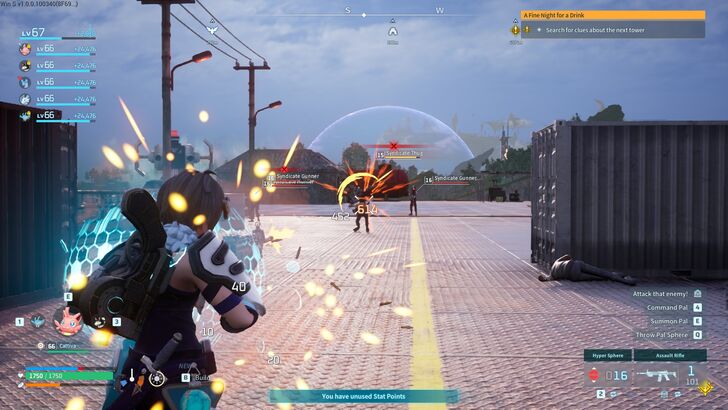
Mechanically, combat is probably the simplest part of Palworld. Swing a weapon, fire a gun, dodge when something much larger than you decides violence is the answer. It remains enjoyable throughout the adventure, but as the game opens up, its limitations become easier to notice.
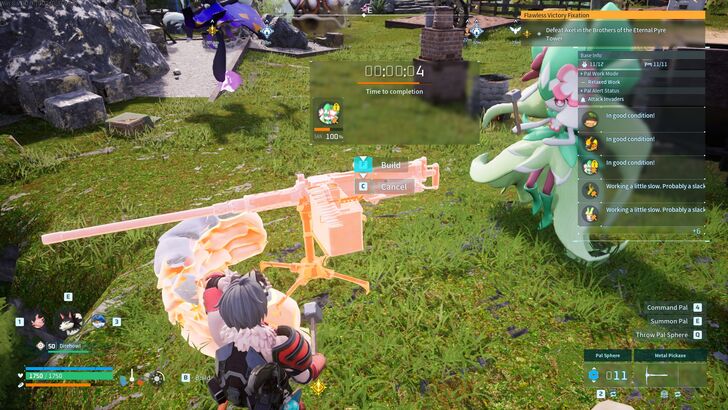
Melee remains a viable option from start to finish, but stronger Pals gradually tip the risk-reward balance toward firearms. As enemy attacks become larger and more punishing, staying up close means committing to lengthy attack animations with little to fall back on beyond a rechargeable shield and a stamina-consuming dodge. Firearms, by comparison, let players stay mobile, keep their distance, and deal consistent damage without sacrificing much offensive pressure, making them the safer and often more practical choice.
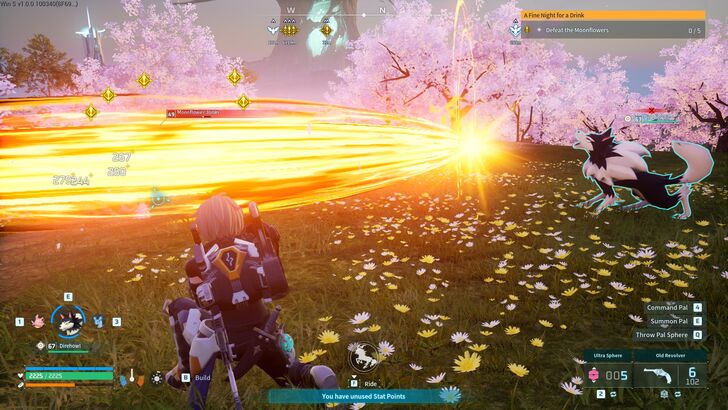
The interesting decisions begin long before the fighting does. Elemental strengths and weaknesses can completely change how an encounter plays out, but building the perfect team isn't always practical. Most of my adventures included Direhowl for fast travel, Cattiva for the extra carrying capacity, and Celaray because I grew very attached to not taking fall damage. That left only a couple of flexible party slots whenever a boss or Rampaging Pal decided to remind me that convenience wasn't always the best combat strategy.
Choosing which Pals to bring is rarely just a combat decision. Utility-focused companions made exploration dramatically more comfortable, whether it was carrying more ore, covering ground faster, or improving resource gathering. The downside was giving up room for a more combat-specialized lineup. Palworld never forces players into one approach, and there are plenty of ways to work around those compromises, but it does encourage players to think beyond the next fight. A team built for exploring the world isn't always the same team you'd want for a difficult boss, and deciding where to compromise became part of the adventure itself. More often than not, I chose convenience and dealt with the consequences the only way I could: rolling and firepower.
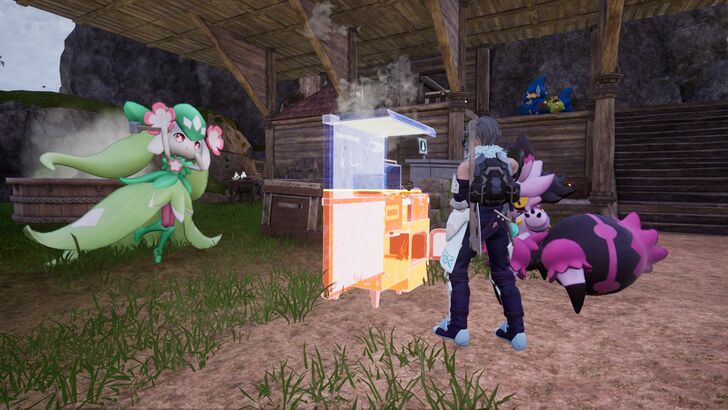
That balancing act extends well beyond party composition. Ammunition, repairs, armor upgrades, new facilities, and even stronger Pal Spheres all compete for the same pool of resources. More than once, I found myself thinking, "I need this upgrade," only to realize I first needed another facility, another batch of Ingots, or another trip into the wild. It's a gameplay loop that naturally slows players down, but one that consistently replaces finished goals with new ones, making it remarkably easy to head back out into Palpagos with another objective already in mind.
Of course, none of that would work nearly as well without the Pals themselves. They're much more than companions in combat, and before long, they become the driving force behind almost everything players do.
More Than Just Monsters to Collect

Pals are the reason Palworld works.
At first glance, it's easy to think they're simply this game's version of collectible monsters. They have elemental types, active skills, and stronger variants to hunt down across the world. Catching them is familiar enough, too. Weaken a Pal, dodge whatever it decides to throw back at you, then hope your Pal Sphere holds. Better spheres naturally improve the odds, while Sphere Modules let players tweak how they behave, whether that's throwing them farther or squeezing out a little more capture strength.
That's only scratching the surface.
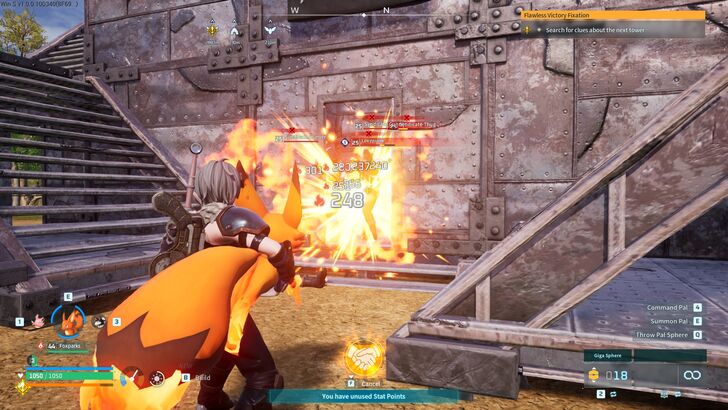
Every Pal comes with its own Work Suitabilities that determine what it can do around the base. A Lamball will always be a Lamball, just as a Chillet will always have the same jobs it can perform. The real variation comes from their passive Traits. Some make a Pal a better worker or a stronger fighter, while others make them get hungry faster, lose Sanity more easily, or simply perform worse across the board. It turns every successful capture into a bit of a gamble, since the next Pal could either become a permanent member of the team or head straight back into storage.
What surprised me most was just how much of the game revolves around them. Needed a stronger furnace? I found myself looking for better Kindling Pals. Wanted to automate another production line? Time to recruit a few more workers. Even breeding becomes its own rabbit hole once stronger Traits start entering the equation. No matter what goal I set for myself, it almost always led back to finding another Pal.
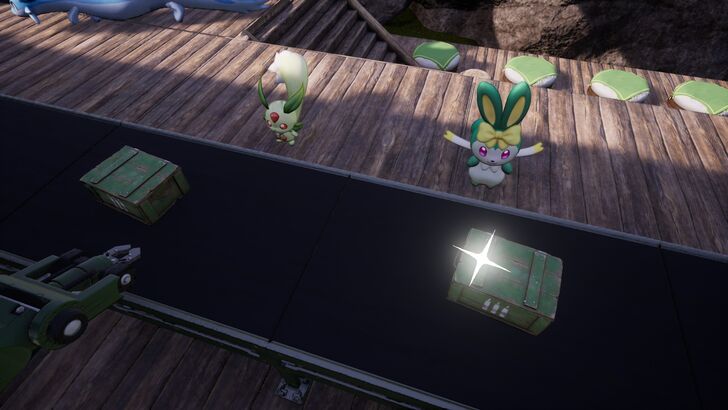
Watching Pals carry materials between stations, help finish whatever I happened to be crafting, or happily wander back to work after a quick nap made the settlement feel alive in a way I wasn't expecting. Sure, replacing Foxparks with a stronger Kindling Pal made perfect sense on paper. Did I want to? Not really. Sure, I didn't need a Petallia wandering around my base either, but I certainly wasn't about to complain whenever I saw one stroll past.
That attachment doesn't disappear, but Palworld's progression does start testing it. As the base grows and production demands become more specialized, stronger Work Suitabilities and better Traits naturally become harder to ignore. Replacing an old favorite with a Pal that's simply better suited for the job isn't something the game forces players to do, but it's a tradeoff that becomes increasingly tempting the further progression goes.

Not every new Pal comes from throwing another Sphere, either. Eggs hidden throughout Palpagos reward curious players with another way to expand their collection, while fishing occasionally reels in surprises of its own. I always found myself wondering what would hatch after carrying an egg back to the incubator, or what I'd pull up from the water next. Sometimes it was something I'd already seen. Other times, it was a pleasant surprise that made wandering off the beaten path feel worthwhile all over again.
Even Pal Breeding follows that same philosophy. Two Pals, one Breeding Farm, an unreasonable amount of cake, and a little patience eventually produce an offspring capable of inheriting Traits from its parents. That's the simple explanation, anyway.
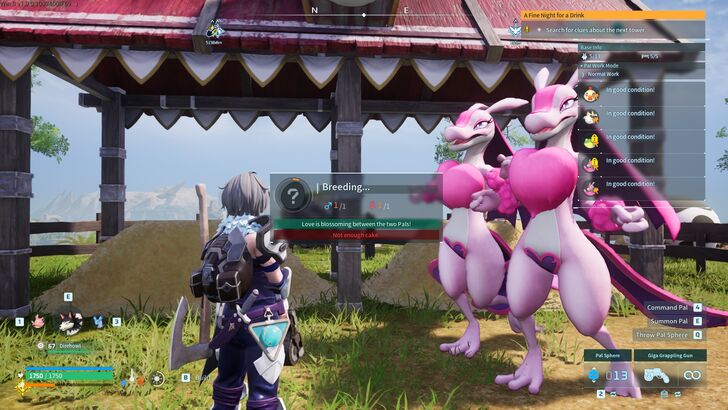
The rabbit hole goes much deeper than I can really do justice in a single section. Before long, breeding stops being about seeing what will hatch next and starts becoming an exercise in building the Pal you actually want. Maybe that's a better worker to keep the base running efficiently. Maybe it's a combat specialist bred to take on a stronger Tower Boss.
Either way, the system constantly encourages experimentation, rewarding players who enjoy tinkering with different pairings and inherited Traits until they land on exactly what they're after. Much like the rest of Palworld, it's another long-term investment that becomes more rewarding the deeper players are willing to dive.
Every Detour Feels Worth Taking
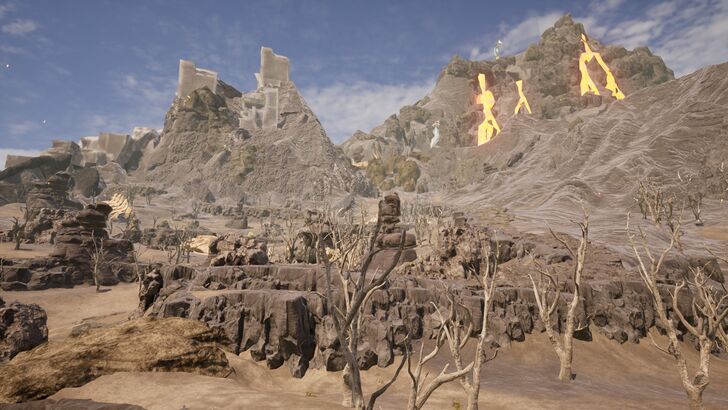
Palworld rarely rewarded my curiosity with just another chest. More often than not, it rewarded me with another question.
That curiosity also changed the more time I spent exploring Palpagos. As the world became more familiar, some of the excitement of simply wandering into the unknown naturally gave way to looking more closely at what I'd previously overlooked. That same handcrafted design, however, also lets Palworld tell stories through its environment in ways that kept those return trips worthwhile.
Every biome feels like it has its own history. The volcanic region hides enormous skeletons beneath what looks like ancient layers of rock, hinting that something far larger once roamed these lands. Elsewhere, weathered cathedrals, crumbling fortifications, towering Pal statues, and the remnants of a civilization far more advanced than the settlements still standing today are scattered across Palpagos. More than once, I found myself stopping just to stare at one of these landmarks and wonder what happened here. Palworld never seemed in a rush to answer those questions either, and I think the mystery is better for it.
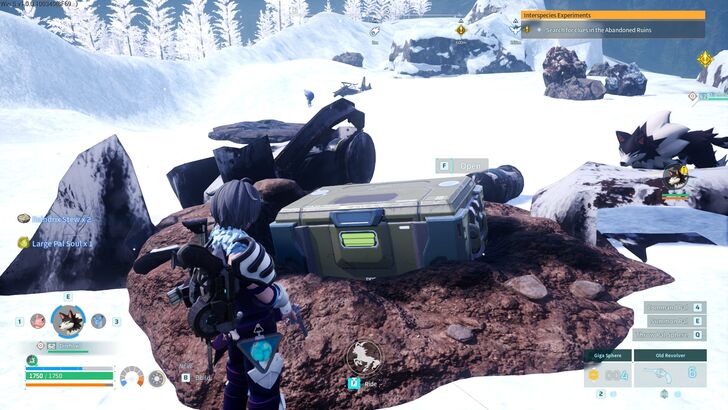
That same curiosity constantly pays off in smaller ways. I rarely walked in a straight line for very long before something pulled me off course. Maybe it was another dungeon tucked away behind a cliff. Maybe it was an Alpha Pal I absolutely wasn't ready to fight. Maybe it was a Bounty target begging to be taken down. Or maybe it was a giant red alert informing me that a meteor or supply drop had landed nearby. Those notifications did an alarmingly good job of pulling me away from whatever I was doing, and more often than not, I gave in. Thankfully, those detours usually proved worthwhile, whether it was valuable loot, rare materials, or another unexpected encounter. Whatever it was, I rarely came away feeling I'd wasted my time.
Dungeons were probably the biggest culprit. I'd head inside expecting a quick detour, only to spend far longer than intended getting lost, gathering resources I didn't even know I needed, or walking away with a blueprint that completely changed the next several hours of my playthrough. More often than not, what was supposed to be a quick stop somehow became the highlight of the session.
Getting around the world only made those detours easier to justify. Mounts naturally make long journeys less of a chore, but the Grappling Hook quickly became my best friend. It pulled me up cliffs, became my personal elevator for my structurally questionable four-story house, and generally encouraged the kind of exploration that had me constantly asking, What's over there?
It isn't perfect, occasionally refusing to cooperate midair or snagging on awkward geometry, but I'd be lying if I said I ever wanted to leave it behind. Every detour answered one question, and I usually came out of it with two more.
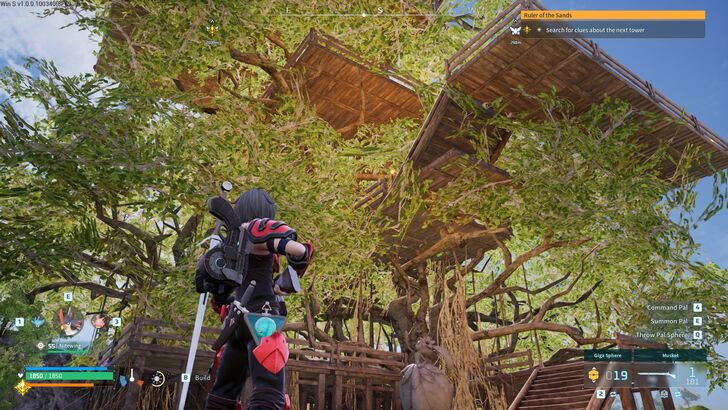
The world also feels lived in beyond its scenery. The different factions don't just wear distinct uniforms; they leave their mark on the landscape. Rayne Syndicate camps are rough, metallic, and hastily assembled. The Free Pal Alliance builds towering wooden settlements that blend naturally into the forests. Even the PIDF's stone precinct, complete with holding cells built right into the compound, immediately communicates who occupies them before a single shot is fired. It's a subtle touch, but one that makes Palpagos feel inhabited rather than simply populated.
That attention to detail extends into Palworld's presentation. Palworld knows exactly when to be loud—exploration is accompanied by little more than rustling trees, rushing waterfalls, and the sounds of Pals going about their day. Then the soundtrack kicks in, and that's usually when things have gone horribly right... or horribly wrong. Boss fights suddenly feel grander, dangerous encounters become noticeably more intense, and the triumphant little jingle that plays after successfully catching a Pal somehow manages to undercut all that tension in the most charming way possible.
Progress Is Earned, Not Given
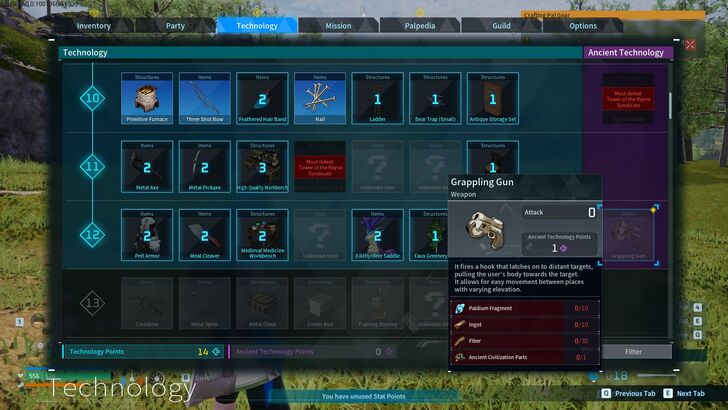
If there was one constant throughout my entire playthrough, it was this:
I needed more Ingots.
Palworld's Tech Tree is deceptively simple. Every level unlocks another row of technologies, and each level grants Tech Points to spend however players see fit. There are no sprawling branches to navigate or complicated prerequisites to memorize. On paper, progression is straightforward. In practice, it becomes a constant exercise in prioritization.
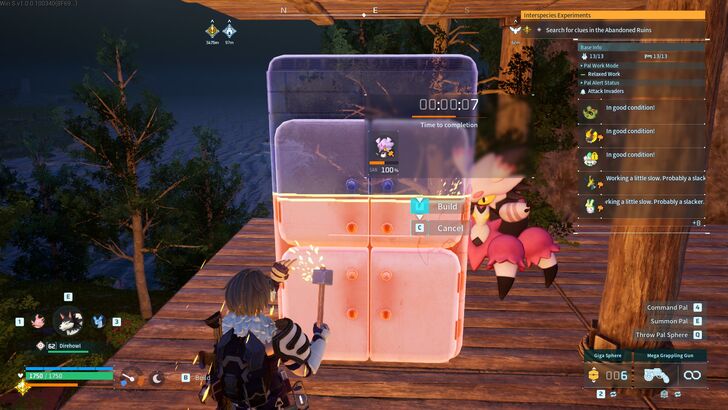
Every new unlock immediately leads to another question. Do I finally upgrade my furnace, or do I build the assembly line first? Do I spend those Ingots repairing my gear, crafting better armor, or stocking up on ammunition before heading back out? The game rarely tells players what the right answer is, because there usually isn't one. More often than not, choosing one upgrade simply meant putting another on hold.
That also means Palworld isn't afraid to ask for a sizeable investment. Facilities regularly demand stacks of materials before they're even built, and seeing another recipe call for a hundred Ingots, Stone, or Coal became a familiar sight throughout my playthrough. It can feel grindy, but I never found that grind meaningless. Every resource eventually became another piece of a much larger machine that slowly made everything else easier.
The funny thing is that progression isn't nearly as linear as the Tech Tree suggests. Somewhere along the way, I stumbled across a Legendary Musket Blueprint.
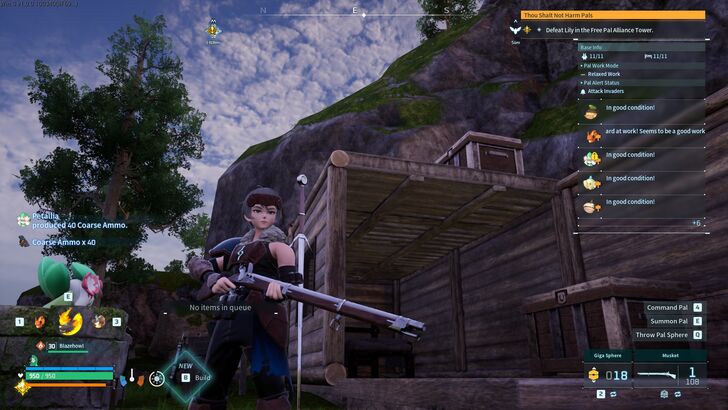
That musket had absolutely no business remaining in my weapon wheel for as long as it did. Despite unlocking stronger firearms as I climbed the Tech Tree, the sheer damage it dealt meant I kept coming back to it, happily enduring its painfully slow reload in exchange for watching enemies lose massive chunks of health. It became a constant reminder that exploration can sometimes reshape progression just as much as leveling up does.
That same sense of gradual growth carries over into base building. Everything begins with a Palbox and a handful of crafting stations before gradually expanding into something much larger. At one point, I realized the only sensible solution to running out of room was to stop building outward and start building upward. My modest little hut somehow evolved into a structurally questionable four-story engineering violation held together by hope and support beams. Somehow, it worked.
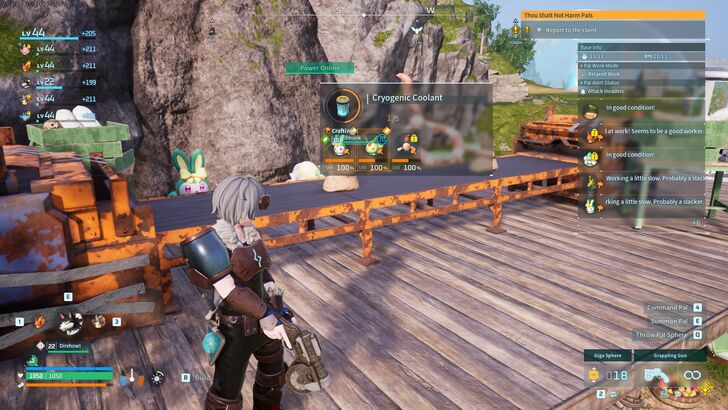
Of course, building the base is only half the story. Watching Pals haul materials between workstations, keeping production lines running, or solving unexpected bottlenecks—like discovering one power generator wasn't nearly enough after installing a refrigerator—turned base management into a satisfying puzzle of its own. Sometimes I'd simply leave them to it. Other times, I'd jump in and help move production along because waiting around has never really been my strong suit.
The system isn't flawless, though. Building placement can occasionally feel more restrictive than it first appears. Some facilities occupy a larger invisible footprint than their models suggest, making it difficult to tell why something suddenly refuses to be placed. The Palbox was the biggest offender in my experience, with its placement boundary extending much farther than I initially expected. Some structures also refuse to snap where they look like they should, while Pals sometimes need a helping hand after getting confused by terrain or failing to navigate around parts of the base. They're relatively minor frustrations, but recurring enough that base building still feels like it has a few rough edges left to smooth out.
Is Palworld Worth It?
A Survival Game Worth Getting Lost In
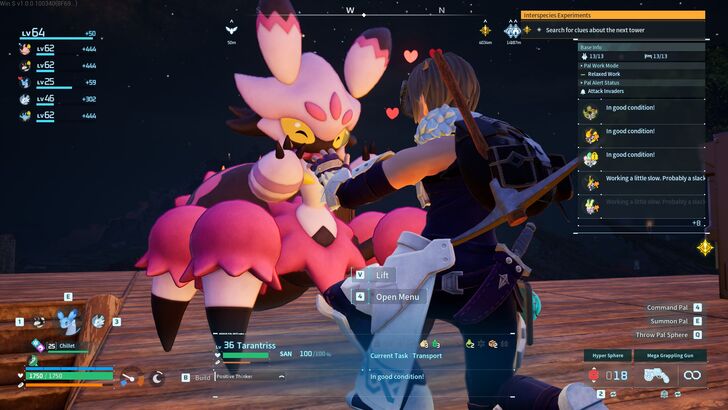
Palworld succeeds not because it reinvents the survival genre, but because it understands exactly what makes it so compelling. It takes familiar ideas, from base building and exploration to crafting and progression, then ties them together with a cast of Pals that become far more than just creatures to catch. Before long, they're helping run the base, exploring the world alongside you, and quietly turning a lonely island into somewhere that actually feels lived in.
Its shortcomings are real. The main story follows a fairly repetitive structure, progression can demand a sizeable investment of time and resources, and the occasional rough edge in building or pathfinding reminds you that the experience still has room to grow. Even so, those issues rarely outweighed everything Palworld consistently got right. Every hour spent gathering resources, expanding the base, breeding a stronger Pal, or wandering into another dungeon fed naturally into the next part of the adventure.
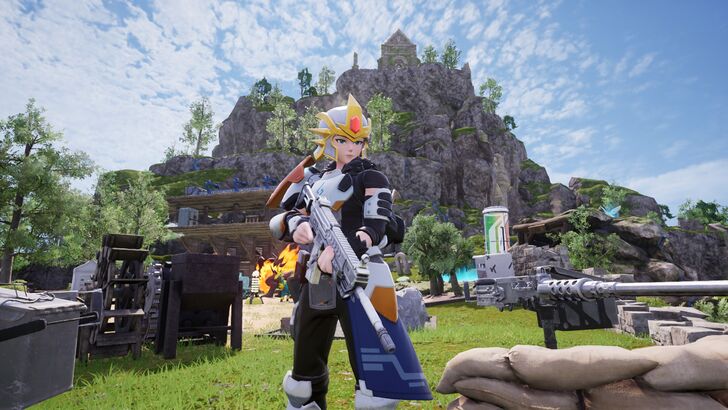
Perhaps what impressed me most is just how approachable it all feels. The survival mechanics are easy to understand without sacrificing depth, the World Settings let players tailor the experience to their liking, and every new system builds naturally on the last instead of overwhelming players all at once. For that reason alone, it's an easy recommendation for longtime survival fans, and just as easy to recommend to newcomers curious about the genre. Whether players enjoy meticulously optimizing production lines, collecting every Pal they come across, or simply wandering off to see what's over the next hill, Palworld gives them the freedom to settle into their own pace and discover what they enjoy most.
As someone who usually only plays survival games with pals, I wasn't sure how well Palworld would hold my attention on my own.
Turns out, Palworld makes do with Pals.
Palworld Related Guides
Guides by Category
 News and Events
 Complete Paldeck
 Breeding
 Tips and Tricks
 Technology
 Materials
 Skills
 Game Mechanics
 Work Suitabilities
 Tier Lists
 Schematics
 Tower Bosses
 Pal Teams and Builds
 Raid Boss
 Maps and Locations
 Missions
Game8 Reviews