



| Neverness to Everness | |||
|---|---|---|---|
| Release Date | Gameplay & Story | Pre-Order & DLC | Beta Co-Ex Review |
Overview
What is Neverness to Everness (NTE)?
Neverness to Everness (NTE) is an open-world urban sandbox RPG that follows a protagonist who awakens with no memory and becomes involved in investigating anomalies that threaten the city of Hethereau. Gameplay features include real-time combat with team-based character switching, a progression system tied to level-gated story advancement, and a variety of urban activities such as driving, transit exploration, job systems, and property management.
Neverness to Everness (NTE) features:
⚫︎ Open-world Urban Setting
⚫︎ Real Time Action Combat
⚫︎ Life Sim Systems
⚫︎ Public Transit via Buses and Trains
⚫︎ Generous Gacha
⚫︎ F2P Friendly
For more gameplay details, read everything we know about Neverness to Everness' gameplay and story.
| Digital Storefronts | |||||
|---|---|---|---|---|---|
 NTE PC Client NTE PC Client |
|||||
 PS PS |
 iOS iOS |
 Android Android |
|||
| Free-to-Play | |||||
Neverness to Everness (NTE) Review: Good Mileage Expected
New Gacha City to Get Lost In
Neverness to Everness (NTE) is finally here, stepping into a gacha landscape that’s long been dominated by heavy hitters like Genshin Impact and Honkai: Star Rail. These are the games that have set the standard for what players expect in terms of progression, polish, and long-term engagement. So the immediate question is: what does NTE actually bring to the table for you?
Having participated in the Co-Ex Beta, I went in with expectations already dialed up. I had a taste of what the game could be, but not quite the full picture. It’s one thing to show promise in a controlled test, and another to actually follow through at launch.
But now that it’s here, I’m happy to say NTE doesn’t just follow through, it pushes further. It’s not perfect but for a new title trying to carve out space in an already crowded genre, NTE feels surprisingly self-assured.
Amnesia and Anomalies
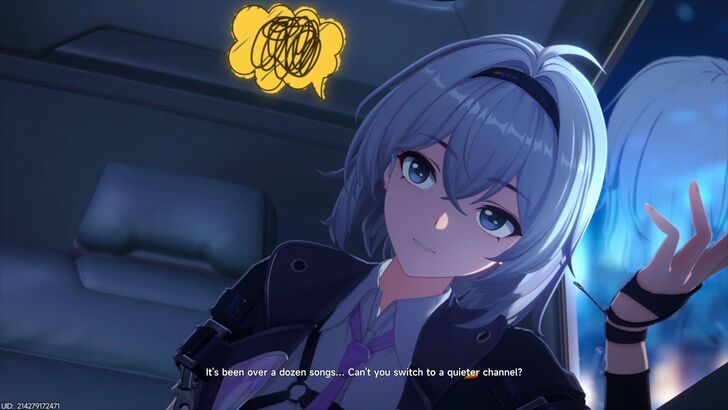
NTE follows a protagonist who—surprise, surprise—has zero memory of who she is, a trope we’ve all seen across gacha staples. You can pick between a male or female lead, but for consistency, I’ll be referring to the protagonist as her.
We’re thrown straight into Hethereau, a city that’s about to be swallowed whole by a biblically-accurate-looking anomaly. Naturally, the Bureau of Anomaly Control shows up to handle things, but somehow, so do we. No credentials, no memory, just vibes. From there, the game wastes no time pushing you into the role of an anomaly hunter.
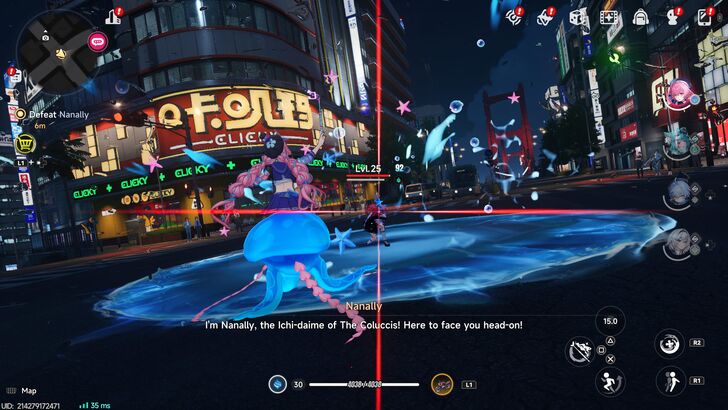
That’s how we end up at Eibon, an antique shop that doubles as a scrappy, barely-afloat anomaly gig hub. It’s less "hero headquarters" and more "we take whatever job pays," which honestly grounds the whole setup. You’re not saving the world because you’re chosen, you’re doing it because rent probably isn’t going to pay itself.
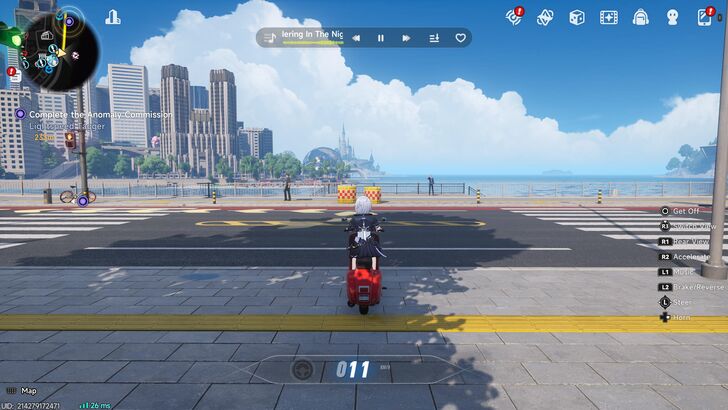
And then there’s Hethereau itself. The city is a fully realized urban space that feels alive in a way most mobile gacha games don’t even attempt. Hotta Studio really leans into building a functioning city, the kind where you’re not just fast-traveling between objectives but actually moving through it, almost like a scaled-down Grand Theft Auto. The more you engage with the world, the more it feels like you can actually exist in it.
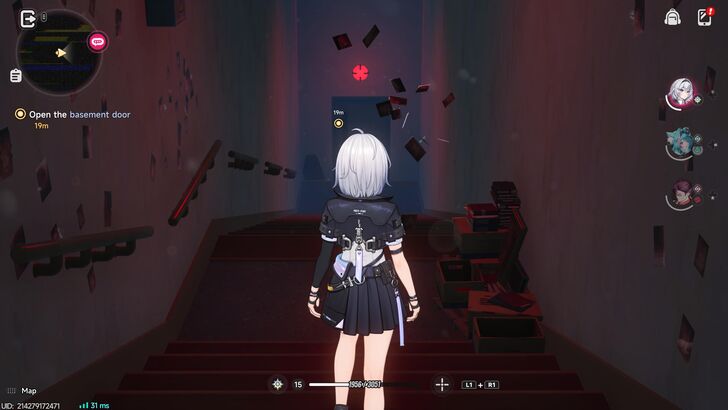
What caught me off guard, though, is the tone. A lot of the time, NTE is playful in its humor. But when it wants to pivot, it commits. And that is through the horror elements that actually land. Some of the scenes genuinely gave me the creeps, and I have to give credit where it’s due. They managed to create moments that feel eerie while you’re playing it. It’s that contrast—goofy one minute, unnerving the next—that keeps things from ever feeling flat.
Case-by-Case Progression
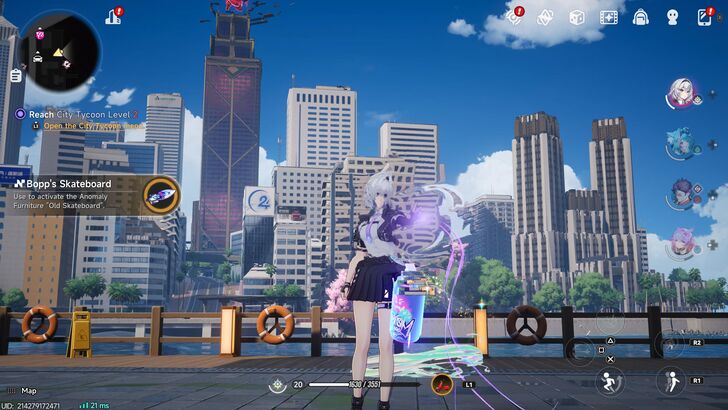
The core loop of NTE’s main narrative is pretty straightforward: you take on cases, investigate what’s going on, solve mind bending puzzles, deal with anomalies, then move on to the next job. It’s a structure that’s easy to settle into, and early on, it gives you a clear sense of purpose because there’s always another case waiting, and another mystery to poke at.
But progression is level-locked. And that means you will hit walls. When that happens, the game will nudge you away from the main story and back into Hethereau. This is where NTE really stands out from other gacha titles. Instead of feeling like you’re grinding just to unlock the next story, you end up exploring the city, picking up odd jobs, stumbling into activities, and just… existing in it for a while.
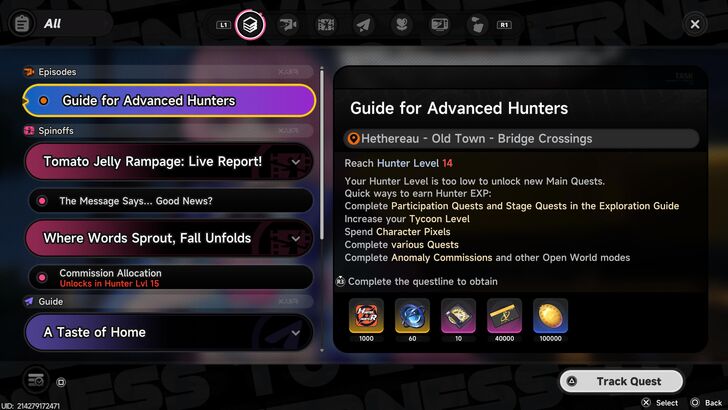
That’s where the life sim aspect really kicks in. It’s what fills the gaps between the stories, and honestly, it ends up carrying a huge part of your playtime and instead of burning through content and waiting for the next update, the game gives you something to fall back on.
Building a Life in Hethereau
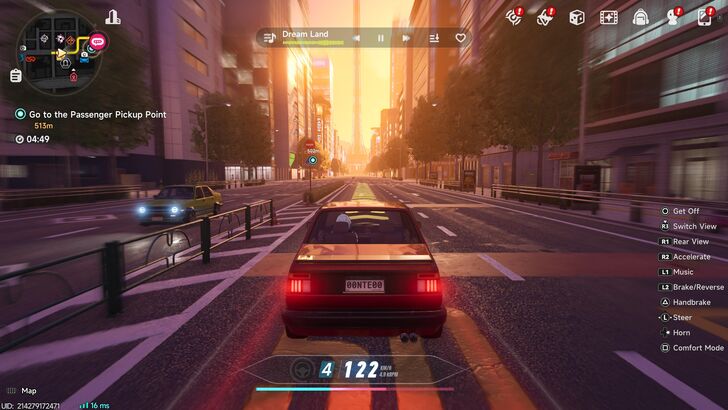
And to just get it out of the way, one of the best things NTE does is its life sim immersion, and a huge part of that comes from the tycoon system. This is basically how you establish your roots in Hethereau. You’re not just passing through the city doing missions, you’re building something in it, something that’s yours.
And you’ll actually want to, because Hethereau isn’t just a pretty backdrop. It’s the kind of place that makes you slow down a bit. The more time I spent in it, the more it stopped feeling like a map and started feeling like somewhere I wanted to stay in.
Driving Because You Want To
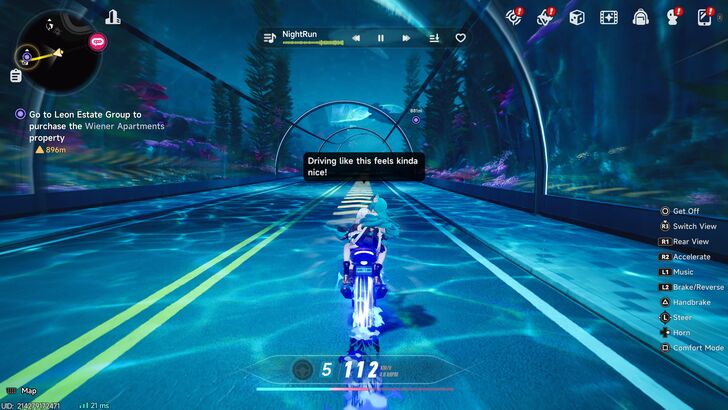
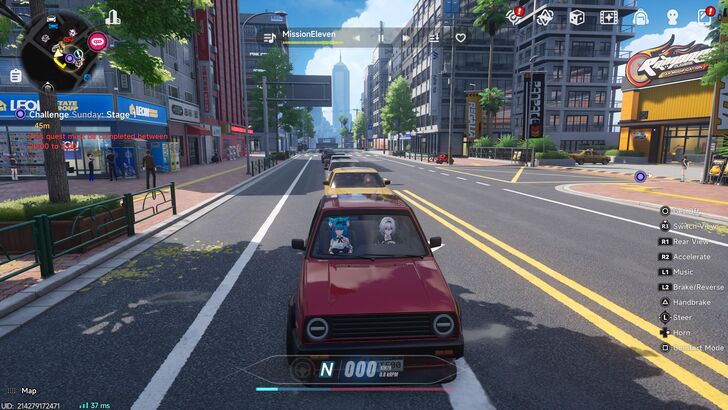
One of the main ways living in Hethereau is so effective is by driving around the city, it is way more enjoyable than I expected. I genuinely thought I’d just spam fast travel like I do in Genshin Impact, get from point A to point B, and call it a day. But here? I actually chose to drive.
And yeah, I know, that’s a bold statement considering how rough driving felt during the beta. But it’s improved. It’s still simple—left, right, accelerate, reverse—but it’s responsive enough now that it doesn’t get in the way. More importantly, it complements the city. Cruising through Hethereau just feels… nice. It turns traversal into something you enjoy instead of something you skip.
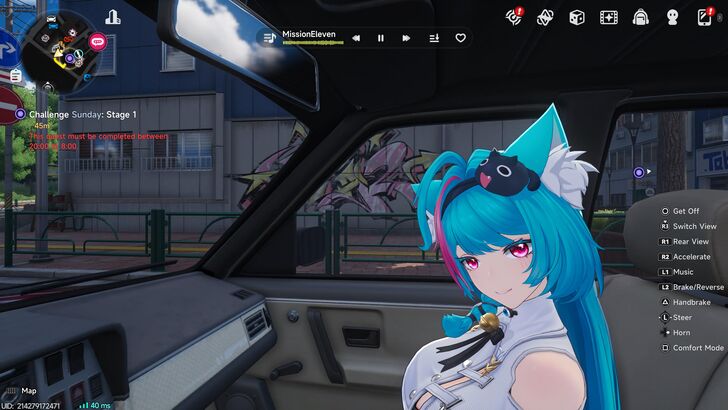
And if you want to make those drives a bit less lonely, you can even have one of your characters ride with you in the passenger seat, which just adds a bit more personality to those quieter moments on the road. Mint, for example, chatters about how great you’re driving and how nice it is that she doesn’t have to walk anymore, which honestly makes those simple drives feel a lot more alive.
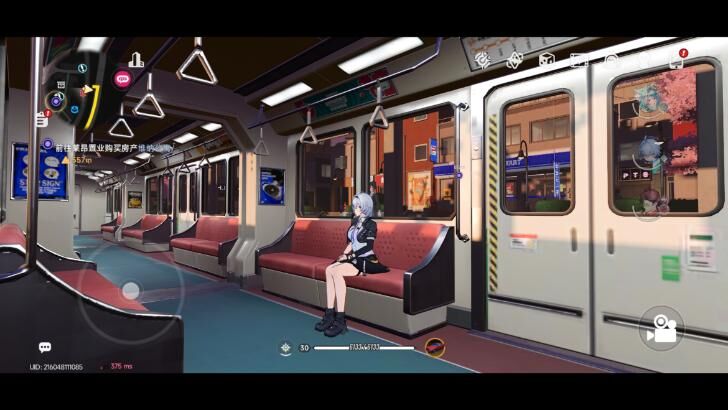
And if driving’s not your thing, the game doesn’t force it on you. You can literally just hop on a bus or a train and see the city that way. I ended up doing this more than I expected, just sitting there and letting the route play out. You can even start learning the routes if you really want to lean into the "city-living" vibe. It sounds small, but it adds so much to the feeling that this is a functioning city, not just a space.
Earning a Paycheck in the City
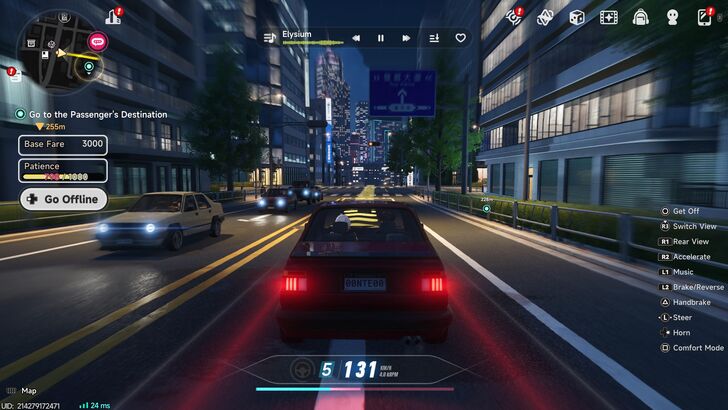
If you do enjoy driving though, there’s an actual progression tied to it. You can buy cars, better ones are faster, of course, but you won’t be able to grab the top-tier rides immediately. You’ll need to work your way up.
And work here is pretty literal. You’ll be doing races, taking on cab jobs, ferrying people around the city for money. It’s hands-on, and it gives driving a purpose beyond just getting around. For me, it made the whole system feel less like a gimmick and more like a legitimate side career you can invest time into.
Running a Cafe Without Babysitting It
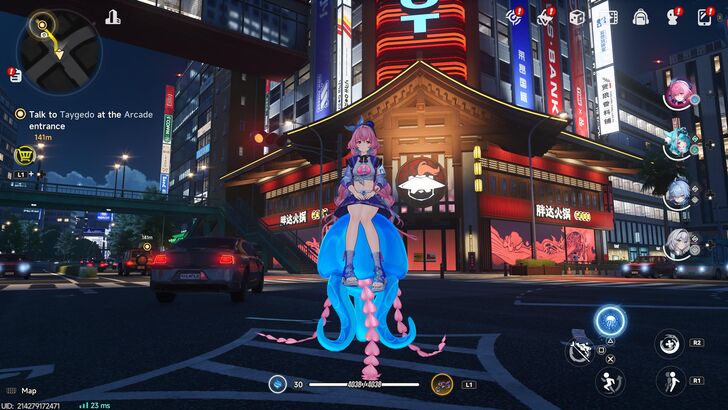
And driving isn’t your only source of income either. You can also run your own cafe, which leans more into the management side of things. You assign characters to work there, set up your menu, figure out ingredients, and then… you kind of just let it run.
It’s a more passive system, which I actually appreciated. Not everything demands your full attention, and this gives you a steady flow of income in the background while you go do other things. If you don’t want every system to feel like an actual job, this is a nice balance.
Decorating, Cohabiting, and Living Your Best Sim Life
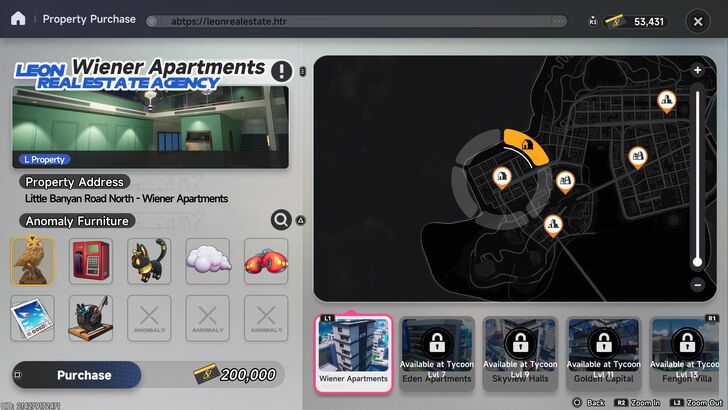
And then there’s housing, which, I’ll be honest, completely got me. If you’re anything like me and have sunk hours into The Sims 4 just decorating a house, this is going to hit. You get your own place, and while the current furniture options are still a bit limited, there’s enough there to start making it feel personal. Plus, anomalies can drop furniture too, which ties progression back into your living space in a pretty neat way.
But what really sells it is the social side. You can invite characters over, have them live with you, and just… spend time with them. Oh and by the way, the more you interact, the more things you unlock. Simple stuff like hanging out on the couch, holding hands, even just existing in the same space… so don’t mind me, I was just spending some quality time with Mint.
More Ways to Lose Yourself in Hethereau
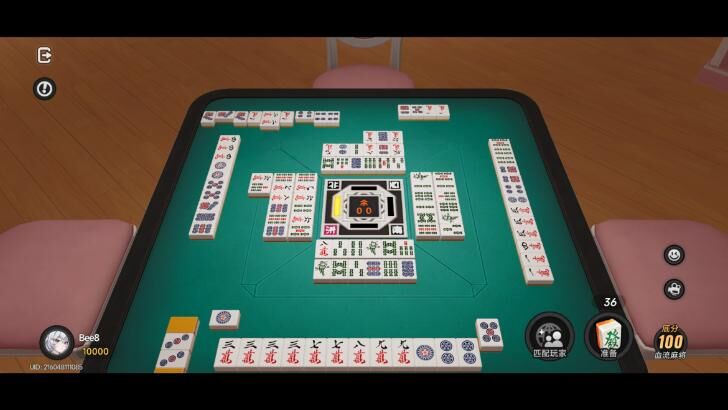
And somehow, even beyond all that, there’s still more. Arcade games, mahjong, random side activities scattered around the city, things that sound small on paper but end up eating your time. I’m not even exaggerating when I say I lost track of how long I was playing mahjong with complete strangers. It wasn’t for the progression. It wasn’t even for the rewards. I just… kept playing.
But Hethereau doesn’t stop at peaceful distractions either. Just walking around the city, you can randomly run into gangs, and yes, you can absolutely deal with them on the spot. Sometimes they even follow you while you’re driving, which turns what should’ve been a calm trip into an unexpected encounter. And while the game does let you hand out your own brand of justice to criminals out there, it also flips that system on you because if you’re not careful, you can end up becoming wanted yourself.
…not that I would know.
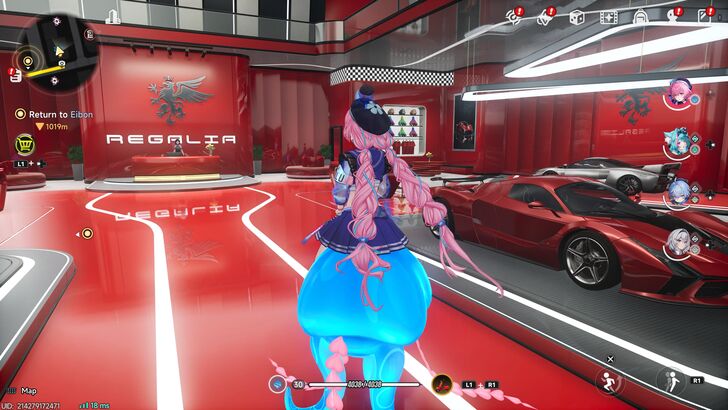
And I think that’s the point. These little slices of content are what make the city feel alive, and more importantly, they give you reasons to stay logged in that aren’t tied to grinding or efficiency. That changes the entire pacing of the game, because it is not about rushing to the end, but about how long you’re willing to just exist in it.
Anomalies Keep You on Edge
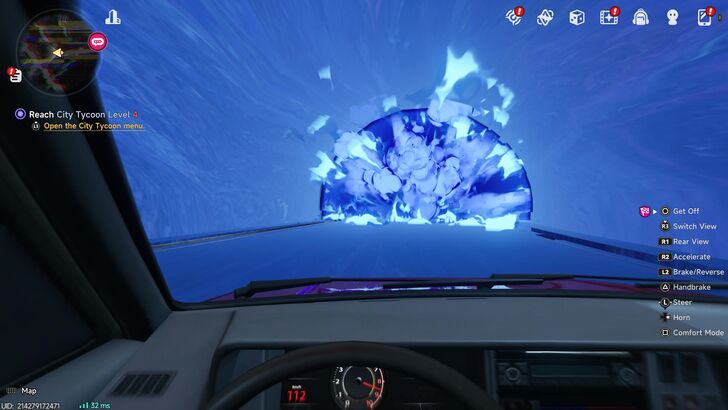
Of course, there are the anomalies themselves and they’re everywhere. You can be casually walking around or just driving through the city, and suddenly you’re pulled into an encounter you didn’t exactly plan for.
For example, I was literally just on my way to a racing challenge with Mint riding shotgun, minding my own business, when suddenly a headless rider starts wreaking havoc right in front of me, completely derailing what I was about to do.
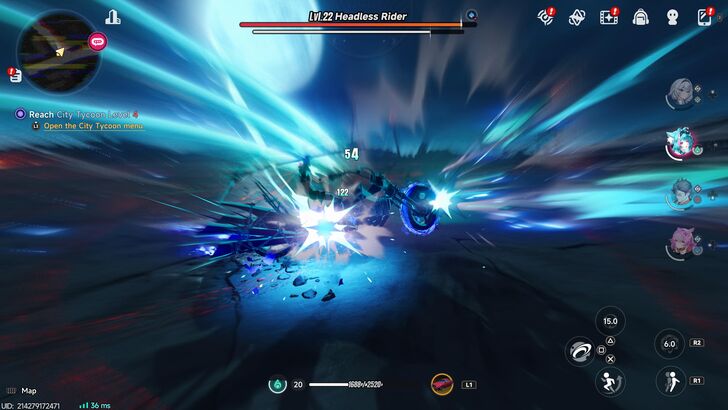
Moments like that make the city feel unpredictable in a way that scripted missions alone can’t replicate. You’re not just selecting content from a menu, you’re running into it. It turns even the most routine activities into something that can shift at any moment, which keeps the experience from ever feeling too structured or repetitive.
All Up Close and Personal
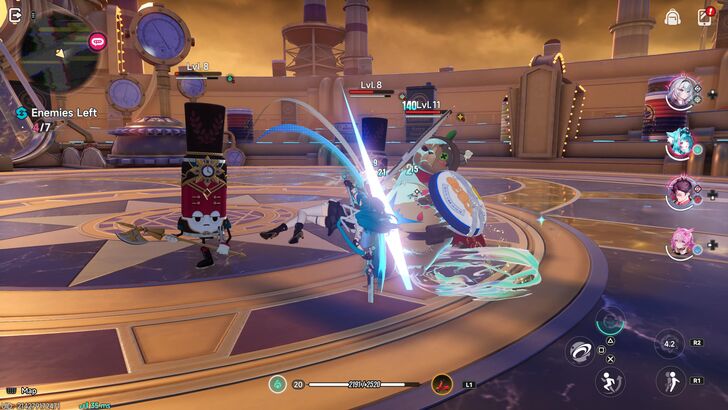
Moving on to the characters, I do have to bring up something that still feels exactly like it did back in beta (and yeah, it’s a bit of a letdown). At least with the starter roster I had, everyone is essentially melee. There are ranged characters in the game, but early on, most of what I use revolves around being up close. Even when some have ranged skills, the normal attacks, keep you in that close-range space.
And after a while, it flattens the variety a bit. You don’t really get that contrast of playstyles where one character controls space from afar while another dives in. Everyone kind of exists in that same range, just with different flavors. With a roster this stylish, I wanted more distinction in how they actually play, not just how they look.
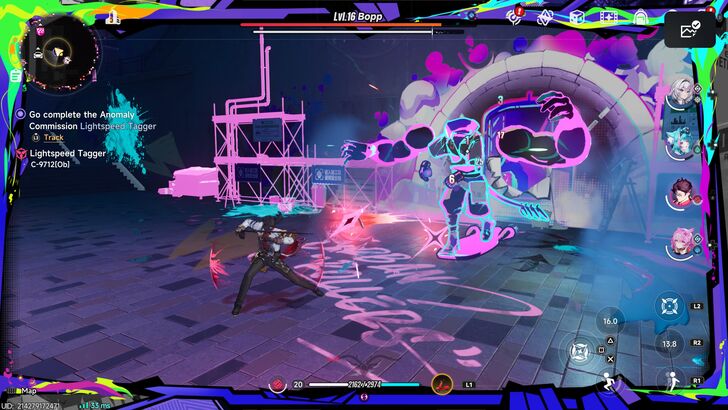
Team-building doesn’t fully escape that simplicity either. It leans into what the game calls Esper Management, which is basically its version of an elemental system. You build your team around synergy, making sure their Espers complement each other so you can fill up your gauge faster and trigger stronger interactions.
The better your composition, the smoother your combat loop feels. You’re constantly rotating between characters, building up momentum, and setting up coordinated attacks as you switch. And when everything lines up—ults ready, gauges filled—you can trigger these full-team coordinated bursts that feel like a proper payoff.
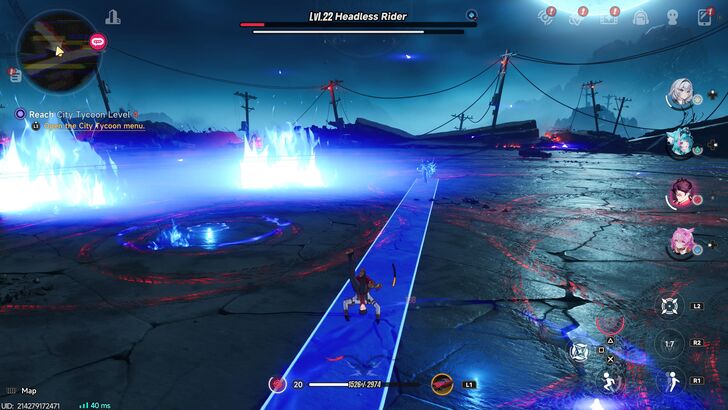
So sure, even if the combat is relatively basic, it does feel good in motion. There’s a rhythm to it once you settle in. It’s not the most complex system out there, but it’s responsive and flashy enough that you’re still engaged moment to moment.
Combat Sometimes Switches Things Up
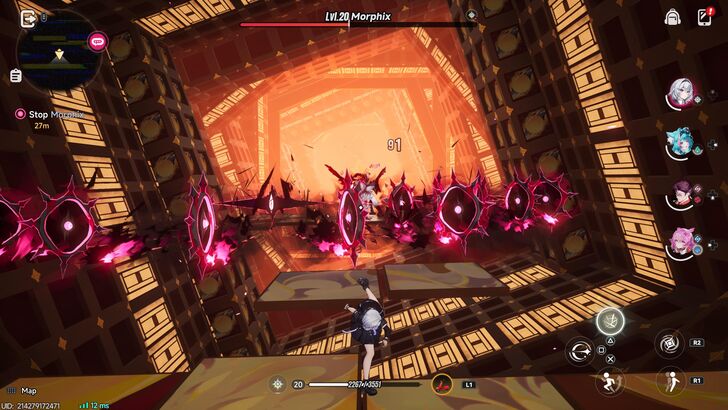
In addition to that, combat does have moments where it tries to keep things fresh. And that mostly comes from certain boss fights and anomaly encounters that force you to play a bit differently. I had one fight where the boss was throwing discs at me from a distance, and remember when I said most starter characters are melee? So how am I even supposed to deal with that?
Turns out, you can parry the discs and send them right back. At one point, the fight got transported to a separate platform where the enemy stayed far out of reach, and the only real option I had was to time my parries properly. It turned into less of a standard combat encounter and more of a reaction-based exchange, which honestly caught me off guard in a good way. Moments like that go a long way. They don’t completely overhaul the system, but they add just enough variation to keep combat from feeling too one-note.
Gearing Up is a Mini-Game of Its Own
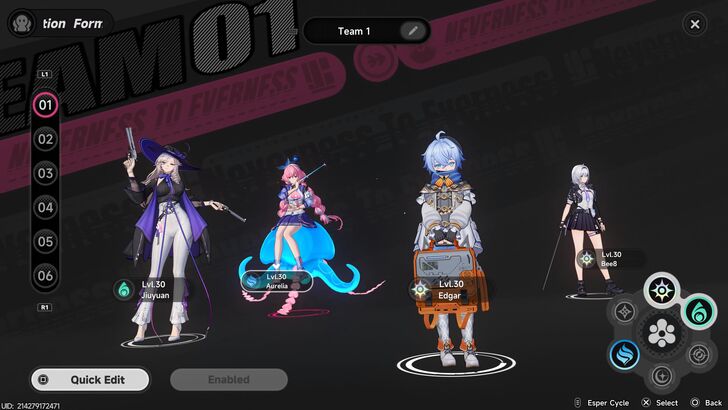
Getting a functional team up and running in NTE is surprisingly quick. For me, my starter party was the MC—yes, on purpose, I’m one of those people who actually builds the protagonist, believe it or not—alongside Mint, Edgar, and Adler. Adler worked really well as a shield and setup for Mint, while Edgar handled healing. And just to be clear, this isn’t a guide. I’m sure there are better, more optimized comps out there, this is just what clicked for me.
That said, the moment I got Aurelia and Jiuyuan… yeah, they immediately became my mains. I ended up trying to build my team around them because… look, I’ll be honest… pretty girls. And I do understand the whole idea of proper team building, synergy, and optimizing your setup, especially when it comes to gearing and making everything fit together, but I’m a simple person. If I like the character, I’ll find a way to make it work.
What helps a lot with this is that progression doesn’t feel stingy. As you go through quests, the game hands you the gear you need, so you’re not stuck grinding for drops just to make your team usable.
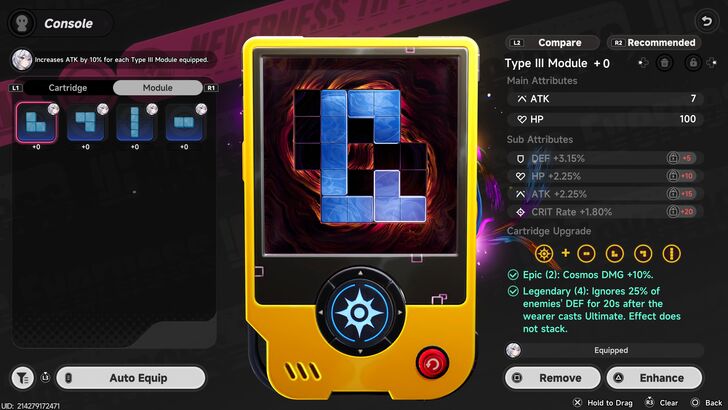
Now, the artifact system is where things get interesting. Instead of the usual grind loop you’d expect from something like Genshin Impact, NTE turns gearing into something more interactive. You get cores from fights, and when you use them, you’re taken into this console interface where you exchange currency for Tetris-like blocks. These blocks are what you slot into a console device tied to each character.
You’re basically playing a mini puzzle game with your build, fitting pieces together, optimizing space, and aiming to complete specific sets. Once you do, you get bonus stats like DEF, crit rate, crit damage, and more. It’s simple, but it adds just enough engagement that I wasn’t just auto-piloting my builds.
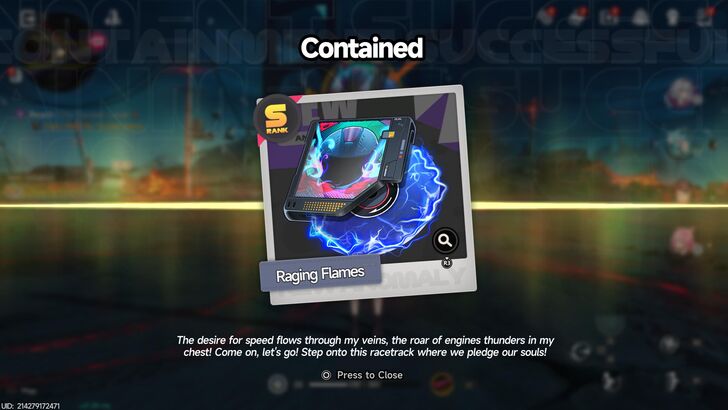
Weapons, on the other hand, lean more into style than innovation. Instead of traditional weapon types, everything comes in these floppy disk-looking designs, which is a nice touch aesthetically. Mechanically though, they function pretty much the same as any other gacha: stat boosts, passive effects, the usual. Aside from boss drops, you can also exchange keys in the shop to obtain them, which gives you more flexibility in how you go about getting the ones you need instead of relying on a single source.
Of course, the higher you go, the more demanding everything becomes. Early on, it’s smooth and generous, but as levels climb, you’ll start feeling that familiar pressure to optimize, refine, and really commit to your builds. Which, at least with this system, feels a bit less like a chore and a bit more like something you actually want to get better at.
Gacha That Respects Your Sanity
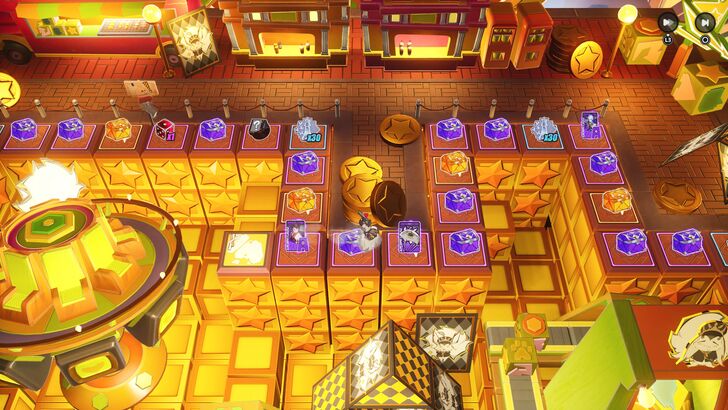
Pulling in NTE is also very generous, as almost everything you do earns you resources for pulls. So even if you're just doing a little bit each time you long in, you're steadily working toward your next set of pulls.
The system is very familiar, you’ve got the usual 70 soft pity and 90 hard pity, but there’s no 50/50 on limited banners. That means when you hit pity, you’re not flipping a coin, you’re actually getting the character you pulled for! I cannot overstate how big of a deal that is. That moment where you think you’re about to win, only to lose the 50/50? Gone. Completely. And yeah, that alone removes a very specific kind of gacha trauma.
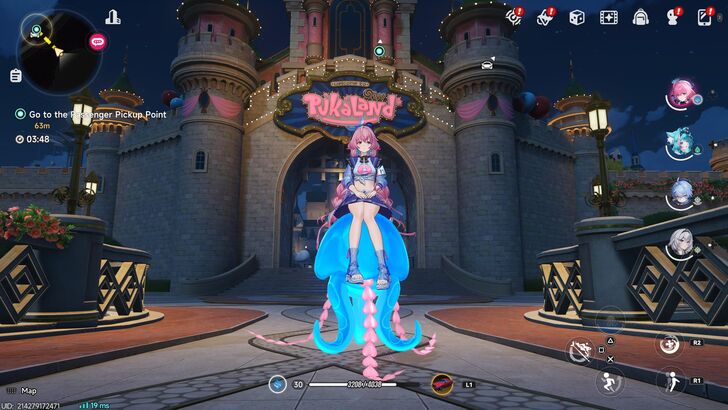
In practice it is a much smoother early experience. You’ll very likely land an S-tier character within your first few hours, and more importantly, actually build a solid team around them without feeling like you just got lucky.
So far, the only real place where spending feels necessary is cosmetics (mainly wardrobe options for characters). But even then, it’s not entirely locked behind real money. Some outfits can be bought using in-game currency, which you earn by, well… working in-game. Taking jobs and engaging with the life sim side. So if you really want something, you can grind for it.
And I think that’s the key takeaway here, NTE’s gacha doesn’t feel like it’s constantly trying to trip you. It still wants your time, yes, but it never punishes you for giving it.
Story Swings Between High and Just Okay
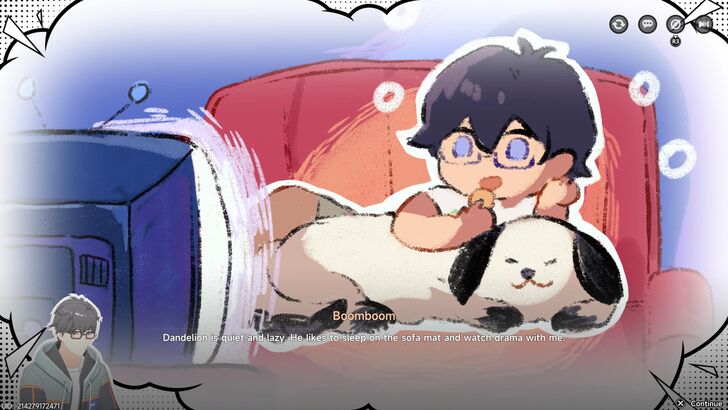
If there’s one main gripe I have with NTE, it’s the pacing of the story. It starts off really strong( like, it hooks you immediately) but then somewhere in the middle it dips into this weird stretch of mediocrity. Not bad, not boring, just… there. And then, almost frustratingly, it picks back up again and gets good.
So you really do feel the roller coaster effect. Highs, lows, and everything in between. And a lot of that comes down to how progression is structured, because again, everything is level locked.
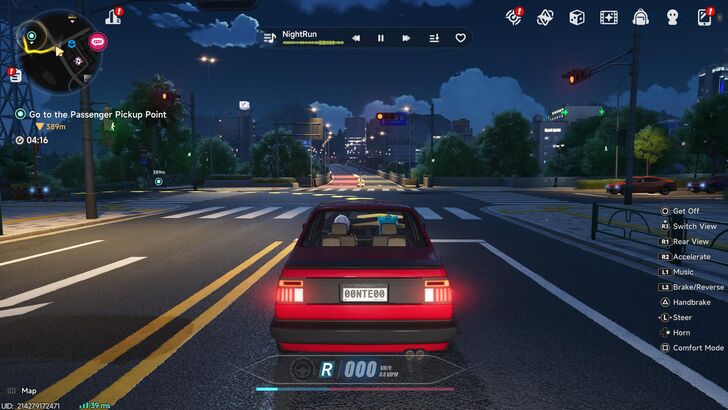
Which means if you’re the type of player who wants to just binge the story in one sitting, too bad. You’re going to have to grind the game systems first before you’re even allowed to reach the parts where the narrative really starts to shine again. It breaks the momentum in a way that can be a bit annoying if you’re purely here for the story.
PS5 is Smooth, Mobile… Not Always
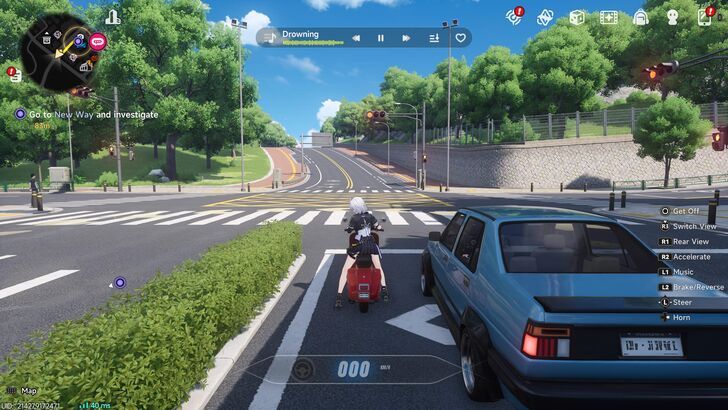
Another thing to note is my experience between PS5 and Mobile. Obviously the PS5 experience is the better one. It runs smoother, looks cleaner, and just feels more stable overall. Mobile, on the other hand, is where things get a bit inconsistent. Outside of the obvious downgrade in graphics, I did run into some stability issues. After longer sessions—around 8 hours of continuous play—it started booting me back to the main title screen.
Now, I’ll admit, that could just be my device getting tired rather than the game itself, but it’s still something worth mentioning if you’re planning to play NTE primarily on mobile. Long sessions don’t always feel as safe there compared to console.
Is Neverness to Everness (NTE) Worth It?
This Might Just Start a New Era for Gacha Games

Neverness to Everness, only a few hours after release, already feels like it’s carved out a noticeable spot for itself in the gacha space. Hotta Studio has somehow managed to pull together a lot of different ideas—life sim systems, city exploration, combat loops, housing, management, etc—and, more importantly, make most of it actually work together instead of collapsing under its own ambition.
For a free game, that’s already impressive enough that I can say this comfortably, I know I’ll end up willingly spending money on it later. Not out of pressure, but because I can already see myself sticking around long enough to care about it. And honestly, if you’re even slightly curious about what it’s trying to do, this is worth playing. I’ll be sticking with it, and I think you should too, not because it’s perfect, but because it actually feels like a gacha game trying to be more than just another gacha game.
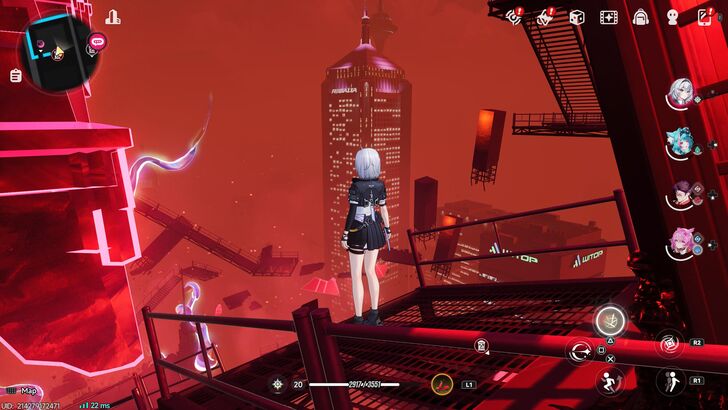
For now though, I’m stepping back into Hethereau and going back to something simple (probably taking on another taxi job, just to pass the time while waiting for whatever updates come next). So, adios… I’ve got fares to pick up.
Neverness to Everness (NTE) FAQ
What Are NTE’s System Requirements?
| System | Minimum | Recommended |
|---|---|---|
| OS | Windows 10 or 11 | Windows 10 or 11 |
| Processor | Intel Core i7-10700 / AMD Ryzen 7 3700X | Intel Core i7-12700 / AMD Ryzen 5 5800X |
| Memory | 16 GB RAM | 32 GB RAM |
| Graphics | NVIDIA GeForce GTX 1660 /AMD Radeon RX 5600 XT / Intel ARC A580 | NVIDIA GeForce RTX 3060 / AMD Radeon RX 6600 XT / Intel ARC B580 |
| Storage | 60 GB | 60 GB |
Game8 Reviews

You may also like...
 |
Mongil: Star Dive Review RPG, Action, Gacha |
 |
Arknights: Endfield Review RPG, Anime, Gacha |
 |
Seven Knights Re:Birth Review RPG, Anime, Gacha |
 |
Persona 5: The Phantom X Review RPG, Gacha |
 |
Zenless Zone Zero Review RPG, Action, Anime, Gacha |