



Everything We Know About Morbid Metal
Morbid Metal Plot
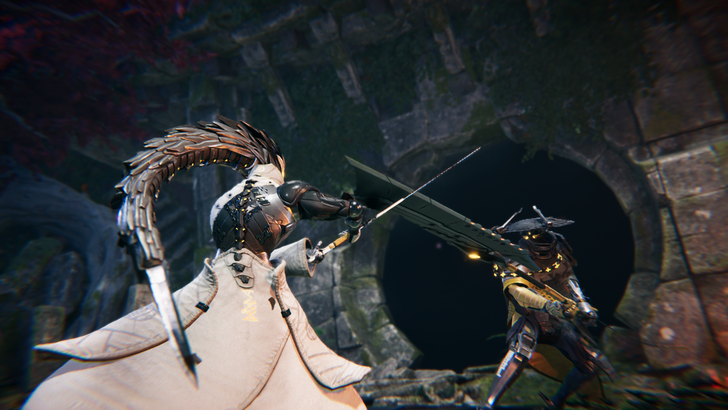
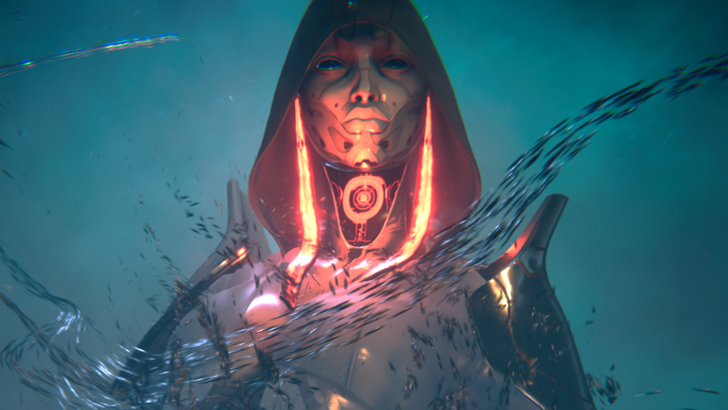
Morbid Metal takes place in the remnants of a distant dystopian future. Created by a mysterious Operator and guided by an entity called Eden, players will navigate a simulation in search of escape. Rather than delivering a traditional narrative, the game presents fragments of lore and truth across each run, gradually uncovering what led to mankind’s collapse while pushing you deeper into its hostile, machine-filled world.
Morbid Metal Gameplay
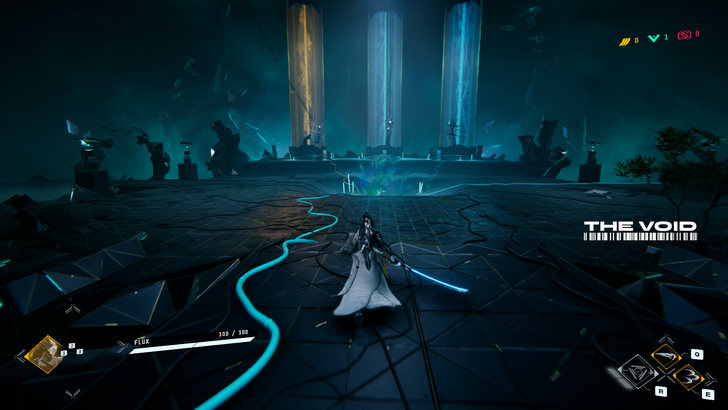
Morbid Metal is a fast-paced hack-and-slash roguelite centered on real-time character shifting and combo-driven combat. Players can seamlessly switch between three distinct forms—Flux, Ekku, and Vekta—mid-fight, chaining attacks and abilities together to create fluid, high-damage sequences against waves of enemies and precision-focused bosses. Each run functions as a unique Iteration, where builds evolve through randomized upgrades.
Morbid Metal Release Date
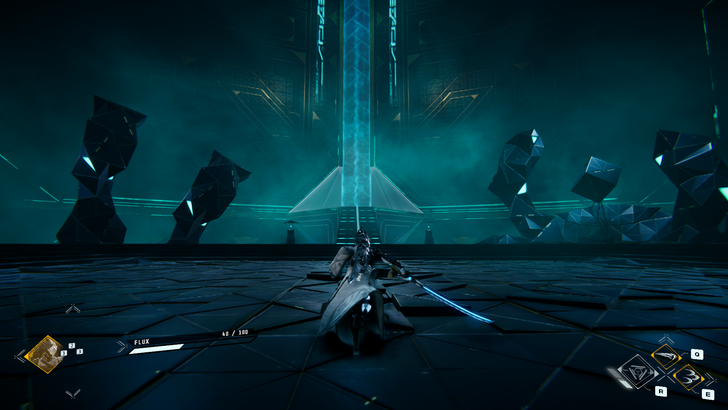
Morbid Metal released on April 8, 2026 in Early Access for PC via Steam. A release date for 1.0 has not been announced.
| Digital Storefronts | ||
|---|---|---|
 Steam Steam |
||
| $17.99 |
Morbid Metal Review (Early Access)
Beautiful Chaos
Hack-and-slash games live and die by how quickly they can get their claws into you. Think something like Hades—you’re thrown into the loop, you start swinging, and before you know it, you’re already thinking about your next run. That immediate pull, that "one more try" energy, is the whole point.
And Morbid Metal gets that. Even in its current, limited state, it’s already showing the bones of an addicting action roguelite. You feel it in the moment-to-moment combat, in how quickly it clicks, and in how easily it convinces you to keep going just a little longer. There’s already a strong foundation here that suggests this isn’t just another entry in the genre, but something that could genuinely stick with you once it fully comes together.
No Story, Just Stakes
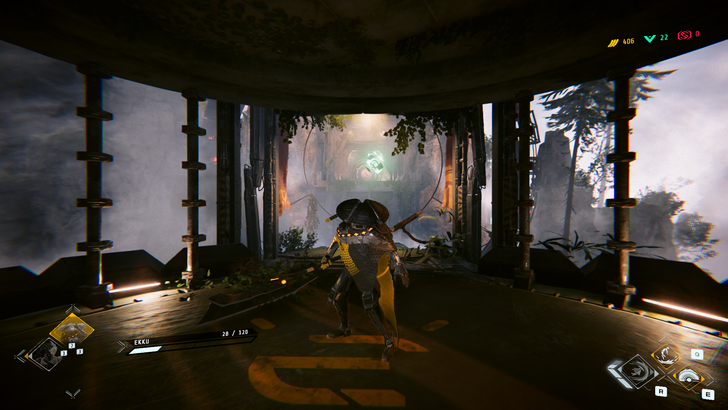
First of all, Morbid Metal is just pure action. No story to ease you in, no background to ground you, not even a proper introduction to the world you’re thrown into. You’re dropped straight into its roguelite loop (runs here are called "Iterations") with no clear goal, no defined purpose, and no real explanation of why you’re doing any of this.
All you get is a narrator, chiming in mid-Iteration, taunting you. Questioning if you’re even good enough to "save them all." Whatever that means. It’s vague, deliberately so, and that ambiguity shifts the focus entirely on the gameplay. Since there’s no narrative backbone here, if you’re playing, it’s because the combat and the loop itself are compelling enough to keep you going.
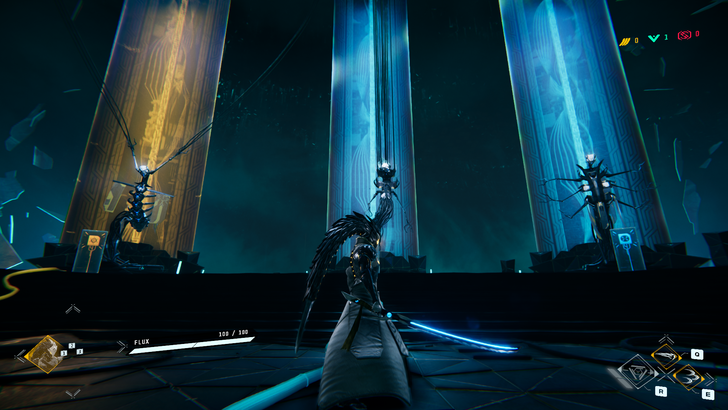
And when you inevitably fall in an Iteration, you’re sent back to the Void (the game’s central hub). This is where the structure starts to reveal itself. Progression revolves around three key systems: the Void Nexus, which unlocks character passives like increased HP or dodge counters while also enabling more mechanics within Iterations (like access to Repositories—randomized loot chests—at starting areas); Protocols, which define each character’s active skills; and Corpora, which function as straightforward stat boosts.
Thankfully, death isn’t a full reset. You retain your Void Nexus currency, meaning every failed run still feeds into long-term progression. And because every iteration reshuffles what you’re given and what you encounter, you’re never just repeating the same attempt. That constant variation is where Morbid Metal really starts to work in your favor, as you’re forced to adjust, adapt, and chase a version of a run that will finally push you into the next stage.
You Build As You Run
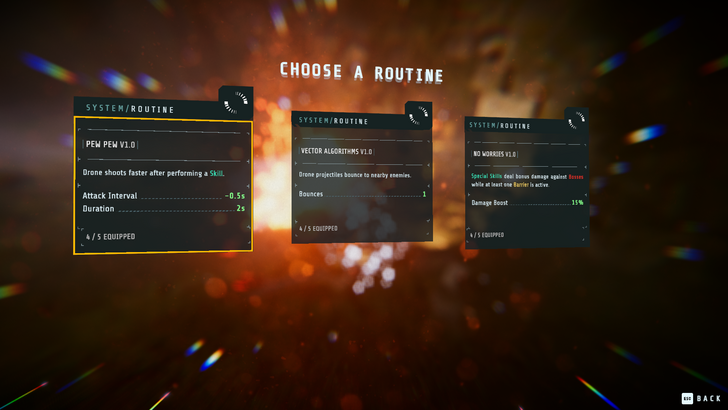
Each Iteration is different because every run leans heavily on RNG. You can unlock systems and upgrades in the Void, yes, but your actual build? That comes together on the fly, inside the Iteration itself.
After every enemy encounter, you’re asked to choose a Routine. Think of these as modular tweaks. Some activate new aspects of your character like upping the damage for skills, others enhance systems around you like gaining a barrier (shield) for the team; all of them nudging your build in a specific direction. Some Routines are universally useful across your roster, while others are more specialized, pushing a particular character or playstyle further.
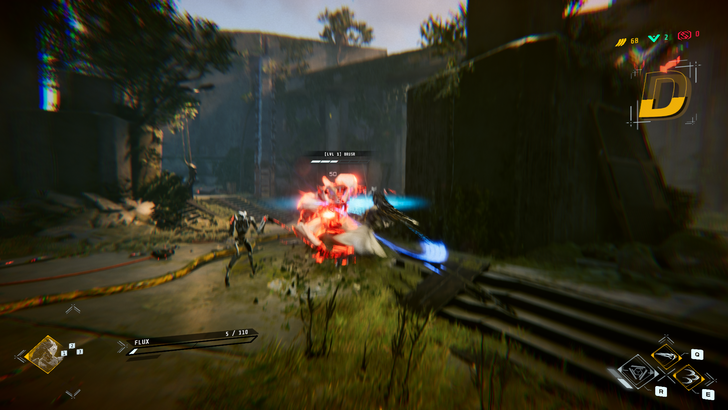
There’s a clear trade-off here. On the downside, there’s barely any real prep before a run. You’re not crafting a build in advance or walking in with a set plan; you’re reacting, not orchestrating. But that’s also where the game finds its edge. Because you can’t fully control what you get, every iteration throws a curveball, and your success leans more on how well you adapt than how well you planned.
You won’t always like the lineup of Routines you’re offered and that’s the point. The game forces you to make it work anyway. I can see this being divisive. Some players will hate the lack of control. Personally, I liked it. It guarantees that no two runs blur together, and more importantly, it keeps you engaged in a way that static, planned builds just don’t.
Flashy And Relentless Combat
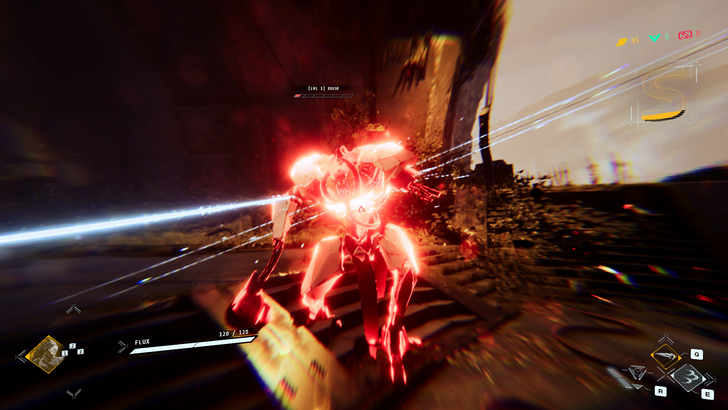
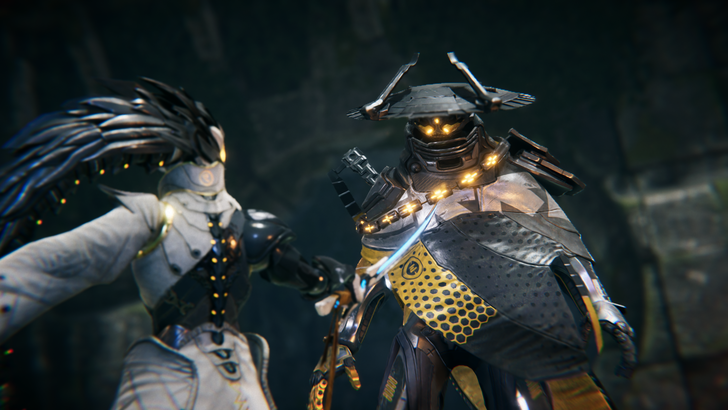
Then there’s the combat itself. It’s fast, flashy, and constantly in motion. Controls are tight, responsive, and chaining attacks—especially in mid-air—just feels right. There’s a rhythm to it, this constant back-and-forth of attacking and evading, where a perfectly timed dodge opens up a counterattack that essentially acts as your parry. When it clicks, it’s chaotic in the best way.
But that chaos can sometimes blur the line between intentional and overwhelming. There’s a noticeable tendency to fall into dodge-spamming, especially when you’re swarmed. The problem is visual clarity. Landing hits on enemies triggers a red flash, but that same red flash is also used to signal incoming attacks. So in the middle of a crowded fight, attacking and reacting can start to blend together, and you end up dodging preemptively just to stay safe rather than reading the fight cleanly.
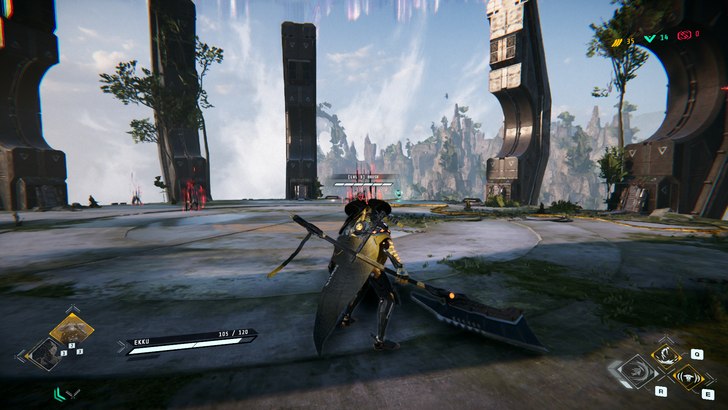
On top of that, survivability feels tight… maybe a bit too tight. Enemy attacks hit hard, your HP pool is fairly limited, and healing options are scarce. You’ll find a few recovery items scattered around, and some Routines can help, but they’re not consistent enough to rely on. As a result, it makes runs feel more fragile than they probably should be.
And it doesn’t help that all your characters share the same HP bar. Though, to be fair, that design choice makes sense as you’re not really switching between separate characters, you’re shifting forms. Which leads directly into the next point.
Seamless Character Shifting
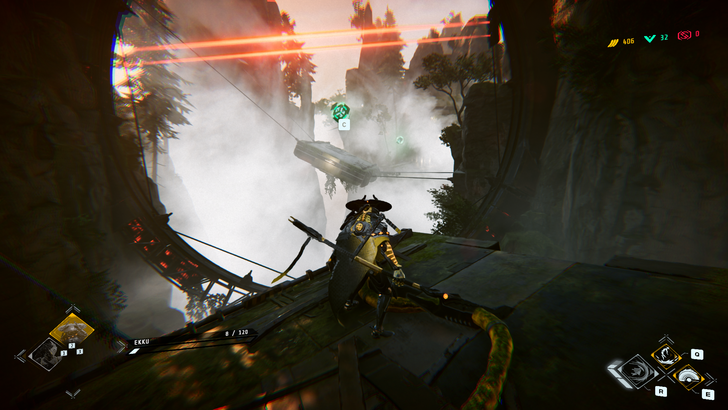
Character shifting is easily one of Morbid Metal’s standout delivery. Swapping between characters is smooth, instantaneous, and fluid enough that it feels less like switching characters and more like extending your moveset in real time. It’s quick, seamless, and lets you adapt your playstyle on the fly without ever breaking the flow of combat.
Right now, you’ve got three characters to work with: Flux, Ekku, and Vekta. And they’re skills are distinct enough from each other that one compliments the next. Flux leans into speed and agility, making him ideal for airborne combat and quick repositioning. Ekku, on the other hand, is your heavier hitter, built for grounded fights where you need wider coverage and the ability to deal with bulkier or shielded enemies.
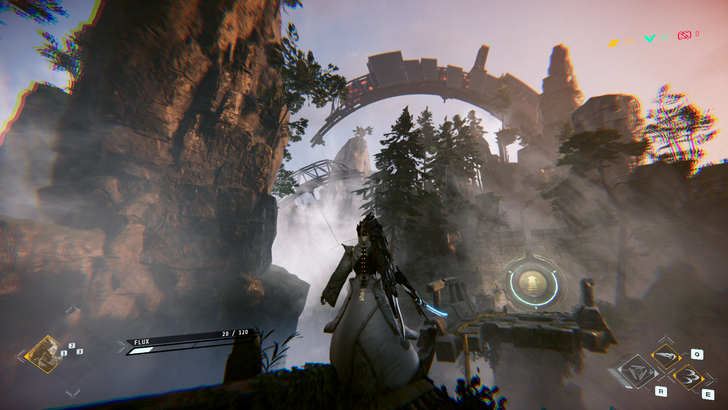
And because shifting is as simple as a button press, you’re constantly weaving them together. You can be laying into enemies as Ekku on the ground, launch upward, then switch mid-air before you even reach a flying target. That kind of responsiveness turns combat into chaining the right tools together at the right moment.
Enough Variations to Keep You Guessing
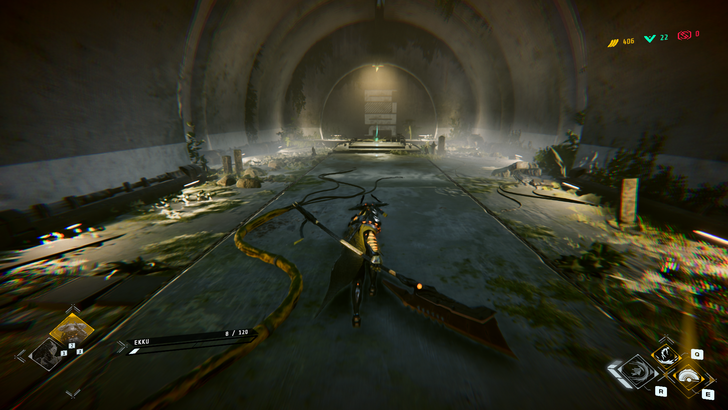
At this stage of early access, Morbid Metal only offers two biomes. I know that’s limited but there’s a lot more going on here than a simple two-area structure. And the proof is that reaching the second area will take you a while.
That’s because the biomes aren’t just a straight line from point A to point B. There are hidden paths, offshoots, and routes you won’t even realize exist unless you start poking around or approach a run differently. The more you play, the more you start to notice openings and variations you might’ve missed before.
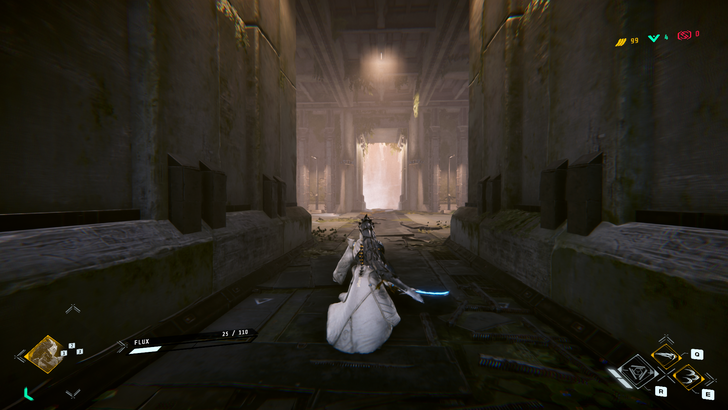
Even within the first biome, things don’t stay static. After the opening stretch, the environment can shift and change, meaning you’re not always running through the same layout or encounter flow. There’s a layer of unpredictability to it. You’re never entirely sure which version of the biome you’re about to get, and that alone helps keep early runs from feeling repetitive.
And realistically, you’re going to die. A lot. But that’s part of the loop. Each failure sends you back to the Void, where you can invest in upgrades and come back stronger. So even with just two biomes, you’ll end up spending a lot of time here—learning layouts, uncovering paths, and gradually pushing further with each attempt.
Held Back By Limited Content And Minor Bugs
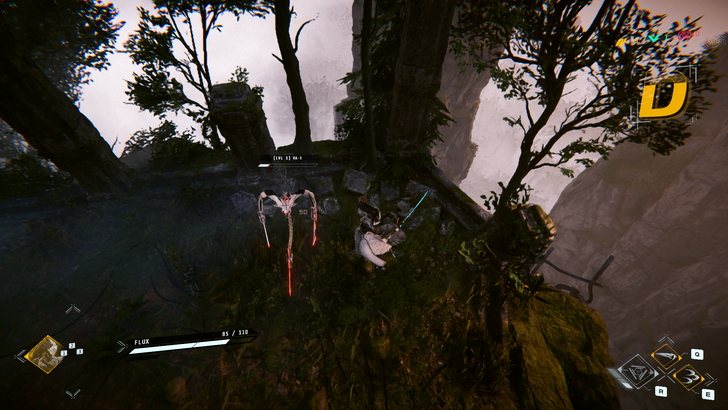
Am I saying Morbid Metal is perfect? Not even close. It’s beautiful, it’s fast, and it absolutely nails that chaotic, high-speed combat… but it’s also very clearly unfinished.
Right now, after maybe under eight hours of straight gameplay, you’ll likely have seen everything the game has to offer. And while the RNG-driven structure does a good job of making runs feel different, the core combat loop can start to feel a bit samey once you’ve spent enough time with it. The variation is there, but not quite deep enough yet to fully carry repeated long sessions.
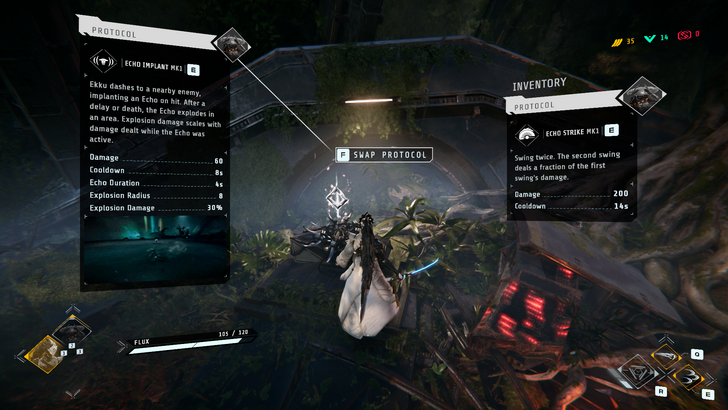
A big part of that comes down to the limited content. Even for early access, it feels a bit thin. You can see the potential, but you can also feel where more content—more biomes, more enemies, more systems—needs to fill in the gaps.
There are also a few technical hiccups. Nothing completely run-breaking, but noticeable enough to interrupt the flow. For instance, pressing a button while the Routine selection screen is loading can bug things out, locking the first option behind another and making it unselectable. It’s the kind of issue that reminds you the game’s still in progress.
Promising Roguelite—If You’re Willing to Wait
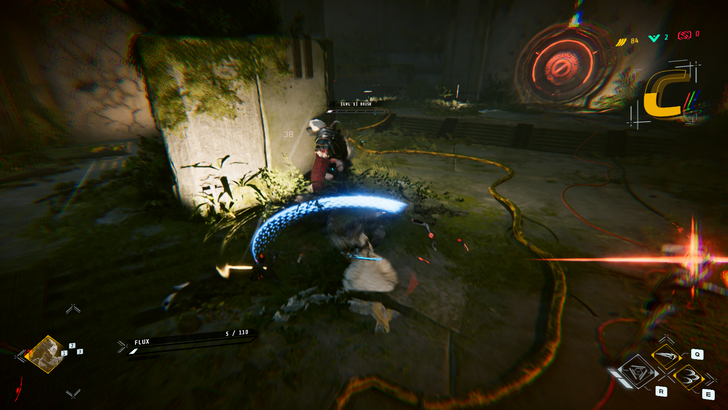
So while Morbid Metal is already shaping up to be a strong, stylish action roguelite, it’s not quite there yet. What’s here is solid but it still needs more time, more content, and more polish to really reach its full potential.
At $17.99, it’s a fair price for what you’re getting now, but realistically, you’re also paying for what the game could become. You’re investing in its future as much as its present. The good news is that with a clear roadmap ahead, things aren’t looking bleak.
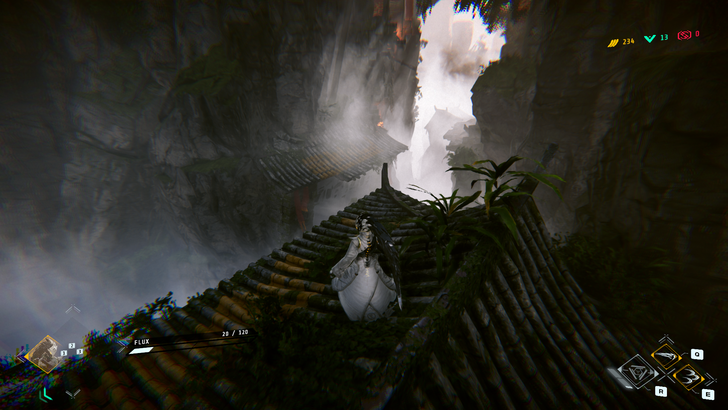
If you’re itching for a new hack-and-slash and don’t mind jumping in early, it might be worth picking up now (especially while it’s discounted to $13.49). Just go in knowing you’re signing up for the journey, not the finished product.
Game8 Reviews

You may also like...
 |
Super Alloy Crush Review [Early Access] 2D Action Brawler |
 |
Raccoin Review Strategy, Simulation, Roguelite |
 |
AI LIMIT: Eirene's Furnace of War Review RPG, Action, Adventure, Anime, Roguelite, Soulslike |
 |
Cult of the Lamb: Woolhaven Review Action, Adventure, Strategy, Indie, Roguelite |
 |
Towa and the Guardians of the Sacred Tree Review Action, Roguelite |
Morbid Metal Product Information
 |
|
| Title | MORBID METAL |
|---|---|
| Release Date | Early Access April 8, 2026 |
| Developer | SCREEN JUICE |
| Publisher | Ubisoft |
| Supported Platforms | PC (Steam) |
| Genre | Action, Roguelike, Hack and Slash, Fighting |
| Number of Players | 1 |
| ESRB Rating | N/A |
| Official Website | Morbid Metal Official Website |