



Overview
What is Mina the Hollower?
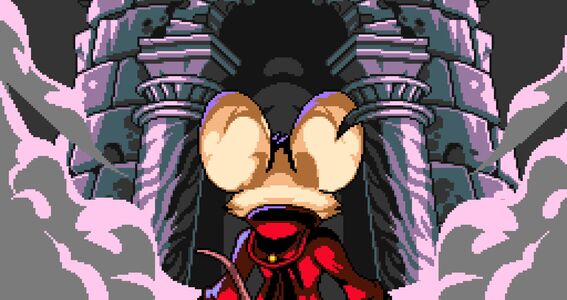
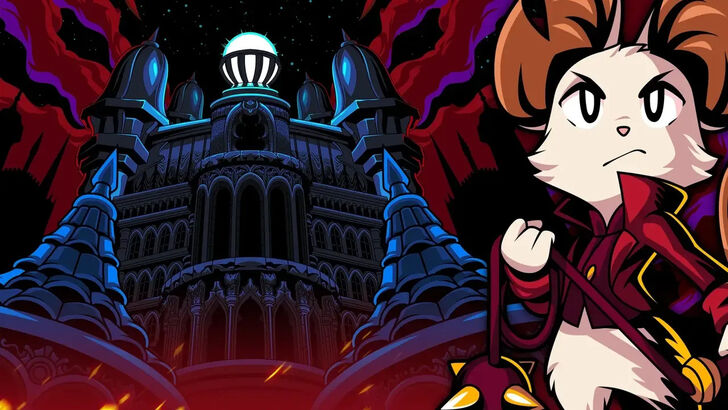
Mina the Hollower is a 2D action-adventure RPG game from Yacht Club Games, the developers behind the critically acclaimed Shovel Knight series. The game sees players taking control of Mina, an inventor and explorer who must save Tenebrous Isle and repair the Spark Generators, the island’s source of power.
Mina the Hollower features:
⚫︎ 2D, Zelda-like open-world exploration
⚫︎ Soulslike combat and progression
⚫︎ Highly customizable difficulty with run modifiers
⚫︎ Retro, spooky-cute gothic art style
⚫︎ Multiple weapons, upgrades, and playstyles
| Digital Storefronts | |||||
|---|---|---|---|---|---|
 Steam Steam |
 Playstation Playstation |
 Xbox Xbox |
|||
 Switch Switch |
 Switch 2 Switch 2 |
||||
| $19.99 | |||||
Mina the Hollower Review | Endlessly Brie-lliant
Soon, She’ll be Mina the Hallowed
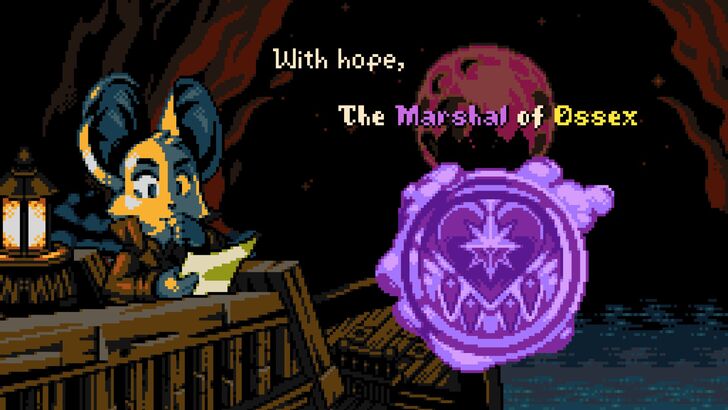
Before I begin talking about Mina the Hollower, I’d like to warn the laugh-tose intolerant that I’ll be making a lot of bad puns while talking about this game. I apologize for absolutely nothing, but for a game that inspires so much wonder, joy, and subsequent frustrations, I feel like it's appropriate.
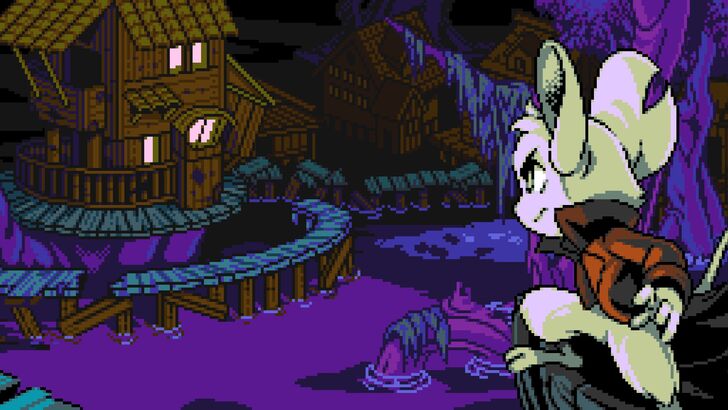
I immediately find myself taking a more lighthearted attitude when talking about this game because Mina the Hollower, itself, is so unapologetically full of life and wonder despite its gothic setting, harrowing difficulty, and turbulent, harrowing production cycle. Mina the Hollower is an infectiously beautiful, exhilarating experience brought to life by its colorful, Gameboy Color-inspired art style, vast and fully realized world, and some of the best, most expressive combat I’ve experienced in a 2D Zelda-like.
Not to get too cheesy, but I cannot understate just how much joy this game brings me, down to its most basic premise. From the get-go, it takes great inspiration from the Gameboy Color era of Zelda, one of my personal favorite eras of the franchise that I think is heavily underrated and could use more love, and fuses it with the tense, highly customizable combat of the Souls games.
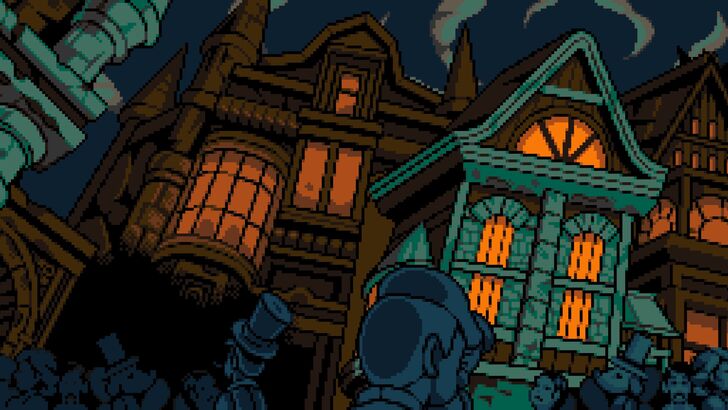
This fusion is already executed perfectly, but Mina the Hollower transcends homage and becomes much more than the sum of its mechanical parts through its gorgeous world. Tenebrous Isle is a vast steampunk-gothic style world that springs out at the player fully formed, teeming with strange, lovable NPCs, hostile enemies, and fantastic secrets to discover.
That being said, don’t mistake Mina’s vibrant, quirky world for an inviting one. The game takes just as much inspiration from Dark Souls and Castlevania’s horrifying difficulty and moral ambiguity as it does from its Victorian-horror style. This makes Mina a particularly harrowing and challenging adventure to traverse at times, with that feeling of impending dread coming to a head in the narrative’s contentious conclusion.
The spark, if you will, that makes Mina the Hollower such an electrifying joy to play is in its exercise of precision and balance. Much like Mina herself when burrowing through the earth to outmaneuver foes, the game navigates its own dichotomies beautifully. The colorful retro charm and blood-pumping combat on the game’s surface only turns the grey morality and inherent darkness that lies beneath it more potent, and it’s an incredible experience to behold.
A Hole New World, A Dreadful Place I Never Knew
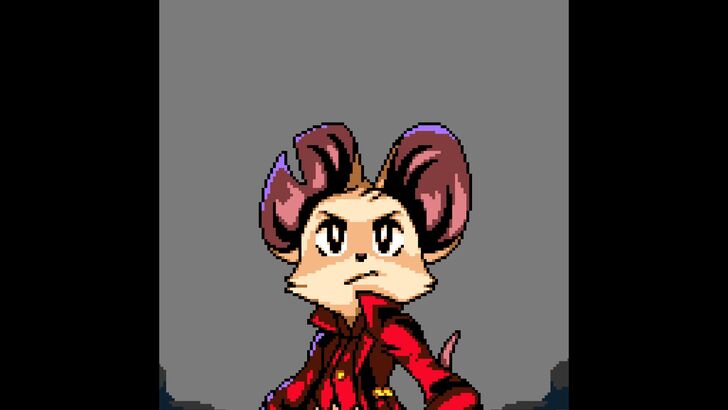
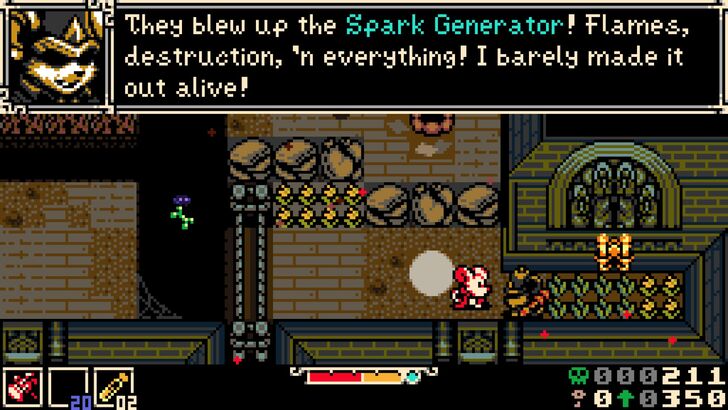
The expansive, beautifully gothic world of Tenebrous Isle is not only a thrill to explore with its many dangers and secrets, but it also feels comfortably lived in too. To start, I appreciate that Mina is a preestablished part of the world, an important character who invented the Isle’s primary source of power, the "Spark Generators."
The choice to make Mina a central figure in the history and formation of Tenebrous Isle’s society is a strong, effective way to tie her into the world and give her much stronger stakes in the narrative. The main premise of the game, after all, is to repair all six of the Spark Generators after they’ve been destroyed by Thorne, a primary antagonist and former member of the royal guard. This, however, creates some critical narrative missteps that I feel bring down the story even with some admittedly cool concepts behind it.
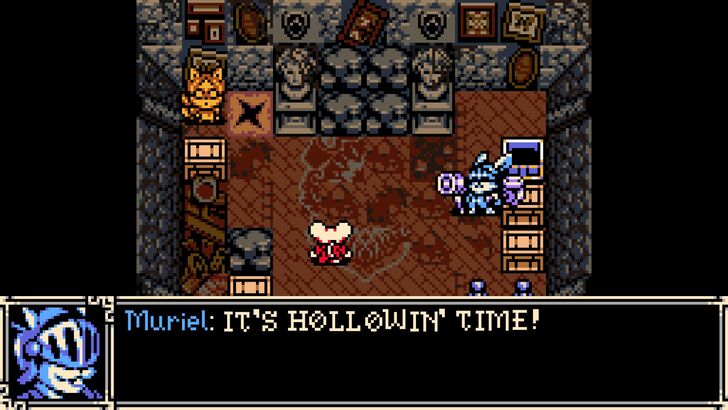
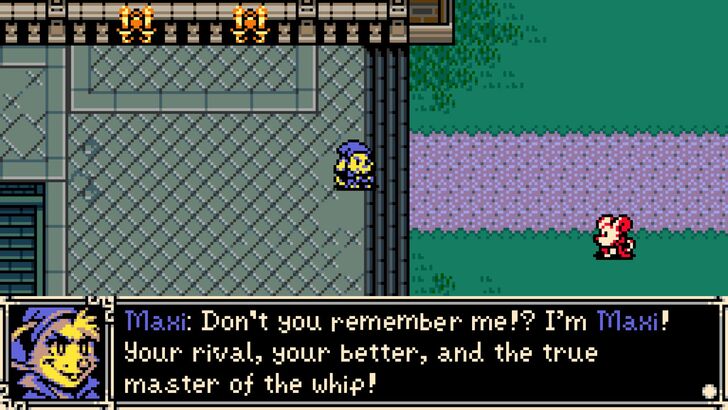
Mina’s preexisting relationships with many quirky NPCs serves as a great way to inject some well needed heart and whimsy into the world. Rhene, a fox and one of Mina’s friends from the Hollower’s Guild, was a fun and helpful companion as I was rescuing her, while fellow guild member Muriel stole my heart immediately when she yelled "IT'S HALLOWIN TIME!" directly in my face.
Even certain side characters and NPCs throughout the world grant Tenebrous Isle this quirky, surreal atmosphere through strange, sometimes amusing dialogue. There’s an endless list of fun, quirky characters to interact with: from thieves that steal all your money, rich giraffe matriarchs with necks that reach the 2nd floor of their houses, and even clowns that jumpscare you across the map to tell you terrible dad jokes (see, the bad puns were related to the review after all!) The world of Mina the Hollower is dense, rich, and incredibly fun to discover, and I never got tired of finding a new NPC to learn more about.
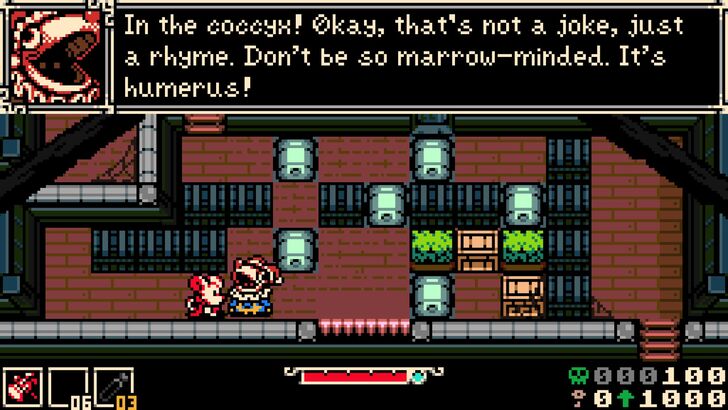
Unfortunately, this leads to a slight issue regarding the long-term weight of these moments, or the lack thereof. These interactions are quite touch-and-go, with these characters feeling more like passersby in Mina’s story than integral parts of the world and narrative. Every character I just mentioned, from members of the Hollower’s Guild to the strange NPCs you encounter along the way, have only varying levels of impact on the overall narrative.
Even the game’s many sidequests and story vignettes serve little relevance once their moment has passed, rewards and funny punchlines notwithstanding. You could kill a leaf by complete accident and watch its family mourn in front of you, and that moment means little in the face of the overall narrative.
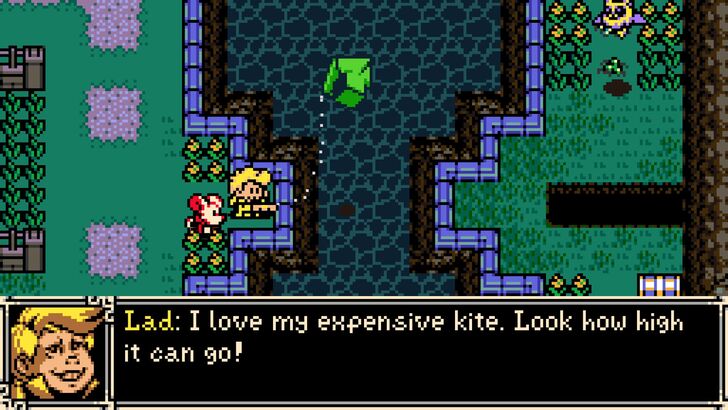
One could argue that the transience of these characters is exactly the point. Gothic worlds like Tenebrous Isle (and especially those of Mina’s predecessors) are usually cold and uncaring and devoid of characters to feel attached to, and that these character moments are done in the service of stronger, more fleshed out worldbuilding.
These are all, generally, true to Mina’s worldbuilding, and they still serve as effective methods of worldbuilding. However, they still feel like a stark missed opportunity, and in my opinion Mina could have used its incredibly strong worldbuilding to create characters that left lasting, deep impressions outside of their singular quirks. As it stands, though, they serve as quaint landmarks in the face of the grand adventure.
A Story That’s Anything But Hollow
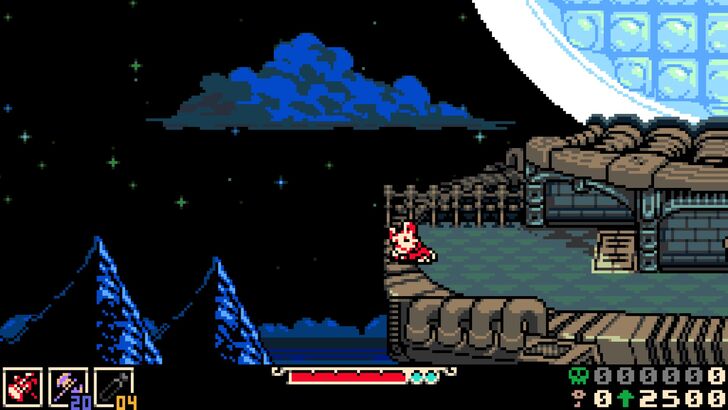
Speaking of that grand adventure, Mina’s story leverages its excellent worldbuilding to great effect while also falling into similar narrative pitfalls. As a hybrid between a swashbuckling, burrowing adventurer and a mad scientist, Mina’s role in the story ends up surprisingly passive and non-committal for a character so crucial to the world.
Without going into too many spoilers, the narrative is effectively a climate change/late-stage capitalism allegory in the vein of Final Fantasy VII, even going so far as to replicate the usage of a mysterious resource that ends up literally blowing up in everyone’s faces. It's a salient narrative that mostly works well and smartly recontextualizes your actions throughout the story. I personally found it to be excellently done, though I can imagine it being a sore spot for players who wanted the story to lean more into its colorful, adventurous side.
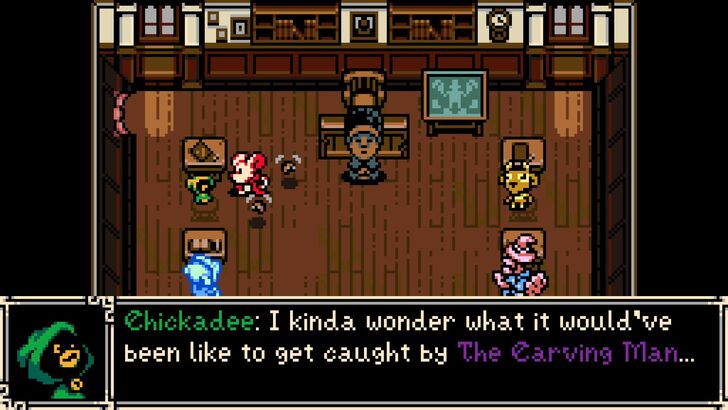
The story and its twist villains are classic in their allegorical roles, even if that does end up making them a bit predictable. I called certain story twists moment by moment several hours before they even happened, but I find that trying to beat a story at its own game is counterintuitive to enjoying it. There is a pristine purity to the narrative’s themes and how they’re executed, and it works beautifully to flesh out the gameplay and provide it depth beyond its mechanical challenges.
Even then, there were certain twists and turns in the story I absolutely didn’t expect despite them being signalled as early as the beginning of the game. Treating the restoration of the Spark Generators as the most crucial story quest, in hindsight, seems naive in the face of the overwhelming desolation in Ossex alone. The central town of the game is already such a staggering display of inequality, with massive castles and high-end shopping centers directly neighboring slums populated by vagrants and workers.
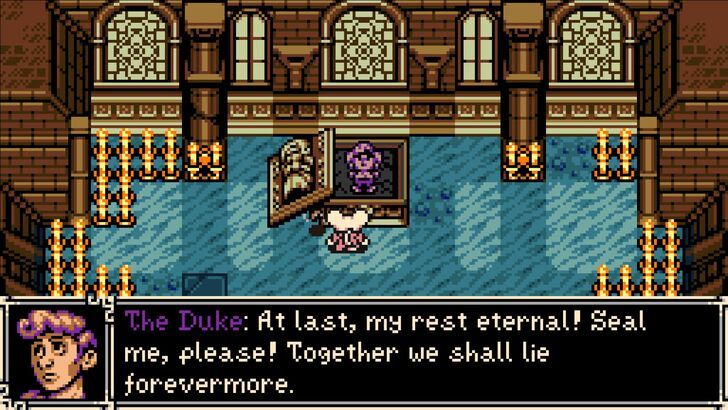
This already sparks doubt in you, as a player, about the adventure you’re going on, and just how noble Baron Lionel’s intentions are in asking you to fix Mina’s creations. This all comes to a head in the game’s daring and brave finale, which really forces you to contend with the consequences of Mina’s actions and serves as the ultimate reinforcement of this game’s underlying darkness.
I do wish, however, that Mina played a more active role in this finale. It's strange to me that, given her otherwise helpful and determined disposition, that Mina has absolutely nothing to say about the chaos happening around her. Nonetheless, it at least gives the player a lot to think about with its themes and ideas, and I find that a mark of a competently compelling story.
It’s Nacho Average Retro Zelda Homage
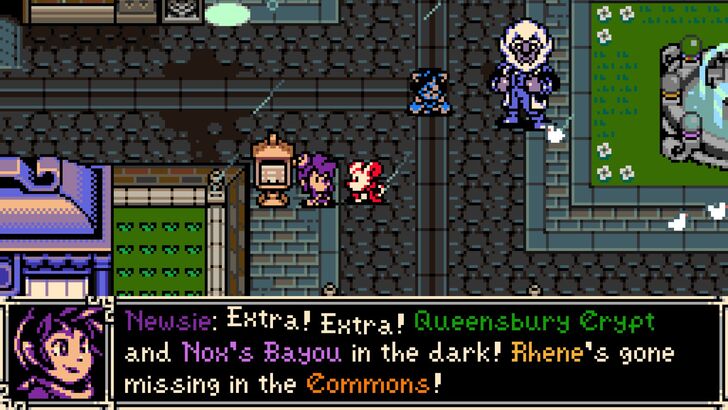
While Mina the Hollower’s retro style might immediately be reminiscent of the Gameboy Color’s classic, reflective TFT screen, the game’s art style shines through and shows that there’s more to the visual direction than just old-school tributes. Yacht Club Games have always been masters of transforming the 8-bit style of generations past into contemporary video game landscapes, and in this regard Mina the Hollower might be its best work yet.
Mina the Hollower’s retro world is incredibly stylized and vibrant, with both cutscenes and general gameplay moments creating beautiful, moving portraits of Tenebrous Isle and the people within it. The way the game uses its beautiful pixel-art style to construct a vast, complex and fully formed world is, ironically, one of its most forward-thinking triumphs.
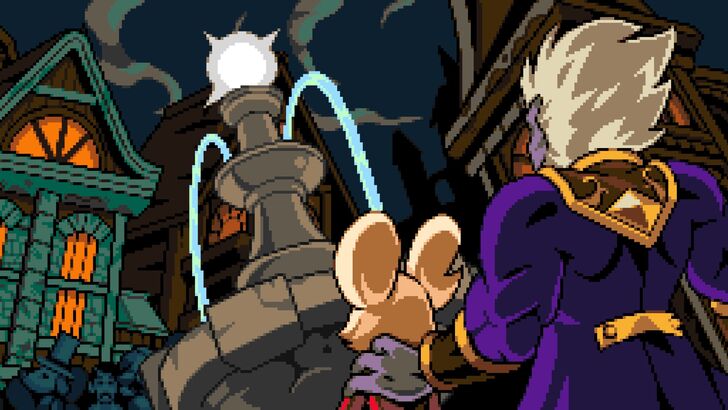
The game’s visual beauty also translates directly into gameplay and exploration, with the Oracle of Ages/Seasons homage also working wonderfully for visual clarity. Breakable items, secret passageways, and points of progression are all subtly placed, but visible enough through discordant shading and shapes that it doesn’t take a sharp eye to spot them.
Furthermore, having everything in the gameplay portrayed within singular screens means that information is conveyed instantly, making exploration and dungeon crawling a fulfilling task for players with an eye for detail. Dungeons utilize this excellently, with their self-contained, scrolling spaces making secret hunting much more rewarding. It somehow never manages to feel cluttered and claustrophobic despite this, thanks in large part to the distinctly designed characters and enemies.
The music in Mina the Hollower is also fantastic. It utilizes the retro, chiptune style of 8-bit Zelda to great effect: bitcrushed synths perfectly convey the suspense and tension of certain scenes, chromatic melodies give combat and exploration that classic adventuring feel, and warmer, calmer tones make towns feel like safe, hole-in-the-wall respites.
I found that the overworld themes in specific areas were the clear highlight of the score, with the boss themes not lagging too far behind. One of my personal favorites was the Bone Beach theme, it matches the vibe between spooky and funky perfectly and as a bass player I'm a sucker for a thriller bassline.
That being said, I do feel like the score can get a little tedious and repetitive given the amount of time you have to spend in these areas. By nature of them being 8-bit retro homages, these tracks are meant to operate as a loop even if they do shift in tempo or key, and certain songs show their limited range much quicker than others. Still, this is a minor and frankly pedantic nitpick in an otherwise excellent soundtrack.
Vanquishing the Muensters of Tenebrous Isle
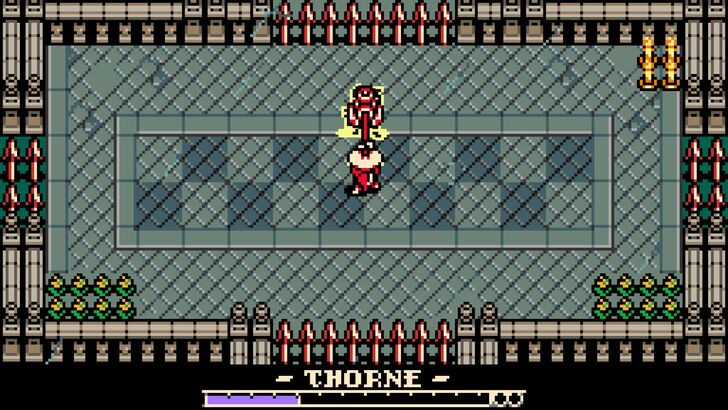
Mina the Hollower’s combat is where the game’s synthesis between the Souls games and classic Zelda is at its strongest, somehow translating the movement heavy, weapons-based combat of 3D action games on a 2D plane perfectly. There’s a learning curve to the combat that both informs the game’s overall difficulty and allows for very skill-expressive gameplay for those who want to master the game’s systems.
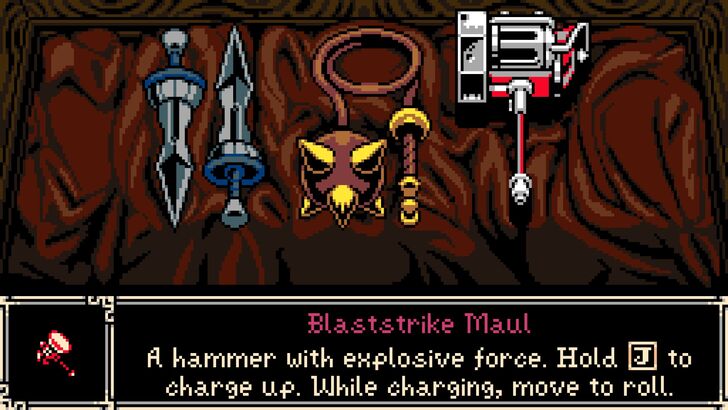
The game’s starting weapons, the Whisper and Vesper daggers, Nightstar whip, and Blaststrike Maul hammer, all center around specific playstyles that affect how combat is approached. While I got to try all three weapons, as a lover of powerful weapons that emphasize big swings I gravitated towards the Blaststrike Maul. I found that it had a fun, dynamic mix between speed and power, and as a huge Beatles fan I couldn’t stop myself from calling it "Mina’s Silver Hammer" throughout the game.
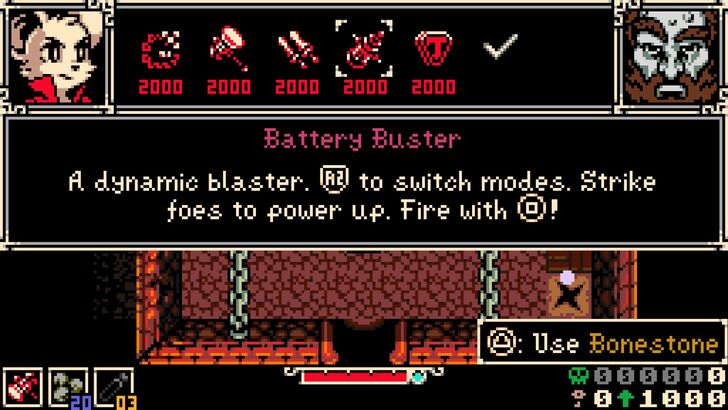
There are also two other weapons that can be obtained at certain points in the game: the Guardian’s Casket and the Battery Buster. The former is a shield that can serve as a melee attack, while also allowing Mina to parry moves and counterattack accordingly. The latter, meanwhile, is a mix between Link’s Master Sword and Mega Man’s Buster Arm, a hybrid melee/ranged weapon that players can switch between at will.
The in-depth weapons system is just one of the many ways that Mina the Hollower emphasizes customizability and freedom. It serves as a way to offer players different, distinct playstyles with their own strengths and weaknesses, and I found myself deliberately switching between different weapons to beat different challenges. Some bosses required the weight and impactful strikes of Mina’s Silver Hammer, while the Battery Buster’s fantastic versatility made light work of ranged bosses.
Perhaps the most crucial part of Mina the Hollower’s movement and combat is the game’s signature "Hollowing" mechanic, a move where Mina burrows into the ground and digs through for a short duration. This mechanic is anything but hollow, serving as a dodge, traversal tool, and approach option all at once.
Hollowing is a very satisfying mechanic to learn and use, and despite the initial learning curve for Mina’s slippery locomotion it rewards persistent players by being such a versatile move. This is especially true for boss fights, with some of my favorite moments in the game being tied to using the mechanic to perfectly maneuver through an attack, jump out at the end of the hollowing animation, and landing in the perfect spot to strike.
The game also features sidearms, or secondary weapons that use up resources called "Joules" that can be collected across the overworld. These range from the Volt Hatchet, a throwable axe with splash damage, to the Iron Steed, a bicycle Mina can ride in the overworld that also allows her to glide over pits.
As limited resources that are lost upon death, these items reminded me of the firearms in Bloodborne or the sub-weapons in Castlevania in how they enable specific abilities and complement your primary playstyle. As a hammer user, I loved having the Deflector Parasol for some much needed defense, while players that use the dagger will surely appreciate the Volt Hatchet’s range and splash damage.
Burrowing Through Your Own Path
Mina the Hollower’s initial difficulty and learning curve can be highly intimidating to more casual and less-experienced players, but that is entirely offset by the sheer freedom the game offers you. I find Mina’s nonlinearity and endless customizability to be one of its strongest assets, a core game design decision that makes every playthrough feel memorable and unique to your own decision-making and critical thinking skills.
To start, Mina the Hollower is entirely open world, and progression throughout its main areas is entirely up to you and how you explore the world. While the story merely suggests a recommended order to the adventure, Mina encourages and actively rewards persistent and intuitive players who want to burrow through their own path.
There’s at least more than one way to conquer puzzles and find your destination, whether it's by using sidearms, carefully mastering the Burrowing mechanic, or even finding a roundabout route, and it makes the world all the more fun to explore. For instance, the newspapers and the central fountain in Ossex suggested that I tackle Nox’s Bayou as the second dungeon. However, by using certain sidearms in unconventional ways I managed to enter the third area Septemburg before I was technically "meant to."
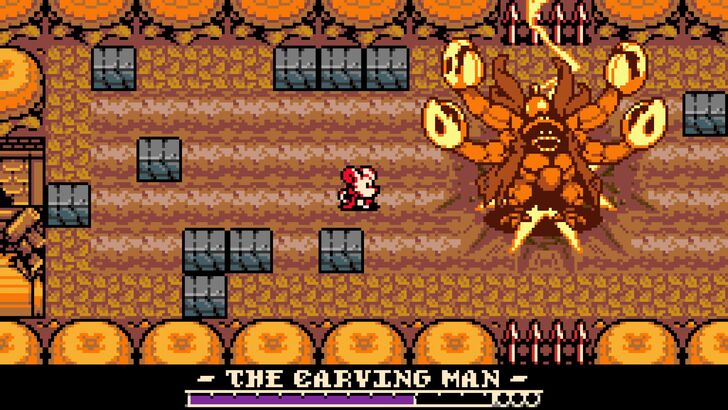
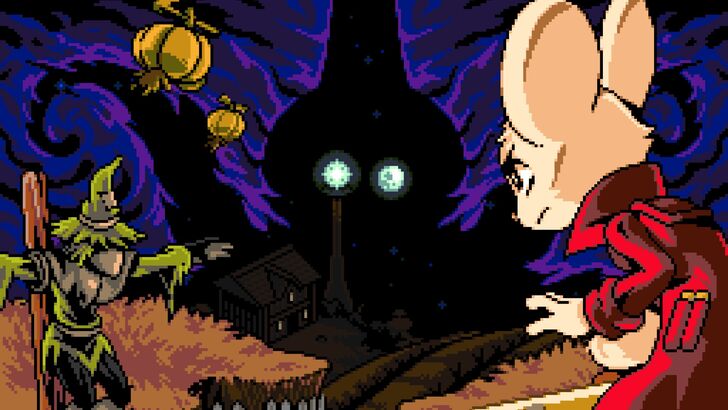
On that note, I have to once again praise the game’s world design since each of these areas are beautifully distinct and offer their own unique subplots, rewards, and treasures to uncover. Septemburg was my absolute favorite, an autumn themed area with a terrifying monster chasing you throughout the area, while Queensbury Crypt and Nox’s Bayou were incredibly fun to figure out.
This emphasis on customizability also applies to the game’s overall progression system, as both the Bones and Trinkets system do wonders in grinding your specific playstyle down to a mirror sheen. Bones, which serve as a catch-all for Experience Points and overworld currency, are incredibly flexible in how they allow you to either focus on leveling up specific stats or use them to purchase permanent upgrades in the game’s different shops.
Trinkets, meanwhile, are passive upgrades that can be equipped from Mina’s Underlab and offer everything from stat boosts to entirely unique abilities that directly affect combat. Multiple of these Trinkets can be equipped at a time when purchasing extra slots, with certain trinket combos changing a great deal of Mina’s damage output, speed, and durability.
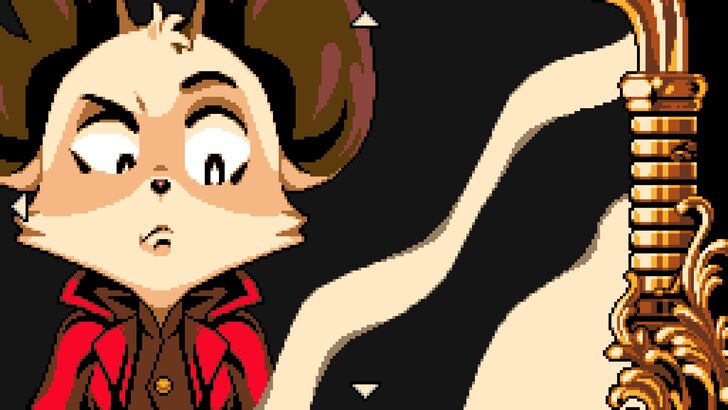
While all of this already makes Mina the Hollower one of the most configurable games out there, what really sends it over the edge is the Modifier system. Every save file can be modified in over a hundred different ways, from minute changes like changing movement speeds to massive, sweeping changes to the game like Boss fight checkpoints, keeping Bones after death, and more.
This is, quite frankly, one of the most ludicrously in-depth difficulty systems I’ve ever seen in a game, as players can fine tune the experience entirely to their liking to make the experience easier or harder. This somehow doesn’t come at the expense of the game’s difficulty or mechanical complexity, as these modifiers are off by default and the game is meant to be played with them off. I didn’t touch the modifiers at all until my New Game+ playthrough, and in both playthroughs the challenge still remained steady and unwavering.
Is Mina the Hollower Worth It?
A Squeak-tacular Experience Worth Digging Into
Mina the Hollower is a triumph on all fronts, but it's especially fantastic at the different balances it strikes. It is a masterclass in precision and dichotomy, somehow being accessible yet deeply intricate, cutesy and colorful yet bleak, gothic, and morally gray - the list goes on. Even with a combination of predecessors as acclaimed as Dark Souls, Castlevania, and The Legend of Zelda, it is in this tightrope act that Mina the Hollower burrows into its place as a modern, soon-to-be hallowed classic. Whether you’re a fan of the three series I mentioned or a nonbeliever in the 2D retro nostalgia wave, Mina the Hollower just can’t be missed. It's a mouse-terpiece that stands tall in its diminutive, single-screen glory.
Game8 Reviews

You may also like...

Mina the Hollower Product Information
 |
|
| Title | MINA THE HOLLOWER |
|---|---|
| Release Date | May 29, 2026 |
| Developer | Yacht Club Games |
| Publisher | Yacht Club Games |
| Supported Platforms | PlayStation 5, Xbox Series X|S, Nintendo Switch, Nintendo Switch 2, macOS, Steam |
| Genre | 2D, Action, Adventure, Open World |
| Number of Players | 1 |
| ESRB Rating | ESRB E10+ |
| Official Website | Mina the Hollower Official Website |