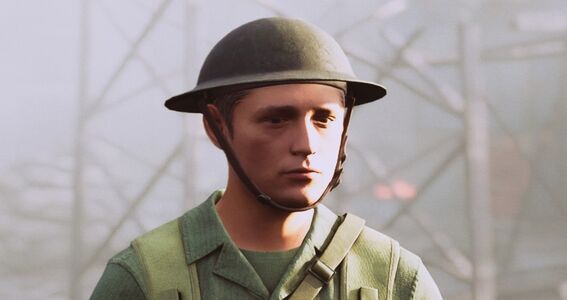




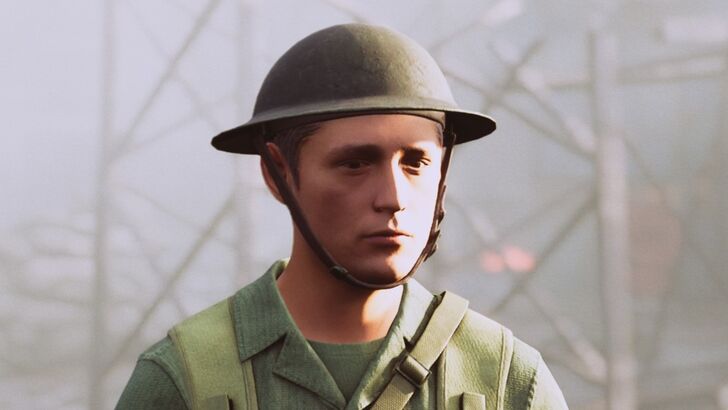
Medic: Pacific War is a combat medic simulation set in World War 2, where players treat wounded soldiers and navigate historic battlefields. Learn more about the game’s plot, gameplay, release date, our review of the demo, and more.
Everything We Know About Medic: Pacific War
Medic: Pacific War Plot
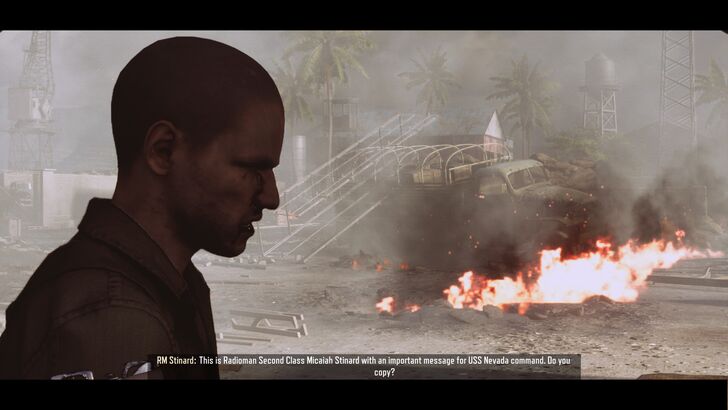
Medic: Pacific War follows Thomas Mayers, a young combat medic thrown into the chaos of the Pacific Theater during World War II. Across the currently available campaign chapters, including Pearl Harbor and the Philippines, players witness key moments of the conflict from his perspective as he attempts to save as many lives as possible amidst unfolding historical battles.
Medic: Pacific War Gameplay
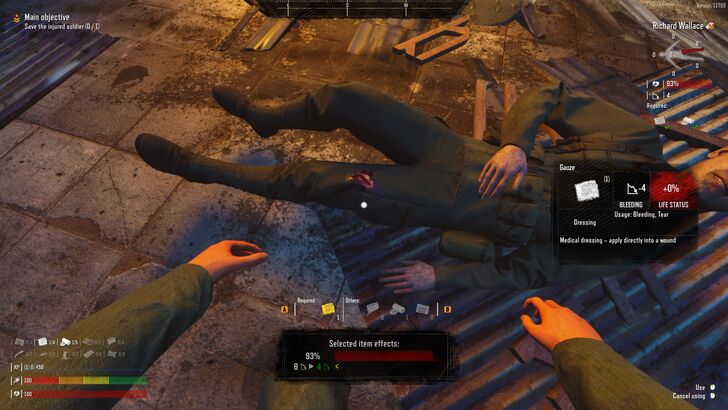
Medic: Pacific War is a medical simulation game set in active combat zones, where players take on the role of a medic responsible for treating wounded soldiers while navigating ongoing battlefield threats. Gameplay revolves around locating injured units, diagnosing and treating their wounds, and managing limited medical supplies, all while avoiding enemy fire and environmental hazards. The game also features a progression system for improving Thomas’ abilities, as well as a roguelite-style mode called Lifeline that emphasizes repeated runs with evolving perks and increasing difficulty.
Medic: Pacific War Release Date
Medic: Pacific War was released in Early Access on June 4, 2026 for PC (Steam). While there isn’t an exact date for the game’s full release, the developers have stated it will remain in Early Access for at least 1 year.
Medic: Pacific War Review (Early Access)
Needs More Time in the Triage
World War II remains one of gaming's most popular settings, with countless titles taking players across historic battlefields as soldiers, tank crews, fighter pilots, or even the captains of warships. While each game approaches the conflict differently, most ultimately focus on the people fighting the war itself, placing players at the center of battles that have been revisited time and time again.
Medic: Pacific War stands out by taking a different route. Rather than putting a weapon in players' hands, it casts them as Thomas Mayers, a young combat medic tasked with treating wounded soldiers during some of the Pacific Theater's darkest moments. Instead of charging into battle, much of your time is spent trying to keep others alive as history unfolds around you, offering a perspective that feels surprisingly uncommon within the genre.
That unique premise gives Medic: Pacific War a strong foundation, even in its current Early Access state. While technical issues, unfinished animations, and presentation hiccups occasionally get in the way, the pressure of treating wounded soldiers and making split-second decisions creates a level of tension that many traditional war games simply can't replicate. With only a portion of its planned content currently available, there's still plenty of room for improvement, but the groundwork already shows considerable promise.
Saving Lives, Not Taking Them
At the time of writing, Medic: Pacific War's story is limited to two chapters covering Pearl Harbor and the Philippines campaign. While both serve as the backdrop for Thomas Mayers' journey as a combat medic, what stood out to me most wasn't the historical events themselves, but the perspective the game chooses to tell them from.
Thomas isn't a soldier fighting on the front lines, nor is he some larger-than-life hero destined to change the course of history. He's a 20-year-old medic whose primary concern is saving as many lives as possible. That smaller perspective works surprisingly well, especially during moments where major historical events unfold around him rather than because of him. Even when players attempt to influence certain situations, such as helping the USS Nevada during Pearl Harbor, the game ultimately reminds you that Thomas is just one person caught in a much larger conflict.
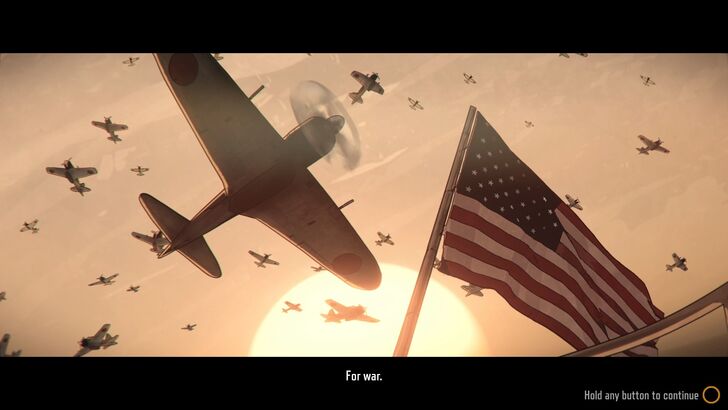
As a character, Thomas is still fairly underdeveloped in the current Early Access build. Most of what players learn about him comes from brief conversations with wounded soldiers, where small fragments of his life back home slip through in conversation rather than full exposition.
He occasionally mentions that there are things going on back home, but never in much detail. Still, the way he talks about his family—his sister Gail, his mother, and even stories about his grandfather’s service in WW1—gives the impression that he’s still closely tied to them. There’s an underlying sense that he misses them, even if it’s never stated outright, especially when he refers to his sister as “suffering more” or urges wounded soldiers to survive for the people waiting for them at home.
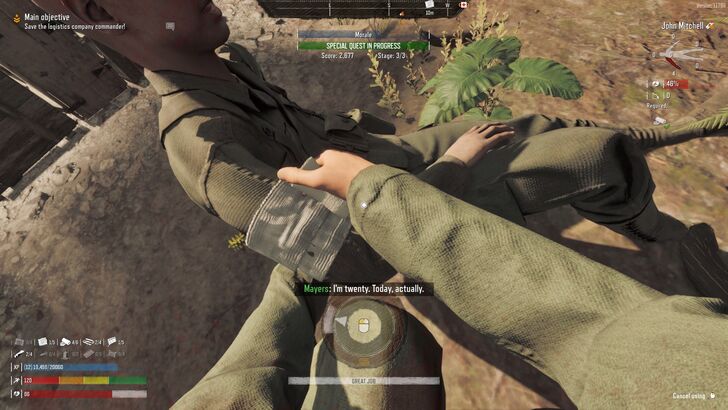
Yet despite how little the game reveals, I still found myself invested in him. His optimism and determination to help others give him a clear sense of identity, even if much of his personal story remains intentionally vague.
With only two chapters currently available, there's understandably not a lot of character development yet. Still, I came away curious to see where Medic: Pacific War takes Thomas next, particularly as the war continues to escalate and the realities of the conflict begin to weigh more heavily on him.
Saving Lives Under Fire
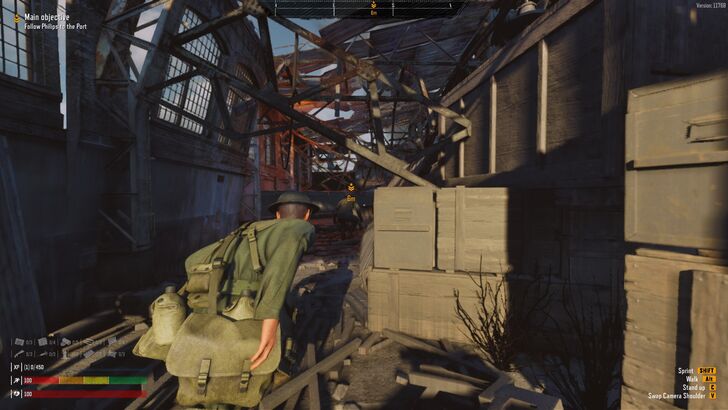
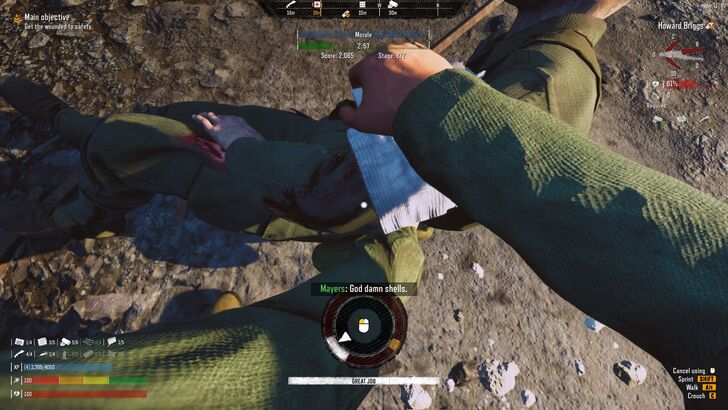
The strongest part of Medic: Pacific War is easily its medical gameplay. Rather than placing players behind the sights of a rifle, the game puts them in charge of diagnosing injuries, treating wounded soldiers, and managing limited medical supplies as casualties continue to arrive. While the individual procedures themselves are fairly straightforward, the challenge comes from everything happening around them.
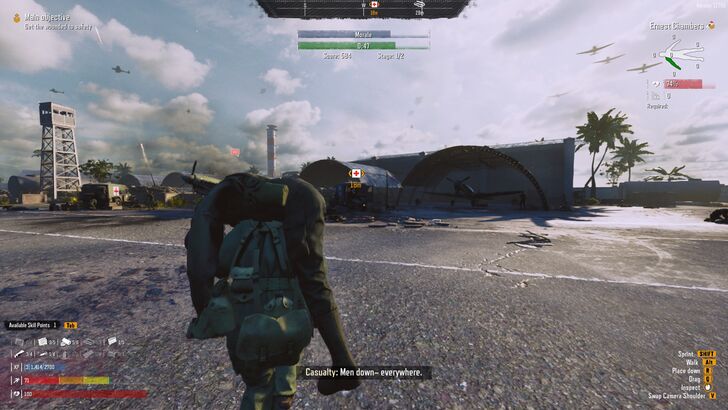
What makes Medic's gameplay work is how vulnerable it allows players to feel. Thomas may not be carrying a weapon, but that doesn't make him any less of a target. During the Pearl Harbor chapter, players must navigate bombing runs and strafing attacks, with red strike zones warning where incoming fire is about to land. The Philippines chapter is even more dangerous, forcing players to move between cover while Japanese snipers, infantry, and machine gunners keep the battlefield under constant threat.
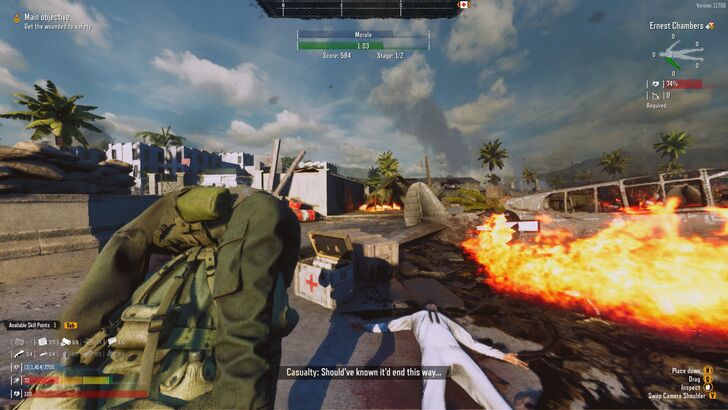
Adding to that tension is the fact that Thomas himself is a resource that needs to be managed. He has both health and stamina to worry about, with sprinting gradually draining his energy and carrying wounded soldiers consuming even more. Players can drag casualties to safety or crawl beneath obstacles to reduce the risk of getting shot, but doing so comes at the cost of valuable time. As a result, every rescue becomes a balancing act between speed and safety, where taking the fastest route isn't always the smartest decision.
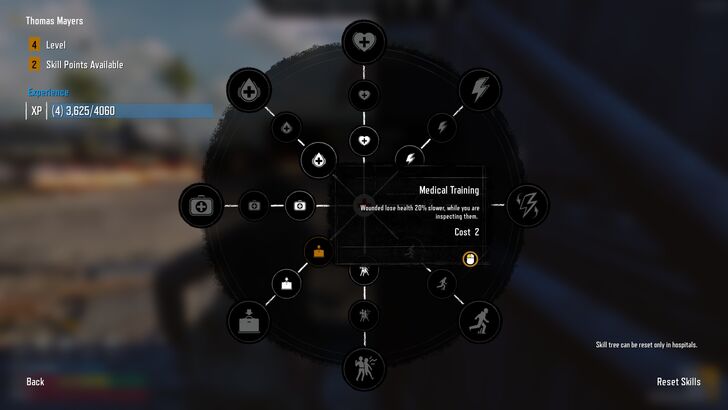
The skill tree ties into this nicely as well. As Thomas levels up, players gain skill points that can be used to unlock upgrades that affect everything from his health and stamina to how quickly patients bleed out while being examined. Other skills improve the amount of supplies found through looting, giving players a little more flexibility during missions. They're not game-changing abilities, but many of them directly support the choices you're already making on the battlefield, making the progression feel like a natural extension of the core gameplay rather than a separate system layered on top.
The pressure only continues once the wounded begin piling up. It's common to have multiple injured soldiers awaiting treatment at the same time, all with health that continues to deteriorate while you're occupied elsewhere. Combined with limited supplies and the constant danger surrounding you, the game frequently forces players to prioritize who needs help first. Do you rush across the battlefield to rescue a critically wounded soldier, or stabilize the patients already in front of you before it's too late? Medic: Pacific War regularly puts players in situations where there isn't an obvious right answer, and that's where much of its tension comes from.
That tension creates some of the game's best moments. Every successful rescue feels earned because it often comes down to quick thinking and decision-making rather than mechanical skill alone. At the same time, mistakes can be costly. During my playthrough, I lost two soldiers to blood loss after an interface issue prevented an action from registering properly. While frustrating, the incident also highlighted how effective the game's core design can be when everything is working as intended. When multiple lives are hanging in the balance and time is running out, Medic: Pacific War does an excellent job of making every decision feel important.
Lifeline Is Where the Gameplay Shines
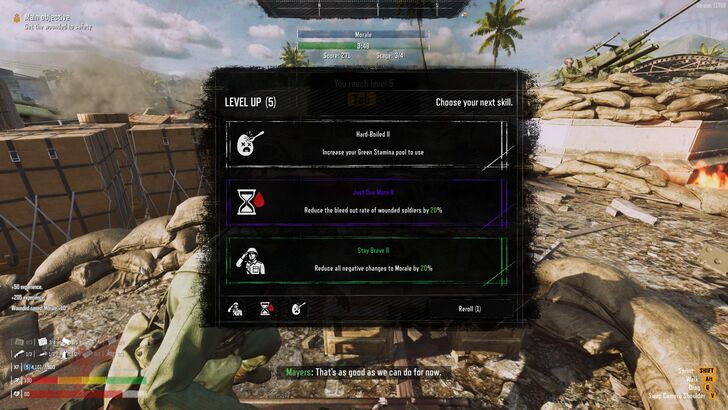
While the campaign does a solid job of introducing Medic: Pacific War’s core systems, it’s Lifeline that really brings them into sharper focus. Structured as an endless roguelite mode, it drops you into a constant cycle of rescuing wounded soldiers, scavenging supplies, and pushing for higher scores that translate into permanent perks between runs.
Compared to the campaign, Lifeline is noticeably more intense. Supplies run out faster, enemy aircraft actively pressure your movement, and stamina management becomes even more important when you’re constantly sprinting between casualties. There’s very little downtime here, and that lack of breathing room makes every decision feel more urgent.
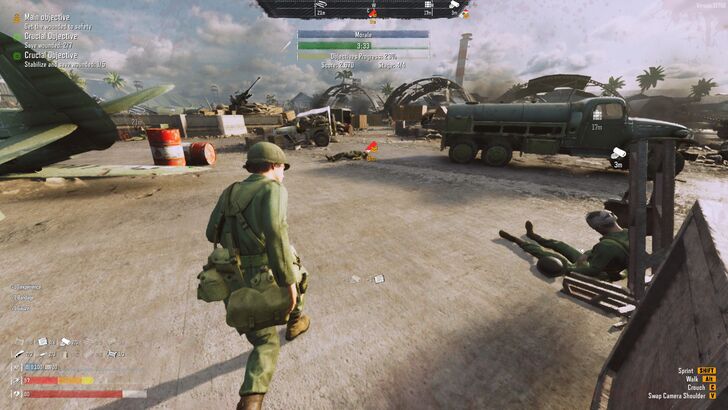
I also found myself getting genuinely stressed in ways the campaign didn’t always hit. There were moments where I simply didn’t have enough supplies to properly treat every wounded soldier, forcing me to improvise with whatever I had on hand. Between dodging incoming fire and stopping just long enough to loot nearby bodies, I was constantly trying to stay one step ahead of a situation that rarely gave me enough time to fully recover.
Despite that, Lifeline is also where I had the most fun. The perk system gives each run a bit of direction, letting you lean into different strengths over time, whether that’s improving survivability, increasing resource gain, or making medical treatment slightly more forgiving.
What makes the mode work so well is how often it pushes you into imperfect decisions. You’re rarely operating with everything you need, which means success often comes down to quick thinking and prioritization rather than perfect execution. It’s messy, sometimes overwhelming, but it fits the game’s core idea of trying to keep people alive under constant pressure.
Showing Its Early Access Scars
For all the strengths in Medic: Pacific War’s core gameplay loop, the Early Access build makes it very clear that the game is still unfinished in several areas. The issues here don’t necessarily break the experience, but they do show up often enough to interrupt the flow of otherwise tense moments.
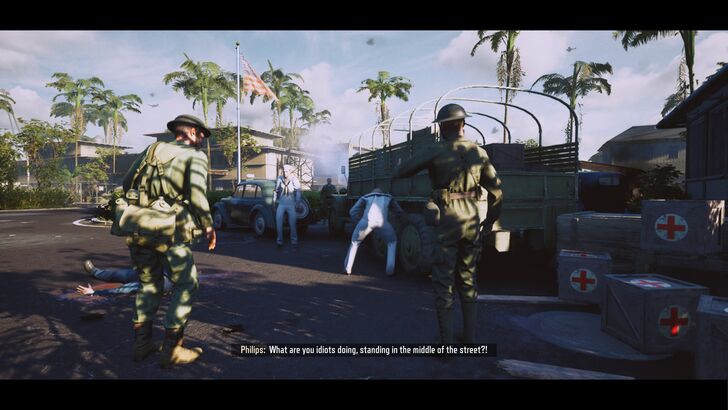
The most noticeable problems come from the game’s presentation. Cutscenes often suffer from stiff or incomplete animations, and in some cases, lip sync doesn’t properly match the dialogue. Voice acting is also inconsistent, with some performances landing well while others feel flat or poorly directed. There are even moments where audio levels feel uneven, or dialogue cuts off unexpectedly mid-line, which can make scenes feel disjointed.
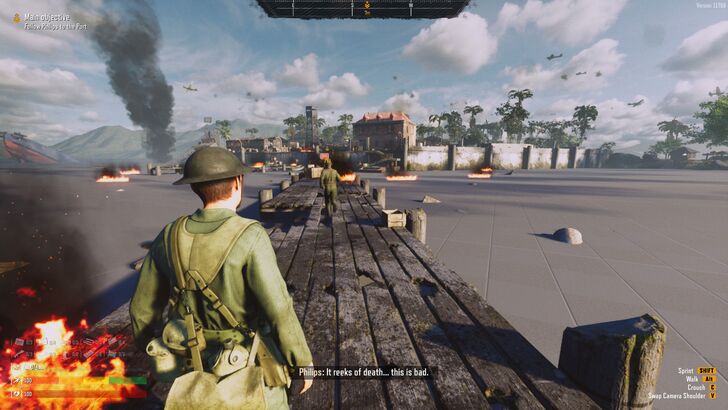
Audio issues become even more noticeable in Lifeline’s cutscenes. In one instance during the Pearl Harbor bombing sequence, an entire scene played out without any sound at all—no explosions, no aircraft, nothing. What should have been one of the most chaotic and intense moments in the game instead felt strangely hollow, almost like watching the event unfold in silence. Rather than heightening the tension, it ended up breaking it entirely, pulling me out of what was otherwise meant to be a high-pressure sequence.
On the technical side, things can get a bit rough. Adjusting certain settings can lead to unexpected visual issues—in my case, changing a graphics option caused the ocean in the Pearl Harbor map to disappear entirely, leaving behind a flat gray surface that clearly wasn’t intended to be seen. There are also occasional UI problems, such as inputs not responding properly, which can become frustrating when you’re trying to treat wounded soldiers quickly.
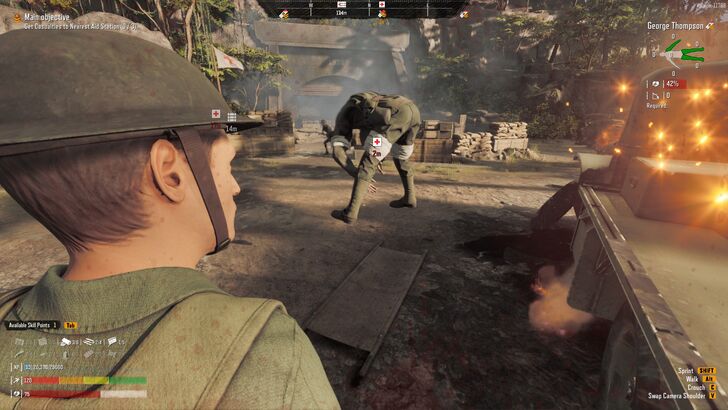
Even outside of bugs, the presentation can feel inconsistent. Voice lines sometimes repeat frequently during gameplay, while other moments go completely silent, leaving stretches where the battlefield feels oddly empty despite the chaos happening on screen.
None of these issues ruin what Medic: Pacific War is trying to do, but they do serve as a reminder that the game is still in development. When everything is working, the experience is genuinely strong—but when these rough edges appear, they can pull you out of the tension the game does so well to build.
Needs More Time on the Front
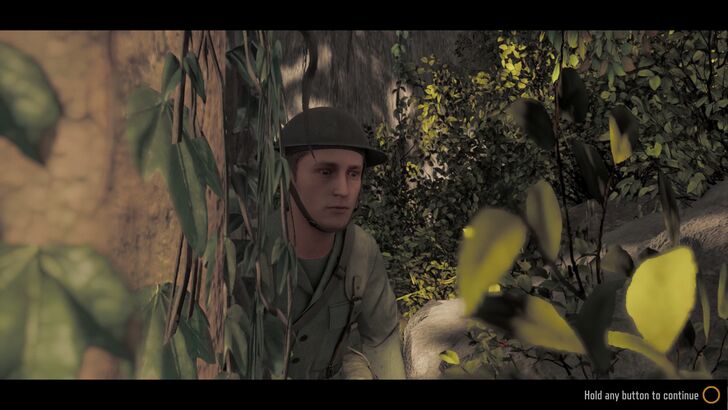
Medic: Pacific War already has a strong identity at its core. By placing players in the role of a combat medic during key moments of the Pacific War, it offers a perspective that immediately separates it from most other World War II games. The medical gameplay supports that idea well, building tension through constant pressure, limited resources, and the need to make quick decisions while everything is happening at once.
That said, it’s still very clearly an Early Access release. The game is held back by noticeable issues in presentation and polish, including inconsistent voice acting, unfinished animations, and occasional bugs and audio problems that can interrupt otherwise intense moments. These issues don’t break the core experience, but they do keep it from feeling fully cohesive.
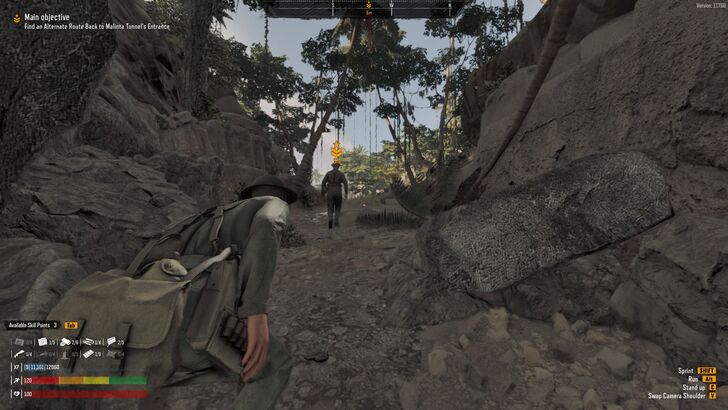
Even so, the foundation here is strong, and it’s easy to see where the game is trying to go. Lifeline mode in particular hints at what the systems are capable of when they’re pushed further, and the core loop already works well enough to be engaging on its own.
At around ten dollars, Medic: Pacific War is an easy entry point for those interested in the concept. It’s still rough, and clearly in development, but it shows enough promise that it’s worth keeping an eye on as it evolves. If the idea of playing a combat medic in the Pacific Theater appeals to you, there’s already something here worth experiencing—even if the final form is still some way off.
Game8 Reviews

You may also like...

Medic: Pacific War Product Information
 |
|
| Title | MEDIC: PACIFIC WAR |
|---|---|
| Release Date | June 4, 2026 (Early Access) |
| Developer | Hypnotic Ants |
| Publisher | IZilla Games |
| Supported Platforms | PC (Steam) |
| Genre | Action, RPG, Simulation |
| Number of Players | 1 |
| ESRB Rating | RP |
| Official Website | Medic: Pacific War Official Website |