




| Limit Zero Breakers | |||
|---|---|---|---|
| Release Date | Gameplay & Story | Pre-Order & DLC | Playtest Review |
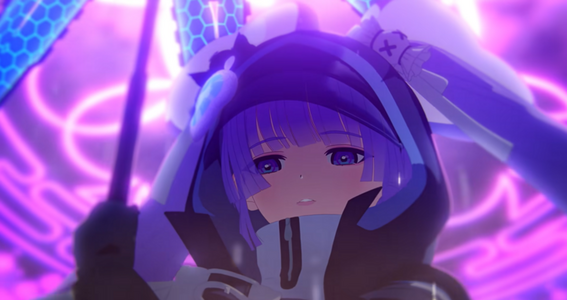
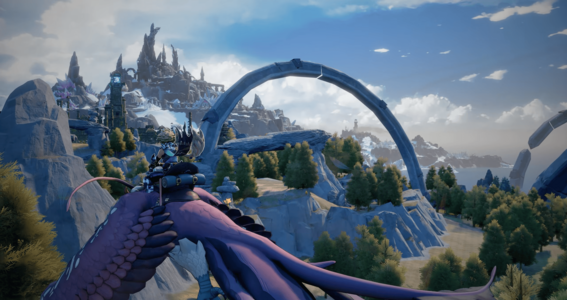
Limit Zero Breakers is a gacha action RPG where players control Breakers in the world of Seraphia as they seek the Archives of the Gods. Learn more about the game’s plot, gameplay, release date, our review of the demo, and more.
Everything We Know About Limit Zero Breakers
Limit Zero Breakers Plot
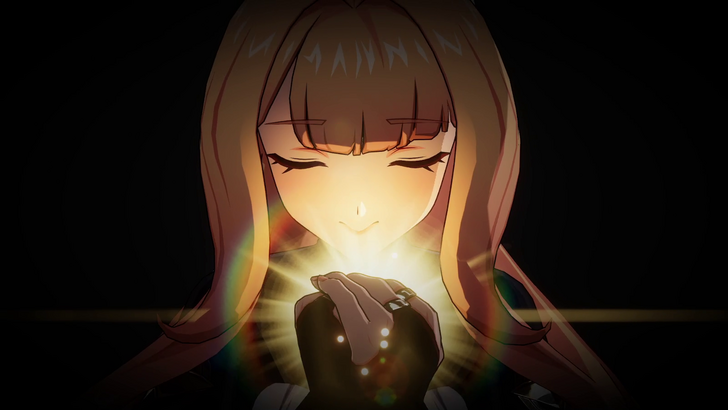
Limit Zero Breakers is set in Seraphia, a fractured world formed after the Great Calamity shattered the land into floating islands separated by corrupted mana. In the aftermath, humanity adapted using Skyweavers to travel the skies, while certain individuals known as Breakers learned to wield elemental mana. Under a long-standing empire that once unified Seraphia, a legend persists about the “Archives of the Gods,” a vault said to grant any wish to those who can reach it, drawing people across the world for different reasons.
Limit Zero Breakers Gameplay
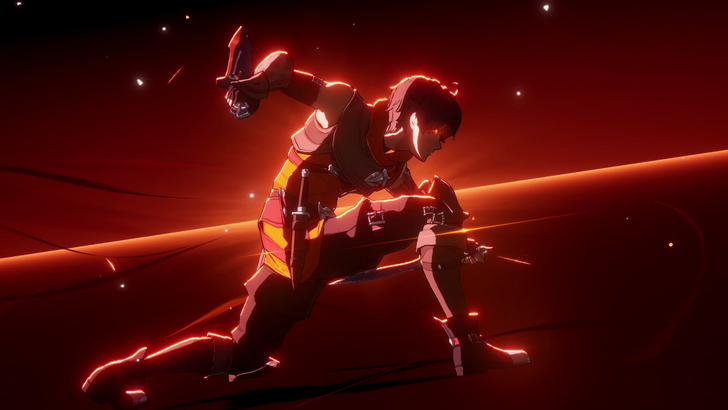
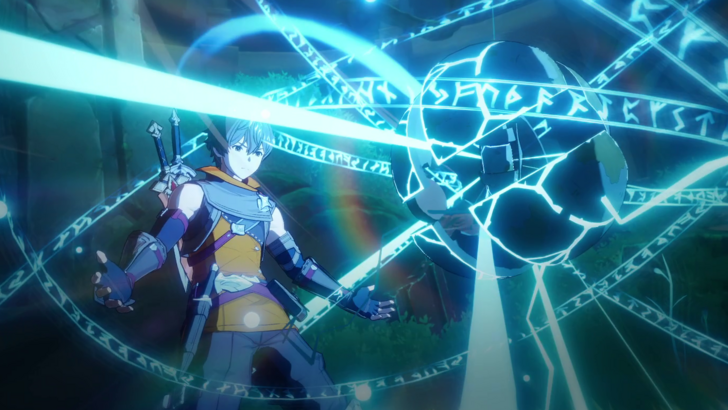
Limit Zero Breakers' gameplay is built around fast, responsive action combat that emphasizes timing, positioning, and mechanical execution over raw stats. Players cycle through standard attacks, skills, elemental attacks, ultimates, and a Break system that rewards creating openings before committing to high-damage bursts. Systems like Perfect Dodges, parries, and dodge counters keep encounters reactive, while elemental interactions add an additional layer of team synergy and damage optimization.
Limit Zero Breakers Release Date
Limit Zero Breakers is expected to release sometime in 2026.
Limit Zero Breakers Review (Playtest)
A First Impression That Hits Hard
New gacha RPGs launch with surprising frequency these days, making it increasingly difficult for newcomers to stand out. Between established giants and a steady stream of new releases competing for players' attention, first impressions matter more than ever.
Limit Zero Breakers immediately distinguishes itself through a combination of fast-paced combat, a surprisingly gripping story setup, and a level of visual polish that feels impressive for a playtest build. From its opening moments, the game establishes a strong sense of intrigue while introducing a cast that quickly becomes easy to invest in, giving players plenty of reasons to keep pushing forward.
That strong foundation carries throughout much of the Prologue Playtest. While technical issues, occasional bugs, and unanswered questions surrounding monetization prevent the experience from feeling completely polished, the combat consistently shines and the story leaves a lasting impression. If the developers can build on what's already here, Limit Zero Breakers could become a noteworthy contender in an increasingly crowded genre.
Combat That Rewards Mastery
Limit Zero Breakers' combat is easily the highlight of the Prologue Playtest. It feels familiar if you’ve played action RPGs before, but it quickly sets itself apart by actually rewarding timing, mechanical execution, and team synergy instead of just stat checks.
At its core, combat is about using everything you’ve got instead of falling into a basic attack loop. Characters have standard attacks, skills, elemental attacks, ultimates, dodge counters, and a Break system that pushes you to create openings before dumping your damage. Most fights don’t really let you autopilot—you’re constantly thinking about resources, swapping characters, and waiting for the right moment when an enemy’s Break gauge finally opens up.
Parries ended up being one of my favorite mechanics during the playtest. Like the usual “flash” indicators you see in other action games, you can counter enemy attacks with tight timing. The difference is that instead of just burning a defensive resource, a successful parry through skills turns into a follow-up attack string without costing Energy. Combined with Perfect Dodges and dodge counters, the game really pushes you to actually read enemies instead of just trading hits.
The elemental reaction system builds on that. When certain elements interact, an elemental reaction occurs that increases damage dealt, encouraging you to actually think about how you’re layering elements instead of just throwing them out randomly. The roster is still limited right now, so there isn’t a ton of experimentation yet, but I still ended up adjusting rotations depending on who I brought in, especially when trying to line things up during Break windows.
What stood out most, though, is how fair bosses felt. I deliberately ran encounters while several levels under the recommended requirement just to see how badly I’d get punished. Fights obviously took longer, but very few attacks felt unavoidable or unfair. One raid boss even had a damage-check phase where you had to destroy paired totems before it unleashed a big attack, which forced you to actually deal with mechanics instead of just pushing damage.
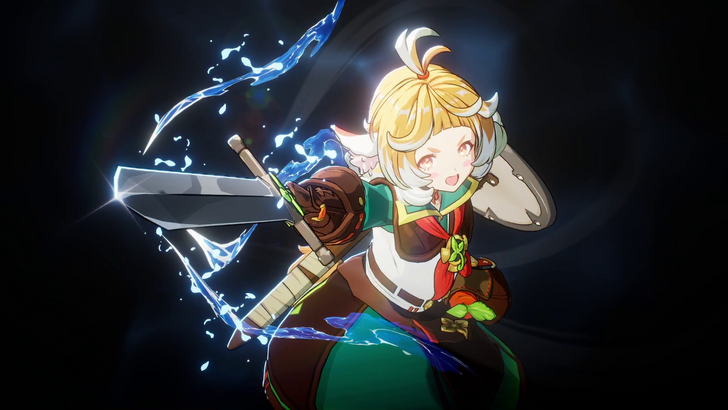
That sense of fairness peaks in one of my favorite moments from the playtest. Even underleveled, I managed to solo a raid boss using only my three-character team and no matchmaking. It took way longer than it was probably meant to, but steadily parrying attacks with Liz, breaking the boss’s defenses, and squeezing every bit out of each damage window made the win feel genuinely earned.
If the rest of Limit Zero Breakers builds on this foundation, the combat system could very easily end up being its strongest long-term hook.
A Future That Can't Be Ignored
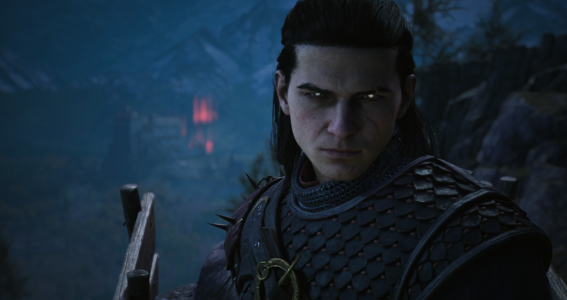
Limit Zero Breaker’s story opens with a surprisingly heavy tone that immediately sets expectations for where things might go. The game doesn’t ease you in, it comes out swinging with brutal imagery, a clear antagonist presence, and a sense that it’s willing to go darker than most gacha RPGs tend to.
After that, things calm down a bit, but the opening still sticks. The story shifts into a more traditional pacing style, focusing more on character introductions and worldbuilding instead of constant shock moments. It’s not worse, just different.
From here on, this section goes into spoilers for the intro and early chapters, including major story beats. If you're not a fan of reading spoilers, feel free to head to the final image of this segment.
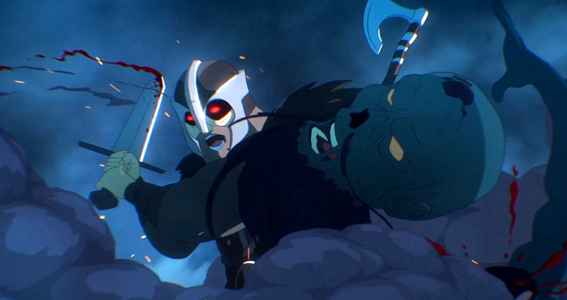
The intro itself is significantly more intense than what follows. It opens with scenes of extreme violence—characters impaled on spikes, one stabbed directly through the chest in-engine, and later a fully animated 2D-style cutscene depicting two brutal executions at the hands of the main antagonist. The game really doesn’t hold back here, and there’s no hesitation in how violent it wants to be right from the start.
There’s a flashback structure that follows afterward (or at least it feels like one), but overall the opening leaves a very strong impression that Limit Zero Breakers isn’t afraid to go dark when it wants to.
What’s interesting is that, as the story continues, you start meeting characters who were already shown dead in that opening sequence. That takes away some of the usual “who survives?” mystery, but it replaces it with something more lingering: a sense of inevitability. Characters like Liz stand out a lot here. She’s expressive and upbeat, with clear motivation to support her three younger sisters, but knowing how things eventually end gives her early scenes a more somber weight than they would normally have.
After that opening, the story doesn’t really keep the same intensity. The stakes feel more grounded, shifting into a more structured adventure format rather than constant high-impact moments.
You’re dealing with things like bandit problems, going into ruins to unlock sealed relics, and situations where misunderstandings actually matter, like being accused of working with the Corvus Claw bandits after a relic gets stolen, only to later find out it was taken by an entirely different group.
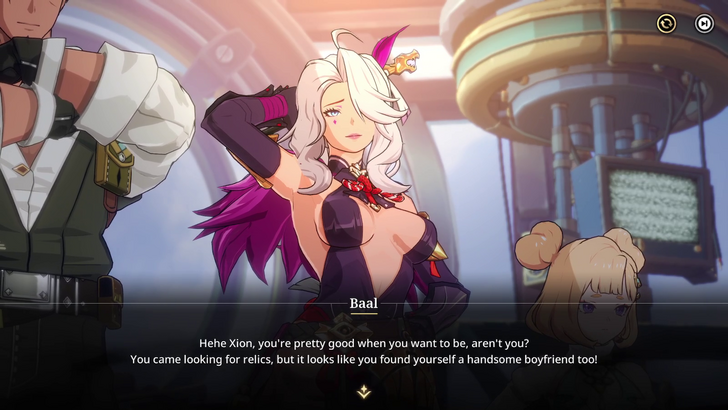
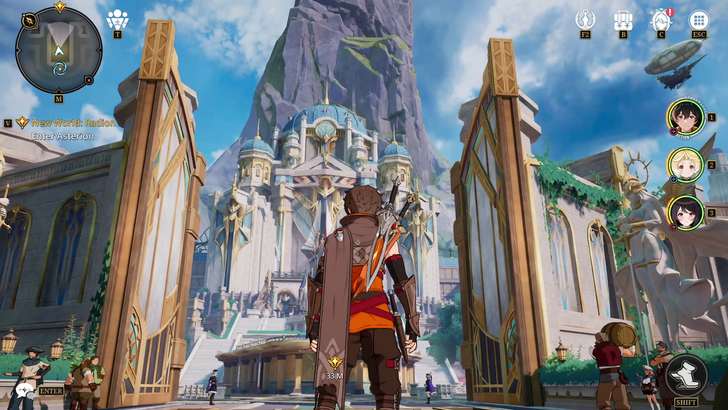
From there, the story spreads out instead of escalating. You join the Whale Weaver crew, travel to places like Asterion, and deal with local issues involving monster-summoning rifts. There are even smaller side threads, like helping characters look into ancient dragon-related knowledge, which help flesh out the world without constantly pushing main plot stakes.
So it’s still active and eventful, it just shifts from “world-ending pressure” to a more grounded progression of problems, travel, and discoveries.
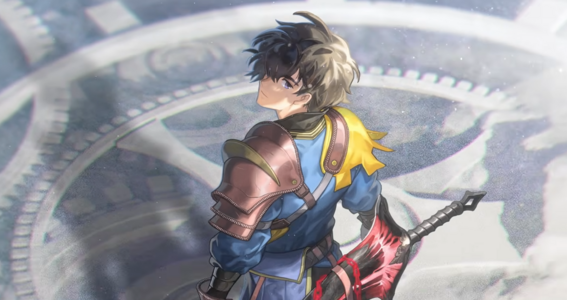
This is also where Kaito fits more naturally into the structure. One thing I didn’t expect going in was him being an amnesiac MC. At first, I actually thought the game was setting him up with a more established history. Right after the intro, you enter a village where people already know him, treating him like a resident rather than a newcomer. It gives the impression that he has roots in the world and a defined past.
That expectation flips when Kaito himself reveals that he doesn’t really remember what happened before, even though he had been traveling around trying to find answers. So instead of a fully blank-slate self-insert, he ends up in a more interesting middle ground, someone with agency and experience but still missing pieces of his own history.
It still places him in a familiar gacha archetype as an amnesiac protagonist, but the execution helps soften that a bit. The lack of heavy self-insert dialogue options also helps a lot, he still feels like a defined character rather than just a player proxy. His personality and motivations come through clearly, and he bounces off the rest of the cast in a way that feels intentional rather than generic.
That same slower-burn approach extends to the supporting cast as well. Characters are slowly given room to breathe and develop their own goals, and not everyone immediately trusts the player character. Cristian, the crew’s archer and information specialist, in particular is openly suspicious after the relic disappears. Even though he eventually apologizes for going too far, it was actually refreshing to see a character genuinely convinced of the protagonist’s guilt. It made him frustrating in the moment, but in a way that felt intentional rather than poorly written.
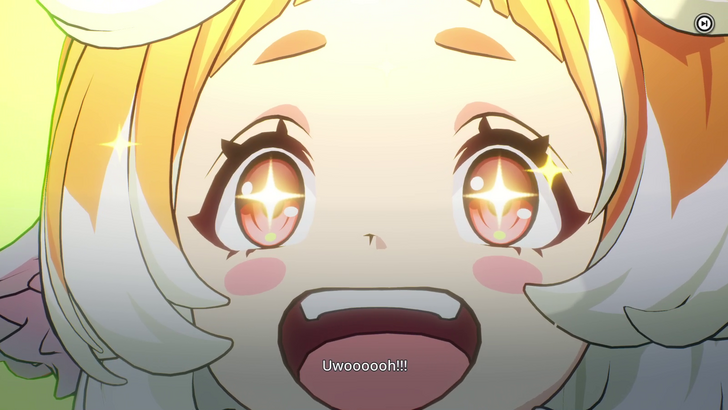
Overall, the story starts with a very strong, almost brutal hook, then settles into something more grounded but still engaging. It shifts away from shock value pretty quickly and focuses more on character dynamics, foreshadowing, and slowly unfolding mystery. The pacing stays steady, and even when the tone calms down after the opening, it’s still easy to follow and doesn’t really lose clarity.
It’s not as consistently intense as the intro makes you expect, but it works in a different way. Instead of constantly trying to raise the stakes, it leans more into characters and smaller developments, which keeps it interesting even when things aren’t at their most dramatic.
A More Polished Presentation Than Expected
The game's visuals are honestly really strong, and its combat audio does a great job of making every hit feel impactful.
Attacks sound sharp and visceral in a way that actually sticks. There’s a real weight to hits that makes combat feel heavier than it looks on paper. The Weaver Lance is the standout here, launching off the ship and slamming into enemies with that huge bass hit just feels insane in the best way. It also helps that it’s tied to setup, needing three ultimates to trigger, so when it finally happens it actually feels earned instead of just being a flashy button.
Music is a bit more inconsistent in comparison. It does its job, and it fits the areas it plays in, but it’s not something I could always clearly remember after the fact. Part of that might honestly be the OST bug I ran into, where music sometimes just keeps playing after fights or cutscenes, which kind of breaks the association. Still, there are moments that stood out—like the Asterion Lord’s castle track. That one hits that gothic orchestral vibe I really like.
Visually, it’s solid across the board. Characters are distinct enough that you can recognize them easily, and NPCs aren’t just copy-paste background fillers either. The overall design direction is pretty “safe” though. It leans heavily into standard fantasy anime / isekai-looking designs, nothing too experimental. There are fanservice-heavy characters too, but it doesn’t feel like the entire cast is pushed in that direction, which is fine depending on preference.
There are a bunch of small animation details that actually add a lot more personality than you’d expect. Ultimates make characters’ eyes glow, which gives them that “power surge” feel during big moments. That same effect even shows up in gacha pulls, where the character’s eyes light up before the animation starts.
Even outside combat, there’s more polish than you’d expect for a playtest. Pull animations are viewable directly in the character menu, and weapon screens have their own animations when equipping gear. Even the team screen has characters using different idle poses depending on their slot, which is a small thing but makes it feel less static.
Voice acting is good overall, but there are some annoying technical issues. Some lines get cut off even when you’re not skipping, and if you click through dialogue too fast it skips the voice line entirely along with the text, which kind of defeats the point. Even so, cutscenes help carry a lot of it. Characters are actually pretty expressive, with facial animations and exaggerated reactions that fit the game’s tone. It gives scenes a bit more life than you’d expect from just static dialogue exchanges.
Overall, the presentation feels genuinely polished for a playtest build. Not flawless, but there’s enough attention to sound, animation, and visual detail that it already feels pretty “complete” in a lot of areas.
Still Setting Up Shop
Since this is a playtest, it’s still hard to get a full read on how generous or aggressive Limit Zero Breaker’s monetization will ultimately be. What’s currently available includes a standard gacha banner, a battle pass, and basic currency exchanges for pulls, but the system feels very early and not fully representative of a final economy.
One thing that stands out is that pity currently sits at 100 pulls, though it’s unclear whether this will carry over into the 1.0 release. Weapons also appear to be primarily craftable, with each character having access to a couple of options in the playtest, which makes the reliance on pulling feel less pressured for now—especially given how effective the starter team already is in practice.
The battle pass itself is fairly minimal at this stage, mostly offering upgrade materials and basic resources, with nothing that feels particularly defining or premium-tier yet. Overall, there just isn’t enough implemented to make any solid judgment on how the monetization will eventually shape progression or endgame expectations.
Rough Edges Still Remain
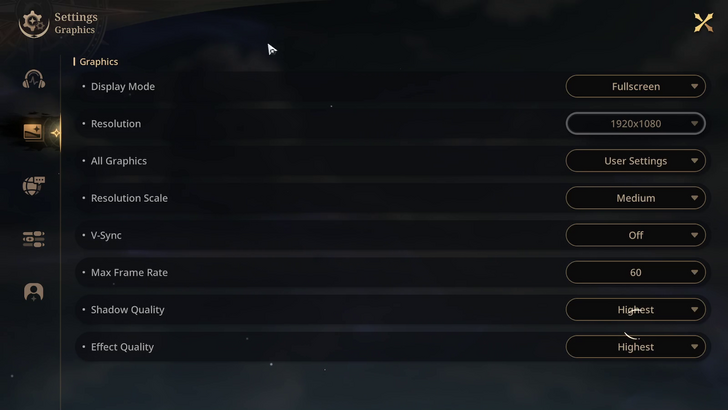
The game runs surprisingly smooth for the most part. Honestly, I expected a lot worse going in, especially for a playtest build, but moment-to-moment performance is stable and responsive. The UI is also clean and easy to read, with no text overflow issues, and the layout follows a pretty standard open-world gacha setup. Everything is where you expect it to be, so navigation never really becomes a problem.
Settings are a bit on the light side in terms of customization. There isn’t much fine-tuning available yet, but that feels more like a “still in playtest” limitation than an actual issue with the design itself.
That said, there are still a few technical hiccups that stand out once you spend more time with it.
The most consistent one is the audio bug, where the OST doesn’t always reset properly after boss fights. Sometimes the music just carries over into exploration or even dialogue scenes, which breaks the flow a bit. The only real fix is going back to the title screen, which thankfully doesn’t require a full restart, but it still interrupts the experience when it happens.
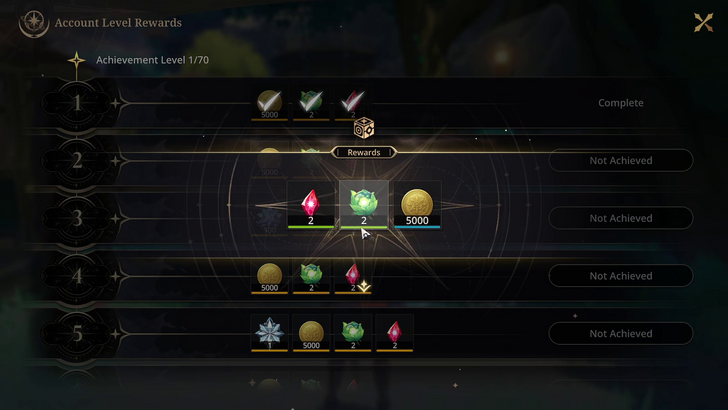
There are also occasional issues with reward claiming, where pressing “Claim” doesn’t always register properly unless you use “Claim All” instead. It’s not constant, but it does show up enough to be noticeable. On a more minor note, there was also one moment where the game crashed after I tried taking a screenshot. It only happened once, but it’s the kind of thing that immediately reminds you this is still a playtest build.
Overall, the game is stable and very playable, but there are still a few rough edges that show up here and there. Nothing that breaks the experience completely, but enough to remind you it isn’t fully polished yet.
A Strong Foundation, Still in Progress

After spending time with Limit Zero Breaker’s Prologue Playtest, it’s pretty clear where the game’s strength actually lies. The combat is doing most of the heavy lifting here. It’s fast, responsive, and rewarding in a way that makes even underleveled fights feel like they’re still winnable if you actually engage with the mechanics. That alone already gives the game a strong identity.
The story, while not as consistently intense as its opening suggests, still holds up well once it settles into its slower rhythm. It leans more into character dynamics and gradual worldbuilding, and even if the stakes feel more grounded after the intro, it stays engaging enough to keep you moving forward. The presentation also helps carry a lot of that weight, with strong sound design and surprisingly polished animation work for a playtest build.
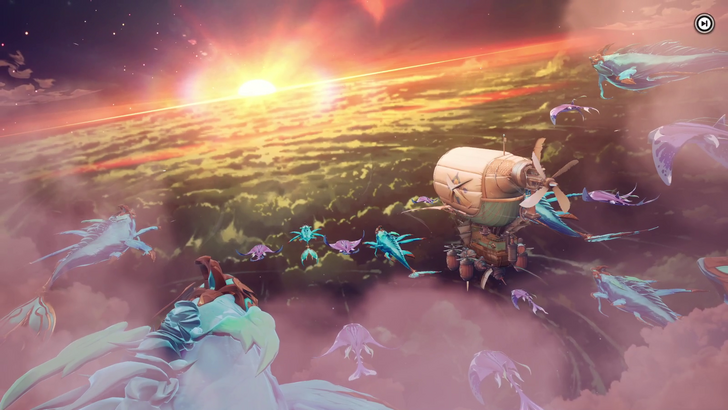
At the same time, it’s still clearly not a finished product. There are rough edges, some technical issues, and a few systems that feel like they’re still being built out rather than fully realized. Nothing that breaks the experience completely, but enough to remind you this is still early.
Right now, Limit Zero Breakers feels like a game built on a very strong foundation. The combat is already fun enough to carry the experience on its own, while everything else is showing enough promise to suggest it could turn into something really solid if it’s given time to grow.
Game8 Reviews

You may also like...


Limit Zero Breakers Product Information
 |
|
| Title | LIMIT ZERO BREAKERS |
|---|---|
| Release Date | 2026 |
| Developer | VIC GAME STUDIOS |
| Publisher | NCSOFT Corporation |
| Supported Platforms | PC, Mobile |
| Genre | Action, Adventure, RPG, Free To Play |
| Number of Players | 1-3 |
| ESRB Rating | RP |
| Official Website | Limit Zero Breakers Official Website |