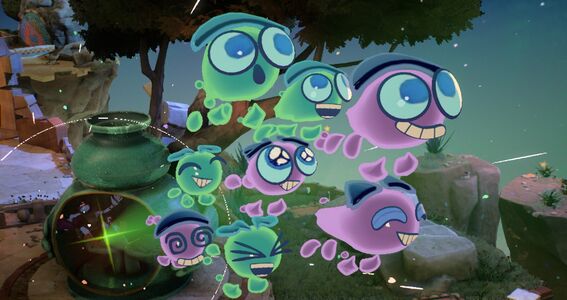



Kiln is the latest online multiplayer brawler from developer Double Fine and publisher Xbox Game Studios. Read our review to see what it did well, what it didn't do well, and if it's worth buying.
Overview
What is Kiln?
Kiln is a multiplayer action game developed by Double Fine Productions and published by Xbox Game Studios. It was originally conceived during the studio’s Amnesia Fortnight internal game jam. The project centers on team-based online matches, where players create ceramic bases for their avatars to wear before taking them into battle. The game launched for PC, PlayStation 5, and Xbox Series X|S.
The game revolves around the idea of shaping pottery that directly affects abilities and movement during matches. Players sculpt pots on a pottery wheel using different forms and attachments, with each design influencing its health and water capacity. The objective of each match is to extinguish opposing kilns and defend the team’s own base, all while maneuvering through various map obstacles.
Kiln features:
⚫︎ Physics-Based Clay Modeling
⚫︎ Different Forms Have Different Skills and Functions
⚫︎ 4v4 MOBA-Lite Gameplay
⚫︎ Maps Have Interactive Elements
⚫︎ Plenty of Cosmetic Customization
| Digital Storefronts | |||||
|---|---|---|---|---|---|
 Steam Steam |
 PlayStation PlayStation |
 Xbox Xbox |
|||
| $19.99 | |||||
Kiln Review: This Beautiful Mess Needs More Time in the Kiln
Weird Ideas Take Shape in Wondrous Ways
Double Fine loves to take a wild premise and give it a heartbeat. You needn’t look further than Psychonauts or Headlander to see their penchant for brilliantly weird ideas. With Kiln, they find that same spark in a lump of wet clay. The game grew from a small internal prototype into a multiplayer brawler where you mold your own warriors. The studio poured affection into this project. You feel that passion behind every pot shape and match. It looks great. It sounds wonderful. Yet, charm alone rarely sustains a loop.
Make no mistake, it’s a fun game. It plays somewhat unlike any other multiplayer game I have played in the past. Sculpting your vessels brings joy. Crashing into an opponent is exciting. But much like many of the pots I made in the couple of hours I had with the game, the whole thing needs more time in the kiln.
You’re a Spirit With No Pants and a Lot of Pots to Mold
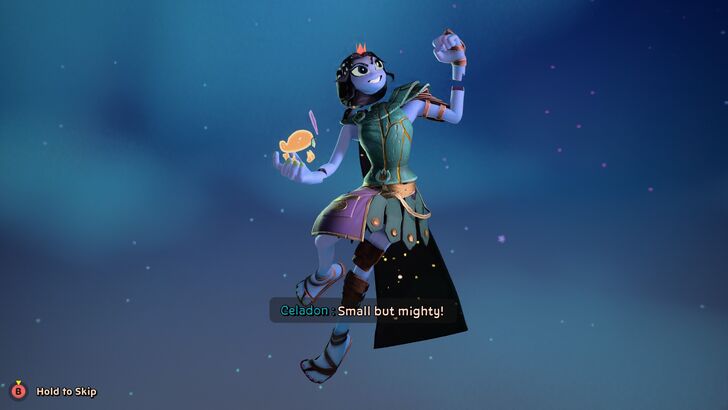
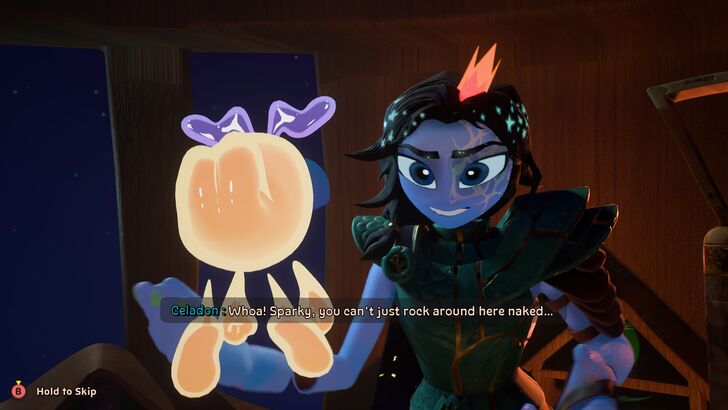
You are but a spirit whose behind is exposed. You wake up in a void and meet Celadon, who gives you a simple task: take lumps of clay, mold them into vessels you wear, and smash them against other players, quite possibly for her amusement.
Not much about its setting is clear here, just that the game references world mythologies a lot. The premise is paper-thin. It doesn’t explain its lore, and it doesn’t really have to as a party brawler. Much of what you see is merely an excuse for the insanity that follows.
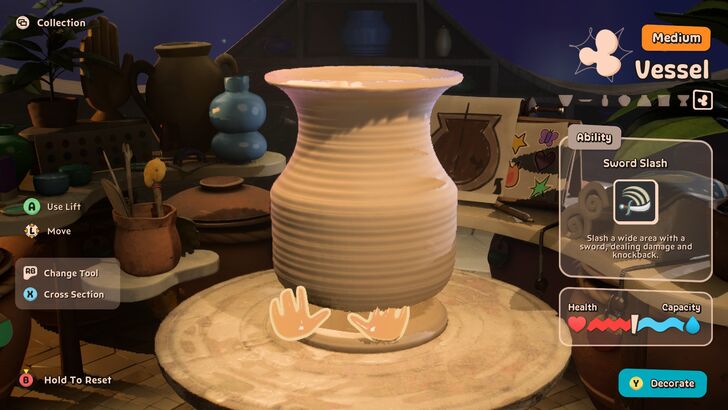
Before a match starts, however, you sit at a wheel. You grab chunks of clay and shape them into whatever the game decides resembles a usable pot. Your vessel’s form directly affects how it plays, and that changes almost everything about the match.
The first big choice comes from the size of your clay. Large clay gives you the biggest body to work with, which means you can push your health and water capacity much higher than the other sizes. You’ll need water if you want to win a match, as the game isn’t really just about bodying other pots.
The tradeoff of this hugeness, though, is speed. Large vessels are painfully slower and heavier, which means moving across the map or escaping can become difficult once other players start circling you.
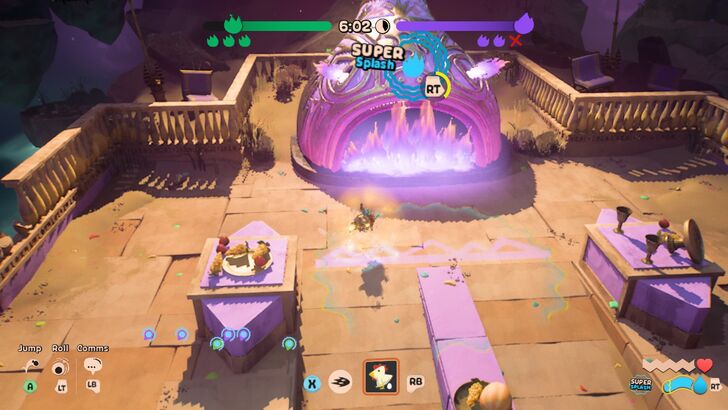
Small clay works the opposite way. These vessels are fragile and cannot hold much water, but they move annoyingly fast enough to weave around opponents. The medium clay, predictably, sits in the middle of the two.
The best part about this customization is that you can feel these differences while playing. Even before the abilities come into play, the size alone already changes how aggressive or careful you need to be during matches.
Your Clay’s Shape Gives You Your Abilities
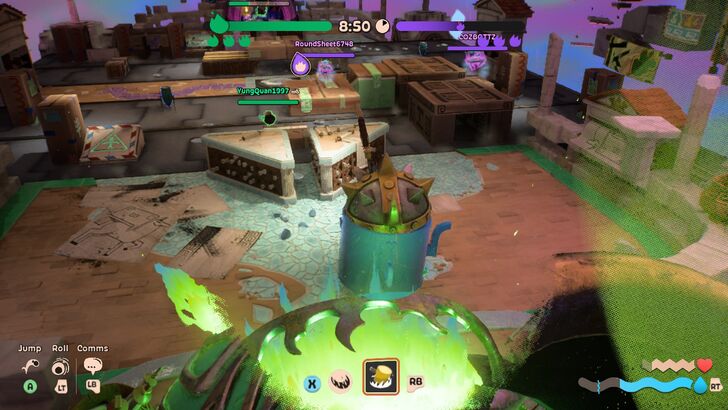
I don’t have the eye for molding, nor do I have the patience for the finer details. However, somehow, Kiln can look at a lopsided disaster you mashed together in thirty seconds and decide that yes, this counts as a chalice now.
The shape you sculpt, though, determines your special ability, regardless of how malformed it looks. If you mold a small clay into something close to a jug, for example, you gain the ability to drill underground and burst upward beneath enemies. Meanwhile, a larger vessel shaped like a chalice gains a support ability that temporarily boosts the speed of nearby allies.
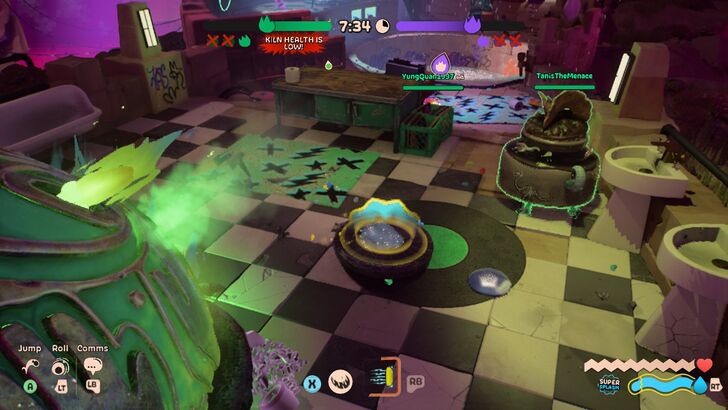
According to the developers, there are 24 total pot combinations in the game, and although not all of them feel wildly different at first, they still behave differently enough once you spend time with them. Some differences are obvious immediately, while others only become noticeable once you get the hang of that particular shape.
A large plate, for instance, will dash sideways across the map; its shape makes it surprisingly quick despite its size. I found plates much easier to roll around with compared to bulkier shapes like a large jug, which felt heavier and more awkward to maneuver. However, the jug does have a stronger hammer ability that smashes enemies directly in front of you.
Certain vessels attack differently depending on their shape, too. Some small vessels swing wide; others poke. Large vessels always have shockwaves after each swing. Even when two builds technically share similar stats, the way they move and attack can make them feel completely separate in practice.
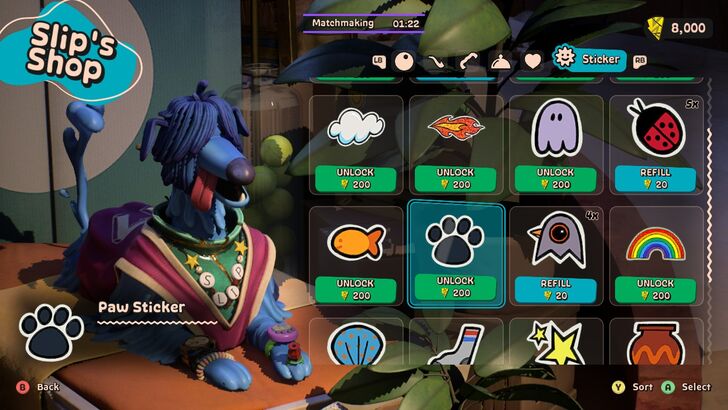
You can further customize these vessels with stickers unlocked through leveling up or purchased through the in-game store using currency earned from matches. Right now, though, the cosmetic side feels pretty limited. Most rewards are small decals you’ll likely find as emojis. They are fine for adding a little personality, but they are not especially exciting rewards to chase after.
Considering how much the game focuses on creativity and self-expression through sculpting, there is room for more interesting cosmetic options down the line. Different textures, clay finishes, unusual decorations, or more sticker sets would go a long way toward making vessels feel even more yours. The developers might be saving the more interesting designs for future updates, but for now, the rewards feel a bit flat compared to the actual fun of the pottery wheel itself.
Quench or Be Quenched
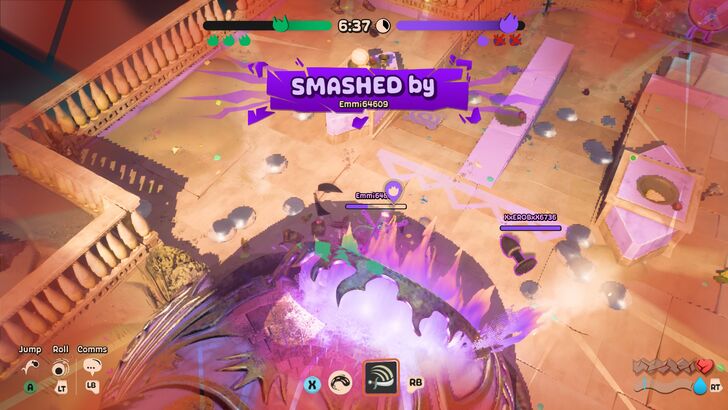
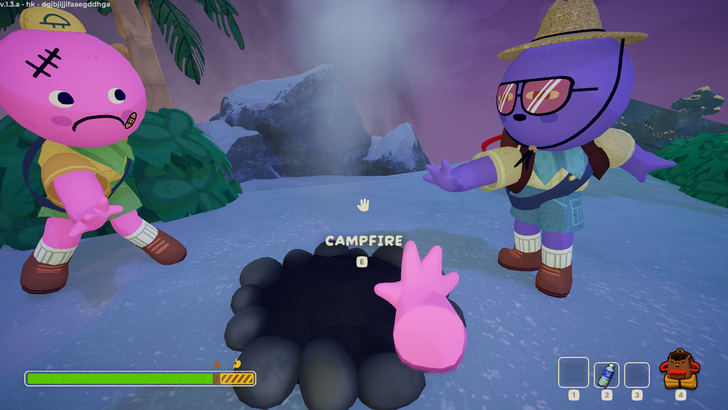
All of the preparation you do before each match is in service of a single goal. You take your finished vessel into the game’s one and only mode: the Quench. Here, two teams of four compete to gather water to extinguish the kiln of the opposing team while defending their own fire. It’s essentially like a MOBA game, just with very, very simplified mechanics. And like with MOBA games, KDA (kills-deaths-assists) matter little if you cannot reach and destroy the enemy base.
As an online brawler, though, the game will still have you attack, dodge, and crash into others until their vessels crack. When a player breaks, they respawn back at their base after a five-second timer. It’s short, but those five seconds feel like an eternity when your kiln is under attack.
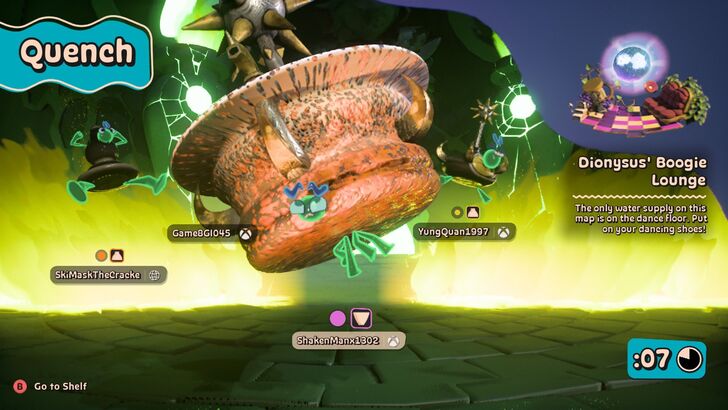
For most of my time with the game, I played alongside two other people, and nearly every session turned into a mess of shouting, laughing, and desperately trying to hold our plans together. I quickly realized that Kiln works best when you are communicating with others over a Discord call or something similar. Because there were three of us, the game would usually pair us with one random teammate, and during those first few hours after the tutorial, we treated every match far more seriously than we probably should have.
We started assigning ourselves roles based on the vessels we built. One friend used a large clay build with huge health and wide shockwave attacks, so he naturally became our defender. He would stay near the kiln and block enemy pushes before they could get close. Another friend ran a medium vessel focused more on support. Meanwhile, I spent most of my matches using a small-clay vessel. My job was usually to zip around the map collecting water and sneaking into enemy territory while the others distracted defenders. There were matches where I barely attacked anyone because I was too busy darting around corners trying not to spill water while larger enemies chased after me.
When our first strategy stopped working, we started experimenting with other strategies. Sometimes we would send our large defender straight into the enemy base, carrying a huge amount of water while the two smaller vessels focused entirely on protecting him during the push.
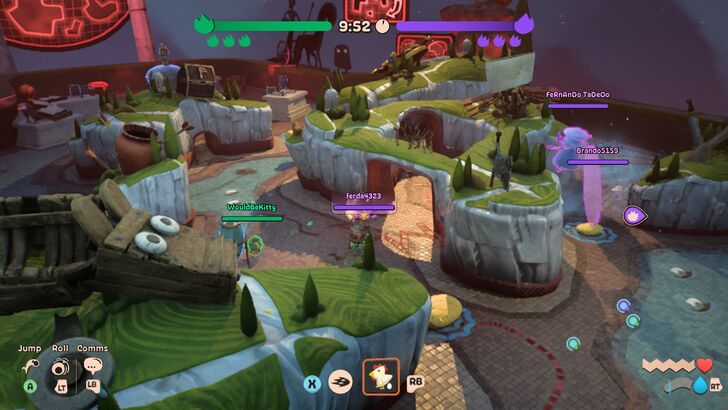
The funny thing is that no matter how smart we thought we were playing, there was almost always another team ready to humble us immediately. Some players were terrifying. I am not joking when I say there were matches where three giant jugs or plates came rolling through our defenses at full speed and flattened our entire team with back-to-back skills in seconds. Other times, tiny vessels would weave around us so quickly that trying to hit them felt impossible.
Every match felt unpredictable because of how different vessel combinations could completely change our strategies. The game becomes complete nonsense in the best possible way, and I would not want it to be any clearer than it already is.
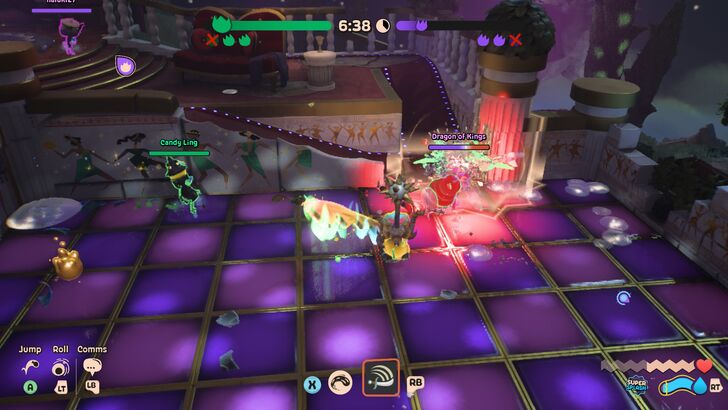
However, the lack of communication tools is a problem. Coordinating with my two friends was easy because we were already talking outside the game, but there was almost no good way to communicate with the random fourth teammate who joined us. The game has a few basic callouts, but "!" and "<3" aren’t really that helpful when you’re getting demolished by your opponents.
It’s even more noticeable when I played solo. Sometimes, I could clearly see what our team needed to do, but there was simply no fast or reliable way to explain it. If everyone commits to an attack at the wrong time, one enemy player can slip into your base uncontested.
It’s Only Fun in Short Bursts, Unfortunately
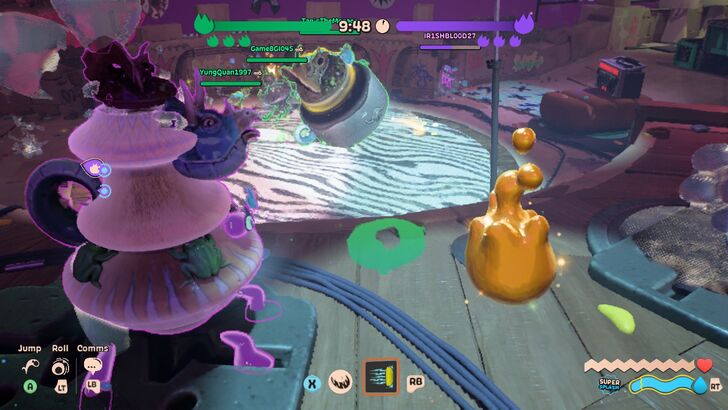
Oddly enough, this communication problem does not completely ruin the game right now because Kiln still feels very casual overall. Unlike MOBAs or other party games like Fall Guys, there is currently no ranked system pushing players to obsess over wins and losses. Nobody loses points or drops divisions after a bad match. Most people seem to be playing purely to mess around with friends and enjoy the insanity.
At the same time, though, that casual nature also exposes how little content the game currently has. At the time of writing, Quench is the only available game mode, and although really fun for a while, the novelty starts wearing off faster than I hoped. My friends and I eventually stopped trying so hard to develop strategies because there simply was not much reason to.
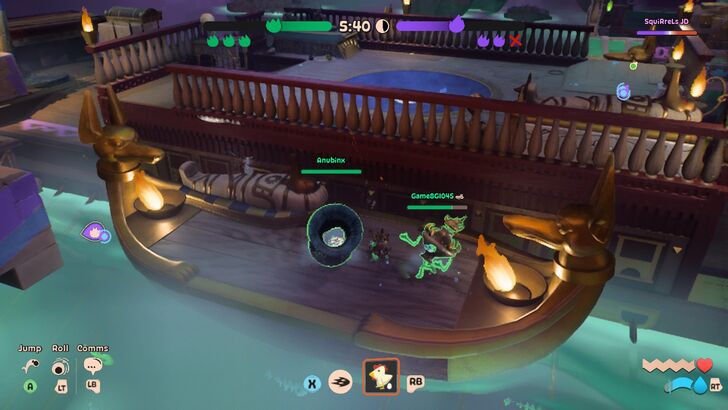
Matches start blending together after several hours, especially because the arena pool is still very small. There are only five maps in rotation. Some of them are memorable, especially the shipping facility map, but you start seeing the same locations repeatedly very quickly.
Since matches are also extremely short, usually under ten minutes, and sometimes ending in just three or four, the repetition kicks in fast. Really, we started feeling that fatigue before our profiles even reached level 10.
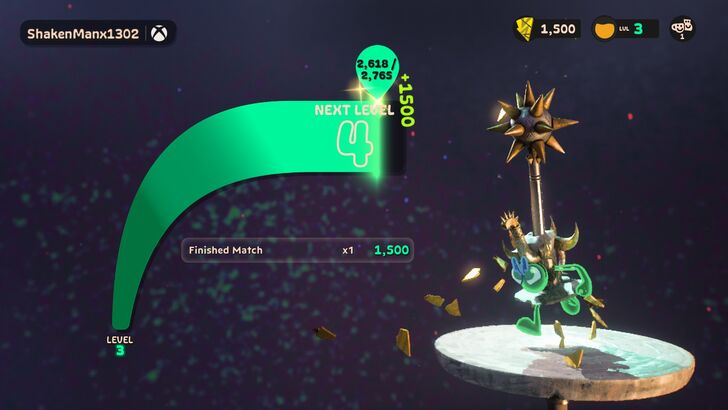
The reward structure does not help much either. Winning only gives a small experience boost, so there is little incentive to care about the outcome outside of personal pride. Most of the fun comes purely from spending time with friends. That works for now because the gameplay itself is entertaining enough to carry short sessions, but I do worry about how long that excitement can last without more modes or bigger updates.
That concern becomes even stronger once queue times start creeping upward. Playing solo usually gets you into matches quickly enough, but when queuing with friends, we often wait around two or three minutes between games. That may not sound terrible, but, mind you, matches are also short.
Is Kiln Worth It?
Not at the Moment; Maybe Wait for More Updates
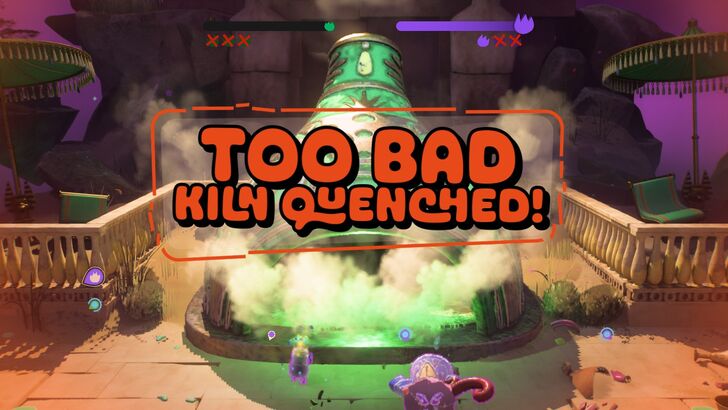
Kiln, then, is easy to enjoy in bursts. I can absolutely see people hopping in with friends now and then for a few matches. What I struggle to see right now is long-term staying power, unless, of course, the game expands far beyond what is currently available.
Right now, there simply is not enough variety to support the amount of time the game seems to want from players. With only one mode, a small map pool, and limited rewards, it just doesn’t feel worth the $20 cost at the moment. As fun as Kiln can be, that price puts it beside games that offer far more content or simply more reasons to keep playing over time.
The developers have teased that more content is coming later this year, likely arriving in the fall or winter. I truly wish they had waited to add those features before launching the game at its full price. It’s a cute little experiment, but right now, it lacks the depth to be anything more than a weekend distraction.
Kiln FAQ
How Many Pot Combinations Are There in Kiln?
There are 24 different combinations of pot sizes and shapes in the game, each with different special abilities.
Game8 Reviews