





Honkai: Star Rail is a free-to-play turn-based RPG from HoYoverse that follows the Trailblazer and the Astral Express crew as they journey across the cosmos. Read our review to see what it did well, what it didn't do well, and if it's worth buying.
This is an updated review in celebration of its 3nd year anniversary. Read our Honkai: Star Rail review during its launch to see how much it has changed over the years.
Honkai: Star Rail Review History
| Review | Date | Score |
|---|---|---|
| 4.0 ~ 4.3 Update | June 2026 | 
|
| 1.0 Release | April 2024 |  |
Overview
What is Honkai: Star Rail?
Honkai: Star Rail is a turn-based RPG that combines party-building, character progression, exploration, and a long-form sci-fi fantasy narrative. Players take control of the Trailblazer and recruit characters from across the universe, each possessing unique abilities, combat Paths, and elemental affinities that contribute to strategic team compositions. Outside of combat, players explore cities, solve environmental puzzles, complete side activities, and progress through story chapters that continue to expand the game's interconnected universe.
Honkai: Star Rail features:
⚫︎ Turn-Based Combat
⚫︎ Cosmic Sci-Fi Fantasy
⚫︎ New Traversal Mechanics
⚫︎ Stylized Environments Featuring Imaginaes
⚫︎ Regular Content Updates
| Digital Storefronts | |||||
|---|---|---|---|---|---|
 HoyoPlay HoyoPlay |
 Playstation Playstation |
||||
 Google Play Google Play |
 App Store App Store |
 Epic Epic |
|||
| Free to Play | |||||
Honkai: Star Rail Review: Aha-Mazing Games
Planarcadia Continues Star Rail's Remarkable Winning Streak
For over a decade, HoYoverse has been one of the most recognizable names in the gaming industry. From the action-packed spectacle of Honkai Impact 3rd to the stylish urban fantasy of Zenless Zone Zero, the studio has built a reputation for consistently delivering games capable of capturing millions of players worldwide. Of course, no title elevated the company to mainstream recognition quite like Genshin Impact, a game so successful that even people who rarely play video games have likely heard its name.
Yet while Genshin Impact may have been HoYoverse’s child prodigy that introduced countless players to mobile gacha gaming, Honkai: Star Rail has quietly grown into something special in its own right.
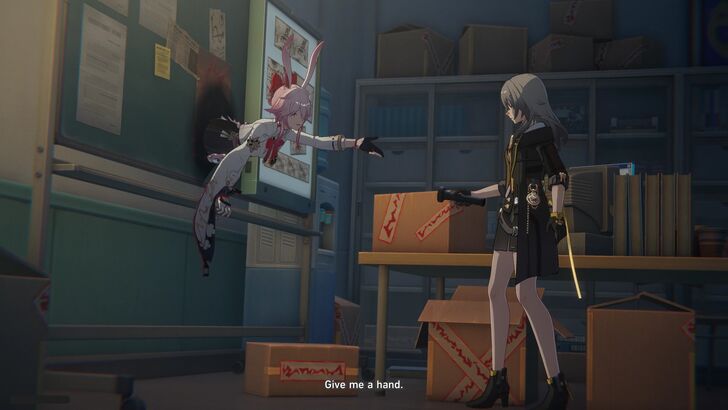
Since its launch in 2023, this turn-based cosmic adventure has steadily improved with nearly every major update. I would know, I have been playing since release. While there have certainly been stretches where I logged in only sporadically or skipped a few days of dailies, I always found myself returning whenever a new Trailblaze Mission arrived. Few live-service games manage to consistently rekindle that sense of curiosity, but Star Rail has repeatedly done exactly that by ensuring each new chapter feels like a meaningful step forward rather than another excuse to keep players occupied.
And just like the updates before it, Planarcadia's arc is already shaping up to be another one of Star Rail's strongest. Penacony raised the bar with its unforgettable blend of mystery, spectacle, and emotional storytelling. Then Amphoreus arrived and somehow managed to deliver an entirely different kind of adventure while fostering an equally powerful connection to its cast. Naturally, that leaves one question hanging over Planarcadia: how do you follow up two of the game's most beloved story arcs?
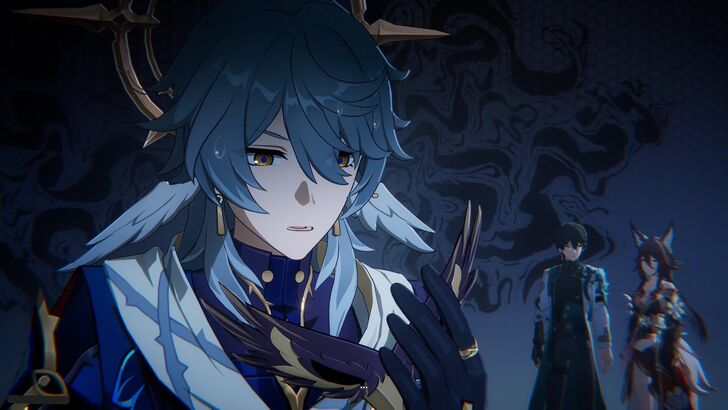
Four chapters in, Star Rail is already making a compelling argument that it can. The next section contains major story spoilers for versions 4.0 through 4.3, including discussion of key events and comparisons to previous story arcs. If you would rather avoid spoilers, feel free to skip ahead to the gameplay section.
Nothing But Elation
4.0 picks up right after the Astral Express departs Amphoreus, following what was essentially a universe-ending crisis that left more than a few players emotionally drained. It doesn’t take long before Madam Jade of the Interastral Peace Corporation (IPC) steps in with what looks, on the surface, like a generous invitation: a celebratory vacation in Astropolis to honor the defeat of Irontomb.
But if you’ve spent enough time in Star Rail, you already know nothing involving the IPC is ever that simple. The crew immediately clocks the situation for what it is: an invitation that comes with invisible strings attached. Accepting it would mean stepping further into the IPC’s sphere of influence, and in Star Rail, that’s never something you do without consequences, whether immediate or delayed.
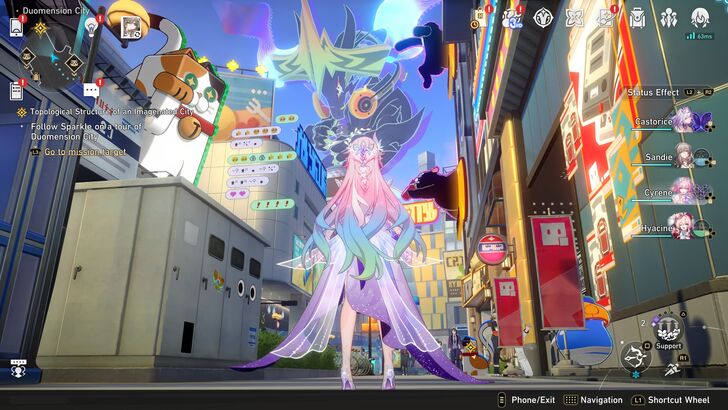
So, upon the crew's polite rejection, Madam Jade redirects them toward Planarcadia instead. The twist, however, is personal for Himeko, as Planarcadia is actually her homeworld.
Every fifteen years or so, the planet enters the Phantasmoon Games, a massive event where "Supplicants" compete by gathering wishpower through any means necessary. The prize? An audience with Aha, the Aeon of Elation himself. That alone should tell you how unstable the rules of this place really are.
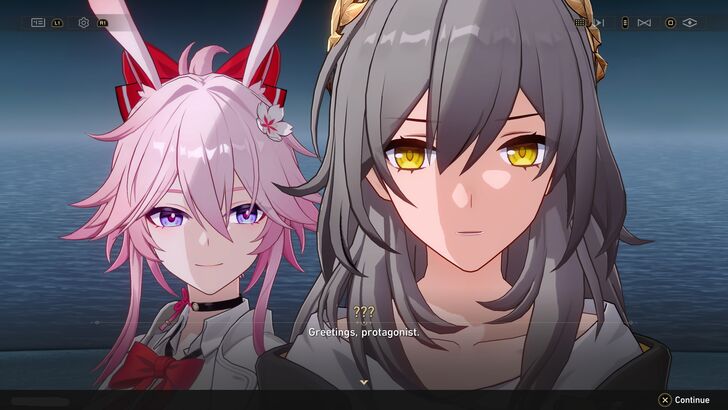
Still, with Himeko requesting the Trailblazer’s participance, we agree to enter the Phantasmoon Games and the Astral Express arrives expecting… well, a break. And for a moment, it almost looks like they’ll get one.
Planarcadia greets them like celebrities. Not just because of their own reputation, but because the planet has a serialized comic inspired by the Astral Express’ journey. The crew is already mythologized here, turned into larger-than-life figures before they’ve even stepped off the train. With IPC support amplifying the welcome, it initially feels like this arc might be the downtime chapter, where the Express can breathe instead of standing their ground and fighting.
Propaganda-Driven Warfare
However, like clockwork, that illusion doesn’t last long. Because the Phantasmoon Games is not really a festival. It’s a war dressed in ceremony. As the story unfolds, what seemed like a competition bound by a specific set of rules, quickly mutates into something far more sinister: propaganda, political manipulation, and escalating conflict disguised as entertainment. The Astral Express—once treated as honored guests—is reframed as intruders, and the shift is gradual enough that it almost feels believable within the world’s logic. Alliances fracture along personal grudges, and every "game" is a fight to the death as it reveals deeper stakes than the last.
What starts as a seemingly contained event slowly expands into a cosmic conflict that reveals how, once again, Destruction himself is behind the scenes pulling the strings. And just when the arc begins pulling back the curtain on some of its biggest mysteries, 4.3 ends on perhaps its strongest note yet: a major revelation, the arrival of an even greater threat, and the promise of a confrontation that is just about to start.
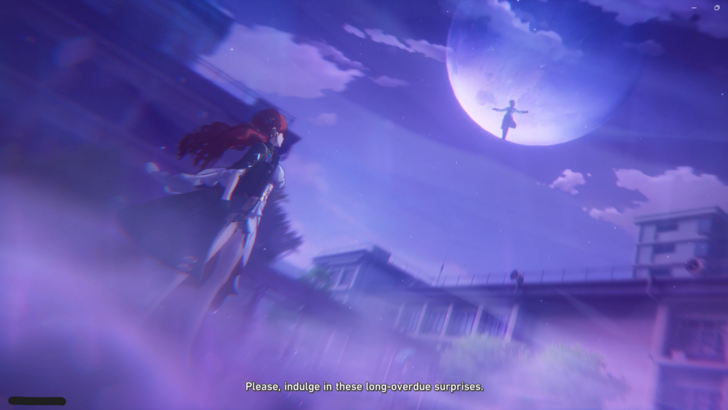
It's a cliffhanger in the truest sense of the word. The update ends just as the next battle is about to begin, leaving more questions than answers and bringing the story to a halt at its moment of highest tension. Whether 4.4 can capitalize on the momentum that 4.3 has built remains to be seen, but if there's one thing Planarcadia has done well so far, it's making the wait for the next chapter feel agonizing and worthwhile at the same time.
Monthly Chapter to Flesh Out Characters
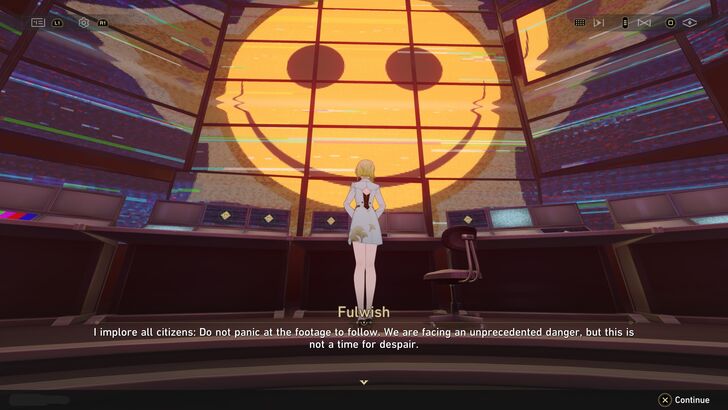
Since 3.0, Star Rail has settled into a much more structured cadence of monthly story updates, and that same rhythm continues through 4.0. It might sound like a simple scheduling change, but it fundamentally affects how the story is experienced as each update is no longer just a fragment of a larger arc, but a self-contained narrative chunk that actually has room to breathe.
That extra space matters more than it seems. New characters like Fulwish, who takes on a major antagonistic role in 4.2, benefit heavily from this format. Instead of being reduced to a surface-level "villain of the patch," she’s given enough narrative breathing room that her motivations are understandable, even when you don’t agree with them. You’re not asked to excuse her actions, but to understand the chain of events that led her there. Having enough time to actually understand the nuances of each character, keeps the moral tension intact without flattening them into a simple role.
The same approach applies to returning characters. Blade’s presence in 4.3, for example, isn’t treated as a nostalgic callback or a quick fan-service appearance; it adds another layer to his characterization that builds on what was already established, rather than resetting it or repeating it.
But as always, Star Rail’s story telling isn’t great because it’s focused on any single character, it’s how the writing gives consistent space to let characters exist beyond their "function" in the plot. It just so happened that for this arc, Himeko’s the standout.
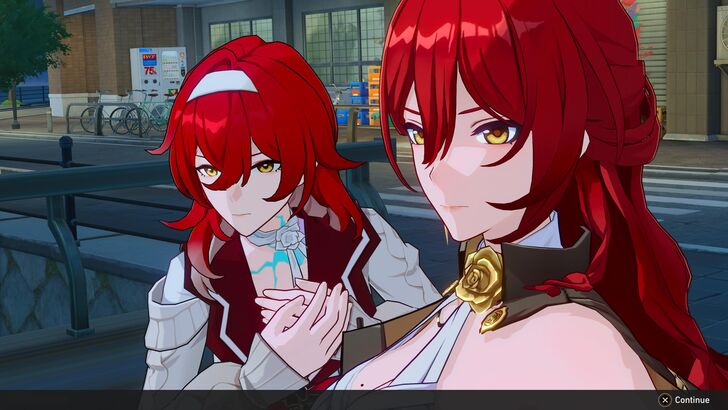
Going into 4.0, I wasn’t fully convinced she would actually get a meaningful focus. Having experienced the March/Evernight arc during Amphoreus made me cautious in that regard, where March’s narrative potential felt like it was building toward something deeper about her past, only for the spotlight to drift heavily toward Dan Heng again through yet another transformation arc.
It wasn’t necessarily bad storytelling, but it did leave the impression that certain characters naturally dominate the narrative space more than others (I guess Dan Heng is Star Rail’s golden child).
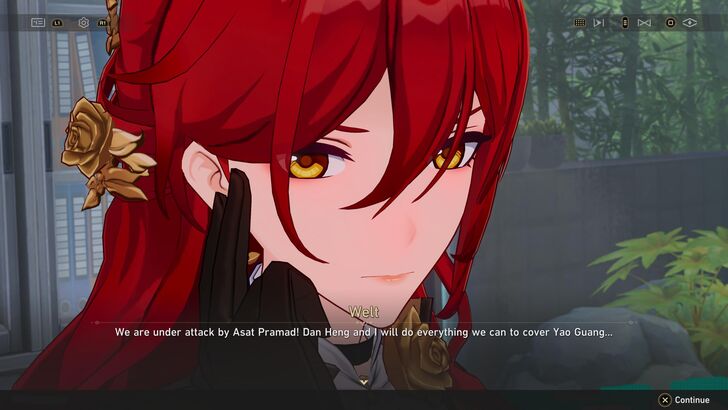
Here, that concern doesn’t really carry over. Himeko isn’t just given attention, she’s given context. Her connection to Planarcadia isn’t treated as a simple lore reveal, but as something that actively reframes her role within the Astral Express. Instead of dropping isolated backstory moments, the arc builds her history into the present conflict in a way that makes her presence feel structurally necessary. The result is that you’re not just learning more about her, you’re recalibrating how you understand her place in the overall story.
This doesn’t isolate her development from the main plot. Every return to her past also sharpens the stakes of what’s happening in the present, which keeps her arc from feeling like a detour.
Slower Chapter Pacing, Fragmented Perspectives, and Long-Form Payoff
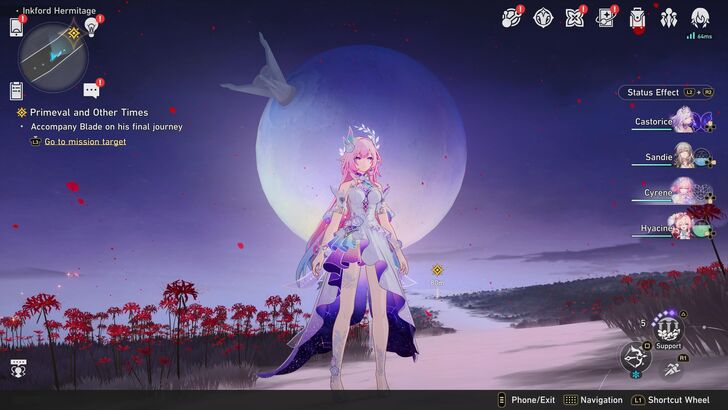
It’s also worth noting that each chapter runs roughly four to six hours. At first, that pacing can feel a bit slow, especially if you’re expecting constant escalation. But that slowness isn’t filler. It gives the story enough time to establish political context and shifting alliances before the larger conflicts fully ignite.
The perspective shifts also play into this design. Rather than sticking strictly to the Trailblazer, the narrative regularly rotates viewpoints, letting you see the same events refracted through different characters and agendas. While this can feel fragmented, it also gradually builds into a clearer picture of how the conflict is being shaped from multiple directions at once.
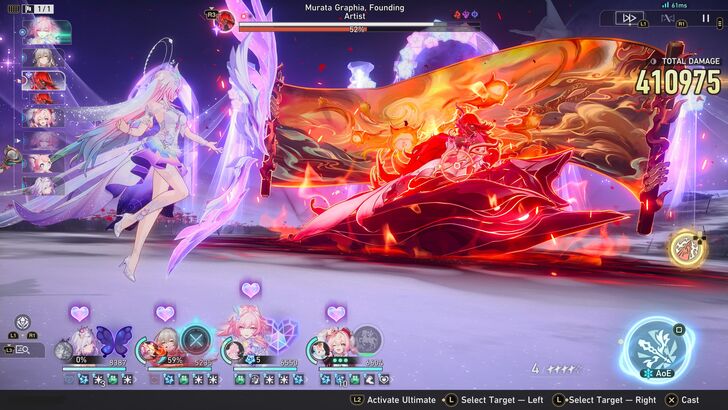
In the end, it turns each update into a complete narrative piece while still contributing to a larger arc, rather than just acting as a slice of it. With the narrative established, the next question is how 4.0-4.3 actually plays.
Interplanar Jump! For New Exploration Mechanics
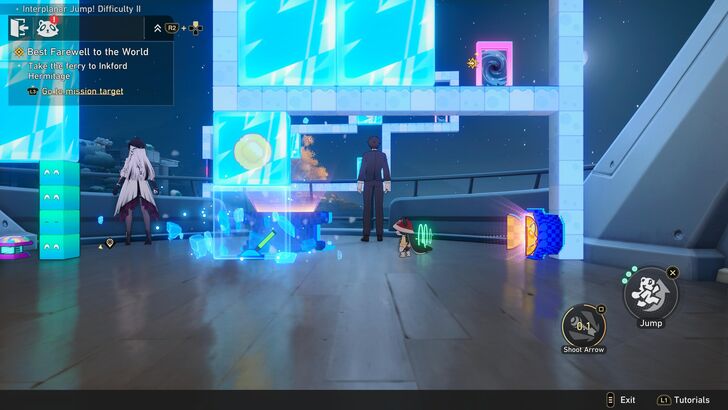
The first noticeable addition in 4.0 is how traversal itself has evolved. Star Rail has been experimenting with environmental interaction since Amphoreus, but back then it was still fairly simple—mostly puzzle-based navigation where you align blocks to teleport between mechanisms. There were also sections that relied on manipulating light and reflection to connect the past and present, letting you indirectly reshape the path forward.
It was functional, but still very "puzzle-room adjacent", something you solve between story beats rather than something that fundamentally changes how you move through the world.
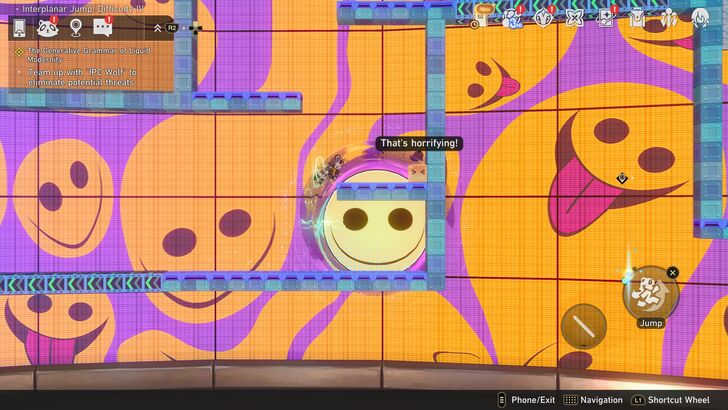
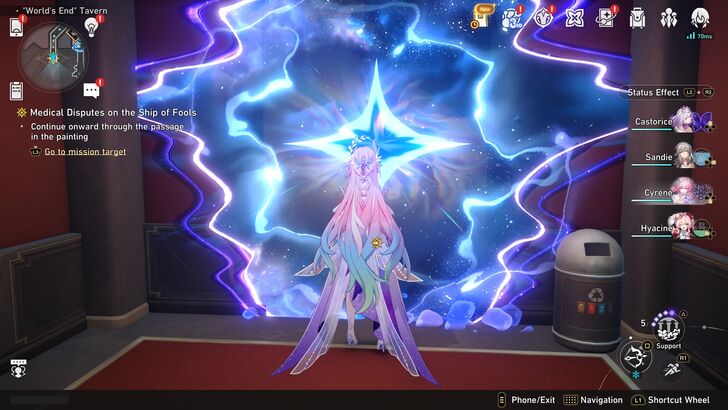
4.0 pushes exploration further with the introduction of Interplanar Jump!. During these sections, you’re transformed into a small raccoon and sent into tunnel-like systems that feel closer to a platformer than traditional Star Rail exploration. Instead of simply walking from point A to B or solving isolated environmental puzzles, you’re now actively navigating layered spaces with movement-based challenges built into the path itself.
These tunnels aren’t uniform either. Different sections introduce varying mechanics and difficulty spikes, which makes traversal feel less like background activity and more like an intentional gameplay layer.
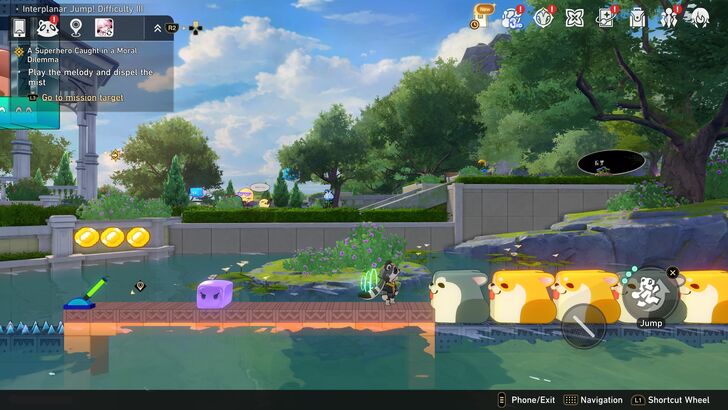
Because Star Rail is still, at its core, a heavily narrative-driven game, a large portion of your time is still spent reading dialogue, watching cutscenes, and following story progression. So when a system like Interplanar Jump! is introduced, it serves a very specific purpose: it breaks the passivity of long narrative stretches without pulling you out of the world.
Instead of stopping the story to insert a separate combat encounter or isolated puzzle room, the game lets you move through the story space differently. That alone helps prevent fatigue during heavier narrative sections, especially in an arc like this where exposition and setup are constant.
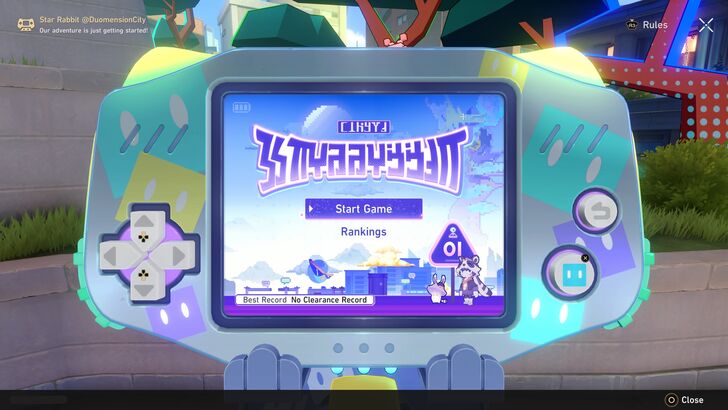
Then there’s the Star Rabbit console, which puts Interplanar Jump! as an in-world arcade-style experience. Here, traversal is distilled into challenge runs, like completing courses under a minute or hitting specific performance conditions.
On the surface, it sounds like a small side activity. But its real value is in how it reframes exploration as replayable skill expression rather than one-time progression. You’re not just clearing a path once and moving on; you’re encouraged to revisit it, optimize it, and actually engage with movement mastery in a game that otherwise rarely demands mechanical precision outside of combat.
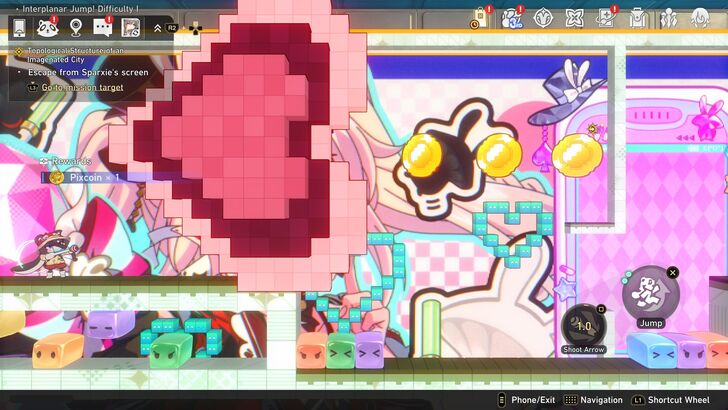
Interplanar Jump and Star Rabbit don’t turn Star Rail into a platformer, they inject just enough active gameplay into a narrative-heavy structure to keep pacing from flattening out. In a game where most of your time is spent consuming dialogue, these sections work as controlled bursts of interactivity that re-engage you physically with the world instead of just emotionally or narratively.
From Raccoon Runs to Running an Editorial Empire
This new traversal system also introduces gold coins as a byproduct of exploration. At first, I didn’t really think much of them, just another resource that would probably sit unused in my inventory for a while.
That changed once I unlocked Furbobo Weekly. What’s that you ask? It’s a gossip-column-style media outlet where the Trailblazer unexpectedly becomes the CEO. Yes, really. The magazine publishes regularly on its own, but you can also actively participate by investigating leads through what essentially becomes boots-on-the-ground journalism. You go out, gather information, and shape what gets published.
And the more stories you contribute, the more engagement those posts generate in the form of likes and comments. It’s not something that meaningfully alters the game’s progression, but it does create a surprisingly addictive loop where your actions in exploration feel like they’re feeding into something larger than just resource collection.
There’s also a very specific kind of charm in how disconnected this feels from the main conflict. One moment you’re dealing with interplanetary politics and existential stakes, and the next you’re running a chaotic little media empire that rewards you for digging up rumors and turning them into headlines. It shouldn’t work as well as it does, but it gives exploration a sense of identity beyond combat and story progression.
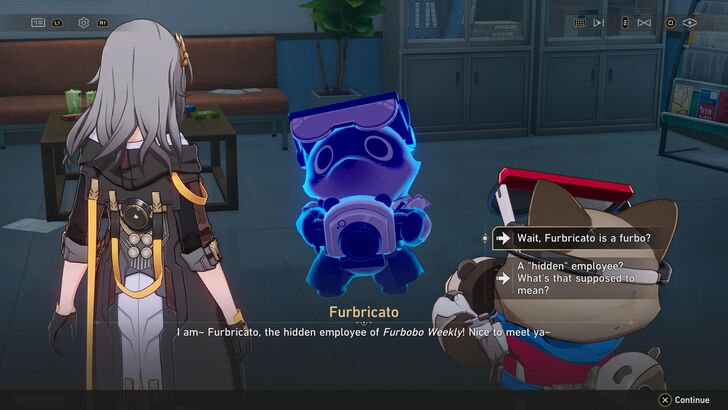
That said, I do wish there was a bit more automation or delegation involved. It would be funny—and honestly fitting—if we could actually send Furbobos out on investigations themselves instead of doing everything personally. As the Trailblazer-turned-CEO, you’re still doing a lot of the legwork yourself, which makes the "management" fantasy feel slightly underdeveloped.
On top of that though, the coins you gather through exploration can be exchanged for rewards, tying the system back into tangible progression rather than just being a narrative gimmick. It’s a simple loop—explore, earn, publish, reward—but it works because it gives otherwise passive traversal a second layer of purpose.
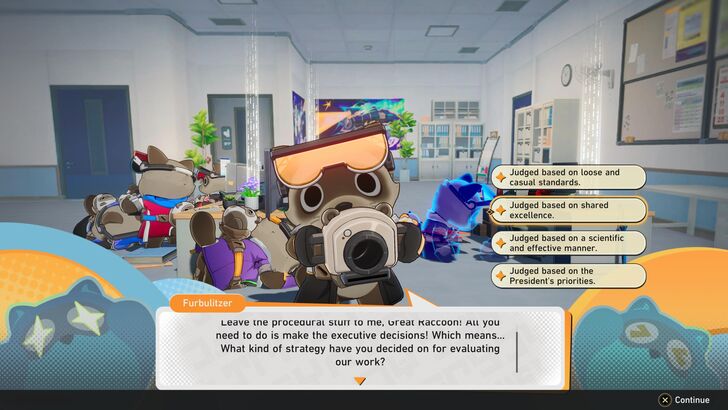
What makes this system interesting isn’t its depth, but how it reframes exploration as something that feeds into a parallel progression track outside of combat and story. It’s not essential, but it’s engaging enough that you start caring about traversal rewards in a way you normally wouldn’t in a dialogue-heavy RPG.
Surprisingly Simple Yet Engaging Dice Battler
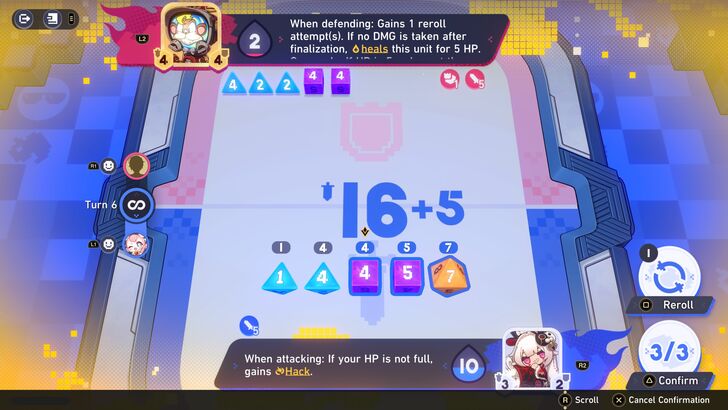
Another addition to Star Rail’s PvP/PvE features is a lightweight card battler that, at its core, is built around something almost deceptively simple: dice rolls. You and your opponent effectively add up the values of dice thrown, and that total becomes either your attack or defense value depending on the turn. Whoever is attacking subtracts their total from the defender’s, and the difference is dealt as damage.
That’s the entire backbone of the system. On top of that simple framework, cards introduce modifiers that give each match a bit of identity. For example, your Furbobo card can guarantee fixed damage of either 2 or 4 when you’re attacked, while Acheron’s card introduces special dice mechanics where rolling a 4 can result in double damage. These additions don’t overcomplicate the system, but they do inject just enough unpredictability and personality to keep matches from feeling completely mechanical.
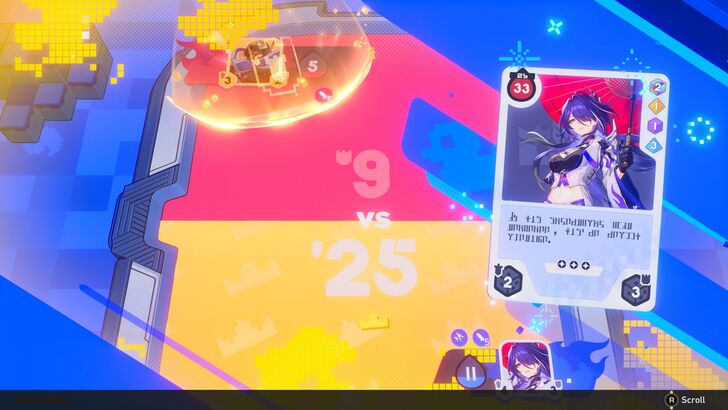
What makes this interesting isn’t depth or competitive complexity, it’s that it’s easy. The system is easy to understand within minutes, which matters a lot in a game like Star Rail where most players aren’t necessarily here for the hardcore systems. Instead, it functions more like a casual side mode that still gives you enough variance and ability interaction to stay engaging for short sessions.
At the same time, it doesn’t really evolve beyond that initial hook. Once you understand how dice totals and modifiers interact, the system largely reveals its full depth very quickly. That makes it fun in bursts, but not something that holds long-term strategic complexity or competitive weight. It’s clearly meant to complement the main experience rather than compete with it.
Pulling With Your Heart
But of course, what is a gacha game without the eternal question of whether a character is "worth pulling"? Personally, I think that question is always a bit subjective. There are objective ways to evaluate characters in terms of meta strength, team synergy, and endgame efficiency, but in practice I’ve never found those metrics to be the deciding factor for me.
I’ve been a Kafka main for the longest time, and I’ve consistently pulled characters specifically to support her. That decision came from two places: yes, there’s the straightforward appeal of seeing a DoT team absolutely melt enemies when they get going, but just as importantly, there’s the attachment I’ve built to Kafka herself—especially knowing she’s one of the few characters who directly ties into the Trailblazer’s past and purpose alongside Elio.
Then Cyrene arrived. And even with the backlash surrounding her reliance on a very specific team composition—essentially being tied heavily to other Amphoreus characters—I still pulled for her, and she’s now my main. Building her and putting together a functional team didn’t feel particularly difficult unless you’re optimizing for extreme edge cases like 0 cycle clears (which I’ll admit I don’t really chase anyway). I’m more interested in how a character feels to use than whether they can shave off a few turns (there’s auto battle anyway, so farming isn’t THAT bad).
I don’t pull for pure efficiency. I pull for emotional attachment, and in a game like Star Rail, that’s not just valid, it’s arguably the entire philosophy of gacha working as intended. These characters are written to make you care first, and optimize later.
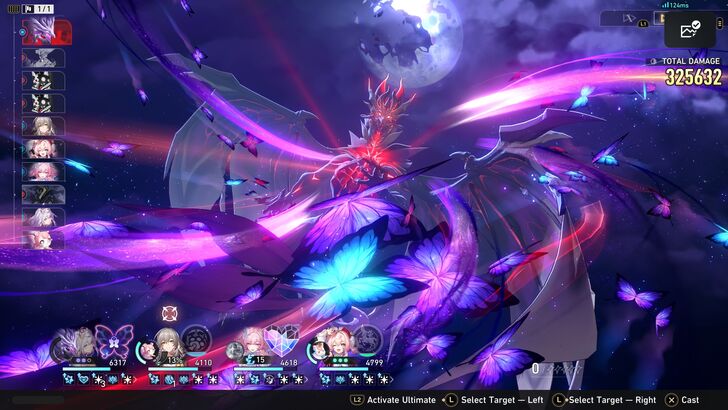
So whether or not new characters are worth pulling, the question you should be asking yourself isn’t "Is this character optimal for my team?" but "Do I care enough to make it work?". Right now, I’m asking myself the same question regarding Nihilux—a debt-ridden author constantly buried under deadlines—as she’s already growing on me. Even with rumors suggesting she’ll be an Elation-aligned character that doesn’t naturally slot into my existing teams, I probably won’t care and will find a way to make it work.
Characters That Keep Evolving
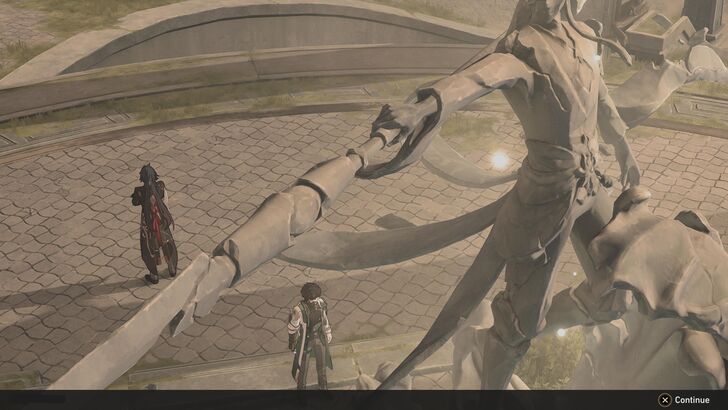
That’s also why the game’s approach to character evolution matters so much. Star Rail isn’t afraid to revisit and reinvent older characters rather than leaving them behind. For the 4.3 banner featuring Mortenax Blade, he’s not the first character to be meaningfully reinterpreted through character evolution, and he definitely won’t be the last. The same is true for Himeko, with a promise of evolution for her soon, which is another step in the game’s pattern of re-centering old characters for new variants of themselves.
This matters to two types of players: those who feel their favorite characters eventually lose gameplay relevance over time, and those who are emotionally invested enough that they want to see those characters continue evolving in meaningful ways rather than being left behind.
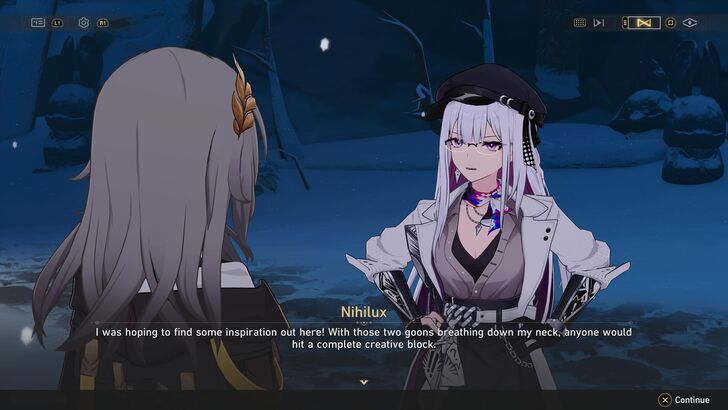
Of course, this system still comes with friction. Any live-service game built around long-term character investment is going to ask for ongoing commitment. Whether that’s time, resources, or pulls. Star Rail is no exception. But what it offers in return is fairly straightforward:if you invest in a character, the game continues to give you reasons to care about them over time, because those characters are not treated as finished products.
Is there a theoretically better system? Probably. Does Star Rail handle this perfectly? No. But it doesn’t fail because of it either. At the end of the day, it’s not trying to hide what it is. It’s a game built around investment, and it consistently rewards you for choosing what (and who) you care about.
Is Honkai: Star Rail Worth It?
Yes, It’s Aha-Mazing from Start to Finish
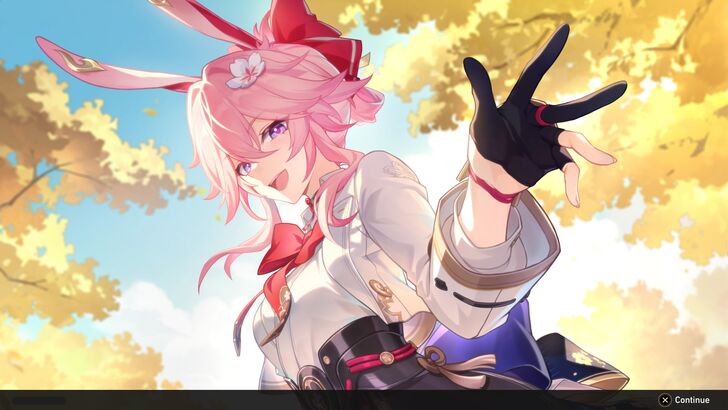
Three years down the line, Honkai: Star Rail is starting to look like exactly what long-term live-service games hope to become: a title that genuinely rewards players who stuck with it from day one. The accumulation of story arcs, character development, and evolving systems gives early players a sense of continuity that feels earned. But at the same time, being "late" to it doesn’t really feel like a disadvantage.
Newcomers still have plenty of reasons to start today. For one, Star Rail gives you full control over how you experience its story—if you want to push through the main narrative, you can, but if you’d rather move faster, the game also lets you skip dialogue and still provides written summaries of key story beats so you don’t completely lose context. That alone makes catching up far less painful compared to other long-running live-service RPGs.
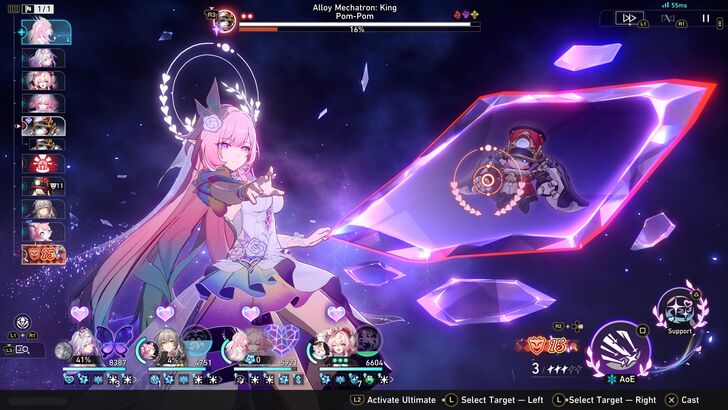
On top of that, the game is genuinely generous when it comes to rewards, especially for new and returning players. There’s a steady stream of pulls, resources, and progression boosts that make it much easier to build functional teams early on without feeling immediately gated by paywalls or heavy grinding.
At its core, this is a free-to-play, relatively F2P-friendly gacha RPG that understands its hook isn’t just collection, it’s attachment. Whether you’re here for the story, the characters, or the constant evolution of its systems, Star Rail continues to position itself as a journey rather than a race. It doesn’t matter when you board the Express. It just matters that you’re willing to journey through the stars.
How to Catch Up as a New Player
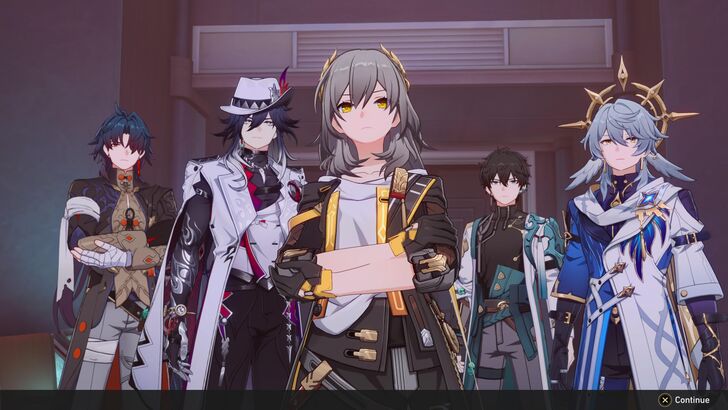
New players can expect to spend well over a hundred hours catching up to Honkai: Star Rail's main story before reaching Planarcadia. Unlike some live-service games where newer regions can feel disconnected from what came before, Star Rail's narrative is heavily built upon previous events, character relationships, and long-running mysteries that have been developing since launch.
While the game does offer dialogue summaries and story recaps for those who wish to progress more quickly, skipping major story arcs is generally not recommended. Much of what makes later chapters impactful comes from seeing how characters, factions, and conflicts evolve over time, especially in storylines involving the Astral Express, the Stellaron Hunters, the IPC, and the Aeons themselves.
Here's a general run-down of how to catch up to the current content for new players:
| New Player Catch-Up Guide |
|---|
| 1. Starlit Homecoming Event |
| 2. Redeem Codes |
| 3. Progress the Main Story |
| 4. Complete Daily Tasks |
| 5. Complete Weekly Tasks |
| 6. Conventional Memoir Events |
| 7. Engame Modes |
To give you an idea of the commitment involved, the Trailblaze Missions leading up to Planarcadia total approximately 108 hours of story content. However, because earlier chapters require players to increase their Trailblaze Level before progressing, a new player can realistically expect to spend closer to 150 hours reaching the current main story. This estimate does not include Trailblaze Continuance missions, Adventure Missions, limited-time events, or world exploration.
For a rough breakdown, players can expect to spend around 3-5 hours in Herta Space Station, 10-15 hours in Jarilo-VI, 10-15 hours in the Xianzhou Luofu, 30-35 hours in Penacony, and 55-60 hours in Amphoreus before finally arriving in Planarcadia.
If you’re interested in catching up with the game’s contents, you can check out our guide using the button below:
Honkai: Star Rail Related Guides
 News
News Characters
 Tips and Tricks
 Enemies
 Bosses
 Light Cones
 Warps
Warps Events
 Items
Items Relics
 Caverns
 Missions
 Maps
Maps Forgotten Hall
 Tier Lists
 Cosmetics
 Simulated Universe
 Pure Fiction
 Apocalyptic Shadow
 Anomaly Arbitration
 Currency Wars
 Review
Game8 Reviews

You may also like...
 |
Wuthering Waves Review (3.0 - 3.3) | Should You Play in 2026? RPG, Action, Adventure, Anime, Gacha |
 |
Neverness to Everness (NTE) Review | Good Mileage Expected RPG, Action, Adventure, Anime, Gacha |
 |
Zenless Zone Zero Review (Aug 2024) | A Visually Solid Gem RPG, Action, Anime, Gacha |
 |
Mongil: Star Dive Review | Only Lands Among the Stars RPG, Action, Gacha |
 |
Arknights: Endfield Review | Signature Arknights That Delivers RPG, Anime, Gacha |




great game!!