


| Honkai: Nexus Anima | |||
|---|---|---|---|
| Release Date | Gameplay & Story | Pre-Register & Pre-Order | Evolution Test Review |
Honkai: Nexus Anima’s Evolution Test is here to showcase further its mechanics, story, characters, and Anima. Read on to learn everything we know, our review of the beta test, and more.
Everything We Know About Honkai: Nexus Anima
Honkai: Nexus Anima Plot
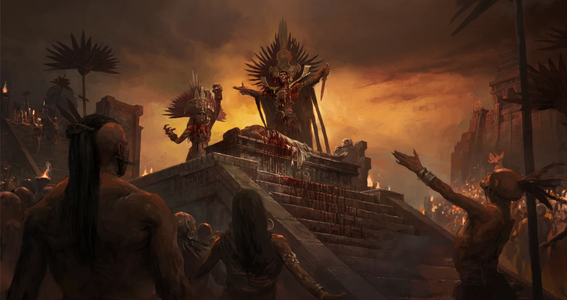
All things were once connected through a vast network known as the Nexus. A cataclysm called the Sundering severed this bond, collapsing the world and causing the Aspects that held it together to fracture. From these scattered remnants arose 81 separate universes, now known as the Planes.
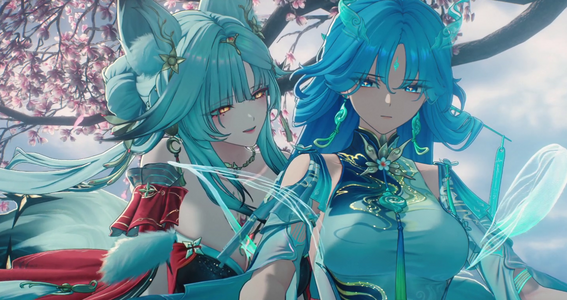
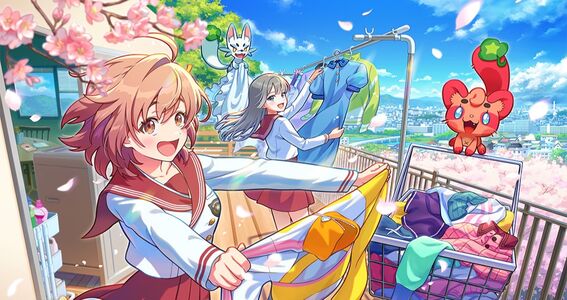
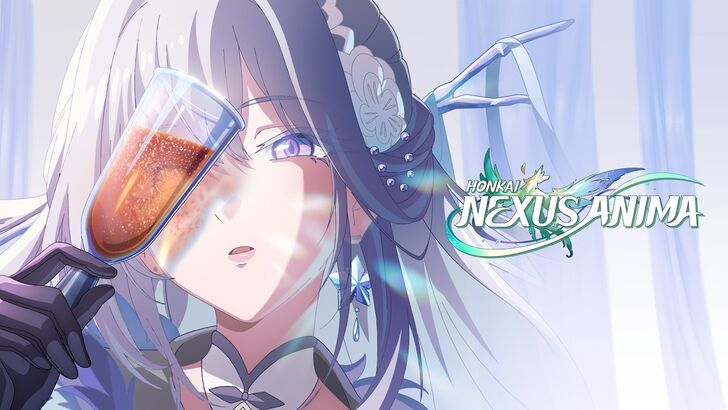
The fragmented energy of the Nexus also gave rise to beings of pure essence known as Nexus Anima. These entities are now central to the world’s conflicts, summoned and commanded in duels called Nexus Battles. Individuals who command them are known as Animasters, each depicted alongside their companion Anima. Confirmed Animasters include Nanafey, a young girl featured as the game’s poster character; Maple Manybell, Deputy Arena Master of the seaside town of Iia; and Kiana, described as a “Planestrider” and a returning character from Honkai Impact 3rd.
Honkai: Nexus Anima Gameplay
Honkai: Nexus Anima plays as an autochess strategy game where players, playing as characters called Animasters, field teams of creatures called Anima. Much like in other auto chess titles, such as Teamfight Tactics, the combat is expected to be automated once units are placed, meaning the main layer of decision-making lies in positioning and team synergy/composition. Matches appear to unfold as duels against other Animasters.
Each Anima is tied to one of several Aspects, including concepts like Light, Memory, War, Love, and Pride. These Aspects appear to potentially grant shared bonuses when multiple Anima of the same Aspect are deployed. Alongside these, Animas also possess Traits such as Striker, Protector, Blaster, or Mastermind, which likely determine their role in the duel.
Honkai: Nexus Anima Release Date
Coming Soon to PC and Mobile
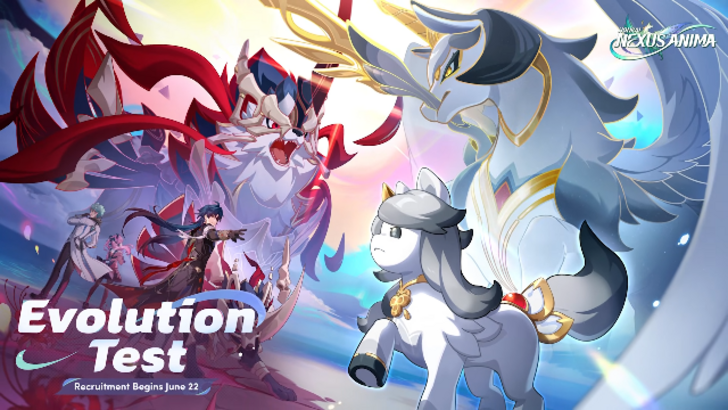
Honkai: Nexus Anima is the third title in the Honkai series, following Honkai Impact 3rd and Honkai: Star Rail. It was officially revealed on August 29, 2025, after first appearing in a 20-second teaser during the Star Rail LIVE Concert The game still does not have a release date, but HoYoverse continues development through a series of closed test phases.
The latest of these is the Evolution Test, which will run from July 9, 2026, at 10:00 A.M. (UTC+8) until July 27, 2026, at 6:00 P.M. (UTC+8).
Honkai: Nexus Anima Review (Evolution Beta Test)
Pokémon Meets Teamfight Tactics, Then Evolves Beyond It
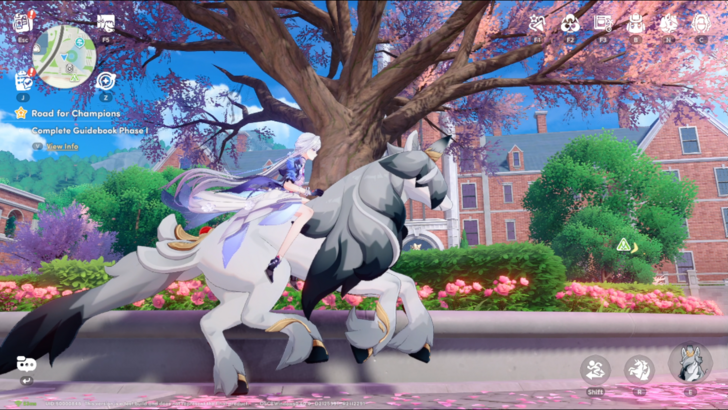
There is an easy way to describe Honkai: Nexus Anima (HNA). It is Pokémon meets Teamfight Tactics. Spend a few minutes with the game, and that comparison almost writes itself. You travel across a colorful world collecting creatures known as Anima, build a team around their strengths, and watch them battle with minimal direct input as positioning and synergy do all the work. It is an elevator pitch that immediately makes sense, especially for anyone familiar with either game.
The thing is that comparison only gets HNA through the front door. The more I played, the more it became clear that HoYoverse wasn’t interested in making its own version of Pokémon or another auto-battler with an open world attached. It merely uses those ideas as a starting point, and the result already feels distinct enough to stand on its own, even in this early build.
There are still systems that need another pass before launch, and not every idea lands as cleanly as the rest. However, what I’ve seen so far is a game with plenty of reasons to be excited about where it’s headed.
Its World Can Be Overwhelming, but Never Uninteresting
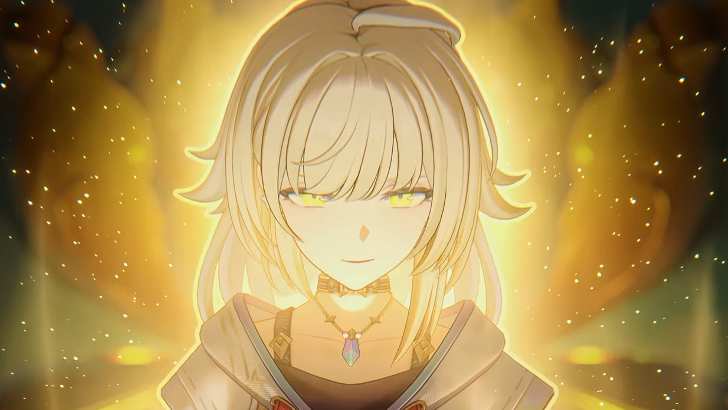
Much like HoYoverse’s other games, HNA immediately throws its world at you. After choosing your character and wandering around what seems like an ordinary town, everything begins to fall apart. The illusion around you starts breaking down, and before you have much time to process what’s happening, the game is already talking about the World-Ender, the Sundering, the Nexus, Sovereigns, Novarchs, Aspects, and a long list of other proper nouns that it expects you to keep up with.
That probably sounds harsher than I mean it to. I actually came away more interested than confused with the lore dump, even if I couldn’t keep track of every new term the game introduced. Unlike Genshin Impact, which takes its time easing players into Teyvat, Nexus Anima is eager to establish that its world has a long history and that your character sits at the center of it.
You're an amnesiac, yet everyone else seems to know exactly who you are. They call you the World-Ender. The Novarchs either fear you or want you dead. Someone went to great lengths to hide you inside an illusion for over two centuries, and now that illusion has finally been breached. That's more than enough to keep the story moving. You begin to question who the protagonist is, and what they did in their previous life that so many people want them dead.
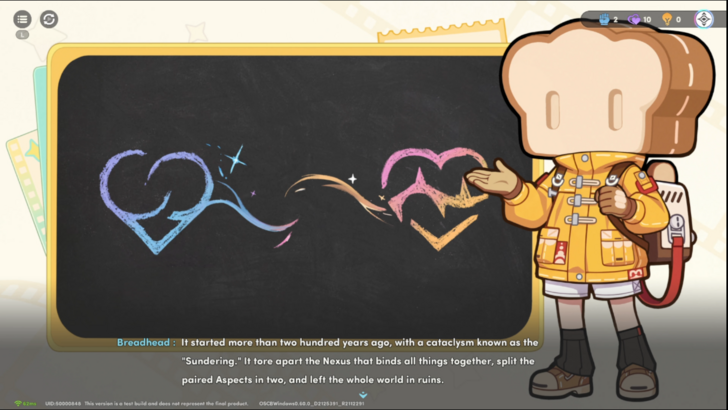
The story goes that more than two hundred years ago, the world was torn apart by a cataclysm known as the Sundering, which shattered the Nexus that once held everything together. The paired Aspects that governed that world were split apart, the old world fractured into countless Planes, and the fragments left behind eventually became the adorable Nexus Anima around the world.
That’s already a lot to take in, and that’s not even half of what they dump on you at the start of the game. Like Genshin Impact and Honkai: Star Rail before it, HNA gives you just about everything you need to know at that time. How you piece everything together (or if you even will) is entirely up to you.
One of HoYoverse’s Better Worlds Yet
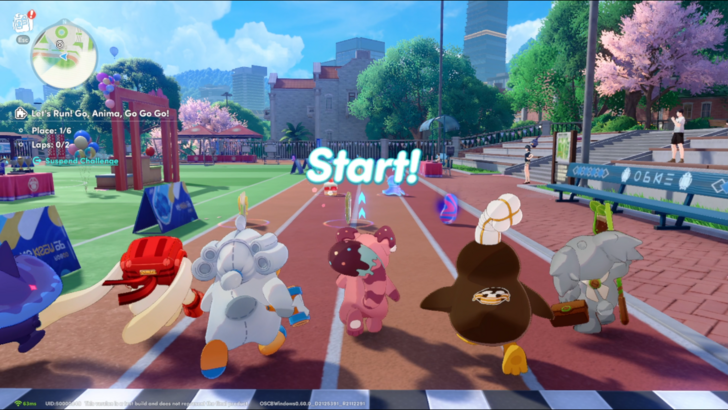
Thankfully, once HNA gets its introduction out of the way, it eases you into its world at a much more comfortable pace. Exploring became one of my favorite parts of the Evolution Test. The game does a great job of making those creatures feel like they belong in the world they inhabit. The seaside town of Iia is full of life, with Anima practically everywhere you look. Some help their owners run shops, others wander the streets on their own, while a few can be seen racing one another or simply tagging along as people go about their day. Everything in Iia seems to revolve around Anima in one way or another.
As someone who has spent thousands upon thousands of hours wandering Teyvat, I couldn’t help but appreciate how naturally HoYoverse integrates its creatures into everyday life. It’s something few creature-collectors do, and it’s certainly more convincing than many of the Pokémon games I've played over the years.
Watching something as ridiculous as Eggluvs (essentially a yolk resting on a pillow with oversized boxing gloves) evolve into the rabbit-esque Eggnok captures the game’s willingness to embrace silly yet creative ideas.
New Characters Carry the Story Just Fine
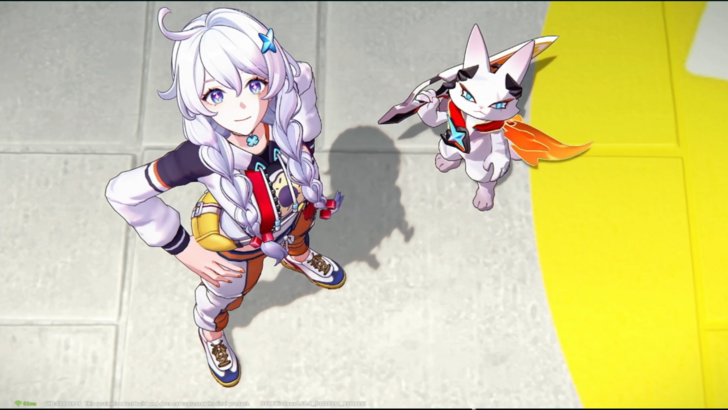
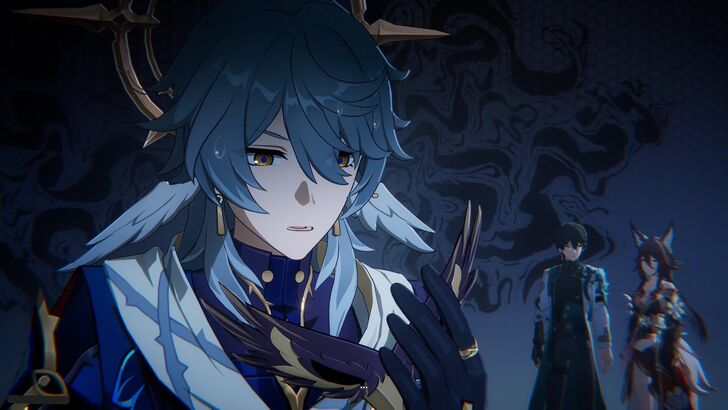
That same liveliness extends to the cast. At the start of the game, you meet Parayaya, the Novarch of Hate; Amorphiron, the Novarch of Change; and Blade, the Novarch of Strength, who Star Rail fans will recognize immediately. You also meet Breadhead, whose name is quite literal.
Once the story settles into Iia, the cast continues to grow with characters like Nanafey, Bai Mei, Hua, Otto, and Kiana. Longtime Honkai Impact 3rd fans are probably going to lose their minds seeing the last two show up, although I have to admit I was slightly disappointed that Kiana’s signature Anima wasn’t a tuna. It felt like such an obvious joke that I couldn’t believe HoYoverse passed on it.
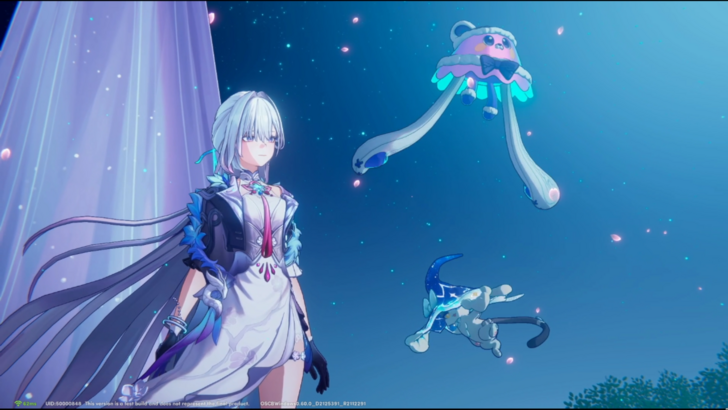
Fan service aside, I appreciate that these returning faces don’t take over the story. The Evolution Test doesn’t spend much time explaining whether they’re the same characters from their respective games or simply variants sharing the same likeness. It kept the focus on HNA’s story rather than reminding me of other HoYoverse games.
There are Finally Branching Paths and Dialogue
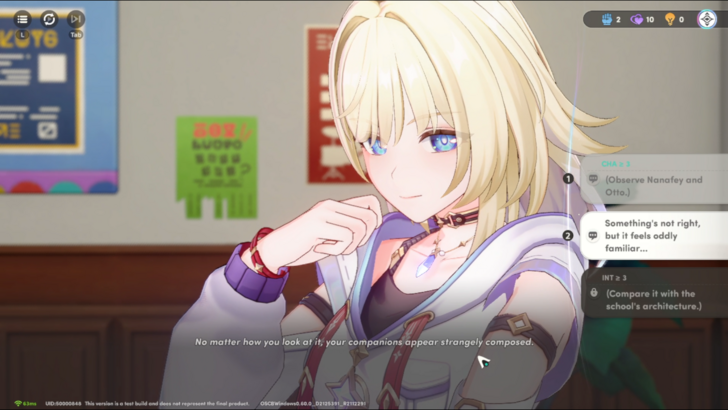
It was a surprise, though, to see HoYoverse lean further into RPG mechanics during conversations. Dialogue choices are still present, but this time plenty of them are tied to three character attributes: Strength, Charisma, and Intelligence. Those regularly determine which dialogue options are available.
Since I dumped almost everything into Charisma, my protagonist ended up being charming but also very stupid. Whenever a conversation required intellect, those dialogue options were completely unavailable to me. Later on, I even ran into the opposite situation, where my Charisma was apparently too high for a particular response.
I have no idea at the moment how often those situations will come up throughout the full game, but they made me pay much closer attention to conversations. Compared to the usual dialogue choices in Genshin Impact or Star Rail, which often lead to the same outcome regardless of what you pick, this was more engaging.
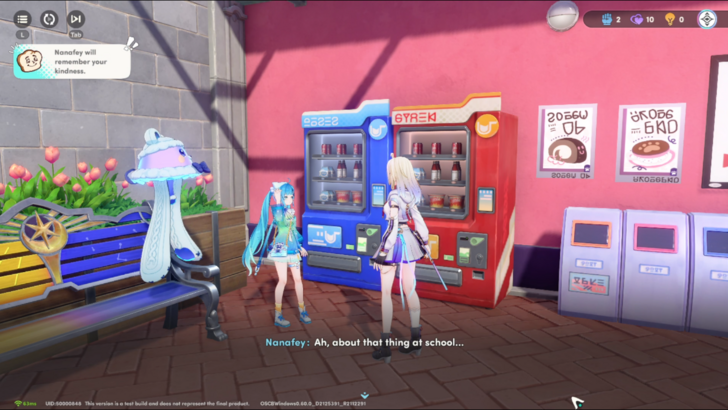
The game even borrows from Telltale’s playbook. Now and then, a message appears after certain conversations telling you that someone noticed your kindness or trusted you a little less because of something you said.
The Evolution Test doesn’t explain how significant those are just yet, so it’s difficult to judge whether they’ll meaningfully affect later quests or simply add a bit of role-playing flavor. Either way, it’s still refreshing to see HoYoverse experiment with conversations that acknowledge the kind of character you’ve built.
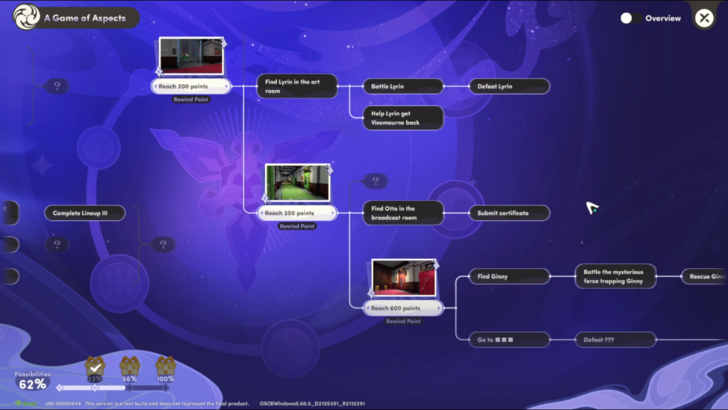
The feature that impressed me the most, though, was the Infinite Vortex. Early in the story, you’re given this ability by Apherion, the Sovereign of Infinity and Finity, allowing you to revisit previous events and explore different outcomes. Certain choices branch into new possibilities, and the game even suggests that discovering different endings can affect later quests and unlock additional content.
During one investigation, for instance, I only needed to earn 200 points to complete the quest, but curiosity got the better of me. I kept exploring, took on extra tasks, and gradually uncovered more details surrounding the incident than the quest actually required. Eventually, I managed to identify the person responsible. Unfortunately, as this is an unfinished build, the reveal was replaced with placeholder text before the story carried on.
It was a little disappointing, not gonna lie, but it also left me curious to see how much freedom these branching paths will offer once the game fully launches.
As much as I enjoyed the writing itself, the presentation doesn’t always do it justice. This is another area where I couldn’t help but think of Genshin Impact and Star Rail, and not necessarily for the right reasons.
Like in those games, gestures are very minimal. A narrator with a posh accent explains what is happening while the camera stays relatively static or fades to black. There are also plenty of scenes where dialogue is followed by written stage directions describing actions that the character never performs on screen. Reading that someone raised their fist high up doesn’t have quite the same impact when their character model isn’t doing that action, even if they are idling or moving in other ways.
It’s Teamfight Tactics, but With a HoYoverse Twist
Thankfully, unlike the game’s story, HNA’s gameplay is easy to explain because almost everyone already has a point of reference for it. It’s Pokémon mixed with Teamfight Tactics, with HoYoverse’s usual progression systems sprinkled on top. To my surprise, it works better than it sounds.
Everything starts with collecting Anima. Like Pokémon, you’ll find them roaming the world and can challenge them to battle before attempting to recruit them using a Nexus Skein (an item you feed them to gain their trust). Catching them isn’t guaranteed either. Every bonding attempt comes with a success rate, and sometimes, an Anima simply runs off.
Extra copies turn into Anima Energy that raises Rapport with that specific creature. If you’ve played Genshin Impact, think of it like unlocking Constellations. The more Rapport you build, the more passive skills that Anima receives. It's a familiar system under a different name, but one that makes duplicate pulls feel far less disappointing than they otherwise would.
Progression doesn't stop there either. You're effectively raising two separate rosters throughout the game. Anima level up through battle and gacha progression, while Eidos—the human characters you recruit through the gacha—have their own levels, upgrade materials, and Eidothreads, which fill the same role as Constellations in Genshin.
If you've spent years playing HoYoverse games like I have, none of this will feel particularly surprising. It follows a formula the studio already knows works, even if it means there are quite a few progression menus to keep track of.
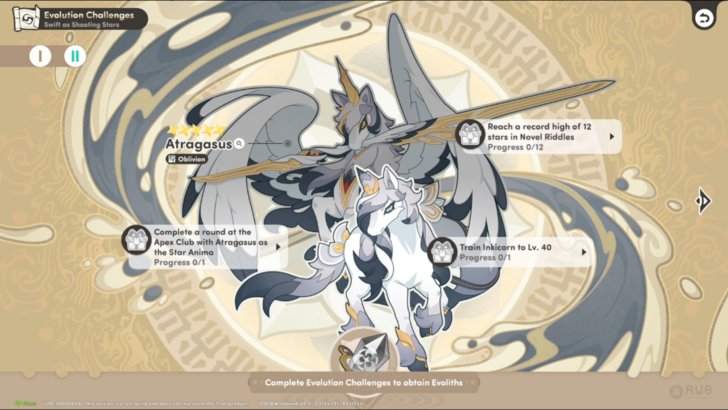
Evolution ended up being my favorite part of collecting Anima because it isn’t always tied to grinding levels. Some evolutions ask you to complete specific objectives. Inkicorn, for example, only evolves after reaching Level 40, earning a record of 12 stars in Novel Riddles, and clearing a round at the Apex Club. I liked that approach because it gave me reasons to engage with different parts of the game instead of simply farming experience until an evolution happened.
Even better, evolving an Anima doesn't replace its previous form. Once my Inkifoal evolved into Inkicorn, I still kept Inkifoal in my collection. That small decision makes filling out the Anidex much less frustrating since you aren't forced to catch the same creature all over again just because it evolved.
Building Teams Is More Fun Than Watching Them Fight
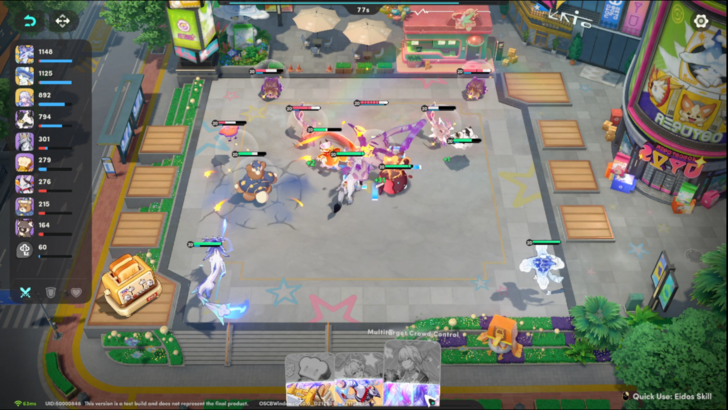
Battles themselves lean into the auto-battler side of the equation. Once combat begins, your Anima fight on their own. Your job happens before the battle starts, deciding which creatures to bring and how they complement one another.
Every Anima belongs to an Aspect, such as Strength, Reality, Memory, Love, Beauty, or Illusion. Fielding multiple Anima with the same Aspect activates a team bonus. However, Anima also fall into battle roles like Blaster, Protector, Mastermind, Explorer, or Mascot. Think of these as their jobs within the team. Some stay on the front line soaking up damage, others focus on dealing it, while support-oriented Anima keep the rest of the team alive or strengthen their allies. Like most auto-battlers, the fun comes from experimenting with different combinations until everything clicks.
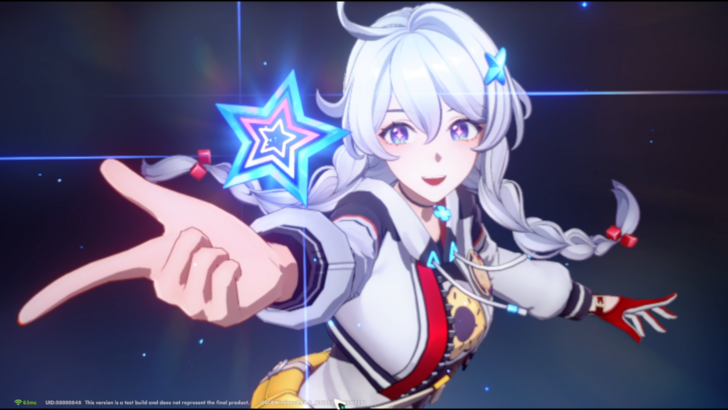
The game is still fairly new, and since I already know how HoYoverse titles usually scale, I initially neglected strategy. Admittedly, I haven't played many auto-battlers, and I assumed min-maxing units was a late-game problem—something to worry about only after gathering enough resources and characters to avoid wasting materials. Early on, my entire strategy was just throwing out whatever cool-looking Anima I had on hand.
However, I quickly realized that even at this stage, the basics are important. Things like exact grid placement and passive Synergy boosts make a massive difference. After a big loss, I spent just as much time swapping creatures in and out of my lineup as I did actually fighting.
This is especially true with Eidos, as depending on your preparation, they can get passive skills in battle. Breadhead, for example, gains access to an additional Aspect Skill once the Reality Synergy is active, giving you another reason to think about your overall team composition.
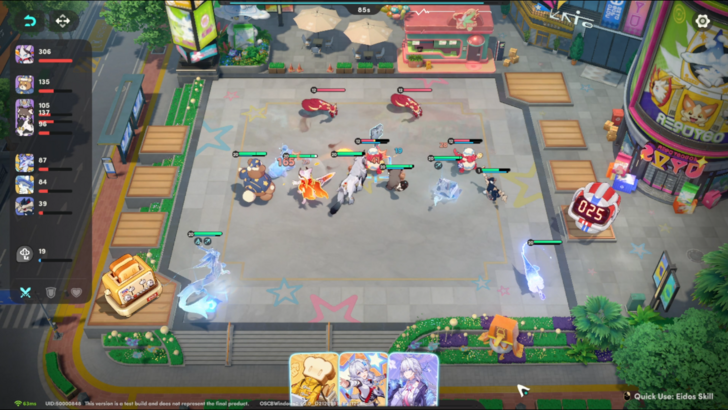
I’m a little more mixed on how Eidos skills are implemented, though. Since battles are already automated, manually activating Eidos skills every single fight started to feel repetitive after a while. You can right-click to cast them more quickly, but you’re still expected to do it yourself. Essentially, you watch Anima do their thing while you wait for skills to come out of cooldown. That’s it.
Maybe that’s intentional. It’s an auto-battler, so that may be par for the course. Even so, after dozens of encounters, I found myself wishing for an optional auto-skill setting, especially when replaying much easier fights. Watching the same ability animations over and over again also loses some of its appeal once you've seen them for the hundredth time.
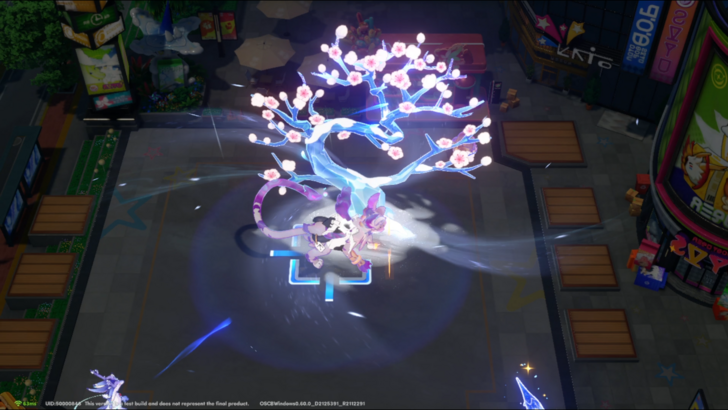
It doesn’t help that many of the game’s attacks lack impact. Team compositions are satisfying to build, and seeing your synergies come together is rewarding, but the fights themselves don’t always communicate that excitement back to the player. Attacks often land without much force behind them. Considering how expressive the Anima designs are, I came away wishing the combat had a little more bite to match them.
Gacha Rates Aren’t Final, but It Feels Like Other HoYoverse Games
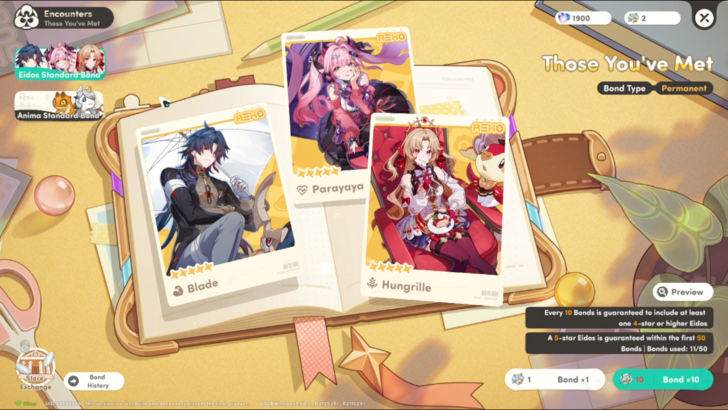
HoYoverse’s other titles seem to have influenced this game’s gacha system, as it feels all too familiar. New Anima and Eidos are obtained through what they call Encounters, with a ten-pull costing 1,600 Aspect Gems. The Evolution Test also keeps HoYoverse's usual guarantee of at least one 4-star or higher item every ten Bonds, so there aren't many surprises if you've spent time with the studio's previous games.
The two banners work a little differently, though. Pulling on the Anima banner can reward you with 3-star, 4-star, and 5-star Anima, while duplicate pulls may instead become Anima Energy that can be used to build Rapport with creatures you've already collected.
The Eidos banner follows a similar structure, although the standard banner isn't limited to just characters. During my time with the Evolution Test, it was also possible to pull 3-star and 4-star Anima alongside Eidos and Anima Energy. Whether that's something players will appreciate probably depends on what they're chasing. Personally, I would've preferred a cleaner separation between the two. Pulling on an Eidos banner only to see an Anima appear instead isn't always the most exciting feeling.
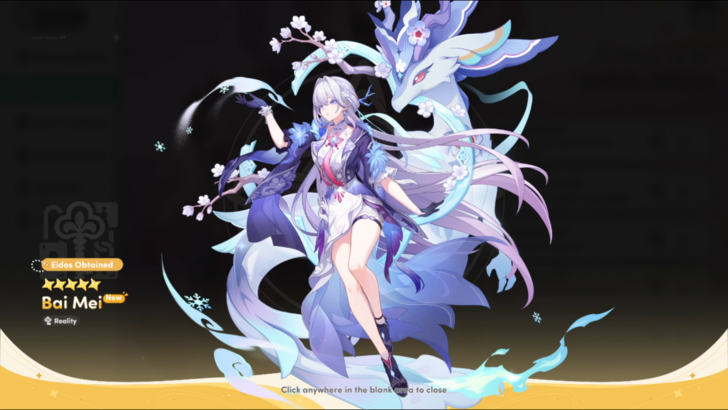
One thing I couldn't evaluate yet is how generous the system will actually be. HoYoverse hasn't published the banner rates during the Evolution Test, and I couldn't find any information on whether the game uses the same pity system as Genshin Impact and Honkai: Star Rail. That's probably the biggest unanswered question right now. For a lot of players, the rates and pity mechanics matter far more than how the banners are presented.
Since this is still the Evolution Test, I expect at least some of these systems to change before launch. The bigger question is whether the final release can match the player-friendly pity structure that Genshin Impact and Honkai: Star Rail have gradually settled into over the years.
It’s an Easy Game to Fall in Love With
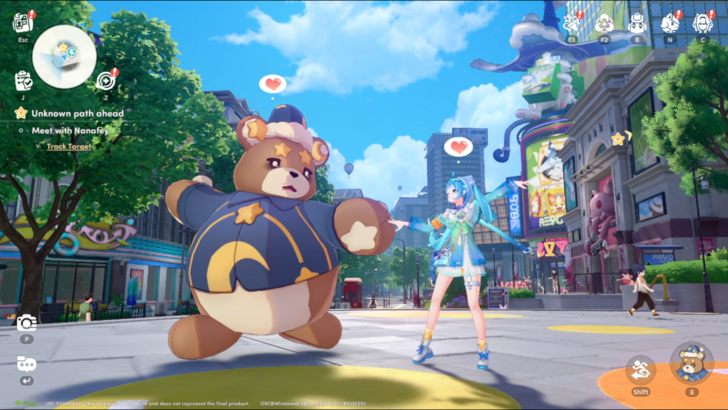
I love Honkai: Nexus Anima. I don’t think there’s a better way to put it. I love it so much that it pained me whenever the game reminded me that this was, in fact, just a test. Every invisible wall that stopped me from leaving Iia and every placeholder screen where a future cutscene was supposed to be left me wanting more.
That isn’t to say the game doesn’t have its problems. Combat could use some more oomph, and I still wish HoYoverse would move away from relying on text to describe moments that really should be happening on screen. It’s a habit of theirs I’ve gotten used to over the years, and although HNA shows signs of improvement, it’s one area where the studio still has room to grow.
Even then, those issues never outweighed my adoration for the game. The world itself is easy to get lost in; the story gave me more than enough reasons to keep chasing answers, and the Anima are so charming that I’m already convinced HoYoverse is going to make a fortune when they inevitably start selling merch of them. It’s probably the first of its kind in the gacha space.
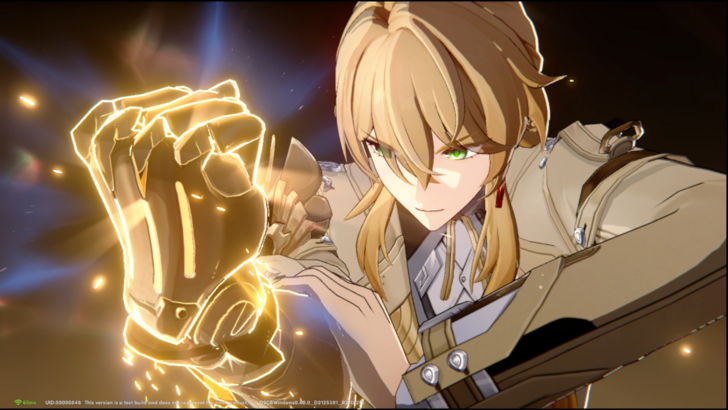
I already spend more than enough time in my day juggling multiple gacha games that I didn’t think I had room for another one. Now, I’m just hoping we get this game soon, as I have no idea how I'm going to cope once the Evolution Test ends.
Game8 Reviews

Honkai: Nexus Anima Similar Games
Honkai: Nexus Anima Product Information
 |
|
| Title | HONKAI: NEXUS ANIMA |
|---|---|
| Release Date | TBD |
| Developer | MiHoYo Co., Ltd |
| Publisher | HoYoverse (Worldwide) |
| Supported Platforms | PC Mobile (iOS, Android) |
| Genre | Auto-Chess, RPG |
| Number of Players | TBD |
| ESRB Rating | TBD |
| Official Website | Official Website of Honkai: Nexus Anima |