



| holoVillage: Our Cozy Days | |||
|---|---|---|---|
| Release Date | Gameplay & Story | Pre-Order & DLC | Review |
Overview
What is holoVillage: Our Cozy Days?
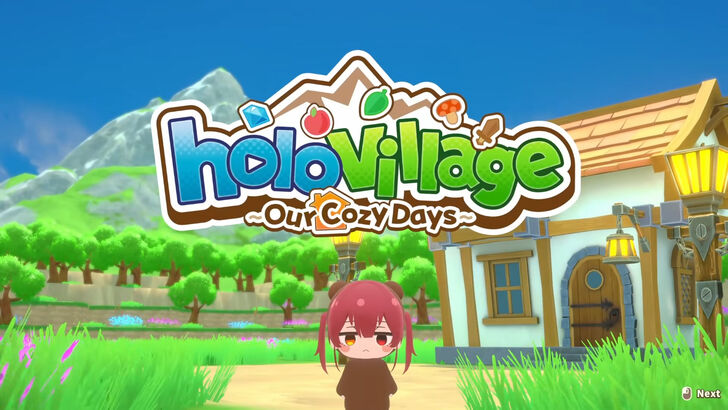
holoVillage: Our Cozy Days is a slow-life simulation RPG under hololive’s holo Indie label, featuring chibi versions of hololive Production talents. The game combines life sim activities like farming, fishing, mining, crafting, and shopkeeping with light RPG elements. Players can explore dungeons outside the village to fight enemies and bosses, upgrade equipment through smithing, and build around job-based ability trees. It also includes extensive housing and character customization, along with features that let players share room designs and interact with hololive residents.
holoVillage: Our Cozy Days features:
⚫︎ Recruit the VTubers from hololive as village residents
⚫︎ Combat and exploration for materials
⚫︎ Fishing and cooking minigames
⚫︎ Automate farming, exploration, and other tasks
⚫︎ Manage shops
⚫︎ Gradually expand the village
⚫︎ Decorate your own room
For more gameplay details, read everything we know about holoVillage: Our Cozy Days’s gameplay and story.
| Digital Storefronts | |||||
|---|---|---|---|---|---|
 Steam Steam |
|||||
| $24.99 |
holoVillage: Our Cozy Days Review: Flourishes Where It Fits
Bear, But Endearing
Hololive as a franchise has seen almost nothing but growth in recent years. They evolved from a small group of talents formed by the industry’s pioneers—I still remember the peak days of Tokino Sora collaborating with other VTubers like Azuma Lim—to becoming, without a doubt, the most influential VTuber agency in the world.
Naturally, this growth birthed a flood of fanworks, ranging from art, music, video games, and all kinds of doujinshi. Eventually, the agency reached a scale where they had to step in and manage the intellectual property and its fanworks, particularly video games. This led to the creation of the holo Indie brand—the same brand holoVillage: Our Cozy Days was published under.
holoVillage is a cozy game with a variety of activities to engage in, all under the pretense of expanding the mayor, Kumarine’s settlement. It presents several avenues for progression, ranging from going out to slay monsters, managing a farm, taking up blacksmithing, and various other enterprises.
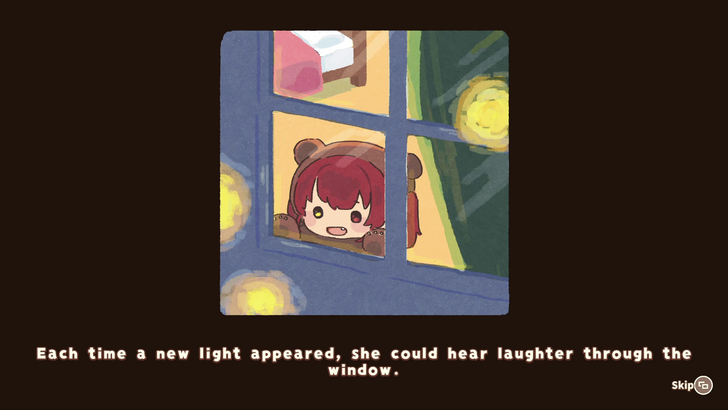
It’s all well and good for the most part. There’s no urgency to the game, and you can very well just go fishing for five hours straight without any consequences aside from your own sense of productivity and shame. Being able to meet your favorite talents as they randomly visit your village and even getting to hire them is an amazing feature.
Unfortunately, it’s not without its caveats. Camera control outside of the village is practically nonexistent, for example. And despite having a lot of talents available to work with you, none of them can really be interacted with beyond assigning them miscellaneous work or getting them to pose for photos. Overall, it’s just a good game carried heavily by the options it provides and its audiovisual appeal. But as a hololive game, though, it leaves a lot to be desired.
—And no, I didn’t accidentally misspell the header.
Yes, Mayor Kumarine!
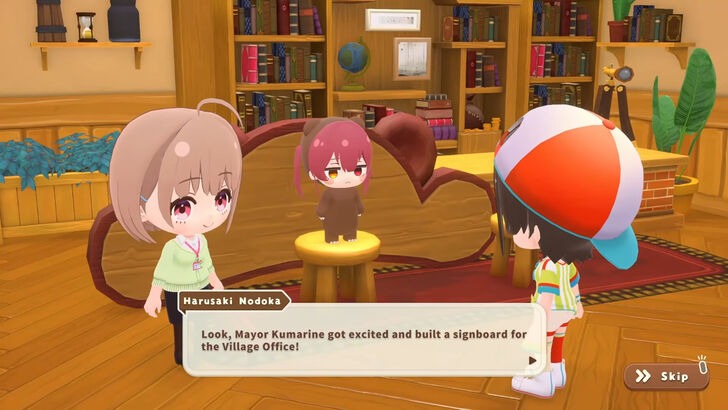
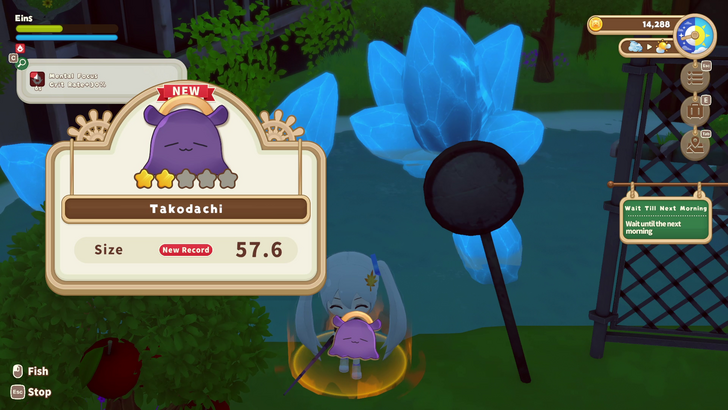
holoVillage’s “story,” if you can even call it that, is quite simple. Basically, you wake up in a remote village after having lost your memory (very original). The mayor, Kumarine, asks you for help in developing her settlement in exchange for essentially saving you from dying in a random ditch. And thus, your life of hitting Nousagis on the head and fishing for Takodachis begins.
Beyond that, we only really get “main story” updates as you continue expanding the village’s population via snippets of Kumarine’s dreams and aspirations. The rest are separate “side stories” done by progressing through your different enterprises or trade.
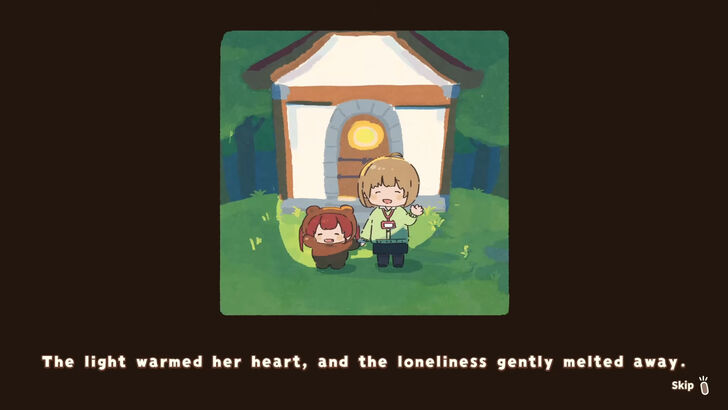
None of the latter are real “stories” per se. They’re more like context provided to create goals. But despite that, the narratives more than accomplish their job in a cozy game like this—and it’s not exactly an easy one. After all, it must navigate the fine line between giving you a sense of progression and a reason to keep playing, all the while having to avoid giving you any feeling of urgency.
The latter, in particular, is essential for a cozy game, since being able to decide your own pace should be a baseline requirement for the genre. It should be dictated by the core mechanics and narrative. This ultimately decides how you approach it, how relaxing each session feels, and how you feel after spending several hours playing it.
Thank you, Mayor Kumarine!
A hololive Game in Mostly Assets
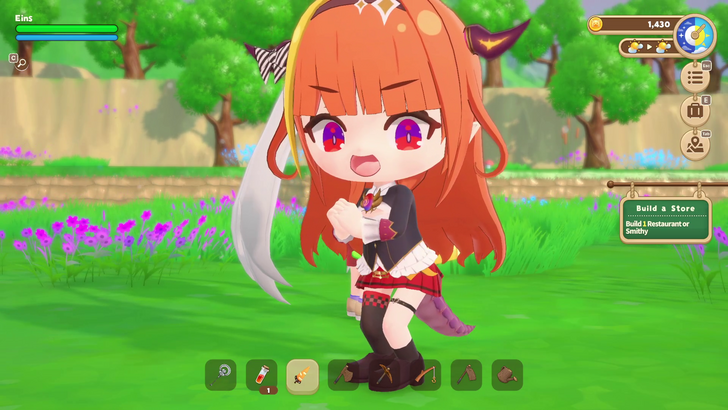
That said, fulfilling Mayor Kumarine’s goals and increasing the village population isn’t all it’s cracked up to be. Your population only grows as you invite more hololive talents to your base to work on the fields or in the shops. However, despite being based on “real” (very gratuitous use of quotations here) people, there’s really not much of an interactive or immersive benefit in doing so.
While this feature is one of holoVillage’s advertised highlights, what you can actually do with the talents is very limited. Not in terms of core gameplay functionality, mind you; all the regular options are there such as getting them to manage your shop, tend to the farm, and go out adventuring—though may the souls of the enemies be saved when you send Suisei out to hunt.
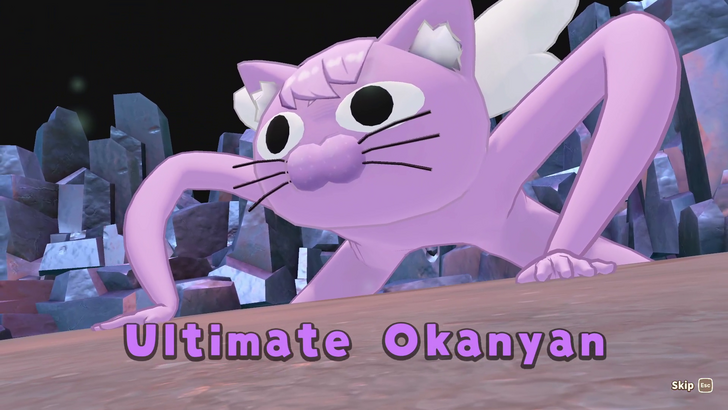
However, regarding the more interesting interactions that could have been implemented to showcase these streamers and their intense personalities, there’s practically nothing. You can pose with them for photoshoots, and that’s pretty much it. Talking with them is kind of futile since there’s nothing beyond getting a quick response back, they don’t interact with the other talents in any unique ways, and they don’t even have idle dialogues to give the game a bit more of the appropriate atmosphere.
As you would expect, this makes holoVillage feel quite dreary, despite its looks. And this contrast affects not just the experience, but also its replayability and general appeal. After all, why spend time playing when you can just watch one of their streams? At this point, there are so many hololive talents that there’s almost always at least one VTuber streaming at any given time. It pushes the game to a lower priority than other cozy games when you’re just looking to unwind.
Earn Your Keep Through Fire or Fields
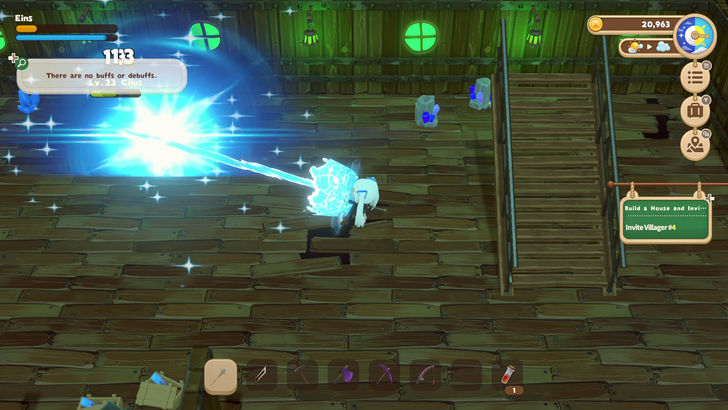
Fortunately, holoVillage’s gameplay is anything but homogeneous, regardless of how some might categorize the typical features of the cozy genre. There are several ways to occupy your time, ranging from exploration, combat, blacksmithing, cooking, and fishing.
Generally speaking, however, all these activities fall under three categories: gathering, processing, and selling. So, despite the abundant options, they all still serve the same ultimate purpose of generating money. This differs from games like Story of Seasons, where building relationships to hand over your land to the next generation is an integral pillar of the game itself, but I digress.
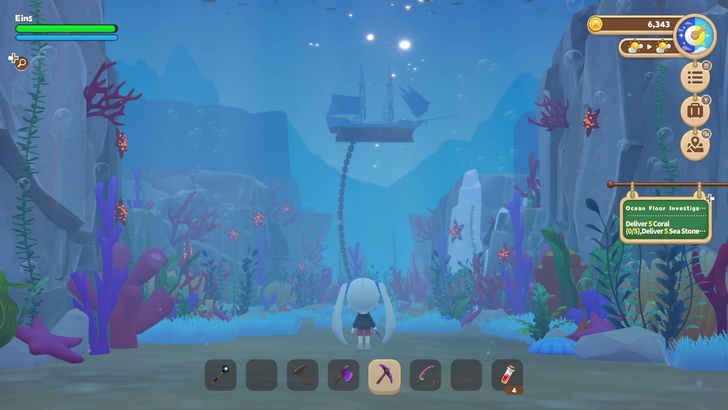
Regardless of how everything eventually just feeds into your wallet, the sheer variety of options means there won’t be a single day where you can’t find at least one thing to spend hours of your time on. This greatly increases holoVillage’s longevity, especially considering that each activity requires a substantial amount of time to reach its progression limit.
Unfortunately, this doesn’t affect its replayability at all. Since each profession's progression tree is mostly linear, by the time you get deep into the game, you have basically seen everything. It is quite a shame, as it means your enjoyment is essentially running on a timer.
The Story Uplifts the Mechanics
Despite how many things you can do in the game, practically every single one of them is quite shallow. Take combat as an example; slaying monsters mostly involves just moving around, swinging your weapon, walking away from their attacks, and then repeating everything again. There are no skills, no movement gimmicks—it’s practically a test version of an RPG.
Sure, the job tree and the unique equipment properties together create a surprisingly diverse build table, but it being funnelled to a barebones combat is a waste. This gives the impression that the developers simply stopped designing the combat system halfway through, thus creating a set of systems that, beyond certain exceptions, end up becoming mere stat sticks in the grand scheme of things.
There are various other points where you could really feel the game’s bareness, too. Farming doesn’t follow any seasonal planning, cooking is just a reaction-based minigame, fishing is practically impossible to fail unless you’re actively trying—you get the idea. Heck, even the visuals, great as they are, suffered a deduction due to the repetitive animations used in many actions like forging.
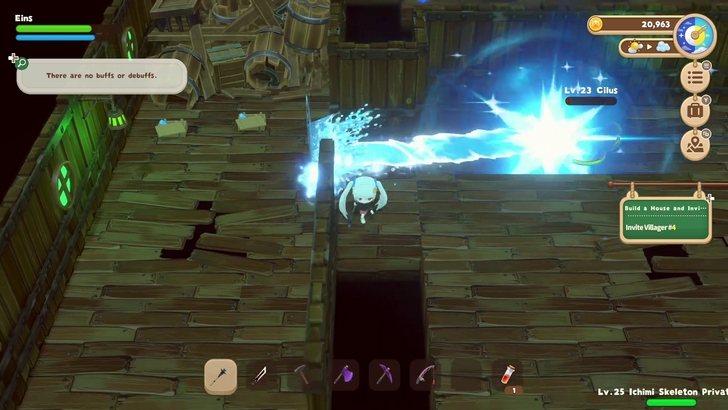
Normally, this creates an issue with how you can engage with a game, despite cozy titles not requiring obvious depth or pressure to sell their product. Take Stardew Valley for example; while the gameplay seems simple, a lot of things under the hood are operating in order to create a sophisticated game that you can actively engage in—-or just ignore entirely.
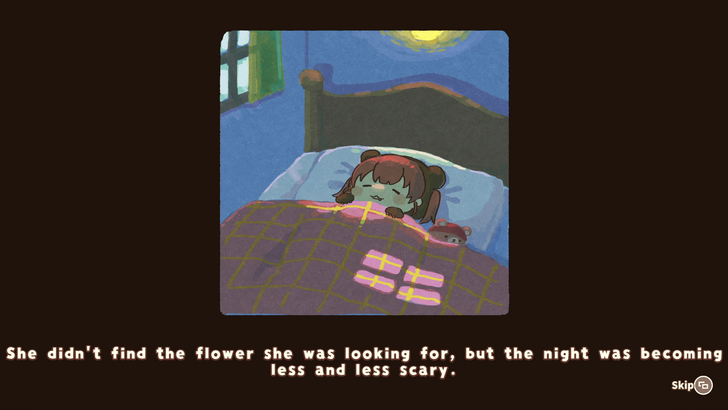
So the question remains: why should you care about playing the game if the systems are as bare as they are? That’s where the story comes into play. It’s designed to provide exactly that—the drive—still without giving any urgency to anything—ultimately validating the time you invest in holoVillage.
You play because you want to see Kumarine’s wholesome reactions to your work, regardless of how insignificant it is. And at the end of the day, isn’t that the essence of a cozy game?
The Inventory Woe
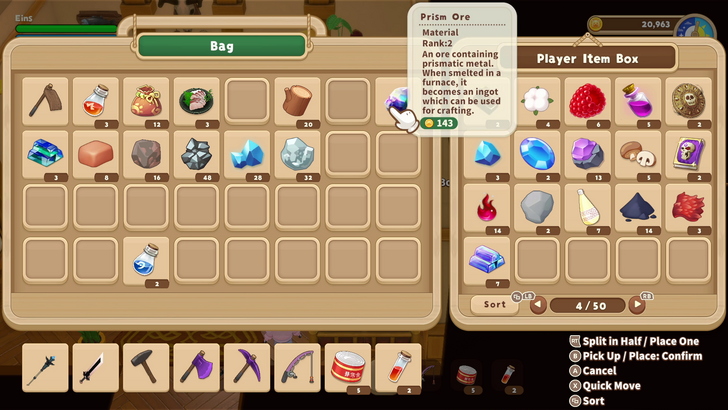
One recurring problem—and the one I’m most annoyed by in holoVillage’s gameplay loop—is how often you’ll have to deal with a full inventory. This isn’t normally an issue; other cozy games have methods to make management a much less troublesome experience. On the other hand, many of those features are entirely absent in holoVillage. For example, dedicated tabs for different material types? Labels on chests? Nothing of the sort; all you get is a label on the description for each item.
This makes managing your central storage a massive pain because while it offers dozens of pages to stuff an ungodly amount of items in, you don’t have any way to actually locate them quickly. The system also doesn’t automatically place stored items into existing stacks, so unless you’re the type who presses [Sort] by habit, you’ll quickly waste slots in your box.
Worse still, as you keep hoarding more and more items, the pages will quickly fill up. This is especially relevant because while there are Quick Deposit and Quick Withdraw functionalities, the former won't work if there's no empty slot on the exact storage page you're on. So, if you want to store something, you must manually turn the storage pages until you find one that still has free slots.
True, it’s not as if you’re going to face this issue for prolonged periods of time—but you will encounter it often. And, in a way, that’s actually worse, since it’s the kind of dread you’ll have to make peace with after every day of farming or adventuring. It not only negatively impacts your enthusiasm, but it’s also disappointing on both an emotional and psychological level. After all, it’s such a simple thing to notice and fix, so why was it released in this state?
Is holoVillage: Our Cozy Days Worth It?
Wait for a Discount
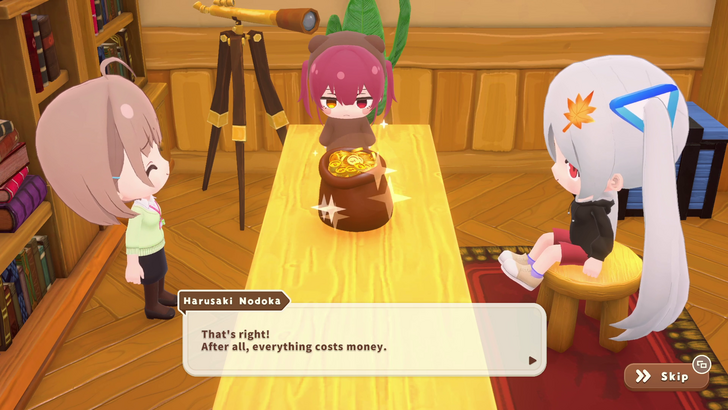
holoVillage: Our Cozy Days is certainly one of the games of all time. Functionally, it’s very barebones, despite the obvious attempt at trying to make a good, activity-rich game. Most of your enjoyment, therefore, is heavily carried by its very warm, wholesome story and its excellent visuals.
As a fangame, however, it lacks a soul. It sure looks the part, but without giving any real character to the talents featured in the game, it just becomes a reskin of your average cozy game project.
I would be remiss to recommend this game as it currently is, despite the decent amount of content. But the foundation is already here. At the very least, you should wait for a discount and maybe wait for a few months when more features are added.
Game8 Reviews