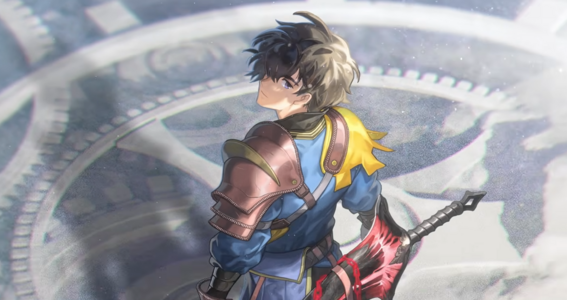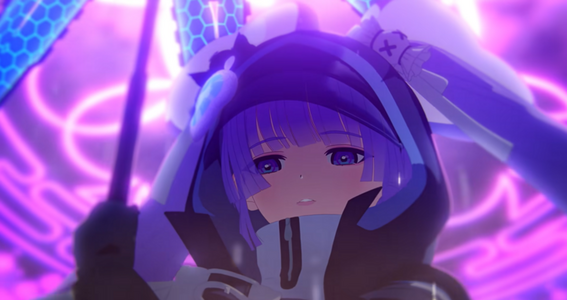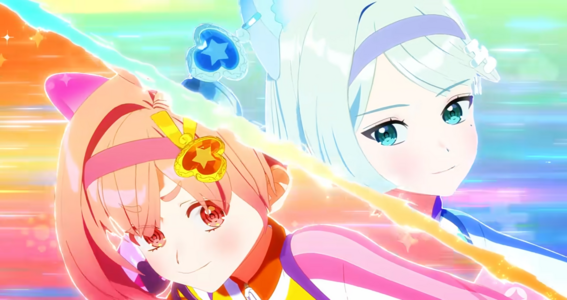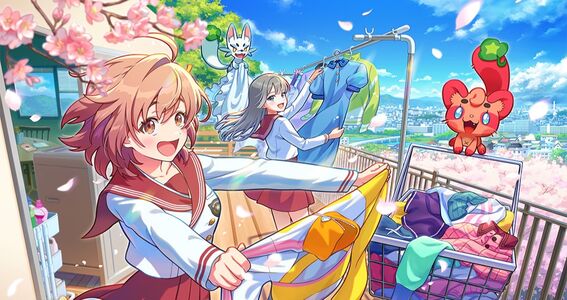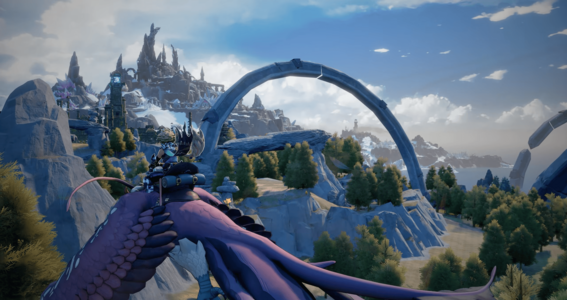




Granblue Fantasy is a free-to-play turn-based RPG where players build teams, explore the Sky Realm, and take on challenging battles and raids. Read our review to see what it did well, what it didn't, and our overall impressions of the game.
Overview
What is Granblue Fantasy?
Granblue Fantasy is a free-to-play turn-based RPG set in the Sky Realm, a world of floating islands where skyfarers travel between distant lands aboard airships. Players take on the role of a young skyfarer who sets out alongside Vyrn, Katalina, and the mysterious Lyria in search of their missing father and the legendary island of Estalucia. The journey brings the crew into conflict with the Erste Empire and other forces while uncovering the mysteries of the Sky Realm. Outside of its story, players build teams from a large roster of characters, customize weapon grids and summons, and take on increasingly difficult battles, including specialized boss encounters and multiplayer raids.
Granblue Fantasy features:
⚫︎ Turn-Based Combat with Dynamic Boss Mechanics
⚫︎ Massive Character Roster and Extensive Team-Building
⚫︎ V2 Battles with Omens and Tactical Gameplay
⚫︎ Overarching Narrative Spanning Main Story Quests, Story Events, and Fate Episodes
⚫︎ Layered Progression and Endgame Raid Content
⚫︎ Multiplayer Raids and Competitive Events
| Digital Storefronts | |||
|---|---|---|---|
 Steam Steam |
|||
 Google Play (JP) Google Play (JP) |
 App Store (JP) App Store (JP) |
||
| Free-to-Play | |||
Granblue Fantasy Review: The Grind Still Has Plenty to Give
A Giant From Another Era
Years before the rise of a titan like Genshin Impact, and even before older but recognizable titles like Azur Lane and Fate/Grand Order, there was another—Granblue Fantasy. First released in 2014, the game has spent more than a decade growing from a relatively straightforward turn-based gacha into an enormous game filled with hundreds of characters, sprawling stories, intricate progression systems, and enough endgame content to keep dedicated players busy for years.
That history is impossible to ignore. Much of what feels familiar in modern gacha RPGs has been part of Granblue Fantasy for years, while the game itself has continued evolving alongside the genre. In 2026, its foundations still belong to another era, but a decade of updates has transformed them into something considerably larger.
More than a decade of updates has left Granblue Fantasy as an enormous game with very little left untouched. Its systems have been refined over years of iteration, while the layers added along the way have created an equally enormous amount of content to work through. New players have a mountain of material waiting for them, while veterans have an endless list of goals to pursue. After all these years, the question is less what Granblue Fantasy has to offer, and more about whether everything it has accumulated still adds up to a game worth playing.
An Adventure That Kept Growing
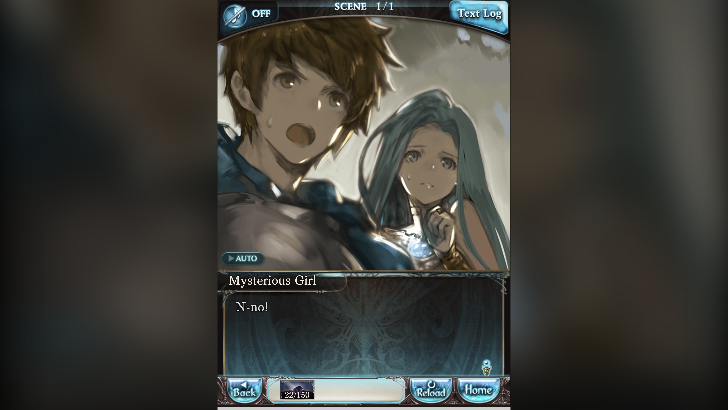
Granblue Fantasy has three main avenues for telling its stories: the Main Story Quest (MSQ), Story Events, and Fate Episodes. While each serves a different purpose, together they have allowed the game to build an enormous narrative spanning more than a decade.
The MSQ starts with a familiar JRPG premise. Gran/Djeeta and their trusted companion Vyrn encounter a mysterious blue-haired girl named Lyria, who is being pursued by the Erste Empire. After sacrificing their life to protect her, Lyria links her life to theirs to bring them back, binding the two together in the process. Together, they form a crew and set out across the skies, beginning a journey that gradually expands far beyond its initial premise.
From there, the MSQ follows a fairly traditional hero's journey, taking the crew across different sky islands as they meet new allies and uncover more about the world around them. While the story rarely strays from well-used JRPG tropes, its scope gradually expands from a simple island-hopping adventure into a larger exploration of Primals, Astrals, and the history of the Sky Realm. The relationships built along the way and the sheer scale of the journey eventually turn that familiar foundation into a grand adventure in its own right.
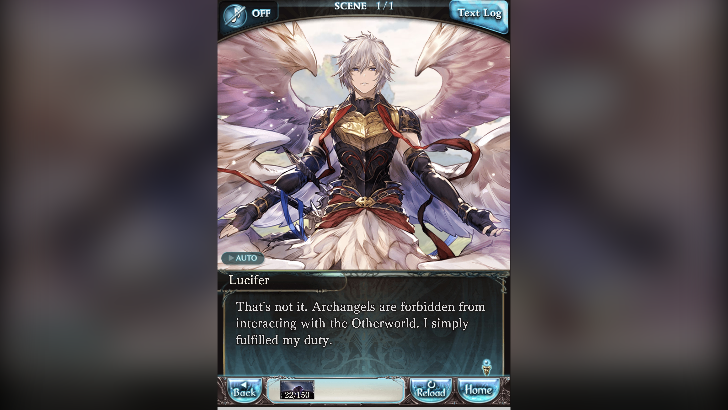
Story Events are where Granblue Fantasy's storytelling becomes considerably more fragmented. These stories can focus on existing characters, introduce new ones, expand on plot threads from the MSQ, or occasionally establish entirely separate conflicts before tying them into the wider world. This fragmented structure gives Granblue room to explore corners of its world and cast that the MSQ would otherwise have little opportunity to address. It also gives the game's enormous roster another reason to exist beyond combat, with new characters and variants often bringing their own stories, relationships, and connections to the wider setting. Anniversary events in particular can span years of established lore, often recontextualizing characters and events that previously seemed straightforward.
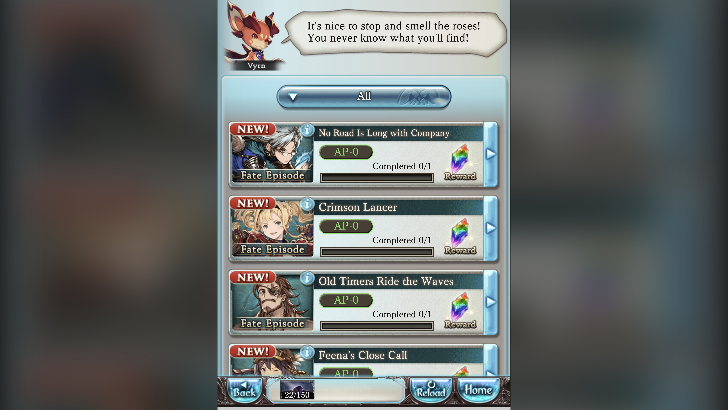
Fate Episodes take a more focused approach, offering character-centric stories tied to individual units. Unlocking a character grants access to their initial episodes, with additional chapters becoming available as they are leveled. These can delve deeper into a character's history, relationships, or personal struggles, giving the game's enormous roster room to develop beyond the roles they occupy in the main story. Some even provide additional context for the wider world and its lore, making individual characters a useful window into parts of Granblue's setting that the MSQ may not explore in detail.
The quality of Granblue's storytelling can vary, particularly within the MSQ. When it works, it can hit surprisingly hard, with its long-running characters given enough time to grow beyond their initial archetypes and develop more complicated relationships and motivations. At other times, however, characters can wear their defining traits and motivations so plainly on their sleeves that major developments, from betrayals to self-sacrifice, become easy to anticipate. This can make some arcs feel less surprising than their emotional stakes might suggest, even when the underlying character work remains effective.
The sheer interconnectedness of Granblue's storytelling can also work against itself. Story Events and Fate Episodes, for example, can occasionally spoil developments from the MSQ. Fortunately, the game warns players when this may happen and allows those scenes to be skipped for later viewing. This becomes particularly relevant for newer players who may encounter an anniversary event before having the context necessary to appreciate it. Granblue's approach rewards players who engage with its wider history, but that same history can make the narrative feel less cohesive when experienced out of order.
Simple Combat, Deep Optimization
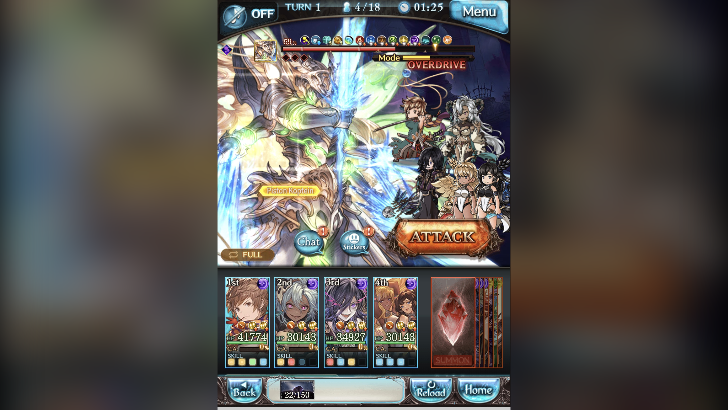
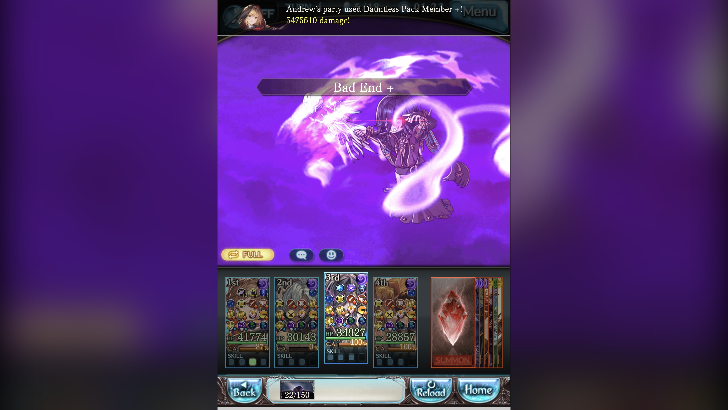
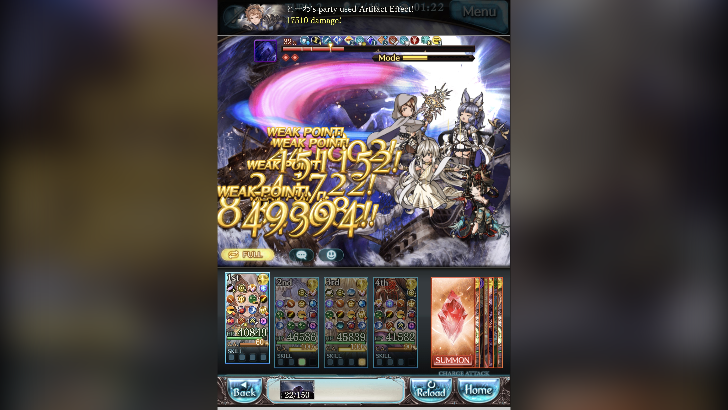
Granblue Fantasy's turn-based combat is straightforward to understand. Skills can be used freely during a character's turn, allowing players to set up buffs, debuffs, and other effects before pressing Attack to resolve the turn. Each party member then performs a basic attack before the enemy retaliates, creating a simple rhythm that remains consistent throughout most encounters. The Charge Bar gives characters another resource to manage, filling through attacks before allowing them to unleash their Charge Attacks for a burst of damage, with some characters using them to trigger buffs or other effects that further their game plan.
Bosses add more considerations without fundamentally changing that rhythm. HP triggers and charge diamonds can cause special attacks or mechanics to trigger at specific points, while V2 encounters introduce Omens that require players to meet certain conditions, such as dealing enough damage, landing a specific number of hits, or dispelling buffs. Players can also have specific party members enter a Guard state to protect them from incoming mechanics. Guarding prevents those characters from attacking, while certain debuffs such as Sleep or Paralyze can prevent them from guarding altogether, giving players another consideration when deciding how to respond to an encounter.
Getting the Right Team Together
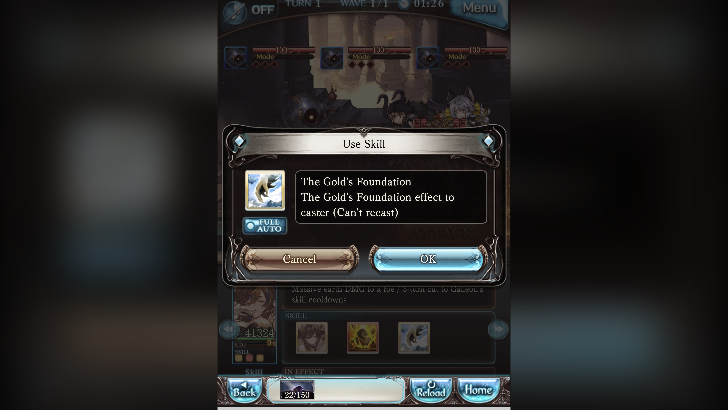
Granblue also offers Semi-Auto and Full Auto, giving players ways to reduce the amount of manual input required during a fight. Semi-Auto lets turns proceed automatically while limiting the party to basic attacks, while Full Auto executes skills according to a set priority. Buffs generally come first, followed by debuffs and damage skills, while heals and certain special skills are typically ignored. Rather than simply being a convenience, Full Auto changes how players approach team-building. A team optimized for manual play can prioritize timing, burst windows, and deliberate skill usage, while a Full Auto team has to function within a fixed sequence of automated actions.
This gives players considerable room to experiment with the character roster. A niche character might not fit neatly into a conventional team, but that doesn't necessarily make them unusable. A team can instead be built around that character's limitations, whether that means accounting for which skills Full Auto will use or finding ways to compensate for those it won't. The same character can therefore serve very different purposes depending on whether a player is building for manual play, Full Auto, or a particular piece of content, turning optimization into a question of not just what works, but how it is meant to work.
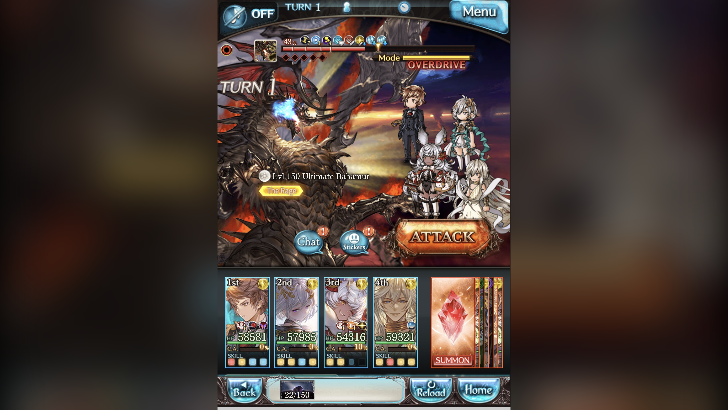
Multiplayer raids introduce a different kind of pressure. Despite being turn-based, players aren't simply racing against a timer; they're racing against everyone else attacking the same boss. Honor is awarded based on damage contribution, so stronger players can tear through a raid's health before others have even had time to act. This can make farming frustrating when a player only needs enough Honor to qualify for a reward chest, particularly when a raid is filled with players capable of cutting through its health bar in seconds.
Different approaches become valuable here, depending on what a player wants from a raid. Full Auto is particularly useful for repeated farming, allowing players to put their preparation to work without requiring constant manual input, while burst-oriented setups can prioritize dealing as much damage as possible in a short window to secure Honor before moving on. For a game built around repeatedly farming the same encounters, these different approaches give team-building a purpose beyond simply clearing a fight. Granblue's combat may be straightforward at its core, but deciding how a team should perform, and what it needs to accomplish, gives its deeper systems considerable room to breathe.
The Grind Never Ends
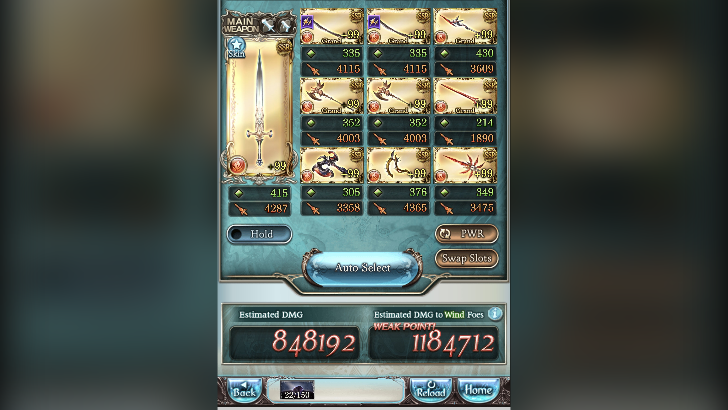
There is a reason Granblue Fantasy earned the nickname “Grindblue Fantasy.” Almost everything in the game asks for time, patience, and a willingness to repeat content, though its progression has become considerably more forgiving over the years. Characters largely come with their own kits, gaining additional power through uncaps and the materials required to raise them. Once a character is built, however, the real work begins.
The backbone of a Granblue team is its weapon grid: ten slots filled with weapons whose skills provide passive effects to the entire party. These can range from straightforward increases to attack or HP to more specialized effects that activate under certain conditions or require particular combinations of weapons. Weapon level affects their basic stats, while skill levels improve the effects granted by their skills. Unlike characters, whose kits are largely established when obtained, weapons determine much of how a team actually functions.
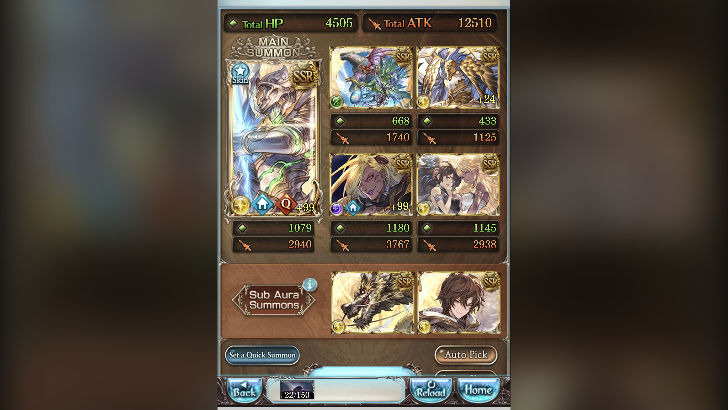
Summons are important as well, although their role is comparatively straightforward. The main summon provides a powerful passive aura to the party, while sub-summons generally provide no passive effect unless they have a sub-aura of their own. Players can also call a summon during battle for an additional effect, though each has a cooldown. These calls can provide more than raw damage, allowing summons to complement a team's strengths, cover weaknesses, or provide utility against a particular boss.
This is where Granblue's progression begins to reveal one of its biggest problems: the game tells players what to build without necessarily explaining why. While the GBF Handbook is a substantial improvement over the game's older approach to onboarding, providing goals, rewards, equipment templates, and a path toward building functional grids, it prioritizes rote copying over actual understanding. It can get a new player moving in the right direction, but it’s inadequate in explaining what makes those weapons valuable or why one skill is preferable to another.
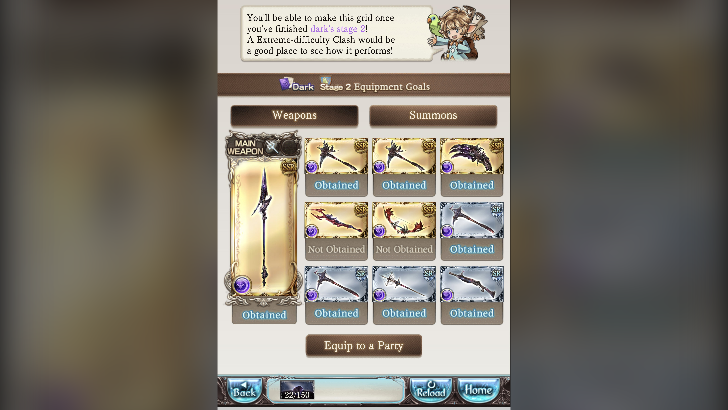
That missing context becomes increasingly important as players move beyond the basics. Why is one weapon's Skill Level 10 attack boost weaker than another's? Why is one weapon preferable to another when both appear to provide critical hit chance? What does a description like “slight chance” actually mean? Granblue's newer interface tools can provide more information about a grid, including its various skill effects and estimated damage, but much of that information still requires players to understand what they are looking at.
And then there is the matter of actually obtaining the weapons.
Granblue broadly offers two approaches to building grids: Omega and Primal. The former relies primarily on weapons and summons farmed directly from the game, while the latter is built largely around gacha weapons. Both can form powerful teams, but they differ considerably in accessibility, flexibility, and investment.
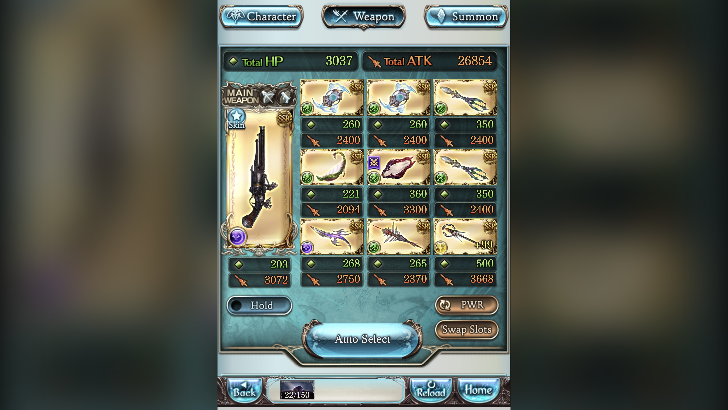
Omega grids are the more accessible route, with their core weapons and summons available through farmable content. Building one can still take time, however. Raid weapons can have low drop chances, with multiple weapons competing within the same drop pool. Modern Granblue provides several ways to mitigate that luck through raid chests, Pendant shops, and other sources of weapons and materials.
These systems make older progression considerably more manageable than it once was, when catching up often meant working through one layer of progression only to find another waiting behind it. The safety net isn't always extended to newer content, however. Some of the latest weapon series still have no equivalent way to simply buy the weapons after an unlucky streak, meaning players eventually find themselves back in the same cycle of farming and hoping for drops.
Primal grids, meanwhile, are built around gacha weapons, particularly Grand weapons tied to limited characters. These weapons tend to be considerably more powerful and offer greater flexibility in how a grid can be built, but that strength comes with a much higher cost of entry. Their limited availability makes obtaining multiple copies difficult, while uncapping them often requires scarce resources such as Damascus Ingots, making Primal grids a significantly heavier investment than their Omega counterparts.
Weapons aren't even the end of it. The player character has their own progression through classes, Extended Mastery Points, and subskills borrowed from other classes, with newer Origin classes requiring substantial investment in the game's earlier class tiers before they can be unlocked and developed. The rest of the roster brings its own layers of progression, with characters such as the Eternals and Evokers requiring long-term investments of their own, while specialized weapon series demand additional materials and upgrades. A player can spend hours building a team only to discover another layer of progression waiting behind it.
That endless accumulation is both the appeal and the problem of Granblue's progression. There is always another way to improve a team, another grid to optimize, or another upgrade worth farming, giving dedicated players an enormous amount of room to pursue incremental improvements. At the same time, the game rarely reaches a point where a player can simply declare a team finished. Granblue's progression is less about reaching the end than continually building toward whatever challenge comes next.
The Finish Line Keeps Moving
So, what's all the grinding for?
More grinding.
Granblue Fantasy's endgame is built around an ever-moving finish line. Characters can continue gaining power after reaching their normal level and uncap limits through systems such as Extended Mastery, Rings, Earrings, and Awakening. These additional upgrades give even established teams room to grow, ensuring that reaching a strong setup rarely means reaching the end of its progression.
The loop itself will be familiar to anyone who has played a modern gacha. Build a team, farm for better equipment, take on harder content, then repeat the process with another team or another upgrade. Granblue Fantasy has simply been iterating on that formula for over a decade, with its enormous backlog of progression systems giving the process considerably more depth than most.
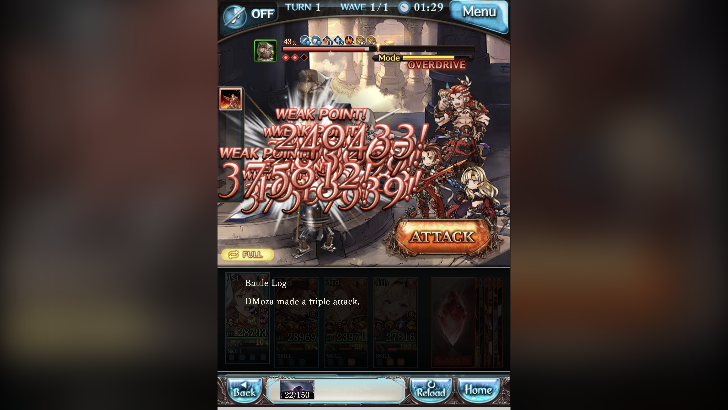
Unite and Fight, commonly known as Guild Wars, gives that cycle a recurring competitive outlet. Crews compete by earning Honor from defeating event bosses, with individual and crew rewards tied to how much is earned. The event also encourages players to optimize how quickly they can farm its increasingly difficult encounters, making the strength built through months of progression directly relevant to a leaderboard race.
There is no real point where the work is finished, and that is both the appeal and the limitation of Granblue's endgame. Players who enjoy squeezing every last bit of performance from their teams can find an almost bottomless supply of goals, while those looking for a definitive endpoint may find the treadmill exhausting. Like sharpening a sword for the next battle, finishing one piece of progression simply leaves a stronger blade ready for whatever waits on the horizon.
The Price of a Spark
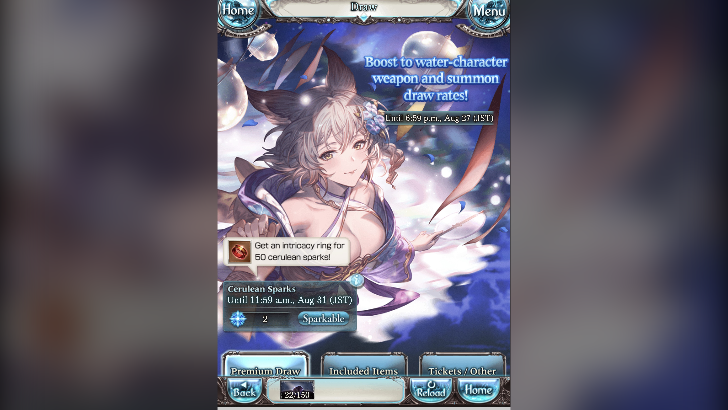
Granblue Fantasy is one of the games most closely associated with the modern spark system, introducing its 300-draw guarantee back in 2016. After 300 draws on an applicable banner, players can exchange their accumulated Cerulean Sparks for an eligible character, weapon, or summon, turning what could otherwise be an open-ended chase into a guaranteed target.
The game also provides plenty of opportunities to build toward that guarantee. Rather than relying heavily on a daily currency drip, Crystals are earned through the game's regular rotation of recurring events, Story Events, and seasonal campaigns. While this makes its currency economy less immediately consistent than the daily rewards common in modern gachas, the frequency of these events still gives players plenty of opportunities to save toward a spark.
That guarantee can be worthwhile. New Grand characters can be extremely powerful, sometimes remaining valuable for years after their release. The weapon that accompanies them can be just as important, particularly for players building Primal grids, where certain gacha weapons can become foundational pieces of a team's setup. As a result, a successful pull can meaningfully change how a team is built and played.
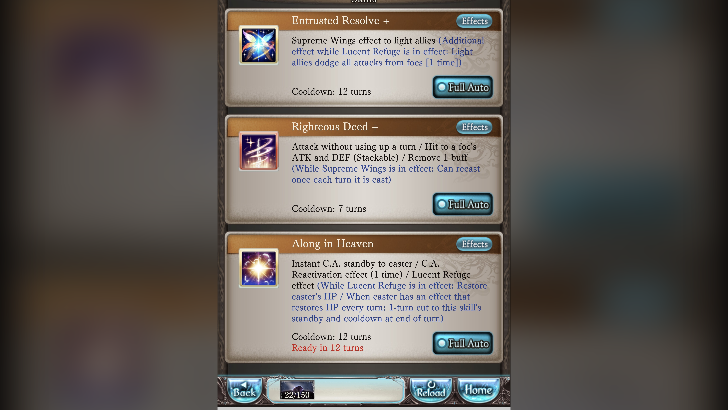
That also makes powercreep more noticeable. Older characters can have relatively straightforward kits even after receiving their 5★ uncaps, while newer SSRs can arrive with considerably more packed into their abilities. Some are still easy to understand, while others can seemingly perform several jobs at once. For players who have a favorite older character they want to keep using, this can be frustrating when newer options offer considerably more utility or damage in the same slot.
The weapons themselves come with their own complications. Valuable gacha weapons aren't simply fodder for duplicates, since additional copies can become useful pieces of a Primal grid. Damascus Ingots offer another way to uncap them without sacrificing those copies, but the resource is scarce enough that spending one is a significant investment. As a result, Granblue's gacha can provide a relatively reliable path toward desired characters while still making the pursuit of powerful weapon-based setups a considerable commitment.
Aged, But Hardly Outdated
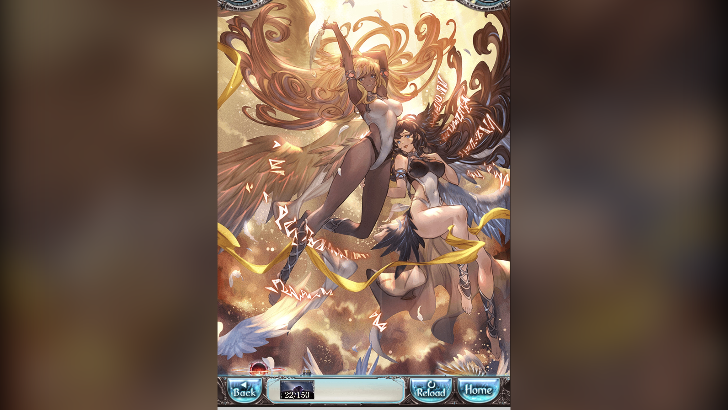
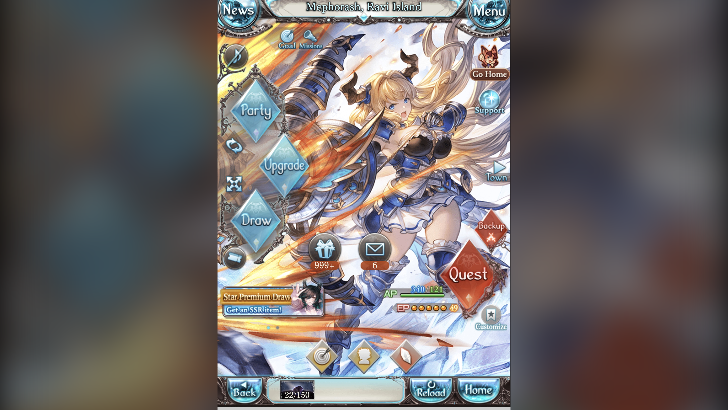
Granblue Fantasy's visual style has evolved considerably over the years, with newer units showcasing a more modern and refined aesthetic than some of the game's earliest character art. 5★ uncaps have also helped bring some of the oldest characters up to that standard, particularly those that haven't already received an alternate version. The UI, meanwhile, is a different story. While it has received plenty of streamlining and a new coat of paint over the years, navigating Granblue still carries the feel of a legacy game, with a lot of menus and layers to navigate.
The audio is where Granblue consistently excels. The music and SFX remain excellent, but the voice acting is the real standout. The Main Story Quest and major Story Event scenes are fully voiced, giving Granblue's character-driven storytelling considerably more life, especially when so much of the game presents its dialogue through relatively static character scenes. The performances are consistently strong, making it easy to become attached to characters over the hundreds of hours the game can demand. The main limitation, at least depending on the person, is that the game is voiced exclusively in Japanese, with no English dub available.
Easy to Start, Hard to Learn
Starting Granblue Fantasy is straightforward. After the prologue, new players can claim 100 free draws through the New Skyfarer Step Up Special before being sent on their way. Those early rewards give new players enough freedom to experiment with different teams and elements without immediately worrying about having the “correct” setup.
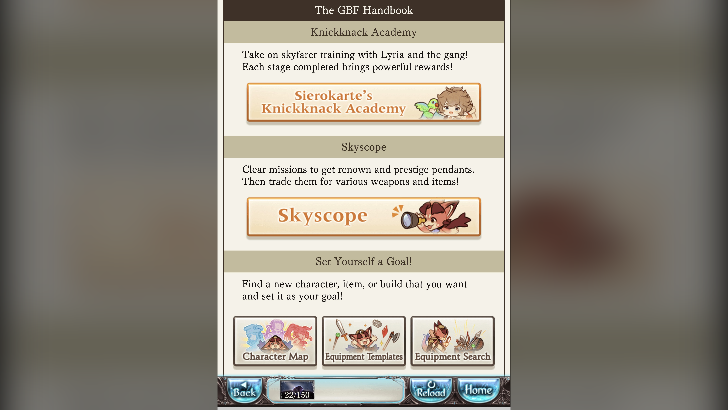
The game also has several systems designed to give that early progression some direction. The GBF Handbook provides goals and recommended equipment, while Sierokarte's Knickknack Academy offers a more structured path through the game's fundamentals once unlocked. Pro Skip also helps keep older content from becoming a chore, allowing players who meet its requirements to clear previously completed content quickly rather than repeatedly farming it manually.
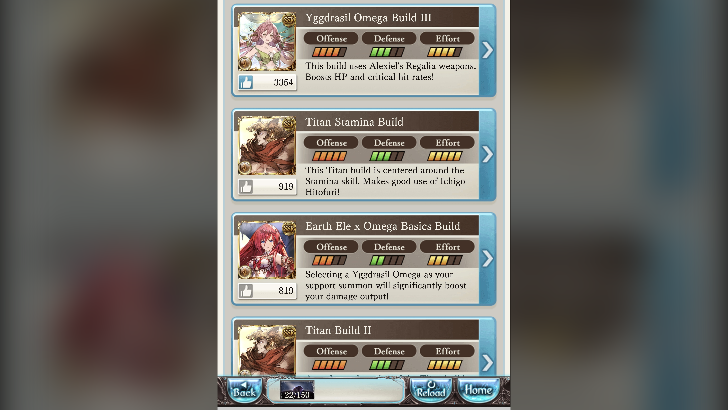
The challenge becomes more apparent once players move beyond those fundamentals. Granblue does a reasonable job of getting players started, but it is less effective at explaining the deeper reasoning behind its progression systems. A new player can follow a recommended grid or build around a character they like without understanding every underlying mechanic, but eventually questions arise that the game doesn't always answer.
That is perhaps the unavoidable consequence of a game that has been evolving for more than a decade. Granblue Fantasy has accumulated an enormous amount of content while continuing to add new layers on top of it. The result is a game that is easy to start, but considerably harder to fully understand, with the bigger challenge eventually becoming less about finding something to do and more about deciding what is worth doing first.
Is Granblue Fantasy Worth It?
The Sky Is Still the Limit
Granblue Fantasy is a difficult game to judge in 2026, not because it lacks things to say, but because there is simply so much of it. Ten years of characters, stories, progression systems, raids, and quality-of-life improvements have created a game that can be remarkably deep while also being difficult to fully understand. It has evolved considerably from the game that first launched, but its foundations remain unmistakably those of a decade-old browser RPG.
What makes that longevity matter isn't simply the amount of content Granblue has accumulated, but how much of it continues to feed into itself. Progression leads into endgame, endgame gives players reasons to refine their teams, and new content gives that refinement somewhere to go. Even its gacha feeds back into that loop, giving players characters and weapons that can change how those teams are built. Granblue isn't really designed around reaching the end of its progression. The progression is the game.
That is also the biggest question a new player has to answer. Granblue can be generous, accessible, and remarkably deep, but those qualities don't change what it ultimately asks for: time. There is always another goal, another raid, another grid, and another system to learn. For players who enjoy having a game they can steadily build upon for years, that commitment can be the appeal. For everyone else, it can become an obligation disguised as content.
After ten years, I think that's Granblue Fantasy's greatest achievement. It has remained a game worth returning to not because it has perfected every part of itself, but because it has given players an enormous number of reasons to keep going. Whether that sounds exciting or exhausting probably says more about whether Granblue is the right game than any individual system ever could. For players willing to commit to its long-term progression and learn its many layers, Granblue Fantasy remains an easy recommendation in 2026.
Game8 Reviews