



| Forza Horizon 6 | |||
|---|---|---|---|
| Release Date | Gameplay & Story | Pre-Order & DLC | Review |
Overview
What is Forza Horizon 6?
Forza Horizon 6 retains the series’ open‑world racing foundation. As with prior Horizon titles, players can explore freely, enter events at will, discover points of interest, and customize vehicles.
Forza Horizon 6 features:
⚫︎ Set Across Detailed Environments of Japan
⚫︎ Progression via Horizon Festival Event
⚫︎ Multiple Racing Events Like Rally, Street, Drag, and Cross
⚫︎ Dynamic Weather and Environment
⚫︎ Multiplayer Modes
For more gameplay details, read everything we know about Forza Horizon 6's gameplay and story.
| Digital Storefronts | ||
|---|---|---|
 Steam Steam |
 Xbox Xbox |
 Playstation Playstation |
| $69.99 | Coming Soon | |
Forza Horizon 6 Review: Pure Driving Bliss
Chasing Sunsets Across the Open Road
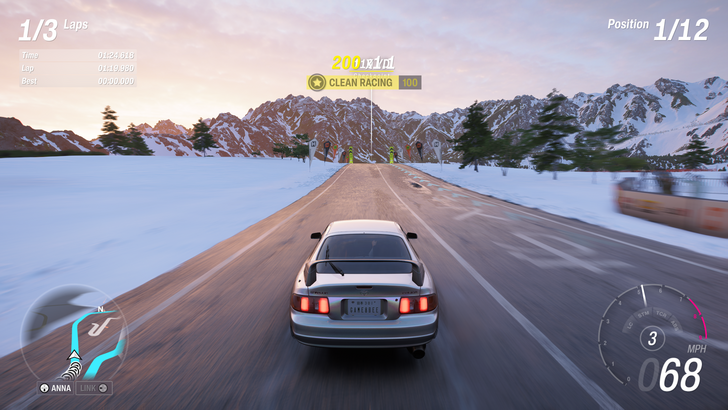
The sun starts to dip right in the middle of a race, coating the road in dusty oranges before slowly fading into pink and purple skies. Your engine growls louder as you push through another corner, tires barely holding onto the snow. Every clean drift, every near miss, every perfectly timed overtake feels less like the game itself is cheering you on as you finish first.
That’s the energy Forza Horizon 6 brings. It’s loud, stylish, and exciting. Coming off the preview build, I’ll admit I was cautious stepping into the full game. The series has always leaned toward a more difficult handling model, and with the limited selection available during the preview period, it was hard to tell whether the driving sandbox would actually have enough variety to keep long-term players invested. But once I got to see the full roster and I started jumping between completely different classes of vehicles, that concern disappeared fast.
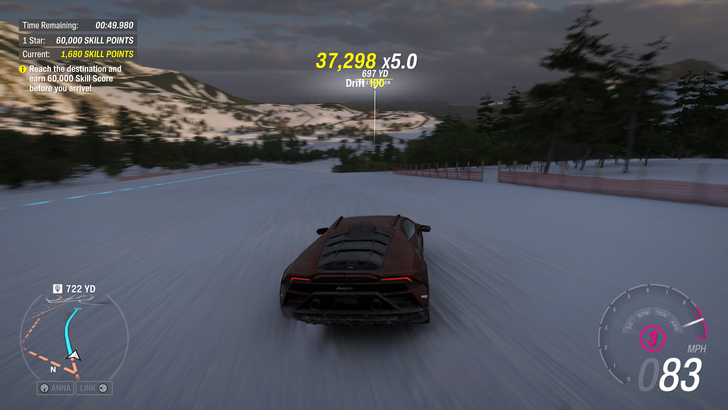
Because the real strength of Forza Horizon 6 isn’t just that it has a lot of cars. It’s that it genuinely feels built for different kinds of players. Whether you want something heavy and aggressive that tears through dirt roads, a hypercar that practically glides across highways, or a more technical ride that forces you to actually respect corners and braking distance, the game constantly gives you reasons to experiment. That variety matters because it changes how you approach the world itself. Different cars don’t just feel faster or slower. They reshape the experience of exploring, racing, and even casually driving between events.
Road Trip Through Japan’s Racing Culture
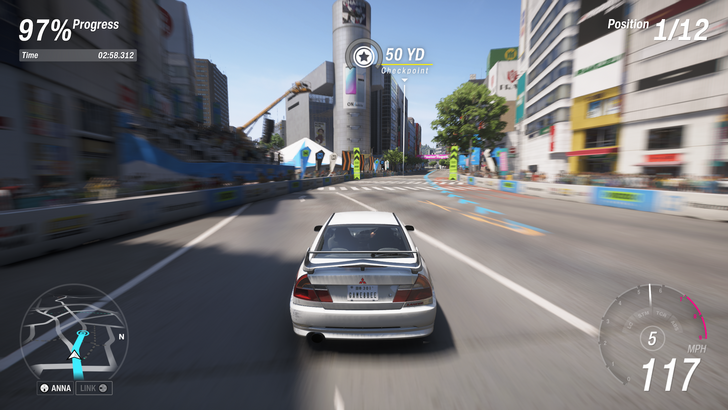
Forza Horizon 6 takes its open-world sandbox to Japan, and honestly, there probably isn’t a better setting the series could’ve chosen. Street racing culture has been romanticized for decades through mountain passes, brightly lit highways, cramped city streets, and quiet countryside roads that suddenly turn into technical downhill runs the moment you start pushing the accelerator.
The game understands the contrast that makes Japan such an exciting setting for a racing game. It’s not just visually diverse, it changes the mood of driving itself. Some areas make you want to push your car to ridiculous speeds, while others slow the pace down naturally and turn simple cruising into the main attraction.
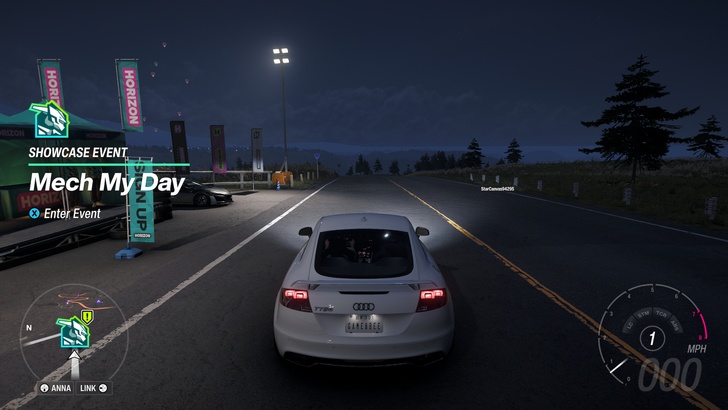
As newcomers to Japan’s racing scene, players enter through the Horizon Festival, an event built around gathering the next generation of racing "legends." But unlike games that constantly shove dramatic plots or rivalries into your face, Forza Horizon 6 keeps its structure surprisingly light. There isn’t really a traditional storyline pulling you from one mission to another, and honestly, the game is better for it.
Instead, Japan slowly reveals itself through exploration and environmental storytelling. You discover new regions organically, stumble into hidden roads and gradually unlock more of the festival simply by participating in what interests you. This reinforces the game’s biggest strength: freedom. You never feel like you’re being dragged through a checklist just to reach the real content because exploring the world is the content.
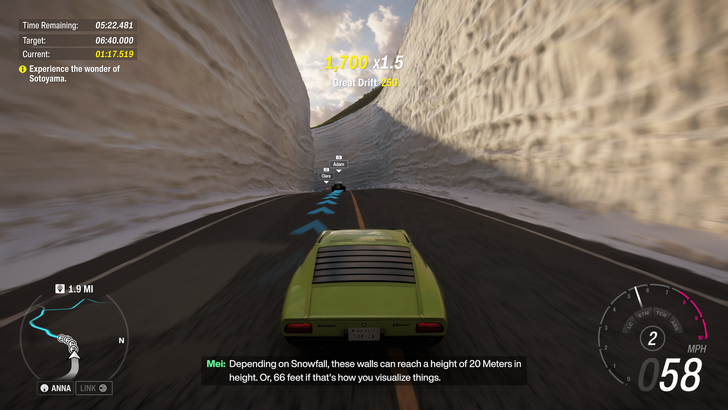
One of my favorite activities tied to progression are the day tours that unlock whenever a new region opens up. These activities strip away the pressure of competition and just let you cruise alongside other drivatars while the game casually introduces the area, its culture, and small bits of trivia tied to the location. Instead of the map feeling like a collection of race tracks stitched together, these moments make Japan feel like a place you’re actually traveling through rather than just speeding across on the way to the next objective.
Building Your Name One Race at a Time
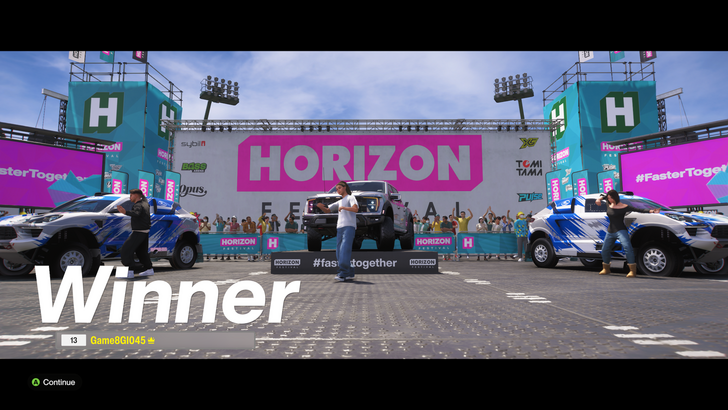
The gameplay loop in Forza Horizon 6 revolves around climbing through the Horizon Festival by completing qualifier events and earning access to higher wristband tiers. It’s a straightforward structure, but the game keeps it engaging by constantly giving you different ways to progress instead of funneling you into a single type of race for dozens of hours.
But honestly, racing is only half of what makes the loop work. Exploration plays a massive role in how progression feels from moment to moment. The map is packed with distractions in the best possible way. You’ll find abandoned vintage cars hidden away in forgotten corners of the world that can’t simply be purchased from a menu, which immediately makes discovering them feel more meaningful. There are properties you can buy and customize over time, and even small delivery jobs you can pick up for extra credits. These types of activities are great because it gives players breathing room from the races themselves.
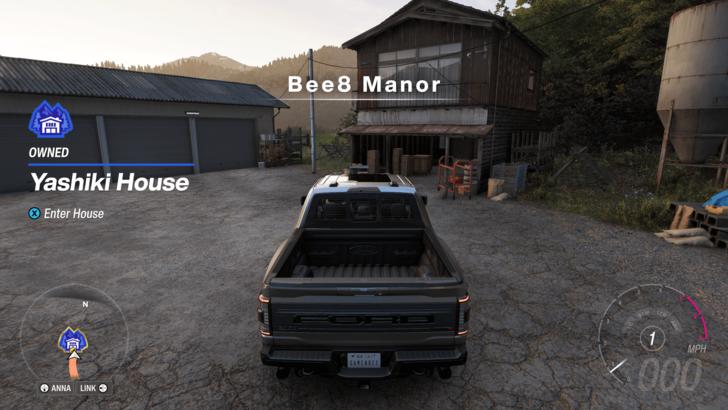
That freedom makes progression feel personal. Instead of checking off mandatory objectives, it feels like your version of the festival journey naturally unfolds based on the kinds of events and activities you gravitate toward. And for a game centered around the fantasy of carving your own path through car culture, that design carries the entire experience.
Finding the Right Car for the Way You Drive
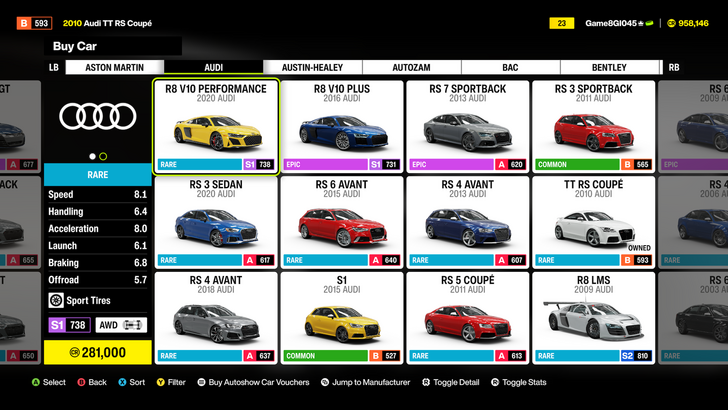
As a car enthusiast, one of the first things that immediately stands out in Forza Horizon 6 is just how absurdly broad the selection of vehicles is. Different makes, decades, classes, specialties, tuning philosophies, the game throws an overwhelming amount of choice at you almost immediately. But what makes that variety actually matter is that the cars genuinely feel different to drive depending on their build and drivetrain setup instead of simply being stat upgrades with different body kits attached.
Rear-wheel drive (RWD) and front-wheel drive (FWD) cars can become incredibly satisfying for drifting and more technical corner play since they naturally allow the car to oversteer more aggressively. There’s a rawness to them that makes every turn feel active. You’re constantly managing momentum, angle, throttle control, and weight transfer rather than simply holding the accelerator and hoping the game sorts things out for you.
But that freedom comes with consequences. Those same cars can become genuinely difficult to control, especially once assists are disabled and race difficulty starts climbing higher. One wrong input can send the rear swinging wider than expected or cause you to lose traction entirely coming out of a corner. And while that unpredictability can be exciting for players who love mastering drift-heavy handling, it also means these cars demand far more attention and mechanical understanding from the player.
That’s why I ended up gravitating heavily toward all-wheel drive (AWD) vehicles during my first several hours with the game. AWD cars are simply much more forgiving. Whether I was driving through tight mountain roads, dirt-heavy rally sections, rainy city streets, or high-speed highways, they consistently felt stable and dependable in ways the other drivetrain types weren’t. They may not produce the same naturally stylish slides as RWD setups, but the tradeoff is confidence. You can still drift and push corners aggressively, but there’s a stronger sense that the car wants to recover with you instead of fighting against every mistake.
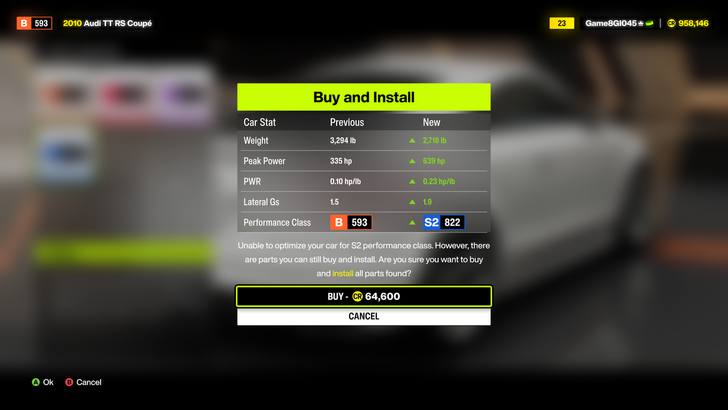
What I really appreciate is that Forza Horizon 6 gives players that choice immediately. Before even diving into advanced tuning systems, leveling perks, or spending hours studying detailed setup menus that can honestly feel intimidating, the game already allows you to shape the driving experience around your comfort level. If you love technical drifting, the game supports that. If you prefer tighter grip-focused handling like I do, there are cars that immediately cater to that style too.
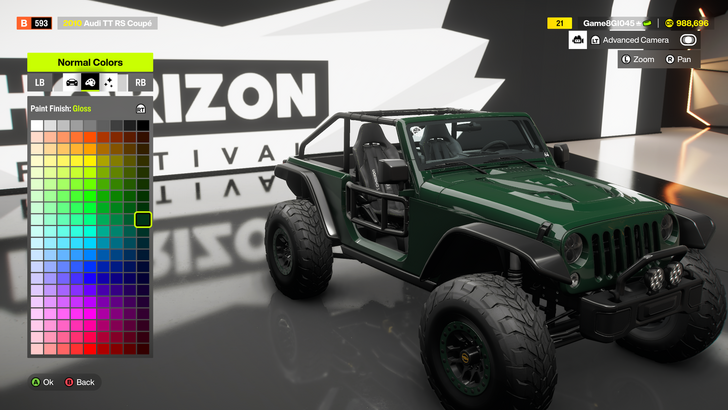
Not only that, upgrading cars is also convenient thanks to the auto-upgrade options available for players who don’t want to manually tune and customize every single vehicle in their garage. That range and option are important because it means the game doesn’t force players to earn fun through homework first. You can grow into the deeper systems later, but right from the start, Forza Horizon 6 already gives you the tools to find a driving style that feels natural to you.
Every Race Type Feels Like a Different Fantasy
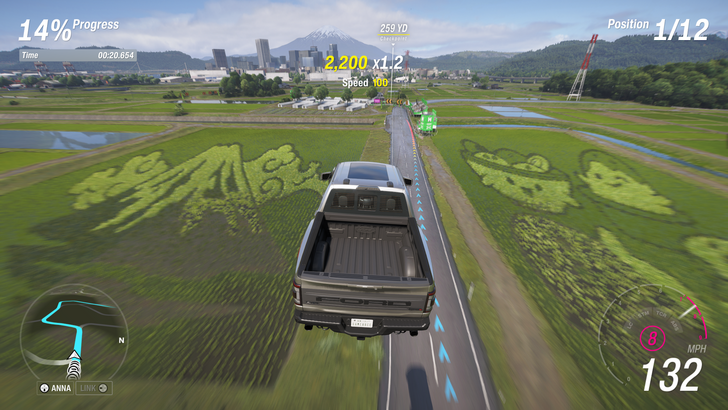
What keeps progression consistently fun in Forza Horizon 6 is that every race category asks something completely different from the player. If you want something chaotic, flashy, and borderline reckless, street racing easily delivers that fantasy. Flying through traffic at night while squeezing between civilian cars and other racers creates this constant tension where every overtake feels dangerous in the best way possible.
On the other hand, rally events become more methodical. Terrain matters more, traction becomes unpredictable, and suddenly you’re paying closer attention to how your car reacts to dirt, mud, and uneven roads. Instead of pure aggression, these races reward control and adaptation.
Personally though, I found myself gravitating toward cross-country events the most. There’s just something about them that perfectly captures what Forza Horizon 6 does well. They feel chaotic without becoming frustrating, technical without feeling restrictive, and cinematic without sacrificing gameplay depth. A single race can throw long straights, drifting corners, elevation changes, jumps, water sections, and rough terrain at you back-to-back, forcing you to constantly react instead of settling into one rhythm for the entire event.
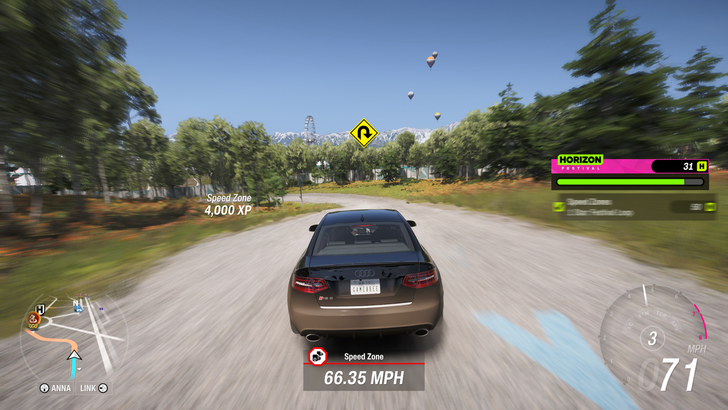
What’s great is that the game also understands not every player wants nonstop competitive racing all the time. There are progression events built entirely around individual performance challenges instead of direct competition. Time attacks push you to perfect routes and shave off every possible second from your runs, while danger sign events are all about committing to ridiculous jumps and chasing bigger distances. These activities break up the pacing nicely because they shift the focus away from fighting for position and instead challenge players to improve their own execution. That variety is what ultimately keeps the progression loop from becoming exhausting.
Multiplayer Turns the Festival Into a Playground
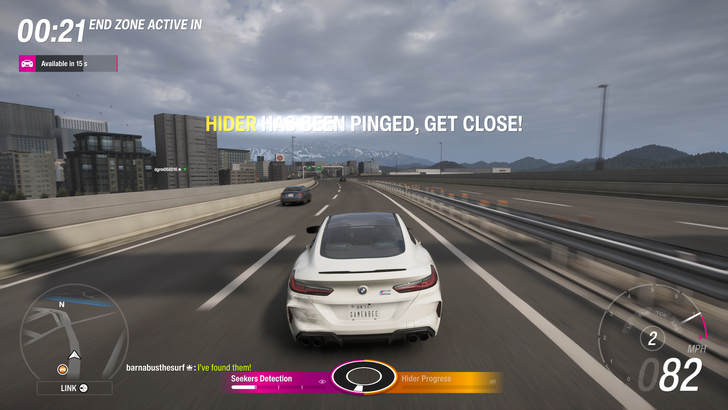
And somehow, even after all of that, Forza Horizon 6 still has another layer waiting once you start diving into the multiplayer content. If you ever hit that point where standard races begin feeling too familiar, the online modes do a surprisingly good job of refreshing the experience because they aren’t solely focused on traditional competition. Of course, there are still straightforward racing for players who just want to test their skills against others online, like Spec Racing which strips away the advantage of simply owning a better car, because everyone uses the same vehicle setup, which means races become much more dependent on actual driving consistency.
But Forza Horizon 6 goes much wider than that as there are modes that are more for fun. The inclusion of mini-games like Hide and Seek sounds almost ridiculous at first in a franchise known primarily for realistic cars and massive racing festivals, yet it somehow fits perfectly with Horizon’s overall identity. These modes lean into the social sandbox aspect of the game rather than the hardcore racing side, giving players opportunities to simply mess around with friends and interact with the world differently outside of chasing podium finishes.
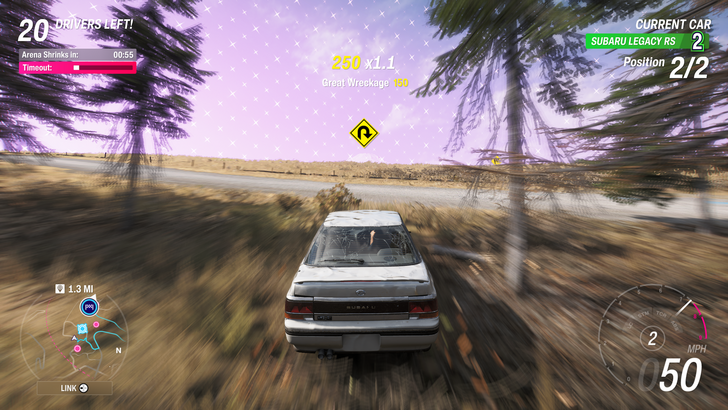
One mode that quickly became a personal favorite though was The Eliminator. The idea of turning a racing game into a battle royale sounds like complete chaos, but somehow it works ridiculously well here. Instead of shooting or eliminating players traditionally, you challenge other drivers into sudden head-to-head races across the open world while the playable area continuously shrinks over time. Along the way, you can also hunt for vehicle drops scattered around the map to upgrade into faster and more competitive cars, which adds this constant risk-versus-reward tension where you’re deciding whether to play aggressively or spend time searching for better rides before confronting someone else.
The shrinking zone creates pressure, random encounters constantly keep you alert, and every race feels unpredictable because the terrain itself becomes part of the challenge. You’re desperately weaving through forests, flying across fields, or gambling on shortcuts while another player is right beside you doing the exact same thing. It captures the intensity and spontaneity that makes battle royale games exciting in the first place, while still staying true to what makes Horizon fun: driving fast, making split-second decisions, and embracing complete chaos
Atmosphere Makes Every Drive Feel Cinematic
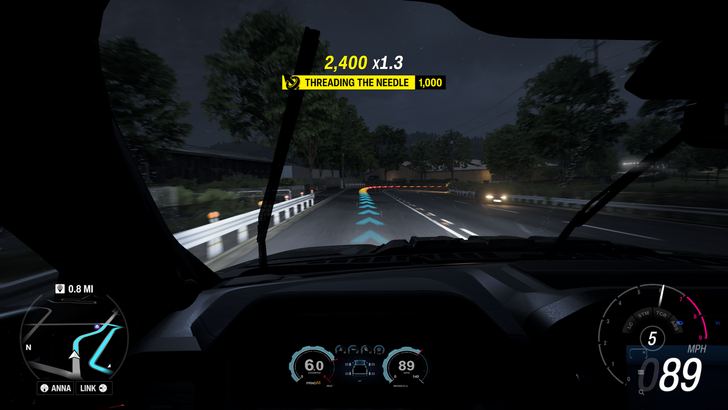
And of course, we have to appreciate how the map handles its environmental variety compared to previous entries. Instead of locking certain weather experiences entirely behind seasonal rotations, Forza Horizon 6 keeps some regions permanently tied to specific climates. Snowy mountain areas, for example, are always available, meaning you don’t have to sit around waiting for the game’s calendar to shift just to enjoy icy roads and snow-covered downhill drives.
That might sound like a small change at first, but it genuinely improves the rhythm of exploration. Sometimes you simply want a different mood for your drive. Maybe you’re tired of dry highways and want the challenge of reduced traction through snowy passes, or maybe you just want the visual atmosphere of headlights cutting through falling snow at night. Forza Horizon 6 lets players immediately chase whatever driving vibe they’re in the mood for instead of artificially time-gating it.
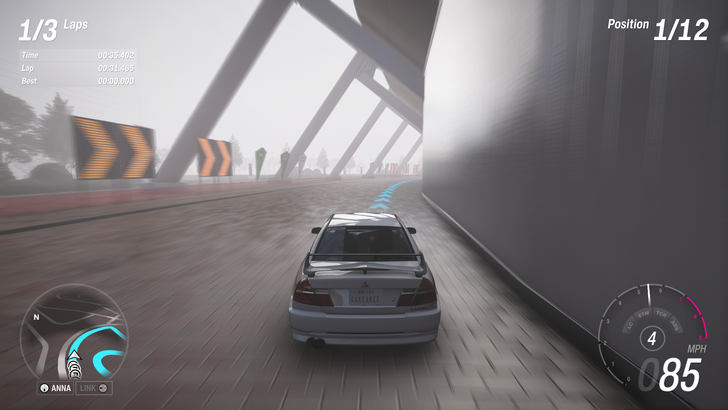
And because the setting is Japan, the game also leans heavily into quieter weather moments that completely transform the tone of driving. There are stretches where light rain slowly settles over the roads, reflections start forming beneath city lights, and suddenly even casual cruising feels cinematic.
The soundtrack elevates that atmosphere even further. Hearing artists like YOASOBI and Tame Impala kick in while cruising through highways or mountain roads adds a ton of personality to the experience. Different songs completely shift the energy of a drive depending on what you’re doing. Some tracks make races feel explosive and chaotic, while others turn late-night free roaming into something weirdly relaxing and reflective.
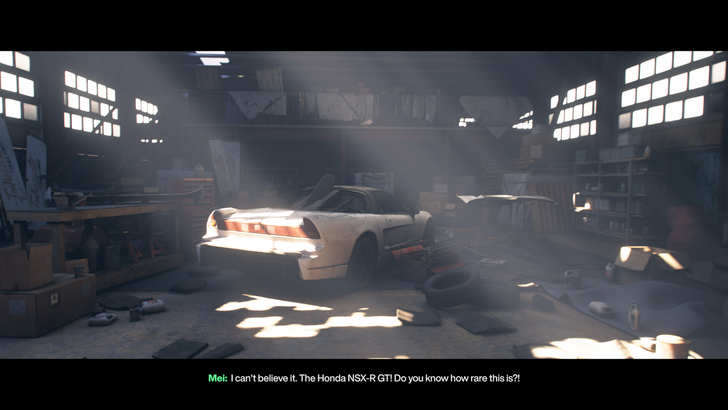
Then there are the radio DJs, which ended up adding more immersion than I expected. Hearing them react to your progress, comment on festival happenings, or casually acknowledge events happening around the world makes the entire festival feel active rather than static.
That said, the experience isn’t entirely flawless. I did run into some technical hiccups during my time with the game. Audio would occasionally bug out during transitions, and the game itself crashed twice throughout my playthrough. Thankfully though, these issues never became persistent enough to seriously damage the experience. They felt more like launch-period rough edges than major structural problems, especially considering how massive and system-heavy Forza Horizon 6 already is underneath all its spectacle.
Is Forza Horizon 6 Worth It?
Yes, It’s a New Peak for the Horizon Festival
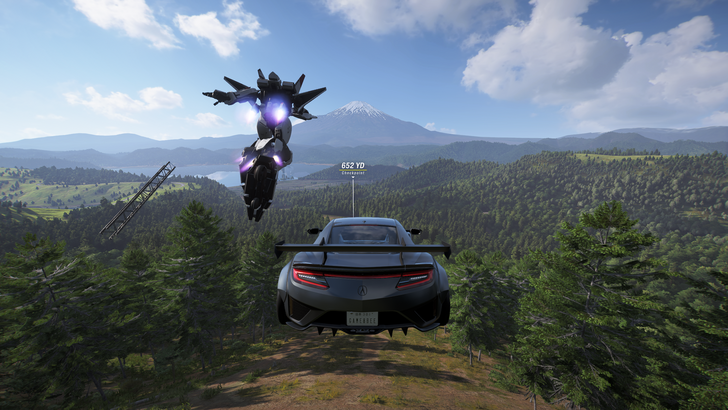
If you’ve been thinking about jumping into the Forza Horizon 6 series for the first time, this honestly feels like the best possible entry point. The driving is approachable without feeling shallow, the world is immediately exciting to explore, and the sheer amount of content available from the start makes it easy to settle into whatever type of player you want to become. Whether you care more about competitive racing, casual cruising, car collecting, tuning, exploration, or simply vibing through Japan while music blasts through the radio, Forza Horizon 6 feels ready to support that playstyle instead of forcing you into one specific path.
At the same time, longtime fans still have plenty to appreciate. The expanded activities, the stronger sense of atmosphere, the improved environmental variety, the multiplayer offerings, and the freedom of progression all make Forza Horizon 6 feel like a culmination of ideas the series has been building toward for years now. It doesn’t reinvent the franchise completely, but it refines so many parts of the formula that the entire experience feels more confident and complete because of it. That’s why I genuinely think Forza Horizon 6 is the best entry in the series so far.
Forza Horizon 6 FAQ
Why Can’t I Use My Hypercars in Racing Events in Forza Horizon 6?
Hypercars are locked out of competitive events until players reach the purple wristband tier, which serves as one of the higher stages of festival advancement. Until then, players can use Hypercars to roam the map and during "discover Japan" activities.
When is Forza Horizon 6 Releasing for PS5?
Forza Horizon 6 is expected to launch for PS5 sometime in 2026.
Game8 Reviews

You may also like...
 |
Screamer Review Racing |
 |
JDM: Japanese Drift Master Review Adventure, Racing, Sports |
 |
Assetto Corsa EVO Review [Early Access] Racing, Sports, Simulation |
 |
F1 25 Review Simulation, Racing, Sports |
 |
#DRIVE Rally Review Arcade, Racing |