


| Final Fantasy VII Rebirth | ||||
|---|---|---|---|---|
| Release Date | Gameplay & Story | Pre-Order & DLC | PS5 Review | Switch 2 Review |
Final Fantasy 7 Rebirth is now on the Nintendo Switch 2. Read our review to see what it did well, what it didn't do well, and if it's worth buying.
Overview
What is Final Fantasy 7 Rebirth?
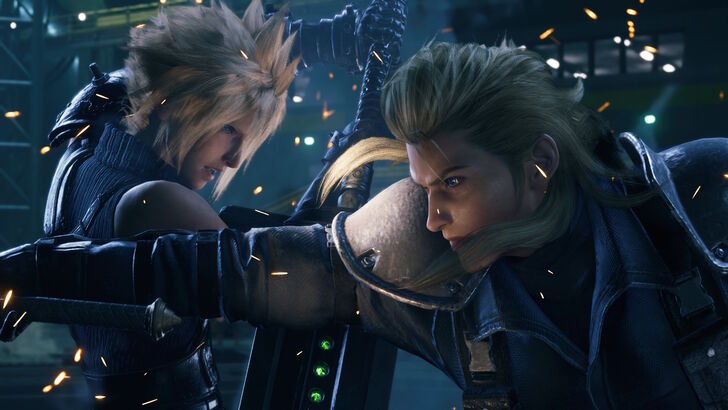
Final Fantasy VII Rebirth (or FF7 Rebirth) is the second installment in Square Enix’s reimagining of the classic PS1 game, Final Fantasy VII. Building on the success of Final Fantasy VII Remake, Rebirth continues the story of Cloud Strife and his companions as they journey beyond the confines of Midgar and confront larger threats to their world. Their ultimate goal: to stop Sephiroth from unleashing Meteor and destroying the planet.
The game largely follows the events of the original game’s Disc 1, though with changes that significantly reshape the narrative. The party continues to face powerful foes, including the Whispers, which represent the concept of fate that seeks to control the actions of the characters. These entities appear to steer the group towards an inevitable conclusion that they struggle to resist.
Initially released on February 29, 2024, Final Fantasy VII Rebirth was a PlayStation 5 exclusive for approximately 10 months before its PC port was released on January 23, 2025. The game arrived on the Nintendo Switch 2 and Xbox Series X|S on June 3, 2026.
Final Fantasy 7 Rebirth features:
⚫︎ Vast Open World
⚫︎ Region-Specific Chocobo Traversal
⚫︎ Combat Synergy Skills and Abilities
⚫︎ Expanded Roster
⚫︎ Queen’s Blood Card Mini-Game
For more gameplay details, read everything we know about FF7 Rebirth’s gameplay and story.
 Steam Steam |
 Epic Epic |
|||||
 PlayStation PlayStation |
 Switch 2 Switch 2 |
 Xbox Xbox |
||||
| $49.99 | ||||||
|---|---|---|---|---|---|---|
FF7 Rebirth Review [Switch 2]: The Best Final Fantasy Game to Take Anywhere
The World Beyond Midgar Now Fits in Your Bag
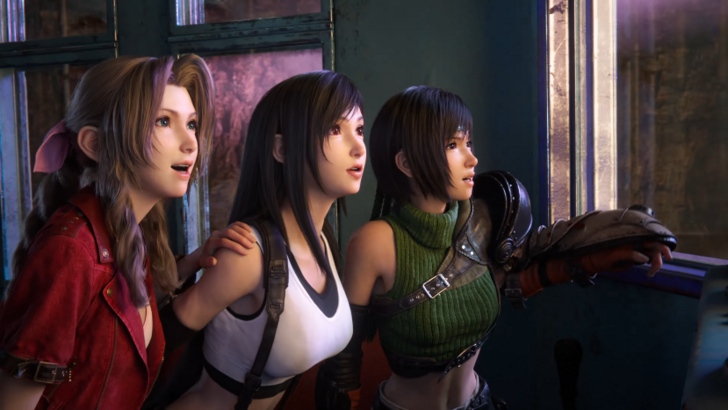
There was a time when the idea of playing a modern Final Fantasy on a Nintendo handheld felt impossible. Even after the reveal of the Nintendo Switch 2, I was one of those who were skeptical. After all, it was already surprising enough to see Final Fantasy 7 Remake Intergrade make the jump in such a solid state; that game is no small technical feat. Yet here we are, barely a year later, with Final Fantasy 7 Rebirth (FF7 Rebirth) joining it on Nintendo’s new system.
Of course, expectations need to remain grounded. This is still a handheld hybrid, and no amount of technical wizardry will make it outperform a high-end PC or a PlayStation 5. Anyone hoping for a version that surpasses those platforms is looking in the wrong place. What this version has over those, though, is portability. Rebirth was one of my favorite games of 2024, and it still makes my stomach tingle seeing an adventure of this size running on a handheld system that I can take with me wherever I go. That novelty would wear off quickly if the port itself was poor, but thankfully that is not the case here.
Looks as Good as It Could Be
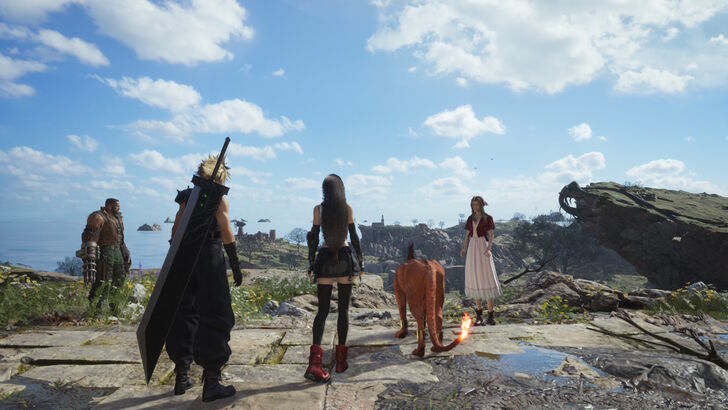
But first, the visuals and performance.
If you’ve read our review of FF7 Rebirth on the PlayStation 5, then you already know just how absurdly gorgeous the game looked in 2024. Whether it is the massive open fields stretching beyond the horizon or even the smallest details in character models, Square Enix is constantly showing off what modern hardware can do when given an enormous budget and enough ambition. Simply walking through the world feels impressive on its own.
It’s tough to compare it to the Switch 2 version, especially since there is simply no realistic way a handheld hybrid could fully recreate that same visual experience without compromising graphical fidelity and technical performance.
And yes, the Switch 2 version gives up quite a bit.
Final Fantasy 7 Rebirth Switch 2 vs. PS5
⚫︎ Note: Final Fantasy 7 Rebirth on Switch 2—(1) docked and (2) handheld modes—and (3) PS5.
The easiest thing to say about FF7 Rebirth on Switch 2 is that it feels as though it shouldn’t exist in the first place, and yet, it does! This is still one of the most technically demanding RPGs of the last few years, and even on PS5, there were moments where its scale pushed the hardware hard enough to spark endless debates between Graphics Mode and Performance Mode players.
Of course, Graphics Mode on PS5 remains the best when it comes to visuals, with stronger lighting and more stable environmental detail. Performance Mode sacrifices some of that sharpness for 60fps, though even after years of updates, it could sometimes look softer than expected when exploring.
The Switch 2 version obviously cannot compete with either mode directly, but the fact that it comes as close as it does while running on a handheld system is really impressive.
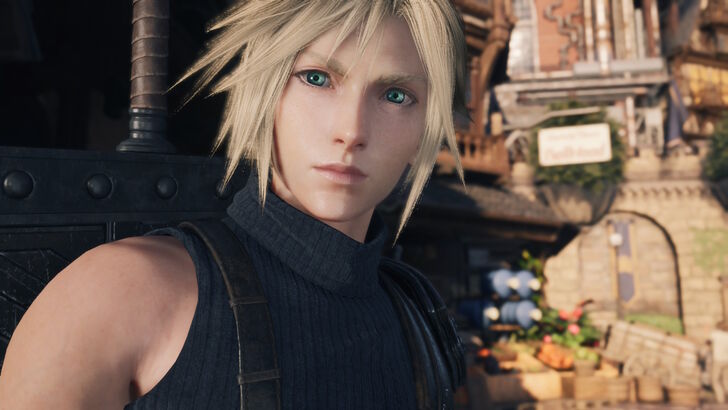
Docked mode is clearly where the Switch 2 version performs at its best. The game targets 30fps and, for the most part, manages to stay relatively stable there outside of a few heavier scenes and busier regions. Compared to handheld mode, the image quality also looks noticeably more solid when docked. There are still visible jagged edges and shimmering around objects due to weaker anti-aliasing, but the overall presentation holds together far better on a television.
Environmental detail, though, is reduced compared to the PS5 release, particularly with foliage density, distant textures, shadow quality, and object detail. This may sound bad, but the art direction is strong enough that the game still manages to look good at a glance. In motion, especially during combat or cutscenes, there were stretches where I stopped thinking about the technical compromises entirely and simply got lost in the game.
Again, compromises are to be anticipated for a port to mechanically weaker hardware. I came into this Switch 2 release expecting as much. However, the pop-ins here are egregious, even more so than in FF7 Remake Intergrade.
It happens constantly. NPCs suddenly appear a few feet away from Cloud, low-resolution textures snap into place, environmental detail loads far too late even during cutscenes, foliage fades in and out even when you’re standing relatively close to it—all of these become regular sights throughout Cloud’s journey here.
Rebirth is already a massive game with huge environments, so some level of pop-in is understandable, but the Switch 2 version pushes it to a far more distracting level than what was present on PS5. It becomes especially noticeable in larger towns and open-world regions where the hardware is clearly struggling to keep up with the scale of what the game is trying to render at once.
Portability is Necessary for a JRPG This Big
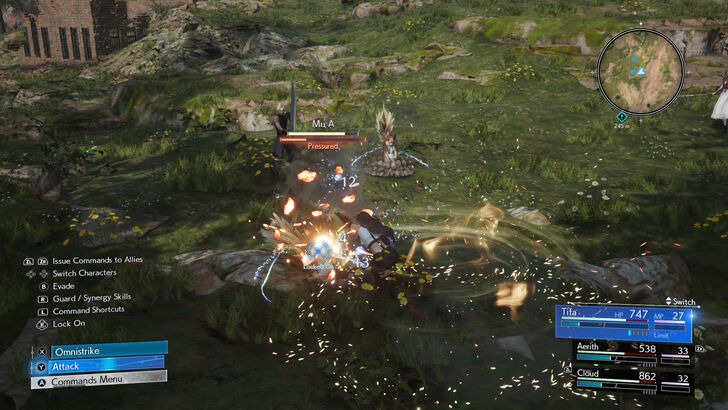
Although the novelty of playing FF7 Rebirth on a portable system is undeniably exciting, unfortunately, the experience comes with far heavier compromises compared to docked mode.
Visual clarity takes a hit the moment you hold it in your hand. The image often looks blurry and unstable due to the lower internal resolution and aggressive upscaling, with distant objects becoming muddy and fine detail getting lost in motion.
Performance, too, becomes less consistent here, with frame rates dipping below the relatively stable 30fps provided in docked mode. Handheld mode honestly is rough enough to pull you out of the experience entirely.
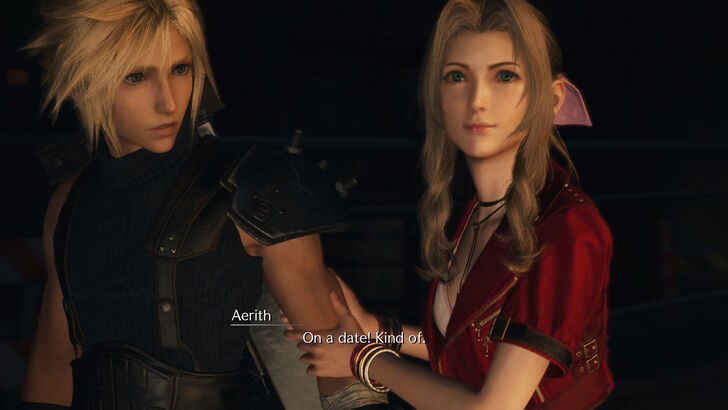
I will say, though, that despite all of that, I still like this version. The appeal of this port, of course, is being able to chip away at a game this enormous from anywhere you want.
Keep in mind that Rebirth is packed with side content, minigames, hunts, world intel objectives, and long stretches of exploration that naturally lend themselves well to portable play. Because of how much there is to do at any given moment, I could also see many players eventually becoming less sensitive to the graphical cuts over time.
Once you are thirty or forty hours deep into checking off side activities or getting absorbed in the combat, the reduced foliage density stops feeling nearly as important as it did during the opening hours anyway.
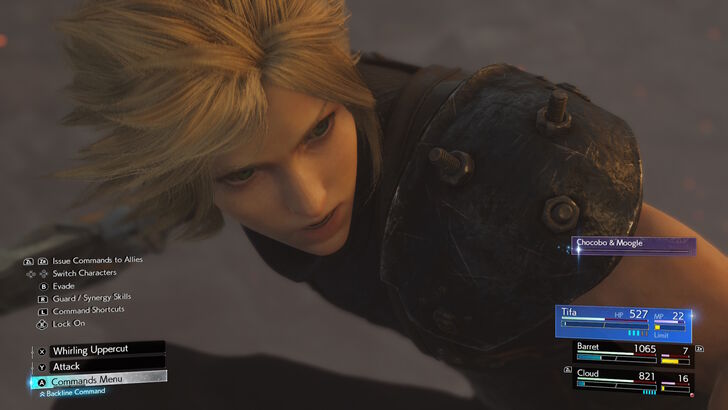
The PS5 version is still the definitive way to experience FF7 Rebirth if performance and visual fidelity are your highest priority. There is no real argument against that. The game is fairly cinematic, and it’s hard to play a game that’s not running at least at 60fps in 2026.
However, the Switch 2 version is still great. Having already completed my first and second playthroughs on the PS5, I still find myself craving for this game; it might honestly become a yearly tradition for me at this point. There are plenty of times when I just want to comfortably lie in bed and play FF7 Rebirth, but I'm too lazy to drag myself out to the living room to sit in front of the TV for hours.
Portability completely eliminates this by letting me dive into the game from the comfort of my own bed. Of course, I’ll be playing with a lot of compromises on the visuals front, but it’s a sacrifice I’m more than willing to make, especially knowing how demanding FF7 Rebirth is.
Still the Same FF7 Rebirth, For Better and For Worse
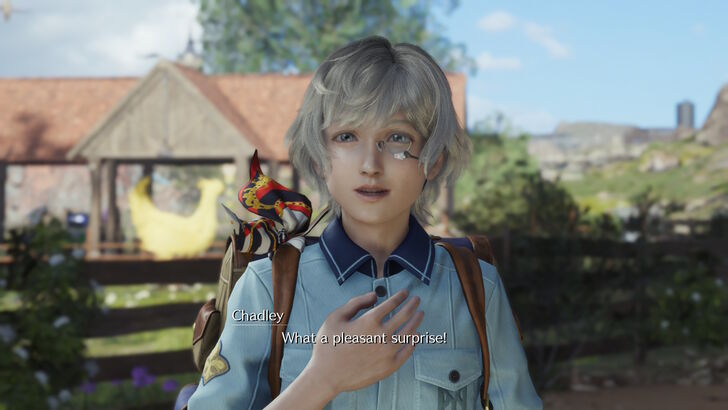
Revisiting FF7 Rebirth on the Switch 2 will be largely the same as your first playthrough. Since this is fundamentally a port of the 2024 release, there are no meaningful gameplay changes exclusive to the this version. What you are getting here is the exact same Rebirth underneath the technical compromises, which is a good thing, as it is an amazing game.
That also means, however, that it inherits some of the more exhausting aspects of the original experience. Rebirth is a gigantic game packed with an overwhelming amount of content, and although that sounds like a universally positive thing, I found myself dreading parts of it during this run on the Switch 2.
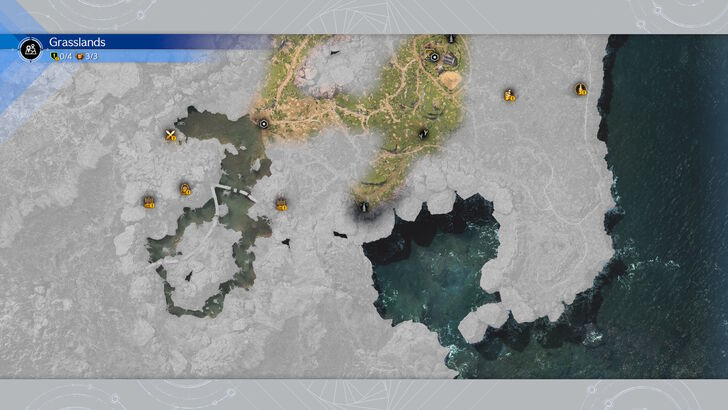
The issue is not necessarily the amount of content itself. In fact, there is almost too much care put into many of the side activities for me to outright dismiss them as filler. The bigger problem is how repetitive the overall structure of exploration can become over the course of a playthrough that can easily stretch past 70 or even 100 hours depending on how much content you tackle.
Nearly every major region follows the same formula. You arrive in a new area, activate communication towers to reveal map information, locate intel objectives, discover Lifesprings, complete combat assignments, track down summon shrines, and gradually clear icons off the map one by one.
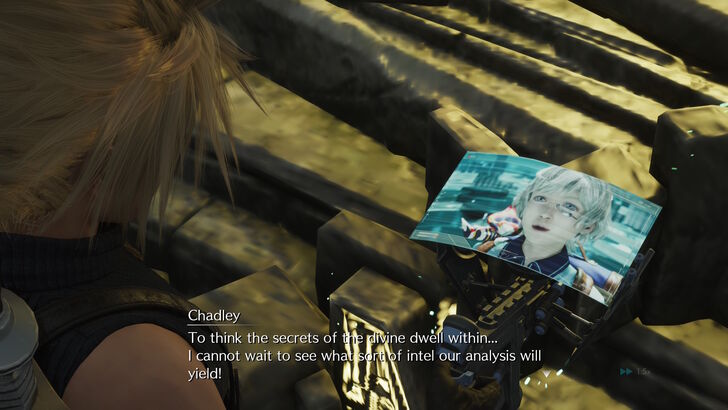
Individually, most of these activities are enjoyable enough. The problem, though, is that Rebirth repeats this loop so consistently across its many regions that it starts to give way to routine. It falls into the same design habits that dominate many modern open-world games. You move toward a marker, complete a short objective, receive a reward, then move toward another marker, and repeat the process somewhere else.
It does not help that the pacing also suffers because of how frequently side content pulls your attention away from the main story. Rebirth often dangles enough meaningful rewards in front of you that skipping activities triggers my FOMO (fear of missing out). New materia, summon upgrades, crafting resources, combat simulators, and character progression systems are all tied heavily into optional content, creating this constant feeling that if you ignore too much, you might be making the game harder for yourself later on.
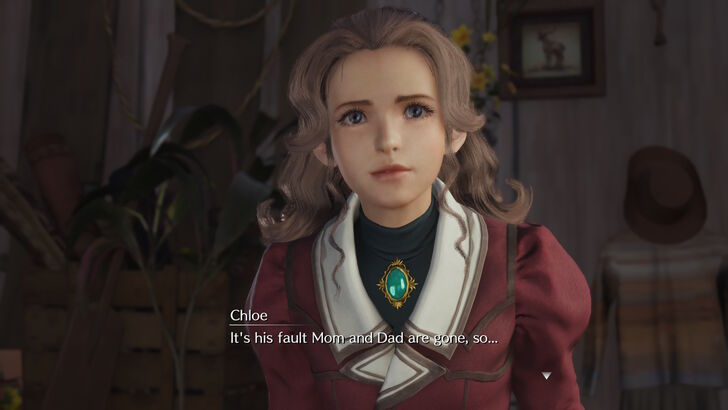
Sure, you can simply ignore most of the optional content and push through the main story. Rebirth allows that freedom. But the game is also very clearly designed around the expectation that players will engage with a large portion of its side systems. Skipping too much means missing out on useful upgrades and character moments that help flesh out both the world and the party. In many ways, Rebirth wants you to take your time in its world rather than rush through it, even if the process of doing so sometimes becomes bloated.
Exhausting but Fun
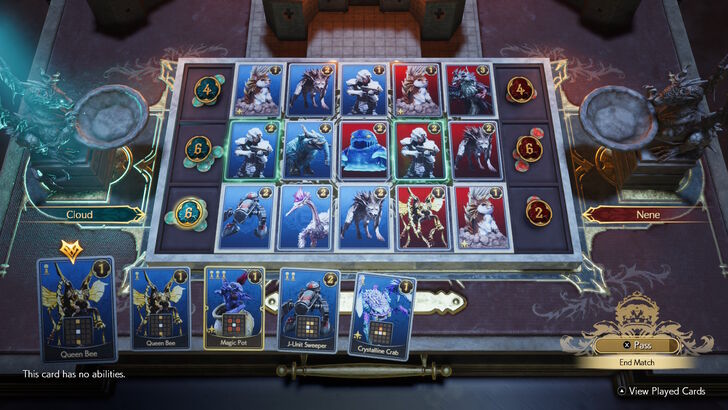
Despite every complaint I have about its open-world structure, I still found exploration rewarding more often than not. There is undeniably a lot of excess here, but buried inside that excess are some genuinely memorable moments.
Some side stories evolve into heartfelt character stories. Certain optional bosses became some of the highlights of my playthrough because of how fun they are to fight. Even the minigames, which initially felt overwhelming due to how many there are, eventually became part of the game’s appeal to me.
Queen’s Blood, in particular, completely consumed me. Much like how Gwent became one of the defining activities of The Witcher 3: Wild Hunt, Queen’s Blood is destined to be the minigame people remember most when they look back on Rebirth years from now. It is easy to learn, surprisingly strategic, and dangerously addictive once you begin building stronger decks.
The Best Action RPG Combat System, Now on the Switch 2
What ultimately kept me invested, though, was the combat system. Even after replaying large portions of the game on Switch 2, I still firmly believe FF7 Rebirth has one of the best action RPG combat systems ever made. What makes it work so well is how successfully it merges real-time action with the strategic decision-making of turn-based battles.
Basic attacks happen in real time, but building ATB gauges allows you to slow combat down and issue commands like spells, abilities, healing, and item usage. Instead of devolving into button-mashing, combat constantly pushes you to think about your resources, timing, elemental weaknesses, positioning, party synergy—sometimes all at once!
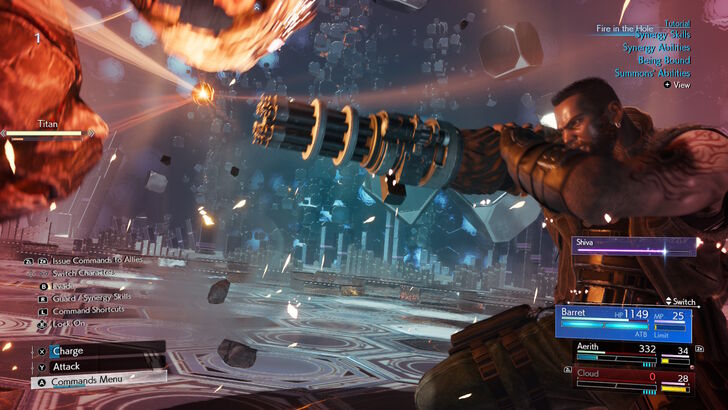
The sheer variety between playable characters is what elevates this even further compared to Remake. Every party member is dramatically distinct this time around, to the point where switching characters mid-battle becomes a necessity.
Cloud remains the generalist of the group, capable of adapting into almost any role depending on the materia and weapon builds you equip him with. Tifa excels at quickly pressuring enemies and massively increasing stagger percentages. Barret functions as the party’s ranged tank. Aerith starts slower than most characters, but mastering her wards transforms her into one of the most devastating and satisfying characters in the game. Red XIII revolves around counters and revenge mechanics. Yuffie thrives on speed and elemental versatility. Cait Sith’s whole moveset centers on a risk-reward mechanic.
One of the many appeals of the game is just learning how each of these characters works and getting to see them fight, especially since synergies encourage experimentation between character combinations.
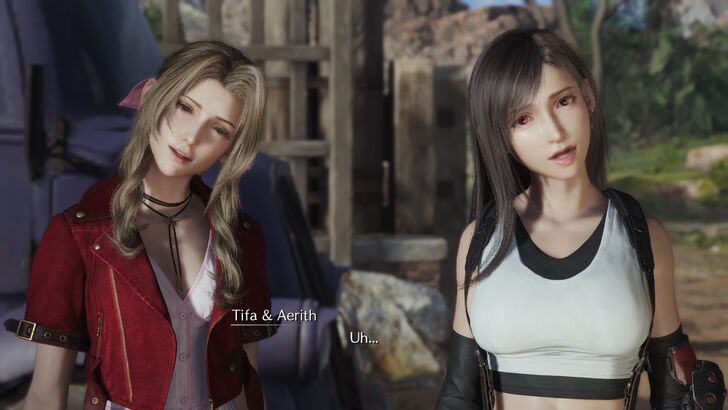
Really, I can forgive much of the game’s bloat because the combat is just so much fun, and I genuinely wanted to see how these characters interact. As strong as the gameplay is on its own, it becomes even more impactful because of the people you are fighting alongside and the shared journey they are on.
Story Can be Confusing But Made Me Weep Nonetheless
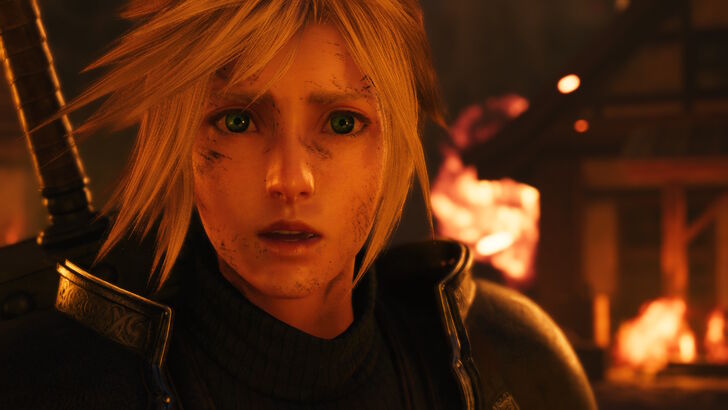
If you played Final Fantasy VII Remake prior to Rebirth, then you already know that this trilogy has never been interested in simply recreating the original game scene-for-scene. From the very beginning, Square Enix made it clear that these games were going to take liberties with the story, particularly with how they approached the remainder of the original Final Fantasy VII’s first disc. Rebirth continues that direction in ways that are far more ambitious and at times far more emotionally devastating.
Rebirth follows Cloud and the rest of Avalanche after their escape from the city of Midgar. Having learned more about the Shinra Electric Power Company’s exploitation of the Planet’s life force, the group sets out across the world in pursuit of Sephiroth, the legendary SOLDIER believed to be responsible for the growing crisis. However, since it’s a JRPG, nothing is as simple as it seems. As they chase a ghost of Sephiroth, they uncover truths surrounding Shinra, the Planet, and Cloud himself.
The scope here is massive. The party travels to locations from the original game like Junon, Costa del Sol, Gold Saucer, Gongaga, and more, all while dealing with personal struggles that are tied to the larger conflict unfolding around them.
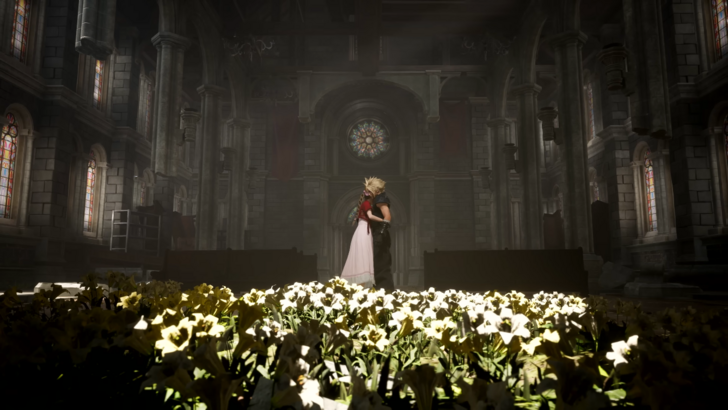
A large part of that comes from how much more time Rebirth spends developing its cast. Stretching what was originally a much shorter section of the 1997 game into a full-length RPG means individual characters are given room to breathe. Optional side stories and extended story sequences all contribute to making the group close to one another. By the time important events begin happening later in the narrative, the party now feels as though they have slowly grown dependent on each other while carrying different forms of pain.
Aerith especially benefits from this. Without going into spoilers, Rebirth expands her role in ways that made me appreciate her far more than I already did. There is sadness surrounding her throughout the game that becomes increasingly difficult to ignore the further the story progresses, especially if you already know the legacy of the original FF7.
I will say no more for fear of uttering spoilers, but I will say this much: the first time I played through her story, I wept. The second time was no different. The third time, on the Switch 2, it still hit me the same way.
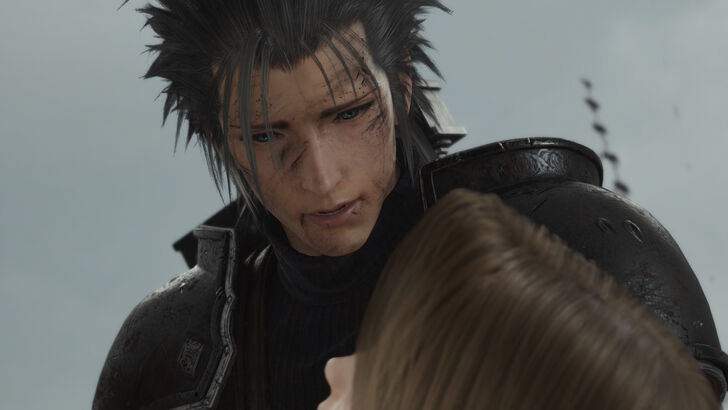
Of course, if you played Remake, then you also know that there are… complications now when it comes to the story. I adore this aspect of the trilogy; it actively plays with the audience’s expectations of what a remake even is. There are multiversal elements, timeline implications, and meta ideas surrounding fate and destiny that completely reshape how longtime fans experience certain scenes. Even if you already know one of the original’s most spoiled moments, because of these twists, you’ll approach it wondering what might go differently.
I mean, Zack’s alive!
That alone completely changes the context of so many events. It creates this tension where both newcomers and longtime fans are left trying to piece together what exactly is happening and what these changes may eventually lead to. The game weaponizes your attachment to the original story against you, and it works incredibly well here.
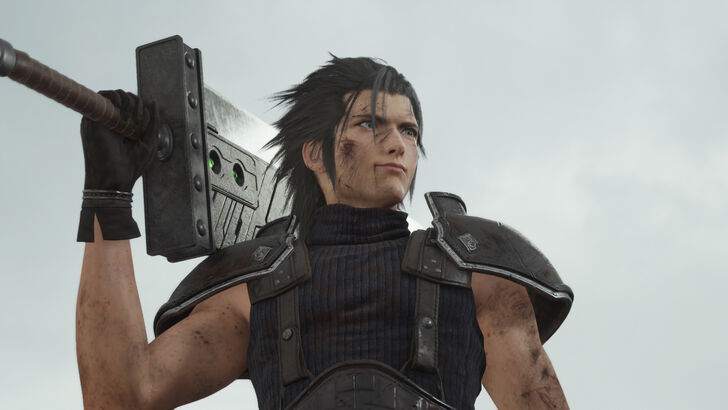
I do, however, think that parts of the story struggle under the weight of everything it is trying to set up. I felt this most acutely with Zack. It is difficult to explain my frustrations without venturing into spoiler territory, but Rebirth spends so much time teasing his importance while simultaneously refusing to fully commit to what his actual role in the narrative is supposed to be.
He is heavily featured in the game’s marketing; his scenes are framed with enormous significance. Heck, you even start the game playing as him. And yet, much of what he contributes feels incomplete by the time you fight the final boss.
Is FF7 Rebirth on the Switch 2 Worth It?
Yes! It’s the Perfect Time to Jump in Before Part 3 Gets Announced
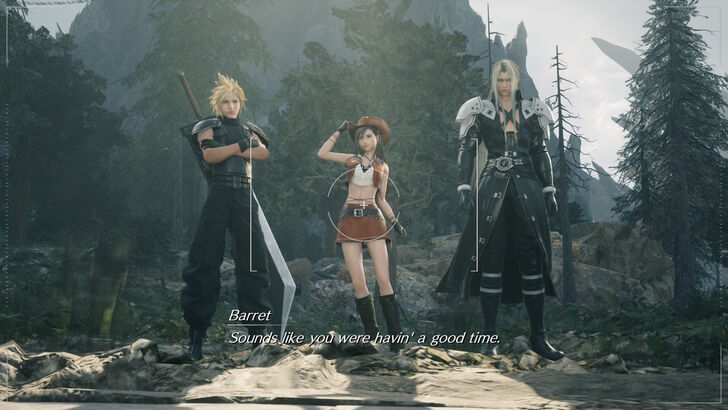
FF7 Rebirth on the Nintendo Switch 2 is an impressive technical achievement simply because of how much content is here. For $50, a price noticeably lower than most modern AAA releases, it is honestly surprising just how complete this package is despite the compromises that had to be made to get it running on Nintendo’s hardware.
Sure, there are noticeable visual downgrades, but even then, I never stopped being impressed that one of the biggest RPGs of this generation is fully playable on a handheld hybrid console. More importantly, it does not feel like a stripped-down novelty version made simply to tick a box. This still is Rebirth in all its overwhelming and ambitious glory.
This is still one of my favorite JRPGs in recent years, not because it is flawless, but because it reaches heights that most games don’t even dare to attempt. It is excessive and at times self-indulgent, yet it also contains some of the most memorable characters and emotional moments I have experienced in the genre. And somehow, against all odds, the Switch 2 version manages to preserve enough of that magic for the journey to be worth taking all over again.
FF7 Rebirth FAQ
What is the Difference Between FF7 Rebirth on the Switch 2 and PS5?
| Category | Switch 2 | PS5 |
|---|---|---|
| Story | Same | Same |
| Combat | Same | Same |
| Content | Same | Same |
| Resolution | 1080p with DLSS (Docked) Around 400p with DLSS (Handheld) |
Dynamic 4K (Graphics Mode) 1080p (Performance Mode) |
| Frame Rate | 30fps (Docked and Handheld) | 30fps (Graphics Mode) 60fps (Performance Mode) |
| Portability | Yes | No |
Game8 Reviews