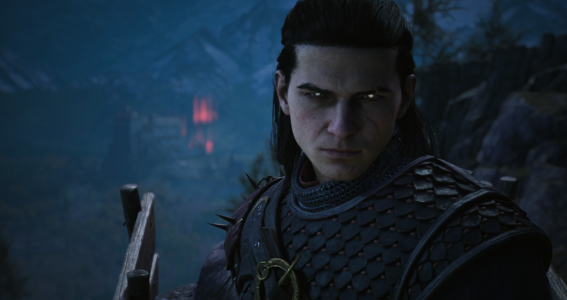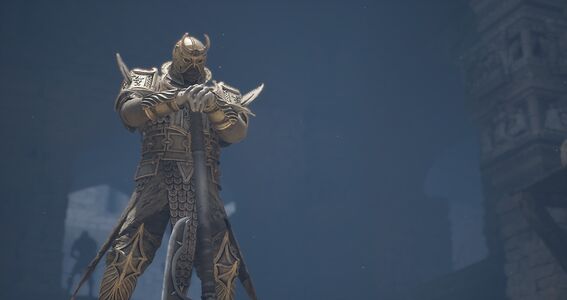



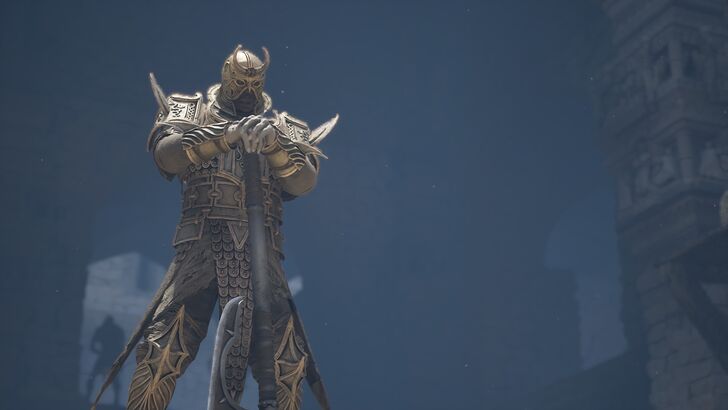
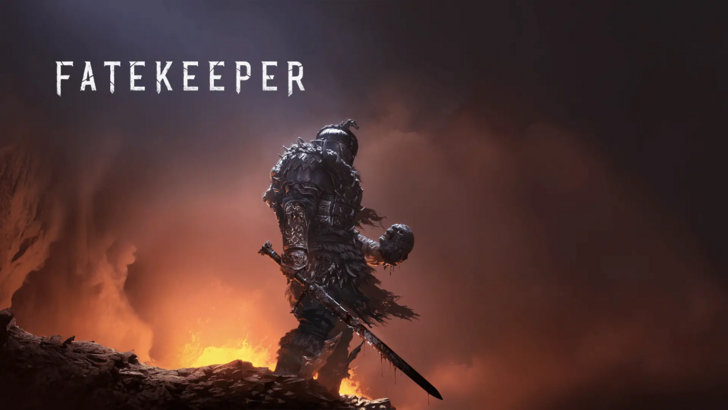
Fatekeeper is an upcoming first-person action RPG developed by Paraglacial and published by THQ Nordic. Learn more about the game’s plot, gameplay, release date, our review of the demo, and more.
Everything We Know About Fatekeeper
Fatekeeper Plot
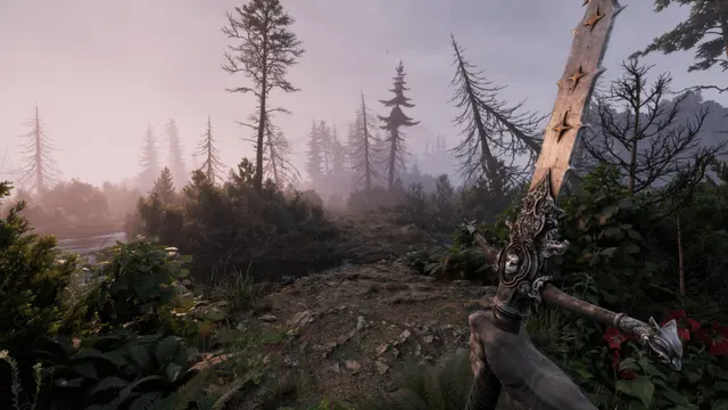
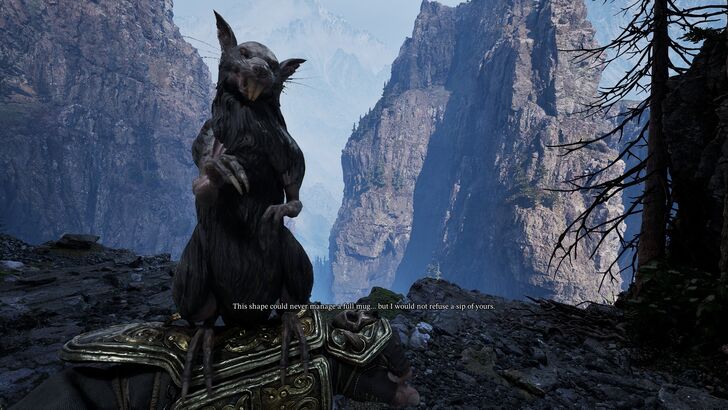
Set in a dark fantasy world, Fatekeeper follows the tale of Kor Tenarim, a Watcher looking to complete his training by ascending Mar Guran. Together with his trusty rodent partner, Kor Guran, he must brave his adversaries using his blade and his strong druid magics.
Fatekeeper Gameplay
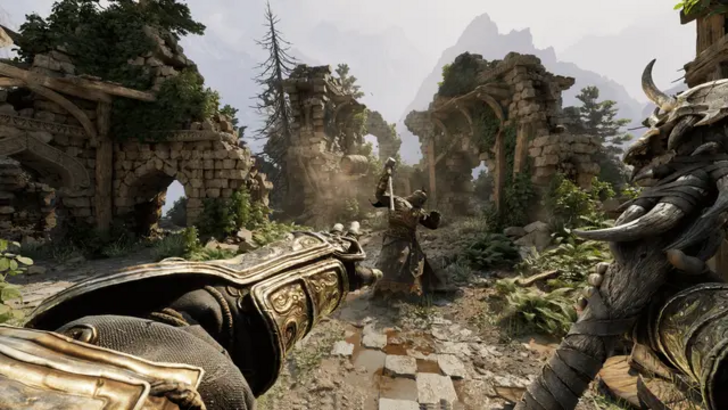
Fatekeeper is a first-person RPG where players venture into a world where ruins whisper of past cataclysms. Players can master both the art of the sword and magic and shape their journey with relics, spells, and narrative choices to determine who they want to be in this world.
Fatekeeper Release Date
Early Access Released on June 2, 2026 for PC (Steam)
Fatekeeper was released in Early Access on June 2, 2026 for PC (Steam). While there isn’t an exact date for the game’s full release, they have stated it will remain in Early Access for at least 18 months, with periodic updates arriving throughout that time.
Fatekeeper Review (Early Access)
Rough Around the Edges, But Promising
When we talk about first-person RPGs, it probably wouldn’t be surprising if the average person would instantly think about The Elder Scrolls series, Cyberpunk: 2077, and maybe even the Dishonored franchise. But if you’re talking to someone who knows deep cuts, they might surprise you with titles from Arkane Studio’s old catalog, like Arx Fatalis and Dark Messiah of Might and Magic.
The latter was quite special and was only really appreciated by those who thought outside of the box with its gameplay. It was one of the few fantasy RPGs during the 2000s that really took advantage of environmental gimmicks combined with spellblade combat. Despite its middling reception, the game became a cult classic and was clearly the blueprint for Arkane Studio’s success with the aforementioned Dishonored franchise.
Fast forward to today, there hasn’t really been a true direct or even spiritual successor to that particular style of gameplay. Enter Fatekeeper, an upcoming dark fantasy first-person RPG developed by Paraglacial and published by THQ Nordic, that simply oozes Dark Messiah's identity. And from what I’ve experienced so far, it’s definitely not far off.
From its aesthetic down to its punishing yet creative combat loop, it looks to be the spiritual successor that fans of the original have been waiting for.
However, it’s still in a pretty rough shape, and it’s clear that this is more like a tech demo than your usual Early Access release. For every good thing the game has, there's a key flaw that really brings it down. Paraglacial certainly has something special in their hands, but they have their work cut out for them in fixing and tweaking things around, leading up to its full release.
Not Much of a Story to Go On
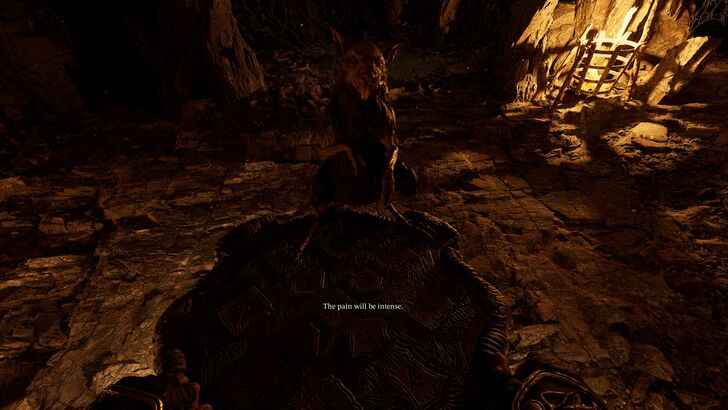
Fatekeeper opens with Kor Tenarim making his way back to Haven, the Druids of Solace’ sanctuary, where he looks to complete the first part of his training as a Watcher. Joined by his rodent guide, Kor Guran, he completes his painful training with his first transition through a portal and proves himself worthy through simulated combat with illusions of the enemy army grunts.
After this, Kor Guran tells him to prepare for his next expedition, and not much else happens. Though you get the prompt to go to the Ancient Haulways, there wasn’t a lead-up to it other than being asked to interact with the map and immediately going to the next location. This is where the game shows its first fault: it doesn’t set up the narrative.
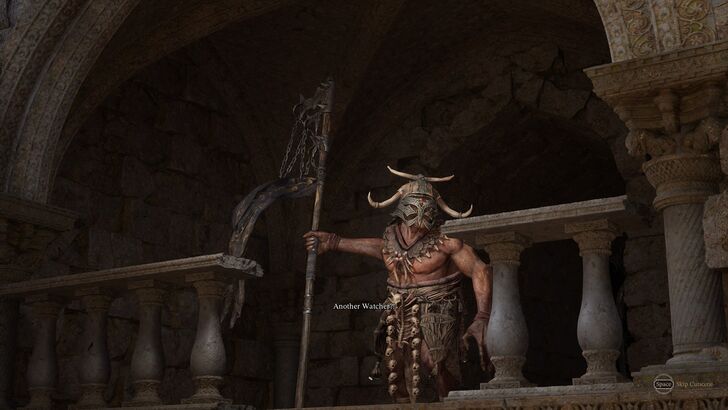
The worldbuilding is definitely nonexistent at this point, and what we have right now is mostly just a gameplay demo of what’s to come. To be quite honest with you, it wasn’t until I tweaked the subtitle settings that I learned of both the protagonists' names. I still have no idea as to how both Kor Tenarim and Kor Guran know each other, or why he went on an expedition right after training to begin with.
While it would be safe to say we can just wait and see how the story shapes up, the lack of a baseline for its plot doesn’t inspire confidence in what’s to come. I would’ve appreciated it if the game had set up its narrative already, but I’ll leave the judgment when the game gets its story updates in a few months from now.
That said, it was definitely thanks to the game’s presentation that it felt a lot more compelling than it should have been, but it suffers from a critical flaw in its audio design that anchors everything down.
Great Art Direction, Horrible Sound Mixing
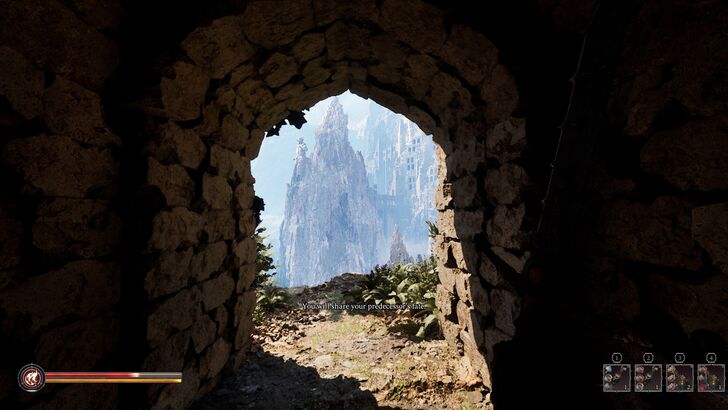
Visually, Fatekeeper looks amazing. Trekking through the mountains leading to Haven and walking through the caves and fortresses during the ascent to Mar Guran, you immediately see that there’s a clear focus on nailing the dark fantasy aesthetic and lighting. And it shows.
While some would say that there’s a weird conflict with its art direction, specifically with its Viking-style character designs, and the Asian-inspired statues and doodads, it actually works and doesn’t exactly look off until I really looked at it. The character and equipment designs, in particular, definitely impressed me, especially with the protagonist’s gear and the enemy designs taking the spotlight for the visuals.
More than that, however, Fatekeeper's performance has been so-so. While there weren’t many instances of crazy slowdowns or stuttering, they were noticeable enough that I had to lower them to get a much smoother experience despite having a machine that meets the recommended system requirements. After lowering them, it was smooth sailing from there on.

But, as mentioned earlier, the stark contrast between its good visuals and horrible audio design is staggering. The latter proved problematic throughout its short runtime, particularly in its mixing.
During the intro alone, it was already pretty hard to hear either Kor Tenarim or Kor Guran speak. But this became much worse in gameplay, as sound effects started getting cut out and some enemy voices were either too loud or too soft. It was one of the things that really brought the experience down, as it never improved the longer you went. Not to mention the repetitive music, which doesn’t help either.
Obviously, this will be fixed in future updates, but it might be one of the things that Paraglacial shouldn’t overlook or put off till later. I do hope that the overall mixing improves in the next update, since this casts a huge blanket over the game’s sound effects and voice acting performances.
Promising Combat Design
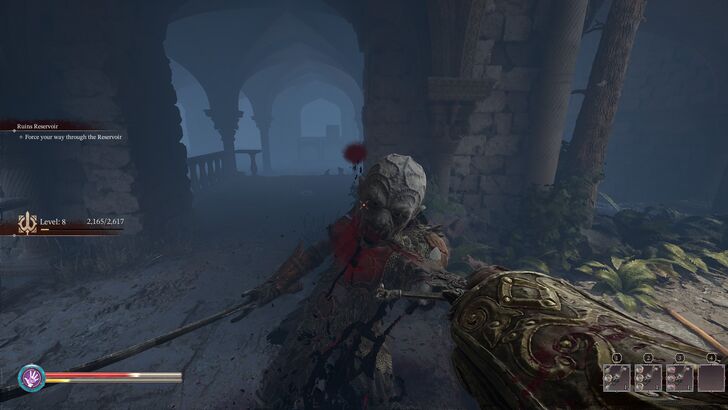
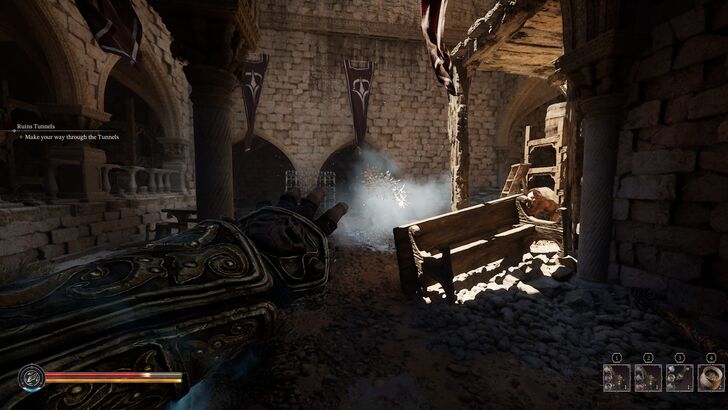
Now we’ve come to the most important part of the game, the gameplay. Truth be told, the gameplay design behind it definitely feels solid and intentional, for better or worse. Fans of Dark Messiah can immediately tell that it’s directly inspired by it, and the whole environmental aspect of its combat is the culprit for that. It’s also not without question that combat in Fatekeeper is difficult, but that’s because it gives you multiple tools and options for you to play with against the overwhelming odds.
For context, combat usually involves being outnumbered by many enemies and having a ton of environmental hazards available at your disposal. In one of the game’s early encounters, you’ll fight against a horde of enemies, where you’ll quickly find out that doing the good old block, parry, and kite away type of fighting style isn’t as effective as in other similar games. Instead, you need to think a little outside of the box to be able to dispatch enemies quickly.
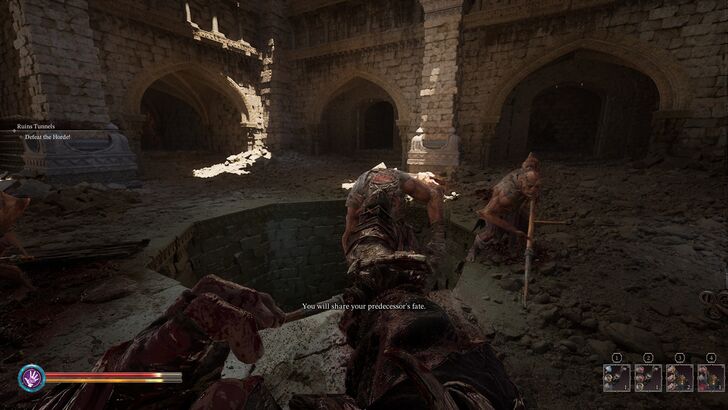
In the same encounter, I spotted a suspiciously covered hole in the ground, which made me think of the movie 300, specifically Leonidas’ iconic "This is Sparta" moment. To that effect, I used it to my advantage, kicking enemies down to their doom and even using telekinesis to pull them in for an easy victory.
It was here that I also discovered the game has more than just spike walls and gravity to abuse enemies. You can use enemy-friendly fire and other unassuming objects like barrels and panels to your advantage, where it started to click in how combat was supposed to be approached.
Frustrating Gameplay Mechanics
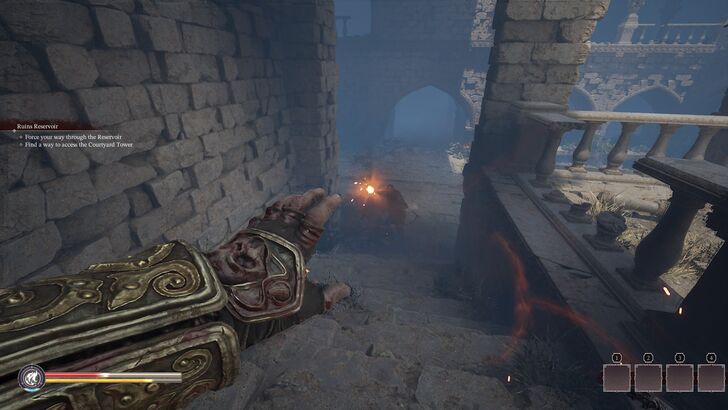
However, it’s also in its intention where you see its critical flaws. Like the aforementioned telekinesis, Kor Tenarim actually has 3 other spells at his disposal: a fireball, a frost bolt, and a wind push. These 3 spells never felt as useful as telekinesis, as the damage they deal felt minimal compared to the immediate impact you get from pulling them in. Plus, it didn’t feel like you had enough Mana to use them effectively because of their negligible damage.
Additionally, the game just feels unfair with how opponents track your movement, and this is particularly felt with the game’s dodge mechanic. It may also just be an issue with attack hitboxes, but the insane tracking has been noticeable enough to make me rethink using dodges as the primary option to avoid damage.
Call it a skill issue if you will, but mistiming your dodge by a few frames and getting stun locked into death for it is frustrating. This is an even more unique case since dashing out of the way doesn’t even feel like a viable option, since enemies can literally do a 180-degree turn and hit you if you don’t time your dodge right.
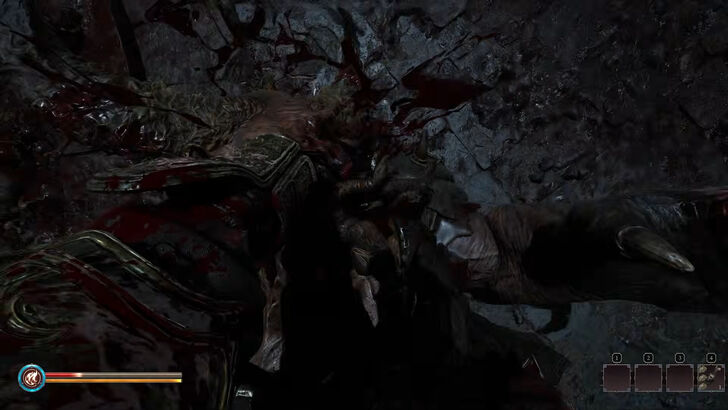
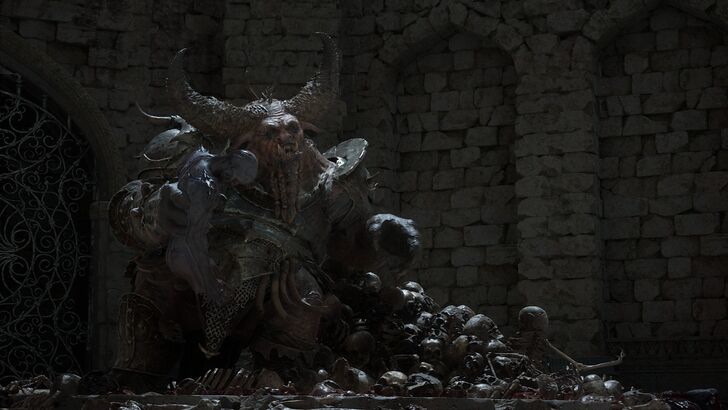
As if normal fights were bad enough, this was magnified in the game’s first boss fight. It pits you against a minotaur-like enemy and a group of smaller grunts in a tight area, and there isn’t much room to maneuver around the bosses’ attacks other than praying that the boss and his cronies don’t time their attacks to coincide with each other and kill you outright.
I get that the punishing design of its combat is intentional, and that you should rely on the environmental elements to help you. But the cons are currently outweighing the creative aspect of its combat, and it might do well to rein in the enemy damage numbers a bit since it feels like you can’t make a single mistake. There’s also the matter of consumables taking way too long to use and being uncancelable actions, as well as the game only having manual saves and UI bugs involving its subtitles.
To sum up the whole gameplay experience, it’s archaic—both in a good and bad way. Good because you see the gameplay design and intention behind its difficulty and mechanics. Bad because you can clearly see its faults and that not every option that you have is as useful a tool as the others. Also, add that the punishment the game dishes out can lead to a lot of player frustration.
A Long Road Ahead
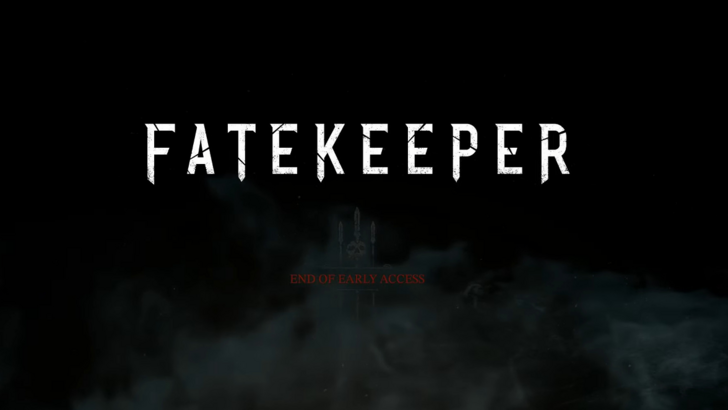
Fatekeeper definitely has a long road ahead before it can live up to its full potential. It has key flaws across all aspects—technical and creative—but clear strengths in its visuals and overall gameplay design that can really shine if some of these pain points are addressed. I’d even say that the $10 price tag feels fair, even for just two hours of gameplay, and you can’t help but look forward to how much the game can improve on.
After all, it’s very easy to remember the flaws of something rather than what it does well. So even if the first impression wasn’t as great as I’d hoped it would be, Fatekeeper shows a lot of promise regardless, and I’m excited to see what Paraglacial has to offer within the next 18 months.
Game8 Reviews

You may also like...



Fatekeeper Product Information
 |
|
| Title | FATEKEEPER |
|---|---|
| Release Date | June 3, 2026 (Early Access) |
| Developer | Paraglacial |
| Publisher | THQ Nordic |
| Supported Platforms | PC (Steam) |
| Genre | Action, RPG |
| Number of Players | 1 |
| ESRB Rating | M17+ |
| Official Website | Fatekeeper Official Website |