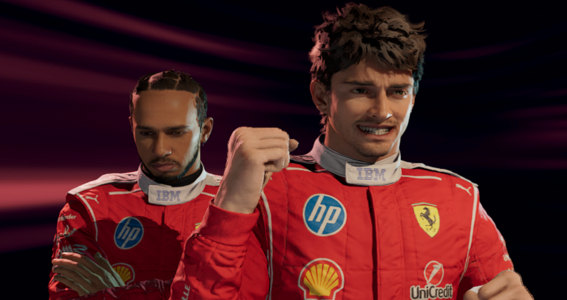




F1 25: 2026 Season Pack is a DLC for F1 25, adding the new regulations, teams, and drivers, currently being observed in Formula 1. Read our review to see what it did well, what it didn't do well, and if it's worth buying.
Overview
What is F1 25: 2026 Season Pack?
F1 25: 2026 Season Pack is a racing simulation DLC expansion for F1 25, built around the 2026 Formula 1 regulation changes and updated grid structure. It keeps the core structure of the base game intact while layering in new mechanical systems, updated teams, and additional race content that reflect the evolving sport. The result is a more systems-driven racing experience focused on energy management, racecraft, and adapting to a denser, more aggressive field.
F1 25: 2026 Season Pack features:
⚫︎ 2026 Regulation Changes
⚫︎ New Boost and Overtake Mechanics
⚫︎ New Madring Street Circuit
⚫︎ Expands the Grid to 22 Drivers
⚫︎ Features The Movie mode Tying Chapter Based Racing With the F1 Movie
| Digital Storefronts | |||||
|---|---|---|---|---|---|
 Steam Steam |
 Playstation Playstation |
 Xbox Xbox |
|||
| $24.99 | $29.99 | ||||
F1 25: 2026 Season Pack Review: More Fun With Faster Overtakes
New Season, New Rules
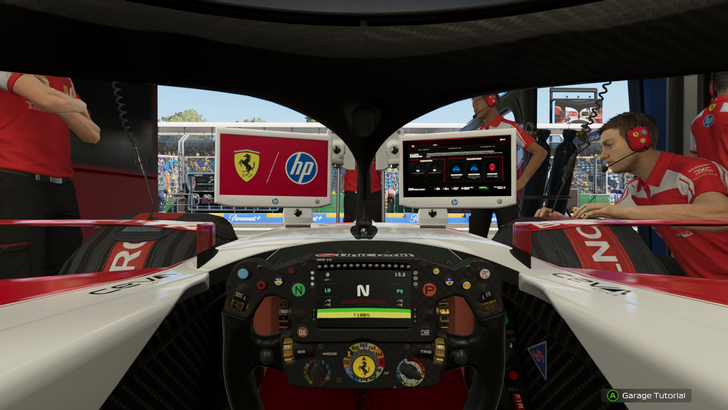
It’s been a little over a year since I last reviewed F1 25, and now its next installment arrives, but not as a full sequel, but through the 2026 Season Pack DLC. If you’re reading this, you’re probably either a sim racing purist or someone who follows F1 closely and wants to know if this update is worth putting money into. Maybe you’ve also been struggling through the current season, blaming the regulation changes for everything that’s gone wrong on track. I can relate (especially if you’re a Ferrari fan like me, where it feels like something inevitably always goes wrong every weekend).
But while those regulation changes have stirred up plenty of controversy in the sport, their translation into the game is actually decent. On track, the result feels noticeably quicker, and more importantly, it feels more immediately fun to drive.
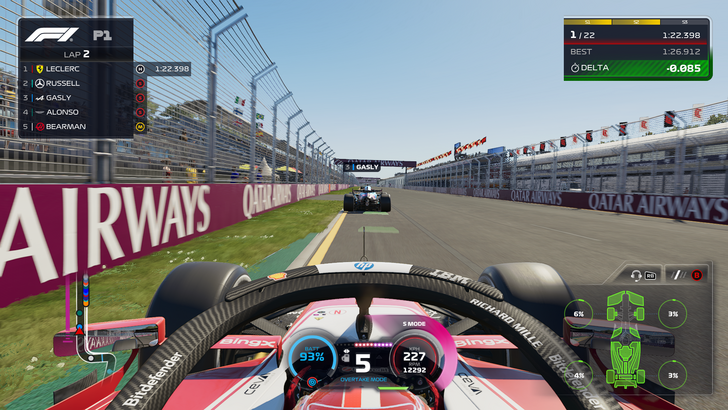
That said, this isn’t a reinvention of the base game. The core structure is still intact: Braking Point, Career Mode, and F1 World remain the pillars, with its mix of co-op play, ranked multiplayer, and individual Grand Prix sessions. If you’re looking for a deeper breakdown of those systems, that’s already covered in our F1 25 review. This pack doesn’t rebuild them, it builds on top of them.
Every Lap is a Resource Battle for Speed and Strategy
First of all, it’s surprising that Codemasters has decided to skip a full game release this year, especially when the new regulation changes—and even the new teams on the grid—have been known for quite a while. Maybe it’s a matter of needing more development time, or maybe it’s just a strategic reset for what comes next year. Either way, the result we get now is shaped heavily by the rule changes of the sport, and the biggest impact is immediately felt in the cars themselves.
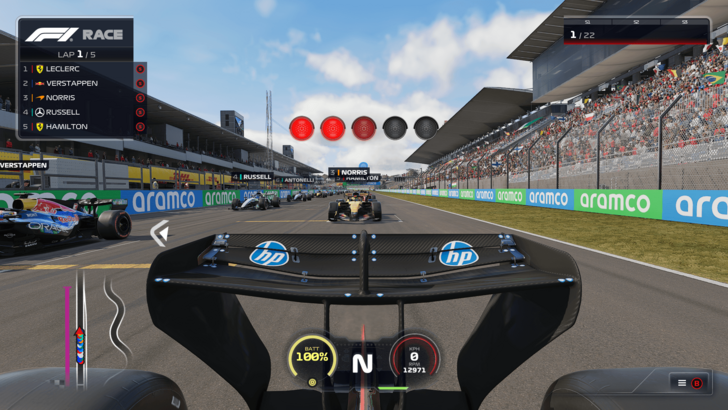
The first thing you’ll notice is that the cars are now shorter and narrower, which contributes to a more nimble, quicker feel on track. More importantly, they now follow the updated Formula 1 regulations with a 50/50 split between Internal Combustion and Electric power. In practice, this translates into a stronger emphasis on energy usage and deployment. You do feel faster when the electric side kicks in, but it’s not just a free boost, because you’re constantly thinking about management. Burn too much battery too early, and you’ll find yourself running dry at exactly the wrong moment, like powering out of a corner only to have nothing left down a straight.
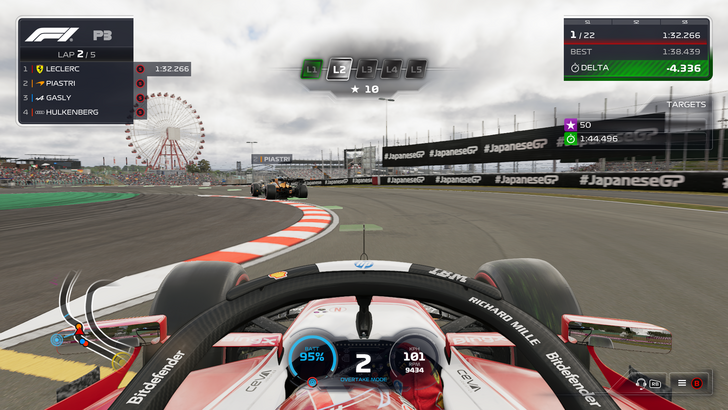
On top of that, there’s the introduction of Boost and Overtake systems, which change how and when you commit to pushing the car. Overtake isn’t just something you tap when you’re close, it actually needs to be charged during the braking zones. Once it’s ready, it becomes a situational tool that activates only when you’re within one second of the car ahead, rewarding tight racing and well-timed attacks.
But don’t think it’s a way to cheat because there’s still management behind it as you’re constantly balancing between harvesting energy under braking versus when to actually spend it, especially in defensive situations where you can’t afford to just sit back and wait. If you’re being attacked on a long straight, you still need to defend, but using too much at the wrong time can leave you empty when the next braking zone is still far away. That’s where the push-and-pull between Boost and Overtake starts to matter.
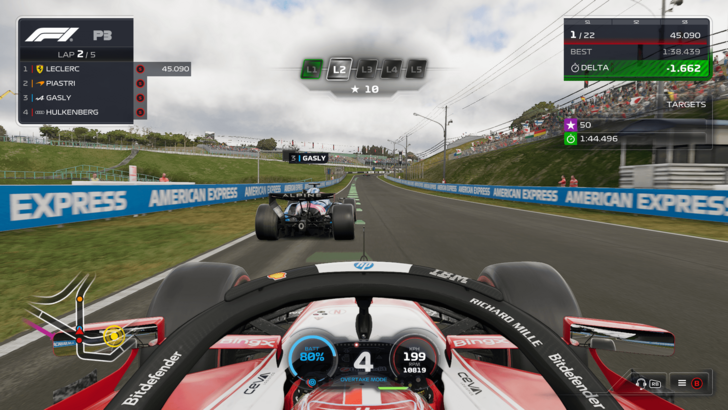
Boost, on the other hand, is more flexible and can be used for both offense and defense whenever you want that extra edge. The key difference between the two comes down to how they support your momentum rather than just creating passing opportunities. Overtake is your dedicated passing tool—it’s built up through braking zones and then deployed when you’re close enough to make a move stick, giving you that burst needed to complete an overtake cleanly. Boost works more as your general-purpose push, something you can lean on whenever you need to reinforce an attack or defend your position. Either way, both systems feed directly into how strong you are in overtaking.
With these changes, overtaking itself feels more frequent. You’re not just relying on slipstreams or corner exits anymore, you’re actively managing systems to create passing opportunities. Now, race flow feels more dynamic, strategy and timing matter just as much as raw driving skill.
Denser Grid with Sharper Drivers
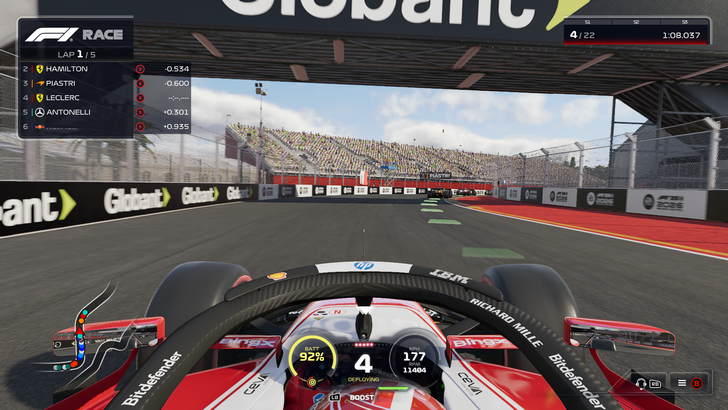
A part of those increased overtaking moments might also come down to the grid itself being more crowded, with the addition of an 11th team bringing the total up to 22 drivers. With more cars on track, there’s simply less breathing room, and I definitely noticed a shift in how the AI behaves as a result.
During one of my Grand Prix sessions at the new Madring circuit, the AI drivers felt noticeably more aggressive in its attempts to overtake. And it wasn’t just occasional pressure, it felt constant. Every corner, every braking zone, there always seemed to be someone right behind me looking for an opening. And when they did make a move stick, it wasn’t a gentle pass either, they would surge ahead with a level of speed that genuinely caught me off guard more than once, almost like they had an extra gear I didn’t fully account for.
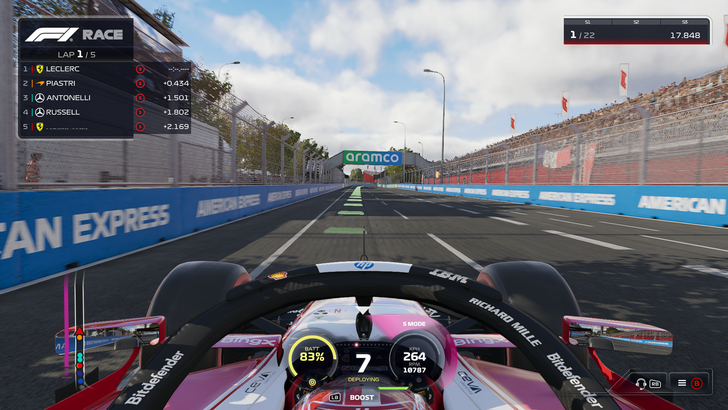
I do think this ties back to the new regulations and how the cars behave under them, but the added traffic from a denser grid likely plays a big role too. More cars naturally means more battles and more chances for AI drivers to capitalize on even small mistakes.
All of these changes carry over across Career, unranked multiplayer, and Grand Prix modes. That means you’re always dealing with this tighter and more aggressive field. Every mistake is punished faster simply because there are more cars ready to capitalize on it, and that effectively turns racing into a sustained pressure from lap one to the finish. However, if you’re looking to bring this exact setup into competitive play with friends or league in F1 World, you’d be disappointed to know that the new configurations and additional team and drivers aren't available for those modes yet.
Madring Adds a Brutal Learning
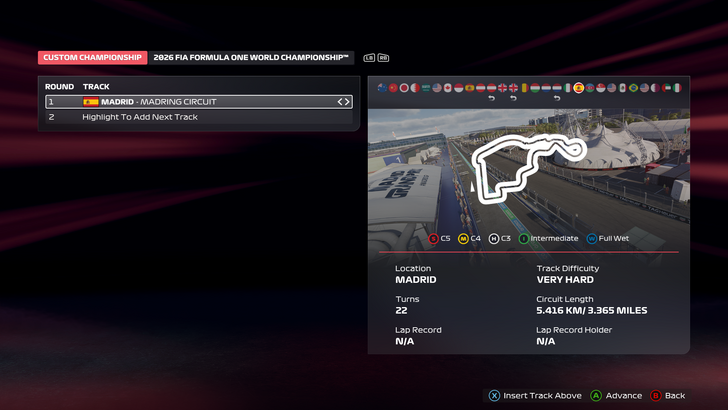
Another addition is the Madring circuit… Yes, another street circuit. And with street circuits, you either love them or you don’t. There are a few standout ones in the calendar, sure, but Madring sits in an interesting space of being new not just for the 2026 DLC, but for Formula 1 itself.
Because it’s a fresh track, there’s a natural learning curve attached to it, especially since it mixes slow technical sections with faster, flowing corners. That combination makes it harder to "read" at first, since your rhythm keeps getting reset depending on the section you’re in.
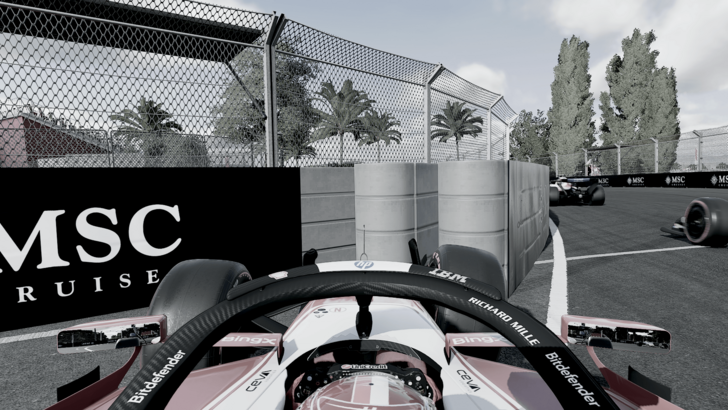
Personally, I struggled with it a lot in my first few races on the new track. I couldn’t properly anticipate the corners and ended up repeatedly meeting the barriers more than I’d like to admit (I am stupid. -Leclerc, 2019). It’s the kind of track that punishes hesitation immediately, and even small misreads turn into costly mistakes.
If you’re someone who prefers traditional racing circuits with more runoff areas and more understandable racing lines, Madring might feel a bit harsh at first because of its street circuit nature. But if you enjoy the tighter, no margin for error racing, then this track will likely sit well with you once you get used to it.
“The Movie” Mode Blends Cinema and Racing
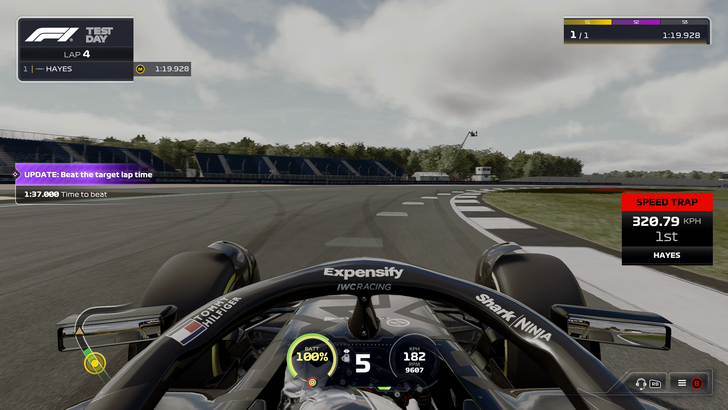
The DLC also introduces a mode called "The Movie", where you race as either Sonny Hayes or Joshua Pearce—the lead characters from the F1 movie. It’s structured across six chapter-based scenarios, with each race broken up by cinematic cutscenes pulled directly from the film. It’s clearly going for a more narrative-driven, cinematic presentation, leaning heavily into an interactive movie feel.
You’re dropped into specific racing situations that tie back into key moments from the film, with progression framed through these short, segmented chapters. The reward after finishing all chapters is a helmet, which isn’t really a necessary incentive, given you can just buy liveries and suits in the shop.
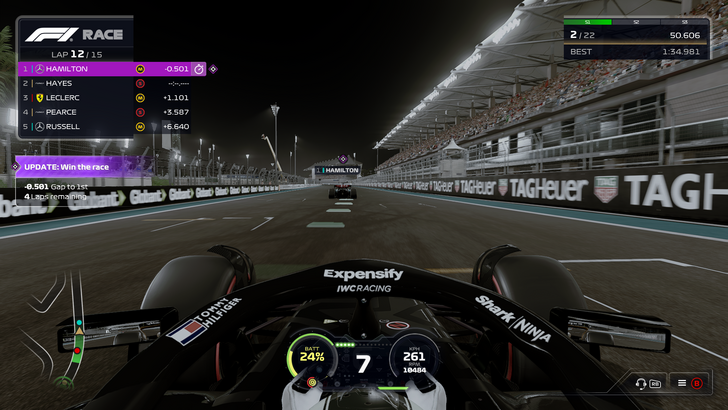
Admittedly though, there is novelty here for fans who haven't seen the movie yet. The way it’s structured gives you a sense of its narrative points without needing prior context. And because the grid still reflects the 2024 lineup, there’s an added bit of interest in seeing drivers like Lewis Hamilton still in Mercedes, making it feel like a bit of a nostalgia trip. Overall, it feels less like a core feature and more like a curated side experience.
Is F1 25: 2026 Season Pack Worth It?
Yes, It’s a Meaningful Preview of the Next Season
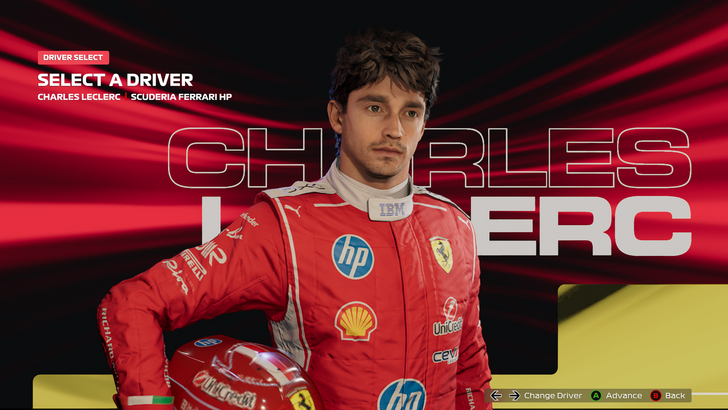
In the end, this DLC—priced at $24.99 on PC and $29.99 on consoles—feels like a solid slice of what’s to come next year. If you’re an F1 fan, it also works as a useful way to get a feel for the new regulations, even if it’s obviously nowhere near the level of understanding real drivers or engineers operate on. I’ll admit, I didn’t like the new rules at first either, but a lot of that came from not fully understanding how the new systems actually interact on track. While I do think I would still be suffering for the rest of this season—mostly because Ferrari isn’t dominating this year… or any of the previous years for that matter—it’s fair to say this DLC has helped me understand the logic behind the changes a bit more clearly.
If you’re just in it for the game itself, there’s still a lot to take in. The addition of Overtake and Boost might initially feel artificial, but once you start dealing with energy usage, braking charge, and when to commit or hold back, there’s a real layer of management underneath it that becomes hard to ignore. It stops being just about pressing a button and starts becoming about timing and restraint in equal measure.
So, if you’re an F1 enthusiast looking for something to hold you over while waiting for the next full entry, this DLC is a pretty strong stopgap. It doesn’t try to replace a full game, but it does feel like a preview of where Codemasters is likely heading next.
F1 25: 2026 Season Pack FAQ
Can I continue my F1 25 2025 career with the new 2026 setup?
You will keep access to your existing 2025 career, but you won’t be able to carry it over into the new 2026 regulation setup. To experience the updated cars, systems, and grid changes, you’ll need to start a new career mode under the 2026 mode.
Game8 Reviews

You may also like...
 |
Forza Horizon 6 Review | Pure Driving Bliss Simulation, Racing, Sports |
 |
Screamer Review | Fun, Fast, and Just a Tad Furious Racing |
 |
F1 25 Review | Back And Better Than Ever Simulation, Racing, Sports |
 |
F1 24 Review | Best of the F1 Series, But Just by a Hair Sim Racing |
 |
F1 Manager 2024 Review | Significant Upgrades But Still Needs a Few Pit Stops Sports, Simulation, Racing |