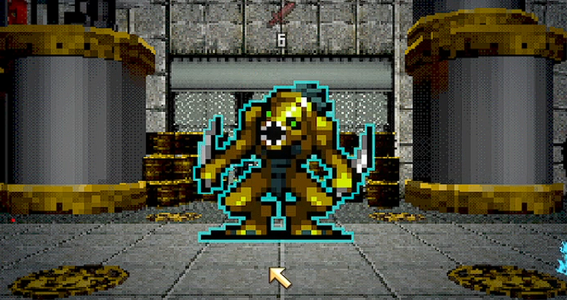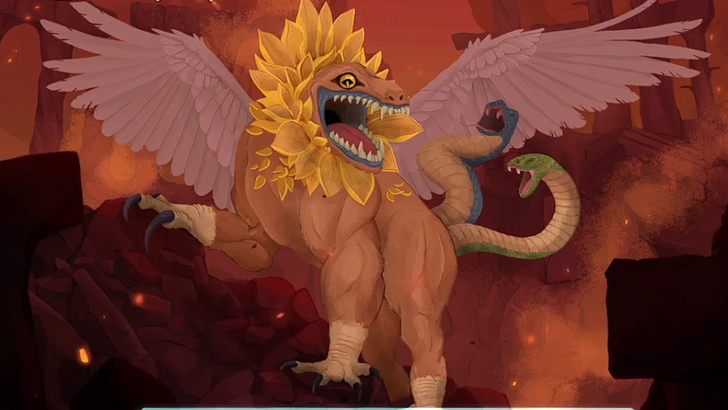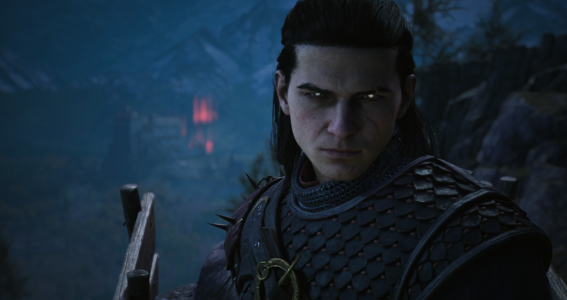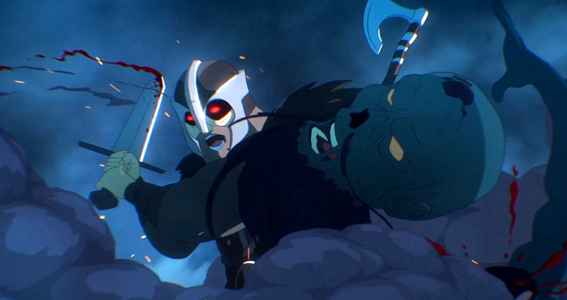




Dungeons & Degenerate Gamblers is a roguelite blackjack dungeon crawler where hits and stands mean life and death. Read our review to see what it did well, what it didn’t, and whether it’s worth playing in 2026.
This is an updated review of the game’s recently released Double Down 2.0 Update, which adds new Lucky Charms, areas, and game modes. Read our initial review of Dungeons & Degenerate Gamblers’ 1.0 release to see how much the game has changed since then.
Dungeons & Degenerate Gamblers Review History
| Review | Date | Score |
|---|---|---|
| Doubling Down 2.0 Update | August 2026 | 
|
| 1.0 Release | August 2024 | 
|
Overview
What is Dungeons & Degenerate Gamblers?
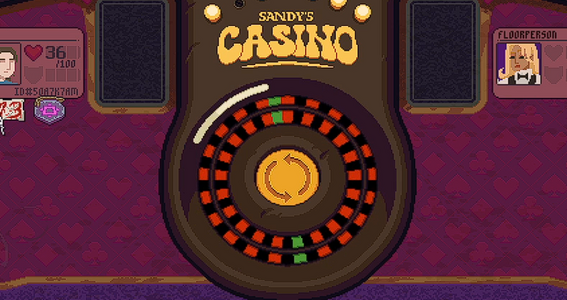
Dungeons & Degenerate Gamblers is a unique, RPG-inspired blackjack roguelite that originally debuted as a browser game on Itch.io. Now available on Steam, this game combines classic blackjack mechanics with turn-based RPG combat. Players can explore a diverse array of unique cards—many of which go far beyond the standard casino fare—and face off against a host of quirky opponents across multiple stages. Promising hours of addictive, casino-crawling fun, "Dungeons & Degenerate Gamblers" offers an engaging experience for dealers and gambits of all ages!
Dungeons & Degenerate Gamblers features:
⚫︎ Simple turn-based RPG combat with playing cards
⚫︎ 295 unique cards to unlock, play, and encounter
⚫︎ Various casino mini-games to encounter, including roulette and 3-card monte
⚫︎ Roguelike progression with randomized encounters
⚫︎ 18 unlockable starting decks with specialized builds
| Digital Storefronts | |||||
|---|---|---|---|---|---|
 Steam Steam |
|||||
| $14.99 |
Dungeons & Degenerate Gamblers 2.0 Review: Should You Play in 2026?
The All-or-Nothing Comeback is Real!
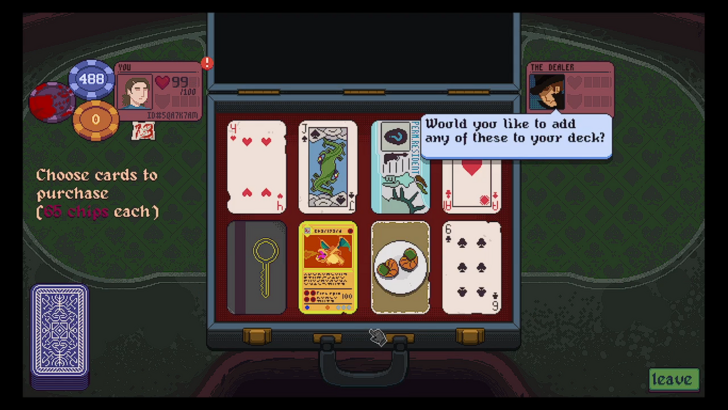
Although I’d never bring myself to do actual gambling and would rather keep my card-based exploits to online CCGs, there’s something utterly inspiring about Dungeons & Degenerate Gamblers’ (D&DG) journey from zero to hero. Forget hitting on a 16; this game hit on a 62 and actually managed to come out on top.
I’m aware that the Blackjack analogy falls apart a little bit, but the sentiment remains: they took what they had, sought to make it better, and now we have the long-awaited Doubling Down 2.0 update, which fixes most of what the game’s 1.0 release lacked.
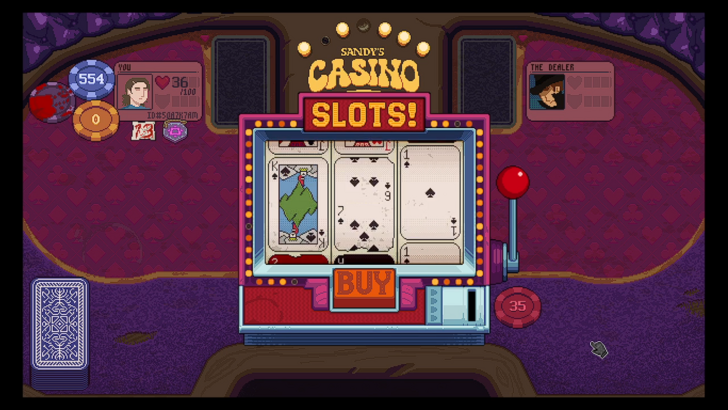
It remains a card shy of being the perfect hand (probably because this isn’t Poker), but this is certainly a marked improvement. Let me take you through everything Doubling Down 2.0 did to grant this game the +2.0 to hit it needed to win.
Changing Your Luck with the All-New Lucky Charns
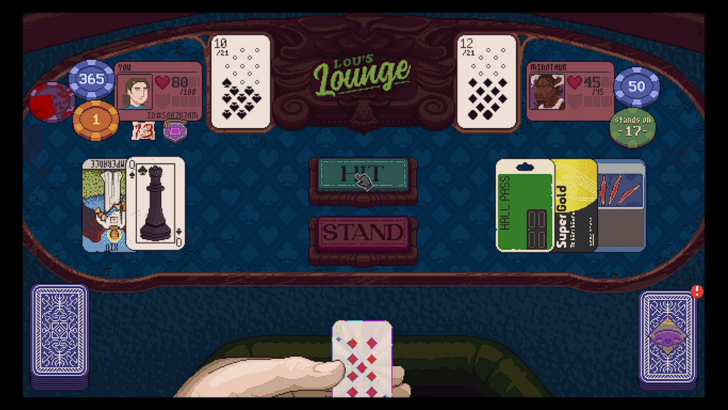
Just to walk the uninitiated through the basic premise of D&DG, it’s a card-based dungeon crawler that uses the casino game Blackjack to determine which of the two combatants (the player and the dealer) will win an exchange every turn. Just like in Blackjack, the goal is to draw random cards until you hit a total value of 21, while also making sure you don’t go over.
Unlike Blackjack, though, you’re not restricted to "normal" playing cards, and neither is your opponent, opening the table to odd inclusions like credit cards, or even the not-so-subtle Squid Game reference card. These let players and dealers modify their card values in every which way, and with Doubling Down 2.0, the stakes not just got bigger, they’ve gotten more layered.
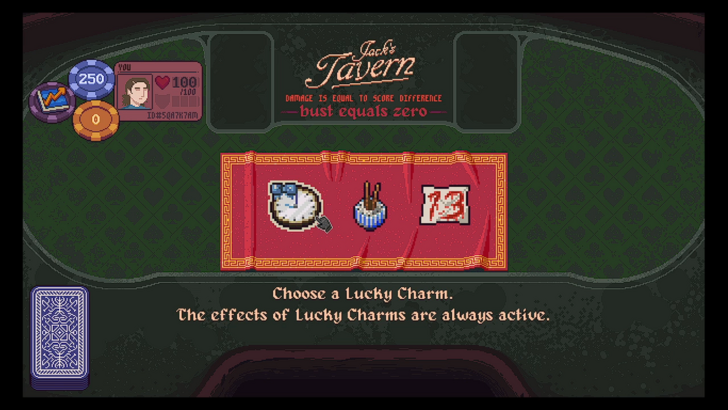
Introducing Lucky Charms, the casino’s newest hot item. Chosen at the start of each run, and again every couple of floors, Lucky Charms represent the final layer of complexity and strategy that D&DG 1.0 needed to truly take off. These items are akin to Jokers in Balatro, or boons in Hades or Hades 2, in that they change how you fundamentally play and approach every encounter.
Lucky Charms can do anything from being passive damage improvements to game-changing rulebreakers that flip the very concept of D&DG on its head. My favorite has to be the Chain Letter, which not only deals 1 damage to the enemy whenever you deal damage, but it also replaces all future Lucky Charm drops into itself.
This means that, with enough Chain Letters, damage improvements, and luck, you can turn one good round into a completed encounter. There are so many of these, and they cover such a good range of strategies, win conditions, and possible drawbacks, that I wonder why the devs didn’t add them in the first place. They fit so naturally, like they were the missing piece the game needed from the start.
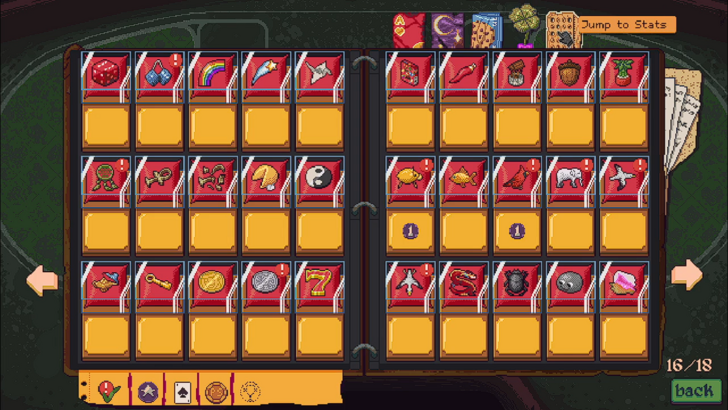
That is, of course, the truth of the matter. 1.0’s strategic make-up was fine—good, even—but it needed a bit more oomph. Aside from the unique cards, the encounters you can take to modify them, and the Chip System to govern the use of activated card abilities, the game needed something to tie it all together and add cohesiveness to this melting pot of ideas. It needed a figurehead to point each run into a certain direction even more than the cards do, and Lucky Charms was it.
Of course, one new mechanic, no matter how essential in hindsight, does not a great 2.0 update make. No, Doubling Down came with a host of new floors to go with its introduction of Lucky Charms.
Floored by the New Casino Floors
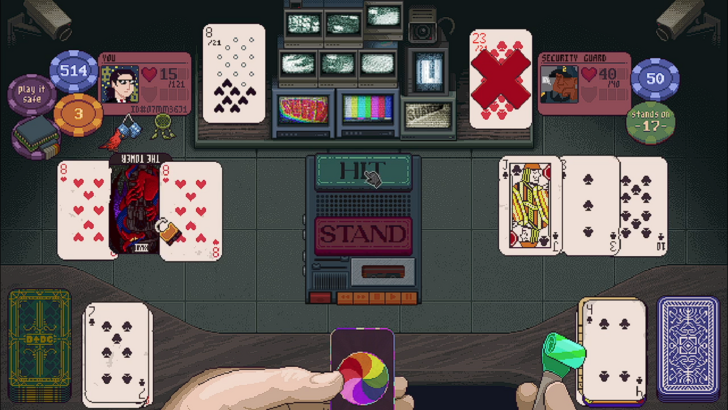
Yep, D&DG 2.0 expanded the game’s branching dungeon paths and added four new floors after the VIP and Casino floors, which include Laboratory and Apathy, and Surveillance and Anxiety, respectively. I’m already a fan of how abstract each run goes as you progress from dingy pubs to actual heaven; now you can go explore other abstract concepts as you play Blackjack!
It might seem like a minor addition, but the fact that the late-game has been expanded improves on two other things as well: story and variety. More than just another themed floor experience, these new casino floors help flesh out the game’s previously thin story experience with some much-needed ambience and room to grow.
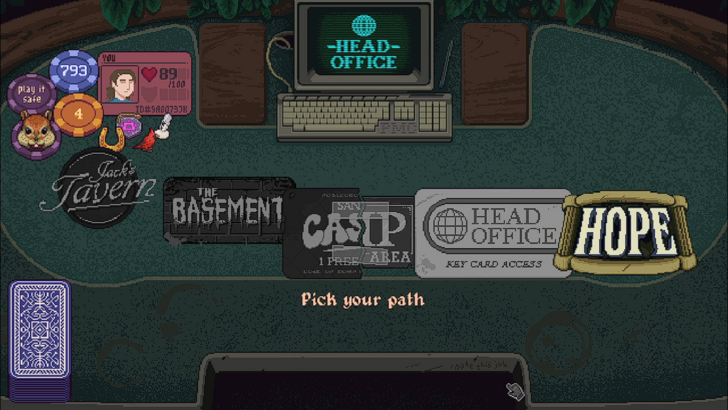
In 1.0, we’re simply looking for a figure of authority of sorts, getting turned away from each floor as we realize there are higher rungs up the ladder to climb and defeat. We eventually reach one of many ends; then, now we have two more to experience and tell the story through.
And regarding the game’s variety, more options just means more options. No longer are you tied to the same two choices come the end of the Casino or VIP floors; you now have even more ways to exploit your current build, as each floor has new enemies, each with their own decks and archetypes to fight against.
It’s a veritable chunk of additional content that many games would sooner relagate to a DLC or expansion, but no. This is a free update that all players who already own D&DG can opt into at any time.
The Stakes Have Never Been Higher
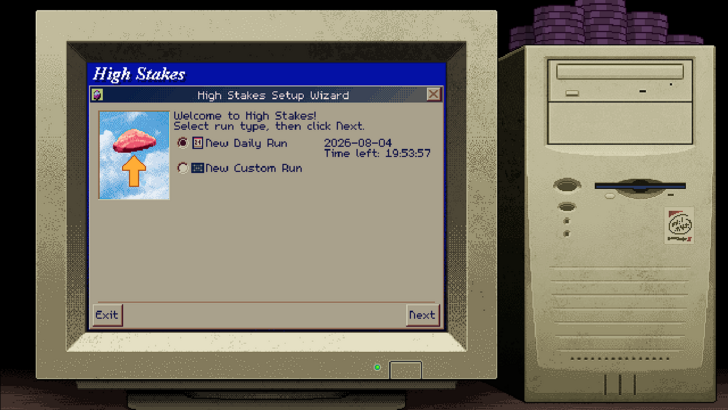
Moving on to even more gameplay, Doubling Down 2.0 also introduces higher stakes to D&DG with the addition of new game modes: Daily Runs and Custom Runs. Take it from Slay the Spire and Slay the Spire 2, these are absolutely amazing new ways to experience an already stacked main game.
Daily Runs represent a rotating set of parameters set to an otherwise normal run, after which players can see how they measure up against others in a leaderboard. No longer must players go to forums and Discord channels to see how well they’ve done; the world is your leaderboard now!
Considering how addicting the core gameplay loop is, it’s almost necessary that the game provide a means for players to measure their success, and this was exactly what this update needed to add, because 1.0 just straight up didn’t have it. Now, an ecosystem of daily runners and players can form around the game, just like it did for Slay the Spire, and hopefully to the same advantageous effect.
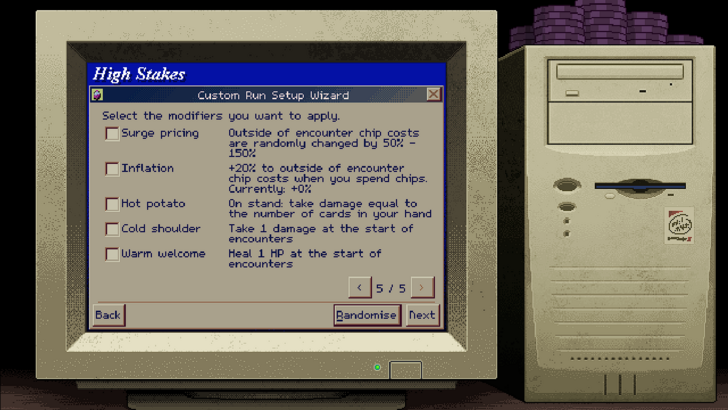
The same goes for the game’s custom runs, which I personally favor for their utility as a build-tester. These kinds of games need a way for players to "see how fast this puppy can go", so to speak. The fact that any build testing and theorizing back in 1.0 was at the complete mercy of an admittedly brutal RNG machine was regrettable, but that is no longer the case.
I will grant that this game’s custom run modifiers are in no way as extensive as Slay the Spire’s, but they offer just that tiny bit more of agency players can have to tip the scales toward fun, if only for a specific mode. That said, the core gameplay is plenty fun on its own, so it’s an appreciated freebie more than a necessary addition.
Still Painful to the Ears
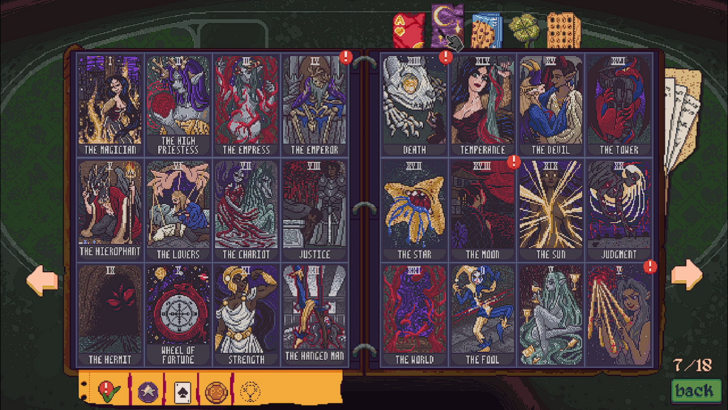
In light of many, MANY improvements, there are still a few remnant 1.0 fixtures that keep D&DG from being a complete Nat 21. First of all, the game’s audio isn’t much better. It gets a better score now because, in hindsight, the music wasn’t that bad to begin with, but I still can’t get past the painful sound byte of the cards being played.
It’s a sharp jabbing noise that plays in quick, riffling succession whenever cards are added to the deck, or whenever the deck is shuffled as an effect of a card. It’s grating, and honestly not very helpful for the game’s case. A bit disheartening to see one of my major critiques from the 1.0 review go unanswered, especially one as all-present as the basic card shuffling sound in a card game, but considering how much the game improved in other ways, I’m willing to let this go.
Imperfect, But Better Than It Once Was
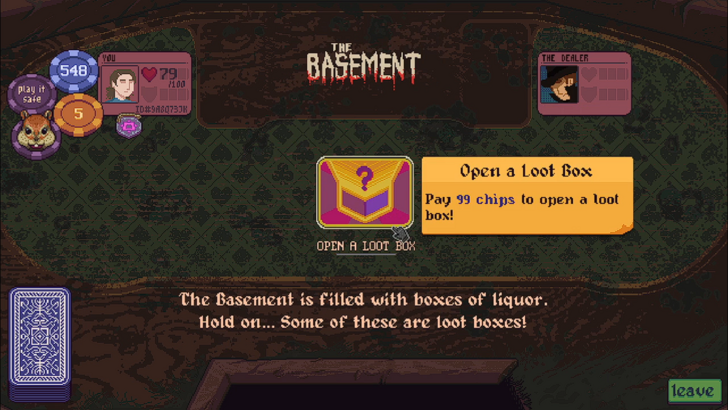
Aaaaand that’s the last draw. We reach the bottom of the deck for D&DG’s Doubling Down 2.0 update. Though it doesn’t take the game from a passable whiff to a complete masterpiece, it does make it much more bearable, much more appreciable, and about twice as worthy of its already solid price point.
The game still sounds like a ten of clubs to the head; it’s still somewhat repetitive, and it is far from being the pinnacle of its genre in any way, but it is better now. The bar wasn’t in hell, and improving on a defined formula is harder than it looks, so props to the game’s dev team for sticking with what looked like a weak card in the beginning, and doubling down for its sake.
Is Dungeons & Degenerate Gamblers Worth It in 2026?
Yes—Now More Than Ever!
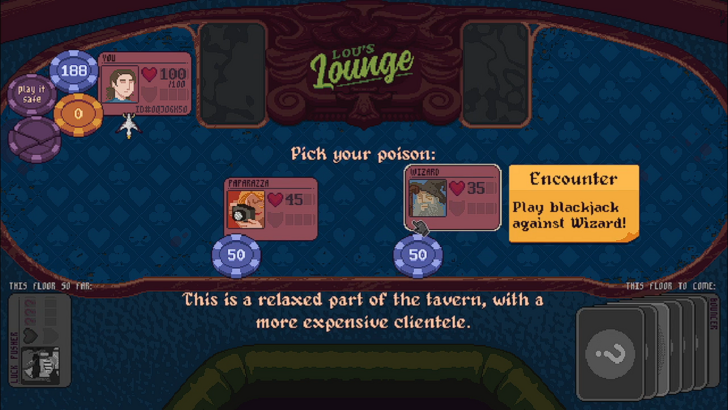
D&DG was already worth the $15 it asked of you back in 1.0 through sheer replayability. 2.0 adds some real strategic value and variety to that proposition, making it an even better steal.
To reiterate, it doesn’t nearly have the replayability of something like Balatro, but it sure has come closer than it did 2 years ago. A 3.0 update hasn’t been announced or confirmed, but if how the devs have dealt with criticism for 1.0 is any indication, this game’s value may go higher yet.
FAQ
Does Dungeons & Degenerate Gamblers Have Official Mod Support?
No. According to the game’s Steam page, Dungeons & Degenerate Gamblers does not have official mod or Community Workshop support.
What Are the Suite Bonuses in Dungeons & Degenerate Gamblers?
Dungeons & Degenerate Gamblers features a mechanic called Suit Bonuses, which are granted whenever the player or dealer hits their maximum score exactly (usually 21). These bonuses may differ depending on the suit/s of card/s used played by the player or dealer for that turn.
These bonuses include:
⚫︎ Hearts: Heal an amount equal to the damage dealt.
⚫︎ Clubs: Deal additional damage.
⚫︎ Spades: Gain armor equal to the damage dealt.
⚫︎ Diamonds: Gain chips equal to the damage dealt.
⚫︎ Nothing: No bonus.
⚫︎ Everything: All bonuses.
Game8 Reviews