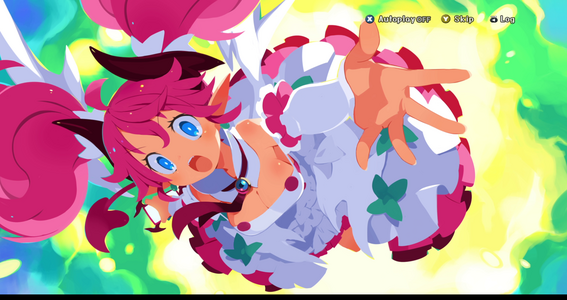




Disgaea Mayhem is a Musou-inspired action spin-off that swaps the series' tactical RPG combat for fast-paced hack-and-slash battles set in the Netherworld. Read on to see what it did well, where it failed, and our review of the game.
Overview
What is Disgaea Mayhem?
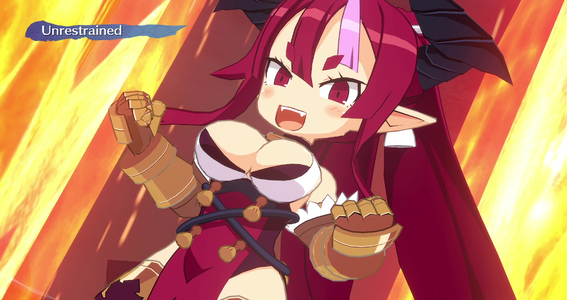
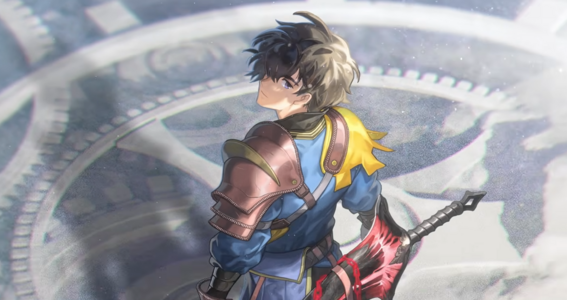
Help Tichelle, the Overlord of the Netherworld Super Duper, reclaim her stolen pudding by beating up her wayward henchmen in Nippon Ichi Software’s latest Disgaea spin-off! Swapping the series’ trademark SRPG battles for fast-paced action combat, Disgaea Mayhem puts you in the shoes of the demon mercenary N.A. Slash your way through hordes of pudding-obsessed demons, crush towering bosses, and prove once and for all that no sweet treat is worth crossing an Overlord over.
Disgaea Mayhem features:
⚫︎ Musou-inspired action gameplay
⚫︎ Stat inflation up to 99,999,999
⚫︎ Carnage world post-game
⚫︎ Item world and Character world
⚫︎ Cheat Shop for direct difficulty modifiers
⚫︎ Turn partner monsters into weapons via Magichange
⚫︎ Seven weapon types—eight including monster weapons
| Digital Storefronts | ||
|---|---|---|
 Steam Steam |
 Playstation Playstation |
 Switch 2 Switch 2 |
| 59.99 USD | ||
Disgaea Mayhem Review: It Looks Like Disgaea and That’s Pretty Much It
We Could Have Gotten Prinny 3 Instead
No fandom defends its ultra-repetitive gameplay quite like Disgaea players do. They'll unironically show you their four-digit Carnage Asagi clear count in Disgaea 5 and tell you it was a satisfying experience
and that they enjoyed every minute of it.
And chances are, that’s the truth. They're a different breed of human who can genuinely spend thousands of button presses just to watch numbers go up and love every second of it. So the natural question that must be answered by any Disgaea game is the following: does the grind offer the same kind of satisfaction as some of its more beloved predecessors?
Well, Disgaea Mayhem certainly doesn’t. In fact, it almost feels like every other Disgaea walked so that Mayhem could crawl. It's a Musou-inspired spin-off where you control the mercenary demon N.A. and cleave through hordes of monsters before eventually facing a boss. And that’s basically it; almost every single stage follows this format without much deviation. Sure, you can argue that Disgaea itself is repetitive, but consider that at least the mainline games had several dozen other classes to experiment with.
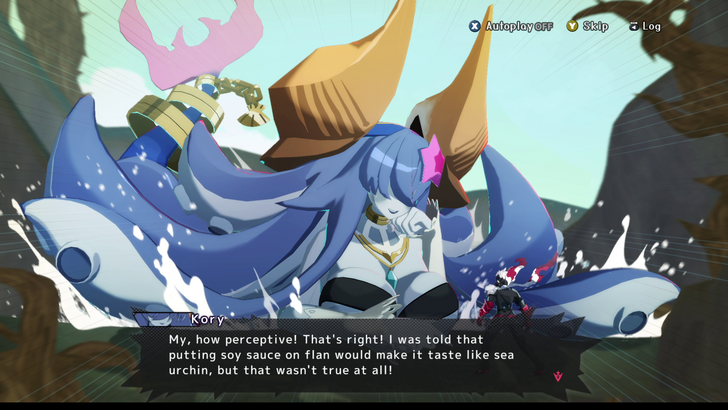
It all comes down to a single problem: having only one playable character strips away much of what makes Disgaea's progression so satisfying. Previous games let every unique character or class specialize in different weapons, exclusive abilities, and resulting playstyles. Mayhem only gives you N.A., a bunch of nondescript passive skills, and a handful of weapons that barely distinguish themselves from one another. There's simply no payoff beyond watching N.A.'s damage numbers get bigger.
Ironically, though, the story's brevity is one of its greatest strengths. Had it gone on much longer, it probably would've exhausted what little variety the game had to offer.
A Hell of Pudding Lovers is Textbook Disgaea
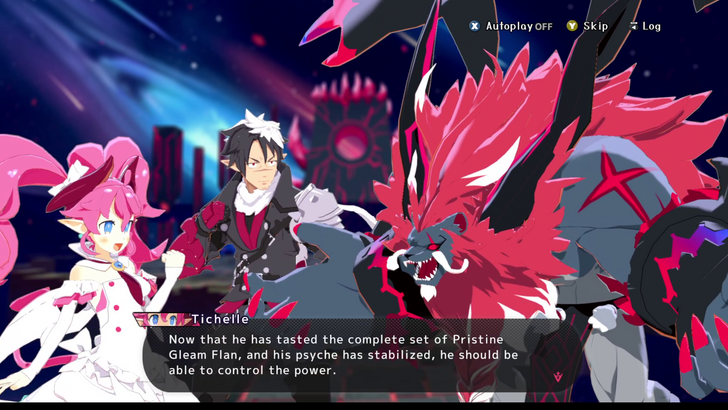
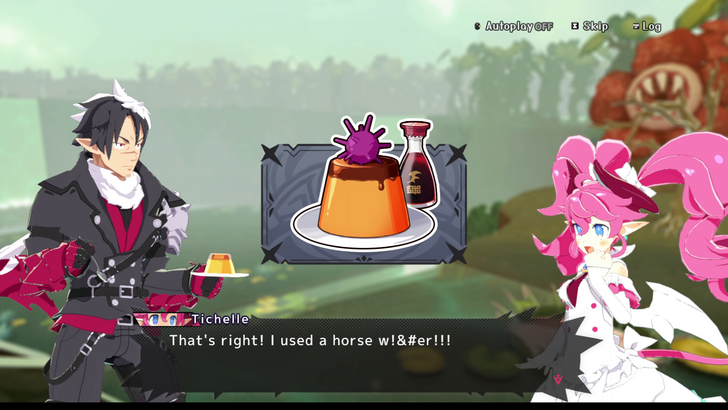
Thankfully, the story wastes no time reminding you why people fell in love with Disgaea in the first place. The premise is so simple you'd be surprised it could sustain an entire story arc. So basically, you play as a demon mercenary named N.A., right? One day, a fledgling overlord named Tichelle—ruler of the Netherworld Super Duper (don't ask)—hires you for an urgent mission.
To take back her stolen pudding.
That's basically it. Apparently, the entire Netherworld is populated by monsters who believe pudding is the greatest culinary achievement in existence—so much so that even an overlord's own henchmen would steal it right from under her nose. Well... from inside her fridge.
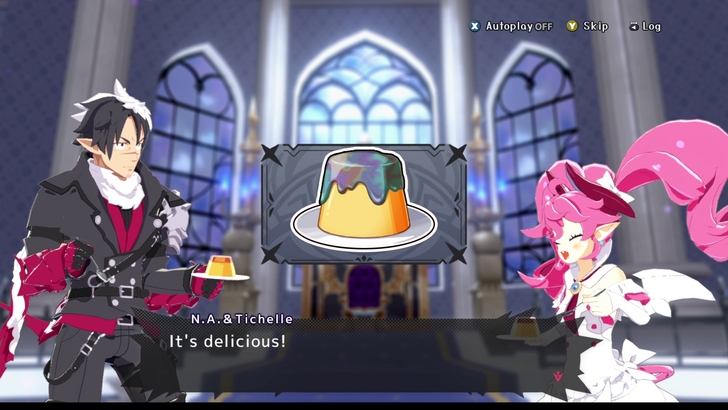
And somehow, that's enough. Disgaea Mayhem only has one story arc, but it wisely commits to that from beginning to end instead of padding the campaign with unnecessary detours. N.A. and Tichelle aren't burdened with tragic backstories or world-ending stakes, either, because they don't need to be. Trying to squeeze more character arcs out of a cast this small would've only made the story overstay its welcome.
Now, before that sounds like a defense of Mayhem's lack of content, it isn't. A game can be appropriately short for the story it wants to tell while still being far too short for a $60 asking price. And ironically, that's what exposes the game's biggest weakness: the story knows exactly when to end, but the gameplay doesn't.
Even Tasty Pudding Gets Old
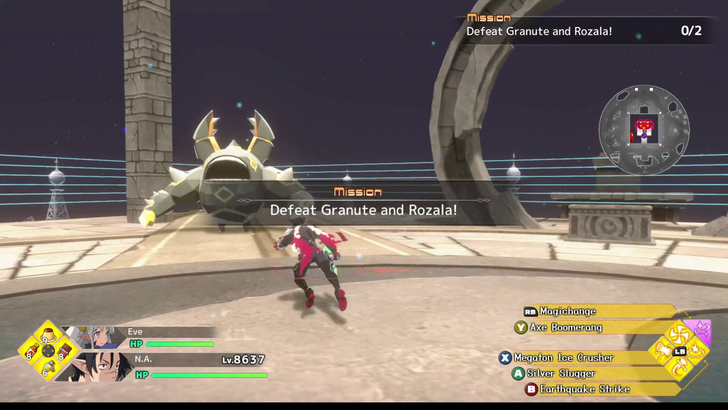
The core gameplay loop of Disgaea Mayhem is even simpler than its narrative premise. You just go in, beat up several dozen enemies, wipe the floor with (or get wiped by) the final boss, and then you’re done. That’s it. There’s essentially no variety, no diverging from that loop. That’s what you do from the very beginning all the way to the end, and even through the post-game grind to inflate your stats.
To say that there’s a lack of variety to it is a severe understatement. Even the notoriously repetitive post-game grind of the flagship and even older spinoff Disgaea titles offer far more variety in its core gameplay through things like diverse terrain, area properties and color puzzles through the Geo Symbol system, Carnage effects, and so on. Even when you're grinding, the game keeps finding small ways to keep the routine from feeling boring.
That's the real tragedy. Disgaea's endless grind usually feels worthwhile because it keeps unlocking new ways to play. It's like the games only allow you to play with the big boy toys once you're past stats puberty. Instead, Mayhem asks you to grind just as much, but after the credits roll, all you're really doing is repeating the exact same content with bigger numbers.
The obvious question, then, is why Mayhem never gives you those new toys in the first place.
N.A. Means Nobody’s Available
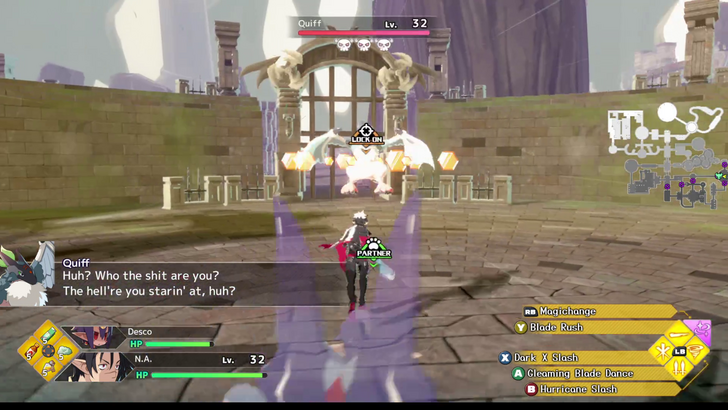
If I was to hazard a guess, this is probably why the main character was named N.A.—it simply meant nobody’s available for the casting call. The problem becomes obvious almost immediately.
See, in previous Disgaea games, the grind pays off by unlocking new characters, ranks, and weapon abilities. Those all culminate in creating entirely different ways to approach combat. For example, the Fist weapon is typically associated with powerful single-target attacks if used by the Brawler class, or allows your character to function as an evasion tank if used by the Ninja class.
Mayhem has none of that. Because N.A. is the only playable character, he has to be a jack-of-all-trades. But it isn’t due to the developers lacking ideas. He's flat because he has to be. The downside is that none of those weapons are ever allowed to lean too heavily into a unique identity. As a result, progression becomes almost entirely statistical instead of mechanical.
A fair counterargument is that the mainline games eventually flatten everyone's stats anyway. By the extreme late game, nearly every character has reached the same absurd stat ceiling. But while their stats do converge, their identities certainly don't. Unique passives, weapon specializations, and exclusive skills continue to give every character a distinct role. And that matters a lot; just ask people who make several Sorcerers unironically for their global stat-debuffing passives.
There’s Nothing to Break
Those toolkits aren't just cosmetic. They're what let players completely break the game in wildly different ways. And that's where the problem becomes impossible to ignore: Mayhem never gives you anything worth breaking. Across the series, there are always numerous ways to exploit its systems for levels, stats, and loot. Disgaea 5, for example, lets you kidnap an entire map's population with Metallia, while even spin-offs like Prinny 2 let you farm sweets by either killing certain enemies—or, uh, yourself.
Now imagine if Tichelle was also playable. You'd naturally expect her to wield the same weapons differently from N.A., but favoring agility or spellcasting over brute force thanks to her dainty build. Maybe we can even stretch it and imagine that she can’t deal high damage, but she has a chance to instantly defeat enemies (by feeding them pudding, for example), which can be increased with passives. That's exactly the sort of character expression the mainline games thrive on, and what's sorely missing here.
My point is that almost every Disgaea game offers more than one way to abuse its systems. These are unique for each game and character thanks to their gimmicks and exclusive abilities. And ultimately, this is why Disgaea Mayhem can’t provide the same satisfaction for people who love the grind. Your preparations for the extreme late-game are limited by what N.A. offers, and that’s it. There’s simply no room for self-expression. Every road to the endgame leads back to N.A.—because he’s the only playable—and eventually every run starts feeling the same.
Basically, it understands why Disgaea players love the grind, but never gives them anything worth grinding for.
Is Disgaea Mayhem Worth It?
Only get it on a deep sale if you’re interested
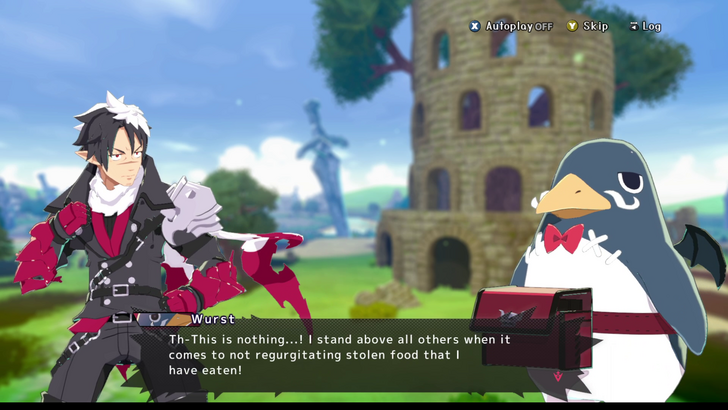
Regardless of how much you love seeing numbers grow bigger, there’s little satisfaction here in terms of gameplay beyond that. Besides its series-staple strength in progression, Disgaea Mayhem’s charm lies heavily in its short story and visuals. And quite frankly, that’s not enough to justify its shockingly high asking price. It costs the same as Disgaea 7, mind you, which while not perfect itself, at least delivers far more content than Mayhem.
The only way this feels worth the money is during a deep sale, and only if you’re a fan of the series. Otherwise, you’re better off buying any of the Disgaea games you might have missed… or just saving your money for the day Disgaea D2 Complete finally becomes a reality.
Game8 Reviews