



Overview
What is Code Vein?
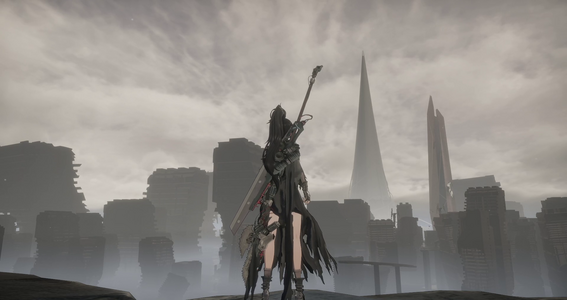
Code Vein is a soulslike set in a post-apocalyptic world devastated by the Thorns of Judgment, an event known as the Great Collapse that pushed humanity to the brink. In response to the sudden appearance of Horrors birthed by it, Revenants were bio-engineered to fight back, but their instability and dependence on blood caused many to lose control and become monsters themselves.
A catch-all attempt to solve this through Project QUEEN ended in catastrophe, giving rise to the Queen; an immensely powerful Revenant whose rampage eclipsed even the Horrors’ destruction. Though she was eventually defeated and split into Relics to prevent her resurrection, you awaken years later to a world in slow decline, starved of resources for both human and revenant-kind.
Code Vein features:
⚫︎ Multiple endings
⚫︎ Soulslike gameplay
⚫︎ Customizable character
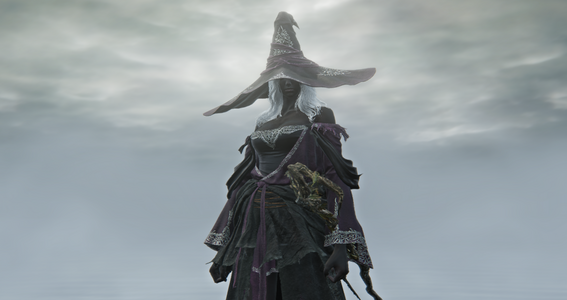
⚫︎ Mix of military and gothic aesthetics
⚫︎ Distinct melee, ranged, and caster builds
⚫︎ AI-controlled partners
⚫︎ Equipment modification
| Digital Storefronts | ||
|---|---|---|
 Steam Steam |
 Playstation Playstation |
 Xbox Xbox |
| $ 59.99 | ||
Code Vein Review: The Genre’s Beloved Mess
Lovely, Lovely Jank
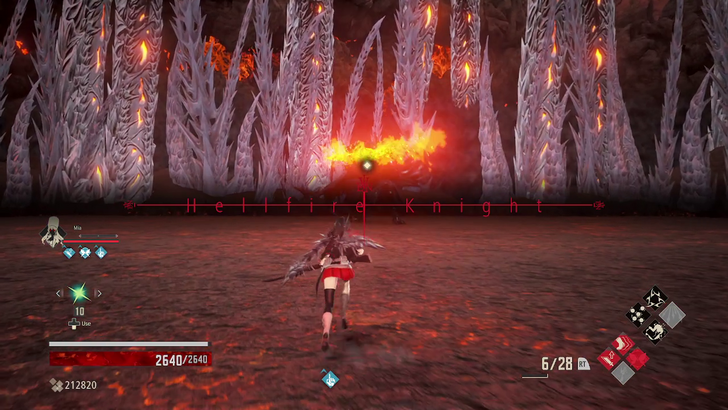
Code Vein was what pulled me into soulslikes. I’ve played others before, but this is what made me fall in love. Weird, I know; it’s not exactly a game whose review scores make people do a double take, and once you actually sit down with it, its rough edges become immediately apparent. The combat lacks the kind of polish the genre is known for, and despite the absurd variety of builds, balance is all over the place. And yet, there’s one very important thing working in its favor:
It’s genuinely hard to hate.
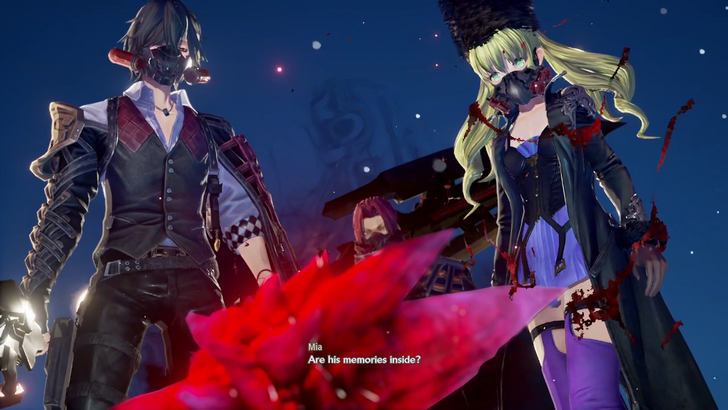
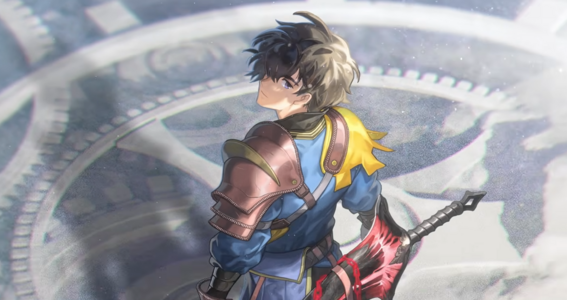
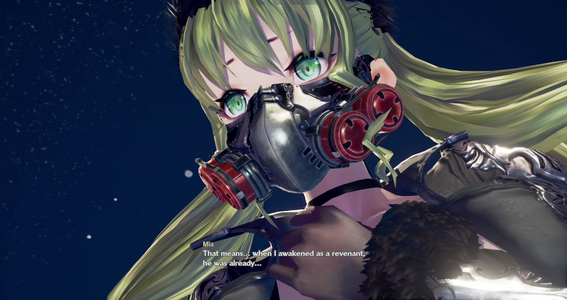
Code Vein’s charm comes from its almost unexplainable commitment to being exactly what it is—a wildly trope-heavy, post-apocalyptic anime soulslike that leans shamelessly into familiar templates. The story manages to be heartfelt and endearing, yet cringe at the same time; and somehow that contradiction works. Add in its aggressively edgy character designs that blend goth and Victorian aesthetics with plague-doctor-adjacent fashion and you’re left with a game that feels utterly unique.
It pulls you in not through refinement, but through sheer dedication to the bit.
A Baffling Story, But a Great Read Nonetheless
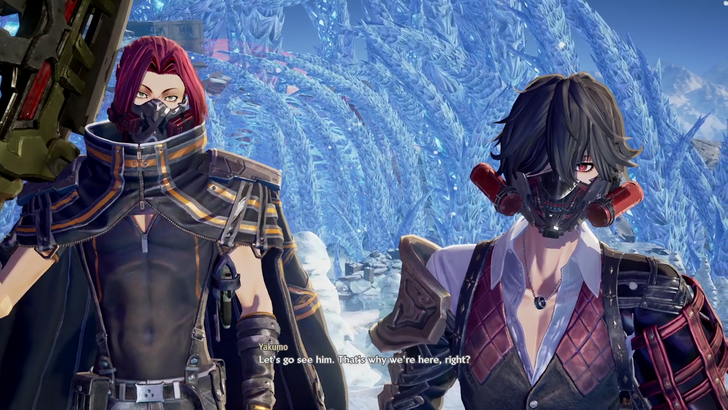
One of the nicest things about Code Vein is that no matter how old you are when you play it or how many years pass before you come back to it, the result is always the same: it’s cringe, and it’s awesome.
Nothing captures this better than the game’s story. At its core, it depicts a modern world at the end of its rope. Endless wars, reckless human experimentation that birthed the calamitous Queen, the emergence of Horrors (and yes, Aragami, if we’re going there), and the catastrophic Thorns of Judgment that wiped out half the planet have pushed civilization straight into the gutter. Survival now hinges on carefully rationing every remaining resource, including humanity itself, and fighting tooth and nail for every second of existence.
Sounds straightforward enough, right? Well, it is until you try (really hard) to untangle the backstory. Then you fall headfirst into a rabbit hole so deep and vague that Code Vein and God Eater fans are still theorycrafting, cross-referencing timelines, and arguing about it to this day. And it certainly doesn’t help that the more informative sections of the story tend to overstay their welcome with excessively verbose recounting of events that don’t deliver the appropriate amount of info.
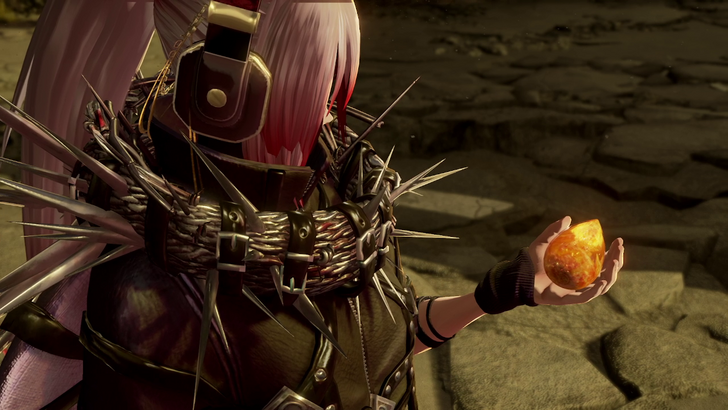
Yes, Code Vein and God Eater are connected. There’s no ambiguity there. Hell, the game straight-up throws a Dyaus Pita, one of God Eater’s most iconic monsters, at you... well, not you, but some unfortunate bunch, at a later cutscene. So if you’re a fan of Bandai Namco’s faster, less gritty, but significantly edgier take on Monster Hunter, this alone is reason enough to at least give Code Vein a look.
That said, while the setting and its explanations leave a lot to be desired, the same can’t be said for the game’s character presentation and environmental storytelling. Those two single-handedly—or maybe double-handedly—carry Code Vein’s narrative experience, giving you a compelling reason to stay invested even as the game raises more questions than it answers every time you try to make heads or tails on how its world actually works.
At this point, I wouldn’t be surprised if Code Vein 2 answers almost none of the mysteries its predecessor left behind. Sure, getting clarity would be nice, but honestly, if the sequel ended up being too clean or too legible, I might actually be a little disappointed. The confusion, for better or worse, was part of the experience.
Frustrating to Play, Yes. A Joy to Experience, Definitely
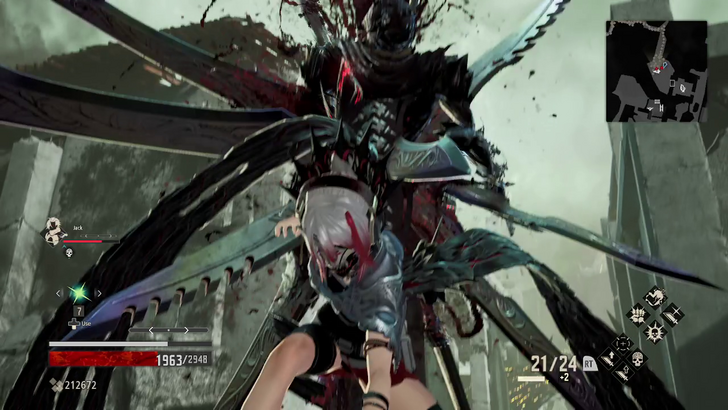
Speaking of confusion, Code Vein’s lack of gameplay polish is just as baffling. It launched in 2019 under Bandai Namco and was developed by the same team behind God Eater, a studio with over a decade of experience making action games. Sure, they weren’t soulslike veterans, but for a team this seasoned, some of these rough edges are genuinely strange.
Code Vein’s combat has a number of issues, but I’ll keep it short—we’re not here for a TED Talk. The most obvious problem is how weightless everything feels. Gigantic weapons are swung like they’re made of cardboard, and enemies often react to getting hit with all the urgency of a college student being roused by their roommates early in the morning. Heck, God Eater 3 had more weight to it than Code Vein, and that thing was released almost a year earlier!
Back in 2019, this felt especially off, since most soulslikes were clearly chasing the tightness and impact of Dark Souls. Today, it’s a bit more forgivable thanks to similarly floaty entries like AI Limit, but that doesn’t make it any less of an issue. If you’ve played enough games in the genre, you know expectations matter; enemies often stagger when hit by a heavy weapon and have a chance to brush it off when tapped lightly, right? Well, not always here.
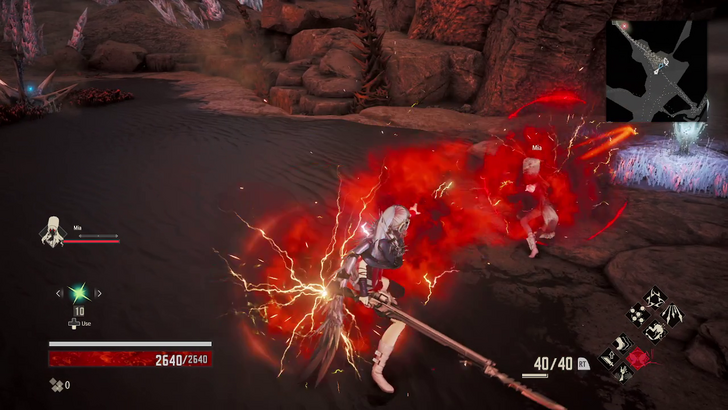
Another major issue with Code Vein lies in its AI companions. No, they don’t suck. If anything, it’s the exact opposite. They’re too competent, to the point where they can outright trivialize the game. They not only can draw aggro, but also contribute meaningful damage, create openings, and will even clutch-save you with last-second heals before death.
Unfortunately, fixing this isn’t as simple as going solo because the game’s difficulty is clearly balanced around having a partner. Enemies hit exceptionally hard under the assumption that your companion will bail you out when you take fatal damage; group encounters, which are already something most soulslike players avoid, are also far more frequent, again because the game expects two bodies to be there to share the suffering.
Things get even more absurd when you consider that companions can save you from death multiple times in a single fight. The only real limits are whether they’re distracted by another enemy or have run out of life to share, which doesn’t happen nearly often enough to feel restrictive.
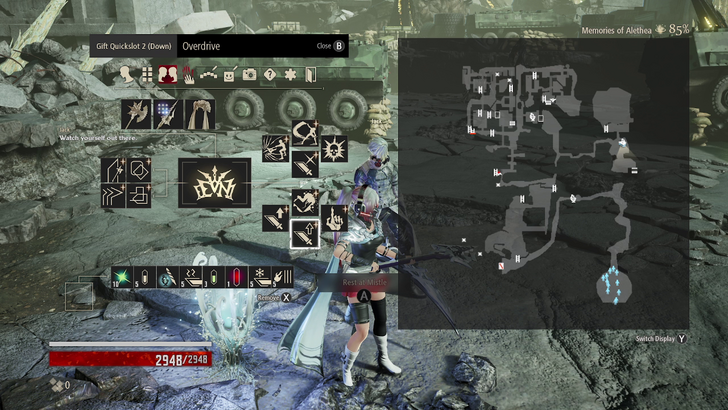
Lastly, I want to talk about the balance between weapons and skills in this game. Over the years, I’ve tried almost any build I could think of, from ones that almost exclusively shoot things from a distance with a gun to trying to one-hit-kill anything that moves with a giant sword and even one where I do a (terrible) roleplay of the Q.U.E.E.N./Cruz Silva (best girl, by the way).
However, what I eventually noticed is that regardless of what build you try, if you’re ever going to min-max your stats and unless you’re doing gimmick builds, you will always be funneled into a very limited selection of weapons, armor, and blood codes (classes) because of how their stats and skills are distributed. Badly, that is.
It’s even more atrocious once you try your hand at spell builds. Long story short, despite your numerous options to deal damage, you’re going to have to admit that at the end of it all, the only viable spells in the endgame come from those in the dark tree thanks to numerous bosses’ elemental resistances and everything else is just for style.
Feels Like a Product of Passion
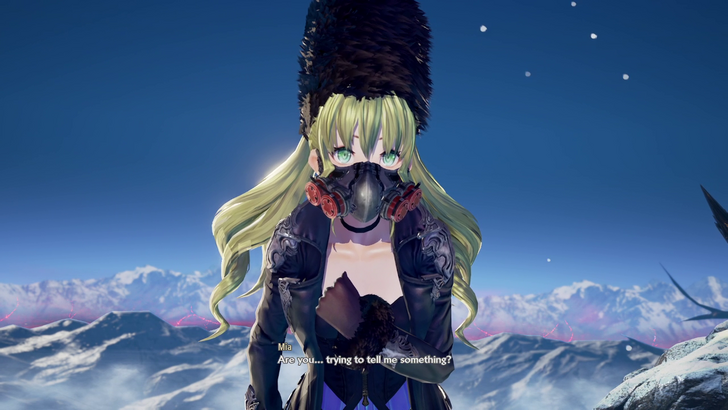
Unsurprisingly, despite already listing several major complaints, I still have more saved up, just in case someone ever gets me drunk in a bar. But since I’m unfortunately sober right now, I’ll spare you the full laundry list.
That said, I’d struggle to find many people who’ve put a decent number of hours into Code Vein and genuinely dislike it. In fact, I’d go as far as to say that most players who stuck with it ended up loving it, flaws and all. And it’s not hard to see why.
Because this game has heart.
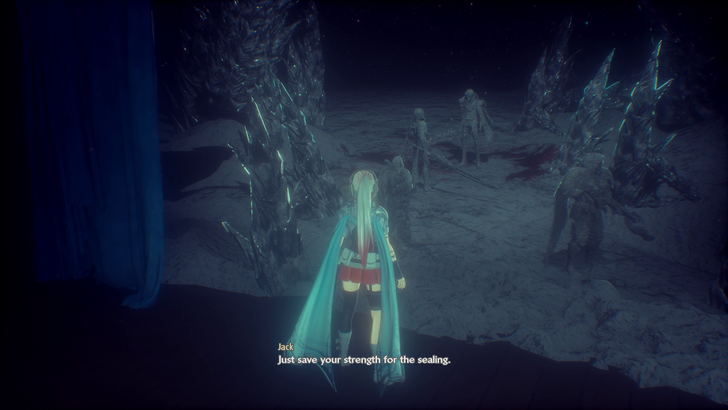
Ask ten different people what Code Vein does best and you’ll probably get ten different answers. For me, though, what really made me fall for it was how it presents its characters and how it gives you the agency to decide their fates based on what you learn about their pasts and who they are in the present.
Plenty of games do this, sure. But what matters here is the delivery. Or, more specifically, the melodrama; something Code Vein has in such overwhelming abundance that you could drown in it if you’re not already holding your breath before it suddenly plunges you into the thick of it.
It was particularly difficult to realize just how important that aspect of the game was to its longevity. But looking back years later, I may have forgotten the finer details of each arc, but I still vividly remember how each character made me feel.
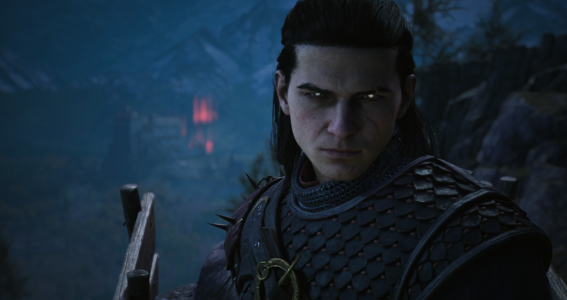
Especially for Cruz Silva, Eva, and Io.
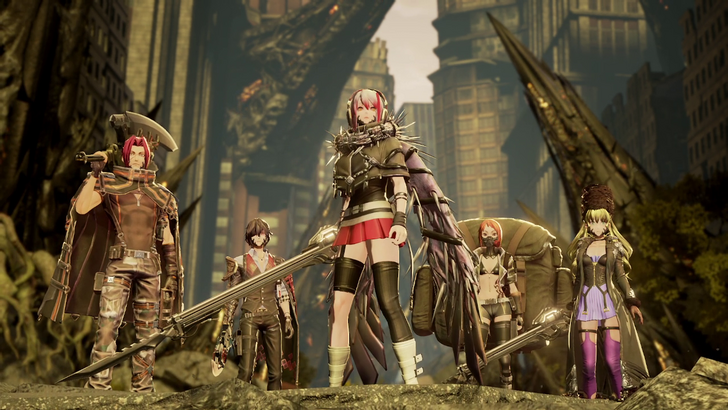
Beyond the cast, the game’s total commitment to its own identity also makes it very, very charming. The edgy character designs, the morally ambiguous themes, the absurd weapons and armor, and the often cringey yet ridiculously grand stage designs all feel passionately crafted.
It felt deliberate, experimental, and created by people who were trying to create what they wanted and not just chase fads. And that made it stand out from the rest, despite the balancing issues, the broken AI companions, the borderline cultivation-novel levels of verbosity, and all its other problems.
It felt like a true passion project.
Is Code Vein Worth It?
Junk Food You'll Love and Never Forget
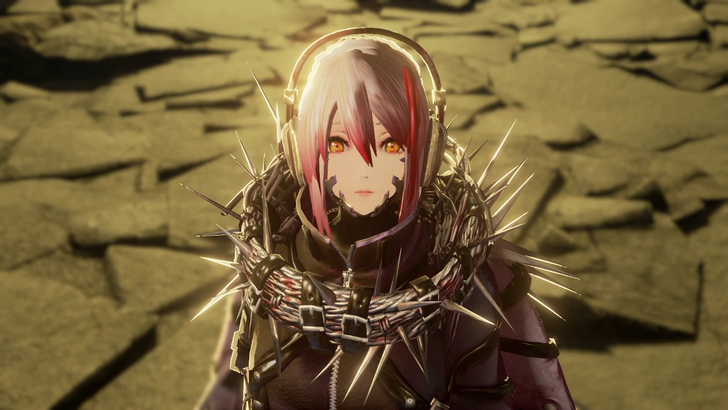
If you’re the kind of player who looks for more than just the obvious in their games, Code Vein is absolutely worth your time. While it lacks the level of polish its price might suggest, you won’t find another soulslike with a personality quite like it. In many ways, that’s exactly what makes it so endearing, even if most discussions around the game inevitably come from fans who love it yet can rattle off an entire laundry list of reasons why it drives them up the wall.
This is especially true if you’re interested in its upcoming open-world sequel, Code Vein 2. The original serves as an excellent primer, introducing you to spectacular worldbuilding and the events that set everything in motion through a narrative carried by striking audiovisuals and a strong cast of characters. It may be rough around the edges, but its identity shines through in ways few games in the genre manage to replicate.
… It is quite expensive, though, so I would definitely recommend waiting for a sale or something.
Code Vein FAQ
Is Code Vein 2 the sequel to Code Vein?
Code Vein 2 is the sequel to the original Code Vein, yes, but it will feature a standalone story.
Did Code Vein get an anime?
Unfortunately, unlike God Eater, Code Vein did not receive an anime adaptation of its own.
Game8 Reviews