



| BrokenLore: Don't Lie | |
|---|---|
| Release Date | Review |
BrokenLore: Don’t Lie invites players in another installment, to explore the connection between Shinji, Junko, and Hideo. Read our review to see what it did well, what it didn't do well, and if it's worth buying.
Overview
What is BrokenLore: Don't Lie?
BrokenLore: Don’t Lie is a psychological horror game that follows Junko, a hikikomori whose troubled past and tendency to lie become increasingly entangled with disturbing supernatural events.
BrokenLore: Don't Lie features:
⚫︎ Distorted Reality
⚫︎ Events Overlap with Don’t Watch (and the upcoming Don’t Play)
⚫︎ Explores Junko’s Past
⚫︎ Stronger Connection With the Pharmaceutical Company, Elysium
| Digital Storefronts | |||||
|---|---|---|---|---|---|
 Steam Steam |
 PS PS |
 Xbox Xbox |
|||
 Epic Games Epic Games |
 GoG GoG |
||||
| $15.99 | |||||
BrokenLore: Don't Lie Review: Deception Loses Its Bite When You Already Know the Truth
Intertwined Psychological Descent
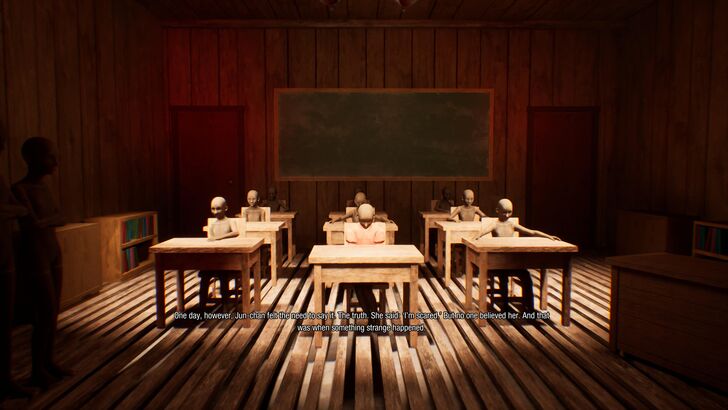
BrokenLore is a series of psychological horror anthologies, with its previously released entries sharing themes and overarching elements. BrokenLore: Don’t Lie, however, takes a much more intertwined approach. Its story is directly connected to the events of BrokenLore: Don’t Watch, with the same being true for BrokenLore: Don’t Play (the next announced entry in the series).
What makes these three particularly interesting is how they revisit the same events through the perspectives of three protagonists: Shinji, Junko, and Hideo. In addition to seeing the same events play out from different points of view, the three also have plenty in common. Particularly, all three are hikikomori, and all were patients at Elysium, a pharmaceutical company that also has a psychology department.
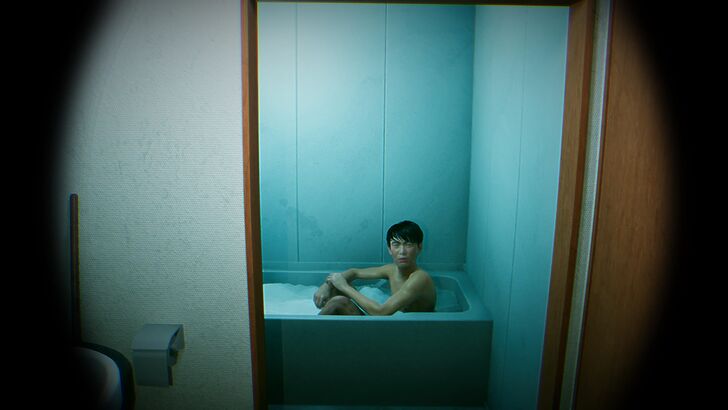
This stronger connection gives Don’t Watch and Don’t Lie more intrigue than the other "standalone" BrokenLore entries. But most importantly, seeing familiar events from another character’s perspective creates the expectation that each game will reveal something the others left hidden. Unfortunately, Don’t Lie doesn't make the most of that potential.
Its short runtime already leaves little room to develop everything it introduces, but the bigger issue is how much it tries to fit into that limited time. Lore, character stories, and multiple plotlines are packed together so tightly that almost all receive less attention than they deserve. More importantly, major revelations and twists are treated as simply another part of the story rather than moments that should completely reshape how one might view what came before.

Instead of being swept up in a whirlwind of revelations, I often found myself sitting back and thinking, "Okay… so that's what was happening." The ideas are certainly intriguing, and the connections between these games make the overarching narrative worth following, but the way Don’t Lie delivers them doesn't give those moments the impact they deserve.
Isolation of the Isolated

First, there’s the subject of hikikomori. For those who aren’t particularly well-versed in the term, hikikomori generally refers to people who withdraw from society for prolonged periods, essentially becoming modern-day hermits. It isn’t quite the same as agoraphobia. While the two can overlap, agoraphobia is generally associated with the paralyzing fear of leaving one’s "safe space", whereas hikikomori is more closely tied to social withdrawal and an unwillingness or inability to participate in society. Reasons can stem from a variety of personal, social, or psychological factors.
Why am I explaining this? Because hikikomori is a condition with plenty of nuance, and it’s a subject that deserves more than simply being used as an explanation for why a character stays inside their house. It forms the backbone of Junko's personality, just as it does for Shinji and, eventually, Hideo, but the game doesn’t really give the condition the room it needs to actually be explored. Instead, I’m mostly told that Junko is a hikikomori. Using it as a convenient explanation for her isolation rather than something I get to understand through her actions, thoughts, or experiences. It becomes nothing but a label attached to explain why she withdrew from society.
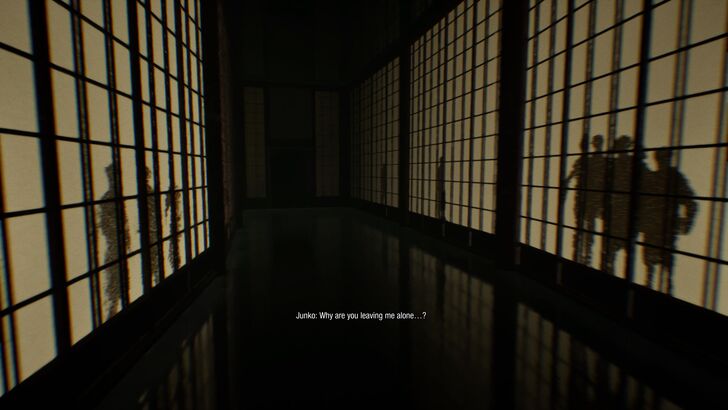
And look, I understand that not every game needs to stop for a lengthy exposition on its characters’ origins. But in this case, being a hikikomori is more than just another detail about Junko. It is one of the biggest things connecting her to Shinji and Hideo, and it is ultimately part of what brings the three of them to Elysium in the first place. Because of that, I wanted to see a little more consideration given to what that isolation actually means for her.
It wouldn’t have taken much, either. Don’t Watch, in particular, made a simple but effective way of showing how being a hikikomori made Shiji different from other people. Don’t Lie, on the other hand, doesn’t give Junko the same treatment. Instead, much of her characterization is built around another condition that I’ll get into later, making her hikikomori status feel more like something that was simply slapped onto her character rather than an important part of who she is.
Traumatic Past Doesn't Get the Depth It Deserves

In addition to that, Junko is also given a shallow backstory. Okay, let me backtrack: she has a very heavy and traumatic background, but it is told rather shallowly. We see plenty of terrible things happen to her throughout her childhood, yet the game rarely gives these moments enough time to settle or explore how they actually shaped the person she became. As a result, the foundations of her personality feel much less developed than they could have been.
What makes this more complicated is that her traumatic experiences are presented alongside her own faults. I’m constantly asked to empathize with what Junko has been through while also recognizing that her trauma doesn’t excuse everything she does. This is definitely one of the better decisions of Don’t Lie, because Junko is not a perfect victim. Giving Junko flaws alongside her suffering made her a much more nuanced character than simply presenting her as someone the player is meant to pity.

The problem with this though, is that the game doesn’t spend (again) enough time developing either side of that contradiction. Her trauma is rushed through, while her faults are often presented without enough context to fully understand where they come from. I can recognize what the game is trying to do, but I’m left feeling like I’m being given the conclusion of a character arc without enough of the journey to make it hit as hard as it should.
Showing Junko’s A Pathological Liar Gives Away The Twist
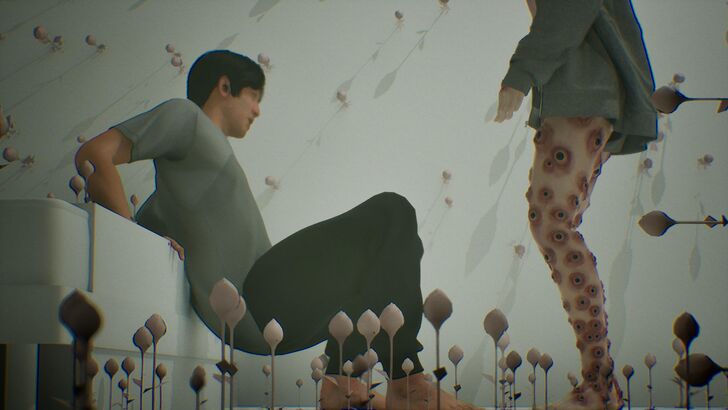
But what faults does Junko actually have that make players question their empathy towards her? Well, Don’t Lie is essentially a version of "The Boy Who Cried Wolf." The problem is that I’m told immediately that Junko is a pathological liar.
If Junko has a habit of lying and manipulating the people around her, then it would’ve become much more interesting if us, as the players, also had a hard time figuring out how much of what she tells other people is true, and how much of it is a lie, or just outright psychosis. I think the game would have been far more effective if it had made me ask that question myself, instead of showing me that Junko’s just lying.

The game spends its first thirty minutes showing her deliberately deceiving Hideo simply to get attention. By establishing so early that she is capable of knowingly fabricating things, the story undermines the very uncertainty that could have made its later revelations far more shocking.
This becomes an even bigger missed opportunity when Don’t Lie touches on another surprisingly relevant subject. Her growing dependence on her AI assistant. Given how difficult it is for Junko to connect with other people, her reliance on an AI develops into what the game frames as AI psychosis, to the point where she would believe what her AI tells her than seek help from an actual person. Considering how increasingly relevant this is in today’s climate, there is something genuinely interesting here.
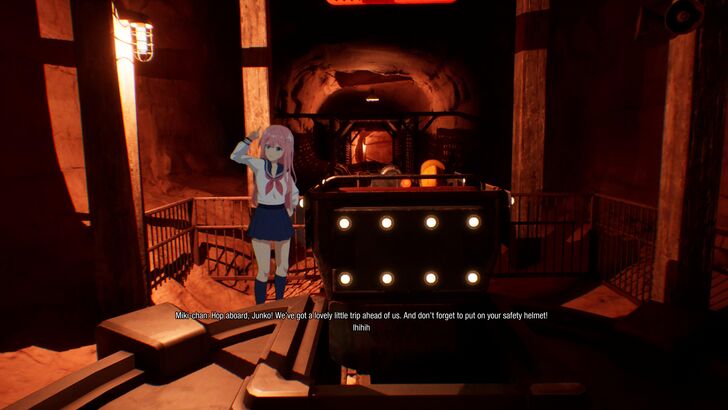
Unfortunately, once again, Don’t Lie only brushes against the idea. Her dependence on the AI is present throughout the main story, but much of the actual development is tucked away in locked collectibles containing snippets of her conversations with it. Unless players go out of their way to find and complete these collectibles, you’re only getting a surface-level understanding of just how dependent Junko has become.
Twisted Perspective That Doesn’t Feel Twisted

The way Junko’s story unfolds also weakens the ending. Don’t Lie seems to want players to experience the finale through Junko’s twisted perspective, where the lines between what she believes, what she tells others, and what is actually happening begin to blur. But because I already know that Junko is a pathological liar—and have even watched her deceive everyone for attention—it never quite feels like I’m being pulled into an unreliable perspective.
I know she lies, I know she is being haunted by the consequences of her deception, and ultimately, I know she is becoming the very thing she fears the most. The reveal doesn't carry the same shock it could have if I had been left to question Junko's reality alongside her.
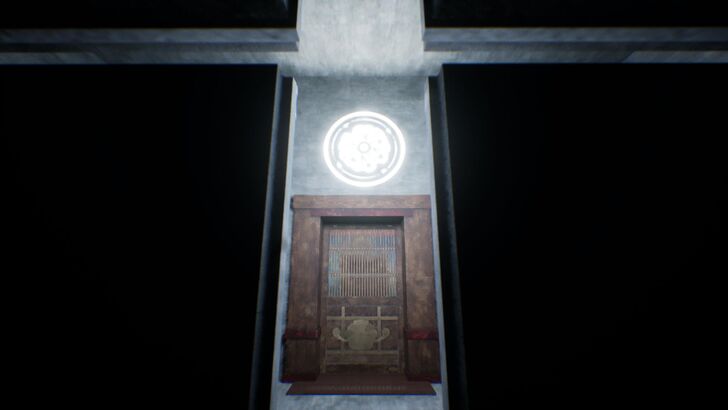
The ending itself is also incredibly sudden. By the end, I didn't quite get the feeling that Junko's story is actually finished. Admittedly, that works to some extent because Don’t Lie is only one side of a larger story, with Hideo's perspective still to come. But that doesn't stop me from feeling like Junko's own story could have gone much deeper.
It also makes me wonder whether Don’t Lie might have been better served as the final entry in this particular trilogy. The reveal that she is essentially the link between Shinji and Hideo, her story could have been the piece that finally brought everything together, allowing the connections between all three perspectives to build toward one final revelation.
Mythology That Invites Interpretation

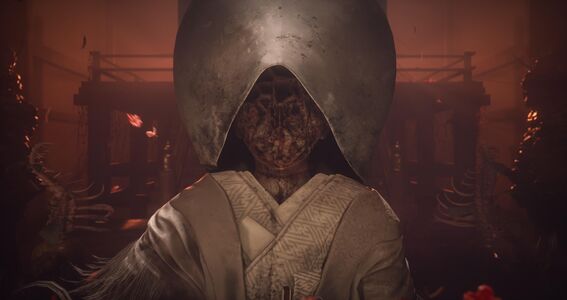
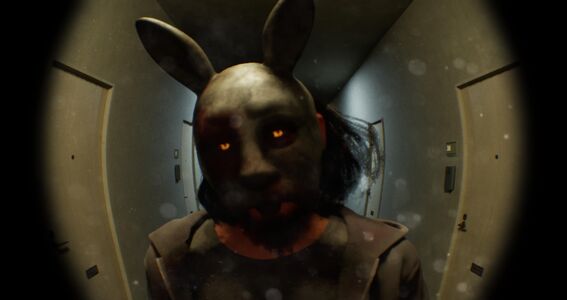
An interesting aspect of Don’t Lie though, lies in its supernatural mythology. Particularly the two entities that haunt Junko. While the Hooded Dodomeki, (or the eye monster,) is more directly integrated into her story, the masked rabbit leaves much more room for interpretation.
Unlike the Hooded Dodomeki, whose connection to Junko's propensity for deception and her desire for attention becomes relatively apparent, the masked rabbit feels more mysterious. Its presence leaves me wondering what exactly it represents within Junko's story and how it ties into the trauma she's experienced. Is it another manifestation of what she's running from, a representation of something buried within her, or something entirely separate from her own psyche?
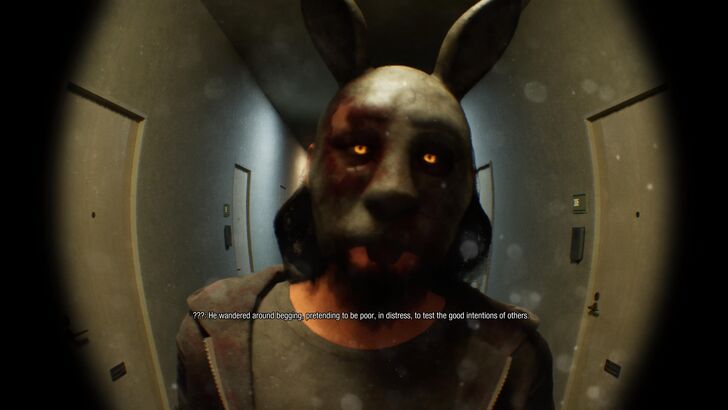
It doesn't necessarily need to explain itself immediately for it to be effective. By leaving some ambiguity around its purpose and symbolism, Don’t Lie gives players something to think about beyond simply what's happening on the surface.
There may very well be more to its story in the next installment, but even within Don’t Lie, I appreciated having an element that made me stop and wonder what it could mean for Junko. It’s a small piece of the mystery that makes her story feel like there is still more beneath the surface waiting to be uncovered.
Elysium Remains Full of Questions

Elysium itself is, of course, another recurring element of Don’t Lie, just as it was in Don’t Watch and the other BrokenLore entries. Here, though, it is even more heavily woven into Junko's story. Many of her hallucinations eventually lead back to the facility, making Elysium feel like the place where everything surrounding these three characters ultimately converges.
Yet for how prominent it is, I still don't feel like I learned enough about what actually happened there to Junko, Shinji, and Hideo. We get glimpses of their experiences, but not enough context to understand the full extent of what Elysium did to them or how those experiences connect the three stories together.
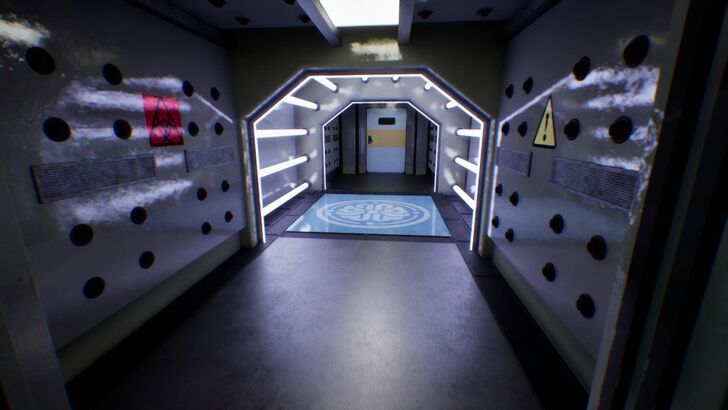
Again, this may simply be because there is still another side of the story waiting to be told. But when each BrokenLore game is presented as its own full release, I still have to judge what Don’t Lie gives me on its own. And for players who haven't experienced the previous games, that becomes an even bigger problem.
Someone coming into Don’t Lie without any prior knowledge of BrokenLore can understand that Junko is hallucinating, but it is much harder to piece together that Elysium may actually be responsible for—or at least involved in—what she is experiencing. The idea that these hallucinations could be simulated events or experiments conducted on their patients as part of their supposed "clinical progress" is much easier to recognize when you already know what Elysium is capable of from the previous games.

That creates a situation where the same scenes can carry very different weight depending on how familiar players are with the series. Additionally, Elysium is arguably one of the most important pieces tying these stories together. Don’t Lie puts it front and center, but doesn't quite give enough context to understand why you should be looking at it beyond being the unsettling facility where Junko's hallucinations keep taking her.
Walking Simulator With Puzzles That Barely Feel Like Puzzles
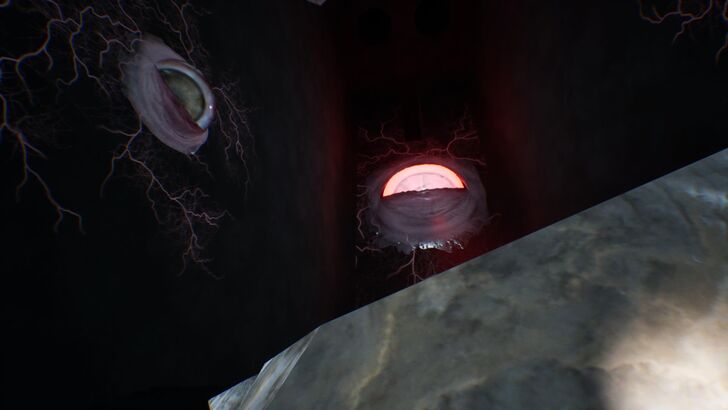
As with the other BrokenLore games, Don’t Lie is primarily a walking simulator. Most of my time is spent exploring Junko’s apartment and hallucinations, following her story, and occasionally stopping to interact with something that technically qualifies as a puzzle.
I say technically because these puzzles rarely ask much of the players. Plugging in a TV, finding your way through dark hallways, and figuring out where you’re supposed to go make up much of the interaction, with most obstacles feeling more like brief interruptions to the exploration than actual puzzles you need to solve. They give you something to do, sure, but rarely enough to make you feel like you’ve had to think your way through a situation.

The "Don’t Watch" mechanic also makes a return, requiring players to keep walking without looking at their surroundings, so they don't get taken by the Hooded Figure. While it initially sounds like a stealth mechanic, it doesn't really function as one. There isn't much room for you to strategize or carefully navigate around an enemy; instead, you’re essentially just following a rule that tells you where you can and cannot look. It creates tension in the moment, but doesn't do much to make the otherwise straightforward exploration feel more interactive.
Combat Is More Silly Than Scary
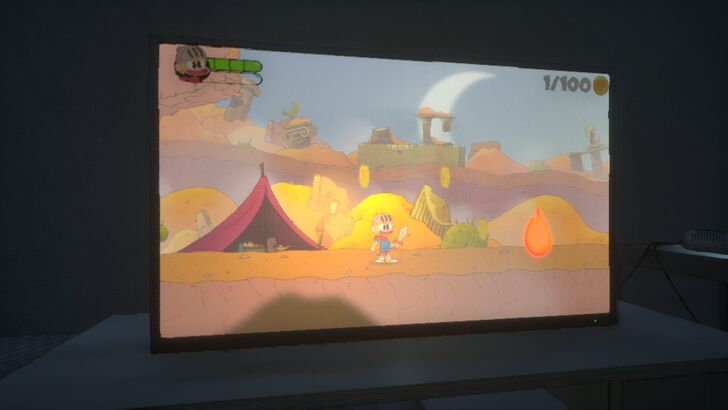
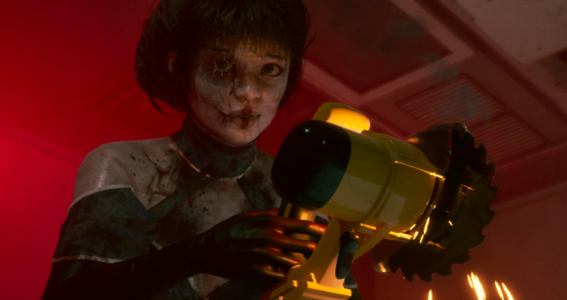
Then there's the combat, which is… honestly, kind of silly. Junko's hallucinations bring enemies from Fantasy Boy (another game made by Serafini Productions), a game she plays, to life, with the creatures appearing throughout her reality. It's a fun way to blur the line between the game she's playing and the world she's experiencing, but actually fighting these enemies is a different story.
For one, some of these enemies are really short. Because combat essentially boils down to pointing and stabbing, I frequently found myself having to angle the camera downward just to hit them. Add in the static, somewhat janky stabbing animation, and fighting these tiny enemies starts feeling like I'm just trying to poke something with a stick.
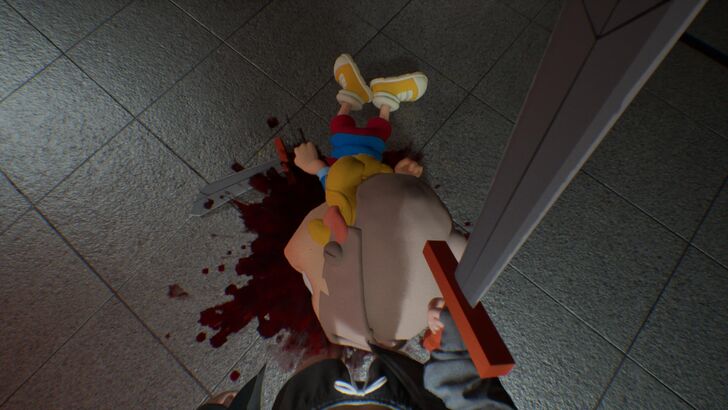
It doesn't help that the combat itself is already incredibly basic. There isn't much depth to the encounters, so when the awkward camera angles and small enemy models get involved, the result can be unintentionally funny rather than suspenseful. For a psychological horror game, that's probably not the kind of tension I was supposed to be feeling.
Better As a DLC?
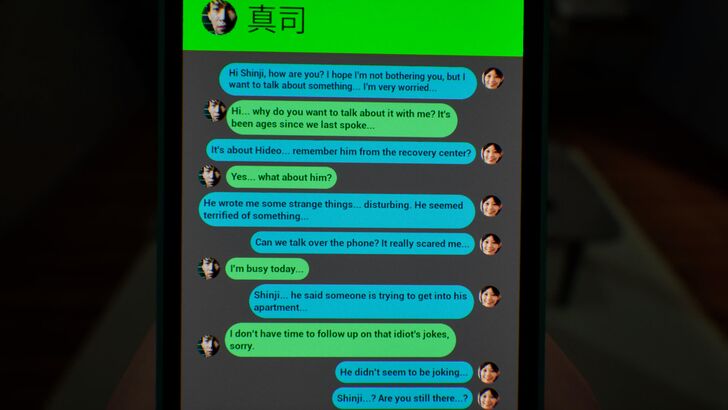
Maybe Don’t Watch, Don’t Lie, and the upcoming Don’t Play would have made more sense as one larger game, whether released episodically or as separate chapters. At least then, the relatively short runtime of each perspective would feel more justified, and there would be more room for the three stories to complement one another rather than each having to carry its own narrative weight.
Instead, what we have now, are separate titles that still don’t dive deep into the trauma, the relationships, the supernatural elements, and the importance of Elysium to each of these characters. There is so much potential in Junko's story, particularly once we learn how important she is to the connection between Shinji and Hideo, that I can't help but feel like the game missed an opportunity to actually sit with her character.
Is BrokenLore: Don't Lie Worth It?
Only If You’re Already Invested in BrokenLore
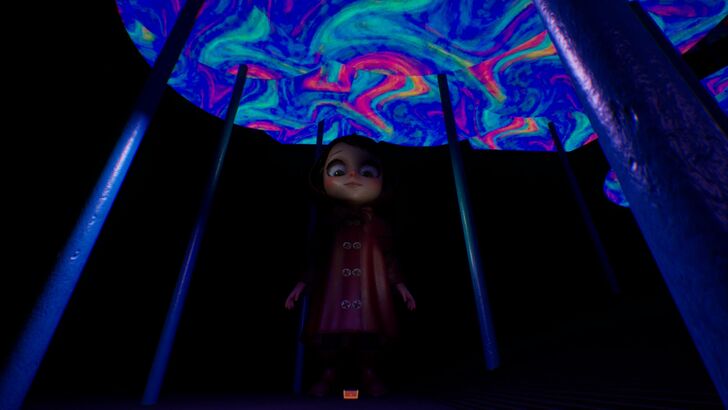
Ultimately, BrokenLore: Don’t Lie works best if you’ve already invested in the BrokenLore franchise. And I don't mean just having played Don’t Watch. The little bits of lore, recurring symbolism, and especially the information surrounding Elysium carry much more weight when you've already encountered the crumbs scattered throughout the other BrokenLore games.
On its own, Don’t Lie assumes players already know more than what it’s actually telling. One can follow Junko's story and understand what is happening on a surface level, but many of the details that are supposed to make the experience feel like part of a larger psychological descent only really click if players recognize what they’re seeing from previous entries.

That's why I see Don’t Lie as a slice of a much bigger BrokenLore cake. Eating this slice by itself is definitely a more disappointing experience, especially when the game leaves so many questions unanswered. But if I've already had the other pieces, I can appreciate how this one fits into the bigger picture.
There is something satisfying about recognizing a recurring element, understanding what a particular symbol means, or realizing that something Junko is experiencing connects back to an earlier game.

For its price, I think Don’t Lie is decent. But whether it's worth the investment depends heavily on how much you've already invested in BrokenLore. If you're coming into it expecting a complete psychological horror experience that can stand entirely on its own, its short runtime and underdeveloped ideas may leave you wanting more. If you've already played through the franchise, however, there's enough here to make Junko's descent an appreciated—if incomplete—addition to the larger BrokenLore story.
BrokenLore: Don't Lie FAQ
Do I Have to Play Every BrokenLore Game Before Playing BrokenLore: Don’t Lie?
A lot of its symbolism, recurring elements, and lore—particularly those surrounding Elysium—will be easier to understand with knowledge of the previous entries. If you don't have time to play the entire franchise, BrokenLore: Don’t Watch is the most important one to play beforehand, as Don’t Lie directly overlaps with its events and revisits them from Junko’s perspective.
Game8 Reviews